

Dog Insurance
Owning a dog comes with plenty of predictable expenses, from food and vaccinations to grooming, parasite prevention, and routine veterinary care. What is much harder to plan for is the unexpected. An accident, sudden illness, emergency surgery, specialist consultation, or long-term medical condition can result in veterinary bills that run into thousands of dollars, sometimes with very little warning. Dog insurance is designed to help owners manage that financial risk and make the cost of unexpected veterinary treatment more manageable.
At its simplest, dog insurance works by sharing some of the financial burden when an insured dog requires eligible veterinary treatment. Depending on the policy, coverage may include accidents, illnesses, diagnostic testing, hospitalization, surgery, prescription medications, specialist treatment, and other forms of veterinary care. Some insurers also offer optional wellness or preventive-care benefits, although these work differently from traditional accident and illness coverage.
However, not all dog insurance policies provide the same protection. Premiums, deductibles, reimbursement percentages, annual limits, waiting periods, exclusions, and eligibility requirements can vary considerably between insurers and policies. A plan that appears inexpensive at first glance may offer significantly less coverage, while a more expensive policy may provide benefits that an individual dog or owner may never need. Understanding those differences is an important part of deciding whether a policy represents good value.
Your dog can also have a major influence on both the cost and availability of insurance. Age, breed, location, and medical history may all affect premiums and coverage. Some breeds have greater risks of particular hereditary or congenital conditions, while older dogs are generally more likely to require veterinary treatment. This is one reason owners often consider insurance while their dog is still young and healthy, before medical conditions develop that could later be classified as pre-existing.
Pre-existing conditions are particularly important to understand. Dog insurance is generally intended to protect against future, unforeseen veterinary expenses rather than conditions that were already present before coverage began. Exactly how insurers define and assess a pre-existing condition can differ, making the policy wording and medical-history requirements just as important as the advertised premium.
There is also a bigger question: is dog insurance actually worth it? There isn’t one answer that applies to every dog or every household. Some owners value knowing that a major unexpected veterinary bill may be partly covered, while others prefer to build a dedicated emergency fund and pay veterinary expenses themselves. Your financial circumstances, tolerance for risk, dog’s health and age, and the level of veterinary care you would want to pursue can all influence that decision.
Cost should therefore never be the only factor when comparing policies. Understanding what is covered, what isn’t covered, how much of an eligible bill may be reimbursed, whether there are annual or condition-specific limits, and how claims are handled can reveal far more about a policy than its monthly premium alone. Reading the details before buying coverage can help prevent unpleasant surprises when you eventually need to make a claim.
This guide takes a practical look at dog insurance from an owner’s perspective. We’ll explain how coverage works, what policies commonly cover and exclude, how premiums and deductibles affect your costs, why breed and age matter, how pre-existing conditions are treated, and what happens when you make a claim. We’ll also examine the question of whether dog insurance is worth paying for and the key things to compare before choosing protection for your dog.

Table of Contents
Is Dog Insurance Worth It?
Whether dog insurance is worth the cost depends largely on your financial circumstances, your dog, and how much risk you’re comfortable carrying yourself. Insurance doesn’t necessarily make veterinary care cheaper over the lifetime of every dog. Instead, its main purpose is to protect against the possibility of a large, unexpected veterinary expense that could otherwise be difficult to manage.
Emergency treatment can become expensive quickly. A serious accident, orthopedic surgery, cancer treatment, advanced diagnostic imaging, or hospitalization may result in veterinary bills reaching thousands of dollars. For an owner with comprehensive accident and illness coverage, an eligible portion of those costs may be reimbursed according to the policy’s deductible, reimbursement rate, limits, and exclusions. Without insurance, the owner is responsible for the entire bill.
That doesn’t automatically mean every dog needs insurance. Some owners have enough accessible savings to comfortably pay a substantial veterinary bill and prefer to effectively self-insure by maintaining a dedicated emergency fund. Others would rather pay a predictable insurance premium in exchange for reducing their exposure to a potentially much larger expense.
Your dog’s age and health can also affect the equation. Purchasing coverage while a dog is young and healthy may provide broader protection before medical problems emerge, while obtaining insurance later can be more expensive and any existing conditions may be excluded. Breed-related health risks are another consideration, particularly when choosing coverage for a breed predisposed to costly hereditary or orthopedic conditions.
Ultimately, the value of dog insurance isn’t measured only by whether you eventually claim more than you paid in premiums. For many owners, its value lies in knowing that if a serious medical problem occurs, finances may play a smaller role in decisions about their dog’s treatment. The right choice is the one that provides an appropriate balance between the protection you want and the ongoing cost you can comfortably afford.
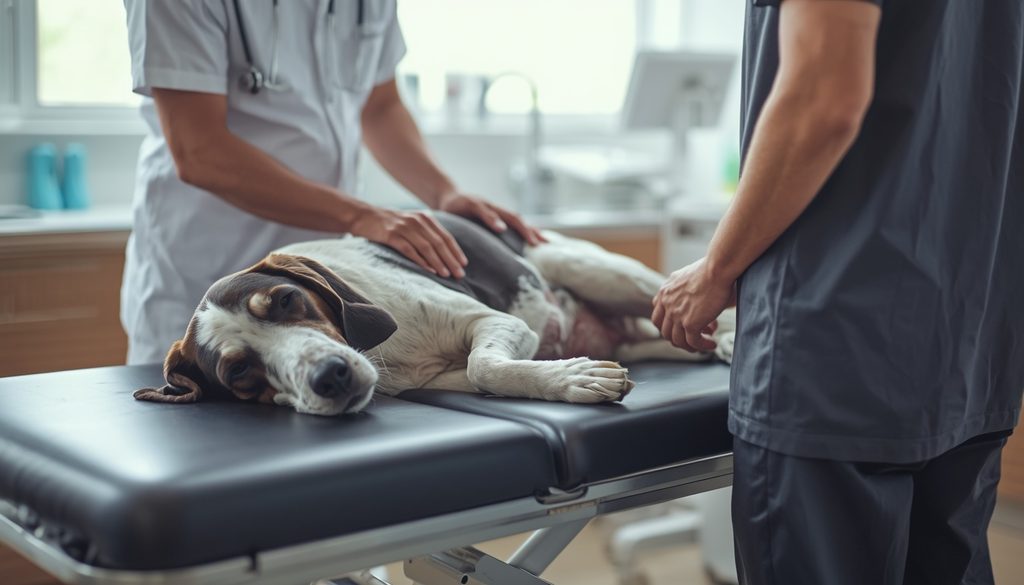
Good to Know: Is Dog Insurance Worth It?
Dog insurance is primarily protection against financial risk, not a guarantee that you’ll receive more in claims than you pay in premiums. When deciding whether it’s worth it, consider how comfortably you could handle a major unexpected veterinary bill. Insurance can provide valuable protection when emergency treatment or serious illness results in significant veterinary costs.
What Does Dog Insurance Cover?
What dog insurance covers depends on the policy you choose, but comprehensive accident and illness plans are generally designed to help with veterinary expenses arising from unexpected injuries and medical conditions. Rather than covering every visit to the veterinarian, insurance typically focuses on eligible treatment needed when something goes wrong. Understanding exactly what qualifies for reimbursement is important because two policies that appear similar at first glance can provide very different levels of protection.
Accident coverage may include injuries such as broken bones, wounds, swallowed objects, poisoning, burns, bite injuries or trauma resulting from falls and other unexpected events. Depending on the policy, associated diagnostic tests, X-rays, emergency consultations, hospitalization and follow-up treatment may also be eligible for reimbursement. Owners comparing pet insurance for surgery should check whether surgical procedures, anesthesia, hospitalization and related diagnostic care are all included rather than assuming every associated expense will be covered.
Illness coverage can extend protection considerably further. Eligible conditions may range from infections, digestive problems, skin conditions and allergies to diabetes, heart disease, cancer and other illnesses requiring veterinary treatment. Some comprehensive policies may also cover specialist consultations, laboratory testing, ultrasound, advanced diagnostic procedures such as MRI or CT scans and treatments that continue over an extended period.
Owners also commonly ask does pet insurance cover medication. Prescription drugs used to treat an eligible accident or illness may be covered under some policies, but the rules can vary. Certain medications, supplements or preventive treatments may be excluded, so it is worth checking how prescription costs are handled before enrolling.
Hereditary and congenital conditions may also be covered by some policies, provided they were not considered pre-existing when coverage began and are not specifically excluded. This can be particularly important for breeds with known predispositions to conditions such as hip dysplasia, certain heart disorders, inherited eye diseases or other breed-associated health problems.
Another common question is does pet insurance cover vaccines. Routine vaccinations are generally considered preventive care rather than treatment for an unexpected accident or illness, so they may not be included in standard coverage. Some insurers offer wellness or preventive-care benefits that contribute toward vaccinations, annual examinations, dental cleaning and other predictable healthcare expenses.
Some plans go beyond conventional veterinary treatment and may provide benefits for rehabilitation, physical therapy, behavioral treatment prescribed for an eligible medical condition or other forms of care. These additional benefits can vary considerably between insurers and may be subject to separate limits or conditions.
It’s important to remember that coverage varies significantly between insurers. A treatment covered under one policy may be limited or excluded under another, and reimbursement will still depend on factors such as your deductible, reimbursement percentage, annual limit, waiting periods and the insurer’s policy terms. Reading the actual policy documents and understanding what is — and isn’t — covered is therefore far more useful than relying on a general list of advertised benefits.
Good to Know: What Dog Insurance May Cover
Comprehensive dog insurance may help cover eligible veterinary costs resulting from unexpected accidents and illnesses. Depending on the policy, this can include diagnostic tests, surgery, hospitalization, prescription medications, specialist treatment, and ongoing care. Some plans may also cover hereditary or congenital conditions if they are not considered pre-existing. Always check the policy’s exclusions, waiting periods, reimbursement levels, and coverage limits before enrolling.

What Isn’t Usually Covered by Dog Insurance?
Knowing what dog insurance doesn’t cover can be just as important as understanding what it does. Every policy contains exclusions and limitations, and these determine which veterinary expenses remain your responsibility. Although the details vary between insurers, certain exclusions are common across many dog insurance policies.
Pre-existing conditions are one of the most important. A condition that existed, showed symptoms or was diagnosed before coverage began may be excluded from future claims. In some cases, even symptoms recorded in your dog’s veterinary history before a formal diagnosis can affect whether a later claim is considered eligible. Because definitions vary between insurers, it’s important to understand exactly how a particular policy defines a pre-existing condition.
Routine and preventive veterinary care is also commonly excluded from standard accident and illness insurance. Annual examinations, vaccinations, flea and tick prevention, heartworm prevention, routine blood tests and other everyday healthcare expenses may need to be paid separately. Some insurers offer optional wellness or preventive-care plans that contribute toward these costs, but these should be considered separately from protection against unexpected accidents and illnesses.
Elective and cosmetic procedures are generally excluded as well. Procedures performed primarily for appearance or convenience rather than medical necessity are unlikely to qualify for reimbursement. Breeding, pregnancy and related reproductive expenses may also be excluded under many policies unless specific coverage is available.
Dental coverage deserves particularly careful attention because policies can treat it very differently. Dog dental insurance may cover certain dental injuries or illnesses under some policies, while routine cleaning, periodontal disease, extractions or other treatment may be restricted or excluded. Owners looking for pet insurance that covers dental cleaning or dog insurance that covers dental should check the policy wording carefully, because routine dental care is often treated differently from treatment required because of an accident or illness and may only be available through an optional wellness benefit.
Waiting periods can create another temporary limitation. After purchasing a policy, there is usually a period before certain coverage becomes active. An illness or injury that develops during an applicable waiting period may not be eligible for reimbursement and could potentially affect future coverage depending on the policy terms.
Ultimately, exclusions are one of the areas where policies can differ substantially. Before enrolling, read the policy documents carefully rather than relying only on a summary of benefits. Knowing what isn’t covered before you need veterinary treatment can prevent an unexpected claim denial later.

Good to Know: Common Dog Insurance Exclusions
Dog insurance commonly excludes pre-existing conditions, routine preventive care, elective procedures, and some breeding or pregnancy-related expenses. Dental care, hereditary conditions, and other treatments may be covered by one policy but restricted by another. Waiting periods can also affect whether a new illness or injury is eligible for reimbursement. Always read the exclusions and limitations before purchasing coverage.
Types of Dog Insurance Coverage
Dog insurance isn’t a single type of product. Policies can offer very different levels of protection, so understanding the main types of coverage makes it much easier to compare plans. Broadly, dog insurance is usually divided into accident-only coverage, accident and illness coverage, and optional wellness or preventive-care plans.
Accident only pet insurance is generally the most limited form of coverage. It is designed to help with eligible veterinary expenses resulting from unexpected injuries, such as broken bones, wounds, swallowed objects, poisoning or other accidental trauma. Because illness isn’t normally included, these policies may cost less than more comprehensive plans, but owners remain responsible for veterinary expenses associated with disease and other medical conditions.
Accident and illness insurance provides broader protection and is the type many owners consider when looking for comprehensive dog insurance. In addition to eligible accidents, coverage may extend to illnesses such as infections, digestive disorders, allergies, diabetes, heart disease, cancer and other medical conditions. Depending on the policy, diagnostic testing, surgery, hospitalization, specialist treatment and prescription medications may also be included.
Some policies also provide coverage for hereditary and congenital conditions, although the details need careful attention. These benefits can be particularly relevant for breeds predisposed to certain orthopedic, cardiac, eye or other inherited health problems. Coverage may depend on when symptoms first appeared and whether the condition is considered pre-existing.
Wellness or preventive-care plans work somewhat differently. They may contribute toward predictable expenses such as vaccinations, annual examinations, parasite prevention, routine bloodwork or dental cleaning. These plans are often offered as optional additions to accident and illness insurance rather than protection against major unexpected veterinary expenses.
When comparing coverage types, the broadest policy isn’t automatically the right choice for every owner. Consider your dog’s age, breed, health, lifestyle and the amount of financial risk you’re comfortable carrying yourself. The goal is to choose coverage that protects against the veterinary expenses that would be hardest for you to manage while keeping the ongoing premium affordable.
Good to Know: Choosing a Type of Dog Insurance
Accident-only insurance generally provides the most limited protection, while accident and illness plans can cover a much wider range of eligible veterinary treatment. Wellness plans may help with predictable preventive expenses but are often separate from traditional insurance coverage. Compare what each plan actually covers rather than choosing on premium alone. The best option depends on your dog and the level of financial protection you want.

How Much Does Dog Insurance Cost?
The cost of dog insurance can vary considerably from one dog to another. There isn’t a single standard premium because insurers calculate risk using several factors, including your dog’s age, breed, location, and sometimes sex, as well as the type and level of coverage you select. Two owners choosing similar policies may therefore receive very different quotes for their dogs.
Age is one of the biggest influences on price. Younger dogs are generally less likely to develop costly medical problems, while the likelihood of illness and ongoing veterinary treatment increases as dogs get older. As a result, premiums commonly rise with age, and some insurers may have restrictions on enrolling older dogs in certain types of coverage.
Breed can also affect the premium. Some breeds have a greater statistical risk of developing expensive hereditary, orthopedic, cardiac, respiratory, or other health conditions. A large or giant breed may also face different medical risks from a smaller dog. Insurers may take these differences into account when calculating the cost of coverage.
Where you live matters too. Veterinary fees vary considerably between regions, and insurance pricing may reflect the expected cost of veterinary treatment in your area. Owners living in locations where emergency hospitals, specialist services, and general veterinary treatment are more expensive may therefore receive higher quotes.
The choices you make when building a policy can have an equally significant effect. A higher reimbursement percentage, lower deductible, and larger annual coverage limit generally provide greater financial protection but can also increase the premium. Choosing a higher deductible or lower reimbursement level may reduce the regular cost while increasing the amount you would need to pay yourself when making a claim.
Optional benefits can increase the price further. Wellness coverage, examination-fee coverage, rehabilitation benefits, or other additional features may be available depending on the insurer. Before adding them, consider whether the extra premium provides meaningful value for expenses you expect to encounter.
For this reason, comparing dog insurance purely by monthly price can be misleading. A cheaper policy may carry a higher deductible, lower reimbursement rate, tighter annual limits, or more exclusions. When comparing quotes, look at the total structure of the coverage and consider how much you could realistically have to pay yourself if your dog required expensive treatment.

Deductibles, Reimbursement & Coverage Limits
Understanding deductibles, reimbursement rates, and coverage limits is essential when comparing dog insurance policies. These three features determine how veterinary costs are divided between you and the insurer, and they can make a significant difference to both your regular premium and the amount you may receive when making a claim.
A deductible is the amount you’re responsible for before eligible expenses are reimbursed according to the terms of your policy. Some plans use an annual deductible, which generally needs to be met once during each policy year, while others may apply a deductible to each condition or incident. A higher deductible can often reduce the insurance premium, but it also means accepting more of the initial veterinary cost yourself.
The reimbursement rate determines what percentage of eligible expenses the insurer pays after the applicable deductible has been accounted for. Depending on the policy, you may be able to choose between different reimbursement levels. A higher percentage means the insurer may contribute more toward eligible treatment, but it will typically result in a higher premium.
For example, a policy with an 80% reimbursement rate doesn’t necessarily mean the insurer simply pays 80% of every veterinary bill. Deductibles, excluded services, policy limits, and other conditions can affect the final reimbursement. Some insurers may also calculate eligible costs differently, making it important to understand how claims are actually assessed.
A coverage limit sets the maximum amount the insurer will reimburse under specified circumstances. Many policies use an annual limit, while others may include limits for individual conditions, treatments, or benefits. Some plans offer very high or unlimited annual coverage, although broader protection will generally be reflected in the premium.
If you’re wondering what is a good annual limit for pet insurance, there isn’t one figure that suits every owner. A more useful approach is to consider the size of veterinary bill you would struggle to fund yourself, the types of treatment you would want available, and whether the policy’s annual maximum would provide meaningful protection in a serious illness or emergency.
These features need to be considered together rather than individually. A policy with a low deductible and high reimbursement percentage may appear attractive, but it could cost substantially more each month. Conversely, choosing a high deductible and lower reimbursement level can reduce the premium while leaving you responsible for a larger share of an expensive veterinary bill.
When comparing policies, consider what you could comfortably afford both every month and during an emergency. The most suitable combination is usually one that keeps the premium manageable while ensuring your deductible and share of an eligible claim wouldn’t create a second financial problem when your dog needs treatment.
Good to Know: Understanding Your Share of the Cost
Your deductible, reimbursement rate, and coverage limit determine how much of an eligible veterinary expense you may ultimately pay yourself. Higher deductibles can reduce premiums, while higher reimbursement percentages and coverage limits generally provide greater financial protection. Always consider these figures together when comparing dog insurance policies. A low premium alone doesn’t reveal your potential out-of-pocket costs.

Does Your Dog’s Breed Affect Insurance?
Your dog’s breed can influence both the cost of insurance and the type of coverage worth considering. Insurers use a range of information when assessing risk, and breed can be one factor because certain dogs are statistically more likely to develop particular illnesses, inherited conditions, or orthopedic problems during their lifetime.
Large and giant breeds, for example, can be more susceptible to conditions affecting the hips, elbows, joints, and other parts of the musculoskeletal system. Hip dysplasia, cruciate ligament injuries, and certain forms of arthritis can require diagnostic imaging, specialist consultations, surgery, rehabilitation, or long-term medication. Treatment can become expensive, which may be reflected in insurance pricing.
Other breeds have different health predispositions. Some brachycephalic dogs can experience respiratory, eye, skin, or spinal problems, while particular breeds may have increased risks of heart disease, inherited eye disorders, epilepsy, allergies, or certain cancers. These predispositions don’t mean an individual dog will develop those conditions, but insurers may consider broader breed-related claims data when calculating premiums.
This makes hereditary and congenital condition coverage particularly important to investigate. Some comprehensive policies include eligible inherited conditions provided there were no symptoms before coverage began, while other policies may impose restrictions, waiting periods, or exclusions. Simply seeing “illness coverage” on a policy summary doesn’t necessarily tell you how a breed-associated condition would be treated.
Mixed-breed dogs aren’t automatically exempt from these considerations either. Their size, age, medical history, and genetic background may still influence health risks and insurance pricing. If you know the breeds in your dog’s ancestry, understanding the health conditions associated with them can help you identify coverage that may be particularly valuable.
Breed can also interact with age. A condition that develops before you purchase insurance may later be considered pre-existing, regardless of whether that condition is common within the breed. Obtaining suitable coverage while a dog is young and healthy can therefore be worth considering, particularly when the breed has known hereditary health risks.
When comparing policies, look beyond the premium and investigate how each insurer treats conditions relevant to your dog’s breed. Good insurance isn’t about assuming your dog will become ill; it’s about understanding the risks that may exist and choosing a level of protection that makes sense for your individual dog.

Good to Know: Breed Can Influence Dog Insurance
Your dog’s breed may affect insurance premiums because some breeds have higher risks of particular hereditary, orthopedic, respiratory, or other medical conditions. Breed predisposition doesn’t mean your dog will develop a condition, but it can make certain types of coverage more important. Check how a policy treats hereditary and congenital conditions before enrolling. Coverage obtained before symptoms appear may provide more options.
Pre-Existing Conditions & Dog Insurance
Pre-existing conditions are one of the most important things to understand before buying dog insurance. In general, a pre-existing condition is a health problem that existed, produced symptoms, or showed clinical signs before your insurance coverage became effective. Most standard dog insurance policies do not cover treatment for conditions considered pre-existing.
A formal diagnosis isn’t always necessary for a condition to be classified this way. If your dog’s veterinary records show symptoms before the policy began, an insurer may determine that a later diagnosis relates to an existing medical problem. For example, repeated limping documented before enrollment could potentially affect coverage if the dog is later diagnosed with an orthopedic condition involving the same area.
This is one reason insurers may request veterinary records when assessing a claim or reviewing a dog’s medical history. Previous examinations, medications, diagnostic tests, injuries, and reported symptoms can help establish when a condition first appeared. Owners should provide accurate information when applying for coverage and avoid assuming that an undiagnosed problem will automatically be treated as a new condition.
Not every insurer handles pre-existing conditions in exactly the same way. Some distinguish between curable and incurable conditions. Under certain policies, a condition considered curable may potentially become eligible again after the dog has remained symptom- and treatment-free for a specified period. Chronic or recurring conditions, however, may remain excluded. The definitions and time requirements vary, so the individual policy wording matters.
It’s also important to distinguish a pre-existing condition from a breed predisposition. A dog belonging to a breed with an increased risk of a particular disease doesn’t necessarily already have that disease. If the dog has shown no symptoms and the condition hasn’t developed before coverage takes effect, an eligible hereditary or congenital condition may still be covered under some policies.
Waiting periods add another consideration. Coverage doesn’t necessarily begin for every condition the moment you purchase a policy. If symptoms develop during an applicable waiting period, the resulting condition may not be covered and could potentially be treated as pre-existing afterward, depending on the insurer’s terms.
For owners of dogs that already have medical conditions, insurance can still potentially provide useful protection for unrelated future accidents or illnesses. The key is understanding exactly what will be excluded before purchasing the policy. Request clarification from the insurer if anything in your dog’s medical history is uncertain, and keep a copy of the policy documents and any information provided about exclusions.
Good to Know: Pre-Existing Conditions and Coverage
Most dog insurance policies don’t cover conditions that existed or showed symptoms before coverage became effective. A condition may sometimes be considered pre-existing even if it had not yet received a formal diagnosis. Some insurers treat certain curable conditions differently after a symptom-free period, while chronic conditions may remain excluded. Always check how an insurer defines pre-existing conditions before enrolling.
When Should You Insure Your Dog?
There is no single age at which every dog needs insurance, but timing can make a significant difference to the coverage available. Many owners consider taking out insurance when their dog is still young and healthy, before injuries, illnesses or other medical problems have had an opportunity to become part of the dog’s veterinary history.
Puppyhood can therefore be a practical time to investigate coverage. Although young dogs are generally less likely to suffer from many age-related illnesses, puppies are certainly not immune to veterinary emergencies. Swallowing foreign objects, accidental injuries, poisoning, infections and other unexpected problems can occur from an early age. Starting coverage early may provide protection against eligible future problems while the dog’s medical history is relatively uncomplicated.
Another advantage of enrolling a healthy young dog is the issue of pre-existing conditions. Insurance is designed primarily to cover future eligible events rather than medical problems that were already present when coverage began. Once symptoms or a diagnosis appear, related treatment may be excluded from a new policy. Buying insurance after a dog becomes ill therefore doesn’t necessarily provide coverage for the condition that prompted you to seek insurance.
That doesn’t mean it’s automatically too late to insure an adult or senior dog. Older dogs can still potentially receive useful protection for eligible future accidents and illnesses that aren’t considered pre-existing. However, premiums generally increase with age, and some insurers may apply age-related enrollment restrictions or offer different coverage options for older dogs.
Changes in your dog’s lifestyle can also provide a reason to reconsider insurance. A dog that begins traveling frequently, hiking, participating in dog sports, spending more time outdoors or accompanying its owner on other activities may face different risks than before. Likewise, learning more about health conditions associated with your dog’s breed may prompt you to review whether your existing financial protection is adequate.
Owners searching for pet insurance that starts immediately should pay particularly close attention to waiting periods. Many policies do not provide full coverage from the moment you enroll, and different waiting periods may apply to accidents, illnesses or specific conditions. An event that occurs before the relevant waiting period has ended may not be eligible for reimbursement.
Waiting until you expect to need insurance defeats much of its purpose. Insurance works best as protection against events that haven’t happened yet, so it is worth considering coverage while your dog is healthy rather than during a veterinary emergency.
Ultimately, the right time depends on your dog and your financial circumstances. Whether you have a puppy, an adult rescue or an older companion, compare the coverage available now with the veterinary costs you would be comfortable paying yourself. The earlier you understand your options, the easier it is to make the decision before an unexpected medical problem forces the issue.

How to Compare Dog Insurance Policies
Comparing dog insurance involves much more than finding the lowest monthly premium. Two policies that cost a similar amount can provide very different levels of protection, while a cheaper plan may leave you responsible for considerably more of the veterinary bill when you make a claim. The best comparison starts with understanding exactly what you’re receiving for the price.
Begin with the type of coverage. Check whether the policy covers accidents only or both accidents and illnesses, and look carefully at benefits for diagnostic testing, surgery, hospitalization, specialist treatment, prescription medications, hereditary conditions, and other veterinary care. If particular types of treatment are important to you, confirm that they are specifically included rather than assuming they will be covered.
Next, compare the deductible and reimbursement rate. A low deductible and high reimbursement percentage can reduce your share of an eligible claim, but these features will often increase the premium. Consider what you could realistically afford during a veterinary emergency rather than automatically selecting either the highest or lowest level available.
Coverage limits deserve equal attention. Check whether the policy has an annual maximum and whether additional limits apply to particular conditions, treatments, or benefits. A generous headline coverage amount can be less valuable if expensive treatments are subject to smaller individual caps.
Exclusions and waiting periods can reveal some of the biggest differences between policies. Look closely at how each insurer treats pre-existing conditions, hereditary and congenital conditions, dental treatment, rehabilitation, behavioral treatment, examination fees, and other services. Waiting periods may also differ depending on whether a claim involves an accident, illness, or particular orthopedic condition.
It’s also worth understanding how premiums may change over time. Your initial quote isn’t necessarily what you’ll pay throughout your dog’s life. Premiums can increase as your dog ages and may also change because of veterinary costs, location, coverage adjustments, or other factors permitted under the policy.
The claims process matters too. Find out what documentation is required, how reimbursement is calculated, whether claims can be submitted digitally, and whether the insurer can sometimes pay participating veterinarians directly. A policy with good coverage can still become frustrating if the claims process is unnecessarily difficult to navigate.
Finally, compare policies using the same assumptions wherever possible. Similar deductibles, reimbursement percentages, annual limits, and coverage types make it easier to understand genuine differences in price and protection. Taking a little extra time before enrolling can help you choose insurance based on what it actually provides rather than simply what it costs.
Good to Know: Comparing Dog Insurance Policies
Compare dog insurance policies using more than the monthly premium. Look at coverage, deductibles, reimbursement rates, annual limits, exclusions, waiting periods, and how hereditary or pre-existing conditions are treated. The claims process and potential premium increases are also worth considering. Comparing similar levels of coverage can reveal which policy offers better protection for your dog and your budget.

Making a Dog Insurance Claim
In many cases, you will initially pay the veterinarian directly and then submit a claim to your insurer for reimbursement. This sometimes leads owners to ask do all vets take pet insurance. Unlike some forms of human health insurance, pet insurance often works through reimbursement rather than requiring the veterinarian to belong to a particular insurer’s network. You’ll typically need an itemized veterinary invoice showing the treatment provided and the amount charged, and veterinary records, clinical notes, diagnostic results or other supporting information may also be requested.
Many insurers now allow claims to be submitted online or through a mobile app. Some veterinary practices may also submit claims on behalf of clients, while certain insurers offer arrangements that allow eligible payments to be made directly to participating veterinarians. These options can be particularly valuable when the veterinary bill is substantial because traditional reimbursement insurance may require you to fund the full cost upfront.
Once a claim is received, the insurer assesses whether the treatment is eligible under your policy. This may involve reviewing your dog’s medical history, the date symptoms first appeared, applicable waiting periods, exclusions, your deductible, and any coverage limits. The insurer then calculates the amount eligible for reimbursement according to the policy terms.
It’s important to remember that the amount reimbursed may not simply equal your stated reimbursement percentage multiplied by the total veterinary bill. Some items on the invoice may not be covered, and your deductible may still need to be satisfied. Annual or treatment-specific limits can also affect the final amount you receive.
Keeping complete veterinary records can help prevent unnecessary delays. If your dog changes veterinarians, make sure their medical history follows them, and retain copies of important invoices and insurance correspondence. Accurate records are particularly important when an insurer needs to determine whether a condition began before or after coverage became effective.
If a claim is denied, read the insurer’s explanation carefully. A denial may result from an exclusion, waiting period, pre-existing condition, missing documentation, or another policy provision. If you believe the decision is incorrect, check whether the insurer provides a review or appeal process and ask what additional evidence may be required.
The best time to understand the claims process is before you need to use it. Knowing what documents to keep, how claims are submitted, and whether you’ll need to pay veterinary expenses upfront can help you choose a policy that works practically as well as financially.

Good to Know: Making a Dog Insurance Claim
Dog insurance claims commonly require an itemized veterinary invoice and may also require medical records or other supporting information. Many policies reimburse owners after they have paid the veterinarian, although some insurers offer direct-payment options in certain circumstances. Keep your dog’s veterinary records and insurance documents organized. Understanding the claims process beforehand can make an unexpected veterinary visit easier to manage.
Dog Insurance for Older Dogs
As dogs grow older, veterinary care often becomes a more significant part of their lives. Arthritis, heart disease, diabetes, cancer, kidney disease, mobility problems, and other age-related conditions become more common, while diagnostic testing, medications, specialist consultations, and ongoing treatment can add considerably to the cost of care. For these reasons, insurance can remain valuable for an older dog, but finding appropriate coverage may become more complicated.
If your dog has been insured continuously since they were younger, maintaining that coverage may provide advantages. Conditions that developed while eligible coverage was already in place may continue to be covered according to the policy terms, whereas moving to a new insurer could result in those same medical problems being classified as pre-existing.
Taking out insurance for the first time when a dog is older is still possible with many insurers, although the available options can vary. Some companies impose maximum enrollment ages for particular plans, while others may insure senior dogs but charge higher premiums. Deductibles, reimbursement options, or coverage levels may also differ depending on the dog’s age.
Medical history becomes especially important. An older dog may have accumulated years of veterinary records containing previous illnesses, injuries, medications, or recurring symptoms. Conditions that existed before the new policy began will generally be assessed under the insurer’s rules for pre-existing conditions, which means insurance shouldn’t be viewed as a way to obtain coverage for medical problems already requiring treatment.
The potential cost of future care is another consideration. Senior dogs may require blood tests, imaging, medication, specialist care, surgery, rehabilitation, or management of chronic disease. When comparing policies, consider whether the annual limit and reimbursement structure would provide meaningful protection if your dog required prolonged or expensive treatment.
At the same time, increasing premiums can change the financial equation. Owners should periodically compare the annual cost of insurance with the protection it provides, while being extremely cautious about canceling an existing policy simply to obtain a cheaper quote elsewhere. Once a condition has developed, switching insurers may mean losing coverage for that condition under a new policy.
For some owners, continuing or purchasing insurance for an older dog provides valuable protection against a major future veterinary expense. Others may choose to combine more limited insurance with dedicated veterinary savings or self-fund care entirely. The right approach depends on your dog’s health, the coverage available, and the amount of unexpected veterinary expense you could comfortably absorb.
Age alone doesn’t determine whether dog insurance is worthwhile. What matters is understanding what a policy will cover from this point forward, what it will exclude, and whether the protection justifies the ongoing cost for your individual dog.
Good to Know: Insuring an Older Dog
Older dogs may still qualify for useful accident and illness coverage, although premiums, enrollment limits, and policy options can change with age. Existing medical problems may be treated as pre-existing conditions when starting a new policy. Think carefully before replacing long-standing coverage, particularly if your dog has developed health conditions. Compare future protection as well as the price of the premium.

Choosing the Right Protection for Your Dog
Choosing dog insurance ultimately comes down to finding a level of protection that suits both your dog and your financial circumstances. There is no single policy that will be right for every owner, and the most expensive plan isn’t automatically the best. What matters is understanding which veterinary costs you want protection against and how much financial risk you’re comfortable carrying yourself.
Start with your individual dog. Age, breed, health history, lifestyle, and known breed-related health risks can all influence the type of coverage worth considering. A young, active dog may present different risks from a senior companion, while an owner of a breed predisposed to hereditary or orthopedic conditions may place greater importance on how those conditions are covered.
Next, think realistically about your finances. Consider not only what premium you can comfortably afford each month, but also how you would manage a substantial veterinary bill. A policy with a higher deductible may reduce the regular premium, but you should be confident that you could pay that deductible unexpectedly if your dog required emergency treatment.
Look beyond the headline benefits when comparing plans. Deductibles, reimbursement percentages, annual limits, waiting periods, exclusions, pre-existing condition rules, hereditary-condition coverage, and claims procedures can all affect the real value of a policy. Reading the policy documents carefully is one of the most important steps you can take before enrolling.
It’s also worth reviewing your coverage periodically. Your dog’s needs can change as they age, and your own financial circumstances may change as well. However, switching insurers requires particular care because conditions covered under an existing policy could potentially be regarded as pre-existing under a new one.
Insurance is only one part of responsible financial planning for a dog. Maintaining some accessible savings for deductibles, uncovered treatment, routine veterinary care, and other unexpected expenses can provide an additional layer of security even when you have comprehensive insurance.
Ultimately, dog insurance is about preparing for uncertainty. You may never face a major veterinary emergency, but dogs can become sick or injured without warning. Understanding your options before that happens gives you the opportunity to make a considered decision based on coverage and affordability rather than having to think about finances for the first time when your dog needs care.

We hope you’ve enjoyed exploring this guide and found something useful along the way. There’s plenty more to discover across CanineBase, from dog breeds and behavior to health, nutrition, training, gear, and everyday life with your dog. Return to the CanineBase home page to explore more guides, advice, and resources for dog owners.
Understanding Dog Insurance
Dog insurance policies can differ considerably in coverage, exclusions, deductibles, reimbursement limits and how pre-existing conditions are handled. For a general overview of what to consider before choosing a policy, visit the American Kennel Club guide to pet insurance .