

Dog Gear
Dogs don’t need cupboards overflowing with equipment, but the right dog gear can make everyday life safer, easier and more enjoyable for both dog and owner. From collars and harnesses to beds, bowls, travel equipment and other dog accessories, useful products should have a purpose beyond simply looking good.
What works for one dog may be completely unsuitable for another. Size and strength obviously matter, but so do age, breed, body shape, behavior and lifestyle. A harness that fits a small companion dog comfortably may be poorly suited to a powerful working breed, while equipment designed for an energetic hiking dog may be unnecessary for a dog whose adventures rarely extend beyond the neighborhood.
Fit is particularly important. Collars, harnesses, coats and other wearable equipment should allow comfortable movement without rubbing, restricting or creating obvious pressure points. Dogs grow, gain and lose weight, and their equipment may need to be checked and adjusted over time rather than fitted once and forgotten.
Durability matters too. Leads, harnesses, crates and other safety-related equipment need to withstand the forces placed upon them. A lightweight product may be perfectly adequate for one dog but inappropriate for another that is considerably larger, stronger or more enthusiastic.
Then there is comfort. Beds should provide somewhere genuinely pleasant to rest, bowls should suit the dog using them, and travel equipment should help keep dogs secure without making every journey unnecessarily complicated. The best accessories for dogs are usually the ones that solve a genuine everyday problem rather than simply adding more clutter.
Technology has also entered the dog-gear world. GPS trackers, activity monitors, automatic feeders, cameras and other connected devices can be genuinely useful in the right circumstances, although not every new gadget solves a problem that actually needs solving.
Choosing canine accessories and everyday equipment therefore isn’t about buying the most expensive product or accumulating everything marketed to dog owners. It is about understanding the dog in front of you and asking whether a particular piece of equipment makes their life safer, more comfortable or simply better.
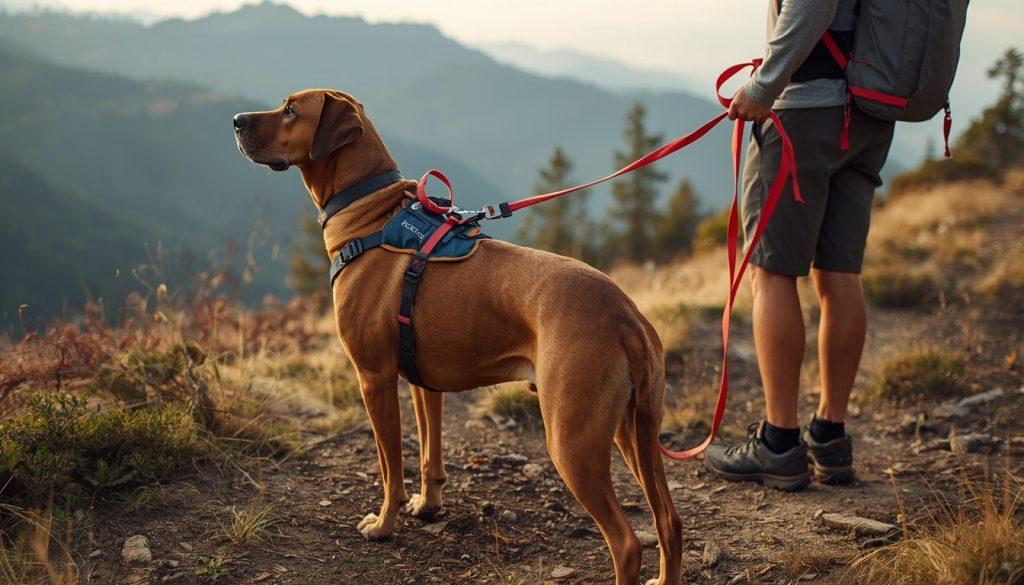
Table of Contents
Choosing the Right Gear for Your Dog
Walk into a pet store or browse online and the sheer amount of dog gear can be overwhelming. Collars, harnesses, beds, crates, toys, feeders, trackers and countless other products are available in almost every imaginable size, material and design. The challenge isn’t finding things to buy — it’s deciding which things your dog actually needs.
Start with the individual dog rather than the product. Size and weight are obvious considerations, but body shape, strength, age, behavior and lifestyle can be just as important. A piece of equipment designed for a small companion dog may be completely inappropriate for a large, powerful breed, even if technically available in the correct size.
Fit is especially important for anything worn on the body. Collars and harnesses should be secure without causing rubbing, restricting normal movement or placing unnecessary pressure on sensitive areas. Dogs also change over time, so equipment that fitted perfectly as a young adult may need adjusting or replacing following growth, weight changes or aging.
Think about how the equipment will actually be used. A leash for relaxed neighborhood walks has a different job from a long line used for recall training. A lightweight travel bed serves a different purpose from a supportive bed used every night by a senior dog. Matching the product to its intended use is often more valuable than simply buying the most feature-packed option.
Durability should reflect the dog too. Strong dogs, enthusiastic chewers and dogs that spend considerable time outdoors can place enormous demands on dog equipment. Clips, buckles, stitching, attachment points and materials deserve particular attention when failure could allow a dog to escape or become injured.
More expensive does not automatically mean better. The best dog gear is the gear that fits properly, performs its intended job and suits the individual dog. Premium materials and construction can justify a higher price when they improve comfort, safety or longevity, but dogs are surrounded by products containing features they may never use.
Safety claims also deserve scrutiny. Terms such as heavy duty, escape proof or crash tested can sound reassuring, but marketing language alone does not establish how well a product performs. For safety-critical equipment, independent testing, appropriate standards and clear manufacturer information are more useful than impressive packaging.
Reviews can help, but they need context. A harness praised by hundreds of owners may still fit your particular dog’s body poorly, while a supposedly indestructible toy may last minutes with an exceptionally determined chewer. Reviews are most useful when they come from owners using the product with dogs and circumstances similar to your own.
Good dog gear should ultimately disappear into everyday life. The leash feels comfortable in your hand, the harness stays securely in position, the bed gets slept in and the crate provides somewhere the dog willingly settles.
The question isn’t “What should I buy for my dog?” so much as “What problem does this solve for my dog?” If there isn’t a good answer, you may not need it at all.
Buy for the Dog, Not the Packaging
Size, body shape, strength, age and lifestyle should guide equipment choices. A highly rated product isn’t necessarily the right product for every dog.
Prioritize fit, safety, durability and purpose over unnecessary features. Before buying something, ask what it will actually do to make life safer, easier or more comfortable for your dog.
Collars, ID Tags and Identification
For many dogs, a collar is one of the most frequently used pieces of dog gear. It provides a convenient place for identification and, depending on the dog and circumstances, may also serve as an attachment point for a leash. Something worn so regularly needs to be comfortable, secure and appropriately fitted.
Collars are available in an enormous range of materials and designs, but complexity is rarely necessary. A straightforward flat collar made from durable material is suitable for many dogs. Width and construction should be appropriate for the dog’s size, while buckles, adjustment points and attachment rings should be strong enough for their intended purpose.
Fit requires a balance between comfort and security. A collar that is excessively tight can cause discomfort and rubbing, while one that is too loose may slip over the dog’s head. Owners should check the fit periodically, particularly with growing puppies or dogs whose weight or coat thickness changes.
Identification is one of the collar’s most valuable functions. An ID tag containing appropriate contact information can give someone who finds a lost dog an immediate way to contact the owner. Details should remain readable, and worn or damaged tags should be replaced.
Microchipping provides another important layer of identification. Unlike a tag, a microchip cannot simply fall from the collar during an adventure. However, the chip is only useful when the registration information connected with it is accurate, making it important to update contact details after moving or changing telephone numbers.
Using both visible identification and a registered microchip provides useful redundancy. A person finding a wandering dog may be able to contact the owner immediately from the tag, while a veterinary clinic or shelter can scan for a microchip if the collar has disappeared.
Some dogs require additional consideration when choosing collars. Dogs with narrow heads, sensitive skin or particular coat types may benefit from designs suited to their anatomy, while dogs prone to escaping require especially careful attention to fit and security.
Collars should also be inspected occasionally. Frayed webbing, damaged stitching, weakened buckles or distorted metal fittings can turn otherwise reliable equipment into a potential point of failure.
No collar can guarantee that a dog will never become lost, but appropriate identification can dramatically improve the chances of owner and dog being reunited. The best system is simple: secure identification on the dog, a registered microchip and contact details that are always kept current.

Identification Needs to Stay Current
An ID tag can provide an immediate way to contact you if your dog is found, while a registered microchip provides permanent identification if the collar or tag is lost.
Check tags for wear and remember to update microchip registration details whenever your address or contact information changes.
Harnesses and Getting the Right Fit
Harnesses have become a popular part of everyday dog gear and an alternative to attaching a leash directly to a collar, but choosing one involves more than finding the right color and approximate size. A harness sits across several moving parts of a dog’s body, so its shape, adjustment and fit can influence both comfort and freedom of movement.
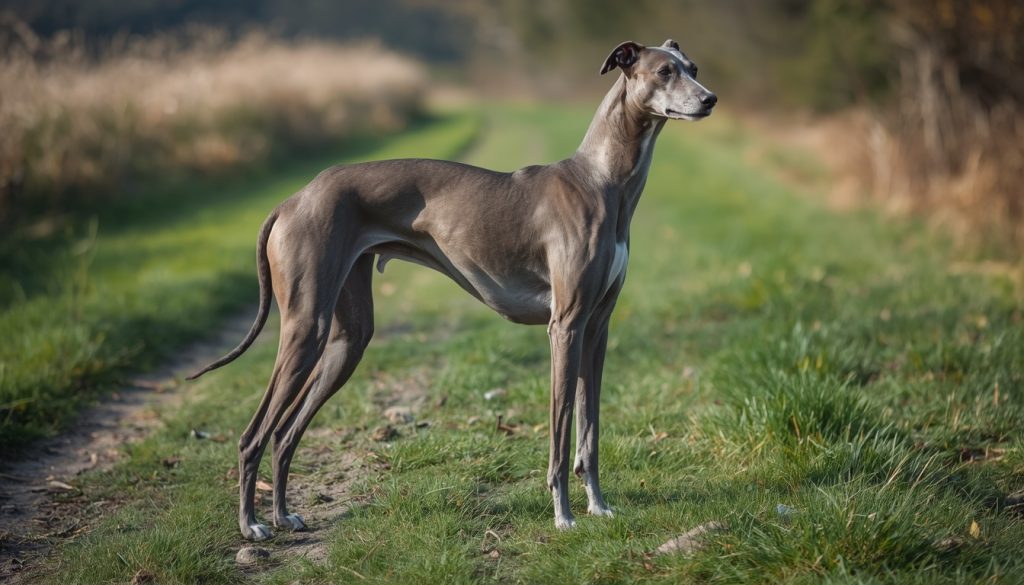
Dogs vary enormously in body shape. A deep-chested Greyhound, broad Bullmastiff, compact French Bulldog and narrow young Border Collie may all weigh similar amounts at certain stages of life while requiring very different harness proportions. Manufacturer size labels are therefore less useful than taking accurate measurements and checking the individual fit.
A well-fitted harness should remain secure without digging into the skin or rubbing behind the front legs. Straps should lie flat rather than twisting, and the harness should not continually rotate around the dog’s body during normal movement.
The position of the front sections deserves particular attention. Some harness designs sit across the shoulder in ways that may interfere with natural movement when poorly fitted. The dog should be able to walk and extend the front legs comfortably without straps repeatedly restricting or rubbing against them.
Attachment points also vary. Many harnesses provide a leash connection on the back, while others include a front attachment point or both. Different configurations can change how the harness feels and functions during walking, but no attachment position replaces teaching a dog how to walk comfortably on a leash.
Security is especially important for dogs that are frightened, newly adopted or skilled at backing out of equipment. Some harnesses include an additional body strap or other features designed to make escape more difficult. Whatever the design, owners should test the fit carefully before relying on it in a busy or unfamiliar environment.
Growth and weight changes can quickly alter the fit. A harness purchased for a puppy may require frequent adjustment, while changes in body condition or coat thickness can also affect how equipment sits. Checking the fit periodically takes only a moment.
Look at construction as well as comfort. Stitching, buckles, adjustment points and leash attachments need to withstand the strength of the dog using them. For a powerful dog, failure of one small component can mean failure of the entire restraint system.
The right harness should not dominate the dog wearing it. Once fitted properly, it should simply provide a secure, comfortable connection while allowing the dog to move naturally.
Fit Matters More Than Size Labels
Measure your dog rather than relying solely on small, medium or large sizing. A harness should remain secure without rubbing, twisting or restricting normal movement.
Recheck the fit as puppies grow and whenever your dog’s weight, body condition or coat changes significantly.
Service Dog Gear and Working Equipment
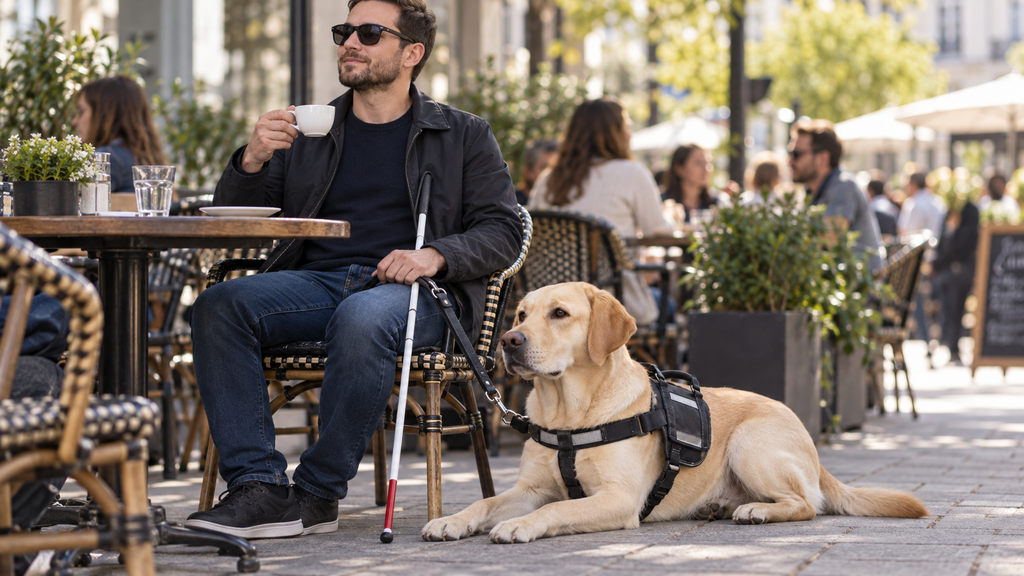
Service dogs may use specialized service dog gear to support the work they perform, communicate their role to the public or provide a secure and comfortable way for a handler to maintain contact with them. Depending on the dog and the tasks involved, this equipment may include harnesses, vests, identification patches, handles, leads and other purpose-designed accessories.
The most important consideration is function. Equipment should support the dog’s work without restricting normal movement, creating pressure points or adding unnecessary bulk. A vest or harness that looks professional but rubs behind the legs, shifts constantly or interferes with the shoulders is not suitable simply because it is marketed for service-dog use.
Fit matters especially when equipment is worn for long periods. Straps should sit securely without digging into the skin, and the dog should be able to walk, sit, lie down and perform trained tasks comfortably. Regular fit checks are worthwhile because body condition, coat thickness and muscle development can change over time.
Some service dogs use more specialized equipment related to the tasks they perform. Mobility-assistance dogs, for example, may work with particular handles or harness systems, while other dogs may use simpler equipment primarily for identification or handler control. The right setup depends on the individual dog, the handler and the work being performed.
Identification patches and vests can help communicate that a dog is working, but equipment itself does not determine a dog’s training or role. The practical value of a vest or patch is that it can reduce confusion in public and help discourage unwanted interaction while the dog is concentrating on its handler.
Leashes and attachment points also deserve careful consideration. Hardware needs to be secure and appropriate for the size and strength of the dog, while the length and style of the lead should suit the handler’s needs without creating unnecessary tangling or restriction.
As with any working equipment, service-dog gear should be inspected regularly for worn stitching, damaged buckles, weakened clips or other signs of wear. Equipment used every day can experience considerable stress, and small failures can become significant when the gear is relied upon for regular work.
The best service-dog equipment is not the most elaborate. It is the gear that allows the dog to work comfortably, safely and effectively while supporting the needs of the handler.
Function Comes Before Appearance
Service-dog equipment should fit securely, allow natural movement and suit the work the dog performs. Vests, harnesses, handles and leads should support the dog without interfering with comfort or mobility. Because working gear may be worn for long periods, check the fit regularly for rubbing, pressure points, worn stitching or damaged hardware. Good equipment should support the partnership between dog and handler without becoming a distraction or causing unnecessary discomfort.
Leashes, Long Lines and Walking Equipment
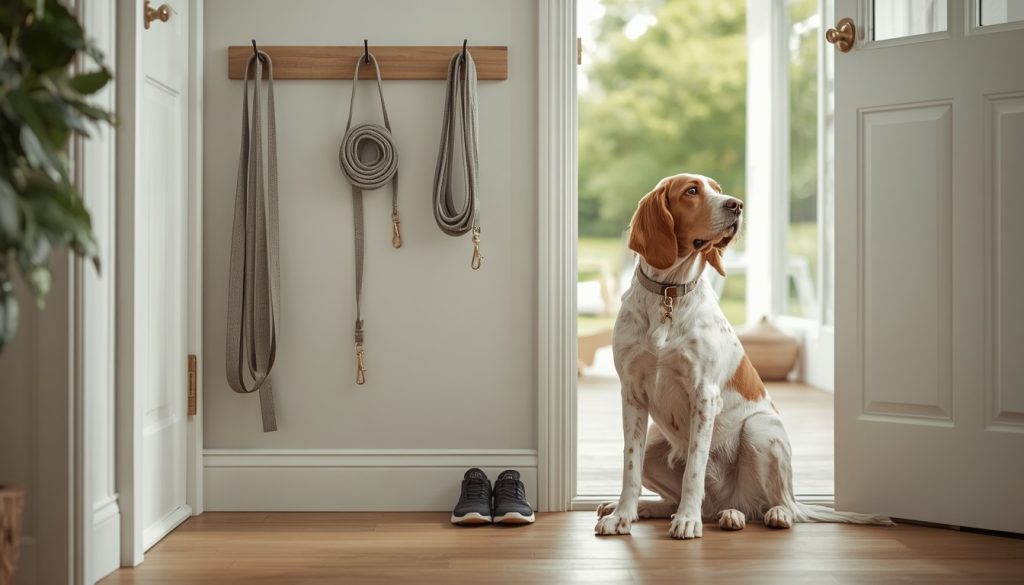
A leash is one of the simplest pieces of dog walking gear, yet the differences between designs can significantly change how practical they are to use. Length, material, attachment hardware and the purpose of the walk all matter more than choosing whatever happens to be hanging beside the collars in a store.
For everyday neighborhood walking, a straightforward fixed-length leash is often all that is required. It should provide enough freedom for the dog to walk and investigate their surroundings while allowing the owner to maintain comfortable control when passing traffic, people or other dogs.
Length changes how a leash functions. A shorter leash can provide closer management in busy environments, while a somewhat longer fixed leash gives a dog more opportunity to sniff and explore in open spaces. There is no need for every walk to keep a dog permanently beside the owner’s knee.
Long lines serve a different purpose and can be a useful form of dog training equipment. Often extending several yards or meters, they can provide considerably more freedom while maintaining a physical connection to the dog. They are particularly useful for recall training and controlled exploration in suitable open areas where allowing the dog completely off leash would be inappropriate.
Retractable leashes divide opinion because they offer convenience but also introduce particular limitations. The thin line can be difficult to manage, the handle can be dropped and the mechanism allows a dog to move a considerable distance from the owner. In some open environments they may suit particular dogs and owners, but they provide less predictable close control in crowded areas, around roads or when meeting other dogs.
Material affects comfort and durability too. Nylon webbing, rope and other modern materials each have different characteristics when wet, dirty or pulled through the hand. Clips and attachment points deserve particular attention because the leash is only as secure as the hardware connecting it to the dog.
The owner’s comfort matters as well. A handle that rubs or a heavy leash that feels cumbersome can make everyday walking less enjoyable. Equipment should suit the size and strength of both ends of the leash.
Most importantly, a leash is a safety connection rather than a substitute for training. No particular material, length or attachment can teach a dog to walk calmly. Good equipment supports good walking habits, but the relationship and communication between dog and handler remain at the other end of the line.
Match the Leash to the Walk
A fixed-length leash works well for everyday walking, while long lines can provide controlled freedom for training and exploration in suitable open spaces.
Consider length, material, hardware and where the equipment will actually be used. The best leash is one that provides appropriate freedom while allowing comfortable, reliable control.
Dog Beds, Blankets and Sleeping Comfort
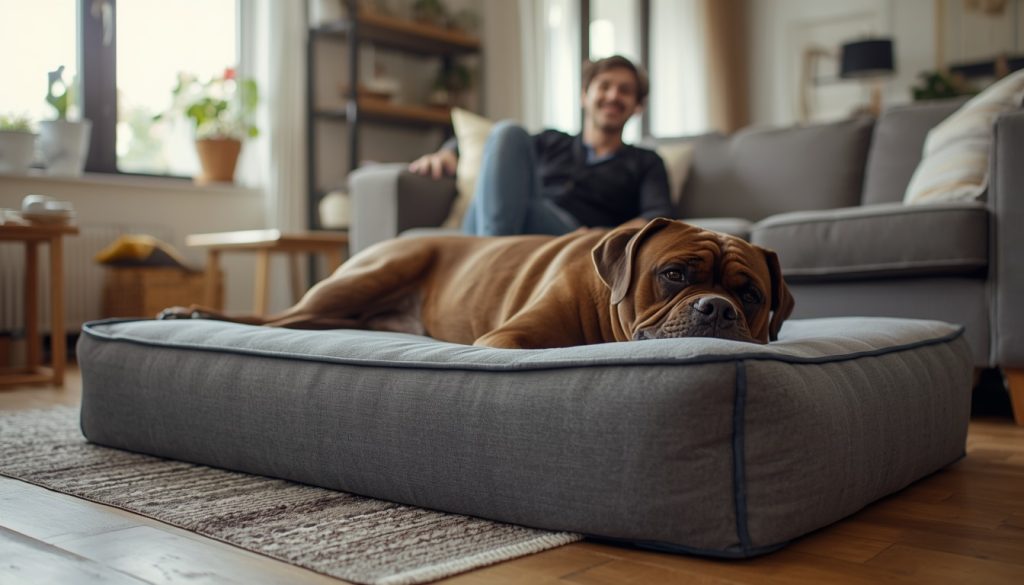
Dogs spend a significant part of their lives resting and sleeping, making a comfortable bed one of the most useful pieces of dog gear we can provide. The perfect dog bed does not need to be elaborate, but it should give the individual dog enough space, support and comfort to genuinely want to use it.
Size is an obvious starting point. A dog should generally be able to lie naturally without being forced into a position simply because the bed is too small. Watching how your dog prefers to sleep can help too. Dogs that curl tightly may enjoy beds with raised edges, while dogs that regularly stretch out may be more comfortable on a larger flat mattress.
Support becomes increasingly important for some dogs as they age. Senior dogs and dogs with mobility difficulties may appreciate thicker, supportive bedding that cushions the body while remaining easy to get onto and off. Very soft beds are not automatically more supportive, so construction matters as much as how luxurious a bed initially feels.
Where the bed will be used should influence the choice as well. A lightweight mat may be useful for travel, while an outdoor bed needs to cope with very different conditions from one sitting beside the family sofa. Raised beds can provide airflow and keep dogs away from damp or dirty ground, making them practical in certain environments.
Temperature is another consideration. Thick enclosed beds can be wonderfully inviting in colder conditions but less appealing to dogs that naturally seek cool floors. Some dogs alternate between their bed and tiles throughout the day depending on temperature, while others seem determined to sleep beneath a blanket regardless of the weather.
Blankets can add warmth and familiarity without requiring an entirely different bed. They are also easy to move between the home, car, crate or holiday accommodation, giving the dog something carrying familiar smells in an unfamiliar environment.
Practicality matters to owners too. Dog beds inevitably encounter hair, dirt, muddy paws, drool and the occasional accident. Removable washable covers and durable fabrics can make an enormous difference to how easy a bed is to live with over the long term.
Chewing habits should also be considered. Puppies and determined chewers may quickly dismantle exposed zippers, loose fabric or soft filling. No fabric bed should be assumed to be indestructible, and damaged bedding should be repaired or replaced if loose material could be swallowed.
Ultimately, dogs provide the best review. You can research materials, compare specifications and spend a small fortune on the latest orthopedic design — only to discover your dog asleep beside it on the floor.
The best bed isn’t necessarily the most expensive or impressive. It’s the one that provides appropriate support, enough room and somewhere your dog genuinely chooses to rest.

Bowls, Feeders and Drinking Gear
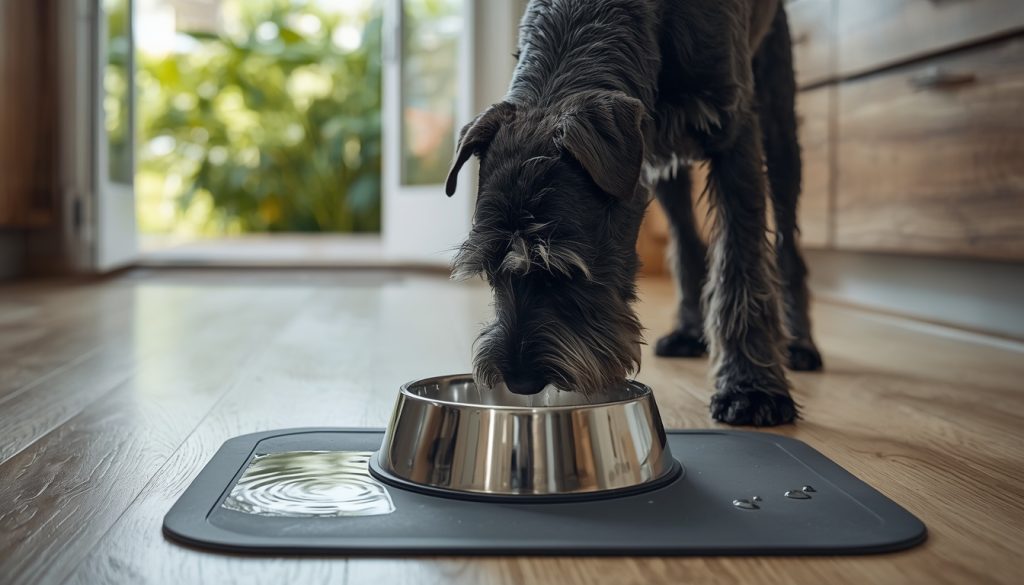
Food and water bowls are among the most basic pieces of dog equipment, but even something this simple deserves a little thought. Size, material, stability and ease of cleaning can all influence how practical a bowl is for both the dog and the household.
A bowl should be appropriately sized for the dog using it. Very small bowls can be awkward for large dogs, while unnecessarily enormous bowls can make portion sizes harder to judge. Shape can matter too, particularly for dogs with long ears, short muzzles or other physical characteristics that affect how comfortably they can reach food and water.
Material is another consideration. Stainless steel bowls are popular because they are durable, relatively lightweight and generally easy to clean. Ceramic bowls can be heavier and less likely to move across the floor, although cracked or chipped surfaces should be replaced. Plastic bowls are inexpensive and convenient but can become scratched over time, creating surfaces that are more difficult to keep thoroughly clean.
Whatever material is chosen, regular washing matters. Food residue, saliva and standing water can quickly leave bowls unpleasant if they are simply topped up repeatedly. Water bowls should be refreshed regularly so dogs have easy access to clean drinking water throughout the day.
Some dogs benefit from more specialized designs. Slow-feeder bowls contain ridges or other obstacles that encourage dogs to take longer over their meals rather than swallowing food rapidly. Puzzle feeders can turn part of a dog’s meal into an enrichment activity, while automatic feeders can dispense measured portions according to a schedule.
Water fountains are another increasingly common option. Some dogs appear to enjoy drinking from moving water, and larger-capacity systems can be convenient in multi-dog homes. They still require regular cleaning, however; filtration and circulating water do not eliminate the need to maintain the equipment itself.
Raised feeders are widely available, but they should not automatically be assumed to be healthier or more comfortable for every dog. Individual circumstances vary, and owners considering an elevated feeding setup for medical reasons should follow appropriate veterinary advice rather than relying on marketing claims.
Portable bowls and dog water bottles can be particularly useful away from home. A collapsible bowl takes up very little space in a car or backpack and can make it much easier to offer water during walks, hikes, road trips or days at the beach.
As with most dog gear, feeding equipment does not need to be complicated. Choose something appropriately sized, stable and easy to clean, then concentrate on what matters most: providing the right food and plenty of fresh water in a way that works comfortably for your dog.
Keep Feeding Gear Simple and Clean
Choose bowls that suit your dog’s size and are stable, durable and easy to wash. Stainless steel and quality ceramic are practical choices for many households.
Slow feeders, fountains and automatic feeders can be useful for particular dogs, but additional features never remove the need for regular cleaning and fresh drinking water.
Crates, Kennels, Gates and Safe Spaces
Creating safe boundaries around a dog is sometimes just as important as the equipment they wear. Crates, indoor gates, exercise pens, outdoor kennels and enclosed runs can all provide useful ways to manage a dog’s environment, but each serves a different purpose and should be chosen with the individual dog in mind.
A crate can provide a secure resting space at home, assist with travel and form part of puppy management or house training. It should provide enough room for the dog to stand naturally, turn around and lie comfortably rather than forcing them into a cramped position.
Crates work best when dogs learn to associate them with safety and relaxation. Comfortable bedding, gradual introduction and allowing the dog to enter voluntarily can help establish that association. A crate should not become somewhere a dog routinely spends excessive periods simply because confinement is convenient.
Indoor gates provide a different kind of management. They can prevent access to stairs, kitchens, children’s rooms or other parts of the home while still allowing a dog more freedom than a closed crate. Height and construction need to suit the dog, particularly when dealing with enthusiastic jumpers or dogs capable of pushing through lightweight barriers.
Exercise pens can create larger temporary areas for puppies or small dogs and can be useful indoors or outdoors when appropriately secured. As with gates, stability matters. Equipment that collapses, tips or moves when a dog leans against it is unlikely to remain useful for long.
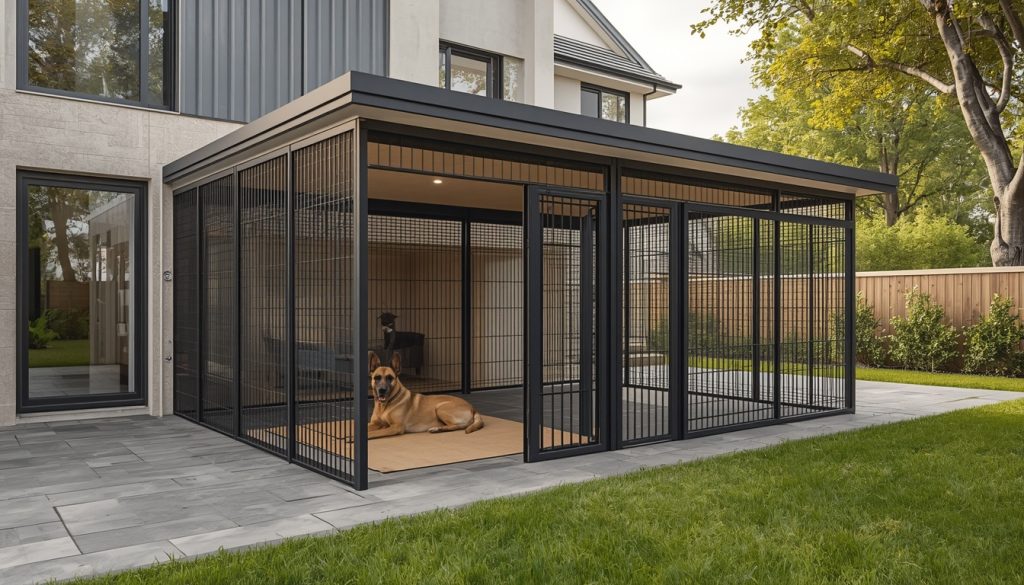
Outdoor kennels and runs can range from simple sheltered areas to substantial permanent enclosures. A well-designed setup should provide adequate room, secure fencing, protection from weather, suitable flooring, shade and access to fresh water. Climate is particularly important because an enclosure that is comfortable in one region may become dangerously hot, cold or exposed in another.
Construction quality becomes critical with permanent outdoor systems. Gates, hinges, locks, roof panels, fencing and attachment points all need to withstand weather as well as the size and strength of the dog. Digging beneath fencing and climbing or jumping over barriers should also be considered when designing secure containment.
A kennel should never be thought of simply as a cage placed outside. Dogs need social interaction, exercise, stimulation and companionship regardless of how sophisticated their enclosure may be. Outdoor accommodation should support a dog’s lifestyle rather than isolate them from it.
Safe spaces can also be much simpler. A quiet bed behind a gate, an open crate in a low-traffic room or a familiar corner where children know not to disturb the dog can provide somewhere valuable to retreat and rest.
The right setup depends on what you are trying to achieve. Whether it’s managing a puppy for twenty minutes or creating a permanent outdoor run, good containment should provide security without sacrificing comfort, appropriate space or the dog’s quality of life.
Containment Should Still Be Comfortable
Crates, gates, pens and kennels serve different purposes. Choose enough space for the intended use and make sure barriers, doors, locks and attachment points are appropriate for the size and strength of the dog.
Outdoor kennels also need appropriate shelter, shade, ventilation, flooring and protection from local weather conditions. Security should never come at the expense of welfare.
Toys, Chews and Enrichment Gear
Toys are easy to think of as optional entertainment, but this type of dog gear can contribute significantly to a dog’s everyday quality of life. The right toys provide opportunities to chase, retrieve, tug, chew, investigate and solve problems — activities that allow dogs to use both their bodies and their minds.
Different dogs enjoy very different kinds of play. One may spend hours carrying a favorite ball around the house, while another ignores balls completely but becomes fascinated by a food puzzle. Breed tendencies can provide clues, but individual preference is ultimately more important than the category printed on the packaging.
Interactive toys can make play between dogs and people more engaging. Balls, retrieving toys and tug toys provide opportunities for shared activity and can also be incorporated into training. The toy itself is only part of the experience; often the interaction with the owner is what makes it particularly rewarding.
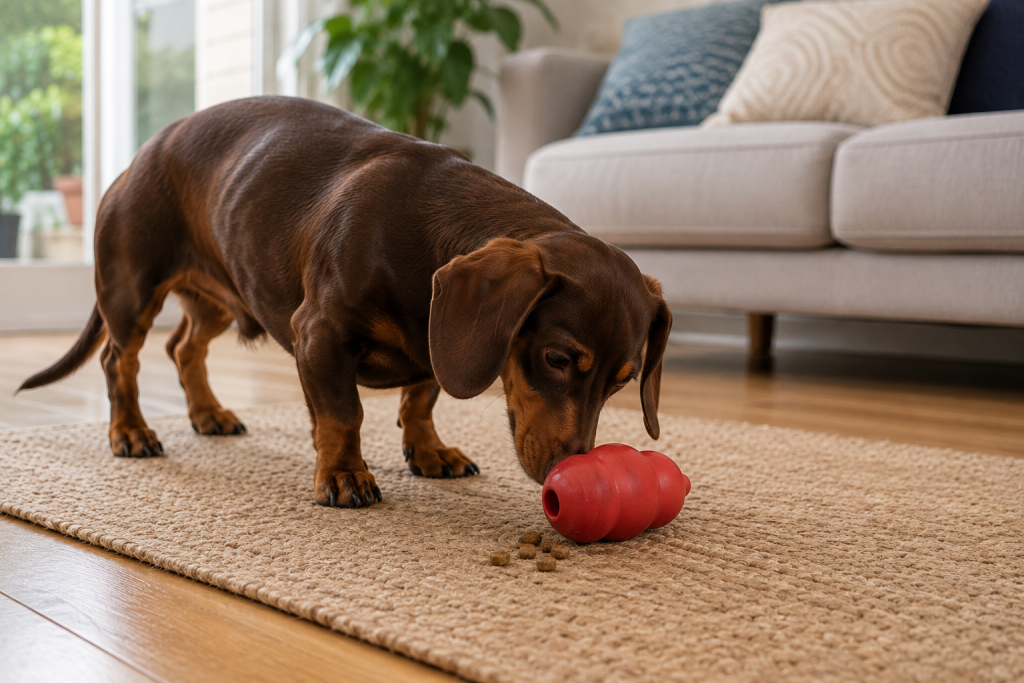
Food-dispensing toys and puzzles provide a different form of enrichment. Rather than receiving an entire meal immediately from a bowl, dogs may need to roll, move, sniff or manipulate something to obtain food. Difficulty should suit the individual dog so the activity remains interesting rather than becoming frustrating.
Scent-based enrichment can be remarkably simple. Snuffle mats, hidden treats and toys designed for searching encourage dogs to use their powerful sense of smell. Even scattering part of a dog’s meal safely around a suitable area can turn eating into an activity rather than a thirty-second event.
Chewing is another natural canine behavior, but appropriate chew products need to be chosen carefully. Size, hardness, material and the dog’s chewing style all matter. A product suitable for a gentle chewer may be destroyed rapidly by a powerful dog, while extremely hard objects can potentially damage teeth.
No toy should automatically be considered indestructible. Regularly inspect toys for torn fabric, exposed stuffing, cracked materials, loose pieces or other damage that could create a swallowing or choking hazard. Toys that are beginning to break apart should be removed rather than waiting for complete failure.
Size is particularly important. Balls and other toys should be large enough that they cannot easily become lodged in the dog’s throat, especially with large breeds or dogs that enthusiastically catch and carry objects.
Rotating toys can sometimes maintain interest better than leaving everything available permanently. Putting several toys away and bringing them back later can make familiar objects interesting again without continually buying something new.
Ultimately, a toy earns its place not because it has the cleverest marketing or the latest technology, but because the dog actually uses it. A cardboard box used safely under supervision can sometimes provide more entertainment than an expensive electronic gadget.
Good enrichment equipment gives dogs opportunities to play, investigate, think and express normal canine behavior — and sometimes the simplest toy becomes the favorite.
Choose Toys for the Dog Using Them
Consider your dog’s size, play style and chewing strength when choosing toys. Retrieving, tugging, chewing, scent work and food puzzles provide different forms of enrichment.
Inspect toys regularly and remove damaged items or pieces that could be swallowed. No toy should automatically be assumed to be indestructible.
Travel, Car Safety and Portable Gear
Taking dogs with us has become an ordinary part of life for many owners. Whether it’s a ten-minute drive to a walking trail or a road trip lasting several days, a little planning and the right dog gear can make traveling considerably safer and more comfortable.
Inside a vehicle, restraint should be the first consideration. An unrestrained dog can move around the cabin, distract the driver and potentially be injured or thrown through the vehicle during sudden braking or a collision. Allowing a dog to travel loose in the cargo area does not necessarily provide meaningful protection either.
Travel crates can provide a secure option when appropriately sized, positioned and secured within the vehicle. Some are specifically designed with vehicle travel and crash protection in mind. As with other safety equipment, owners should look beyond phrases such as “heavy duty” or “car safe” and investigate what testing actually supports those claims.
Vehicle restraint harnesses offer another option for some dogs. These differ from ordinary walking harnesses, and equipment intended for crash restraint should be evaluated specifically for that purpose rather than assuming any harness attached to a seat belt provides equivalent protection.
Vehicle barriers can help prevent dogs entering the passenger area, particularly in wagons and SUVs, although a barrier primarily controls where the dog can move. Depending on its design, it should not automatically be considered a substitute for appropriate crash restraint.
Comfort matters on longer journeys too. Dogs need enough room to settle naturally, suitable ventilation and protection from excessive heat or cold. Regular stops provide opportunities for water, toileting and movement, particularly during long-distance travel.
Practical dog travel gear can make those stops much easier. Collapsible bowls, dog water bottles, food containers, waste bags and a familiar blanket take up relatively little space but can be invaluable away from home. Keeping a small dog travel kit permanently packed can prevent repeatedly forgetting the basics.
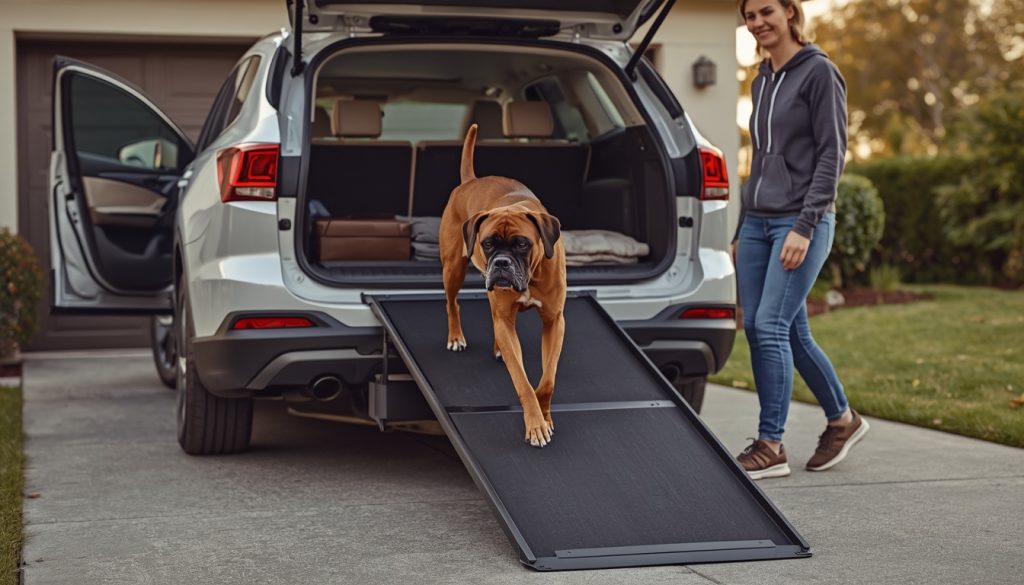
Ramps and steps may help dogs that struggle to enter taller vehicles. They can be particularly useful for senior dogs, dogs with mobility limitations and very large breeds that owners cannot safely lift. Stability, surface grip and the angle of the ramp all deserve consideration.
Protective seat covers and cargo liners are less about the dog’s safety and more about making life with a traveling dog practical. Mud, sand, hair and wet paws are considerably easier to tolerate when the vehicle can be cleaned without dismantling half the interior.
Travel equipment should ultimately make taking a dog along safer and easier rather than more complicated. Secure the dog appropriately, provide for their basic needs and choose portable gear that solves the problems you actually encounter on the road.
Outdoor, Hiking and Adventure Gear
For some dogs, a walk around the neighborhood is only the beginning. Hiking trails, beaches, forests, campsites and days spent exploring outdoors can become a regular part of life together, and the right dog hiking gear can make those adventures safer and considerably easier to manage.
What a dog needs depends largely on where you’re going. A short woodland walk close to home requires very little equipment, while several hours on a remote trail demands more thought. Distance, terrain, temperature, access to water and how quickly help could be reached should all influence what you carry.
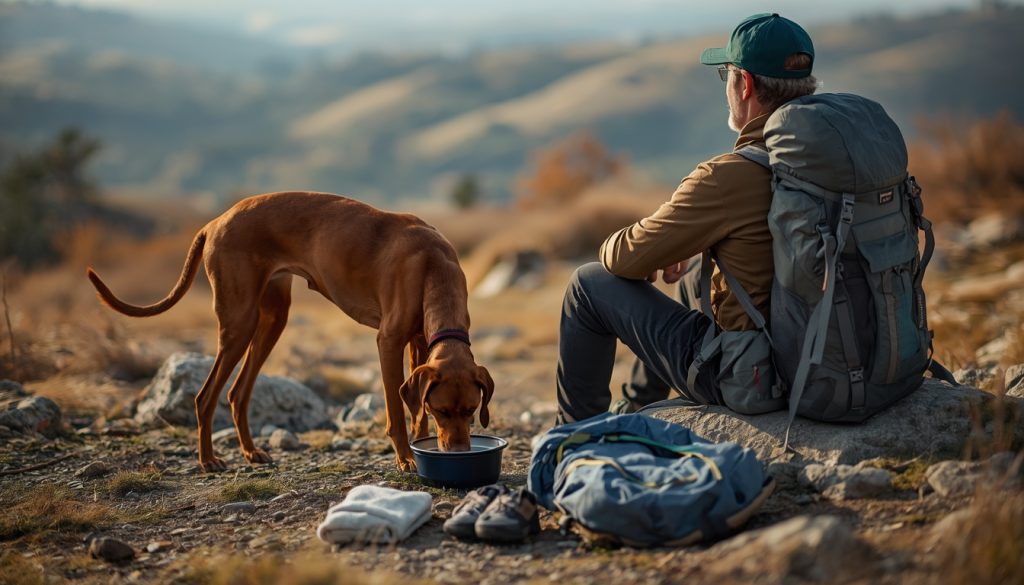
Water is one of the essentials. Dogs can become thirsty quickly during physical activity, particularly in warm conditions. Carrying sufficient clean water and a lightweight collapsible bowl or dog drinking bottle means you don’t have to depend on finding safe water along the route.
Paw protection can become important on difficult terrain. Sharp rocks, thorns, ice, hot surfaces and rough ground can all cause problems. Dog boots are useful in certain environments, although dogs usually need time to become comfortable wearing them. Regularly checking paws during and after longer adventures is worthwhile even when no protective footwear is used.
Visibility deserves consideration too. Reflective materials and small safety lights can make dogs easier to see during early-morning or evening walks. In remote areas, brightly colored outdoor dog gear can also help a dog stand out against vegetation.
Some dogs can comfortably carry a small amount of their own equipment in a properly fitted dog backpack. Weight should remain appropriate for the individual dog’s size, age, conditioning and health, and loads should be balanced rather than simply filling every available pocket.
For longer routes, dog trekking gear may include practical extras such as water, a collapsible bowl, identification, a towel, waste bags and a basic canine first-aid kit. The further you travel from easy access to a road or vehicle, the more important it becomes to think about what you would do if the dog became injured and could no longer walk.
Camping introduces another set of practical considerations. Useful dog camping gear may include a familiar sleeping mat or blanket, secure containment, weather protection, food and water supplies, and somewhere dry and sheltered for the dog to rest.
Weather can change what belongs in the pack. Cold conditions may justify additional protection for dogs poorly adapted to low temperatures, while hot weather can make shade, additional water and careful timing far more important than carrying extra equipment.
There is no need to fill a backpack with specialist products simply because they are marketed as dog outdoor gear. The best equipment is the gear that suits the dog, the conditions and the type of adventure you actually have planned.
The goal isn’t to transform every walk into an expedition. Good adventure gear should simply help you deal with the conditions you’re likely to encounter.
Pack for the dog, the environment and the distance, then leave enough room to simply enjoy being outside together.
Pack for Where You’re Going
A neighborhood walk and a remote hiking trail present very different challenges. Consider distance, terrain, temperature, water availability and how quickly you could get help if something went wrong.
Water, identification and basic first-aid supplies deserve priority. Add specialized equipment only when the environment and your individual dog genuinely require it.
Coats, Boots and Weather Protection
Dogs come with their own coats, but that does not mean every dog is equally well equipped for every climate. Breed, coat type, body size, age, health and activity level can all influence how comfortably a dog copes with cold, rain, snow or extreme heat.
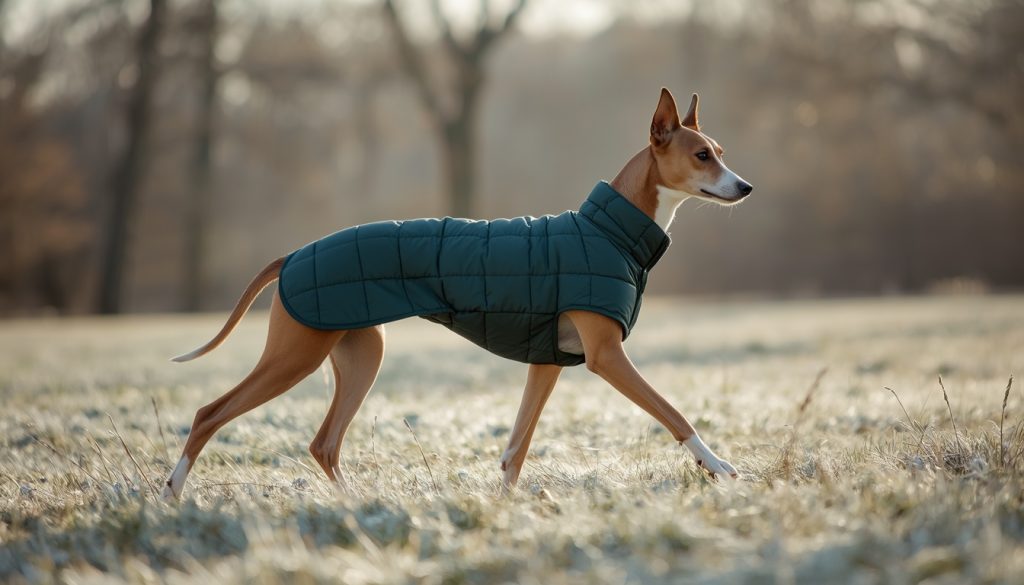
Many double-coated breeds are naturally well insulated and may require little additional protection in ordinary winter conditions. Short-coated dogs, however, have far less insulation between their bodies and the environment. Lean breeds with little body fat can be particularly susceptible to cold, especially when standing around rather than exercising.
A well-fitted coat can be one of the most useful pieces of dog cold weather gear in those circumstances. It should cover the body appropriately without restricting the shoulders or front legs, rubbing beneath the chest or interfering with toileting. A coat designed for an active walk also needs to remain securely positioned as the dog moves.
Rain protection serves a slightly different purpose. A lightweight waterproof coat can help keep some dogs more comfortable in persistent rain and reduce the amount of wet coat brought back into the house. For long-coated dogs, it may also reduce the amount of mud and water collected underneath the body.
Dog boots can be useful when the ground itself presents a problem. Snow and ice, road salt, extremely hot pavement, sharp rocks and rough terrain can all justify additional paw protection. Boots need to fit securely without rubbing, twisting or repeatedly falling off, and most dogs benefit from being introduced to them gradually.
Not every dog needs clothing or footwear. Dressing a dog simply because the temperature feels cold to us can lead to unnecessary overheating, particularly in breeds already equipped with dense insulating coats. Watch the dog and consider the actual conditions rather than assuming more protection is always better.
Heat presents a different challenge because adding equipment rarely solves the fundamental problem. Shade, water, reduced activity and choosing cooler times of day are generally more important than relying on a cooling product to make strenuous exercise safe in high temperatures.
Cooling vests, mats and similar products may provide additional comfort in appropriate circumstances, but they should not create a false sense of security. Dogs can still overheat while using equipment marketed for hot weather.
Visibility can also form part of weather and seasonal gear. Reflective strips or small lights can make dogs easier for motorists, cyclists and other walkers to see during dark winter mornings, evenings or poor weather.
Whatever the conditions, weather protection should respond to a genuine need. The purpose isn’t to build a canine wardrobe — it is to help the individual dog remain comfortable and protected when the environment demands a little extra help.
Dress for the Dog and the Conditions
Short-coated, lean, young, senior and vulnerable dogs may benefit from additional protection in cold or wet conditions, while naturally well-insulated breeds may need considerably less.
Coats and boots should fit securely without restricting normal movement. In hot weather, prioritize shade, water and appropriate exercise rather than relying on equipment alone.
GPS Trackers, Cameras and Smart Dog Technology
Technology has found its way into almost every part of daily life, and dog ownership is no exception. GPS trackers, activity monitors, home cameras, automatic feeders and connected dog doors can provide genuinely useful functions, although the best technology solves a real problem rather than simply adding another app to your phone.
GPS trackers are among the most practical examples. Usually attached to a collar or incorporated into a wearable device, they can help owners locate a dog that has wandered or escaped. This can be particularly reassuring for dogs that spend time on large properties, accompany owners on outdoor adventures or have a history of finding creative ways through supposedly secure boundaries.
Not all location technology works in the same way. Some devices use cellular networks and GPS positioning, while others depend on shorter-range wireless connections or proprietary systems. Coverage, accuracy, battery life, subscription costs and the areas in which the device will be used should all be considered before choosing one.
A tracker should complement rather than replace conventional identification. Batteries become flat, devices can become detached and electronic systems can fail. A collar tag and correctly registered microchip remain important even when a dog carries sophisticated location technology.
Home cameras offer a different kind of connection. They can allow owners to check whether a dog is sleeping peacefully, barking repeatedly or showing signs of distress while nobody is home. Some models include two-way audio or treat dispensers, although additional features are useful only when they genuinely benefit the dog.
Cameras can also provide useful information about behavior. An owner who believes their dog sleeps throughout the working day may discover something quite different. Repeated pacing, vocalizing or inability to settle can provide information worth discussing with an appropriate professional rather than simply watching more frequently through an app.
Activity monitors attempt to measure movement, rest and other patterns over time. They can be interesting for active dogs and may help owners notice changes in routine, but the numbers need context. A device cannot determine by itself whether reduced activity reflects tiredness, weather, injury, illness or simply a particularly lazy afternoon.
Automatic feeders and connected water systems can add convenience in some households, particularly when measured meals need to be provided at predictable times. They still require human oversight, cleaning and regular checks to ensure they are actually working correctly.
Smart dog doors and access systems can provide controlled entry and exit by recognizing a tag or electronic identifier worn by the dog. These systems can be useful in suitable homes, although security, installation, reliability and the environment outside the door all need consideration.
Technology should ultimately make dog ownership easier or provide information that helps us care for dogs better. If a device adds expense, subscriptions, charging and notifications without solving a meaningful problem, the smartest decision may be not buying it in the first place.

Smart Gear Should Solve a Real Problem
GPS trackers, cameras and activity monitors can provide useful information, but consider battery life, connectivity, ongoing subscriptions and how the device will actually be used.
Technology should complement basic safety rather than replace it. Identification tags, registered microchips and secure boundaries remain important even when electronic tracking is used.
Choosing Products That Are Safe, Durable and Worth Buying
The dog industry offers an extraordinary amount of dog gear, from inexpensive everyday essentials to products costing hundreds or even thousands of dollars. Price can tell you something about materials and construction, but it does not automatically tell you whether a product is safe, durable or appropriate for your dog.
Start with purpose. Before comparing brands, features or reviews, decide exactly what you need the product to do. A bed needs to provide comfortable support, a crate needs to offer appropriate space and security, and walking equipment needs to remain reliable under the forces your particular dog can place upon it. Once the purpose is clear, unnecessary features become much easier to ignore.
Construction deserves close attention, particularly with equipment related to safety or containment. Stitching, clips, buckles, hinges, locks, attachment points and structural joints can all become potential failure points. A product made from impressive-looking materials is only as dependable as its weakest component.
Durability should also be considered in relation to the individual dog. A lightweight bed may last for years with a quiet adult dog but survive only an afternoon with an enthusiastic puppy. The same applies to toys, bowls, gates, crates and almost every other piece of dog equipment. Claims such as “heavy duty” and “indestructible” should always be treated in context.
Safety claims deserve even greater scrutiny. When equipment is intended to protect a dog during vehicle travel, prevent escape or perform another safety-critical function, look for meaningful information about how it has been designed and tested. Marketing terminology is not the same thing as independent evidence.
Reviews can provide useful real-world information, particularly when owners describe the breed, size and circumstances in which they used a product. Patterns across many reviews are generally more informative than either one glowing recommendation or one furious complaint.
Long-term value is often more useful than the initial purchase price. A well-made washable bed that lasts several years may ultimately cost less than repeatedly replacing cheaper alternatives. The same can apply to crates, gates, outdoor kennels and other equipment that receives regular use.
That does not mean premium is always better. Some of the most useful dog products are remarkably simple, and paying extra for technology, styling or features you will never use adds little value. Sometimes the basic version genuinely is the better choice.
Maintenance should be considered before buying too. Can the cover be removed and washed? Can replacement parts be obtained? Will the product tolerate rain or mud? Does an electronic device require a subscription? Is the battery replaceable? These practical details can matter considerably after the novelty of a new purchase has disappeared.
Most importantly, watch your dog. Equipment should make everyday life easier, safer or more comfortable. If a product repeatedly causes rubbing, frustration, fear or inconvenience, its price tag and five-star reviews become largely irrelevant.
CanineBase will always favor products because they solve a genuine problem for dogs and their owners — not simply because somebody has something to sell.

We hope you’ve enjoyed exploring this guide and found something useful along the way. There’s plenty more to discover across CanineBase, from dog breeds and behavior to health, nutrition, training, gear, and everyday life with your dog. Return to the CanineBase home page to explore more guides, advice, and resources for dog owners.
Dog Gear and Safety Resources
Choosing the right dog gear is about more than convenience — fit, comfort and safety matter too. For additional guidance on everyday dog equipment and responsible ownership, visit the American Kennel Club expert advice .