

Dog Breeds
Dogs have lived alongside us for thousands of years, yet the variety found among modern dog breeds is extraordinary. The many types of dogs we know today range from tiny companion breeds developed primarily to share our homes to powerful working dogs bred to herd livestock, guard property, retrieve game, hunt or work alongside people. Across these remarkably different dog breeds, centuries of selective breeding have produced an enormous range of sizes, appearances, temperaments, abilities and natural instincts.
Exploring the different breeds of dogs is about much more than discovering which ones you like the look of. Breed history can provide valuable clues about a dog’s likely energy level, temperament, trainability, grooming requirements and natural behaviors. Size and appearance matter, but so do exercise needs, health considerations, sociability, independence and the amount of physical and mental stimulation a dog is likely to need.
With so many different types of dogs to choose from, finding the right companion means thinking honestly about your own lifestyle. A highly active working or herding breed may be an outstanding match for someone who enjoys training and outdoor adventures, while a smaller or more relaxed companion breed may fit much more comfortably into a quieter household. No breed is automatically right for everyone.
At CanineBase, our breed guides are designed to help you understand those differences. You can explore breed groups, compare characteristics and discover individual dog breed names, with detailed guides covering origins, temperament, size, exercise, training, grooming, health and everyday life. Whether you’re researching a future companion or simply want to learn more about the dogs around us, this is your starting point for exploring the remarkable variety of breeds that share our lives.
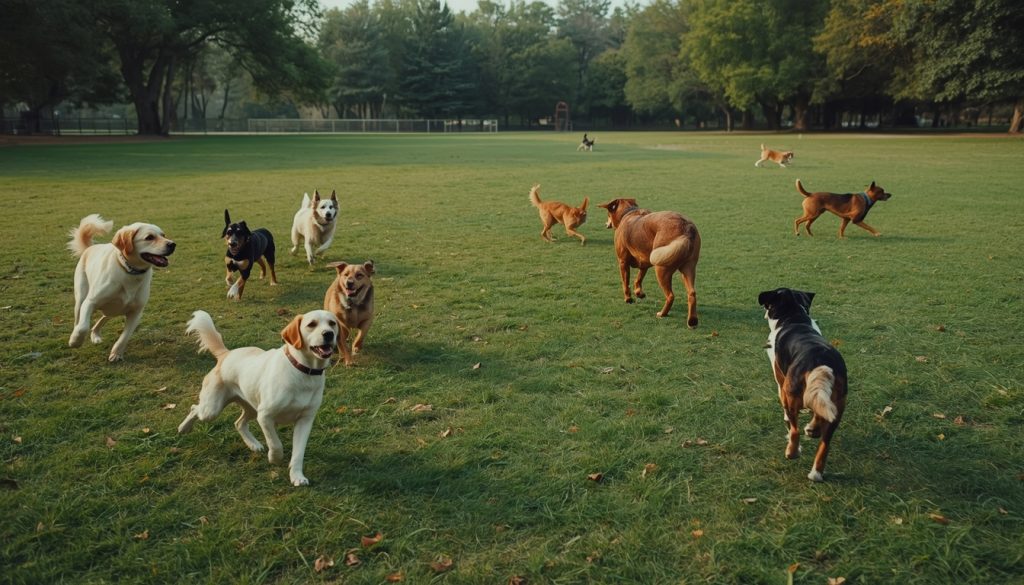
Table of Contents
Understanding Dog Breed Groups
With so many kinds of dogs in the world, breed groups provide a useful way to understand why particular dogs share certain characteristics, instincts and abilities. Many breeds were originally developed to perform specific jobs, and those working histories continue to influence their behavior, energy levels and physical characteristics today.
In the United States, the American Kennel Club organizes recognized breeds into seven main groups: Sporting, Hound, Working, Terrier, Toy, Non-Sporting and Herding. Looking at these groups is one of the easiest ways to begin exploring the different types of dog breeds, because dogs within the same group often share aspects of their original purpose even when their appearance is very different.
Sporting dogs were developed to work alongside hunters and include retrievers, spaniels, pointers and setters. Many are energetic, sociable dogs that enjoy activity, training and working closely with people.
Hounds were traditionally bred to pursue game using either scent or sight. This remarkably varied group includes determined scent trackers such as the Bloodhound and exceptionally fast sighthounds such as the Greyhound.
Working dogs were developed for demanding jobs such as guarding property, pulling sleds, protecting livestock and performing rescues. Many are large, powerful dogs with considerable intelligence, confidence and physical ability.
Terriers were originally bred to pursue vermin and other quarry. Their working history is often reflected in their determination, curiosity, confidence and considerable personality.
Toy breeds were primarily developed as companions. Their compact size can make them adaptable to many different homes, although their personalities, activity levels and care requirements can vary considerably.
Non-Sporting dogs form an especially diverse group containing breeds with widely different histories, appearances and original purposes that do not fit neatly into the other categories.
Herding dogs were developed to control and move livestock. Many are intelligent, responsive and energetic dogs with strong working instincts and an exceptional awareness of movement around them.
Breed groups are a useful starting point for exploring all types of dogs, but they don’t tell the whole story. Even breeds within the same group can differ enormously in size, temperament, exercise requirements, grooming needs and suitability for different lifestyles. Understanding the group can help explain where a dog’s instincts came from; researching the individual breed tells you much more about what living with that dog may actually be like.
Sporting

Energetic and responsive, sporting dogs were developed to work closely with hunters. Retrievers, spaniels, pointers, and setters are among the breeds known for their athleticism, enthusiasm, and strong connection with people.
Hound

Bred to pursue game using exceptional scent or sight, hounds range from determined scent trackers to remarkably fast sighthounds. They are often independent, curious, and strongly guided by their natural instincts.
Working
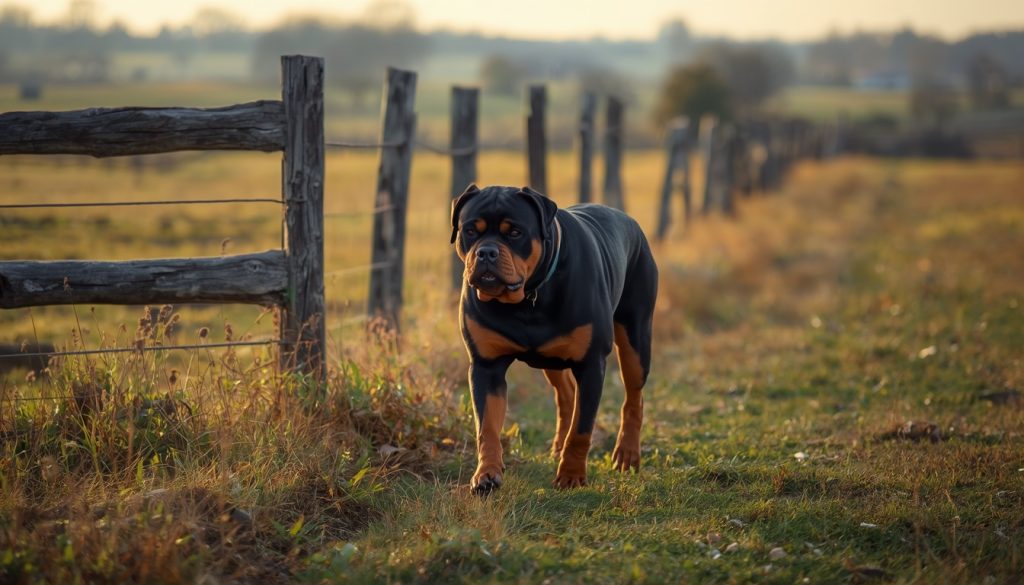
Many of the strongest dog breeds belong to the Working Group, developed for demanding jobs such as guarding, pulling loads, and protecting livestock. These powerful dogs often combine strength and confidence with intelligence and loyalty.
Terrier
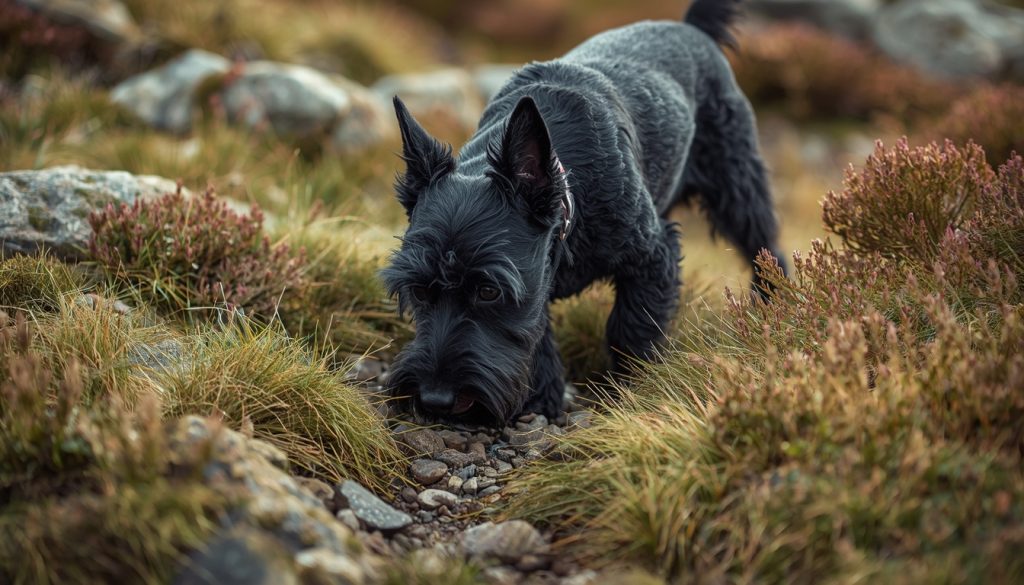
Bold, determined, and full of character, terriers were developed to pursue vermin and other quarry. Their working heritage often shows in their confidence, persistence, curiosity, and energetic personalities
Toy

Small in stature but often big in personality, toy dogs were primarily developed as companions. Their compact size can suit many homes, while their temperaments range from lively and outgoing to affectionate and deeply devoted.
Non-Sporting

Diverse in size, appearance, and personality, non-sporting dogs come from a wide range of backgrounds and original purposes. This varied group includes breeds with very different temperaments, activity levels, and care needs.
Herding

Intelligent, alert, and highly responsive, herding dogs were developed to control and move livestock. Many retain strong working instincts and thrive when given plenty of physical activity, mental stimulation, and purposeful training. Their attentiveness and willingness to work closely with people can make them excellent companions for active owners who can give those instincts an appropriate outlet.
A-Z Dog Breeds

Browse our list of dog breeds from A to Z and discover dogs of every size, temperament and background. Explore all dog breeds by name, from familiar family favorites to breeds you may never have encountered before. Our directory brings together all types of dog breeds, with individual guides exploring personality, exercise, training, grooming, health and what everyday life with each breed can really be like.
Choosing the Right Dog Breed
Choosing a dog is an exciting decision, but the best match is rarely based on appearance alone. Different dog types were shaped by particular histories and purposes, and those origins can still influence how a dog behaves today. A breed developed to herd livestock, for example, may have very different exercise and mental stimulation needs from a dog bred primarily for companionship.
Start by thinking realistically about your everyday life. With all kinds of dogs to choose from, consider how much time you can devote to exercise, training, grooming and simply being with your dog. Your home’s size matters, but so do access to outdoor space, your work schedule, activity level and whether children or other pets share your household.
Size is only one part of the equation. Some large breeds can be surprisingly relaxed around the home, while certain smaller dogs are energetic, vocal and constantly looking for something to do. Temperament, trainability, prey drive, sociability and independence can often matter more than physical size.
There is no universally “best” dog breed. The goal is to find a dog whose natural characteristics and needs fit comfortably with the life you can genuinely provide. A good match makes life easier and more rewarding for both dog and owner.
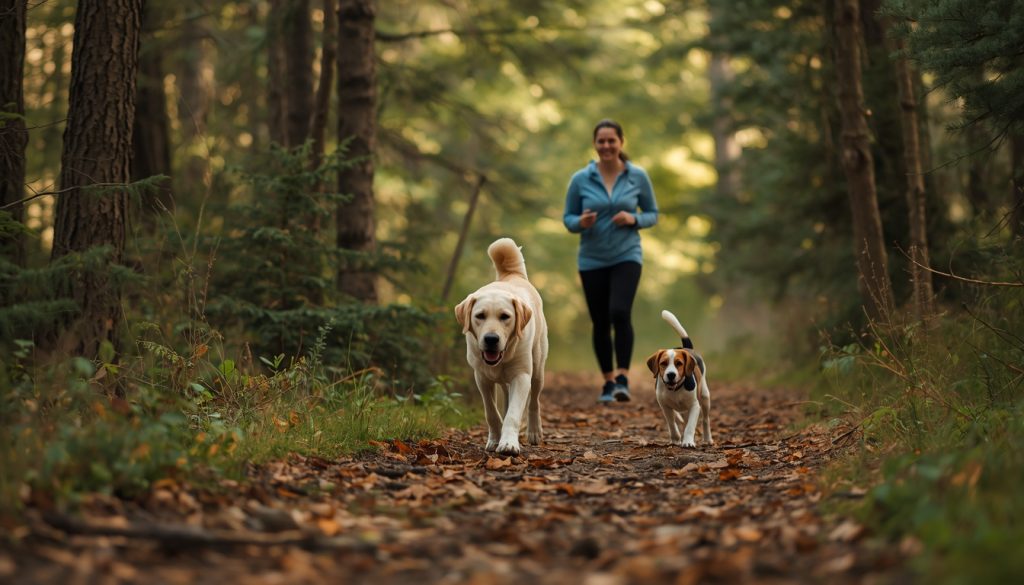
Finding Your Best Match
Choosing the right dog breed means looking beyond appearance. Consider temperament, energy level, exercise needs, trainability, grooming requirements, living space, family compatibility, and the amount of time you can realistically devote to your dog.
The best match is a breed whose natural characteristics fit comfortably into your everyday lifestyle.
Dog Breed Sizes
Dog breeds range dramatically in size, from tiny companion dogs weighing only a few pounds to giant breeds that can weigh well over 100 pounds. Size can have a significant influence on everyday life with a dog, affecting everything from feeding and transportation to exercise, handling, living space and even the cost of routine care.
Small and toy breeds can be excellent choices for people with limited space, but small does not necessarily mean easy or low-energy. Breeds such as Jack Russell Terriers can pack enormous amounts of personality and activity into a compact body, while others are naturally better suited to a quieter lifestyle.
Medium-sized breeds offer enormous variety, including dogs developed for companionship, hunting, herding and many other purposes. Their manageable physical size, combined with widely differing temperaments and energy levels, makes lifestyle compatibility particularly important.
Large breeds generally require more physical space, food and careful handling, but many are surprisingly calm around the home. Their size can also affect transportation, accommodation, veterinary costs and the equipment they need.
Giant breeds bring their own considerations. Dogs such as Great Danes and Mastiffs can be wonderfully gentle companions, but prospective owners need to consider their substantial size, feeding costs, strength, joint health and often shorter average lifespans.
Ultimately, size is only one part of the bigger picture. A small, intensely energetic dog may demand far more daily activity than a relaxed dog several times its size. Understanding both physical size and the characteristics behind the breed gives you a much better idea of what living with that dog will actually be like.
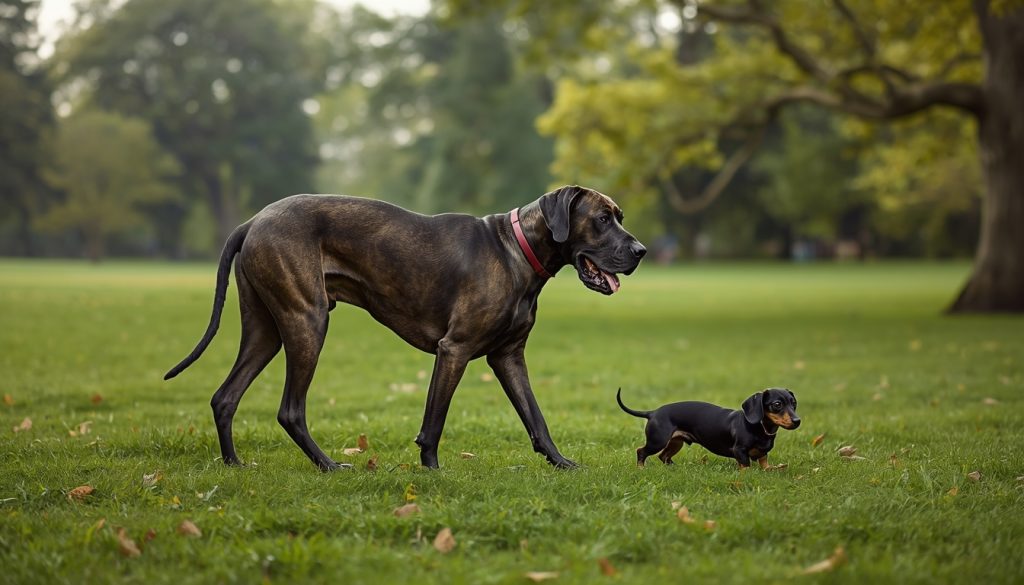
Size Doesn’t Tell the Whole Story
A dog’s size can influence space, feeding, transportation, handling, and everyday costs, but it doesn’t necessarily predict how easy that dog will be to live with.
Some small dog breeds are remarkably energetic and demanding, while certain large and giant breeds can be calm, relaxed companions. Always consider temperament, exercise needs, trainability, and lifestyle fit alongside physical size.
Energy and Exercise Needs
Energy levels can vary enormously between dog breeds, and they are not always connected to size. Some compact breeds are intensely active and need plenty of physical exercise and mental stimulation, while certain much larger dogs are perfectly content with a more moderate daily routine. Understanding a breed’s natural activity level is therefore one of the most important considerations when choosing a dog.
Many high-energy breeds were originally developed to work for long periods. Herding dogs, sporting breeds, and some terriers may thrive on running, retrieving, hiking, swimming, scent work, training, and other activities that challenge both body and mind. A walk around the block may simply not be enough for a dog bred to remain active for hours.
Moderate-energy breeds generally still need consistent daily exercise, but their needs may be easier to accommodate around a typical family routine. Regular walks, play sessions, training, and opportunities to explore can provide a good balance between activity and relaxation.
People searching for lazy dog breeds are often really looking for lower-energy dogs that are comfortable with a more relaxed lifestyle. Lower-energy breeds should not be confused with dogs that require no exercise. Every dog benefits from appropriate physical activity, mental stimulation, and opportunities to experience the world outside the home. Age, health, and individual personality also influence how much activity a particular dog needs.
The key is to choose a breed whose natural energy level matches the life you genuinely live. An active dog can be an incredible companion for someone who loves outdoor adventures, while a more relaxed breed may be far better suited to a quieter household.

Match the Energy, Not Just the Breed
Exercise needs can differ dramatically between dog breeds. High-energy dogs often need more than a daily walk — they may thrive on running, retrieving, training, scent work, swimming, or other activities that challenge both body and mind.
Before choosing a breed, consider how much time, activity, and mental stimulation you can realistically provide every day. A good energy match can make life far more enjoyable for both dog and owner.
Temperament and Personality
A dog’s temperament can shape almost every part of life together. While every dog is an individual, breeds often share behavioral tendencies that developed through generations of selective breeding. Understanding those tendencies can help you choose a dog whose personality is compatible with your household, experience, and expectations.
Some of the friendliest dog breeds are naturally outgoing and eager to meet almost everyone they encounter, but friendliness can take different forms. Others may be more reserved with strangers but deeply devoted to their families. Certain dogs are highly independent and comfortable making their own decisions, while others are exceptionally people-focused and happiest when they are involved in everything their family does.
Breed history can provide important clues. Herding breeds may have a strong instinct to control movement, terriers can be tenacious and determined, guardian breeds may naturally be watchful and protective, and sporting dogs are often enthusiastic, social, and eager to work alongside people.
However, breed tendencies are not guarantees. Genetics, early socialization, training, environment, individual experiences, and the dog’s own personality all contribute to behavior. Two dogs of the same breed can still be remarkably different individuals.
The goal is not simply to find a “friendly” or “calm” breed. Think about the type of personality you would genuinely enjoy living with every day — confident or sensitive, independent or affectionate, relaxed or enthusiastic. Finding a compatible temperament can be every bit as important as choosing the right size or energy level.
Families, Children and Other Pets
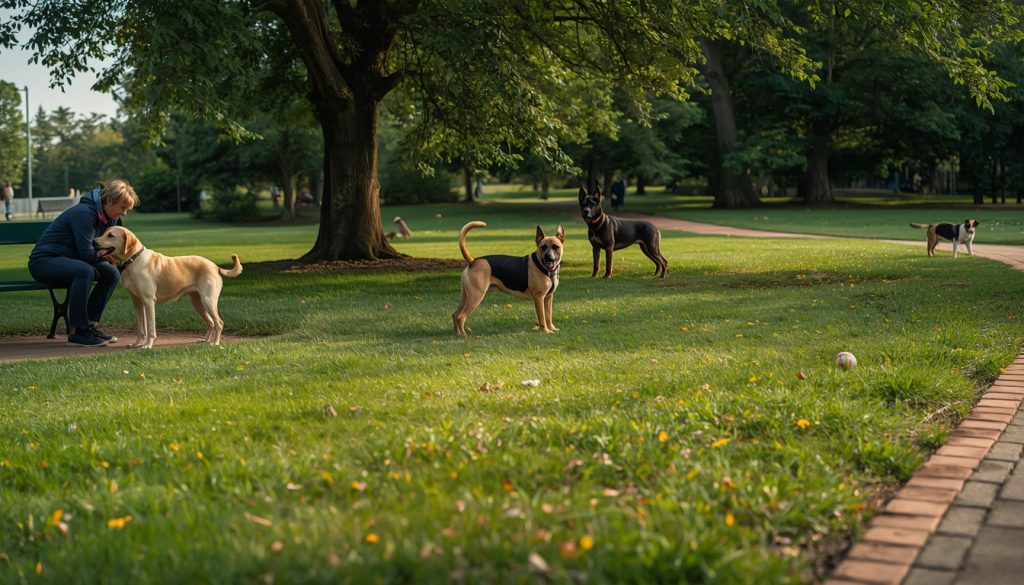
A dog’s ability to fit comfortably into family life is one of the most important considerations when choosing a breed. Many dogs can become wonderful family companions, but breeds differ in their typical tolerance, play style, physical strength, sensitivity, and desire for interaction.
For families with children, temperament matters just as much as size. Some breeds are known for being patient, sociable, and enthusiastic participants in family life, while others may prefer a quieter environment. Large dogs can sometimes accidentally knock over young children during excited play, while very small dogs may be vulnerable to rough handling. Whatever the breed, interactions between dogs and young children should always be supervised, and children should learn how to approach and handle dogs respectfully.
Other pets also deserve consideration. Some breeds readily share their homes with other dogs, while others may be more selective. Dogs with strong prey drives may require careful introductions and management around cats, rabbits, birds, or other small animals. Early socialization can make an enormous difference, but natural breed tendencies should still be taken seriously.
It is also worth considering the dog’s need for human companionship. Some breeds are highly people-oriented and want to be involved in almost every aspect of family life. Others are more independent and may be comfortable spending greater amounts of time on their own.
The best family dog is not necessarily a particular breed. It is a dog whose temperament, energy, size, and social needs are compatible with the people and animals already sharing the home.
Think About the Whole Household
Choosing a family dog means considering more than whether a breed is simply described as friendly. Think about size, strength, play style, sensitivity, energy level, and how much interaction the dog is likely to want.
Children, other dogs, cats, and smaller pets can all influence which breeds may be the best fit. Good socialization, supervision, and respectful handling are important with every dog, regardless of breed.

Training and Socialization
Training and socialization play a major role in shaping how comfortably a dog fits into everyday life. While some breeds are naturally eager to learn and highly responsive to their owners, others can be more independent, persistent, or easily distracted. Understanding these differences can help you choose a breed that suits both your experience and the amount of time you are prepared to devote to training.
Trainability is not simply a measure of intelligence. A highly intelligent dog may learn new behaviors quickly but still prefer making its own decisions. Other breeds have been developed over generations to work closely alongside people and may naturally look to their owners for direction. Motivation also varies: some dogs respond enthusiastically to food, while others may be more interested in toys, play, praise, or the opportunity to perform a particular activity.
Early socialization is equally important. Puppies benefit from positive, carefully managed experiences with different people, dogs, environments, sounds, surfaces, and everyday situations. These experiences can help them develop confidence and learn how to respond appropriately to the world around them.
Training should continue throughout a dog’s life. Clear communication, consistency, patience, and positive reinforcement can strengthen the relationship between dog and owner while helping establish the skills needed for safe and enjoyable everyday living.
Breed tendencies provide a useful starting point, but every dog is an individual. The most successful training approach takes into account the dog’s personality, motivation, age, experience, and natural instincts.
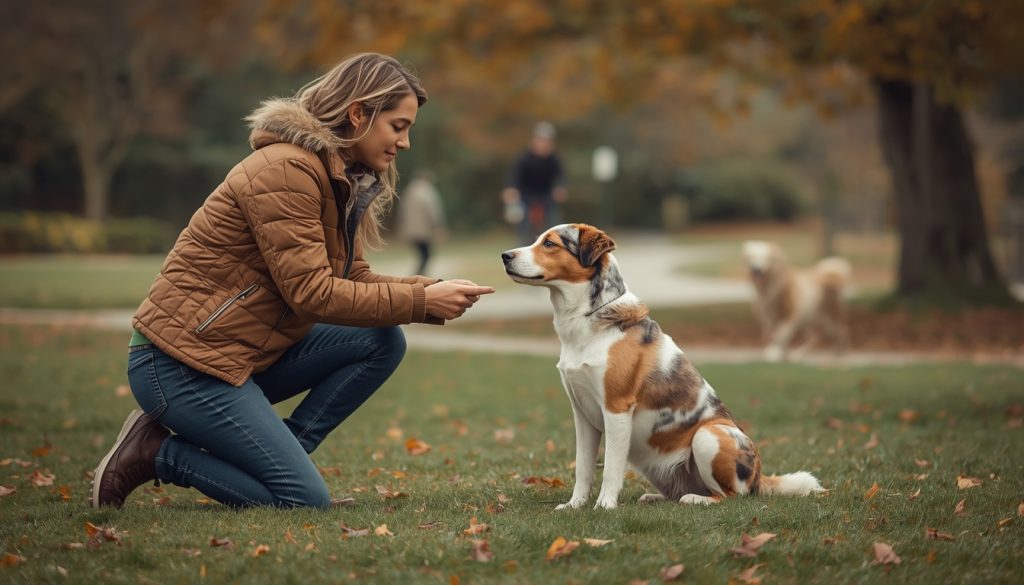
Trainability Is More Than Intelligence
Some dog breeds learn quickly because they were developed to work closely with people, while others are naturally more independent and may require greater patience, consistency, and creativity.
Early training and socialization help dogs build confidence, develop good habits, and learn how to respond appropriately to people, animals, and everyday situations. The best approach is one that works with the individual dog’s temperament, motivation, and natural instincts.
Grooming and Coat Care
Grooming needs can differ dramatically between dog breeds, and coat length alone does not tell the whole story. People interested in low shedding dog breeds should remember that shedding and grooming requirements are not the same thing. Some short-coated dogs shed heavily, while certain long- or curly-coated breeds may shed relatively little but require frequent brushing, trimming, or professional grooming. Understanding the commitment involved before choosing a breed can prevent grooming from becoming an unexpected challenge.
Coat type is an important consideration. Dogs may have smooth, wiry, curly, silky, corded, or double coats, and each requires a different approach to care. Double-coated breeds, for example, can shed significant amounts of undercoat seasonally, while continuously growing coats may require regular clipping to remain comfortable and manageable.
Routine grooming involves more than keeping a dog’s coat looking good. Brushing can remove loose hair, help prevent tangles and mats, distribute natural oils, and provide an opportunity to check the skin for lumps, irritation, parasites, or other changes.
Nail trimming, ear care, dental hygiene, bathing, and paw care are also important parts of a dog’s overall grooming routine. The frequency required will depend on the breed, lifestyle, environment, and individual dog.
Before falling in love with a particular appearance, consider whether you’re comfortable providing the time, maintenance, and potential professional grooming costs that come with that coat. Choosing a breed whose grooming requirements fit your lifestyle can make routine care much easier for both you and your dog.
Coat Type Changes the Commitment
Grooming needs vary enormously between breeds. A short coat may still shed heavily, while a curly or continuously growing coat can require regular brushing, trimming, and professional grooming.
Before choosing a breed, consider the time and cost involved in coat care, bathing, nail trimming, ear care, dental hygiene, and routine grooming. The right match should fit not only your lifestyle, but also the level of maintenance you are comfortable providing.

Health and Lifespan
Health is an important consideration when choosing any dog breed. While no dog is guaranteed to develop—or avoid—a particular condition, some breeds have a higher risk of certain inherited or breed-associated health problems. Understanding those risks can help prospective owners make informed decisions and recognize the importance of responsible breeding, preventive care, and regular veterinary checkups.
Breed size can also influence health and longevity. Smaller dogs often have longer average lifespans than large and giant breeds, although there are many exceptions. Giant breeds may be more susceptible to joint and mobility problems, while other breeds can have increased risks of particular heart, eye, skin, neurological, or respiratory conditions.
Physical characteristics can sometimes contribute to health concerns as well. Dogs with very short muzzles, unusually long backs, heavy body structures, deep chests, or particular coat and skin characteristics may require additional consideration and care.
When considering a purebred puppy, responsible breeders should be able to discuss health conditions associated with the breed and explain the health screening performed on their breeding dogs. Health testing cannot eliminate every risk, but appropriate screening can reduce the likelihood of passing certain inherited conditions to future generations.
Lifestyle matters too. Good nutrition, appropriate exercise, maintaining a healthy body weight, dental care, parasite prevention, vaccinations, and routine veterinary care can all contribute to a dog’s long-term health and quality of life.
Rather than looking for a breed with “no health problems,” which does not exist, prospective owners should understand the likely risks, expected lifespan, and level of care associated with the breed they are considering.

Purebred, Crossbred and Mixed-Breed Dogs
Dogs come from many different genetic backgrounds, and understanding the distinction between purebred, crossbred, and mixed-breed dogs can be helpful when deciding what kind of companion may be right for you. None is automatically better than another — each can bring different characteristics, advantages, and considerations.
Purebred dogs have documented ancestry within a recognized breed. One advantage of choosing a purebred dog is greater predictability. Because generations of dogs have been selectively bred for particular physical and behavioral characteristics, prospective owners can generally develop a reasonable expectation of adult size, coat type, temperament, exercise needs, and other traits. Responsible breeders can also screen breeding dogs for certain inherited health conditions known to affect their breed.
Crossbred dogs are deliberately bred from two different breeds. Popular examples include crosses between Poodles and other breeds, although crossbreeding has existed for far longer than today’s designer-dog trend. Crossbred puppies may inherit characteristics from either parent, so their eventual size, coat, temperament, and other traits can sometimes be less predictable than people expect.
Mixed-breed dogs have ancestry involving multiple breeds, which may be known, partly known, or completely unknown. They come in an extraordinary variety of sizes, appearances, personalities, and coat types. Many wonderful mixed-breed dogs can be found through shelters and rescue organizations and can make exceptional companions.
Genetic diversity does not guarantee good health, just as being purebred does not guarantee poor health. Every dog is an individual, and health can be influenced by genetics, responsible breeding practices, nutrition, preventive veterinary care, exercise, environment, and many other factors.
Ultimately, whether you choose a purebred, crossbred, or mixed-breed dog, the most important consideration is finding an individual whose temperament, needs, and characteristics are compatible with the life and care you can provide.
More Than a Label
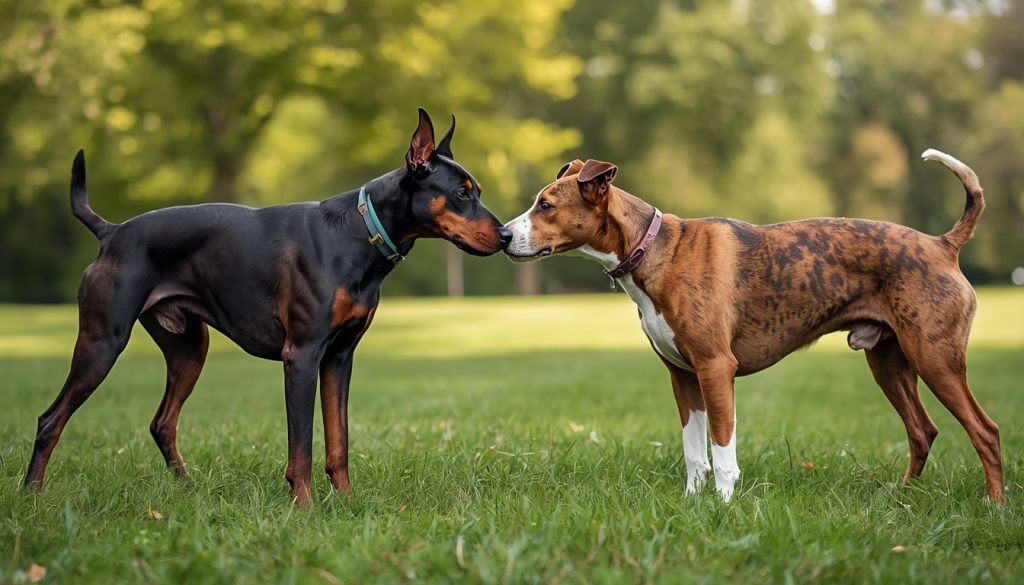
Purebred, crossbred, and mixed-breed dogs can all make outstanding companions. These terms describe a dog’s ancestry, but they do not determine whether an individual dog will be healthy, affectionate, trainable, or well suited to your home.
Focus on the qualities that matter most in everyday life: temperament, health, energy level, care needs, and compatibility with your lifestyle. The right dog is ultimately the one whose individual needs and personality fit comfortably with yours.
Finding the Right Breed for You
Choosing a dog breed is ultimately about finding a companion whose needs fit comfortably into your everyday life. Appearance may be what first catches your attention, but the qualities that determine whether a dog is truly a good match often become apparent only after you look beyond the surface.
Think realistically about your home, work schedule, activity level, family circumstances, experience with dogs, and the amount of time you can devote to training, exercise, grooming, and companionship. Consider the costs of food, veterinary care, grooming, insurance, training, and other essentials over the dog’s lifetime.
It is also worth thinking several years ahead. A highly energetic dog that suits your lifestyle today will still need appropriate exercise in the future, while a puppy chosen for a young family will eventually become an adult and later a senior dog. Choosing responsibly means considering the dog’s entire life, not simply the excitement of bringing one home.
Research several breeds rather than focusing immediately on one. Speak with responsible breeders, veterinarians, trainers, breed clubs, rescue organizations, and experienced owners where appropriate. The more you understand about a breed’s temperament, instincts, health, and everyday needs, the better prepared you will be to make an informed choice.
There may not be one single “perfect” breed for you. Often, several very different dogs could fit comfortably into the same household. What matters is finding a dog whose personality, needs, and lifestyle requirements align with what you can realistically provide — for life

We hope you’ve enjoyed exploring this guide and found something useful along the way. There’s plenty more to discover across CanineBase, from dog breeds and behavior to health, nutrition, training, gear, and everyday life with your dog. Return to the CanineBase home page to explore more guides, advice, and resources for dog owners.
Finding Your Perfect Match
Choosing a dog is about much more than appearance. Temperament, energy level, size, grooming needs and your everyday lifestyle all play a part in finding the right match, while understanding what a breed was originally developed to do can explain many of its natural behaviors. You can also explore recognized breeds and breed groups through the American Kennel Club (AKC).
