

Dog Training
Dog training is one of the most important ways we communicate with our dogs. It helps them understand what we expect, gives them skills for navigating everyday life and can make everything from walks and visitors to travel and time at home easier and more enjoyable. Good dog training can also improve safety, reduce frustration, build confidence and strengthen the relationship between dog and owner. But training is about much more than teaching a dog to sit, stay or come when called. It is an ongoing process of helping a dog understand how to live successfully in a human world while giving owners clearer, more reliable ways to communicate.
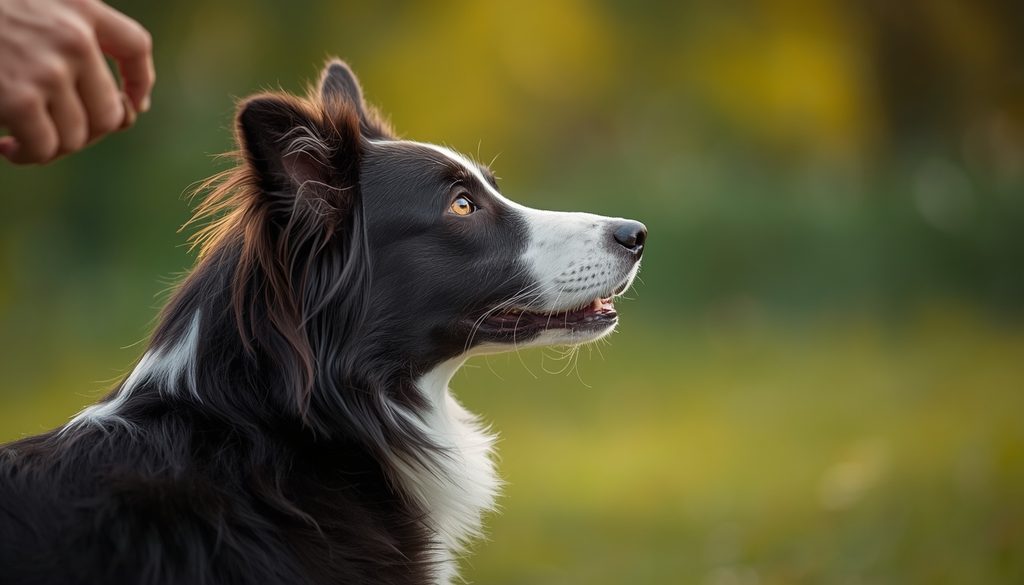
Dogs are learning from us constantly. They notice what earns attention, what leads to something rewarding and which behaviors help them get what they want. Every walk, mealtime, greeting and game can become part of training a dog, often without us deliberately setting out to teach anything.
Successful training starts with understanding the individual dog. Breed tendencies, age, temperament, motivation, previous experiences and the environment can all influence how easily a dog learns and what they find rewarding. A technique that works brilliantly for one dog may need to be adapted for another.
When training your dog, the goal should be to build communication rather than simply demand obedience. Clear expectations, consistency, appropriate rewards and realistic progression help dogs understand what we are asking of them while strengthening the relationship between dog and owner.
Training should also account for emotion, not just behavior. A dog that is frightened, overexcited or overwhelmed may struggle to respond even if it understands the cue perfectly well. Recognizing when a dog needs more distance, a quieter environment or an easier version of the exercise can make training more effective and help prevent unnecessary frustration.
Consistency between family members matters as well. Dogs can become confused when one person allows a behavior that another person discourages, or when cues are used differently from one day to the next. Agreeing on the words, signals and household rules you want to use helps make expectations clearer and gives the dog a better chance of succeeding.
Dog training also works best when dogs are given enough opportunities to succeed. Asking for too much too quickly can lead to confusion, frustration or loss of interest, particularly when distractions are high. Building skills gradually, rewarding progress and returning to easier steps when necessary helps create more reliable behavior over time. This is especially important with recall, loose-leash walking and impulse control, where dependable responses are usually built through repetition across many different situations rather than learned in a single session.
It is equally important to remember that unwanted behavior often has a reason behind it. Pulling, jumping, barking, chewing or ignoring cues may reflect excitement, fear, boredom, frustration, insufficient exercise or simply a behavior that has been unintentionally rewarded. Looking at why the behavior is happening makes it easier to choose an effective training approach instead of focusing only on stopping the visible problem. Good training therefore combines teaching desirable alternatives with thoughtful management of the environment so the dog is not repeatedly practicing the behavior we are trying to change.
Training is also most effective when practiced in different places and situations. A dog that responds perfectly in the living room may struggle outdoors where smells, people, traffic or other dogs create distractions. Gradually increasing difficulty helps a dog learn that familiar cues still apply even when the environment changes.
From puppy toilet training and basic cues to recall, leash walking, socialization and everyday manners, the principles of training dogs remain remarkably similar: make learning clear, worthwhile and achievable for the dog in front of you.
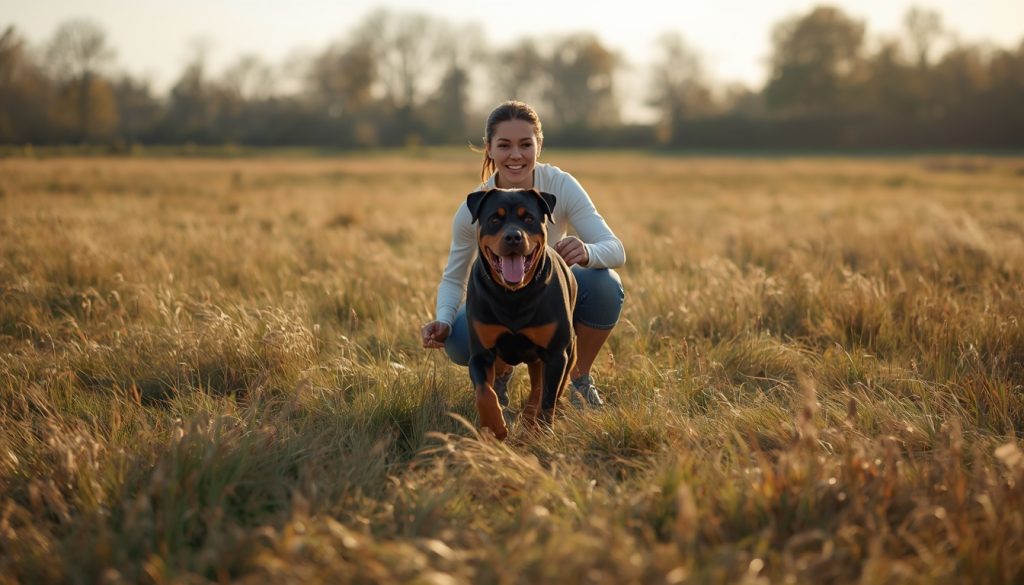
Table of Contents
Rewards and Positive Reinforcement
Positive reinforcement is one of the most useful principles in dog training. In simple terms, it means something the dog values happens immediately after a behavior, making that behavior more likely to occur again. If a dog sits and receives a small piece of food, comes when called and is rewarded with an enthusiastic game, or walks calmly and is allowed to stop and investigate an interesting smell, they begin learning that particular choices lead to worthwhile outcomes.
Food is commonly used because it is convenient, quick to deliver and highly motivating for many dogs, but rewards do not have to come from a treat pouch. Toys, praise, physical affection, play and access to something the dog wants can all be valuable. For a dog desperate to investigate a particular tree, being allowed to go and sniff it may be more rewarding at that moment than a biscuit.
This highlights an important part of reinforcement: the dog decides what is rewarding. One dog may enthusiastically work for pieces of chicken while another is far more interested in chasing a ball. Motivation can also change depending on the environment and what else is happening around them.
Timing is equally important. Delivering the reward immediately after the desired behavior helps the dog understand exactly what earned it. As skills become established, rewards can become more varied and less predictable while still reinforcing good choices.
Used thoughtfully, rewards are not simply a way of bribing a dog to obey. They are a way of communicating clearly: that was the behavior I wanted — and it was worth doing.
What Does Your Dog Value?
A reward only works if the dog actually wants it. Food may be highly motivating for one dog, while another may value a favorite toy, a game, praise or the opportunity to investigate an interesting smell.
Discovering what motivates your individual dog can make training clearer, more enjoyable and considerably more effective.

Getting the Basics Right
Basic dog training gives dogs a set of skills that make everyday communication easier. When people search for obedience training dog techniques, they are often looking for familiar cues such as sit, down, wait and stay, but the real foundation begins with something even simpler: teaching a dog to pay attention to the person they are with. A dog that recognizes their name and willingly turns their attention toward you is much easier to communicate with when other distractions appear.
Training these early skills works best when sessions are short, clear and achievable. Asking for the same behavior repeatedly after a dog has become tired, distracted or confused can quickly make training frustrating. Several brief opportunities throughout the day can often be more productive than one long formal session.
It also helps to introduce new skills somewhere relatively quiet. A dog may learn to sit beautifully in the kitchen but struggle to respond in a busy park filled with dogs, people and interesting smells. This does not necessarily mean the dog has forgotten the cue. They simply haven’t yet learned to perform it reliably under that level of distraction.
As understanding develops, training can gradually move into different rooms, gardens, streets and other environments. Difficulty can then increase little by little.
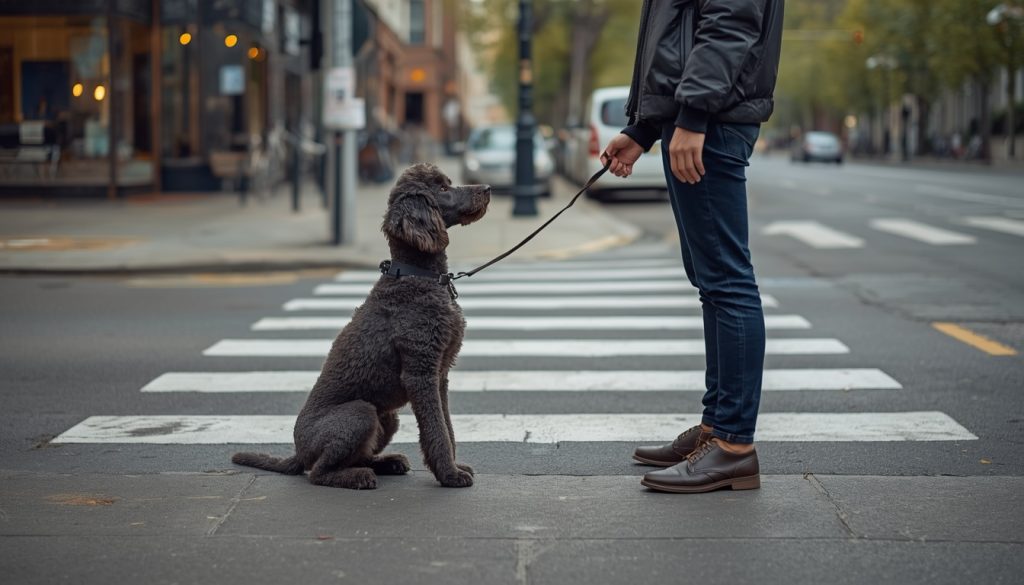
Basic cues are useful, but their greatest value is the communication they create. A reliable wait at a doorway, attention beside a road or calm response when visitors arrive can turn simple training exercises into practical skills that help dogs navigate everyday life safely and confidently.
Start Where Success Is Easy
Dogs usually learn new skills more easily in quiet environments with few distractions. Once a behavior is understood, difficulty can gradually increase by practicing in different places and situations.
Short, successful training sessions can build understanding and confidence without allowing repetition to become frustrating for either dog or owner.
Recall: Teaching Your Dog to Come Back
A reliable recall is one of the most valuable skills a dog can learn. Being able to call a dog back can provide greater freedom on walks, make outdoor activities more enjoyable and, importantly, help keep them safe when something unexpected happens. Reliable recall, however, develops through practice rather than simply expecting a dog to return because their name has been called.
Early recall work is an important part of dog training and should make coming back an easy and rewarding choice. Starting in a quiet environment with only a short distance between dog and owner allows the dog to understand what the cue means before greater distractions are introduced. Food, play, praise or another highly valued reward can help build a strong association between returning and something enjoyable happening.
One common difficulty is competing with the environment. A fascinating scent, another dog or an animal moving in the distance may be considerably more interesting than returning to an owner. Practicing gradually around increasing distractions helps the dog learn that the recall cue remains worthwhile even when exciting alternatives are available.
It is also helpful to avoid making recall consistently predict the end of something enjoyable. If coming back always means the leash goes on and the adventure ends, some dogs may become reluctant to respond. Calling the dog, rewarding them and occasionally allowing them to continue exploring can help prevent that association.
Until recall is reliable in a particular environment, a long training line can provide additional security. The goal is not simply to make the dog return — it is to build a response strong enough that coming back to you becomes one of the best choices available.
Make Coming Back Worthwhile
Recall becomes stronger when returning to the owner consistently leads to something the dog values. Rewards can include food, play, praise or even being released to continue exploring.
Build difficulty gradually. A dog that returns reliably at home may need considerable practice before responding equally well around wildlife, other dogs or exciting new smells.

Walking Nicely on a Leash
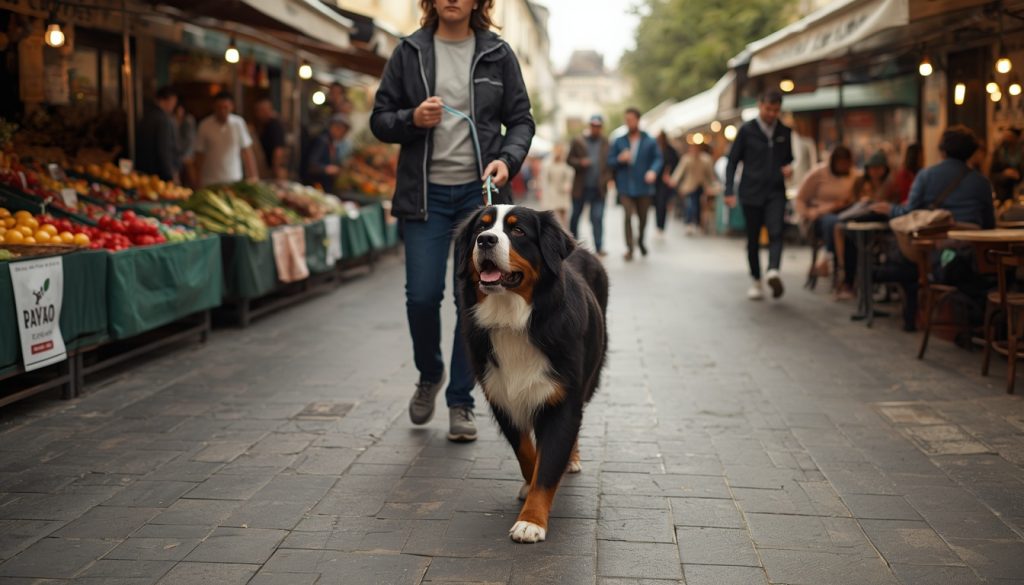
Walking calmly on a leash is a learned skill rather than something dogs automatically understand. From a dog’s perspective, walks are filled with interesting smells, sights, sounds and places they want to investigate. Moving faster or pulling toward something exciting can therefore feel completely natural, even though being dragged down the street is considerably less enjoyable for the person holding the other end of the leash.
Loose-leash walking begins by helping the dog understand where we would like them to be and rewarding moments when the leash remains relaxed. Food can be useful during early training, but continuing forward, reaching an interesting sniffing spot or being allowed to explore can also become powerful rewards. The aim is not necessarily to have a dog walking in a perfect heel position throughout every walk, but to develop comfortable movement without constant tension on the leash.
Environment makes a considerable difference. A dog may walk beautifully along a quiet residential street and begin pulling as soon as they reach a busy park, encounter another dog or discover an exciting scent. Increasing distractions gradually gives the dog a better chance of succeeding.
Dog training tools can help with safe and comfortable handling, but no collar, harness or leash teaches loose-leash walking by itself. Dog training still involves communication, repetition and reinforcing the behavior we want.
Walks should also provide opportunities for dogs to behave like dogs. Allowing appropriate time to sniff, investigate and explore can make walks more enriching while still maintaining sensible leash manners when they are needed.
House Training and Toilet Training
House training is one of the first practical skills many dogs need to learn, and success usually comes from routine, supervision and giving the dog plenty of opportunities to get it right. Puppies do not automatically understand that the garden is an appropriate toilet area while the living-room rug is not — that distinction has to be learned.
Regular trips outside are particularly important for young puppies. Taking them out after waking, eating, drinking, playing and before settling for the night creates frequent opportunities for success. Calmly rewarding the dog immediately after they toilet in the appropriate place helps them make the connection between the behavior and the outcome.
Accidents are a normal part of the learning process. Punishing a puppy after discovering a puddle indoors is unlikely to teach them what they should have done instead, particularly if the accident happened some time earlier. Cleaning the area thoroughly and concentrating on creating more opportunities to succeed is generally much more useful.
Adult dogs can need house training too. Rescue dogs, dogs moving into a different type of home or animals that have previously lived primarily outdoors may need time to understand a new routine. Medical problems can also cause a previously house-trained dog to begin having accidents.
If an adult dog suddenly starts toileting indoors after being reliably house trained, particularly if accompanied by changes in thirst, urination or general behavior, veterinary advice may be appropriate. Sometimes what appears to be a training problem has an underlying physical cause.
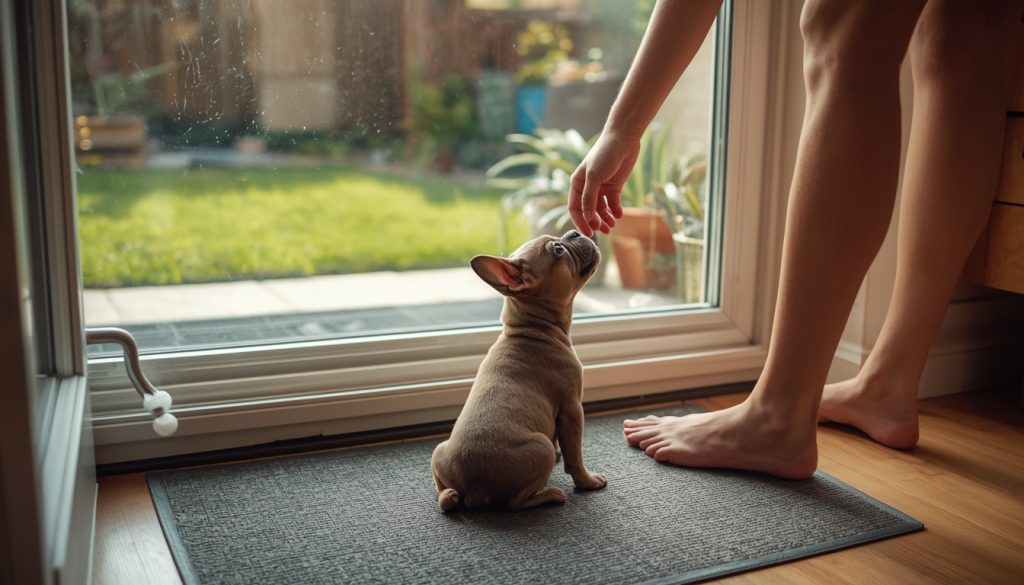
Routine Makes House Training Easier
Puppies are more likely to succeed when they are given frequent opportunities to toilet in the correct place. Trips outside after sleeping, eating, drinking and playing can help establish a predictable routine.
Accidents will happen while a dog is learning. Rather than punishing mistakes, concentrate on supervision, good timing and rewarding successful trips outside.
Crate Training and Creating a Safe Space
A crate can provide a dog with a comfortable, familiar place to rest when it is introduced gradually and used appropriately. Rather than being somewhere a dog is simply shut away, the aim of crate training is to create a space the dog willingly enters and associates with relaxation, security and positive experiences.
Introducing the crate slowly can help build that association. Leaving the door open and allowing the dog to investigate in their own time removes pressure, while comfortable bedding, treats, toys or meals can help make the space rewarding. Some dogs become comfortable remarkably quickly, while others need more time before they are happy settling inside.
Crates can be useful in many situations. They may assist with puppy management and house training, provide a quiet resting area in a busy household and help dogs become familiar with confinement that may later be necessary during travel or veterinary care. A dog already comfortable in a crate may find these situations considerably less unfamiliar.
However, a crate should not replace exercise, social interaction or opportunities to explore and engage with the world. Dogs also differ in how comfortable they feel in enclosed spaces, and a dog showing significant distress should not simply be forced to remain inside until they “get used to it.”
Where the crate is placed can also influence how comfortable a dog feels using it. Many dogs prefer a quiet position where they can rest without being constantly disturbed while still feeling connected to normal household activity. Placing a crate somewhere completely isolated may not suit a highly social dog, while positioning it in the busiest part of the home can make uninterrupted rest difficult. Watching where your dog naturally chooses to sleep can provide useful clues about the kind of location they prefer.
The amount of time spent in a crate matters as well. Crates are designed for temporary management, rest and safe confinement rather than as a place for a dog to spend large portions of everyday life. Puppies in particular need frequent opportunities to toilet, move, play, explore and interact with people. Adult dogs also need exercise, enrichment and social contact outside the crate. Individual dogs vary considerably, so age, physical needs, temperament and how comfortable the dog is with confinement should all be considered.
Used thoughtfully, a crate can become less like a cage and more like a dog’s own bedroom — a predictable place where they can settle, sleep and step away from household activity when they choose.
Make the Crate Somewhere Worth Choosing
Successful crate training begins by creating positive associations. Comfortable bedding, treats, meals and quiet rest can help a dog learn that entering the crate leads to good things.
Whenever practical, allowing the dog to enter voluntarily and gradually increasing the time they spend inside can help the crate become a familiar resting place rather than somewhere they fear.

Training Puppies and Adolescent Dogs
Puppyhood is an extraordinary period of learning. From the moment a puppy arrives home, they are discovering which behaviors bring rewards, where they are expected to sleep and toilet, how people communicate and what all the unfamiliar sights, sounds, smells and experiences around them mean. Training during this stage is less about creating perfect obedience and more about building useful skills and positive habits that can develop as the puppy grows.
Short, simple training sessions are usually ideal for young puppies. Name recognition, coming when called, settling calmly, gentle handling and basic cues can all be introduced through everyday interactions. Play can also become part of training, and simple training games for dogs can help puppies learn appropriate ways to interact while strengthening their relationship with the people around them.
Then comes adolescence. As dogs approach physical maturity, owners may notice increased independence, excitement, distraction and a renewed interest in exploring the world. A young dog that previously returned immediately when called may suddenly discover that following a scent or investigating another dog seems far more interesting.
This does not necessarily mean earlier training has failed. Adolescent dogs are developing physically and behaviorally, and previously learned skills often need continued reinforcement in increasingly distracting environments. Adjusting expectations while maintaining consistent boundaries can make this period much easier to navigate.
Adolescence can also bring changes in confidence. Some dogs become bolder and more adventurous, while others may temporarily become cautious about situations they previously accepted without concern. Paying attention to the individual dog remains important rather than assuming every young dog develops in exactly the same way.
Training should continue to grow with the dog. Gradually increasing difficulty, practicing in different environments and providing appropriate physical exercise, mental stimulation and opportunities to explore can help young dogs channel their increasing energy and curiosity.
The puppy racing around the house today will eventually become an adult dog. The aim of early training isn’t to rush that process, but to give the developing dog the communication, confidence and everyday skills they will need along the way.
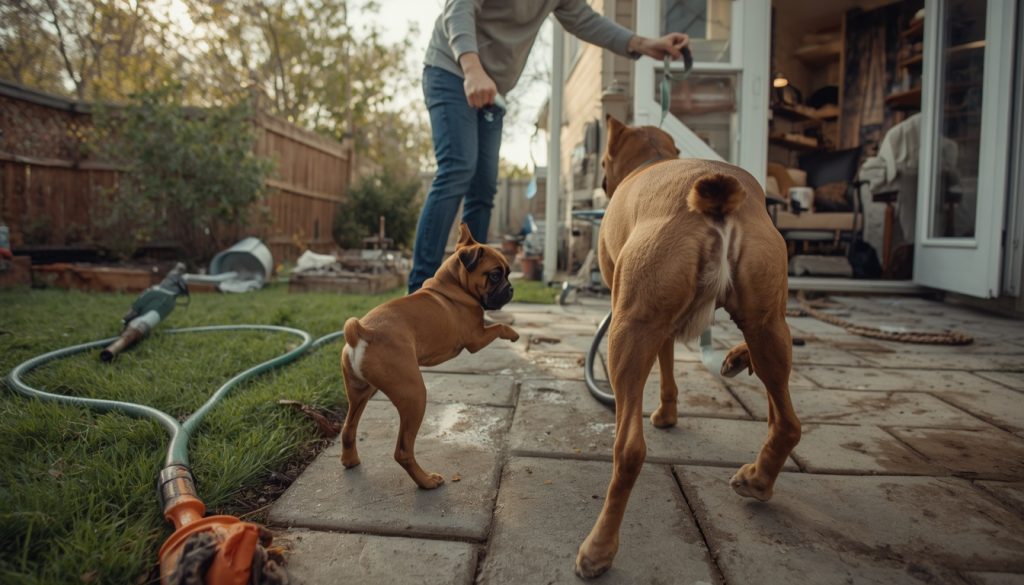
When Your Puppy Becomes a Teenager
Adolescent dogs can become more independent, energetic and easily distracted. Skills that appeared reliable during puppyhood may need additional practice as the young dog becomes increasingly interested in the world around them.
This doesn’t mean training has failed. Maintaining consistency, adjusting expectations and continuing to reward good choices can help previously learned skills develop into reliable adult behaviors.
Socialization and Building Confidence
Socialization is often misunderstood as simply introducing a puppy to as many people and dogs as possible. In reality, good socialization is much broader. It involves helping a young dog develop positive or neutral associations with the many sights, sounds, surfaces, environments, animals and everyday experiences they may encounter throughout life.
That might include hearing traffic, walking on different surfaces, seeing bicycles and wheelchairs, meeting people of different ages, experiencing household appliances, traveling in a car or simply watching other dogs from a comfortable distance. A puppy does not need to interact directly with everything they encounter. Sometimes calmly observing something unfamiliar and discovering that nothing frightening happens is valuable learning in itself.
Quality matters more than quantity. Overwhelming a puppy with experiences they find frightening can have the opposite effect to what socialization is intended to achieve. Body language provides useful clues about whether a dog is curious and comfortable or beginning to feel uncertain. Allowing appropriate distance and giving the dog time to investigate can help build confidence without forcing interaction.
Socialization also continues beyond the earliest months of life. Adolescent and adult dogs can continue developing confidence through carefully managed new experiences, particularly when those experiences are introduced at a level they can comfortably handle.
Individual temperament matters enormously. One puppy may confidently investigate a busy environment while another prefers to observe before approaching. The goal isn’t to create a dog that enthusiastically greets everyone and everything. A dog that can remain calm, feel secure and look to their owner for guidance in unfamiliar situations has developed something far more valuable.
Building confidence is ultimately about helping dogs discover that the world is understandable and manageable — while knowing they don’t have to interact with every part of it.
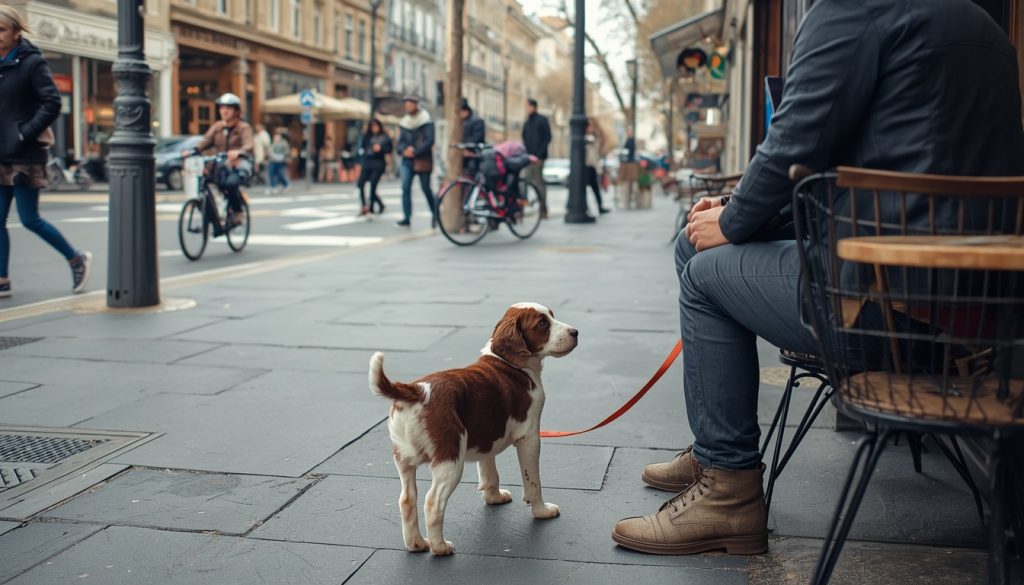
Impulse Control and Everyday Manners
Dogs live in a world filled with things they would often like to investigate immediately. An open front door, food dropped on the floor, an approaching visitor or another dog across the street can all create powerful temptation. Teaching a dog to pause, wait or look to their owner before acting can make everyday life considerably easier — and in some situations, much safer.
Impulse control does not mean expecting a dog to suppress every natural instinct. Instead, training helps them learn that remaining calm or making a different choice can also lead to something rewarding. A dog waiting briefly before going through a doorway, for example, can quickly learn that patience is what actually makes the door open.
Everyday manners develop in much the same way. Dogs can learn to keep four paws on the floor when greeting people, settle while the family eats, wait before leaving the car or move away from something when asked. These may seem like small skills individually, but together they can make an enormous difference to daily life with a dog.
Difficulty should increase gradually. Waiting calmly in a quiet kitchen is very different from maintaining the same self-control when visitors arrive or another dog appears nearby. Practicing skills first in easier situations gives the dog a foundation before greater excitement and distraction are added.
It is also important to keep expectations realistic. Puppies, adolescents and naturally energetic dogs may find self-control particularly challenging, especially when tired or overstimulated. Progress comes through repetition and giving dogs plenty of opportunities to succeed.
Good manners aren’t about removing a dog’s enthusiasm or personality. They give the dog another option: instead of immediately reacting to whatever has captured their attention, they learn that sometimes waiting, checking in and choosing calmly works better.
Learning to Pause Before Acting
Impulse control helps dogs learn that they do not always need to respond immediately to something exciting. Waiting at a doorway, ignoring dropped food or remaining calm when visitors arrive are all examples of useful everyday self-control.
These skills develop gradually. Starting in easy situations and rewarding calm choices gives dogs a better chance of succeeding when distractions and excitement increase.

When Training Isn’t Working
Almost every owner reaches a point where dog training seems to stop progressing. A dog may respond perfectly at home but ignore the same cue outside, lose interest halfway through a session or appear to understand something one day and forget it the next. When this happens, it is tempting to assume the dog is being stubborn or deliberately difficult, but training problems are often more complicated than that.
The first thing to consider is the environment. Distractions can dramatically change how difficult a task feels to a dog. This is especially important in reactive dog training, where another dog, person, vehicle or other trigger may make it much harder for the dog to remain calm and respond. A quiet lounge room, a garden, a busy street and a crowded park are all very different learning environments, even when the cue itself is exactly the same. Sometimes increasing distance, reducing distractions and rebuilding success at an easier level is all that is needed.
Dog training for aggressive dogs requires particular care because aggression can have different causes, including fear, pain, frustration, resource guarding and previous experiences. Rather than relying on punishment or deliberately provoking a reaction, owners dealing with serious aggression should consider guidance from an appropriately qualified trainer, behavior professional or veterinarian who can assess the individual dog and help develop a safer training plan.
Clarity matters too. Dogs can become confused if different family members use different words, gestures or expectations for the same behavior. Timing can also influence learning. If a reward arrives too late, the dog may not understand which behavior actually earned it.
Motivation is another factor. A reward that works brilliantly at home may have very little value when the dog is surrounded by exciting smells, other animals or movement. Changing the reward, shortening the session or using access to the environment itself as reinforcement may help restore engagement.
It is also possible to progress too quickly. Increasing distance, duration and distraction all at once can make a previously easy exercise suddenly feel impossible. Breaking the skill into smaller steps usually creates a clearer path forward.
When training stalls, reviewing your dog training plan can help identify what needs to change. Rather than repeating the same unsuccessful attempt more forcefully, the better approach is often to change something about the situation, make the task easier and give the dog another opportunity to understand what success looks like.

Make It Easier Before Making It Harder
If a dog suddenly struggles with a familiar cue, consider whether the environment, distractions or expectations have changed. A behavior learned in one place may need additional practice before it becomes reliable somewhere more challenging.
Reducing difficulty, improving timing or changing the reward can often restore progress more effectively than simply repeating the same unsuccessful attempt.
Training Through Different Life Stages
Dog training is often associated with puppies, but dogs continue learning throughout their lives. The skills we teach, the way we practice them and the expectations we have may change as a dog moves from puppyhood through adolescence and adulthood into their senior years.
Young dogs are building foundations. Puppies benefit from short, positive experiences that introduce basic communication, household routines and everyday skills without expecting long periods of concentration. Adolescents may already understand many of those skills but need additional practice as increasing confidence, energy and curiosity make the outside world considerably more distracting.
Adult dogs can continue learning new behaviors just as successfully. Training might involve improving recall, developing better leash manners, learning new activities or simply reinforcing skills that have become less reliable over time. Dogs adopted as adults can also learn entirely new household routines regardless of what they experienced earlier in life.
Training can remain valuable for senior dogs too. Gentle learning provides mental stimulation and gives older dogs opportunities to remain engaged with their owners and surroundings. New skills do not need to be physically demanding — simple scent games, targeting exercises and familiar cues can all provide enjoyable mental activity.
Physical changes should, however, influence expectations. Arthritis, reduced stamina, changes in hearing or vision and other age-related conditions can make some exercises uncomfortable or confusing. A senior dog that becomes reluctant to sit repeatedly, for example, may be experiencing discomfort rather than refusing to cooperate.
Good training evolves with the dog. The objective isn’t to expect the same performance at every age, but to keep communication, learning and interaction appropriate for the dog’s abilities at that particular stage of life.
Old Dogs Can Learn New Things
Learning doesn’t stop when puppyhood ends. Adult and senior dogs can continue developing new skills, improving existing ones and enjoying the mental stimulation that training provides.
Training should simply adapt as dogs age. Changes in mobility, stamina, hearing or vision may mean changing an exercise or lowering physical demands while continuing to keep the mind engaged.
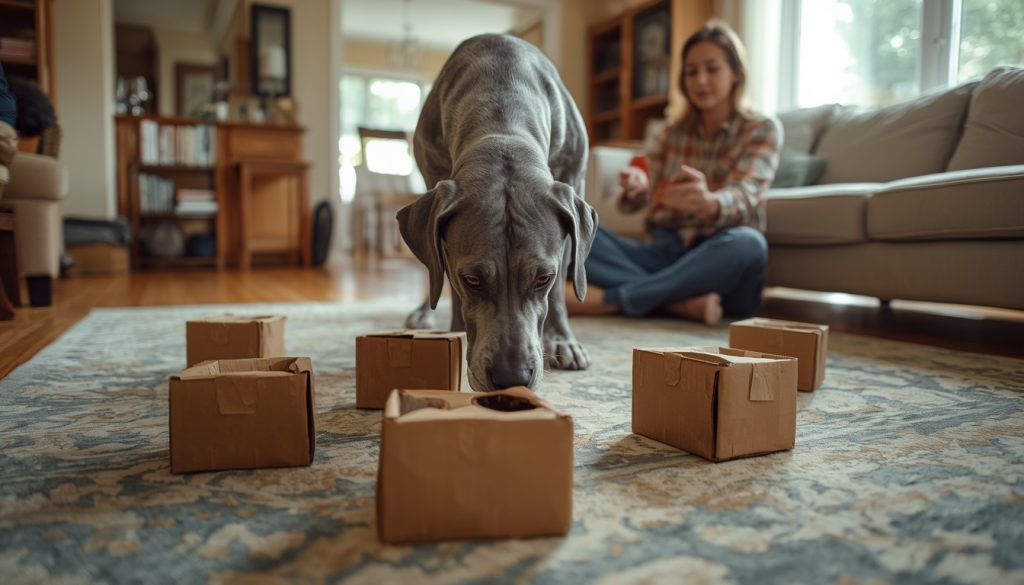
Training the Dog in Front of You
Training principles can give us a framework for teaching dogs, but successful training ultimately depends on the individual animal standing in front of us. Dogs differ enormously in temperament, motivation, confidence, energy and previous experience, and those differences influence how they respond to training.
Breed can provide useful clues. A retriever may find carrying something enormously rewarding, a scent hound may struggle to ignore an interesting trail, and a herding breed may be particularly sensitive to movement. These tendencies matter, but breed alone cannot tell us how an individual dog will learn.
Owners wondering how best to train my dog may naturally look for a single method, but motivation differs enormously between individual dogs. Some dogs will enthusiastically work for food, while others become far more engaged when a ball, tug toy, praise or opportunity to explore is involved.
Previous experiences also shape learning. A confident puppy raised in a predictable environment may approach a new training exercise very differently from an adult rescue dog whose history is unknown. Neither dog is necessarily easier or harder to train — they simply bring different experiences to the process.
The purpose of training can differ between dogs too. Emotional support dog training may focus heavily on calm everyday behavior, reliability and helping the dog function comfortably alongside their owner, while another dog may be learning primarily for companionship, sport or general household manners. Whatever the goal, training should still reflect the temperament, abilities and needs of the individual dog.
Good training therefore requires observation as much as instruction. Notice when your dog is engaged, when they become distracted, what motivates them and when an exercise appears too difficult. Sometimes changing the environment, reward or way we communicate can transform an exercise that previously seemed impossible.
There is no prize for training every dog in exactly the same way. The real measure of successful training is whether you and your dog can understand one another, develop useful skills and enjoy living together.
Ultimately, the best training method is one that respects the abilities, needs and personality of the dog in front of you.

We hope you’ve enjoyed exploring this guide and found something useful along the way. There’s plenty more to discover across CanineBase, from dog breeds and behavior to health, nutrition, training, gear, and everyday life with your dog. Return to the CanineBase home page to explore more guides, advice, and resources for dog owners.
Trusted Dog Training Guidance
Effective dog training is built on clear communication, consistency and methods that help dogs understand what is expected of them. For additional guidance on training, behavior and everyday skills, visit the American Kennel Club dog training resources .