

Dog Nutrition
Good dog nutrition provides the foundation for a dog’s health, energy and overall wellbeing. From supporting growth in puppies to maintaining muscle, healthy body condition and everyday vitality in adult and senior dogs, what a dog eats plays an important role throughout every stage of life.
But feeding dogs can also feel surprisingly complicated. Pet food shelves are filled with kibble, canned foods, fresh diets, raw foods and specialist formulas, while packaging makes countless claims about ingredients, protein levels and nutritional benefits. Add treats, supplements and conflicting advice online, and deciding what belongs in a dog’s bowl can quickly become confusing.
At its core, a healthy dog diet is about providing complete and balanced nutrition that supplies the energy and essential nutrients an individual dog requires. Protein, fats, carbohydrates, vitamins, minerals and water all have roles to play, but a dog’s requirements can vary considerably according to age, size, activity level, reproductive status, health and individual metabolism.
The right amount matters as much as the ingredients. Even a nutritionally complete food can contribute to unwanted weight gain when consistently fed in excess, while growing puppies and highly active dogs may have very different energy requirements from quieter adults or seniors.
There is also no single bowl that is perfect for every dog. Some thrive on one type of food while another dog may have different nutritional or medical requirements. Understanding the fundamentals makes it easier to look beyond marketing claims and make informed choices about what — and how much — we feed.
Good nutrition doesn’t need to be mysterious. It begins with understanding a dog’s individual dog nutritional needs and then finding a practical, appropriate way to meet them.

Table of Contents
Understanding What Dogs Need From Their Food
Every meal a dog eats has an important job to do. Food provides the energy needed to move, play and maintain normal body functions, while also supplying the nutrients required to build and repair tissues, support the immune system and keep organs working properly. Although individual requirements vary, a healthy diet for dogs needs an appropriate balance of essential nutrients to support health throughout life.
Protein provides amino acids that the body uses for growth, tissue repair and the maintenance of muscles, skin and many other structures. Dogs can obtain protein from a variety of animal and plant ingredients, and both the quality and overall balance of amino acids within the diet are important.
Fats provide a concentrated source of energy and supply essential fatty acids that contribute to healthy skin, coat and normal body function. They also help the body absorb certain vitamins. The amount required varies, however, and diets that provide considerably more energy than a dog uses can contribute to unwanted weight gain.
Carbohydrates can provide energy and dietary fiber, although dogs do not have a specific dietary requirement for carbohydrate in the same way they require certain amino acids and fatty acids. Owners considering adding fiber to dog diet plans should look at the complete nutritional picture rather than adding ingredients simply because fiber sounds beneficial. Properly prepared carbohydrate sources can nevertheless form a useful part of many complete dog foods.
Vitamins and minerals are required in much smaller quantities but remain essential. Calcium and phosphorus, for example, play important roles in bones and teeth, while numerous vitamins and trace minerals contribute to processes throughout the body. More is not necessarily better — excessive amounts of some nutrients can be harmful.
Water is perhaps the easiest nutrient to overlook. Dogs need continual access to clean, fresh water to support hydration, temperature regulation, digestion and virtually every major body system.
The key is balance. Dogs don’t need individual ingredients simply because they sound healthy to us; they need a diet that provides the right nutrients, in appropriate amounts and proportions, for the individual dog’s needs.
Nutrition Is About Balance
Dogs need the right balance of protein, fats, vitamins, minerals and water to support energy, growth and normal body function. A healthy diet for dogs should provide these nutrients in appropriate amounts for the individual dog’s age, size, activity level and life stage. More of a nutrient is not necessarily better — good nutrition is about balance.

Choosing a Complete and Balanced Dog Food
Walking down the dog food aisle can be overwhelming, especially when trying to make good food choices for your dog. Bags and cans compete for attention with claims about premium ingredients, high protein, natural recipes, ancestral diets and carefully selected superfoods. Attractive packaging can make one food appear considerably healthier than another, but the most important question is much simpler: does the food provide complete and balanced nutrition for the dog it is intended to feed?
A complete diet is designed to provide all of the essential nutrients a dog requires when fed as directed, while balanced means those nutrients are present in appropriate proportions. This distinction matters because a collection of individually nutritious ingredients does not automatically create a nutritionally balanced diet.
Life stage is another important consideration. Puppies have different nutritional requirements from adult dogs, particularly while their bones and bodies are developing. Some foods are formulated specifically for growth, adult maintenance or other life stages, so checking whom the food is intended for is more useful than choosing solely by the ingredients pictured on the packaging.
Understanding dog food nutrition facts and the nutritional content of dog food can also help owners look beyond front-of-package marketing. Feeding information, nutritional adequacy statements and other information on the label can provide useful guidance about what the food is designed to provide and which dogs it is intended for.
Ingredient lists can be informative, but they should not be judged simply by whether individual ingredients sound appealing to people. Good dog food and nutrition decisions depend on the nutritional quality of the finished diet, its formulation and whether it meets appropriate nutritional standards rather than one fashionable ingredient appearing near the top of the list.
Ultimately, the best everyday food is one that provides appropriate nutrition, suits the individual dog, can be fed consistently and helps maintain good health and body condition. For dogs with medical conditions or unusual nutritional requirements, a veterinarian can help determine whether a particular diet is appropriate.

Look Beyond the Front of the Bag
Words such as premium, natural or high-protein can sound impressive, but they do not by themselves tell you whether a food provides appropriate nutrition for your dog.
Check whether the food is complete and balanced for the intended life stage, consider the dog’s individual needs and use body condition to help judge whether the amount being fed remains appropriate.
Dry, Wet, Fresh and Raw Food
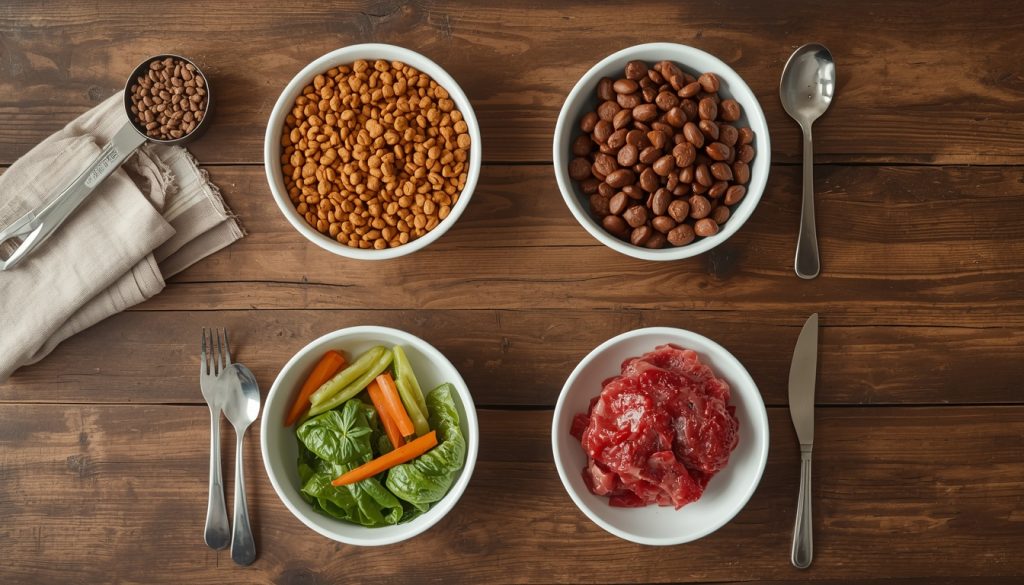
There are more ways to feed dogs than ever before. Traditional dry kibble remains widely used, canned and other wet foods offer a very different texture and moisture content, commercially prepared fresh foods have become increasingly available, and some owners choose raw diets. Each approach has practical advantages and considerations, but the type of food alone does not determine whether it provides appropriate nutrition.
Dry food is convenient, relatively easy to store and available in formulations designed for different breeds, sizes and life stages. Because it contains relatively little moisture, portions can appear smaller than wet food while still providing considerable energy. Measuring portions rather than repeatedly topping up the bowl can therefore be useful for dogs prone to gaining weight.
Wet foods contain considerably more water and can be appealing to dogs that prefer softer textures or stronger aromas. They may be fed as a complete diet, depending on the product, or sometimes combined with dry food. As with any food, it is important to check whether it is intended as a complete diet or only for complementary feeding.
Fresh commercial diets offer another option and may contain cooked meat, vegetables and other recognizable ingredients. Owners interested in natural foods for dogs may find this style of feeding particularly appealing, but familiar-looking ingredients do not automatically make a diet nutritionally complete. The suitability of the finished food still depends on how the complete recipe has been formulated.
Raw feeding takes several forms, from commercially formulated products to diets prepared at home. Raw ingredients are not automatically nutritionally complete, and poorly formulated diets can result in nutritional deficiencies or excesses. Raw animal products can also carry harmful bacteria and other pathogens, creating potential risks for dogs and for people handling the food, particularly in households with young children, older adults or people with weakened immune systems.
Whichever approach is chosen, the same fundamental questions apply: Does the diet provide complete and balanced nutrition? Is it appropriate for this dog’s life stage and health? Can it be stored, prepared and fed safely?
The appearance of the food matters far less than whether the finished diet consistently provides what the individual dog actually needs.
The Format Isn’t the Whole Story
Kibble, wet food, fresh food and raw diets can look very different in the bowl. What matters nutritionally is whether the overall diet provides the nutrients a dog requires in appropriate amounts and proportions.
Consider nutritional completeness, life stage, food safety, storage and the individual dog’s needs rather than assuming one feeding style is automatically best for every dog.
How Much Should You Feed Your Dog?
Knowing what to feed is only part of good dog nutrition — knowing how much to feed matters just as much. Dogs need enough energy to maintain healthy body function, muscle and activity, but regularly consuming more energy than they use can gradually lead to unwanted weight gain.
The feeding guide on a dog food package can provide a useful starting point, but it should not be treated as an exact requirement for every dog. Two dogs of the same breed and weight may need different amounts of food because of differences in age, activity, metabolism, body condition and lifestyle. A highly active working dog, for example, may use considerably more energy than a similar-sized dog that spends much of the day relaxing at home.
Portion size can also be deceptive. Foods vary considerably in energy density, meaning that the same-sized scoop of two different foods may contain very different numbers of calories. Measuring or weighing meals can provide much greater consistency than estimating portions by eye, particularly when managing a dog’s weight.
Treats and extras count too. Training rewards, chews, scraps from the kitchen and small pieces of food offered throughout the day can quietly add a significant amount of energy to a dog’s overall intake. Looking at everything the dog eats — rather than the contents of the food bowl alone — gives a much clearer picture.
Regularly assessing body condition is one of the most practical ways to judge whether the amount being fed remains appropriate. Ideally, the ribs should generally be easy to feel beneath a light covering of tissue, with a visible waist when viewed from above and an abdominal tuck when viewed from the side, although body shape naturally varies between breeds.
Feeding therefore isn’t about finding one perfect number and using it forever. Start with an appropriate amount, watch the individual dog and adjust gradually as their weight, body condition, activity and life stage change.

Feeding Puppies and Growing Dogs
Puppies have different nutritional needs from adult dogs because their bodies are growing at an extraordinary rate. During the first months of life they are building bone, muscle and other tissues while also requiring enough energy for play, exploration and development. Their diet therefore needs to provide appropriate amounts and proportions of energy, protein, essential fats, vitamins and minerals for growth.
A complete puppy food formulated for growth provides a practical way of meeting these requirements. Puppies also have relatively small stomachs, so their daily food allowance is usually divided into several meals when they are young. The number of meals can gradually decrease as the puppy grows and becomes capable of comfortably eating larger portions.
Growth should be steady rather than pushed as quickly as possible. Feeding excessive amounts does not produce a healthier or stronger adult dog. Instead, excess energy can encourage overly rapid growth and unwanted weight gain, placing additional stress on a developing body.
This is particularly important for large and giant-breed puppies. Their developing skeletons require carefully controlled nutrition, including appropriate energy intake and mineral balance. Adding calcium or other supplements to an already complete puppy diet without professional advice can disrupt that balance rather than improve it.
Body condition remains useful throughout puppyhood. Growing puppies naturally change shape as they mature, but regularly monitoring their weight and physical condition can help identify whether feeding amounts need adjustment. Portions may need to change frequently during periods of rapid growth.
Treats and training rewards should also be considered part of the puppy’s overall intake. Training creates plenty of opportunities for rewards, and those small pieces of food can accumulate surprisingly quickly.
Every puppy develops at their own pace. Breed, expected adult size, activity and individual growth all influence nutritional requirements, making regular veterinary checks particularly useful during this rapidly changing stage of life.
The goal isn’t to make a puppy grow as quickly as possible — it is to provide the balanced nutrition needed for healthy, controlled development into adulthood.

Growing Dogs Need Controlled Nutrition
Puppies need enough energy and nutrients to support rapid growth, but faster growth is not necessarily better. Appropriate portions and a complete diet formulated for growth help support healthy development.
Large and giant-breed puppies need particular care because excess energy or poorly balanced mineral intake can place unnecessary stress on developing bones and joints.
Nutrition for Adult Dogs
Once a dog reaches adulthood, the focus of nutrition changes from supporting growth to maintaining a healthy body. Good adult dog feeding provides enough energy and nutrients to support muscle, normal body function, activity and overall wellbeing without consistently providing more energy than the dog uses.
A complete and balanced food formulated for adult maintenance will suit many healthy adult dogs, but the amount required can vary enormously. Breed, size, activity level, reproductive status, environment and individual metabolism can all influence how much energy a dog needs. Two dogs of similar weight can therefore require surprisingly different portions to maintain the same healthy body condition.
Activity is particularly important. A working or highly active dog may require considerably more energy than a companion dog with a quieter lifestyle. Requirements can also change throughout the year. A dog that spends long summer days hiking or swimming may use more energy than during periods when exercise is reduced.
Protein remains important throughout adulthood because the body continually maintains and repairs muscle and other tissues. Appropriate dietary fats provide energy and essential fatty acids, while vitamins and minerals support numerous normal body processes. Once again, the overall nutritional balance matters more than focusing on one ingredient or nutrient in isolation.
Adult life is also when excess weight can begin to creep on unnoticed. Portions may remain the same even though exercise has decreased, while treats, chews and table food quietly add additional calories. Regularly looking at the dog’s waist, feeling the ribs and monitoring weight can help identify gradual changes before they become significant.
Feeding requirements are not necessarily fixed throughout adulthood. Changes in activity, body condition, lifestyle or health may mean portions or even the diet itself need to be reconsidered.
The aim is straightforward: provide enough high-quality nutrition to maintain a lean, well-muscled, energetic dog without routinely feeding more than their body needs.
Feed for the Life Your Dog Lives
An active adult dog may require considerably more energy than a similar-sized dog with a quieter lifestyle. Breed and weight alone cannot tell you exactly how much an individual dog should eat.
Monitor body condition, activity and weight over time and adjust portions when necessary. The goal is to maintain a healthy, lean adult rather than simply feeding the same amount year after year.

Feeding Senior Dogs
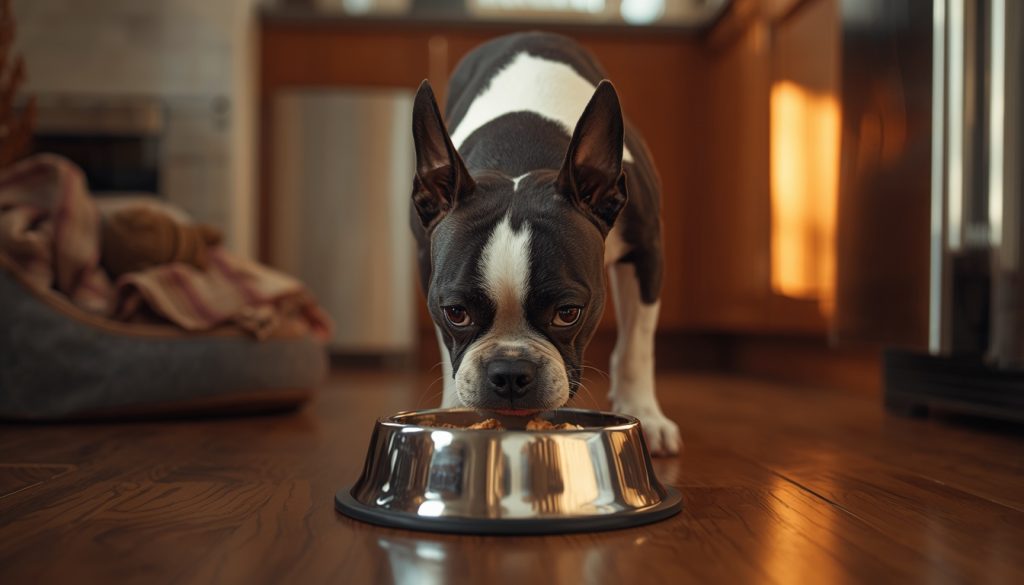
Senior dog nutrition can change as dogs grow older, but there is no single age at which every dog suddenly requires a “senior diet.” Large breeds may show signs of aging considerably earlier than smaller dogs, and two dogs of the same age can have very different activity levels, body condition and health. Dog nutrition during the senior years should therefore be guided by the individual dog rather than age alone.
Many older dogs become less active and consequently use less energy. Continuing to feed the same portions they received during more active years can gradually lead to weight gain, particularly if exercise has decreased. Other senior dogs experience the opposite problem and begin losing weight or muscle despite apparently eating normally.
Maintaining muscle becomes particularly important with age. Adequate high-quality protein helps support lean body tissue, and healthy senior dogs should not automatically have protein severely restricted simply because they are older. Certain medical conditions may require specific dietary adjustments, but these are best made with veterinary guidance rather than assuming that all older dogs need the same restrictions.
Appetite can change too. Dental discomfort, reduced sense of smell, medications, illness or changes in routine may affect how enthusiastically an older dog eats. Softer textures, warming food slightly or dividing the daily allowance into smaller meals can sometimes make eating easier, depending on the individual dog.
Water intake also deserves attention. Older dogs should always have easy access to fresh water, and noticeable changes in thirst or urination can sometimes be an early indication of a medical problem.
Regular veterinary checks become increasingly valuable during the senior years. Changes in weight, appetite, muscle condition or eating habits should not automatically be dismissed as normal aging.
Good senior nutrition is ultimately about adapting with the dog — helping them maintain healthy weight, muscle, hydration and enjoyment of food as their needs change.
Age Alone Doesn’t Determine the Diet
Senior dogs can differ enormously in activity, body condition and health. Some require fewer calories as they become less active, while others may need nutritional support to maintain weight and muscle.
Changes in appetite, thirst, weight or eating habits deserve attention rather than being automatically attributed to old age. Individual health should guide nutritional decisions.
Healthy Weight and Body Condition
Maintaining a healthy body condition is one of the most important goals of dog nutrition throughout a dog’s life. While body weight provides useful information, the number on the scales does not tell the whole story. Dogs of the same breed, height or even litter can have different frames and amounts of muscle, which means healthy weight should always be considered alongside the dog’s overall body condition.
One of the simplest checks involves the ribs. In a dog at a healthy body condition, the ribs should generally be easy to feel beneath a light covering of tissue without needing to press firmly. They do not necessarily need to be clearly visible, but if they are difficult to locate beneath a substantial layer of fat, the dog may be carrying excess weight.
Body shape provides other clues. Viewed from above, many healthy dogs should have a visible waist behind the ribs. From the side, the abdomen should usually rise toward the hind legs rather than continuing in a straight line from the chest. Breed and natural body shape need to be considered, however — a Greyhound and a Bulldog will never have identical silhouettes.
Weight gain often happens gradually. A slightly larger portion, several daily treats and reduced exercise may not seem significant individually, but over months they can make a noticeable difference. When an obese dog diet is needed, the goal should be controlled, appropriate weight loss rather than simply cutting food dramatically. Because owners see their dogs every day, slow changes can sometimes be surprisingly difficult to recognize.
Being underweight deserves attention too. Prominent bones, loss of muscle or unexplained weight loss may indicate that a dog is not receiving enough energy or could sometimes signal an underlying health problem.
Regularly feeling your dog’s ribs, looking at their waist and monitoring changes in weight provides a much clearer picture than relying on appearance alone. When weight changes unexpectedly or maintaining healthy condition becomes difficult, veterinary guidance can help identify whether nutrition, activity or health may be contributing.
The goal isn’t simply a particular number on the scales — it is a dog carrying an appropriate amount of body fat while maintaining healthy muscle and physical condition.

Treats, Chews and Table Food
Treats are one of the pleasures of living with dogs. They can be valuable training rewards, provide enrichment and simply give us another way to share something enjoyable with our companions. But treats, chews and pieces of food offered from the table are still part of a dog’s overall diet, even when they never appear in the food bowl.
Small amounts can accumulate surprisingly quickly. A training session might involve dozens of tiny rewards, while a dental chew, a piece of meat from dinner and a few biscuits offered throughout the day can add considerably more energy than owners realize. For dogs that gain weight easily, these extras may be enough to upset an otherwise appropriate feeding plan.
Treat size matters as much as frequency. Dogs generally care more about receiving the reward than whether it is large, so training treats can often be surprisingly small. Some owners also use part of the dog’s normal daily food allowance during training rather than continually adding extra food.
Chews can provide enjoyment and occupy dogs for longer periods, but they vary greatly in hardness, digestibility and calorie content. Very hard objects can potentially damage teeth, while pieces that break off may create choking or gastrointestinal risks. Choosing chews appropriate for the dog’s size and chewing style and supervising when necessary can reduce some of these risks.
Owners wondering about foods dogs can eat beyond their regular diet have plenty of safe options. Many ordinary foods can be offered in small amounts, including suitable unseasoned cooked meats, but rich, fatty or heavily seasoned foods may cause digestive upset and some human foods are dangerous to dogs. Feeding from the table can also unintentionally teach a dog that hovering beside people while they eat is worthwhile.
None of this means treats should disappear. Food is rewarding, and sharing it can be part of the relationship we have with our dogs. The key is remembering that every treat counts as part of what the dog eats overall.
Little Extras Still Count
Training rewards, chews and pieces of table food can add more energy to a dog’s diet than expected. Treat size and frequency therefore matter just as much as the amount placed in the main food bowl.
Treats can still be an enjoyable and useful part of life with a dog — simply consider them as part of the dog’s total daily food intake.

Foods Dogs Should Never Eat
Sharing food with our dogs can be enjoyable, but some foods that are perfectly ordinary for people can be dangerous for dogs. Knowing the most important ones to keep out of reach can help prevent accidental poisoning, particularly in homes where food is regularly left on counters, tables or inside bags.
Chocolate is one of the best-known examples. It contains substances called methylxanthines, including theobromine and caffeine, which dogs process differently from people. The risk depends on the type and amount of chocolate eaten and the size of the dog, with darker chocolate and cocoa products generally containing higher concentrations.
Grapes and raisins can also be dangerous and have been associated with acute kidney injury in dogs. The amount that causes a problem can be unpredictable, so they should not be deliberately fed. Foods containing raisins — including some cakes, breads and snack mixes — can be easily overlooked.
Onions, garlic and related plants can damage a dog’s red blood cells when enough is consumed. These ingredients may also appear in cooked meals, sauces, seasoning mixes and leftovers rather than being eaten on their own.
Another particularly important hazard is xylitol, a sweetener found in some sugar-free products. In dogs, xylitol can cause a dangerous drop in blood sugar and, in some cases, serious liver injury. Owners should check ingredient labels carefully because formulations can change.
Alcohol, caffeine and macadamia nuts are among other foods and substances that should be kept away from dogs. Cooked bones can also create physical hazards because they may splinter or cause choking, dental damage or gastrointestinal injury.
Accidents can still happen, and waiting for symptoms to appear is not always appropriate. If a dog has eaten something potentially toxic, contact a veterinarian or animal poison service promptly and provide as much information as possible about what was eaten, approximately how much, when it happened and the dog’s weight.
The safest approach is simple: know the major hazards and keep them somewhere curious noses cannot reach.

Keep These Foods Out of Reach
Chocolate, grapes and raisins, onions, garlic, xylitol, alcohol, caffeine and macadamia nuts are among the foods and substances that can cause problems for dogs.
If your dog eats something potentially toxic, don’t wait for symptoms before seeking advice. What was eaten, how much, when it happened and your dog’s weight can all help a veterinarian assess the situation.
Food Allergies, Intolerances and Sensitive Stomachs
Dogs can experience adverse reactions to food, but identifying the cause is not always straightforward. Vomiting, diarrhea, excessive gas or changes in stool may lead owners to suspect a particular ingredient, while recurring itching, ear problems or skin irritation can sometimes raise questions about food allergy. However, many different health problems can produce similar signs.
A true food allergy involves an immune response to something in the diet, most commonly a protein the dog has previously been exposed to. Food intolerance is different and does not involve the immune system in the same way. A dog may simply have difficulty tolerating a particular ingredient or diet, resulting primarily in digestive problems.
It is also worth remembering that itchy skin does not automatically mean food allergy. Environmental allergies, parasites, skin infections and other conditions can cause similar symptoms. Likewise, vomiting or diarrhea can have many causes unrelated to the dog’s regular food.
When food allergy is genuinely suspected, simply switching repeatedly between different commercial foods can make the picture even more confusing. Veterinarians may recommend a carefully controlled elimination diet using a novel protein or hydrolyzed veterinary diet for a defined period, followed by a structured food challenge. During such a trial, even flavored treats, chews or medications may interfere with the results.
Dogs described as having a “sensitive stomach” can vary considerably too. Some may respond well to a highly digestible diet, while others may have an underlying gastrointestinal condition requiring investigation rather than simply another change of food.
Sudden or persistent digestive problems, unexplained weight loss, repeated vomiting, blood in the stool or significant skin problems deserve veterinary attention.
The goal should not be to remove ingredients simply because they have developed a poor reputation. It is to identify what the individual dog can tolerate, what may genuinely be causing a problem and how to maintain complete nutrition while addressing it.
Allergy or Intolerance?
A food allergy involves the immune system, while a food intolerance does not. Both can be associated with problems after eating, but digestive and skin symptoms can also have many causes unrelated to food.
Rather than repeatedly removing ingredients, persistent problems are best investigated properly so the dog’s diet can remain nutritionally complete while the underlying cause is identified.

Supplements and Special Diets
The range of supplements marketed for dog nutrition has grown enormously. Oils, powders, tablets and chews are promoted for everything from joints and digestion to skin, coat, immunity and general wellbeing. Some supplements can have useful roles, but adding something to a dog’s diet does not automatically make that diet healthier.
Dogs eating a complete and balanced food should already receive the essential vitamins and minerals they require in appropriate amounts. Adding additional vitamin or mineral supplements without a specific reason can upset that balance, and excessive amounts of certain nutrients can potentially cause harm.
Some supplements are used for more specific purposes. Omega-3 fatty acids, for example, may be recommended in particular circumstances, while certain joint supplements are commonly given to older or highly active dogs. The usefulness of any product depends on what it contains, the amount provided, the quality of the evidence behind it and whether the individual dog actually has a reason to receive it.
Supplements should also be considered alongside the rest of the diet. Products that come in flavored chews may contribute additional calories, while several supplements used together can contain overlapping ingredients. More products do not necessarily mean greater benefit.
Special diets are another area entirely. Veterinarians may recommend therapeutic foods designed to help manage particular conditions involving the kidneys, urinary tract, gastrointestinal system, skin or other areas of health. These diets can have deliberately altered nutrient levels and are intended to serve a specific nutritional purpose.
For that reason, a therapeutic diet recommended for one dog should not automatically be assumed to be appropriate for another. Likewise, making major dietary restrictions at home without understanding how they affect overall nutritional balance can create new problems while attempting to solve another.
Nutrition can sometimes play an important role alongside veterinary treatment, but it works best when there is a clear reason behind the change. Before adding multiple supplements or significantly altering a dog’s diet, ask a simple question: what does this dog actually need that their current diet isn’t providing?

More Isn’t Always Better
A complete and balanced diet should already provide essential vitamins and minerals in appropriate amounts. Adding supplements unnecessarily can sometimes disturb that nutritional balance rather than improve it.
Supplements and therapeutic diets are most useful when there is a clear nutritional or medical reason for using them and the individual dog’s needs have been considered.
Feeding the Dog in Front of You
Dog nutrition guidelines give us an important starting point, but ultimately we feed individual dogs, not averages on a chart. Age, breed, size, activity, body condition, health and even personality can influence what and how much a particular dog needs.
Two dogs of identical weight may have surprisingly different energy requirements. One might spend hours running, swimming or working each week, while another prefers shorter walks and a quieter life at home. Feeding both exactly the same amount simply because they weigh the same would ignore how differently they use energy.
Requirements also change throughout life. The energetic puppy growing almost before our eyes eventually becomes an adult whose nutritional needs stabilize, and years later that same dog may slow down, lose muscle more easily or develop health considerations that influence how they should be fed. Nutrition should change with them rather than remaining fixed simply because a particular food or portion once worked well.
Owners asking what can a dog eat should remember that there isn’t one perfect answer for every dog. Dogs can differ in the foods, textures and feeding routines they enjoy. Provided nutritional needs are being met, there is room for practicality and preference when deciding how a healthy dog is fed. A diet that looks perfect on paper is of little value if it consistently disagrees with the dog or cannot realistically be maintained.
Perhaps most importantly, watch the dog rather than becoming overly focused on marketing claims or feeding trends. Look at their body condition. Feel their ribs. Notice their energy, muscle condition, coat, appetite and digestion. Monitor changes rather than assuming that what worked last year will always remain appropriate.
When something changes unexpectedly — particularly appetite, thirst, weight or digestion — nutrition may be part of the picture, but health should also be considered. Significant or persistent changes deserve veterinary attention rather than simply switching foods repeatedly in search of an answer.
There are many perfectly reasonable ways to feed a dog well. The goal isn’t to follow whichever feeding philosophy is currently fashionable. It is to provide complete, balanced and appropriate nutrition while continually paying attention to the dog eating it.
We hope you’ve enjoyed exploring this guide and found something useful along the way. There’s plenty more to discover across CanineBase, from dog breeds and behavior to health, nutrition, training, gear, and everyday life with your dog. Return to the CanineBase home page to explore more guides, advice, and resources for dog owners.
Trusted Dog Nutrition Guidance
Good dog nutrition depends on providing a complete and balanced diet that suits the individual dog’s age, health, activity level and lifestyle. For evidence-based information about animal nutrition and veterinary nutrition specialists, visit the American College of Veterinary Nutrition .