

Dog Lifestyle
Dog ownership is about considerably more than feeding, walking and providing somewhere comfortable to sleep. Dogs become part of the rhythm of everyday life — waiting beside the door in the morning, joining family activities, accompanying us on weekends and somehow knowing exactly when something interesting is happening.
That relationship looks different for every dog owner. Some dogs live with busy families and children, others share quieter homes with one person, and many live alongside other dogs, cats and animals. Some spend weekends hiking and traveling, while others are perfectly content with neighborhood walks and an afternoon asleep on the couch.
A good lifestyle does not depend on providing constant entertainment. Dogs also need opportunities to rest, settle and simply exist alongside the people they live with. Finding the right balance between activity, companionship and downtime is often more important than filling every hour of the day.
Our own lives change too. Work schedules shift, families grow, people move home and dogs themselves progress from energetic puppies to mature adults and eventually seniors. Owning a dog means adapting as those circumstances change rather than expecting the same routine to work forever.
There will also be occasions when dogs cannot come with us. Reliable walkers, pet sitters, daycare facilities and boarding kennels can become important parts of a dog’s wider support network, particularly when owners work, travel or face unexpected circumstances.
For many dog owners, however, having a dog actually expands life. Walks introduce us to neighborhoods we might otherwise drive through, weekends become opportunities to explore somewhere new and vacations sometimes begin with the question, “Can the dog come?”
There is no single correct way to build a life around a dog. City apartment or country property, one dog or several, daily adventures or quiet evenings at home — what matters is creating a routine in which both dog and owner can thrive.
Because the best dog lifestyle isn’t about making your entire life revolve around your dog. It’s about finding a way for your lives to fit comfortably together.
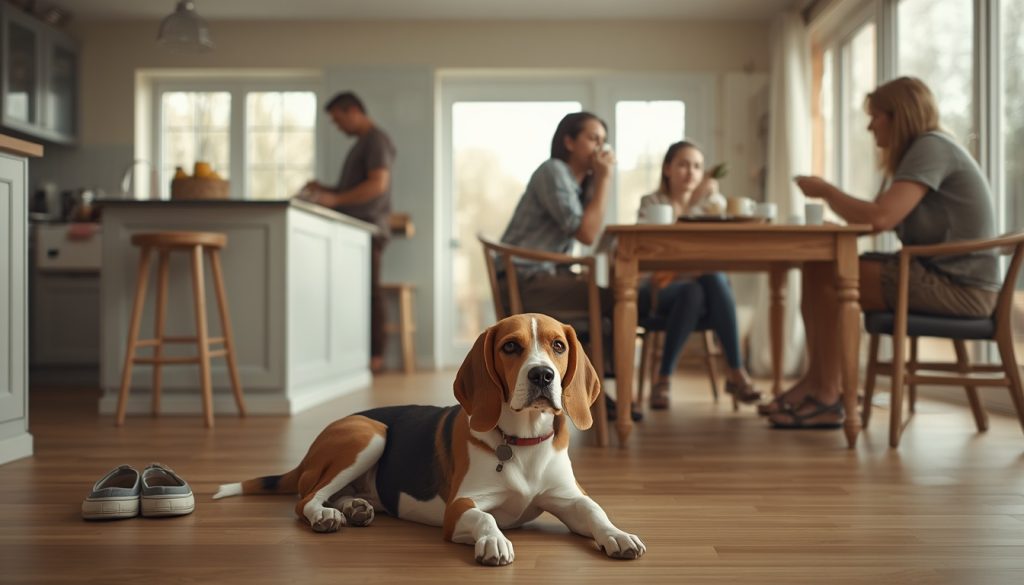
Table of Contents
Living Well With Your Dog
A good life with a dog is rarely built around spectacular adventures or expensive experiences. Most of it happens during ordinary days — morning routines, walks around the neighborhood, meals, periods of rest and the countless small interactions that gradually become part of life together.
For anyone wondering how to be a good dog owner, the answer usually begins with consistency rather than perfection. Dogs generally benefit from regular opportunities to eat, exercise, rest, play and go outside. That does not mean every day needs to follow an exact timetable. Rather, dogs learn the patterns of a household and often become remarkably good at anticipating what happens next.
So how do you take care of a dog well over the long term? Companionship matters, but being together every minute is neither realistic nor necessary. Dogs also need to learn how to relax when nothing particularly exciting is happening. A dog that can settle comfortably while the family cooks dinner, watches television or works at home has developed an important everyday life skill.
Physical activity should suit the individual dog. Age, breed, health, fitness and temperament can all influence how much exercise a dog enjoys and tolerates. For one dog, a long hike may be the highlight of the week; for another, several shorter walks and plenty of opportunities to sniff may be far more appropriate.
Mental activity is important too. Exploring new smells, playing, learning, investigating the environment and interacting with people can provide valuable stimulation without requiring constant organized entertainment. Even an ordinary walk becomes considerably richer when a dog is occasionally allowed time to stop and investigate the world.
Rest deserves equal attention. Dogs need somewhere they can sleep without repeatedly being disturbed, particularly in busy households. Puppies and older dogs may require considerably more downtime than owners sometimes expect.
A dog’s social life should also reflect the individual rather than assumptions about what dogs are supposed to enjoy. Some thrive around other dogs and unfamiliar people, while others are happiest with a smaller circle of familiar companions. A fulfilling life does not require every dog to love dog parks, crowded cafés or constant social interaction.
The human side of responsible pet ownership matters as well. A routine that is impossible for an owner to maintain will eventually become frustrating, regardless of how ideal it appears on paper. Sustainable routines work because they accommodate the realities of work, family, finances, travel and everything else competing for time.
Living well together is therefore less about creating the perfect dog-owning lifestyle and more about finding a comfortable rhythm — one that provides companionship, appropriate activity, stimulation, security and plenty of time simply to relax together.
Build a Routine You Can Both Live With
A fulfilling life doesn’t require constant activity. Dogs benefit from an appropriate balance of exercise, exploration, companionship and uninterrupted rest.
The best routine is also one you can realistically maintain. Work, family and other commitments are part of life, so aim for consistency rather than perfection.

Should I Get a Dog?
If you’re asking should I get a dog, it’s worth thinking beyond how much you like dogs or how appealing life with one looks from the outside. Bringing a dog home means making room for another living animal in your everyday routine, finances, travel plans and decisions for potentially many years.
There can be considerable benefits of getting a dog. Dogs provide companionship, encourage many owners to spend more time outdoors and can become deeply involved in family routines and everyday life. Walks, training, play and quiet time together can all become rewarding parts of the day. But those benefits come alongside responsibilities that continue whether the weather is bad, work is busy or you would rather stay in bed.
For a first time dog owner, one of the biggest adjustments can simply be realizing how many small decisions suddenly involve the dog. Who will provide exercise before work? What happens when you go away for a weekend? Can someone care for the dog if you become ill? Are you prepared for veterinary bills, training, grooming, food and equipment as well as the initial cost of bringing a dog home?
Lifestyle matters too. Some people have plenty of time but limited space, while others have large homes and yards but spend long hours away. Neither situation automatically determines whether dog ownership will work. What matters more is whether the individual dog’s needs for companionship, exercise, training, rest and care can be met consistently.
Choosing the right dog is equally important. Breed tendencies, adult size, energy level, grooming requirements, temperament and age can all influence how comfortably a dog fits into your life. A highly active working breed may be a difficult match for someone wanting a quiet companion, while an older, calmer dog may suit that household beautifully.
Owning a dog for the first time also involves accepting a degree of unpredictability. Dogs get muddy, become sick, damage things, develop habits you didn’t expect and occasionally turn carefully organized plans upside down. Puppies in particular require patience, supervision and training, while rescue dogs may need time to adjust to unfamiliar people and routines.
It can help to imagine an ordinary Tuesday rather than an ideal Sunday afternoon. Think about early walks, feeding, toileting, work hours, evening exercise, holidays and what happens when your circumstances change. If a dog still fits realistically into that picture, you are in a much better position to make a thoughtful decision.
Getting a dog should not depend on having a perfect home or a perfect schedule. It does require enough time, resources, flexibility and commitment to provide a good life throughout the dog’s lifetime.
The question is therefore not simply whether you want a dog. It is whether your everyday life has room for the responsibility as well as the companionship.

Think About the Ordinary Days
Before bringing a dog home, picture a normal working day rather than the ideal weekend. Consider feeding, walks, training, time alone, veterinary care and travel. Think about who will care for the dog when work is busy or plans change. Make sure the routine suits the individual dog rather than an imagined lifestyle. A good match depends on consistency, time, resources and realistic expectations. The goal is not a perfect home or schedule. It is a life where the dog’s needs can be met comfortably over the long term.Dogs and Family Life
Dogs often become part of the rhythm of family life, sharing everything from quiet mornings and busy school days to weekends, celebrations, and time spent relaxing at home. A dog that understands the household routine and feels secure within it is generally better able to settle, adapt, and enjoy being part of everyday family activities.
Every household is different, so there is no single lifestyle that suits every dog. Some thrive in busy homes with plenty happening around them, while others prefer more predictable routines and quieter spaces where they can retreat when they need a break. Age, breed tendencies, personality, training, and previous experiences can all influence how comfortably a dog fits into family life.
Consistency can make a significant difference. Simple household rules — such as where the dog sleeps, whether they are allowed on furniture, how they greet visitors, and when meals and walks usually happen — are much easier for a dog to understand when everyone follows them. Mixed messages can create confusion, particularly when one family member encourages behavior that another tries to discourage.
Dogs also benefit from having a place of their own within a busy household. A comfortable bed, crate, or quiet corner gives them somewhere to rest away from noise and activity. This can be especially important during parties, family gatherings, children’s playtime, or other occasions when the home becomes busier than usual. Dogs should be able to step away and relax without constantly being approached or disturbed.
Sharing responsibility can also help make dog ownership work more naturally within family life. These everyday dog ownership responsibilities include feeding, walking, grooming, training, and play, which can be divided among family members according to their age and ability. Even small responsibilities can help build stronger relationships with the dog while ensuring that their everyday needs are consistently met rather than falling to one person.
Successful family living is ultimately about balance. Dogs need companionship and inclusion, but they also need boundaries, consistency, exercise, mental stimulation, and plenty of undisturbed rest. When family members understand the dog’s needs and share responsibility for meeting them, the dog can become a natural part of everyday life rather than another household task to manage.

Creating a Family Routine That Works
Dogs often settle more easily into family life when everyday expectations are clear. Regular meals, walks, play, training and quiet time can provide a reassuring sense of predictability.
Consistency between family members matters too. Simple, shared household rules help your dog understand what is expected while still allowing them to feel included in everyday family life.
Dogs and Children
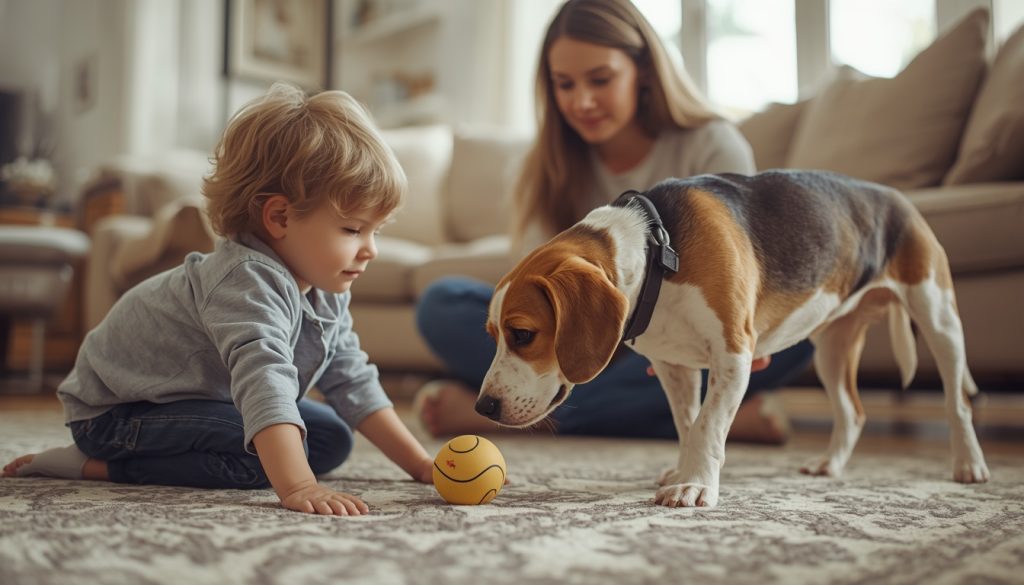
Dogs and children can form wonderful relationships, but those relationships need guidance from adults. Children may naturally want to hug, chase, climb on or constantly interact with a dog without recognizing when the dog has had enough. Teaching children how to behave around dogs is therefore just as important as teaching the dog how to behave around children.
Young children should always be supervised when they are with a dog, regardless of the dog’s breed, size or previous behavior. Good dog safety begins with preventing situations where either the child or the dog becomes frightened, overwhelmed or uncomfortable. Even a tolerant family dog can react if startled, hurt, cornered or disturbed while eating or sleeping.
Children can gradually learn to recognize some of the signals dogs use to communicate. Turning away, moving away, lip licking, yawning, becoming unusually still, lowering the body or trying to retreat can indicate that a dog needs more space. Children should also learn not to disturb dogs while they are sleeping, eating, chewing something valuable or resting in their designated safe area.
Positive interactions don’t need to involve constant touching. Depending on the child’s age, they might help prepare a dog’s meal, scatter treats for a simple scent game, participate in training, throw a toy or accompany an adult on a walk. These activities allow children and dogs to enjoy time together while encouraging calmer, more respectful interaction.
Dogs also need somewhere they can retreat without being followed. A bed, crate, gated room or other quiet area can give the dog an opportunity to rest when the household becomes noisy or energetic. Children should understand that when the dog chooses this space, they leave the dog alone.
With appropriate supervision, clear boundaries and respect for the dog’s communication, children can learn valuable lessons about responsibility, empathy and animal behavior. The goal isn’t simply for a dog to tolerate children, but to create an environment in which both the child and the dog can feel comfortable and safe.
Teach Children to Respect a Dog’s Space
Safe relationships between dogs and children depend on supervision and respect. Children can learn to recognize when a dog wants interaction and when they would rather be left alone.
Giving dogs a quiet place to retreat — and teaching children not to follow them there — can help prevent stressful interactions and make family life more comfortable for everyone.
Living With Multiple Dogs
Sharing your home with more than one dog can bring plenty of companionship, entertainment, and energy into everyday life. Some dogs enjoy having another dog around and develop close relationships that include playing, exploring, resting, and simply spending time together. But adding another dog doesn’t automatically mean the two will become best friends, and successful multi-dog households usually require some thoughtful management.
Personality and compatibility can matter just as much as breed or size. Differences in age, energy level, play style, confidence, and tolerance can influence how comfortably dogs live together. A lively young dog, for example, may repeatedly try to engage an older dog that would rather sleep. Giving each dog the ability to move away and rest can prevent everyday irritation from becoming conflict.
Resources are another important consideration. Food bowls, treats, toys, beds, favorite resting places, and attention from family members can all become valuable to dogs. Feeding dogs separately when necessary and providing enough comfortable resting areas and appropriate toys can reduce competition. Particularly valuable chews or treats may also be better enjoyed apart.
Dogs living together still benefit from individual attention. Separate walks, short training sessions, grooming, or simply spending quiet time with each dog can strengthen your relationship with them and give you an opportunity to notice changes in behavior or health. Individual experiences can also help dogs maintain confidence without becoming completely dependent on one another.
Household routines often become especially useful when several dogs are involved. Predictable feeding, walking, resting, and bedtime routines can reduce excitement and make everyday activities easier to manage. Teaching useful cues such as waiting at doors, settling on a bed, coming when called, and responding individually to their names can make a busy household considerably calmer.
A successful multi-dog home doesn’t require dogs to do everything together. Some may become inseparable companions, while others simply learn to coexist comfortably. Providing sufficient space, resources, individual attention, and opportunities to rest gives each dog the freedom to develop the relationship that suits them.

Give Every Dog Their Own Space
Even dogs that enjoy one another’s company benefit from having their own beds, feeding areas and opportunities for individual attention. Providing enough resources can help reduce unnecessary competition within a multi-dog household.
Watch how your dogs interact rather than assuming they always want to be together. Allowing each dog to play, rest or spend time alone can help create a calmer and more comfortable home.
Dogs and Other Pets
Dogs can successfully share their homes with cats and many other companion animals, but peaceful relationships aren’t guaranteed simply because the animals live under the same roof. Breed tendencies, prey drive, previous experiences, personality, age, and early socialization can all influence how a dog responds to another species.
Introductions are usually best handled gradually. A dog meeting a new cat, for example, may initially need to remain on leash while the cat has complete freedom to move away. Baby gates, separate rooms, and other barriers can allow animals to see, hear, and smell one another without forcing close contact. Calm behavior can be rewarded while excitement or persistent chasing signals that more distance and management may be needed.
Cats should have places a dog cannot easily reach. Elevated shelves, cat trees, gated rooms, and separate feeding and litter areas allow cats to control how much interaction they have with the dog. This ability to retreat can be particularly important during the early stages of living together.
Smaller pets require additional consideration. Rabbits, guinea pigs, birds, and other small animals can trigger predatory behavior in some dogs, even when the dog is otherwise gentle and friendly. Secure enclosures and careful separation may therefore remain necessary throughout the animals’ lives. A dog’s calm behavior around a small pet shouldn’t automatically be taken as evidence that unsupervised interaction is safe.
It’s also worth remembering that successful relationships don’t necessarily look like friendship. Some dogs and cats may sleep together and play, while others simply learn to move comfortably around the same home without interacting very much. Either outcome can represent a successful household if both animals feel secure.
Patience is particularly important when introducing a new animal. Relationships can develop over days, weeks, or sometimes months, and forcing animals together can create unnecessary stress. Allowing each pet to adjust at their own pace gives them a much better opportunity to learn that sharing their home can be safe and predictable.
Don’t Rush Introductions
When introducing a dog to another pet, begin with enough distance for both animals to remain comfortable. Barriers, separate spaces and supervised encounters can make those first experiences much easier to manage.
Progress at the pace of the animals rather than the calendar. Calm coexistence is a perfectly successful outcome — your pets don’t need to become best friends.

Exercise, Play and Everyday Adventures
Exercise is an important part of a dog’s everyday life, but meeting a dog’s needs involves more than simply covering a certain distance each day. Walks, play, exploration, training, and opportunities to use natural behaviors can all contribute to physical fitness and mental well-being. The right balance will depend on the individual dog rather than a fixed exercise rule.
Age, breed, health, fitness, and personality can make a significant difference to how much activity a dog enjoys. A young working breed may be ready for another adventure after a long walk, while an older dog may be perfectly satisfied with several shorter outings and plenty of time to sniff. Puppies also need age-appropriate activity while their bodies are still developing.
Walks don’t always need to be fast or particularly long to be worthwhile. Allowing a dog time to sniff, investigate new scents, and explore their surroundings can make an ordinary neighborhood walk far more interesting. Changing routes occasionally can also introduce new sights, sounds, surfaces, and smells without requiring a major excursion.
Play provides another valuable outlet. Fetch, tug, scent games, hide-and-seek, swimming, and appropriate play with other dogs can provide different forms of physical and mental stimulation. Not every dog enjoys the same games, so discovering what genuinely excites your dog is more useful than trying to make them participate in activities they don’t enjoy.
Everyday adventures can extend well beyond the local walking route. A trip to the beach, a forest trail, a dog-friendly park, a camping weekend, or simply exploring a new neighborhood can add variety to a dog’s life. New experiences should be introduced at a level your dog can comfortably handle, particularly if they are cautious in unfamiliar environments.
Rest remains just as important as activity. Dogs don’t need to be entertained every waking moment, and constantly increasing exercise can sometimes create a dog that simply expects more and more activity. A healthy lifestyle combines appropriate exercise and enrichment with the ability to relax, sleep, and enjoy quieter days.

Dogs at Home and Being Left Alone
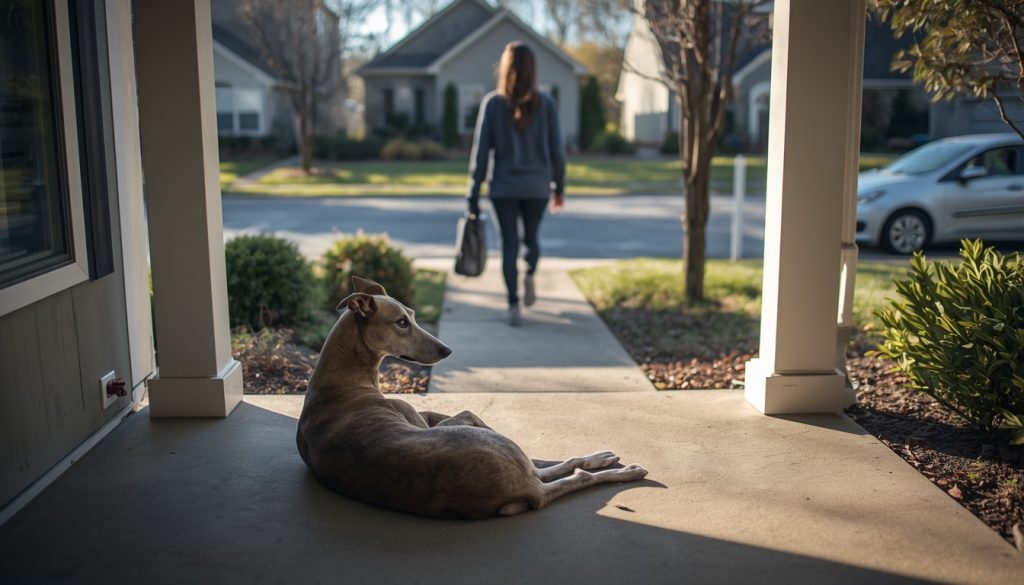
Most dogs will need to spend some time at home without their owners. Work, shopping, appointments, social activities, and everyday responsibilities mean that being together all day isn’t realistic for many households. Helping a dog become comfortable with appropriate periods alone can therefore be an important part of responsible dog ownership.
Dogs vary considerably in how they respond to being left. Some settle down and sleep soon after their owner leaves, while others find separation much more difficult. Age, personality, previous experiences, routine, and the length of time the dog has been accustomed to being alone can all influence how well they cope.
Learning to spend time alone is often easiest when introduced gradually. Short departures can help a dog become familiar with the idea that people leave and reliably return. Keeping arrivals and departures relatively calm can also make being left alone feel like a normal part of the daily routine rather than a major event.
The home environment can make alone time more comfortable. Access to fresh water, a safe resting area, appropriate temperature, and suitable enrichment can help a dog settle. Some dogs enjoy a food-filled toy, safe chew, or puzzle activity when their owner leaves, although anything provided while unsupervised should be appropriate for that individual dog.
It’s also useful to know what your dog actually does after you leave. A home camera can reveal whether they simply sleep for several hours or spend significant periods pacing, barking, howling, scratching at doors, or showing other signs of distress. Persistent separation-related behavior deserves attention rather than being dismissed as disobedience.
Being comfortable alone doesn’t mean dogs should routinely spend excessive periods in isolation. Dogs are social animals, and their days should still include companionship, exercise, enrichment, bathroom opportunities, and interaction. For longer absences, arrangements such as a dog walker, trusted neighbor, sitter, or daycare may help break up the day and provide additional activity.
Help Your Dog Learn That You Come Back
Comfort with being alone is a useful life skill that can be developed gradually. Start with manageable periods and increase the time only when your dog is coping comfortably with your absence.
If your dog regularly barks, howls, paces, destroys doors or becomes distressed when left, consider seeking professional guidance rather than simply extending the time they spend alone.
Dog Walkers, Daycare and Pet Sitters
Busy schedules don’t always line up neatly with a dog’s needs. Workdays, appointments, travel, or unexpected commitments can sometimes mean bringing in another person to provide exercise, companionship, or care. Dog walkers, daycare facilities, and pet sitters can all be useful options, but the right choice depends on your dog and your circumstances.
A dog walker can be particularly helpful when a dog would otherwise spend a long stretch of the day at home. Walks provide an opportunity for exercise, sniffing, bathroom breaks, and a change of scenery. Some walkers take several dogs together, while others offer individual walks, which may suit dogs that are older, reactive, nervous, or simply happier with one-on-one attention.
Dog daycare provides a different experience. Well-run facilities can offer supervised activity, rest periods, and social opportunities, but daycare isn’t automatically enjoyable for every dog. Dogs that become overwhelmed by busy environments or aren’t particularly interested in interacting with unfamiliar dogs may be happier with a walker or sitter instead.
Pet sitters can care for dogs in their own familiar surroundings, ranging from brief daytime visits to overnight stays. This can be especially useful for dogs that prefer their normal home environment or have established feeding, medication, or exercise routines. Some sitters also provide house-sitting services, allowing the dog’s daily routine to remain largely unchanged while the owner is away.
Whichever service you choose, take time to find out how the person or business operates. Ask about experience, insurance, emergency procedures, supervision, transportation, group sizes, and how dogs are matched or managed. References, reviews, and an introductory meeting can provide additional reassurance before someone takes responsibility for your dog.
Most importantly, pay attention to your dog’s response. A good care arrangement should support their welfare rather than simply solve a scheduling problem. If your dog consistently appears stressed or reluctant to attend, another form of care may suit them better. The best option is the one that works for both your lifestyle and your individual dog.

Choose Care for the Dog You Have
Daycare can be great for some dogs, while others are much happier with a quiet walk or a familiar sitter. Consider your dog’s personality, age, energy level and comfort around unfamiliar people and dogs.
Before handing over the leash, ask how dogs are supervised, transported and handled in an emergency. A trustworthy caregiver should be happy to explain exactly how your dog will spend their time.
Boarding Kennels and Overnight Care
There will be times when your dog can’t travel with you, and finding somewhere safe and comfortable for them to stay can make being away much easier. Boarding kennels, home boarding, and overnight pet sitters all provide different types of care, and the best arrangement will depend on your dog’s personality, routine, age, health, and individual needs. A confident, sociable dog may enjoy a busy boarding environment, while another may be far happier staying somewhere quieter.
Traditional boarding kennels vary considerably. Some provide individual indoor and outdoor runs with scheduled exercise, while others offer larger play areas, enrichment sessions, grooming, or more home-like accommodation. Before booking, visit the facility if possible and look at where dogs sleep, exercise, eat, and spend quieter parts of the day. Pay attention to whether the dogs already staying there appear reasonably relaxed and whether the environment feels clean, secure, and well managed.
Good boarding facilities should have clear procedures for vaccinations, feeding, medications, emergencies, and monitoring the dogs in their care. Ask how frequently dogs are exercised, whether unfamiliar dogs are mixed together, how staff manage dogs that don’t enjoy group play, and whether someone is present overnight. It is also worth asking what happens if your dog becomes sick or injured and which veterinarian the facility uses in an emergency.
Home boarding can suit dogs that are accustomed to living as part of a household. Rather than staying in a kennel environment, the dog stays in the caregiver’s home, sometimes alongside resident dogs or other boarding guests. Check how many animals will be present, where they sleep, whether yards are securely fenced, how introductions are handled, and whether dogs can be separated when necessary.
For dogs that are elderly, anxious in unfamiliar environments, or particularly attached to their routine, an overnight sitter in your own home may be another option. Staying among familiar beds, smells, walking routes, and surroundings can reduce disruption. Meet prospective sitters beforehand and make sure they understand your dog’s personality, habits, feeding schedule, exercise needs, medications, and any behaviors they may need to manage.
Whatever arrangement you choose, preparing your dog beforehand can help. A short trial stay or overnight visit can reveal how they respond before a longer trip. Leave clear written instructions, current contact details, veterinary information, enough food and medication, and anything else the caregiver genuinely needs. Good overnight care should allow you to travel knowing your dog is safe, comfortable, and being cared for by someone who understands them.
Visit Before You Book
A boarding facility can look very different in photographs than it does during a normal working day. Whenever possible, visit beforehand and see where your dog will sleep, exercise and spend their downtime.
Ask about staffing, overnight supervision, emergency procedures and how individual dogs are managed. A short trial stay can also help you discover whether the arrangement genuinely suits your dog before a longer trip.

Traveling and Vacationing With Your Dog
Taking your dog on vacation can turn an ordinary trip into a memorable shared adventure. Road trips, camping weekends, beach vacations, cabin stays, and visits to dog-friendly towns can all work well with the right preparation. Traveling with a dog does, however, change the way you plan a trip. Accommodation, transportation, weather, exercise, feeding, and the places you intend to visit all need to be considered with your dog in mind.
Before leaving, think about whether the trip will genuinely suit your dog. A confident dog that enjoys car rides and unfamiliar places may happily explore somewhere new, while a nervous dog might find long journeys, crowded destinations, or constantly changing environments stressful. Age and health matter too. Sometimes arranging good care at home is kinder than taking a dog on a vacation they are unlikely to enjoy.
Road travel is often the easiest option because it gives you more control over the journey. Dogs should travel safely restrained using an appropriate crate, carrier, or vehicle restraint rather than moving freely around the car. Plan regular stops for water, bathroom breaks, and short walks, and never leave a dog unattended in a vehicle when temperatures could become dangerous.
Packing a few familiar essentials can make unfamiliar surroundings easier. Bring your dog’s usual food, medications, leash and harness, identification, waste bags, water bowl, bedding, and any favorite toy or comfort item they regularly use. Keeping feeding and walking routines reasonably close to normal can also help your dog settle into a hotel, rental property, campsite, or other temporary accommodation.
Research dog-friendly destinations before you arrive rather than assuming dogs will be welcome everywhere. Beaches, hiking trails, parks, restaurants, attractions, and public transportation can all have different rules. Accommodation advertised as pet-friendly may also have restrictions on dog size, number of pets, unattended dogs, or additional cleaning fees, so checking the details beforehand can prevent unpleasant surprises.
Travel also requires a little flexibility. Your dog may need an unexpected rest day, a quieter walking route, or more time to adjust to a new environment than you anticipated. Watch their behavior and be prepared to change your plans when necessary. The best dog-friendly vacations aren’t necessarily the busiest ones — they’re the trips where both you and your dog have enough time to explore, relax, and enjoy being somewhere different together.

Dog-Friendly Places and Experiences
Including your dog in everyday outings can add variety to their life and give you more opportunities to spend time together away from home. Dog-friendly parks, beaches, hiking trails, cafés, outdoor restaurants, stores, markets, campgrounds, and community events are increasingly common, although what counts as dog-friendly can vary considerably from one place to another.
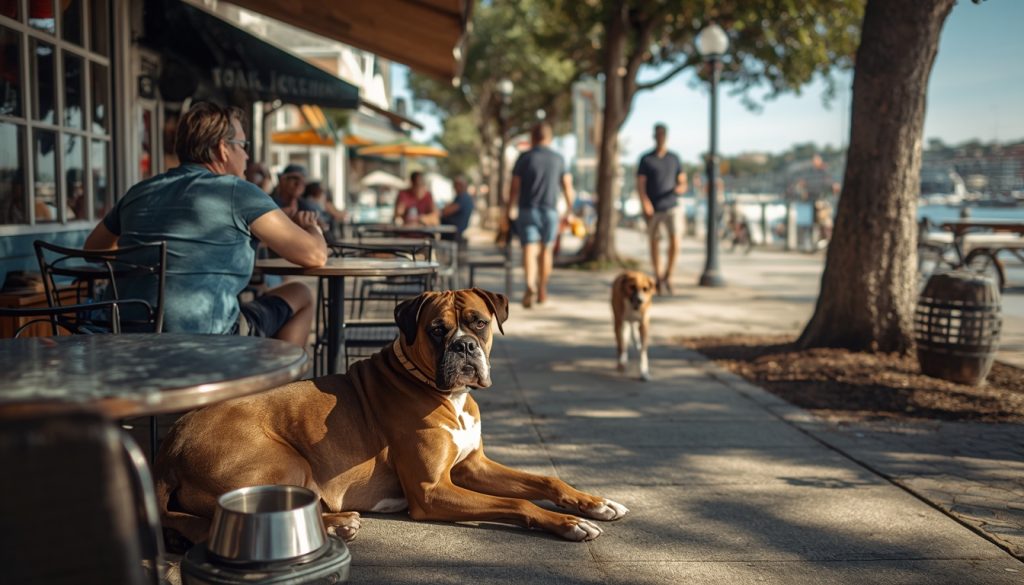
The best destination depends on your individual dog. A confident, sociable dog may enjoy walking through a busy outdoor market or relaxing beside you at a café, while another may find crowds, unfamiliar dogs, children, traffic, and constant activity overwhelming. Choosing places your dog can genuinely enjoy is more important than taking them somewhere simply because dogs are permitted.
Dog-friendly parks and trails can provide excellent opportunities for exploration. Walks through woodland, along rivers, around lakes, or across open countryside introduce different scents, surfaces, and environments. Allowing time for sniffing and investigating can make these outings mentally stimulating as well as physically active. Always check local leash rules and be considerate of wildlife, livestock, other dogs, and people using the same area.
Off-leash areas can be enjoyable for dogs that are comfortable around unfamiliar dogs and have reliable recall, but they aren’t essential for a fulfilling life. Some dogs prefer quieter walks, long-line exploration, or adventures with familiar companions. If an off-leash area is crowded or the dogs already there appear overly excited, choosing somewhere else may be the better option.
Restaurants, cafés, stores, and public events present different challenges. Dogs may need to settle quietly beneath a table, ignore food on the ground, move through narrow spaces, or remain calm while strangers pass nearby. Starting with shorter, quieter visits can help you discover whether your dog enjoys these environments before attempting busier outings.
Wherever you go, responsible dog ownership helps keep places dog-friendly. Follow posted rules, carry waste bags, prevent your dog from approaching people or animals without invitation, and keep them under appropriate control. A good dog-friendly experience should be enjoyable not only for you and your dog, but also for the people, animals, and communities sharing the space.
Dog-Friendly Should Feel Dog-Friendly
A place allowing dogs doesn’t necessarily mean your dog will enjoy being there. Crowds, noise, unfamiliar dogs and limited space can turn an outing into a stressful experience for some dogs.
Choose destinations that suit your dog’s personality and confidence. Sometimes a quiet trail, open beach or shady park offers a much better experience than the busiest dog-friendly venue in town.
Moving, Aging and Changes in Family Life
Life rarely stays the same for long, and the changes that affect a household can affect its dogs too. Moving to a new home, welcoming a baby, children leaving home, changes in working hours, separation, retirement, illness, or the arrival or loss of another pet can all alter the routines and surroundings a dog has come to know. Some dogs adapt almost immediately, while others need considerably more time and support.
Moving home can be particularly disruptive because almost everything familiar changes at once. Keeping your dog’s bed, bowls, toys, and usual food can provide some continuity while they adjust to unfamiliar rooms, sounds, smells, and surroundings. Maintaining familiar meal and walking times where practical can also make the first days in a new home feel more predictable.
It is also worth keeping important ownership records up to date when circumstances change. If you ever need to know how to prove ownership of a dog, records such as microchip registration, adoption or purchase documents, veterinary records, licensing information and other paperwork linking you to the dog may all provide useful proof of dog ownership. Requirements can differ between locations, so keeping current records together can make future moves, travel or unexpected disputes much easier to manage.
Family changes can have a similar effect. A new baby may bring unfamiliar sounds, equipment, visitors, and changes to the attention a dog receives. Someone beginning a new job may suddenly be away from home for much longer, while retirement can mean a dog becomes accustomed to having someone around almost constantly. Preparing gradually for predictable changes can help prevent a dog’s entire routine from changing overnight.
Dogs themselves also change as they grow older. A senior dog that once happily tackled long hikes or raced after a ball may eventually prefer shorter walks, gentler play, and more time resting. Stairs, slippery floors, jumping into vehicles, and getting onto furniture may become more difficult. Small adjustments around the home can help older dogs continue participating in family life without expecting them to behave like younger versions of themselves.
Changes in hearing, vision, mobility, sleep, appetite, or behavior shouldn’t automatically be dismissed as normal aging. Regular veterinary care becomes particularly important as dogs get older because some changes associated with age can also indicate pain or illness. Recognizing problems early may allow treatment or environmental changes that significantly improve a dog’s comfort and quality of life.
Dog ownership changes as life changes. Dogs don’t need their lives to remain identical forever; what helps most is a degree of predictability, familiar relationships, and owners who recognize when their needs are changing. Adjusting routines as circumstances evolve allows dogs to remain included in family life through new homes, new stages, and eventually their senior years.
Let Your Dog’s Routine Change With Their Life
Major changes are often easier for dogs when some familiar parts of everyday life remain predictable. Regular meals, favorite beds, familiar walks and time with trusted people can provide reassurance while everything else is changing.
As your dog ages, be prepared to adjust expectations too. Shorter walks, easier access around the home and more opportunities to rest can help an older dog continue enjoying family life comfortably.

Building a Life That Works for You and Your Dog
A good life with a dog doesn’t have to look like anyone else’s. Some dogs spend weekends hiking, swimming and camping with their families, while others are happiest with neighborhood walks, familiar routines and evenings stretched out beside their people. What matters is creating a lifestyle that meets your dog’s needs while also fitting realistically into your own life.
Dogs need exercise, companionship, mental stimulation, appropriate training, veterinary care, good nutrition and opportunities to rest. How those needs are met can vary enormously. A large backyard doesn’t automatically create a fulfilled dog, just as apartment living doesn’t automatically mean a dog has a poor quality of life. The time, attention, experiences and care provided within that environment are often far more important.
There are many advantages of dog ownership, from companionship and shared activities to the routines and experiences dogs can bring into everyday life. At the same time, understanding the pros and cons of dog ownership means being realistic about the time, cost, responsibility and long-term commitment involved.
The benefits of owning a dog can be substantial, but work, children, relationships, finances, travel and other responsibilities don’t disappear because you own one. Building sustainable routines around morning walks, feeding, training, play, grooming and veterinary care is generally more successful than trying to maintain an idealized schedule that becomes impossible after a few weeks.
For many people, the pros of having a dog are found in ordinary things: companionship at home, more time outdoors, shared routines and the simple pleasure of having a dog involved in everyday life. Those rewards are most sustainable when the practical responsibilities of ownership fit comfortably alongside the rest of the household’s commitments.
Your dog’s needs won’t remain exactly the same throughout their life either. Puppies require supervision, training, social experiences and patience. Adult dogs may need more substantial exercise and enrichment, while senior dogs often benefit from gentler activity, additional comfort and adjustments around the home. A lifestyle that worked perfectly several years ago may need to change as your dog changes.
There will also be imperfect days. Walks may occasionally be shorter, plans will change, weather can interfere and sometimes the normal routine simply won’t happen. Dogs don’t require perfection. Looking at their life over weeks and months — rather than judging individual days — provides a much more realistic picture of whether their physical, social and emotional needs are being met.
Ultimately, living well with a dog is about partnership. Pay attention to what your dog enjoys, what makes them uncomfortable and how their needs evolve over time. Combine that understanding with routines you can genuinely maintain, and you can build a life that works for both of you — one based not on doing everything, but on sharing everyday life well.
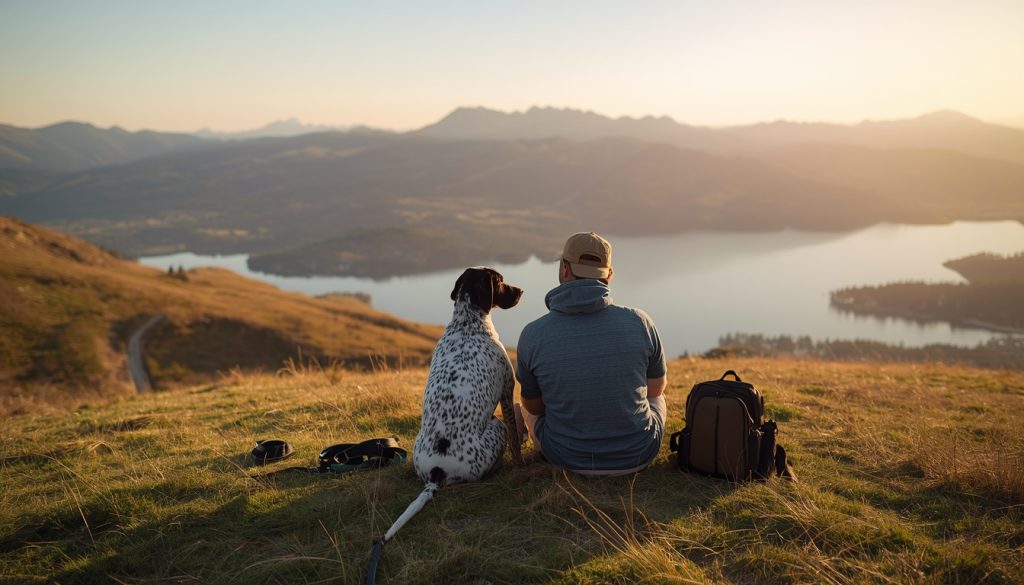
Aim for a Good Life, Not a Perfect One
Your dog doesn’t need every walk to be an adventure or every day to follow an ideal schedule. What matters is the overall balance of companionship, exercise, enrichment, care and plenty of opportunity to rest.
Build routines you can realistically maintain and adjust them as your dog’s needs change. A sustainable life you both enjoy is far more valuable than constantly trying to create the perfect one.
A Life Shared With Your Dog
Living with a dog is made up of thousands of ordinary moments — morning walks, meals, muddy paws, games in the yard, quiet evenings, weekend adventures, and simply having them nearby. Those everyday experiences are often what create the strongest relationships between dogs and the people who care for them.
There is no single formula for giving a dog a good life. Different breeds, personalities, ages, households, and circumstances require different approaches. What works beautifully for one dog may be completely unsuitable for another. Learning to recognize what your own dog needs allows you to make better decisions as life changes around you.
Good dog ownership isn’t about creating a perfect routine. It’s about providing safety, companionship, appropriate activity, good care, clear boundaries, and opportunities for your dog to simply be a dog. When those things become part of everyday life, you’re not just caring for your dog — you’re building a life together.

We hope you’ve enjoyed exploring this guide and found something useful along the way. There’s plenty more to discover across CanineBase, from dog breeds and behavior to health, nutrition, training, gear, and everyday life with your dog. Return to the CanineBase home page to explore more guides, advice, and resources for dog owners.
Responsible Dog Ownership
Good dog ownership involves much more than providing food and shelter. Time, training, exercise, healthcare, socialization and consideration for the wider community all form part of caring for a dog responsibly. For additional guidance, visit the American Kennel Club guide to responsible dog ownership .