

Dog Health
Dog health is about much more than responding when something goes wrong. Good dog health care starts with the everyday decisions that help protect a dog’s wellbeing before illness or injury develops. Preventive care, appropriate nutrition, regular exercise, dental care, parasite protection and routine veterinary checks can all contribute to keeping a dog healthy throughout their life.
Dogs cannot tell us exactly where something hurts or explain that they have been feeling different for several days. Instead, changes often appear through behavior, appetite, movement, sleep, thirst, toileting or simply the way a dog interacts with the people and environment around them. Learning to recognize these changes is an important part of understanding how to keep a dog healthy and knowing when something may need attention.
What is normal can also vary considerably between individuals. A young working breed may naturally have enormous amounts of energy, while an older companion dog may prefer a much quieter routine. Breed, age, size, genetics, lifestyle and previous health history can all influence the health problems a dog may be more likely to experience and the type of care they need.
Preventive healthcare plays an important role too. Routine veterinary examinations can sometimes identify changes before they become obvious at home, while appropriate vaccination, parasite prevention, dental care, healthy weight and regular exercise can help reduce avoidable dog health problems.
Owners also benefit from knowing when something can reasonably be monitored and when veterinary attention should not be delayed. Persistent vomiting, breathing difficulties, sudden weakness, significant pain or dramatic changes in behavior, for example, deserve a very different response from an occasional minor upset.
You don’t need to become your dog’s veterinarian. What matters is becoming familiar enough with your dog to notice when something isn’t right, understanding the fundamentals of good dog health care and knowing when professional help is needed.
Ultimately, good healthcare begins with something remarkably simple: knowing your dog when they’re well makes it much easier to recognize when they’re not.
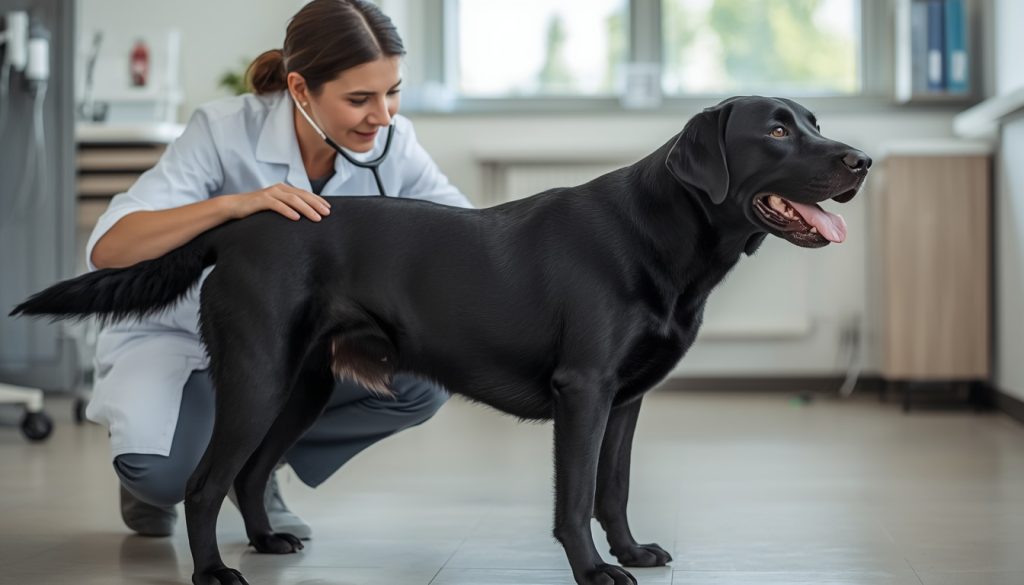
Table of Contents
Understanding Your Dog’s Health
Dogs cannot explain how they feel, so understanding dog health begins with knowing what is normal for them. Appetite, thirst, energy, movement, sleep, toileting and behavior all provide useful clues about how a dog is feeling, particularly when something begins to change.
A healthy dog will generally have bright, comfortable eyes, healthy skin and coat, normal breathing, a consistent appetite and regular bowel and urinary habits. They should be able to move comfortably and take part in activities appropriate for their age, breed and physical condition. But there is no single picture of health that applies perfectly to every dog.
This is why familiarity with your own dog’s normal routines is so valuable. Some dogs enthusiastically finish every meal within seconds, while others naturally eat more slowly. One dog may drink frequently after exercise, while another visits the water bowl less often. Knowing these everyday patterns makes unusual changes easier to recognize and can help owners notice potential canine health issues earlier.
Behavior can be particularly revealing. A normally sociable dog that suddenly withdraws, an active dog that becomes reluctant to walk or a dog that unexpectedly becomes restless during the night may be communicating discomfort or illness. Changes do not always mean something serious is wrong, but persistent or significant differences deserve attention.
Regular hands-on contact can also help owners notice physical changes. Grooming, stroking and simply spending time with a dog provide opportunities to discover new lumps, skin irritation, tender areas, changes in coat condition or discomfort when a particular part of the body is touched.
Age matters too. What is normal for a six-month-old puppy will be very different from what we expect from a twelve-year-old dog. Health monitoring should evolve as dogs move through different stages of life.
Understanding your dog’s health doesn’t mean constantly searching for signs of disease. It means developing a good sense of their normal appearance, behavior and routines so genuine changes are easier to recognize.
Know What’s Normal
Appetite, thirst, energy, movement, sleep and toileting patterns can all provide clues about a dog’s health. What’s normal will differ between individual dogs.
Becoming familiar with your dog’s everyday routines makes meaningful changes easier to notice — and gives you useful information to share with your veterinarian when something doesn’t seem right.

Preventive Care and Veterinary Checkups
Preventive healthcare is about protecting dog health before problems become serious. Regular veterinary checkups provide an opportunity to assess overall condition, discuss changes noticed at home and identify potential concerns that may not yet be producing obvious symptoms.
A routine dog wellness exam may include listening to the heart and lungs, examining the eyes, ears and mouth, feeling the abdomen, assessing joints and movement, checking the skin and coat and evaluating weight and body condition. These simple observations can provide a surprisingly broad picture of a dog’s general health.
Vaccination is another important part of preventive care. Puppies typically begin a vaccination program early in life, while adult dogs may require boosters according to the vaccines used, their lifestyle and local disease risks. Rather than assuming every dog requires exactly the same schedule, vaccination plans can be discussed with a veterinarian based on the individual dog’s circumstances.
Parasite prevention also forms part of routine healthcare. Fleas, ticks, heartworm and intestinal worms can present different risks depending on where a dog lives, travels and spends time outdoors. Preventive strategies therefore need to take geography and lifestyle into account.
A regular pet health checkup is also an opportunity to discuss things that might otherwise seem minor. Gradual weight gain, changes in appetite, increased thirst, dental problems, new lumps or subtle changes in mobility can sometimes be easier to address when recognized early.
As dogs grow older, veterinary examinations may become increasingly valuable. Blood tests, urine testing or other screening may sometimes be recommended based on age, breed, health history or findings during an examination.
Preventive care cannot guarantee that a dog will never become ill, but it can improve the chances of identifying problems earlier and keeping everyday healthcare on track. Combined with an owner’s knowledge of their individual dog, regular veterinary care provides an important foundation for maintaining health throughout life.

Prevention Starts Before Problems Appear
Routine veterinary care can help identify changes in weight, teeth, skin, movement and general health before they become more obvious at home.
Vaccination, parasite protection and regular checkups should reflect the individual dog’s age, lifestyle, location and health history rather than relying on a one-size-fits-all approach.
Parasites: Fleas, Ticks and Worms
Parasites are a common dog health concern, and the risks they present can vary considerably depending on where a dog lives, travels and spends time outdoors. Fleas, ticks and intestinal worms are among the most familiar examples, but the impact they have on a dog’s health can range from mild irritation to serious disease.
Fleas can cause intense itching and skin irritation, particularly in dogs that develop an allergic reaction to flea saliva. A small number of fleas can sometimes cause considerable discomfort in a sensitive dog, while heavier infestations may also contribute to hair loss, skin infections and, in severe cases, anemia.
Ticks present a different set of concerns. Some species can transmit infectious diseases, while others may produce toxins that affect the nervous system. The level of risk depends heavily on location, season and the types of ticks present in a particular region. Regular checks after walks through long grass, bushland or wooded areas can help identify ticks before they remain attached for long periods.
Intestinal worms such as roundworms, hookworms and tapeworms can affect digestion, body condition and overall health. Puppies can be particularly vulnerable because heavy parasite burdens may interfere with growth and development. Some parasites can also infect people, making sensible prevention and hygiene important for the whole household.
Heartworm is another serious parasite in regions where it occurs. It is transmitted by mosquitoes rather than through direct contact with other dogs, and infection can damage the heart and lungs over time.
Preventive products are available in many forms, including tablets, topical treatments and collars, but not every product protects against every parasite. The most appropriate approach depends on the dog’s lifestyle, location, travel history and local parasite risks.
Regular prevention, prompt treatment when needed and knowing which parasites are common in your area can help keep a manageable problem from becoming a much bigger one.
Parasite Risk Depends on Where You Live
Fleas, ticks, intestinal worms and heartworm do not present the same level of risk in every region. Climate, season, travel and outdoor exposure can all affect what a dog is likely to encounter.
Choosing prevention based on local risk is more useful than assuming one product or schedule suits every dog everywhere.

Dental Health and Your Dog’s Teeth
Dental health can be easy to overlook because much of what happens inside a dog’s mouth develops gradually. Teeth may still look reasonably normal at first glance while plaque, tartar and inflammation are beginning to affect the gums. Regularly paying attention to a dog’s mouth can therefore be an important part of routine healthcare.
Plaque forms naturally on the teeth and, if it is not removed, can harden into tartar. Bacteria associated with plaque can irritate the gums and contribute to periodontal disease, which affects the tissues supporting the teeth. Over time, this can lead to painful inflammation, gum recession, loose teeth and eventual tooth loss.
Bad breath is sometimes dismissed as simply part of having a dog, but persistent unpleasant breath can be a sign of dental disease. Other warning signs may include red or bleeding gums, difficulty chewing, dropping food, chewing predominantly on one side of the mouth, pawing at the face or becoming reluctant to eat harder foods.
Dogs can also damage their teeth. Chewing extremely hard objects can cause fractures, while accidents and injuries may break or loosen teeth. A damaged tooth may be painful even when the dog continues eating normally, as dogs do not always show dental discomfort in obvious ways.
Home dental care can help reduce plaque accumulation. Regular tooth brushing with products designed specifically for dogs is widely considered one of the most effective approaches. Dental diets, appropriately designed chews and other dental products may also have useful roles, although they should not automatically be assumed to replace brushing or professional care.
Veterinary dental examinations allow areas of the mouth that owners may struggle to assess properly to be checked. When significant dental disease is present, professional cleaning and treatment may be required.
Healthy teeth aren’t simply about fresh breath or appearance. A comfortable mouth allows a dog to eat, chew, play and go about everyday life without unnecessary pain.

Skin, Coat and Ear Health
A dog’s skin, coat and ears can reveal a surprising amount about overall dog health. Changes such as persistent itching, redness, hair loss, unusual odors or repeated ear problems may be relatively minor, but they can also indicate allergies, parasites, infection or another underlying condition that needs attention.
Healthy skin should generally be comfortable and free from persistent inflammation, sores or excessive flaking. Coat appearance naturally varies enormously between breeds, but unexplained thinning, bald patches, excessive scratching or a sudden deterioration in coat condition are worth investigating.
Itching is particularly common and can have many possible causes. Fleas and other parasites are obvious possibilities, but environmental allergies, food allergies, bacterial or yeast infections and contact with irritating substances can produce similar symptoms. Repeated scratching can then damage the skin further, sometimes creating a cycle of irritation and secondary infection.
Ears deserve regular attention too. Some dogs naturally produce more ear wax than others, while dogs with allergies, heavy ear furnishings or particular ear anatomy may experience recurring problems. Redness, unpleasant odor, discharge, frequent head shaking or repeatedly scratching at an ear can indicate discomfort.
Regular grooming provides an excellent opportunity to notice changes. Running your hands through the coat can reveal lumps, scabs, tender areas, ticks or skin changes that may otherwise remain hidden, particularly beneath thick or long fur.
Not every lump is dangerous and not every itch means something serious, but new or changing lumps, persistent skin problems and painful or recurring ear issues should be assessed rather than repeatedly treated at home without knowing the cause.
The aim isn’t to expect flawless skin and a perfect coat every day. It is to recognize persistent or unusual changes and find out why they are happening.

Look Beneath the Coat
Regularly handling and grooming your dog can help reveal skin irritation, unusual lumps, parasites, hair loss and other changes that might otherwise remain hidden beneath the coat.
Persistent itching, recurring ear problems, unusual odors or new and changing lumps deserve attention rather than simply being assumed to be normal.
Digestive Health
Digestive upsets are something almost every dog owner encounters eventually. Dogs may vomit, develop diarrhea, become constipated or lose their appetite for many different reasons, ranging from eating something unusual to infections, parasites, dietary changes or underlying illness.
An occasional mild digestive upset in an otherwise bright and comfortable dog may resolve quickly, but the circumstances matter. Repeated vomiting, persistent diarrhea, significant abdominal discomfort or a dog that becomes weak, lethargic or unwilling to drink requires much closer attention.
Sudden changes in food can sometimes upset digestion, particularly in dogs accustomed to eating the same diet every day. When changing foods for a healthy dog, gradually introducing the new diet can help give the digestive system time to adjust.
Dogs are also remarkably good at eating things they were never intended to eat. Garbage, discarded food, toys, socks, bones and countless other objects can cause problems ranging from temporary stomach upset to potentially dangerous intestinal obstruction. Knowing that a dog has swallowed a foreign object is therefore important information to provide to a veterinarian.
Stool can provide useful clues about digestive health. Changes in frequency, consistency, color or the presence of blood or mucus may help indicate that something is wrong. One unusual bowel movement does not necessarily signal disease, but persistent or dramatic changes deserve attention.
Vomiting should also be considered in context. A single episode is very different from repeated vomiting or unsuccessfully attempting to vomit while the abdomen becomes enlarged. The latter can be associated with serious emergencies such as gastric dilatation-volvulus, particularly in susceptible deep-chested breeds, and requires immediate veterinary attention.
Good digestive health is not about expecting every bowel movement to look identical. It is about recognizing when a temporary upset has become persistent, severe or accompanied by other signs that suggest your dog needs help.
Watch the Whole Dog
Vomiting or diarrhea should be considered alongside your dog’s behavior, appetite, hydration and comfort. A mild isolated episode is very different from repeated symptoms in a dog that is becoming unwell.
Persistent vomiting or diarrhea, significant pain, weakness, blood, inability to keep water down or suspected ingestion of a foreign object are reasons to seek veterinary advice promptly.

Joints, Bones and Mobility
Comfortable movement is an important part of a dog’s quality of life. Healthy bones, joints, muscles, tendons and ligaments work together every time a dog walks, runs, climbs stairs, jumps into the car or simply gets up from their bed. When something begins to hurt, changes in movement can sometimes be among the first signs owners notice.
Limping is an obvious indication that something may be wrong, but mobility problems are not always that clear. A dog may become slower to stand after sleeping, hesitate before climbing stairs, stop jumping onto furniture or fall behind during walks. Some dogs begin shifting their weight differently or repeatedly change position because they are struggling to become comfortable.
Injuries can occur at any age. Running, jumping, rough play or an awkward landing can strain muscles and damage joints or ligaments. Puppies and growing dogs have their own considerations because their skeletons are still developing, while certain breeds can have an increased risk of particular orthopedic conditions.
Arthritis becomes increasingly common as dogs age, although it is not exclusively a senior-dog problem. The condition involves changes within affected joints that can lead to pain, stiffness and reduced mobility. Because these changes can develop gradually, owners sometimes assume a dog is simply “slowing down” when discomfort is contributing to the difference.
Maintaining a healthy body weight is particularly important for joint health. Excess body weight increases the load carried by the joints every time a dog moves, while appropriate exercise can help maintain muscle strength and general fitness. The type and intensity of activity may need to change when a dog develops mobility problems.
Dogs experiencing joint or musculoskeletal pain may also change their behavior. Irritability, reluctance to be touched, reduced enthusiasm for walks or difficulty settling can sometimes reflect physical discomfort rather than a behavioral problem.
A dog doesn’t need to become completely lame before mobility deserves attention. Recognizing subtle changes early can allow the underlying cause to be investigated and help keep dogs comfortable, active and engaged with the activities they enjoy.

Watch How Your Dog Moves
Mobility problems don’t always begin with an obvious limp. Hesitating on stairs, struggling to rise, avoiding jumping or gradually falling behind on walks can also indicate discomfort.
Changes in movement shouldn’t automatically be dismissed as normal aging. Identifying pain or joint problems earlier can provide more opportunities to help a dog remain comfortable and active.
Heart and Respiratory Health
The heart and lungs work together to deliver oxygen throughout a dog’s body, supporting everything from a quiet afternoon nap to running, playing and exploring. Problems affecting either system can therefore influence a dog’s energy, breathing and ability to exercise, although the early signs are not always dramatic.
Changes in exercise tolerance can be one of the first things owners notice. A dog that previously completed a familiar walk comfortably may begin slowing down, stopping more frequently or taking longer to recover afterwards. While age, fitness, heat and body weight can all influence stamina, a persistent unexplained decline deserves attention.
Coughing is another sign worth noticing, particularly when it becomes frequent, occurs at night or happens during or after exercise. Coughing can have many causes involving the airways, lungs, heart or other structures, so the sound alone does not necessarily reveal what is responsible.
Breathing should also be considered in context. Panting after running or during warm weather is normal, but breathing that appears unusually fast, noisy, labored or difficult while a dog is resting is different. Changes in gum or tongue color, weakness, collapse or obvious difficulty getting enough air require urgent veterinary attention.
Breed can influence respiratory health too. Dogs with very short muzzles may be more susceptible to airway problems because of their anatomy, while some breeds have increased risks of particular heart conditions. This makes knowing what is typical for the individual dog especially useful.
Routine veterinary examinations often include listening to the heart and lungs. A veterinarian may detect an abnormal heart sound, rhythm or respiratory change before an owner has noticed obvious symptoms at home, although further investigation may be needed to determine what it means.
Heart and respiratory disease can affect dogs at different ages and for many different reasons. Owners do not need to diagnose the cause themselves. What matters is recognizing meaningful changes in breathing, coughing, stamina or recovery and having them investigated when necessary.

Eyes, Vision and Eye Health
A dog’s eyes are remarkably expressive, but they can also provide important clues about health. Redness, discharge, cloudiness, swelling or changes in the way a dog uses their eyes can indicate irritation, injury or disease, and some eye problems can progress quickly.
Healthy eyes should generally appear comfortable and clear, although normal appearance varies between breeds and individual dogs. A small amount of discharge around the eyes can sometimes occur, but persistent or increasing discharge — particularly when accompanied by redness, squinting or discomfort — deserves closer attention.
Squinting is particularly important because it can indicate pain. A dog may keep one eye partly or completely closed, rub their face against furniture or repeatedly paw at the affected area. Foreign material, scratches to the surface of the eye, inflammation and other conditions can all cause significant discomfort.
Changes in the appearance of the eye itself should also be noticed. Cloudiness, unusual coloration, swelling or a visible injury may require veterinary assessment. Sudden changes in vision can sometimes appear through behavior rather than appearance: a dog may begin bumping into objects, hesitate on stairs or become uncertain when moving through unfamiliar surroundings.
Vision naturally changes in some dogs as they age. Older dogs can develop conditions affecting the lens, retina or other structures within the eye. Gradual vision loss may be surprisingly difficult to recognize because dogs often adapt extremely well when changes occur slowly.
Breed and facial anatomy can also influence dog eye health issues. Dogs with prominent eyes, heavy facial folds or hair growing close to the eyes may have particular considerations, while inherited eye conditions occur in some breeds.
Because the eye is delicate and certain conditions can threaten vision quickly, significant pain, trauma, sudden vision loss or a rapidly changing eye should not simply be watched for several days in the hope that it improves.
Paying attention to how your dog’s eyes look, feel and function can help protect both their comfort and their vision.
Eye Problems Can Change Quickly
Redness, persistent discharge, cloudiness, swelling, squinting or repeatedly pawing at an eye can indicate irritation, injury or disease.
Significant eye pain, trauma or sudden changes in vision deserve prompt veterinary attention because some eye conditions can progress rapidly.

Healthy Weight and Exercise
Maintaining a healthy weight and staying physically active are closely connected to dog health and wellness. Regular exercise helps support cardiovascular fitness, muscle strength, mobility and mental wellbeing, while appropriate food intake helps ensure the dog is carrying neither too much nor too little body fat.
The right amount of exercise varies enormously between dogs. Age, breed, size, fitness, health and personality all influence how much activity an individual dog can comfortably manage. A young athletic breed may happily spend hours exploring outdoors, while an older dog or a breed with different physical characteristics may be better suited to shorter, gentler activities.
Exercise does not have to mean running for miles. Walking, swimming, retrieving, exploring new environments and interactive play can all provide useful physical activity. Allowing dogs time to sniff and investigate their surroundings also provides mental stimulation alongside movement.
Body weight matters because excess weight increases the workload placed on the body. Joints carry additional load, physical activity can become more difficult and obesity is associated with a range of health problems. Even relatively modest weight gain can make a difference, particularly in smaller dogs.
Exercise alone, however, cannot always compensate for excessive food intake. A dog receiving more energy than they regularly use can still gain weight despite daily walks. Maintaining healthy condition therefore requires a balance between what goes into the dog and the energy they expend.
Activity should also be appropriate for the conditions. Hot weather, difficult terrain and intense exercise can place additional demands on a dog’s body, while puppies, senior dogs and dogs with existing health conditions may require particular care.
The aim isn’t to exhaust a dog every day or achieve a particular number of miles. It is to provide regular, enjoyable activity that helps maintain fitness, muscle and healthy body condition throughout life.

Movement Should Fit the Dog
Exercise requirements vary with age, breed, fitness, health and personality. Walking, swimming, exploring and play can all contribute to keeping a dog physically and mentally active.
Healthy weight depends on both sides of the equation — appropriate food intake and regular activity. Exercise cannot always compensate for consistently eating more energy than the body uses.
Common Signs Your Dog May Be Unwell
One of the challenges of monitoring dog health is that dogs cannot tell us that they feel nauseous, have developed a headache or that something simply doesn’t feel right. Instead, illness often reveals itself through changes in normal behavior, appearance or everyday routines. Sometimes these changes are obvious, but many dog ailments and dog health problems begin with surprisingly subtle signs.
Appetite is one useful indicator. A dog that normally races to the food bowl but suddenly refuses a meal has clearly changed their behavior. Missing one meal does not necessarily mean a dog is seriously ill, but persistent loss of appetite — particularly when accompanied by vomiting, diarrhea, pain or lethargy — deserves attention.
Changes in thirst or urination can also be significant. Drinking considerably more or less than usual, needing to urinate more frequently, struggling to urinate or having unexpected accidents indoors may indicate that something has changed and should not simply be dismissed. These signs can occur with a wide range of dog health conditions, so the pattern and duration matter.
Energy and behavior often provide some of the earliest clues. A normally enthusiastic dog may become unusually quiet, withdraw from the family, sleep considerably more or lose interest in walks and play. Others may become restless, clingy or unusually irritable when they are uncomfortable.
Physical changes matter too. Limping, persistent coughing, unusual breathing, repeated scratching, unexplained weight loss, abdominal swelling, discharge from the eyes or nose, new lumps or changes in the skin and coat can all provide useful information about possible canine health problems.
Pain is not always dramatic. Dogs may continue eating, walking and interacting even while uncomfortable. Reluctance to jump, difficulty settling, repeatedly changing position, trembling or suddenly resisting being touched in a particular area can sometimes indicate discomfort.
No single sign automatically tells us what is wrong. Different dogs and health problems can present in very different ways, and the important question is often whether something represents a meaningful departure from what is normal for that individual dog.
When changes are persistent, worsening, severe or occurring together, veterinary advice can help determine whether they reflect minor illness or more significant dogs and health issues that need treatment.
Changes Can Be the First Clue
Loss of appetite, unusual thirst, reduced energy, changes in toileting, coughing, limping or simply behaving differently can all indicate that a dog isn’t feeling well.
You know your dog’s normal routines better than anyone. Persistent, worsening or significant changes are worth paying attention to, even when the cause isn’t immediately obvious.

Emergencies and When to Seek Veterinary Help
Most health problems do not become emergencies, but every dog owner benefits from recognizing situations where waiting to see what happens may place a dog at unnecessary risk. When a dog is seriously injured, struggling to breathe, collapsing or deteriorating rapidly, prompt veterinary attention can make an important difference.
Difficulty breathing should always be taken seriously. A dog that is visibly struggling for air, breathing with unusual effort, developing blue, grey or very pale gums or appearing unable to settle because of respiratory distress requires urgent assessment.
Collapse, loss of consciousness, repeated seizures, severe weakness or sudden inability to stand can also indicate a serious problem. Likewise, uncontrolled bleeding, significant trauma, deep wounds, serious burns or suspected fractures should receive prompt veterinary attention.
Repeated attempts to vomit without producing anything, particularly when accompanied by a swollen or tight abdomen, can be associated with gastric dilatation-volvulus — commonly known as bloat — which is a life-threatening emergency. Deep-chested breeds are particularly susceptible, although owners of any dog should recognize the signs.
Poisoning and foreign-object ingestion can also require rapid action. Chocolate, xylitol, certain medications, chemicals and other toxic substances may cause serious problems, while swallowed toys, fabric, bones and other objects can obstruct or damage the digestive tract. Seeking advice early is preferable to waiting for symptoms to develop.
Heatstroke is another emergency that can progress rapidly. Heavy or distressed panting, weakness, confusion, vomiting, collapse or other signs of overheating following heat exposure or exercise require immediate attention.
Not every unusual symptom requires emergency dog health treatment, and owners will inevitably encounter minor injuries and temporary illnesses throughout a dog’s life. The distinction is often the severity, speed of deterioration and effect on basic functions such as breathing, consciousness and movement.
When you genuinely believe your dog may be experiencing an emergency, contact a veterinarian or emergency veterinary service immediately rather than relying on internet advice or waiting for the situation to become clearer.

Some Signs Shouldn’t Wait
Difficulty breathing, collapse, uncontrolled bleeding, repeated seizures, serious trauma, suspected poisoning or repeated unsuccessful attempts to vomit can require urgent veterinary attention.
If your dog appears seriously unwell or is deteriorating rapidly, contact a veterinarian or emergency veterinary service rather than waiting for symptoms to resolve on their own.
Knowing What’s Normal for Your Dog
Veterinary medicine gives us ways to diagnose and treat disease, but owners have something equally valuable: familiarity with their own dog. Nobody spends more time observing a dog’s everyday habits, personality and routines than the people who live with them.
Over time, we learn remarkably specific things without necessarily realizing it. We know how enthusiastically our dog normally eats breakfast, how much water they tend to drink, where they choose to sleep and how excited they become when the leash appears. We recognize their normal walk, the sounds they make while sleeping and even the particular expression that means they want to go outside.
These details create a personal baseline for health. A behavior that would seem unusual in one dog may be perfectly normal for another, while a seemingly minor change can be significant when it is completely out of character for the individual dog.
Age will naturally change that baseline. Puppies mature, adults settle into established routines and senior dogs may gradually become slower or sleep more. The important distinction is between gradual changes that accompany different stages of life and unexpected changes that suggest something else may be happening.
For owners wondering how to keep a dog healthy, some of the most useful habits are also the simplest. Walking, playing, grooming and simply spending time together provide opportunities to notice changes in movement, breathing, appetite, skin, coat, teeth, weight and behavior.
Keeping track of significant changes can also be useful. Knowing when a symptom began, whether it is becoming more frequent and what else has changed can provide valuable information when speaking with a veterinarian.
There will inevitably be occasions when something about your dog simply doesn’t seem right, even if it is difficult to explain exactly why. That observation should not be dismissed. It may turn out to be nothing serious, but knowing your dog’s normal behavior gives you an important reference point.
Good dog health care is ultimately a partnership between professional veterinary care and the person who knows the dog every day. Know your dog when they’re healthy, pay attention when something changes and seek help when they need it.

We hope you’ve enjoyed exploring this guide and found something useful along the way. There’s plenty more to discover across CanineBase, from dog breeds and behavior to health, nutrition, training, gear, and everyday life with your dog. Return to the CanineBase home page to explore more guides, advice, and resources for dog owners.
Trusted Dog Health Resources
Good dog health care combines everyday prevention with knowing when professional veterinary advice is needed. For reliable information on pet health, preventive care and veterinary guidance, visit the American Veterinary Medical Association .