

Chinese Shar-Pei
The Chinese Shar-Pei is one of the most distinctive dog breeds in the world. Its loose skin, small triangular ears, broad muzzle, high-set tail, and blue-black tongue give the breed an unmistakable appearance, but there is far more to the Shar-Pei than its wrinkles.
The breed has a long working history in southern China, where dogs of this type were used around farms and villages for guarding, hunting, and protecting property. That background still influences the modern Chinese Shar-Pei personality. Many are calm, independent, watchful, and deeply loyal to their family while remaining naturally reserved with unfamiliar people.
The Shar-Pei is a medium-sized, powerfully built dog, and Chinese Shar-Pei size can vary somewhat according to sex, bloodline, and overall condition. Puppies are often heavily wrinkled, while mature adults usually become more solid and athletic in appearance as many of the deeper body folds become less pronounced.
Coat type can also vary. The traditional coat is short, harsh, and bristly, while the less common Chinese Shar-Pei bear coat produces a much longer and softer appearance. Although unusual, the bear coat occurs naturally within the breed through recessive genetics.
Health is an important consideration for prospective owners. Chinese Shar-Pei health problems can involve the skin, eyes, ears, joints, and immune system, and Shar-Pei fever is one of the breed-specific conditions that owners should understand before bringing one home.
Choosing the right source for a puppy matters as well. Responsible Chinese Shar-Pei breeders should prioritize sound temperament, functional structure, healthy skin and eyes, and honest discussion of health risks rather than simply producing heavily wrinkled or exaggerated dogs.
For the right household, the Shar-Pei can be a remarkably rewarding companion. It is generally calm indoors, does not require extreme amounts of exercise, and often develops a quiet but powerful bond with its family.
This guide explores Chinese Shar-Pei history, appearance, temperament, training, grooming, feeding, health, lifespan, and the practical realities of living with this independent and distinctive breed.
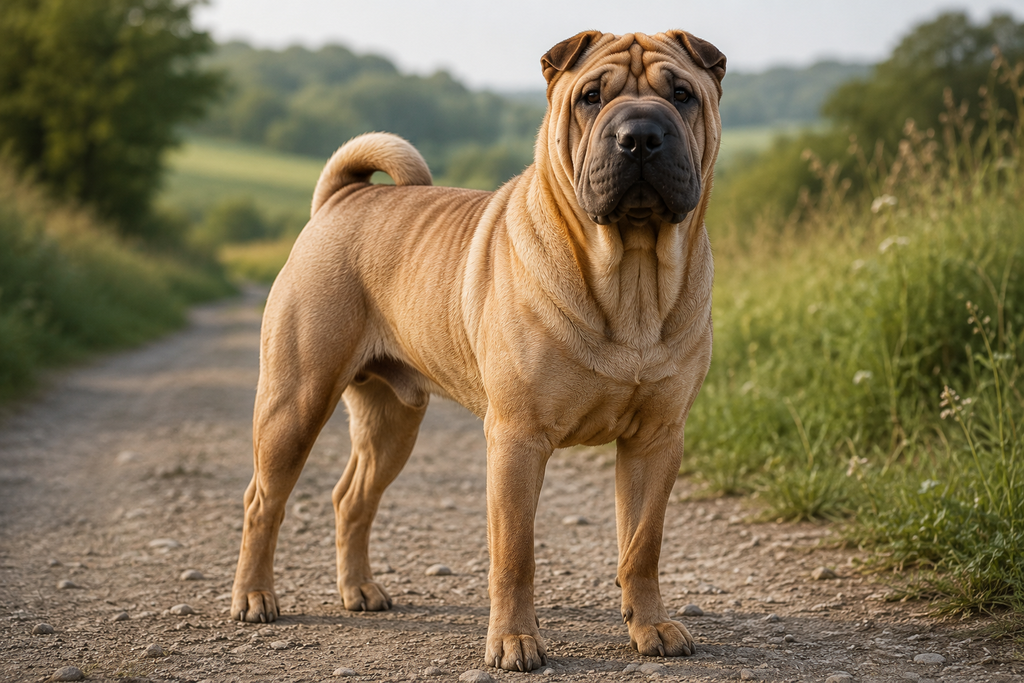
Table of Contents
Chinese Shar-Pei Fast Facts
Breed Group: Non-Sporting
Origin: China
Height: 18–20 inches
Weight: 45–60 pounds
Life Expectancy: 8–12 years
Size: Medium
Coat: Short, harsh, and bristly
Coat Care: Low to moderate
Shedding: Moderate
Exercise Needs: Moderate
Temperament: Loyal, independent, calm
Primary Role: Companion and guardian
Chinese Shar-Pei Ratings
Apartment Friendly: ★★★★☆
Family Friendly: ★★★★☆
Good With Children: ★★★☆☆
Good With Other Dogs: ★★★☆☆
First-Time Owner Friendly: ★★☆☆☆
Easy Grooming: ★★★★☆
Affectionate: ★★★★☆
Easy to Train: ★★★☆☆
Low Shedding: ★★★☆☆
Adaptable: ★★★★☆
High Exercise Needs: ★★☆☆☆
Tolerates Being Alone: ★★★☆☆
Chinese Shar-Pei History and Origins
The Chinese Shar-Pei is an ancient breed whose history is closely tied to rural life in southern China. Dogs resembling the modern Shar-Pei are believed to have existed for many centuries, particularly in areas around Guangdong Province, where they were kept as practical working dogs rather than ornamental companions. Their exact ancestry is difficult to trace because formal breed records were not maintained in the way they are today, but the Shar-Pei is generally regarded as one of China’s old native breeds.
Historically, these dogs were expected to be versatile. They guarded farms and homes, helped control vermin, and were sometimes used for hunting. Their independent temperament, physical toughness, and natural suspicion of unfamiliar people all made sense in that environment. The broad muzzle, strong body, harsh coat, and loose skin that define many Chinese Shar-Pei characteristics were not developed simply for appearance; they were part of a rugged working dog built to cope with demanding conditions.
The breed’s name is often translated as “sand skin,” a reference to the short, rough texture of the traditional coat. That harsh coat remains one of the breed’s defining physical traits today. The famous wrinkles are also strongly associated with the Shar-Pei, although mature adults are generally less heavily wrinkled across the body than puppies. Earlier working examples of the breed are thought to have had a leaner, more functional appearance than some of the heavily wrinkled dogs seen in later decades.
The twentieth century brought the Shar-Pei close to extinction. Political and social changes in China led to a dramatic reduction in the number of dogs kept as companions or traditional working animals, and surviving Shar-Pei populations became very small. By the middle of the century, the breed was considered extremely rare.
Its survival is largely connected to breeders in Hong Kong and a small number of enthusiasts who recognized the danger of losing the breed entirely. During the 1970s, international attention increased dramatically after appeals were made to dog lovers overseas to help preserve the Shar-Pei. Interest grew quickly, particularly in the United States, and imported dogs became the foundation of new breeding programs.
That sudden rise in popularity was a mixed blessing. It helped rescue the breed from disappearance, but rapid expansion from a small genetic population also contributed to problems that responsible breeders continue to manage today. Health, temperament, skin quality, eye structure, and overall soundness became increasingly important considerations in breeding decisions.
Modern Chinese Shar-Pei breeders therefore carry a significant responsibility. Good breeding is not simply about producing deeply wrinkled puppies or an exaggerated appearance. Responsible programs should prioritize stable temperament, functional structure, appropriate skin and eye conformation, and screening for inherited or breed-associated health concerns.
The Shar-Pei was eventually recognized by major kennel organizations around the world and is now firmly established as a companion breed, although its working heritage is still easy to see. Many remain naturally watchful, reserved with strangers, and deeply loyal to their households.
Understanding that background is important because the modern Shar-Pei makes far more sense when viewed as an old guardian and farm dog rather than simply a wrinkled novelty breed. Its independence, confidence, strong attachment to family, and reluctance to treat every stranger as a friend are not flaws in isolation; they are traits shaped by generations of practical work and selective breeding.
A Breed That Nearly Disappeared
The Chinese Shar-Pei came dangerously close to extinction during the twentieth century, when dog populations in China declined dramatically and only a small number of examples of the breed remained.
Its revival depended heavily on surviving dogs in Hong Kong and on breeders overseas who responded to efforts to preserve the breed during the 1970s. Those dogs became the foundation of many modern Shar-Pei bloodlines.
Because the surviving gene pool was limited, responsible breeding remains especially important today. Good breeders focus not only on appearance, but also on temperament, eye structure, skin health, overall soundness, and reducing the risk of inherited problems.

Chinese Shar-Pei Appearance and Size
The Chinese Shar-Pei has one of the most distinctive silhouettes in the dog world. Its broad, blunt muzzle, small triangular ears, high-set tail, compact body, and loose skin give the breed an unmistakable appearance, but the overall impression should still be balanced and functional rather than exaggerated. A healthy adult Shar-Pei is a sturdy, medium-sized dog with enough substance to look powerful without appearing heavy or cumbersome.
A Chinese Shar-Pei full grown typically stands around 18 to 20 inches at the shoulder, with a sturdy, muscular build and noticeably less body wrinkling than is seen in many puppies. Males and females fall within a similar height range, although males are often somewhat heavier and more substantial in build. Adult Chinese Shar-Pei weight is commonly between 45 and 60 pounds, with individual dogs varying according to sex, frame, conditioning, and bloodline. Maintaining a healthy body condition is especially important because excess weight can place unnecessary strain on the joints and can make heat tolerance and skin care more difficult.
The breed’s head is one of its defining features. The skull is broad and flat, while the muzzle is wide and full, sometimes described as having a “hippopotamus” shape. The nose is large, and the lips and muzzle are often well padded. The tongue is usually blue-black or lavender, a trait the Shar-Pei shares with the Chow Chow and one that contributes to its distinctive appearance.
The ears are very small in proportion to the head. They are thick, triangular, and set high, lying close to the skull. The eyes are dark and relatively small, although the amount of skin around the face can make them appear even more deeply set. Excessive skin around the eyes can create health problems, so sound eye structure is more important than dramatic wrinkling.
Perhaps the most famous Chinese Shar-Pei characteristic is its loose, wrinkled skin. Puppies often have folds across much of the body, including the shoulders, neck, legs, and flanks. As the dog matures, many of these folds become less pronounced. A mature adult should still retain some characteristic wrinkling, especially around the head, neck, and shoulders, but an excessively folded body is neither necessary nor desirable.
The coat is another defining feature. Traditional Shar-Pei coats are short, straight, and harsh to the touch, which is where the breed’s name is believed to come from. “Shar-Pei” is often translated as “sand skin,” referring to the coarse texture of the coat rather than its color. Coat length can vary slightly, with horse coats being very short and brush coats somewhat longer, but both retain the characteristic rough texture.
The less common Chinese Shar-Pei bear coat is much longer and softer. Bear-coated dogs can look dramatically different from the short-coated variety, sometimes appearing almost like a completely different breed at first glance. Although the bear coat can occur naturally through recessive genetics, it is not accepted under most major breed standards. That does not affect the dog’s suitability as a companion, but it is an important distinction for anyone researching breeders or show-quality dogs.
The body of the Shar-Pei is compact and muscular, with a broad chest, straight forelegs, and strong hindquarters. The back is relatively short, and the tail is carried high, usually curling over the back or to one side. The overall build should suggest strength and agility rather than bulk.
When assessing Chinese Shar-Pei size, it is useful to look beyond height and weight alone. Bone, muscle tone, body condition, and proportion matter just as much as the numbers. A well-conditioned Shar-Pei should have a clear waist when viewed from above and should not feel heavily padded over the ribs.
There is also considerable variation between individual dogs. Some bloodlines produce dogs with heavier heads and deeper wrinkles, while others retain a leaner, more traditional appearance. For prospective owners, the healthiest choice is usually a dog with moderate features, clear eyes, sound movement, and enough skin to retain the breed’s character without compromising comfort or function.

Wrinkles Change With Age
Shar-Pei puppies are often much more heavily wrinkled than adults. As they grow, the skin stretches over a larger frame and many of the deep body folds naturally become less pronounced.
A mature Chinese Shar-Pei should still retain the breed’s characteristic wrinkles, especially around the head, neck, and shoulders, but extreme folding is not a sign of better breed quality.
Moderate skin, clear eyes, sound movement, and a healthy body condition are more important than an exaggerated appearance.
Chinese Shar-Pei Temperament and Personality
The Chinese Shar-Pei personality is often described as calm, loyal, independent, and reserved, but those words only tell part of the story. This is a breed with a strong sense of self. Shar-Pei are not usually as outwardly demonstrative as many sporting or companion breeds, and they are rarely interested in greeting every person they meet. Instead, they tend to form close bonds with their own household and approach unfamiliar people with caution, observation, and sometimes suspicion.
That reserve is an important part of the breed’s traditional character. The Shar-Pei developed as a practical farm and guardian dog, and many modern dogs still retain a natural instinct to watch their surroundings and assess new situations before relaxing. In a well-socialized dog, this should look like confidence and composure rather than fearfulness or indiscriminate aggression. A good Shar-Pei does not need to be everybody’s friend, but it should be able to remain under control and behave appropriately around unfamiliar people.
With family members, the breed can be deeply affectionate in a quieter, less exuberant way. Many Shar-Pei prefer to stay close to their people, follow them from room to room, or settle nearby rather than constantly demanding physical attention. Some are very cuddly, while others are more independent and content simply to share the same space. This variation is one reason individual temperament matters so much when choosing a puppy or rescue dog.
One of the most recognizable Chinese Shar-Pei characteristics is independence. These dogs are intelligent, but they are not always eager to obey simply because they have been given a command. They often appear to think first and act second. Owners who expect instant compliance can find this frustrating, but people who understand independent breeds often appreciate the Shar-Pei’s thoughtful, self-contained nature.
That independence can also make early training especially important. A Shar-Pei that learns calm handling, household rules, leash manners, and reliable responses from puppyhood is much easier to live with than an adult dog that has been allowed to make every decision for itself. Harsh training methods are usually counterproductive. The breed tends to respond better to calm consistency, clear boundaries, and rewards that make cooperation worthwhile.
Socialization should begin early and continue well beyond puppyhood. Shar-Pei puppies benefit from positive exposure to different people, environments, surfaces, sounds, vehicles, veterinary handling, and well-mannered dogs. The goal is not to make the dog unnaturally outgoing. It is to help it learn that unfamiliar situations are normal and manageable.
Some Shar-Pei can be territorial around the home. They may bark when someone approaches the property or position themselves between a family member and a stranger. This guarding instinct can be useful, but it also places responsibility on the owner. Visitors should be introduced calmly, and the dog should have a secure place to settle if it becomes overstimulated or uncomfortable.
The breed can also be sensitive to inconsistency. If one family member allows behavior that another person tries to stop, the Shar-Pei may quickly learn to test boundaries. Clear household rules make life easier for both dog and owner. This is especially important with behaviors such as door rushing, guarding furniture, pulling on the leash, or refusing handling.
Despite their serious expression, Shar-Pei can have a playful side. Many enjoy short games, exploring new places, sniffing, food puzzles, and relaxed interaction with their owners. They are not generally frantic dogs, and their play style can be more measured than that of highly energetic breeds. Puppies can of course be much more boisterous, particularly during adolescence.
A well-bred and well-socialized Shar-Pei should be confident without being unstable, loyal without becoming excessively possessive, and independent without being impossible to manage. Genetics play a major role, which is why temperament should be a priority when evaluating breeders. Meeting adult relatives, especially the mother of a litter, can provide useful insight into the type of temperament a puppy may develop.
The breed is sometimes misunderstood because its natural reserve can be mistaken for aloofness or unfriendliness. In reality, many Shar-Pei simply choose their relationships carefully. Once a strong bond develops, owners often describe them as extraordinarily devoted dogs that are highly aware of their family and household routines.
For prospective owners, the key question is not whether the Shar-Pei is affectionate enough, but whether its style of affection and independence suit the household. Someone looking for an endlessly sociable dog that happily greets strangers and eagerly follows every command may find the breed challenging. Someone who values a quieter, observant, loyal companion with a strong individual personality may find the Shar-Pei exceptionally rewarding.
Reserved Does Not Mean Unfriendly
Chinese Shar-Pei are often naturally cautious around unfamiliar people, and that reserve is part of the breed’s traditional guardian temperament.
A well-socialized Shar-Pei should be able to remain calm and controlled without being expected to greet every stranger enthusiastically. Confidence and stability matter far more than forced friendliness.
Early positive socialization helps the dog distinguish normal everyday situations from genuine threats and can prevent natural watchfulness from developing into unnecessary fear or reactivity.
Living With a Chinese Shar-Pei
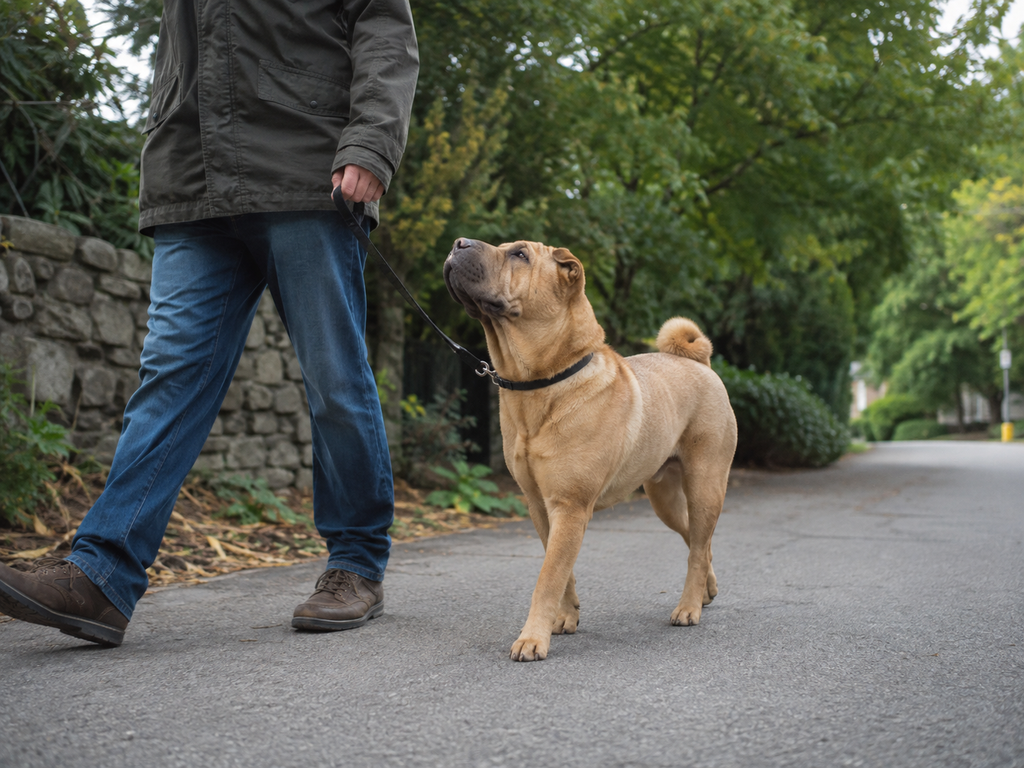
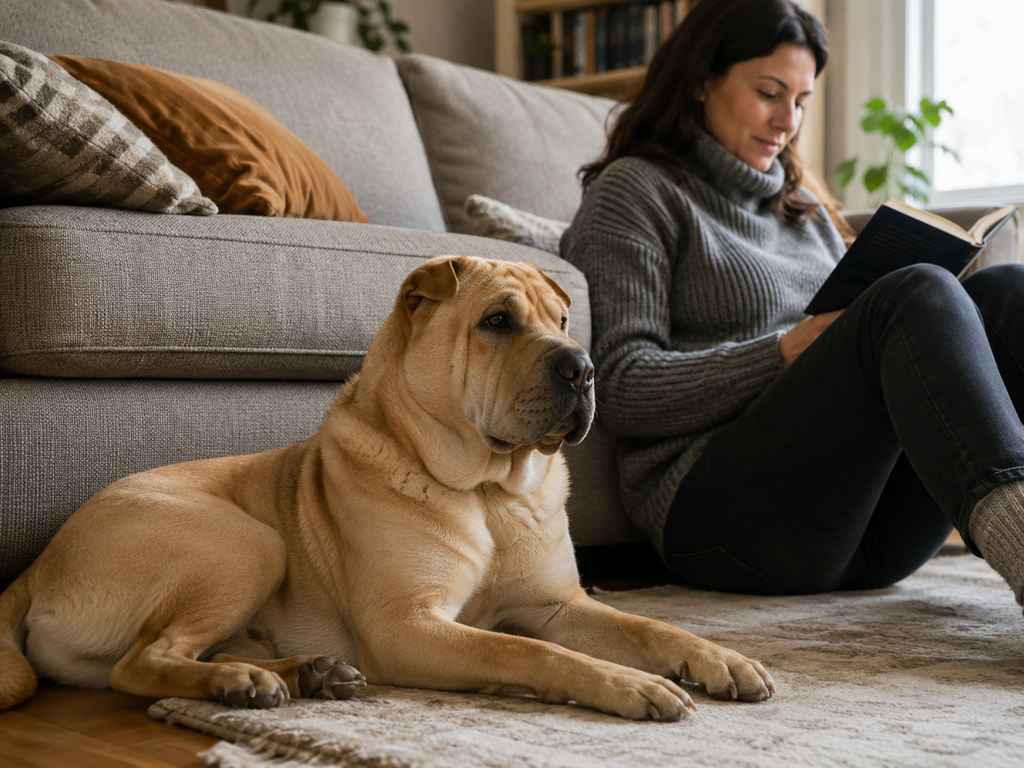
Living with a Chinese Shar-Pei is often quieter and more structured than life with a highly excitable or constantly attention-seeking breed. Most adult Shar-Pei are relatively calm indoors, especially once their exercise needs have been met, and many settle easily into a predictable household routine. They tend to enjoy being near their people without necessarily demanding constant interaction, which can make them appealing to owners who prefer a more self-contained companion.
That said, the breed is not effortless. A Shar-Pei may be physically calm while still being highly observant and mentally engaged with what is happening around the home. They often notice visitors, unusual noises, changes in routine, or unfamiliar activity quickly. Their natural guarding background means that many take the role of household watcher seriously, even if they are not especially vocal.
Consistency is one of the most important parts of day-to-day life with this breed. Shar-Pei are intelligent enough to notice where boundaries are flexible and independent enough to take advantage of them. If jumping on furniture is allowed one day and discouraged the next, or if one family member permits door rushing while another does not, the dog may quickly learn to make its own decisions. Clear, calm rules make the household easier for everyone.
The breed usually does well with a stable daily rhythm. Regular feeding times, walks, short training sessions, rest periods, and predictable handling can help the dog feel secure. Shar-Pei are not generally dogs that need constant entertainment, but they do benefit from meaningful interaction, environmental enrichment, and opportunities to use their senses.
For many owners, one of the most appealing aspects of the breed is its ability to relax. A well-adjusted adult Shar-Pei may happily spend large parts of the day resting near the family, moving between favorite sleeping spots, watching activity from a doorway, or quietly following an owner from room to room. They are often less restless than many working or sporting breeds.
Apartment living can be possible, provided the dog receives adequate daily exercise and has been taught good manners around shared spaces, elevators, hallways, and visitors. Their moderate exercise needs can make them more manageable in smaller homes than some equally sized breeds. However, apartment suitability depends heavily on temperament. A poorly socialized Shar-Pei that reacts to every person or dog in a hallway can be difficult to manage in close quarters.
Access to a securely fenced yard can be useful but is not essential. A Shar-Pei should not be expected to entertain itself outdoors for long periods. The breed generally wants to remain connected to its household, and prolonged isolation can contribute to boredom, frustration, or unwanted guarding behavior.
Climate also matters. The Shar-Pei’s short coat provides limited protection in cold conditions, while its skin folds and relatively compact build can make hot and humid weather uncomfortable. Walks may need to be shifted to cooler parts of the day during summer, and owners should always provide shade, fresh water, and access to a cool indoor environment.
Household cleanliness and skin care require some attention. The Shar-Pei is not a high-maintenance coated breed, but owners should regularly check the skin, ears, eyes, and wrinkles for irritation, odor, redness, or moisture. This becomes part of normal household management rather than a separate grooming event.
Visitors can be another important consideration. Many Shar-Pei are naturally reserved with unfamiliar people, so introductions should be calm and controlled. The dog should never be forced to interact if it is uncomfortable. Providing a bed, crate, or quiet room where the dog can retreat can be useful when the household is busy.
A Shar-Pei may also develop strong preferences for particular people. Some are equally attached to the whole family, while others clearly favor one person. This does not necessarily create a problem, but it can make it important for multiple household members to participate in feeding, walking, training, and calm interaction so the dog remains comfortable being handled by more than one person.
Owners should also be prepared for a dog that may not be immediately cooperative in every situation. Bathing, nail trimming, ear care, veterinary examinations, and handling of skin folds can all become much easier if these routines are introduced gradually from puppyhood. Waiting until a problem develops before teaching the dog to accept handling can make care more difficult.
The best household for a Shar-Pei is usually calm, structured, and reasonably predictable. They can live happily in busy family homes, apartments, suburban houses, or quieter rural settings, but they tend to thrive where expectations are clear and their independence is respected rather than constantly challenged.
Living successfully with a Shar-Pei is largely about understanding what the breed is and what it is not. It is not generally a dog that needs nonstop activity or approval, but neither is it a low-effort pet that can be left to manage itself. With consistent routines, thoughtful socialization, practical skin and health care, and owners who appreciate a more reserved temperament, the Chinese Shar-Pei can be a remarkably steady and devoted household companion.
Chinese Shar-Pei and Children
A well-socialized Chinese Shar-Pei can live successfully with children, but this is a breed where temperament, supervision, and household structure matter a great deal. Shar-Pei are often deeply loyal to their family, and many form strong bonds with children they know well. However, they are not typically as naturally tolerant of chaotic handling, rough play, or unpredictable behavior as some softer, more easygoing family breeds.
For that reason, the quality of the relationship matters more than simply asking whether the breed is “good with kids.” A Shar-Pei raised around respectful children may be calm, protective, and affectionate, but the dog should never be expected to tolerate climbing, grabbing, pulling at wrinkles, hugging tightly, or being disturbed while eating or sleeping.
Children need to be taught how to interact appropriately with the dog. That means approaching calmly, avoiding face-to-face pressure, allowing the dog to walk away, and respecting its resting areas. Even a very stable Shar-Pei may become uncomfortable if it feels trapped or repeatedly handled in ways it does not enjoy.
Supervision is especially important with younger children. The breed is physically solid and can easily knock over a small child without meaning to. Puppies and adolescents may also be more energetic, mouthy, or impulsive than mature adults, so family life during those stages can require more management.
Shar-Pei often appreciate predictability, and this can actually work well in a family setting when children are old enough to participate in routines. Feeding, short training exercises, supervised walks, and calm play can help build a positive relationship between the dog and younger family members.
Because of the breed’s guarding background, owners should also think carefully about visiting children. A Shar-Pei may be comfortable with the children in its own household while remaining reserved or suspicious around unfamiliar kids entering the home. Excited shouting, running, wrestling, or sudden movements can be confusing for a watchful dog.
This makes management important during playdates. The dog may be happier resting behind a baby gate, in another room, or in a familiar quiet area rather than being expected to cope with a busy group of children.
Older children and teenagers often suit the breed particularly well because they are more capable of respecting boundaries and participating in training. A calm Shar-Pei can become a very steady companion for an older child, especially when the relationship is based on routine and mutual trust.
Owners should pay attention to subtle signs of discomfort. Turning the head away, lip licking, becoming very still, leaving the area, or repeatedly avoiding contact can all indicate that the dog wants more space. Teaching children to recognize and respect those signals can prevent unnecessary stress.
It is also important to remember that individual dogs vary widely. A confident, carefully bred Shar-Pei with excellent early socialization may be highly tolerant and relaxed around family activity, while another may prefer a quieter environment. Genetics, early experiences, training, and the behavior of the household all contribute.
For families considering a puppy, choosing a breeder who prioritizes stable temperament is particularly important. Prospective owners should ask how puppies are raised, what exposure they receive to household activity, and what the temperaments of the parents are like.
For rescue dogs, the situation may require even more care because the dog’s previous experiences with children may not be known. A reputable rescue should be able to provide guidance on the individual dog’s behavior and the type of household that would suit it best.
The Chinese Shar-Pei can be a good family dog, but it is not a breed that should be placed with children on appearance alone. The best matches occur where the dog is well socialized, the children are respectful, interactions are supervised, and the adults in the home are willing to manage both sides of the relationship.

Teach Children to Respect the Dog’s Space
Chinese Shar-Pei often do best with children who understand that dogs need personal space, quiet time, and the freedom to move away when they have had enough interaction. Children should avoid pulling at wrinkles, climbing on the dog, hugging tightly, disturbing it while eating or sleeping, or continuing to touch it when it is clearly trying to disengage. Calm, respectful contact is much more likely to build trust than constant physical attention. Supervision is especially important with younger children, while older children and teenagers can often form strong bonds with a Shar-Pei through gentle play, short training sessions, supervised walks, and predictable daily routines.
Chinese Shar-Pei With Other Dogs and Pets
The Chinese Shar-Pei can live successfully with other dogs and household pets, but this is one area where early socialization, individual temperament, and careful introductions matter a great deal. The breed’s traditional guarding background and natural independence can make some Shar-Pei less socially easygoing than breeds developed primarily for close group work or constant companionship.
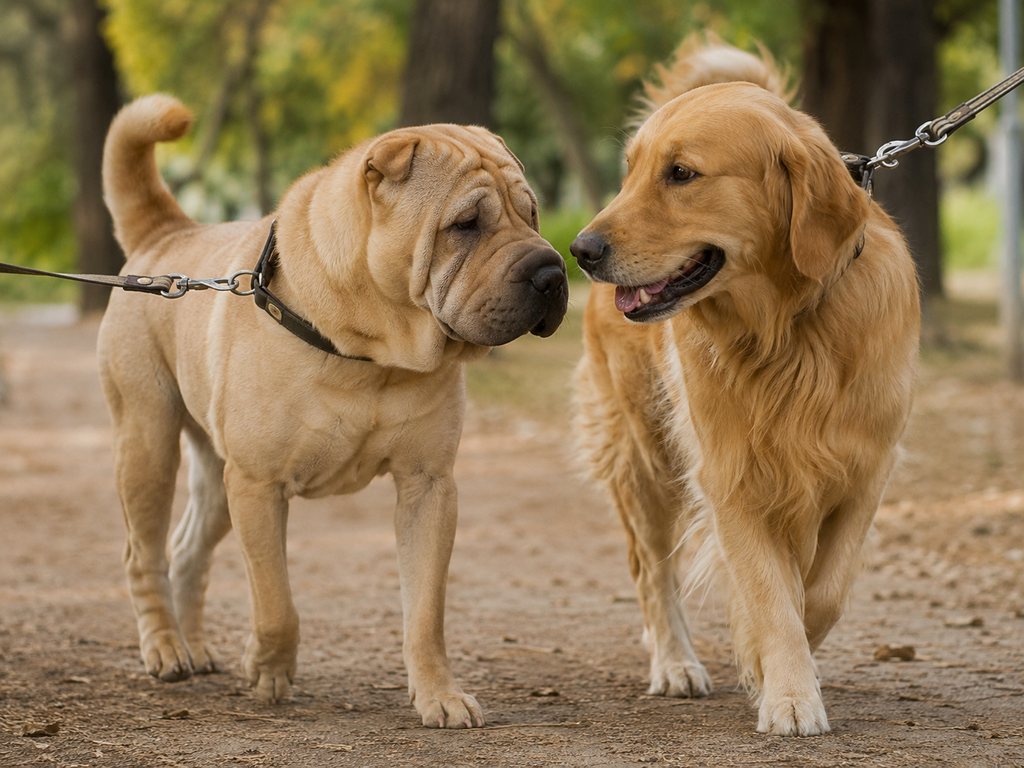
Many Shar-Pei are selective about canine company. Some live very happily with another dog in the home, particularly when they have been raised together or introduced carefully at a young age. Others may prefer to be the only dog in the household. Same-sex tension can occur in some individuals, and owners should not assume that a Shar-Pei that is affectionate with people will automatically welcome every unfamiliar dog.
Good socialization helps, but the goal should not be to turn the Shar-Pei into an indiscriminately social dog. A more realistic goal is calm neutrality: the ability to walk past other dogs, share public spaces, and respond to the owner without becoming overly excited, fearful, or confrontational.
Puppies benefit from positive experiences with stable, well-mannered adult dogs rather than chaotic free-for-all play. Carefully chosen interactions teach appropriate canine communication and help young dogs learn when to approach, when to back away, and how to settle around other animals.
Dog parks are not always the best environment for this breed. Uncontrolled groups, rude greetings, and high-energy play can create unnecessary conflict, especially for a dog that values personal space. Many Shar-Pei do better with a small circle of familiar canine companions or structured walks alongside known dogs.
When introducing a Shar-Pei to another dog, neutral territory is often the best place to start. Parallel walking can allow both dogs to become comfortable with each other without the pressure of direct face-to-face interaction. Introductions should remain calm, with enough space for either dog to disengage.
Inside the home, resources should be managed carefully during the early stages. Separate feeding areas, individual beds, and supervision around high-value chews or toys can reduce competition. Even dogs that generally get along well may disagree over food, resting places, or attention.
The breed’s relationship with cats and smaller pets varies considerably. Some Shar-Pei raised with cats from puppyhood live peacefully with them, particularly when the cat is confident and the dog learns early that chasing is not acceptable. Adult rescue dogs with unknown histories require more caution.
The Shar-Pei does have a history as a versatile rural working dog, and prey drive can differ between individuals. Small fast-moving animals may attract interest even in a dog that is otherwise calm. Rabbits, guinea pigs, birds, and similar pets should therefore be protected behind secure barriers rather than relying entirely on training.
Cats should always have escape routes and elevated areas where the dog cannot follow. Early meetings are best conducted with the Shar-Pei on leash and the cat free to choose whether to approach or leave. Forced introductions can increase stress and create negative associations.
Owners should also recognize the difference between tolerance and friendship. A Shar-Pei does not need to play with every dog it meets to be well socialized. A dog that calmly ignores others, walks politely past them, and relaxes in their presence may be demonstrating exactly the kind of stable behavior owners should encourage.
Body language deserves close attention. Stiff posture, prolonged staring, blocking another animal’s movement, raised hackles, or freezing around resources can indicate rising tension. Intervening early is far better than waiting for a confrontation.
Multi-dog households often work best when routines are predictable and owners control access to valuable resources. Feeding separately, preventing crowding at doors, and giving each dog individual attention can help keep relationships stable.
For prospective owners who already have a dog, matching personalities is often more important than matching size. A calm, socially skilled resident dog may be a better companion for a Shar-Pei than an excitable dog that repeatedly ignores boundaries.
With cats and other household animals, early exposure can improve the chances of success, but there are no guarantees. Each Shar-Pei should be assessed as an individual, particularly if it comes from rescue or has an unknown history.
The Chinese Shar-Pei can absolutely share a home with other animals, but owners should approach the process deliberately. Calm introductions, thoughtful management, respect for the breed’s independent nature, and realistic expectations are far more effective than assuming every dog should enjoy constant social contact.
Successful Multi-Pet Homes Take Planning
Chinese Shar-Pei do not need to be highly social with every animal they meet. For many, calm neutrality is a better goal than constant play, especially with unfamiliar dogs. Early socialization, careful introductions, and thoughtful management around food, toys, beds, and doorways can make multi-pet households much easier to manage. Cats can also live successfully with a Shar-Pei when introductions are gradual, the cat has safe escape routes, and the dog learns early that chasing is not acceptable. Smaller pets should always be protected behind secure barriers, as prey drive and interest in fast-moving animals can vary between individual dogs.
Exercise and Activity Needs
The Chinese Shar-Pei has moderate exercise needs and generally does best with consistent daily activity rather than long periods of intense exercise. This is not usually a breed that needs hours of running, high-impact sport, or constant stimulation to remain content. Most adult Shar-Pei are well suited to a routine built around regular walks, short training sessions, sniffing opportunities, and relaxed time with their owners.
A healthy adult will usually benefit from one or two walks each day, with the total amount adjusted for age, fitness, temperature, and individual energy level. Some Shar-Pei are naturally more active than others, but many are satisfied with moderate outings followed by plenty of rest at home. Puppies and adolescents may be more energetic, while older dogs often prefer shorter, gentler walks.
Walking is especially valuable because it provides both physical exercise and mental stimulation. Allowing the dog time to sniff, investigate new environments, and move at a comfortable pace can be more rewarding than simply covering distance as quickly as possible. For an independent breed like the Shar-Pei, these opportunities to explore can help make daily exercise more engaging.
Owners should avoid assuming that a calm indoor temperament means the dog does not need exercise. Without regular activity, a Shar-Pei can gain weight, lose muscle tone, become bored, or develop unwanted habits such as excessive guarding, pacing, or destructive behavior. Consistency matters more than intensity.
The breed can enjoy a wide range of low- to moderate-impact activities. Neighborhood walks, woodland trails, short hikes, scent games, food puzzles, and gentle play in a secure yard can all work well. Some individuals enjoy retrieving or tug, while others are less interested in repetitive games and prefer exploring their surroundings.
High-impact exercise should be approached carefully, especially during puppyhood. Growing joints should not be subjected to excessive jumping, repetitive stair climbing, or forced long-distance running. Exercise should build gradually as the dog matures and should always match the individual dog’s physical condition.
Heat is one of the most important considerations. Shar-Pei can struggle in hot or humid weather, particularly when heavily wrinkled, overweight, or affected by respiratory or skin problems. During warm weather, walks are best scheduled for the cooler parts of the morning or evening. Owners should provide access to shade and fresh water and should stop activity if the dog appears unusually slow, distressed, or overheated.
Cold weather is usually easier to manage, although the breed’s short coat does not provide much insulation. Some dogs benefit from a lightweight coat during very cold conditions, especially if they are older, lean, or spending extended periods outside.
Off-leash exercise requires caution. Shar-Pei can be independent, and recall is not always naturally strong. A dog that is reliable at home may still choose to investigate something more interesting outdoors. Secure fenced areas are generally safer unless recall has been carefully trained and proofed around distractions.
Leash manners are therefore particularly useful. A mature Shar-Pei is a solid, powerful medium-sized dog, and pulling can become uncomfortable quickly. Teaching loose-leash walking from puppyhood helps make daily exercise more enjoyable and easier to manage.
Mental activity should be included alongside physical exercise. Short obedience sessions, scent searches, puzzle feeders, and simple problem-solving games can tire a Shar-Pei without requiring strenuous activity. Because the breed can become bored by repetitive drills, varied short sessions often work better than long training routines.
Rest is equally important. Shar-Pei are generally good at settling after exercise, and owners should not feel pressure to keep them constantly entertained. A well-balanced day includes activity, interaction, mental stimulation, and plenty of uninterrupted downtime.
Weight management is another reason regular exercise matters. The Chinese Shar-Pei weight range may be moderate, but an overweight dog can quickly place additional strain on joints and may have greater difficulty coping with heat. Exercise and portion control should work together to maintain a lean, healthy body condition.
For most households, the breed’s exercise needs are quite manageable. A Shar-Pei does not usually require the lifestyle commitment of a high-energy working breed, but it still benefits from owners who enjoy getting outside every day and providing variety in a calm, structured way.
The best exercise plan is one that is sustainable. Regular moderate walks, opportunities to sniff and explore, short training sessions, and sensible play are usually enough to keep a Chinese Shar-Pei physically fit and mentally content without pushing the dog beyond what the breed naturally enjoys.
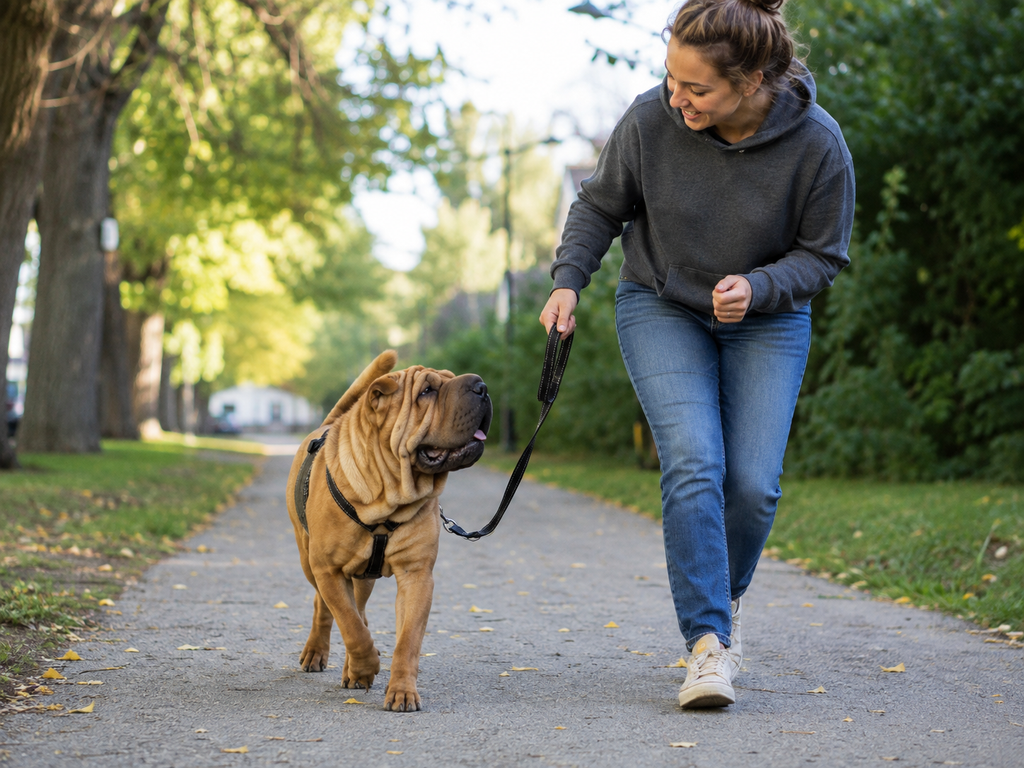
Moderate Exercise Suits This Breed Best
Chinese Shar-Pei usually thrive on steady daily activity rather than long periods of strenuous exercise. One or two relaxed walks, time to sniff and explore, short training sessions, and gentle play are enough for most healthy adults. Their exercise routine should always be adjusted for age, fitness, and weather, with particular care taken in hot or humid conditions because the breed can overheat more easily than some dogs. Regular activity also helps maintain a healthy weight, supports joint and muscle condition, and prevents boredom without pushing the dog beyond the level of exercise it naturally enjoys.
Training a Chinese Shar-Pei
Training a Chinese Shar-Pei can be very rewarding, but this is not a breed that responds best to endless repetition or heavy-handed methods. Shar-Pei are intelligent, observant and naturally independent, which means they often understand a command quickly but may still decide whether they see a reason to comply. Their original working background favored dogs that could think for themselves, remain alert to their surroundings and act without constant direction. That independent streak remains part of the breed today.
For this reason, training should begin early and remain consistent throughout the dog’s life. Basic skills such as sit, stay, come, leave it, settling calmly and walking politely on leash should be introduced from puppyhood. Early training helps establish useful habits before the dog becomes stronger and more self-assured. A young Shar-Pei that learns clear household rules is generally much easier to manage than an adolescent dog that has already discovered which behaviors it can get away with.
Short, focused sessions usually work best. Many Shar-Pei lose interest when asked to repeat the same exercise over and over, particularly once they have shown that they understand it. Five to ten minutes of productive training can be more effective than a long session filled with repetition. Ending on a successful note also helps keep the dog interested and willing to participate next time.
Positive reinforcement is particularly well suited to this breed. Food rewards, praise, toys, play and access to things the dog enjoys can all be used to reinforce desired behavior. The reward does not always need to be food, but it should be something the individual dog values. Some Shar-Pei are highly food motivated, while others respond better to praise, a favorite toy or being allowed to move toward something interesting.
Harsh corrections, intimidation and confrontational training can be counterproductive. A Shar-Pei that feels pressured may become resistant, shut down or become more determined to avoid the exercise. Because the breed can be strong-willed, trying to turn training into a battle of wills often damages cooperation rather than improving it. Calm, fair and predictable handling generally produces much better results.
Consistency is essential across the entire household. If one person allows jumping up, pulling on the leash or ignoring a cue while another person discourages it, the dog quickly learns that the rules vary depending on who is present. Family members should agree on the same commands, boundaries and expectations. This is especially important during puppyhood and adolescence, when habits are forming rapidly.
Leash training deserves particular attention. Adult Shar-Pei are compact but powerful, and pulling can become difficult to manage if it is allowed to develop. Puppies should be taught to walk near their handler, respond to gentle leash pressure and remain calm when passing other dogs, people or distractions. Structured walks are not only useful for exercise but also provide regular opportunities to reinforce attention and impulse control.
Recall training is another important skill. Some Shar-Pei develop a very reliable recall, but owners should remember that independence can make distractions more appealing than returning immediately. Recall should begin in a secure environment before progressing to a long line and more challenging locations. High-value rewards can help make coming back to the owner worthwhile. In unsecured areas, many Shar-Pei are safest remaining on leash unless their recall has been thoroughly tested and proven reliable.
Socialization and training should go hand in hand. A Shar-Pei that can follow commands at home but becomes overwhelmed in unfamiliar places still needs more experience. Training in different environments teaches the dog that the same rules apply everywhere. Calm exposure to busy streets, visitors, veterinary clinics, grooming routines, car travel, other animals and unfamiliar surfaces can make everyday life considerably easier.
Mental stimulation is also an important part of training. Shar-Pei often enjoy activities that allow them to solve problems rather than simply repeat obedience exercises. Food puzzles, scent games, hide-and-seek with treats, object searches and short training challenges can all keep the mind engaged. Scent work can be particularly useful because it allows the dog to use natural instincts while building concentration and confidence.
Adolescence can test an owner’s patience. A Shar-Pei that seemed cooperative as a young puppy may suddenly become more selective about listening, test boundaries or appear to forget familiar cues. This stage is common in many breeds and does not mean training has failed. Maintaining the same expectations, rewarding good decisions and avoiding unnecessary confrontation will usually help the dog mature into a more reliable adult.
Training should also include practical handling skills. Shar-Pei benefit from learning to accept their paws, ears, mouth and skin folds being gently examined. This can make grooming, veterinary visits and routine health checks easier and less stressful. Teaching these behaviors gradually with rewards helps the dog view handling as normal rather than threatening.
The most successful approach is to treat training as a partnership. Shar-Pei usually respond best to owners who are calm, patient and consistent rather than forceful. They may never have the automatic eagerness to please seen in some working breeds, but they are capable of learning excellent manners and reliable household behavior. With early training, clear boundaries and positive reinforcement, a Chinese Shar-Pei can become a well-behaved companion while still retaining the independent character that makes the breed so distinctive.

Chinese Shar-Pei Lifespan and Aging
The life expectancy of Chinese Shar-Pei is generally around 8 to 12 years, although individual dogs can fall outside that range. Genetics, breeding quality, body condition, long-term health, veterinary care, and lifestyle all influence how comfortably a Shar-Pei ages.
Because the breed can be affected by several inherited and structural health problems, lifespan is closely connected to early prevention and sensible management. Maintaining a lean body weight, providing regular moderate exercise, and addressing eye, skin, ear, joint, or kidney concerns promptly can all support better long-term outcomes.
Aging usually becomes noticeable gradually. Older Shar-Pei may sleep more, move more slowly, take longer to recover after walks, or show less interest in strenuous activity. These changes can be normal, but sudden declines in mobility, appetite, behavior, or energy should not simply be dismissed as old age.
Joint comfort becomes increasingly important in the senior years. Stiffness after rest, difficulty rising, hesitation on stairs, or shorter strides may indicate arthritis or another orthopedic problem. Keeping the dog lean and providing regular gentle movement can help preserve mobility and muscle strength.
Kidney monitoring also deserves attention as the dog ages, particularly because the breed can be vulnerable to amyloidosis and related kidney disease. Changes in thirst, urination, appetite, body weight, or energy can be important early warning signs and should be discussed with a veterinarian.
Dental health can also affect quality of life in older dogs. Painful teeth or gum disease may reduce appetite, affect chewing, and contribute to discomfort, so routine dental care remains important throughout life.
The home environment may need small adjustments as mobility changes. Supportive bedding, non-slip flooring, easier access to food and water, and reducing unnecessary jumping or stair use can make daily life more comfortable.
Regular veterinary examinations become especially valuable during the senior years. Bloodwork, urine testing, weight checks, and physical examinations can help identify changes before they become more advanced.
The goal is not simply to maximize years. Good senior care is about preserving comfort, mobility, appetite, engagement, and quality of life for as long as possible.
Many older Shar-Pei remain affectionate, observant, and deeply connected to their families. With sensible adjustments and close attention to emerging health needs, the breed can continue to enjoy a comfortable and meaningful life well into its senior years.
Support Comfort as Your Shar-Pei Ages
Senior Chinese Shar-Pei often benefit from small adjustments rather than major lifestyle changes. Keep exercise regular but gentler, watch body weight closely and make the home easier to move around with supportive bedding, non-slip surfaces and easy access to favorite resting areas. Regular veterinary checks become increasingly important for monitoring joints, dental health, kidney function, skin condition, vision and hearing as your dog gets older. Changes in thirst, appetite, mobility, sleep, house-training or behavior should be investigated early, because many age-related problems are easier to manage when they are recognized before they become advanced. Maintaining familiar routines, comfortable surroundings and steady companionship can also help an older Shar-Pei remain secure, engaged and content well into its senior years.
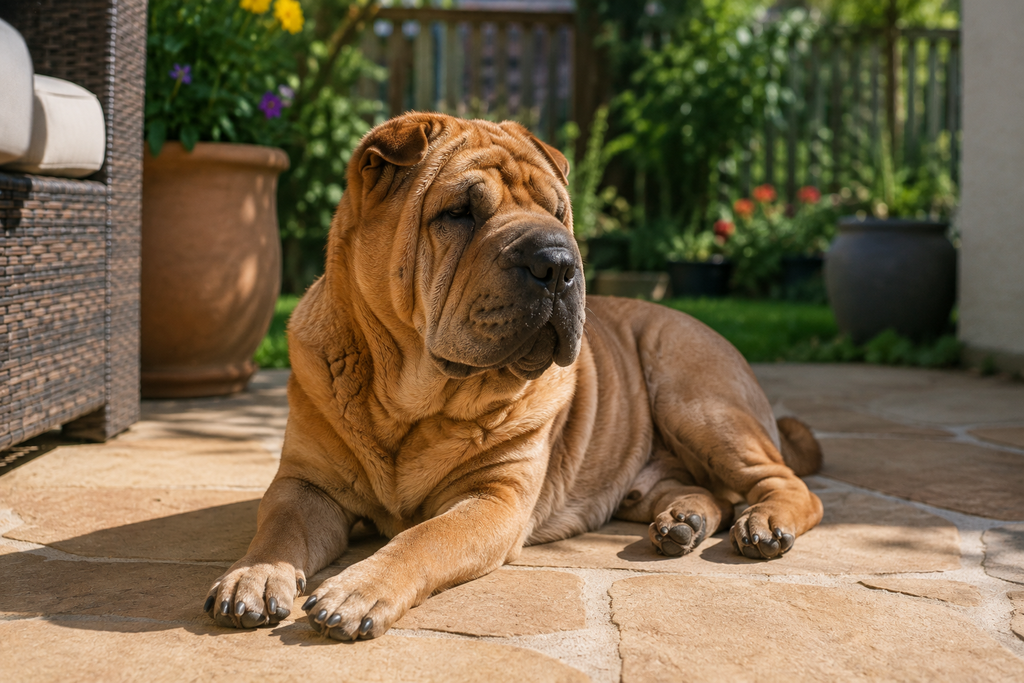
Grooming a Chinese Shar-Pei
Grooming a Chinese Shar-Pei is less about maintaining a difficult coat and more about protecting the skin underneath it. The breed has a short, harsh coat that is usually straightforward to brush, but the deep wrinkles and folds that give the Shar-Pei its unmistakable appearance require regular attention. A good grooming routine should focus on keeping the skin clean, dry, and comfortable while also checking the ears, nails, teeth, and overall condition of the dog.
Owners often ask do Chinese Shar-Pei shed, and the answer is yes. The breed sheds throughout the year, with some dogs losing more hair during seasonal changes. Weekly brushing with a rubber grooming mitt or soft bristle brush can remove loose hair, distribute natural oils, and provide a useful opportunity to check the skin for redness, bumps, sore areas, parasites, or other changes.
The skin folds need particular attention. Areas around the face, neck, shoulders, chest and tail can trap moisture, debris and natural skin oils, especially in dogs with heavier wrinkling. These areas should be checked regularly and gently cleaned when necessary using a soft damp cloth or a product recommended by a veterinarian. The most important step is drying the folds thoroughly afterward. Moisture left trapped against the skin can encourage bacterial or yeast growth and may contribute to irritation or infection.
Owners should avoid over-cleaning or scrubbing the folds aggressively. Healthy folds do not need constant washing, and harsh soaps or fragranced products can dry the skin and make irritation worse. If a fold develops persistent redness, odor, discharge, itching or soreness, veterinary advice is preferable to repeated home cleaning. Skin problems in Shar-Pei can sometimes be linked to allergies or other underlying conditions, so treating only the surface may not solve the cause.
Bathing should generally be occasional rather than frequent. Most Shar-Pei do well with a bath every several weeks or whenever they become genuinely dirty. A mild dog shampoo suited to sensitive skin is usually the best choice. The coat should be rinsed thoroughly so no shampoo residue remains, and every fold should be dried carefully afterward. Leaving damp skin between folds can undo the benefits of bathing very quickly.
Ear care is also important because the Shar-Pei’s small, folded ears can have limited airflow. Owners should check the ears regularly for redness, wax buildup, odor or discharge. Cleaning should be gentle and limited to products designed for dogs. Nothing should be inserted deeply into the ear canal. Recurrent ear problems are common enough in the breed that persistent irritation should always be discussed with a veterinarian.
Nails should be checked every few weeks and trimmed before they become long enough to affect the way the dog walks. Long nails can change foot placement and place unnecessary strain on the joints. Shar-Pei that spend a lot of time walking on hard surfaces may wear their nails down naturally, but many still need routine trimming. Starting nail care during puppyhood can make the process much easier as the dog matures.
Dental hygiene deserves the same attention. Regular brushing with dog-safe toothpaste can help reduce plaque and support healthy gums. Dental chews and veterinary dental checks may also be useful, but they should complement rather than replace brushing where possible. Bad breath, difficulty chewing, bleeding gums or loose teeth should not be ignored.
Grooming sessions are also valuable for handling practice. Shar-Pei benefit from becoming comfortable with having their paws, ears, face, mouth and folds gently examined. This makes routine care easier and can reduce stress during veterinary visits. Short, calm grooming sessions with rewards are usually more effective than trying to restrain the dog through a long session.
The breed does not require elaborate coat trimming or frequent professional grooming, but consistency matters. A few minutes spent checking the skin, ears, nails and coat each week can help owners catch problems early. For a Shar-Pei, grooming is not simply cosmetic maintenance; it is an important part of keeping the dog healthy, comfortable and easier to care for throughout its life.
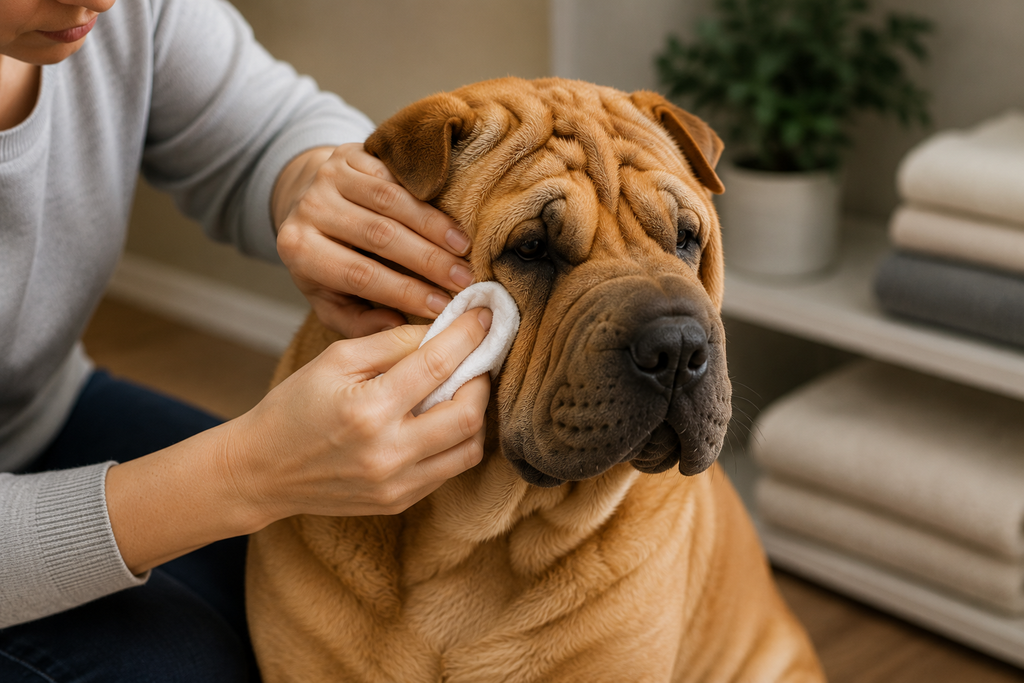
Keep Folds Clean and Dry
The most important part of Shar-Pei grooming is regular skin inspection rather than frequent washing. Check the folds around the face, neck and body for redness, trapped moisture, odor or irritation, and clean them gently only when needed. Always dry each fold thoroughly afterward, as damp skin can encourage bacterial or yeast growth. Weekly brushing, routine ear checks, nail trimming and dental care should also be part of the regular grooming routine. These simple habits can help reduce discomfort, prevent minor issues from becoming more serious and make it easier to spot changes in your Shar-Pei’s skin or overall condition early.
Feeding and Nutrition
Feeding a Chinese Shar-Pei well is an important part of maintaining healthy skin, steady energy, good digestion, and an appropriate body weight. Choosing suitable Chinese Shar-Pei food is less about following trends and more about providing a complete, balanced diet that matches the dog’s age, activity level, body condition, and overall health.
Most adult Shar-Pei do well on a complete, nutritionally balanced dog food formulated for their life stage. This may be a high-quality commercial kibble, wet food, fresh diet, or another properly formulated option. Whatever feeding method is chosen, the diet should provide appropriate amounts of protein, fat, vitamins, and minerals without supplying excessive calories. Owners who prefer home-prepared or raw diets should work with a veterinarian or qualified veterinary nutrition professional to make sure the diet remains complete and balanced over time.
Protein is particularly important for maintaining muscle and supporting healthy skin and coat, but more is not automatically better. A Shar-Pei should receive an appropriate amount of high-quality animal protein as part of a balanced diet rather than simply being fed the highest-protein food available. Dogs with particular medical conditions, including some kidney problems, may eventually require dietary adjustments under veterinary guidance.
Portion control matters because Shar-Pei can gain weight relatively easily if food intake exceeds activity. Their compact, solid build can make extra weight less obvious than it is on a leaner breed. Owners should be able to feel the ribs beneath a light covering of tissue without having to press hard, and the dog should have a visible waist when viewed from above. Regularly checking body condition is often more useful than relying on the number on the scales alone.
Most healthy adult Shar-Pei are well suited to two measured meals each day. Splitting the daily allowance into morning and evening meals can help manage hunger and makes it easier to monitor appetite. Puppies require more frequent meals while they are growing, while older dogs may benefit from changes in calorie intake depending on their activity, muscle condition, and health. Feeding instructions on packaging are useful starting points, but they should be adjusted according to the individual dog.
Treats can be a valuable part of training, especially with an independent breed such as the Shar-Pei, but they still contribute calories. Small pieces are usually all that is needed during training. Treats should ideally make up no more than a modest portion of the dog’s overall daily intake so they do not displace balanced nutrition or contribute to weight gain. Part of the dog’s normal food allowance can also be reserved for training sessions.
Skin problems sometimes lead owners to suspect food allergies. While food can be involved in some cases, itching, ear infections, and inflamed skin can have many different causes. Constantly changing foods without veterinary guidance may make it harder to determine what is actually triggering the problem. If a veterinarian suspects a food allergy, a properly controlled elimination diet may be recommended to identify whether specific ingredients are responsible.
Owners should also be cautious about assuming that grain-free foods are automatically healthier. Grain-free diets are not necessary for most dogs unless there is a specific medical reason for using one. The overall nutritional quality and suitability of the diet are far more important than whether it contains grains.
Fresh water should always be available. Shar-Pei can be sensitive to hot weather, and adequate hydration becomes especially important after exercise or during warmer conditions. Any noticeable increase or decrease in drinking should be monitored because changes in thirst can sometimes provide an early indication of illness.
Puppies require special attention because rapid growth can place unnecessary stress on developing bones and joints. A complete puppy food appropriate for the expected adult size is usually preferable to trying to accelerate growth with extra food or supplements. Calcium and other mineral supplements should not be added to an already balanced puppy diet unless specifically recommended by a veterinarian.
As Shar-Pei enter their senior years, calorie requirements often decrease while maintaining muscle becomes increasingly important. Some older dogs benefit from foods designed for seniors, while others continue successfully on their existing adult diet with adjusted portions. Health conditions may eventually require a therapeutic diet, particularly if kidney, joint, digestive, or weight problems develop.
The best feeding plan is one that keeps the individual Shar-Pei lean, energetic, and comfortable. Regularly assessing body condition, measuring meals rather than guessing portions, and discussing persistent skin or digestive problems with a veterinarian can prevent many common feeding mistakes. Good nutrition does not need to be complicated, but it should be consistent, balanced, and adapted as the dog’s needs change throughout life.
Feed the Dog in Front of You
There is no single perfect diet for every Chinese Shar-Pei. Choose a complete, balanced food that suits your dog’s age, activity level and overall health, then adjust portions according to body condition rather than relying only on the feeding guide on the package. Keep treats moderate, measure meals consistently and provide fresh water at all times, especially in warm weather. If your Shar-Pei develops persistent itching, ear problems, digestive upset or changes in appetite, avoid repeatedly switching foods without a clear plan. A veterinary assessment can help determine whether food is actually involved and whether a structured elimination diet or another nutritional adjustment is needed.

Shar-Pei Health and Common Health Problems
The Chinese Shar-Pei is a strong, distinctive breed, but it is also associated with several health problems that prospective owners should understand. Some are related to the breed’s genetics, while others are influenced by its skin, facial structure and compact build. This does not mean every Shar-Pei will develop serious illness, but choosing a responsible breeder, maintaining a healthy weight and recognizing problems early can make a considerable difference to long-term health.
Eye problems are among the most important concerns. Shar-Pei are particularly susceptible to entropion, in which the eyelid rolls inward and allows eyelashes or surrounding skin to rub against the surface of the eye. This can be painful and may cause squinting, excessive tearing, discharge or repeated rubbing of the face. Left untreated, persistent irritation can damage the cornea. Some puppies require temporary eyelid tacking while their facial structure develops, while other dogs eventually need corrective surgery. Any Shar-Pei that repeatedly closes an eye, produces unusual discharge or appears uncomfortable should be examined promptly by a veterinarian.
Skin problems are another major area of concern. The breed naturally has unusually thick, loose skin and increased amounts of material within the skin that contribute to its characteristic folds. Allergies, bacterial or yeast infections and other inflammatory skin conditions can therefore become recurring problems in some dogs. Owners should regularly check the face, neck, body folds and feet for redness, odor, moisture, itching, hair loss or sore areas. Persistent problems should be investigated rather than repeatedly treated at home, because allergies and other underlying conditions may need long-term management.
The Shar-Pei’s small, tightly folded ears can also be troublesome. Limited airflow and narrow ear canals may make it easier for inflammation, wax and infection to develop. Regular inspection is important, particularly if the dog shakes its head, scratches its ears or develops an unusual odor or discharge. Cleaning should be gentle and excessive cleaning avoided, as irritated ears may need veterinary treatment rather than more frequent home care.
One of the most significant breed-specific conditions is Shar-Pei fever, also known as familial Shar-Pei fever or Shar-Pei autoinflammatory disease. Affected dogs can experience recurring episodes of high fever, often accompanied by painful swelling around the hocks or other signs of inflammation. Episodes may resolve, but the underlying inflammatory process can have more serious consequences over time.
Repeated inflammation can contribute to amyloidosis, in which abnormal protein deposits accumulate in tissues and organs. The kidneys are a particularly important concern in Shar-Pei, and severe amyloid deposition can eventually contribute to kidney failure. Because kidney disease can develop quietly, routine urine and blood testing may be valuable, particularly in dogs with a history of recurrent fever or as the dog gets older. Changes in thirst, urination, appetite, weight or energy should always be taken seriously.
Orthopedic problems can occur as well. Hip dysplasia is reported in the breed and may eventually contribute to pain, stiffness or arthritis. Maintaining a lean body condition is particularly important because unnecessary weight increases the load placed on joints. Regular moderate exercise helps preserve muscle strength without requiring the type of intense repetitive activity that is unnecessary for most Shar-Pei.
Hypothyroidism is another condition seen in Shar-Pei. An underactive thyroid can contribute to lethargy, unexplained weight gain and changes in skin or coat quality. Because these signs can resemble many other problems, diagnosis requires veterinary testing rather than assuming that reduced energy or recurring skin trouble is simply normal for the breed.
Shar-Pei are also deep-chested dogs, which means owners should be familiar with gastric dilatation-volvulus, commonly called bloat. This is an emergency in which the stomach becomes distended and may twist. A swollen abdomen, repeated unproductive attempts to vomit, severe restlessness, drooling, weakness or collapse require immediate veterinary attention.
Good preventive care can reduce many avoidable problems. Routine veterinary examinations, parasite prevention, dental care, an appropriate diet and maintaining a healthy body weight all contribute to overall health. Owners should also become familiar with what is normal for their individual dog so subtle changes in appetite, behavior, movement, skin or drinking habits are noticed quickly.
Responsible breeding is especially important with the Shar-Pei. Prospective puppy buyers should ask about health problems affecting parents and close relatives, including recurrent fever, kidney disease, severe skin disease, eye problems and orthopedic conditions. A breeder who openly discusses health is preferable to one who claims that their dogs never experience problems. No bloodline can be guaranteed completely free of disease.
The Shar-Pei does require more health awareness than some breeds, but informed owners can do a great deal to protect their dog. Regular observation, sensible preventive care and prompt veterinary attention when something changes can help many Shar-Pei remain comfortable and active throughout their lives.

Know the Early Warning Signs
Shar-Pei owners should pay particular attention to the eyes, skin, ears and any unexplained episodes of fever or swelling. Squinting, persistent skin irritation, recurring ear trouble, changes in thirst or urination and unusual lethargy all deserve veterinary attention rather than being dismissed as normal for the breed. Regular health checks, maintaining a lean body weight and discussing kidney monitoring with your veterinarian can help identify problems earlier. When choosing a puppy, ask the breeder openly about eye disease, recurrent fever, kidney problems, skin conditions and joint health in the wider bloodline.
Shar-Pei Fever and Amyloidosis
Shar-Pei fever is one of the most important breed-specific health conditions for Chinese Shar-Pei owners to understand. It is a hereditary autoinflammatory disorder that causes repeated episodes of fever and inflammation. Some dogs experience only occasional attacks, while others have more frequent or more severe episodes. Because a Shar-Pei may appear normal between episodes, the condition can be easy to underestimate in the early stages.
A typical episode often begins suddenly. The dog may become lethargic, uncomfortable or unwilling to move normally, and the body temperature may rise significantly. One of the classic signs is swelling around the hocks, the large joints on the back legs, although not every dog shows this every time. Some Shar-Pei may also seem sore, restless or reluctant to eat. Others may develop digestive signs such as vomiting or diarrhea during an episode. The symptoms may last only a day or two and then improve, but the fact that they recur is what makes the condition especially significant.
The biggest concern is not just the fever itself but the long-term inflammation happening inside the body. Repeated inflammatory episodes can increase production of a protein called serum amyloid A. Over time, abnormal amyloid deposits may build up in organs and tissues. This process is known as amyloidosis, and it is one of the most serious complications linked with Shar-Pei fever.
In Chinese Shar-Pei, the kidneys are particularly vulnerable to amyloid deposits. As amyloid builds up, it can gradually interfere with kidney function and may eventually contribute to chronic kidney disease or kidney failure. The liver and other organs can also be affected. Because this damage can occur quietly, a dog may seem reasonably well for quite some time before more obvious signs of organ disease appear. That is why repeated fever episodes should never be dismissed simply because the dog seems to bounce back.
Owners should be especially alert to recurrent unexplained fever, swollen hocks, unusual lethargy and repeated episodes of pain or stiffness. Increased thirst, changes in urination, poor appetite, weight loss or a decline in overall condition may suggest that kidney involvement is developing and should be investigated promptly. Keeping a simple record of each episode can be very helpful. Note when it happened, how long it lasted, whether the dog had a fever, whether swelling was present and whether any vomiting, diarrhea or weakness occurred.
Diagnosis usually involves ruling out other possible causes of fever and inflammation first. A veterinarian may recommend blood tests, urine testing and possibly further monitoring depending on the dog’s history. In dogs suspected of having Shar-Pei fever, ongoing screening of kidney function is particularly important. Urinalysis, bloodwork and checks for protein loss can help detect changes earlier, before severe damage becomes obvious.
Treatment and long-term management should always be guided by a veterinarian. Colchicine is commonly used in affected Shar-Pei because it may help reduce inflammation and lower the risk of complications associated with amyloidosis. However, it is a medication that must be used carefully, with appropriate dosing and monitoring. It should never be given without veterinary supervision. During an acute episode, additional supportive care may be needed depending on the dog’s temperature, pain level, hydration and overall stability.
Unfortunately, once significant amyloid deposits have developed in organs, they cannot simply be removed. That makes early recognition and ongoing management especially important. The goal is to reduce repeated inflammatory episodes where possible, monitor the dog closely and respond quickly if kidney or other organ function begins to change. Dogs diagnosed early and managed carefully may still enjoy a good quality of life for a meaningful period of time.
Because Shar-Pei fever has a hereditary basis, responsible breeding plays an important role. Prospective owners should ask breeders directly whether parents or close relatives have experienced recurrent fevers, swollen hocks, kidney disease or amyloidosis. A breeder who is honest about health history is far more trustworthy than one who claims there have never been any problems anywhere in the line. No breeder can eliminate all risk, but careful breeding decisions and transparency matter.
Shar-Pei fever and amyloidosis are serious conditions, but owners are not powerless. Understanding the signs, acting quickly when episodes occur and maintaining regular veterinary monitoring can make a significant difference. In this breed, repeated fever is never something to ignore, because what seems like a short-lived episode on the outside may have much more important consequences internally over time.

Does a Chinese Shar-Pei Shed?
Yes. If you are wondering do Chinese Shar-Pei shed, they do, although the amount is usually more manageable than with many heavily coated breeds. The Chinese Shar-Pei has a short, straight coat without the thick, fluffy appearance associated with breeds such as Huskies or German Shepherds, but loose hair is still part of normal ownership.
Most Shar-Pei shed steadily at a low to moderate level throughout the year, with somewhat heavier shedding during seasonal coat changes. Exactly how much hair an owner notices varies between individual dogs, climate, time spent indoors, coat type, age, health, and general skin condition.
The breed is traditionally associated with two main coat lengths: the very short horse coat and the slightly longer brush coat. A longer bear coat can also occur, although it is not accepted under the standard breed coat. Horse-coated Shar-Pei often feel noticeably harsh and bristly to the touch, while brush coats are a little longer but should still remain relatively short. Bear-coated dogs have substantially more hair and may require more brushing simply because there is more coat to maintain.
Despite their short coat, Chinese Shar-Pei are not considered a low-shedding or hypoallergenic breed. Short hairs can be particularly noticeable because they may work their way into upholstery, clothing, rugs, and car interiors rather than forming the soft clumps produced by some longer-haired dogs.
Regular brushing can help keep loose hair under control. For most Shar-Pei, a gentle rubber grooming mitt, soft-bristled brush, or similar tool used once or twice a week is sufficient during normal periods. More frequent brushing may be useful when seasonal shedding increases.
Grooming should always be gentle because the Shar-Pei’s skin deserves particular attention. The breed’s characteristic folds and wrinkles can make skin changes less obvious at first glance, so brushing provides a useful opportunity to check for redness, irritation, odor, scabs, thinning hair, or areas that appear uncomfortable.
Normal shedding should be relatively even across the body. Patchy hair loss, bald areas, intense itching, persistent licking, inflamed skin, or a sudden dramatic increase in shedding should not simply be dismissed as a normal coat change. Shar-Pei can experience a range of skin problems, and unusual hair loss may warrant veterinary assessment.
Bathing can also loosen dead hair, so owners may notice more shedding immediately after a bath. This does not necessarily mean the bath has caused excessive hair loss; hairs already approaching the end of their growth cycle may simply be released at the same time. A gentle dog shampoo and thorough rinsing are important, particularly for dogs with sensitive skin.
The folds should be dried carefully after bathing. Moisture trapped against the skin can create irritation, so the goal is to keep both the coat and skin clean and comfortably dry without excessive washing. Frequent bathing is not normally necessary unless recommended for a specific dermatological reason.
Diet, parasites, allergies, hormonal disease, and other medical conditions can all influence coat quality. A nutritionally complete diet and appropriate preventive veterinary care support healthy skin and normal hair growth, but dietary supplements should not be added automatically simply because a dog is shedding.
Owners should also remember that shedding and skin disease are different issues. Finding short hairs around the house is normal. Finding areas where the dog’s coat is becoming visibly thin, where the skin looks inflamed, or where the dog is scratching persistently is not simply ordinary shedding.
In practical terms, the Chinese Shar-Pei is relatively easy to brush because the coat is short and does not normally mat, but it is not maintenance-free. A quick regular grooming routine helps remove loose hair, keeps the coat looking tidy, and gives owners an opportunity to monitor the skin beneath and between the breed’s distinctive folds.
For households prepared for some loose hair and routine brushing, Shar-Pei shedding is generally straightforward to manage. The greater grooming priority is often not the quantity of hair being shed, but keeping a close eye on skin condition and recognizing when hair loss has moved beyond the normal shedding cycle.
Short Coat, but Not Shed-Free
Chinese Shar-Pei have short coats, but they still shed throughout the year and may shed more heavily during seasonal coat changes. Regular gentle brushing helps remove loose hair and makes it easier to monitor the skin beneath the coat and within the breed’s folds. Horse coats are usually very short and harsh, while brush coats are slightly longer. Sudden patchy hair loss, persistent itching, redness, or thinning should not be treated as ordinary shedding and may need veterinary attention.
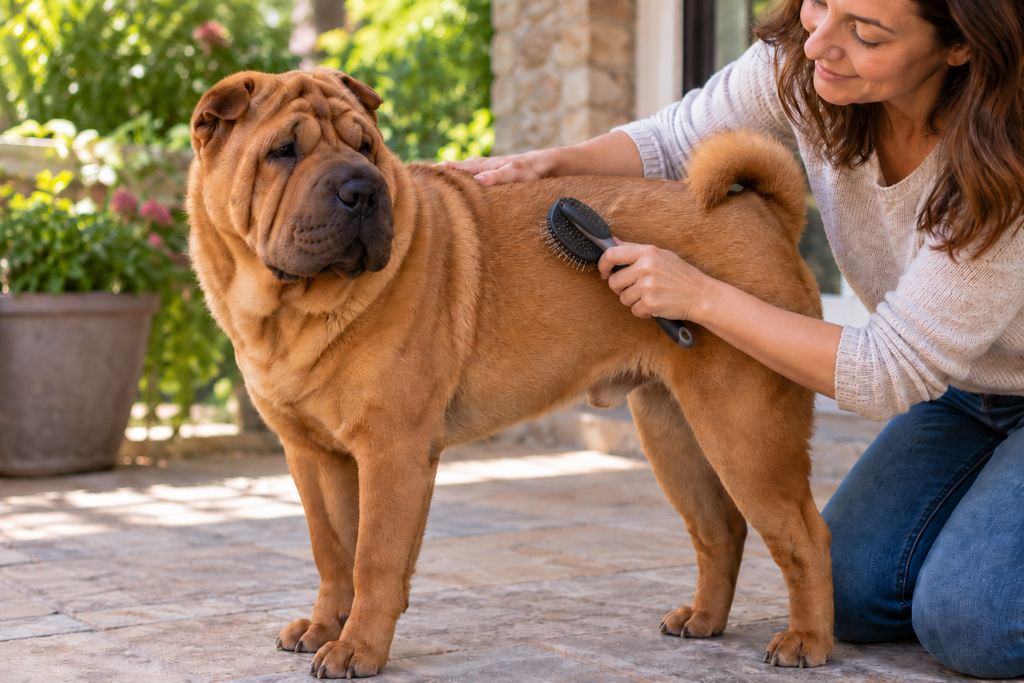
Cost of Owning a Chinese Shar-Pei
Owning a Chinese Shar-Pei can involve higher-than-average expenses compared with some breeds, particularly because of their potential veterinary and skin-care needs. The purchase price or adoption fee is only the beginning. Prospective owners should also budget for food, routine veterinary care, preventive treatments, grooming supplies, training, insurance and the possibility of breed-related medical costs over the dog’s lifetime.
The initial cost of a Shar-Pei puppy varies considerably depending on breeder reputation, location, pedigree and whether the puppy is intended primarily as a companion or for showing and breeding. Puppies from reputable breeders who health-test their dogs and carefully plan litters are usually more expensive than puppies advertised through casual sellers. A higher purchase price does not guarantee perfect health, but responsible breeding can reduce the risk of avoidable problems and often includes early veterinary care, vaccinations, microchipping and ongoing breeder support.
Adopting through a rescue organization can cost considerably less upfront, although rescue dogs may arrive with medical, behavioral or training needs that require additional spending. Adoption fees often include vaccinations, desexing, microchipping and basic veterinary checks, which can make adoption good value as well as providing a home to a dog in need.
Food is a regular expense throughout the dog’s life. Shar-Pei are medium-sized dogs and generally do not eat as much as giant breeds, but choosing a good-quality complete diet still represents a meaningful ongoing cost. Dogs with suspected food sensitivities or medical conditions may require specialized or veterinary diets, which can be significantly more expensive than standard food.
Routine veterinary care should also be included in the household budget. Annual examinations, vaccinations where appropriate, parasite prevention, dental care and occasional diagnostic testing all add to the yearly cost of ownership. As a Shar-Pei gets older, more frequent examinations and blood or urine testing may be recommended to monitor changes in kidney function, joints and general health.
Breed-related health problems have the potential to create the largest unexpected expenses. Entropion may require corrective eyelid surgery, while recurrent skin or ear problems can involve repeated consultations, medications and diagnostic testing. Shar-Pei fever and associated kidney complications may require ongoing monitoring and treatment. Even a well-bred dog can develop health problems, so owners should be financially prepared for more than routine vaccinations and checkups.
Pet insurance can help manage some of these risks, but policies should be examined carefully before a problem develops. Pre-existing conditions are generally excluded, and coverage for hereditary or breed-specific conditions varies between providers. Purchasing insurance while the dog is young and healthy may provide broader protection than waiting until medical problems appear. Owners who choose not to insure should consider maintaining a dedicated emergency fund instead.
Grooming costs are usually moderate because Shar-Pei do not require professional clipping or elaborate coat maintenance. Most grooming can be performed at home with a suitable brush, nail clippers, dog shampoo, ear-care products and basic dental supplies. However, dogs prone to recurrent skin or ear problems may require veterinary shampoos, prescription treatments or more frequent professional attention.
Training is another worthwhile expense, particularly during puppyhood. A good puppy class or reward-based training course can help establish manners, improve socialization and teach owners how to work effectively with the breed’s independent personality. Private training may cost more but can be valuable if behavioral issues such as reactivity, guarding or difficult leash behavior develop.
Everyday equipment should also be considered. A secure harness and leash, comfortable bed, food and water bowls, crate or travel restraint, identification tags, toys and enrichment items all contribute to the initial setup cost. Some items need replacing periodically as they wear out or as a puppy grows.
Boarding, pet sitting or dog-walking services can become another significant expense for owners who travel or work long hours. Shar-Pei often bond strongly with their household and may prefer familiar routines, so finding a reliable caregiver who understands the breed can be particularly important.
Costs also tend to increase with age. Senior dogs may need medications, therapeutic diets, mobility support, dental procedures or more frequent veterinary monitoring. Planning for these expenses while the dog is still young can reduce difficult financial decisions later.
The true cost of a Chinese Shar-Pei therefore extends well beyond the initial purchase price. For an owner who budgets realistically, the expenses are manageable, but this is not an ideal breed for someone hoping to keep veterinary and maintenance costs to an absolute minimum. Financial preparation allows owners to make decisions based on what their dog needs rather than what can be afforded at short notice, which is an important part of responsible Shar-Pei ownership.
Budget Beyond the Purchase Price
The cost of owning a Chinese Shar-Pei includes far more than food and routine vaccinations. Skin and ear treatment, eye surgery, diagnostic testing and other breed-related veterinary care can become significant expenses, especially as the dog ages. Pet insurance may help with eligible future conditions, while owners who prefer not to insure should consider maintaining a dedicated emergency fund. It is also worth budgeting for training, quality food, grooming supplies, parasite prevention, replacement equipment and occasional boarding or pet care. Thinking about the full lifetime cost before bringing a Shar-Pei home can make ownership much more manageable and reduce the risk of financial pressure when unexpected veterinary needs arise.
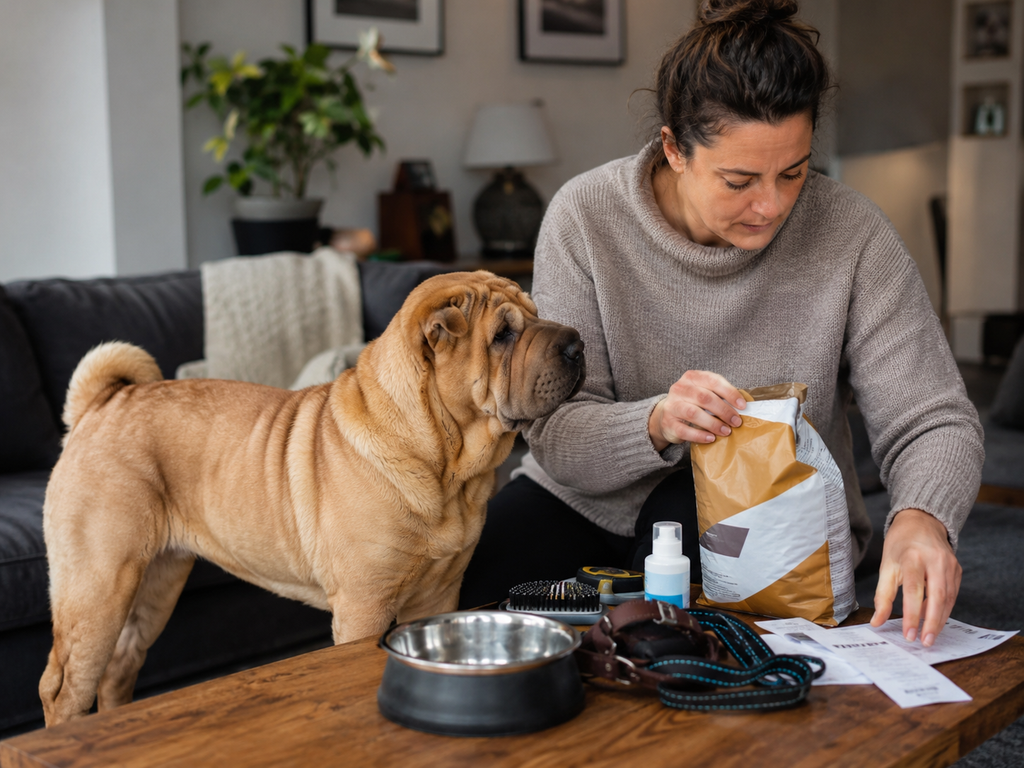
Choosing a Chinese Shar-Pei Puppy or Rescue
Choosing a Chinese Shar-Pei should begin with health, temperament and suitability for your household rather than appearance alone. Whether you are looking for a puppy from a breeder or considering an adult Shar-Pei through rescue, this is a breed where careful selection can make a major difference to the experience of ownership. Their distinctive wrinkles and serious expression may attract attention, but the most important qualities are sound health, stable temperament and a dog whose needs match your lifestyle.
If you are buying a puppy, the breeder is one of the most important parts of the decision. A responsible breeder should be willing to discuss the health and temperament of both parents, explain why the litter was planned and provide honest information about problems that have occurred in the bloodline. Shar-Pei can be affected by eye disease, recurring skin problems, Shar-Pei fever, kidney disease and orthopedic conditions, so vague assurances that a line is completely problem-free should be treated cautiously.
Ask what health screening has been carried out on the parents and whether close relatives have experienced entropion, recurrent fever, amyloidosis, severe allergies or chronic kidney problems. No breeder can guarantee that a puppy will never develop disease, but good breeding decisions can reduce unnecessary risk. A breeder who understands the breed should also be comfortable discussing the possibility of future health costs rather than presenting the Shar-Pei as an effortless dog to own.
When meeting a litter, look beyond the puppy with the deepest wrinkles or the most unusual color. A healthy puppy should have clear, comfortable eyes, clean skin, steady movement and an alert, curious attitude. Shar-Pei puppies are naturally wrinkled, but excessive folding around the face should not interfere with vision or cause obvious irritation. Puppies that are persistently lethargic, heavily scratching, coughing, showing nasal or eye discharge or moving abnormally deserve closer attention.
Temperament matters just as much as physical health. Shar-Pei are naturally independent and can be reserved with strangers, but a puppy should still show curiosity and the ability to recover from mild surprises. The boldest puppy in the litter is not always the best choice, particularly for a quieter household. Likewise, choosing the most timid puppy purely out of sympathy can lead to challenges if the dog struggles with confidence later.
A good breeder will have observed the puppies every day and should be able to describe their individual personalities. They may suggest that a calmer puppy is better suited to a family with children, while a more confident individual might suit an experienced owner looking for a more active companion. Matching temperament to the home is often more important than allowing buyers to simply point to the puppy they like most.
Early socialization is another important consideration. Puppies should have experienced gentle handling, household sounds, different surfaces and normal human activity before leaving the breeder. This does not need to involve overwhelming exposure, but puppies raised entirely in isolation may find the transition to family life more difficult.
Rescue can be an excellent alternative, especially for owners who prefer to avoid the intensity of puppyhood. Adult Shar-Pei may come into rescue because of changes in an owner’s circumstances rather than because there is anything wrong with the dog. In many cases, an adult dog’s temperament is easier to assess because personality, energy level and social preferences are already more established.
A reputable rescue organization should provide as much information as possible about the dog’s behavior, health and history. Ask whether the Shar-Pei has lived with children, other dogs or cats, how it behaves when left alone and whether there are any known medical or behavioral issues. Foster-based rescues can be particularly useful because the dog has often been observed in a normal household rather than only in a kennel environment.
Some rescued Shar-Pei may require patience while they settle. A dog that has experienced multiple homes, limited socialization or inconsistent training may initially be cautious or unsettled. This does not necessarily mean the dog will remain difficult. A quiet routine, predictable boundaries and gradual introduction to the new environment can help many adult dogs relax and form strong bonds with their new family.
Health should also be considered carefully with a rescue dog. Ask about previous veterinary treatment, medications, skin or ear problems, eye surgery and any history of unexplained fever or kidney concerns. Adult dogs may already have established medical conditions, but knowing about them before adoption allows prospective owners to make an informed decision and budget realistically.
Whether choosing a puppy or a rescue, avoid making the decision on impulse. Shar-Pei can be devoted, calm and deeply loyal companions, but they are not the right fit for every household. Their independent temperament, possible selectivity with other dogs and breed-specific health risks require an owner who is prepared to provide consistent care and make thoughtful decisions.
The best Shar-Pei is not necessarily the youngest, most heavily wrinkled or most visually striking dog available. It is the individual whose temperament, health needs and personality fit naturally with the household that will care for it for the rest of its life.
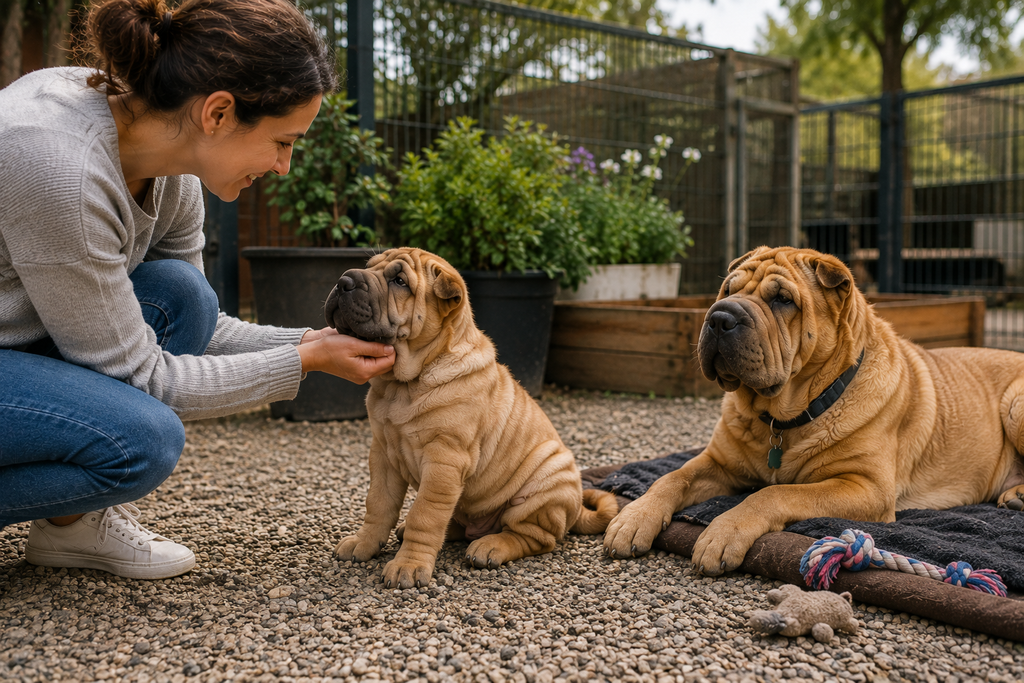
A Good Match Requires Realistic Expectations
The Chinese Shar-Pei is best suited to owners who appreciate an independent, loyal and sometimes reserved companion. They need consistent training, thoughtful socialization, moderate exercise and regular attention to skin, eyes, ears and overall health. Their potential veterinary costs and selective nature should be considered carefully. For the right household, however, a well-raised Shar-Pei can be calm, devoted and deeply rewarding.
Is a Chinese Shar-Pei Right for You?
The Chinese Shar-Pei can be a deeply loyal, calm and rewarding companion, but it is not a breed that suits every household. Their independent temperament, reserved nature and potential health needs mean prospective owners should think carefully about whether the breed fits their lifestyle, experience and expectations. A Shar-Pei can thrive with the right person, but they generally do best with owners who appreciate a dog with a strong personality rather than expecting constant eagerness to please.
One of the breed’s greatest strengths is its devotion to family. Shar-Pei often form strong bonds with the people they trust and can be quietly affectionate without being overly demanding. Many are content to spend time near their owners, join in with daily routines and relax at home once their exercise needs have been met. They can suit households that prefer a calmer dog rather than a highly energetic breed that requires hours of activity every day.
That independence, however, is important to understand. Shar-Pei are intelligent and capable, but they are not always naturally obedient in the way some working breeds are. Training requires patience, consistency and a willingness to build cooperation rather than rely on repetition or force. Owners who become frustrated by a dog that occasionally thinks for itself may find the breed challenging.
Socialization also matters. Many Shar-Pei are naturally reserved around unfamiliar people and may be selective with other dogs. Early, positive experiences can help them become calm and manageable in different environments, but not every Shar-Pei will grow into a highly social dog that enjoys greeting strangers or playing with every dog it meets. Owners should be comfortable accepting a dog that may prefer familiar people and carefully managed interactions.
Families with children can live successfully with a Shar-Pei, particularly when the dog has been raised around respectful children and both sides understand boundaries. Their calm nature can be an advantage, but supervision is still important. The breed may not tolerate rough handling or chaotic behavior as readily as more easygoing breeds, so children should be taught to respect the dog’s space, especially while it is eating, sleeping or resting.
Other pets require similar thought. Some Shar-Pei live very happily with other dogs and cats, while others are more selective. Individual temperament, early socialization and careful introductions matter greatly. Owners hoping for a highly sociable multi-dog household should consider this honestly before choosing the breed.
Exercise requirements are moderate rather than extreme. Regular walks, opportunities to explore and mental enrichment are usually enough for most adults. This can make the breed suitable for owners who enjoy daily activity but do not want a marathon-running companion. Their heat sensitivity means exercise needs to be managed carefully during hot weather, and strenuous activity is rarely necessary.
Grooming is relatively straightforward in terms of the coat, but skin care requires attention. Owners need to be comfortable checking wrinkles, ears, eyes and skin regularly. This is not a breed where health maintenance can be ignored until something becomes obviously wrong. Early attention to irritation, discharge or recurring problems is a significant part of responsible ownership.
Veterinary costs are another important consideration. Shar-Pei can be affected by eye problems, skin disease, recurrent ear issues, Shar-Pei fever, amyloidosis and other breed-related conditions. Not every dog will experience serious illness, but owners should be financially prepared for the possibility of more frequent veterinary care than some other breeds require. Pet insurance or a dedicated emergency fund can be valuable.
The breed may suit people who appreciate a quieter, more dignified companion and are comfortable with a dog that is loyal without being constantly demonstrative. They often appeal to owners who enjoy strong individual character and a relationship based on trust rather than automatic obedience.
A Shar-Pei may be less suitable for first-time owners who want an extremely social, forgiving and easy-to-train dog. That does not mean a first-time owner cannot succeed, but they should be prepared to learn about early socialization, positive training and breed-specific health care before bringing one home.
Households that are away for very long periods every day should also think carefully. Although many Shar-Pei are independent, they still form close bonds with their families and need regular companionship, exercise and interaction. Independence should not be confused with being happy to live without attention.
The right owner is usually calm, consistent and realistic. They understand that the breed’s distinctive appearance comes with specific responsibilities and are willing to invest in training, socialization, veterinary care and long-term health monitoring. In return, they may gain a devoted companion with a strong sense of family and a personality unlike almost any other breed.
If you value loyalty, independence, moderate exercise needs and a calm home companion — and you are prepared for the breed’s health and training requirements — the Chinese Shar-Pei may be an excellent fit. If you want a highly social dog that loves every stranger, responds instantly to commands and requires very little health monitoring, another breed may suit you better.
A Good Match Requires Realistic Expectations
The Chinese Shar-Pei is best suited to owners who appreciate an independent, loyal and sometimes reserved companion. They need consistent training, thoughtful socialization, moderate daily exercise and regular attention to skin, eyes, ears and overall health. Their potential veterinary costs and selective nature with unfamiliar dogs or people should be considered before bringing one home. For the right household, however, a well-raised Shar-Pei can be calm, devoted and deeply rewarding. Choosing the breed should be based on temperament and lifestyle fit rather than appearance alone.
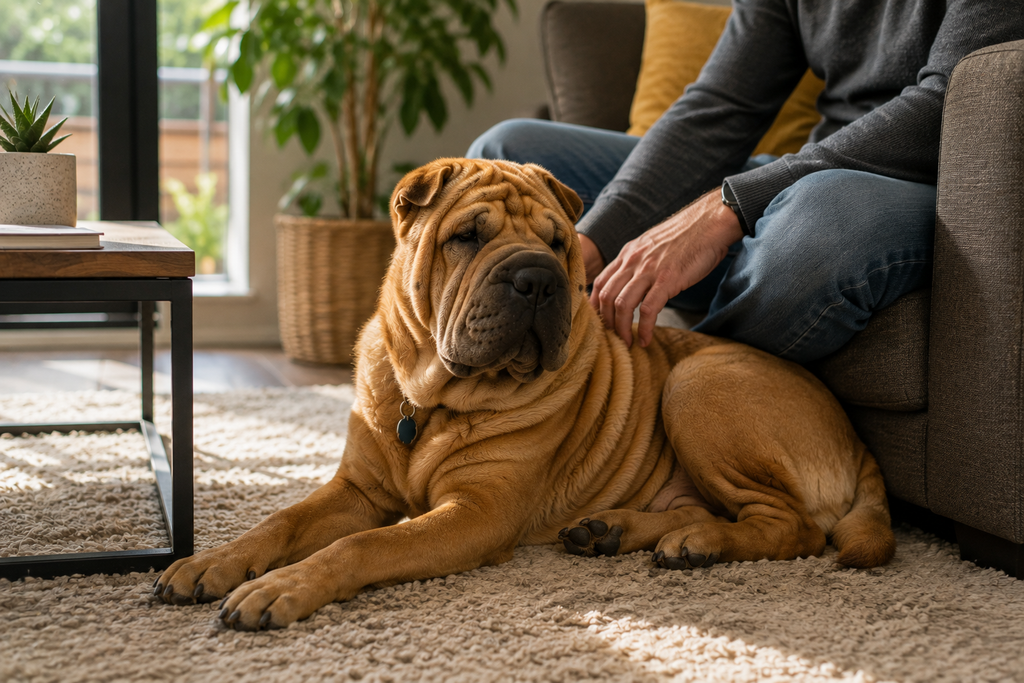
Explore More Non-Sporting Dogs
The Chinese Shar-Pei belongs to the Non-Sporting Group, a diverse collection of breeds with very different histories, temperaments and care needs. If you’re comparing breeds or simply want to learn more, explore our Non-Sporting Dogs guide to discover the other breeds that share this fascinating AKC group.
Learn More About the Chinese Shar-Pei
For official breed information, recognition details and the American Kennel Club’s overview of the Chinese Shar-Pei, visit the AKC Chinese Shar-Pei breed page. It provides an additional authoritative reference alongside the detailed ownership, health and lifestyle guidance covered here on CanineBase.