

French Bulldog
The French Bulldog is one of the most recognizable companion dogs in the world. Compact, muscular, expressive, and highly people-oriented, the breed is known for its large bat-like ears, broad head, short muzzle, and entertaining character. Affectionately known as the Frenchie, it has become especially popular with owners looking for a small dog that can adapt well to everyday family and urban life.
The French Bulldog origin can be traced to small Bulldogs in England that were later taken to France during the 19th century, where the breed developed further as a companion dog. Its history on both sides of the English Channel helped shape the affectionate, adaptable dog known today.
French Bulldog temperament is typically affectionate, playful, sociable, and strongly attached to people. Many Frenchies enjoy being involved in household life and can form very close bonds with their owners, although they may also show an independent streak during training.
Their compact build is another major part of their appeal. French Bulldog size makes the breed suitable for many smaller homes, while maintaining a healthy French Bulldog weight is particularly important because excess body fat can place additional strain on breathing, joints, and the spine.
The typical French Bulldog personality combines affection, curiosity, humor, and determination. Some are lively little entertainers, while others are happiest relaxing beside their owners, but most thrive on companionship and regular interaction.
Prospective owners should also understand the breed’s health needs. French Bulldogs can be vulnerable to breathing problems, heat intolerance, spinal disorders, skin conditions, allergies, and eye disease, so responsible breeding and informed care are especially important.
A healthy, well-bred Frenchie can be an affectionate and highly engaging companion. This guide covers the breed’s history, appearance, temperament, family life, exercise, training, grooming, French Bulldog food, health, and French Bulldog life expectancy, along with the practical realities of choosing and living with this distinctive breed.

Table of Contents
French Bulldog at a Glance
French Bulldog Fast Facts
Breed Group: Non-Sporting
Origin: France and England
Height: 11–13 inches
Weight: Under 28 pounds
Life Expectancy: 10–12 years
Size: Small
Coat: Short and smooth
Coat Care: Low to moderate
Shedding: Moderate
Exercise Needs: Moderate
Temperament: Affectionate, playful, adaptable
Primary Role: Companion dog
French Bulldog Ratings
Apartment Friendly: ★★★★★
Family Friendly: ★★★★★
Good With Children: ★★★★☆
Good With Other Dogs: ★★★★☆
First-Time Owner Friendly: ★★★★☆
Easy Grooming: ★★★★☆
Affectionate: ★★★★☆
Easy to Train: ★★★☆☆
Low Shedding: ★★★☆☆
Adaptable: ★★★☆☆
High Exercise Needs: ★★☆☆☆
Tolerates Being Alone: ★★☆☆☆
French Bulldog History and Origins
French Bulldog origin can be traced to both sides of the English Channel. Its ancestors were small Bulldogs popular in England during the 19th century, particularly among lace workers in Nottingham. These compact companion dogs were smaller than the Bulldogs used for sporting purposes in earlier centuries and became valued as affectionate household companions.
During the Industrial Revolution, changes in manufacturing displaced many traditional lace workers. Some moved from England to northern France in search of work, taking their small Bulldogs with them. The dogs quickly attracted attention in their new home, where their manageable size, distinctive appearance, and engaging personalities made them increasingly popular.
In France, these small Bulldogs were bred with an emphasis on companionship and gradually developed into a recognizable type. Their upright “bat ears” became one of their defining characteristics, although early dogs displayed greater variation in ear shape than the modern breed. By the late 19th century, the dogs were increasingly known as Bouledogues Français — French Bulldogs.
Their popularity spread through different levels of French society. Frenchies could be found alongside working people and shopkeepers but also became fashionable among artists, entertainers, wealthy households, and members of Parisian society. Their compact size made them particularly well suited to city life, while their expressive appearance helped establish the charismatic image that still surrounds the breed today.
American dog enthusiasts also played an important role in shaping the modern French Bulldog. When the breed began appearing at dog shows in the United States around the turn of the 20th century, American breeders strongly favored the upright bat ear rather than the folded “rose ear” seen in some early dogs. The bat ear ultimately became an essential characteristic of the breed standard.
The American Kennel Club recognized the French Bulldog in 1898, firmly establishing the breed within the American pedigree-dog world. Over the following century, its popularity rose and fell, but the Frenchie’s fundamental role remained remarkably consistent: it was first and foremost a companion dog.
The extraordinary modern popularity of the French Bulldog represents another chapter in that history. Today, Frenchies live in everything from city apartments to suburban family homes around the world. Yet many of the qualities that attracted owners more than a century ago — compact size, affection for people, adaptability, and unmistakable character — remain at the heart of the breed.
Good to Know: Where Did French Bulldogs Come From?
French Bulldogs developed from small Bulldogs brought from England to France during the 19th century, where they became increasingly popular as companion dogs. French breeders helped develop the distinctive breed, while American enthusiasts strongly favored its characteristic upright bat ears. The AKC recognized the French Bulldog in 1898. Its history helps explain why companionship and adaptability remain central to the breed today.

French Bulldog Appearance and Size
French Bulldog size is one of the breed’s most practical advantages. Although compact enough to live comfortably in relatively small homes, a Frenchie should have a muscular, substantial build rather than appearing delicate or fine-boned. The combination of a broad chest, sturdy body, distinctive head, and large upright ears gives the breed an unmistakable appearance.
French Bulldog weight is an important part of maintaining healthy body condition. Adult French Bulldogs generally stand around 11 to 13 inches at the shoulder, with the breed standard calling for dogs to weigh no more than 28 pounds. Individual dogs vary in build, but healthy body condition is more important than trying to achieve a particular number on the scale. Excess weight can place additional strain on the joints, spine, and respiratory system, making weight management especially important for this breed.
The head is one of the Frenchie’s most recognizable features. It is broad and relatively large in proportion to the body, with prominent upright bat ears that are wide at the base and rounded at the tips. The forehead and face naturally contain wrinkles, although responsible breeding should favor functional anatomy rather than excessively exaggerated features.
French Bulldogs are brachycephalic, meaning they have a shortened skull and muzzle. The characteristic flat-faced appearance is central to the breed, but the degree of muzzle shortening can vary between individual dogs. Extremely compressed facial features can contribute to breathing difficulties, which is why appearance should never be considered separately from health and function.
The body should appear compact and muscular, with a broad chest and strong limbs. Frenchies often have a slightly higher rear than shoulders, creating a characteristic outline when viewed from the side. Their movement should still be free and comfortable, and a healthy French Bulldog should be capable of normal everyday activity without obvious respiratory distress.
The coat is short, smooth, and close to the body, making the dog’s muscular shape easy to see. French Bulldogs occur in several recognized colors and patterns, including brindle, fawn, cream, and combinations involving white. Breed standards differ between kennel organizations, and not every color marketed as “rare” or unusual is recognized.
The tail is naturally short and may be straight or screwed, but it should not require surgical docking. Skin folds can occur around the face and tail area, and these may need regular monitoring because moisture and friction can contribute to irritation or infection in some dogs.
Ultimately, a French Bulldog’s appearance should combine the breed’s characteristic features with sound physical function. Extreme characteristics may attract attention, but the healthiest Frenchie is one whose structure allows comfortable breathing, movement, vision, and everyday life.
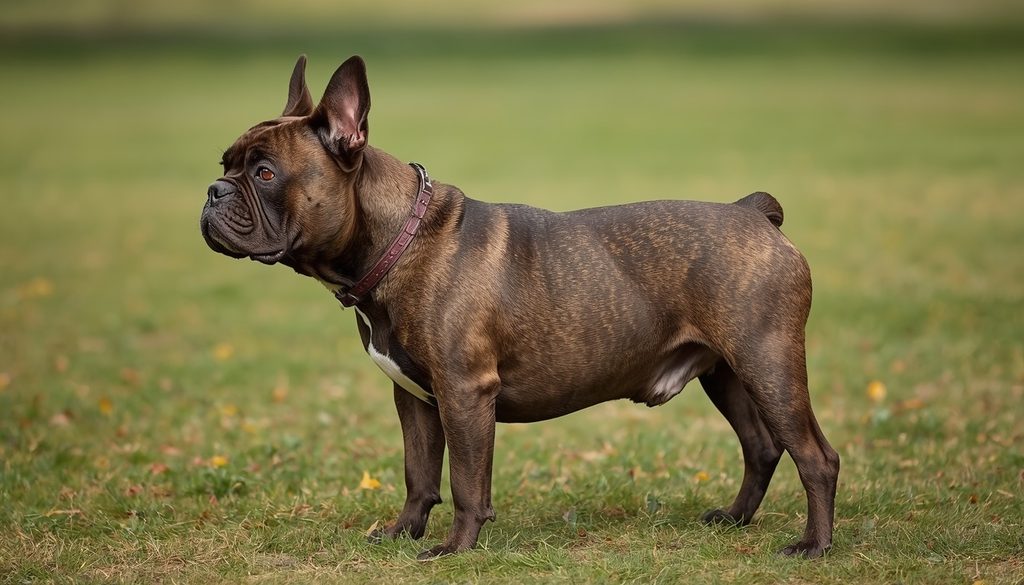
Good to Know: French Bulldog Size and Appearance
Adult French Bulldogs typically stand about 11–13 inches tall and should weigh no more than 28 pounds under the AKC breed standard. Their compact muscular build, broad head, short muzzle, and upright bat ears make the breed instantly recognizable. Maintaining a healthy weight is particularly important for Frenchies because excess weight can place additional strain on breathing, joints, and mobility.
French Bulldog Temperament and Personality
French Bulldogs are companion dogs at heart. They tend to form close relationships with their people and often prefer being involved in whatever the household is doing rather than spending long periods independently. A Frenchie may follow its owner between rooms, settle nearby while they work, or simply position itself wherever the family happens to be.
Affection is one of the breed’s defining characteristics. Many Frenchies enjoy physical contact and happily curl up beside their owners, but their personalities are rarely passive. They can be playful, curious, mischievous, and surprisingly determined when something captures their interest. Their expressive faces and sometimes comical behavior have contributed enormously to the breed’s popularity.
French Bulldogs are also known for having an independent streak. They are intelligent dogs, but intelligence doesn’t always translate into immediate obedience. A Frenchie may understand perfectly well what is being asked while appearing to consider whether cooperating is currently worthwhile. Patient, reward-based training and a good sense of humor usually achieve far more than confrontation.
French Bulldog temperament is generally confident and sociable, although individual dogs can vary considerably. Early positive experiences with different people, dogs, environments, sounds, and everyday situations can help puppies develop into adaptable adults. Genetics also play an important role, which makes stable temperament an important consideration when choosing a responsible breeder.
Despite their sturdy appearance, French Bulldogs can be emotionally sensitive. Harsh handling or punishment can damage trust and make training more difficult. Clear boundaries are still important, but they are generally best taught through consistency, positive reinforcement, and rewarding the behaviors you want to see repeated.
Frenchies can also become strongly attached to their owners. While that closeness is part of their appeal, dogs that never learn to spend time independently may struggle when left alone. Teaching a puppy gradually that short periods of separation are normal can help reduce the likelihood of excessive dependence and separation-related problems later.
French Bulldog personality can vary considerably between individuals. Some French Bulldogs are energetic little entertainers, while others are quieter and happiest snoozing beside their people. Many seem to combine both personalities — enthusiastically participating in family life before suddenly deciding that a comfortable place to sleep is the most important thing in the world.
For owners who enjoy an affectionate dog with plenty of character, the French Bulldog can be enormously rewarding. Their personality is one of the main reasons people fall in love with the breed, but beneath the humor is a social dog that thrives on companionship, appropriate training, and being genuinely included in family life.
Good to Know: French Bulldog Temperament
French Bulldogs are typically affectionate, playful, people-oriented companions that enjoy being involved in family life. They can also be independent and occasionally stubborn, making patient positive training particularly useful. Early socialization helps develop confidence around people, dogs, and new environments. Individual temperament varies, so genetics, upbringing, training, and life experiences all influence the Frenchie you eventually live with.

Living With a French Bulldog
Living with a French Bulldog usually means having a small dog that takes a surprisingly large interest in everything happening around the home. Frenchies were developed as companions, and many prefer being close to their people throughout the day. Whether you’re cooking, working, watching television, or moving from one room to another, don’t be surprised to find a Frenchie quietly appearing beside you.
Their compact size makes them adaptable to many different homes. French Bulldogs can live successfully in apartments, townhouses, or larger houses, provided their physical and social needs are met. A large backyard isn’t essential, but daily opportunities for gentle exercise, play, exploration, and mental stimulation still matter. Apartment owners also need to provide regular toilet breaks and opportunities to experience the outside world.
Frenchies often enjoy a comfortable lifestyle, but that shouldn’t be confused with needing no activity. Short walks, sniffing opportunities, games, food puzzles, and brief training sessions can help keep both body and mind engaged. Exercise needs to be adjusted for the individual dog, particularly because breathing limitations can make strenuous activity unsafe for some French Bulldogs.
Temperature management is an important part of everyday life with the breed. Frenchies can struggle to cool themselves effectively, making hot and humid weather particularly challenging. Walks may need to take place during cooler parts of the day, and dogs should always have access to shade, fresh water, and a comfortable indoor environment. They should never be pushed to continue exercising when they are showing signs of respiratory difficulty or overheating.
Stairs and jumping are worth considering too. French Bulldogs can be enthusiastic about launching themselves onto furniture or following their owners up and down stairs, but repeated high-impact activity may place unnecessary stress on their backs and joints. Sensible management around furniture, slippery floors, and frequent stair use can be worthwhile, particularly for dogs with existing mobility or spinal concerns.
Frenchies are also famous for some less glamorous household characteristics. Snoring, snorting, grunting, drooling, and flatulence can all occur, although excessive or labored breathing should never simply be dismissed as “normal for the breed.” Owners need to learn the difference between harmless Frenchie noises and signs that their dog may be struggling to breathe comfortably.
Perhaps the biggest adjustment is simply how socially involved these dogs can become. Many French Bulldogs don’t particularly want to observe family life from another room — they want to participate in it. That makes them wonderful companions for people who genuinely want a dog integrated into their daily routine, but potentially less suitable for households where the dog would routinely spend long periods alone.
A Frenchie may be small enough to fit comfortably into many lifestyles, but successful ownership still requires time, attention, sensible health management, and plenty of companionship. For the right household, their ability to turn ordinary daily life into something considerably more entertaining is a large part of their appeal.
French Bulldogs and Children
French Bulldogs can make affectionate and entertaining family companions, and many develop close relationships with children. Their relatively small size, playful personality, and strong interest in being around people can make them appealing to families who want a dog that genuinely participates in everyday home life. A well-socialized Frenchie may happily join in with games before settling down beside the family when things become quieter.
Their sturdy build can also be an advantage around children. Frenchies are small dogs, but they generally aren’t as physically delicate as many toy breeds. Even so, children should be taught to handle them gently and respectfully. Pulling ears, climbing on the dog, disturbing it while sleeping, or repeatedly picking it up can make even a tolerant dog uncomfortable.
Supervision is particularly important with younger children. Dogs and small children don’t always interpret each other’s intentions correctly, and an excited child can easily overwhelm a dog without realizing it. Adults should supervise interactions and give the Frenchie a comfortable place where it can rest without being followed or disturbed.
Children can also learn to recognize when the dog has had enough interaction. Turning the head away, moving away, licking the lips, becoming unusually still, or attempting to retreat can all indicate discomfort. Teaching children to notice and respect these signals helps create a safer relationship than expecting the dog to tolerate everything a child does.
French Bulldog puppies can be especially lively. Mouthing, jumping, chasing, and grabbing clothing are normal behaviors that require patient training rather than punishment. Families with children can involve them in simple supervised training activities, such as asking the puppy to sit before receiving a treat or helping scatter food for a sniffing game.
Care is also needed during energetic play. Frenchies may enthusiastically chase children around the yard, but prolonged running can become too demanding, particularly in warm weather or for dogs with breathing difficulties. Short periods of play followed by opportunities to cool down and rest are generally more appropriate than sustained high-intensity exercise.
The dog’s individual temperament remains important. Responsible breeding, early socialization, positive experiences, and good training all influence how comfortably a French Bulldog interacts with children. Families adopting an adult Frenchie should also learn as much as possible about the dog’s previous experiences with children.
When children are taught to respect the dog and adults provide appropriate supervision, a French Bulldog can become deeply integrated into family life. The goal isn’t simply to find a dog that is “good with kids,” but to build a relationship in which both the child and the dog learn how to feel safe and comfortable around each other.
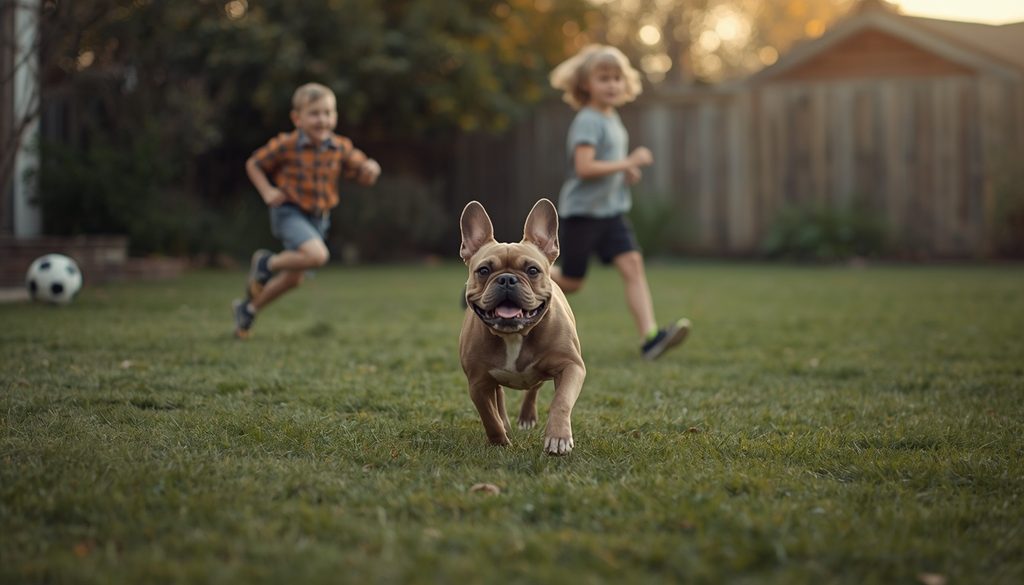
Good to Know: Are French Bulldogs Good With Kids?
French Bulldogs can be affectionate and playful companions for children, particularly when they have been well socialized from an early age. Children should learn to handle dogs gently, recognize when they need space, and avoid disturbing them while resting or eating. Adult supervision remains important, especially with younger children. Individual temperament, training, socialization, and previous experiences can all influence how a Frenchie interacts with kids.
French Bulldogs With Other Dogs and Pets
French Bulldogs can live successfully with other dogs and pets, and many enjoy having another animal in the household. Their social, playful nature can make them enthusiastic canine companions, particularly when they have been introduced to other animals positively from an early age. As with any breed, however, compatibility depends as much on the individual dog’s temperament and experiences as it does on breed tendencies.
Early socialization can make a considerable difference. Frenchie puppies benefit from controlled, positive experiences with calm and appropriate dogs rather than simply being exposed to as many dogs as possible. Good socialization teaches a puppy how to communicate, respond to boundaries, and remain comfortable around dogs of different sizes and personalities.
French Bulldogs can sometimes play with considerable enthusiasm. Their compact, muscular bodies and tendency toward physical play may be overwhelming for very small or timid dogs. Conversely, a much larger energetic dog can accidentally injure a Frenchie during rough play. Owners should watch interactions and step in before excitement becomes excessive.
Introductions between unfamiliar dogs are generally best handled calmly and without pressure. Meeting in a neutral environment, allowing the dogs space to investigate each other, and keeping initial interactions relatively brief can be more successful than immediately placing two unfamiliar dogs together in a confined home environment.
Many French Bulldogs can also live happily with cats, particularly when introduced while young or when both animals have previous experience living with the other species. A confident cat that has safe elevated places and escape routes may adapt well to an inquisitive Frenchie. Introductions should still be gradual, and the dog should not be allowed to repeatedly chase or corner the cat.
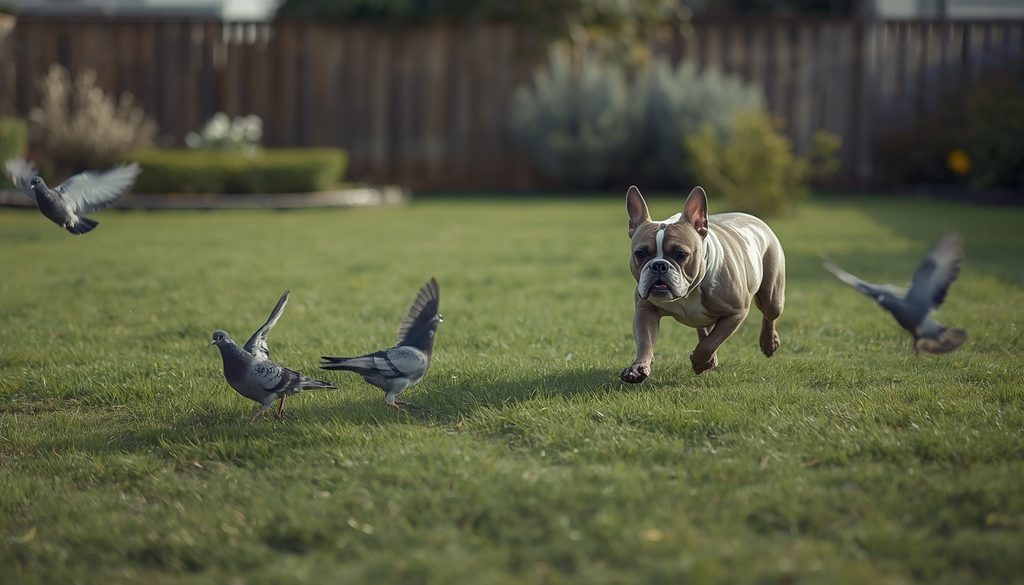
Smaller household animals require greater caution. Birds, rabbits, guinea pigs, and other small pets may trigger curiosity or chasing behavior in some dogs. Even playful behavior from a Frenchie can be frightening or dangerous to a much smaller animal, so secure housing and careful separation may be necessary.
Resource guarding can also affect multi-pet households. Food bowls, chews, toys, beds, or even access to people can occasionally create tension between dogs. Feeding separately when necessary and ensuring each animal has its own comfortable resting space can help reduce unnecessary competition.
Ultimately, a French Bulldog’s ability to live with other animals depends on temperament, socialization, training, introductions, and management. Many Frenchies become close companions with other household pets, but successful relationships should be built gradually rather than assumed simply because the breed has a reputation for being sociable.
Good to Know: Do French Bulldogs Get Along With Other Pets?
Many French Bulldogs can live happily with other dogs and cats when introductions are handled carefully and positive socialization begins early. Individual temperament still matters, and energetic Frenchie play may not suit every animal. Cats should have their own safe spaces, while smaller pets may require secure separation. Calm introductions, supervision, and respecting each animal’s boundaries can help create a more successful multi-pet household.

Exercise and Activity Needs
French Bulldogs generally have moderate exercise needs, making them considerably easier to accommodate than many high-energy working or sporting breeds. Most still enjoy getting outside, exploring their surroundings, playing games, and spending active time with their owners. Regular activity helps maintain healthy body weight, supports muscle strength, provides mental stimulation, and gives a Frenchie an opportunity to experience the world beyond the home.
Daily walks are useful, but exercise doesn’t need to involve covering enormous distances. Several shorter outings may suit a French Bulldog better than one long, strenuous walk, particularly for dogs affected by brachycephalic breathing difficulties. The appropriate amount varies according to age, health, fitness, weather, and the individual dog’s respiratory function.
Frenchies often enjoy play as much as conventional exercise. Chasing a ball, exploring the yard, playing with suitable toys, short games of tug, and supervised interaction with other dogs can all contribute to daily activity. Sniffing is valuable too. Allowing a dog time to investigate scents during a walk provides mental stimulation even when the physical distance covered is relatively modest.
Heat requires particular attention. Dogs primarily regulate body temperature through panting, and the French Bulldog’s shortened airway can make this process less efficient. Hot or humid conditions can therefore turn otherwise ordinary exercise into a serious risk. During warmer weather, activity should generally be shifted to cooler parts of the day and reduced when conditions are unsuitable.
Owners should watch the dog rather than relying solely on a predetermined exercise schedule. Excessive panting, noisy or increasingly labored breathing, slowing down, reluctance to continue, weakness, or distress are signs that activity should stop. Breathing difficulty should never be dismissed simply because respiratory noise is common within the breed.
Puppies require a different approach. Their growing bodies benefit from regular opportunities to move, explore, and play, but repetitive high-impact exercise and forced long-distance activity are unnecessary. Short periods of age-appropriate play and exploration allow puppies to develop coordination and confidence without placing excessive demands on their developing bodies.
Mental activity can be particularly useful on days when physical exercise needs to be restricted. Food puzzles, scent games, short training sessions, searching for scattered treats, and learning simple new behaviors can occupy a Frenchie without requiring strenuous exertion.
The goal isn’t to exhaust a French Bulldog. It is to provide regular, enjoyable activity that keeps the dog physically healthy and mentally engaged while respecting the limitations of the individual dog. A Frenchie that receives appropriate exercise and enrichment is often much more content to relax when the day’s activities are finished.

Good to Know: How Much Exercise Does a French Bulldog Need?
French Bulldogs generally benefit from regular moderate exercise rather than prolonged strenuous activity. Short walks, play, sniffing, and mentally stimulating games can provide useful daily activity. Exercise needs vary with age, fitness, health, and breathing ability. Hot and humid weather requires particular caution because Frenchies can struggle to cool themselves effectively. Always adjust activity to the individual dog and stop if breathing becomes difficult or distressed.
Training a French Bulldog
French Bulldogs are intelligent dogs capable of learning household manners, basic obedience, tricks, and useful everyday behaviors. They are often highly motivated by food, play, and attention, which can make training rewarding. At the same time, Frenchies have a reputation for being independently minded, and some will quickly lose enthusiasm when sessions become repetitive or unrewarding.
Positive reinforcement is generally the most effective approach. Rewarding desirable behavior with small treats, praise, toys, or access to something the dog enjoys helps make training worthwhile from the Frenchie’s perspective. Harsh corrections can create frustration or uncertainty and are unnecessary for teaching reliable behavior.
Short training sessions tend to work particularly well. Practicing for several minutes at different points throughout the day can be more productive than expecting a French Bulldog to remain focused through one long formal session. Training can also be incorporated into normal life — waiting briefly before going through a door, sitting before receiving dinner, or coming when called from another room.
House training should begin as soon as a puppy arrives home. Frequent opportunities to toilet outside, predictable routines, close supervision, and immediate rewards for eliminating in the correct place help puppies understand what is expected. Accidents should be treated as information that supervision or timing needs adjustment rather than a reason to punish the puppy.
Recall is another valuable skill. French Bulldogs should learn that returning to their owner produces something rewarding, even if they will normally be walked on a leash. Begin in low-distraction environments and gradually increase difficulty rather than expecting a young dog to ignore every interesting smell, person, or animal immediately.
Leash manners are worth establishing early as well. Although Frenchies are small, their muscular build can make persistent pulling surprisingly tiring. Comfortable equipment combined with rewarding the dog for walking near you can help develop better habits. Because of the breed’s airway structure, many owners prefer a well-fitted harness rather than placing unnecessary pressure around the neck.
Frenchies can also benefit from learning to settle calmly and spend short periods independently. Their strong attachment to people is appealing, but constantly following an owner everywhere can make separation more difficult later. Gradually teaching a puppy that resting alone is safe and normal can become an important life skill.
Training should always take physical limitations into account. Long sessions in hot weather, highly strenuous activities, or exercises that cause excessive respiratory effort are inappropriate for a dog struggling to breathe comfortably. Mental work can often tire a Frenchie without demanding intense physical exertion.
Perhaps most importantly, consistency matters. If jumping onto people is rewarded with attention one day and discouraged the next, the dog receives mixed information. Clear household rules combined with patient reinforcement make learning easier. A French Bulldog may occasionally have its own opinion about the training plan, but with the right motivation, these characterful little dogs are capable and enthusiastic learners.
Good to Know: Are French Bulldogs Easy to Train?
French Bulldogs are intelligent and can learn quickly, although their independent personality may sometimes be mistaken for stubbornness. Short, positive training sessions using food, play, or praise generally work well. Begin house training, recall, leash manners, and calm independence early, and keep household rules consistent. Training should also respect the Frenchie’s physical limitations, particularly during hot weather or activities that increase breathing effort.

Grooming and Coat Care
French Bulldogs have a short, smooth coat that is relatively easy to maintain compared with the coats of many longer-haired breeds. They don’t require professional trimming or complicated styling, but regular basic grooming remains important for keeping the skin and coat healthy and for identifying irritation or other problems before they become more serious.
Brushing once or twice a week is sufficient for many Frenchies. A soft-bristled brush, grooming mitt, or suitable rubber grooming tool can remove loose hair and distribute natural oils through the coat. French Bulldogs do shed, and some individuals may shed more heavily at particular times of year, so regular brushing can also reduce the amount of loose hair around the home.
Bathing should generally be based on the individual dog’s needs rather than a rigid schedule. A Frenchie that spends time digging, rolling, or playing outdoors may need bathing more frequently than a mostly indoor dog. Use a gentle dog-appropriate shampoo and rinse thoroughly, as residue left on sensitive skin can contribute to irritation.
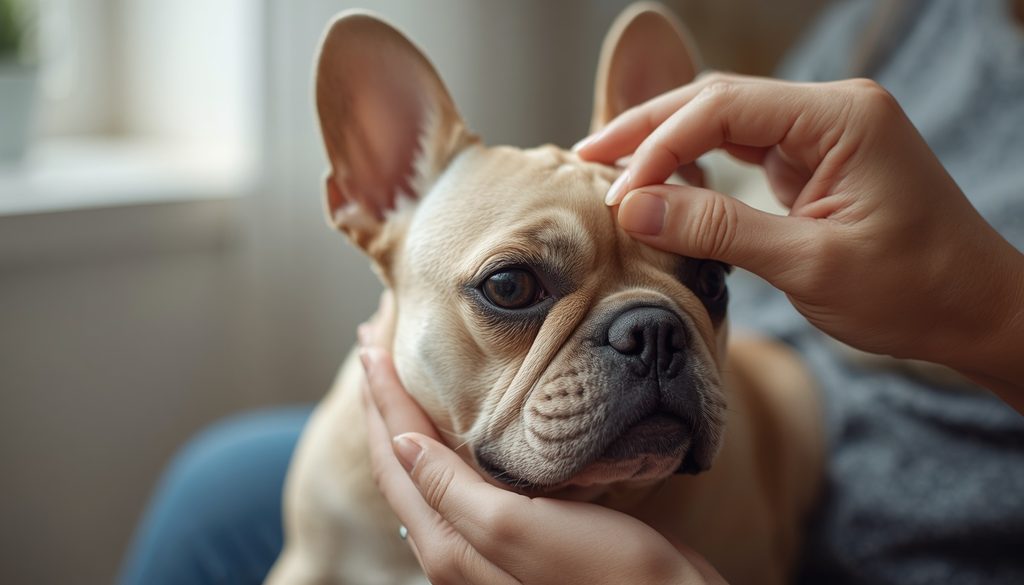
The facial folds deserve particular attention. Moisture, dirt, food particles, and normal skin oils can accumulate within wrinkles, potentially creating an environment where irritation or infection develops. Folds should be checked regularly and gently cleaned when necessary, then dried thoroughly rather than being left damp.
Ear care is also part of the routine. The Frenchie’s large upright ears make inspection relatively easy. Check for excessive wax, redness, unusual odor, discharge, or persistent scratching. Healthy ears shouldn’t require aggressive cleaning, and objects should never be pushed deep into the ear canal. Persistent changes warrant veterinary attention rather than repeated home treatment.
Nails need regular monitoring. Overgrown nails can alter the way a dog stands and walks and may eventually cause discomfort. Some Frenchies naturally wear their nails down during walks, while others require more frequent trimming or grinding. Starting nail handling during puppyhood can make the process considerably easier throughout the dog’s life.
Dental care is another easily overlooked aspect of grooming. Regular tooth brushing with dog-safe toothpaste can help reduce plaque accumulation and allows owners to notice changes in the mouth. Professional veterinary dental care may still be required during the dog’s lifetime depending on its individual dental health.
The tail area can require additional attention in some French Bulldogs. Dogs with deep skin folds around a tightly formed tail may develop irritation or infection in areas that are difficult to keep clean and dry. Owners should become familiar with their own dog’s anatomy and ask a veterinarian for guidance if the area becomes red, sore, moist, or uncomfortable.
Grooming is also an opportunity to perform a simple whole-body check. Running your hands over the dog while brushing can reveal lumps, skin changes, sore areas, damaged nails, parasites, or other abnormalities. For a breed that can experience skin problems and allergies, noticing small changes early can be particularly valuable.
With a consistent routine, French Bulldog grooming is usually manageable at home. The coat itself is uncomplicated; the greater priority is maintaining healthy skin, folds, ears, nails, teeth, and other areas where problems can develop unnoticed.

Feeding and Nutrition
Good nutrition plays an important role throughout a French Bulldog’s life. Like every dog, a Frenchie needs a complete and balanced diet appropriate for its age and individual needs, but maintaining a healthy body weight is particularly important for this compact breed. Carrying unnecessary weight can place additional strain on the joints and spine and may make breathing and heat tolerance more difficult.
The amount a French Bulldog needs to eat varies considerably between individuals. Age, body weight, activity level, metabolism, neuter status, health, and the calorie density of the food all influence appropriate portions. Feeding guides on packaging can provide a starting point, but the dog’s body condition should ultimately help determine whether portions need adjusting.
A healthy Frenchie should have a visible waist when viewed from above and an abdominal tuck when viewed from the side. The ribs should be easy to feel beneath a light covering of tissue without protruding prominently. Because French Bulldogs have naturally sturdy bodies, gradual weight gain isn’t always obvious unless owners regularly assess body condition or monitor weight.
Most adult French Bulldogs do well with their daily food divided into two meals rather than receiving the entire amount at once. Puppies generally require more frequent feeding while growing. Predictable mealtimes can also make appetite changes easier to notice and provide useful opportunities for incorporating simple training and household routines.
Food quality matters more than fashionable terminology. Whether an owner chooses commercial kibble, wet food, properly formulated fresh food, or another appropriate feeding approach, the diet should provide complete and balanced nutrition for the dog’s life stage. Homemade diets require particular care because seemingly wholesome ingredients don’t automatically provide the correct balance of essential nutrients.
Some French Bulldogs experience digestive sensitivity, excessive gas, loose stools, or food-related problems. While the breed is sometimes associated with flatulence, persistent gastrointestinal symptoms shouldn’t automatically be dismissed as normal Frenchie behavior. Diet, eating speed, food intolerance, parasites, gastrointestinal disease, and other factors can all contribute and may warrant veterinary investigation.
Skin and ear problems can also raise questions about diet. French Bulldogs are prone to allergic skin disease, but food isn’t always the cause. Environmental allergies are common, and repeatedly changing diets without identifying the underlying problem can make things more confusing. Dogs with persistent itching, recurrent ear infections, or gastrointestinal symptoms may need a structured veterinary assessment rather than trialing numerous foods at random.
Treats should be included when considering total calorie intake. Frenchies can be highly food-motivated, which is useful during training, but frequent treats can quietly add substantial calories. Using very small rewards or reserving part of the dog’s normal daily food for training can help prevent overfeeding.
Fresh drinking water should always be readily available. Particular attention is needed during warm weather and after activity because French Bulldogs can be vulnerable to overheating. Owners should also watch dogs that gulp food rapidly, as slow-feeding bowls or other suitable feeding strategies may help some individuals eat at a more controlled pace.
There is no single perfect French Bulldog food for every dog. The best feeding plan is one that provides complete nutrition, maintains a lean healthy body condition, agrees with the individual dog’s digestive system, and can be adjusted as the dog’s needs change throughout life.

Good to Know: Feeding a French Bulldog
French Bulldogs benefit from complete and balanced nutrition combined with careful portion control. Maintaining a healthy weight is particularly important because excess weight can place additional strain on breathing, joints, and the spine. Some Frenchies experience digestive or skin problems, but food isn’t always responsible. Persistent symptoms should be investigated properly rather than managed through repeated diet changes without veterinary guidance.
French Bulldog Health and Common Health Problems
French Bulldogs can be wonderful companions, but prospective owners should have a clear understanding of the breed’s health challenges. Their distinctive body shape and shortened skull are associated with several conditions that can affect breathing, movement, skin, eyes, and overall quality of life. Not every Frenchie will develop these problems, but health should be a major consideration when choosing and caring for the breed.
Brachycephalic obstructive airway syndrome (BOAS) is one of the most important concerns. The shortened skull can be accompanied by narrowed nostrils, an elongated or thickened soft palate, and other airway abnormalities that restrict airflow. Signs can include noisy breathing, excessive panting, difficulty exercising, disturbed sleep, gagging, and poor tolerance of heat. Severe breathing difficulty isn’t something owners should accept simply because a dog is a French Bulldog.
The breed can also be affected by spinal and orthopedic problems. Abnormally shaped vertebrae, intervertebral disc disease (IVDD), luxating patellas, and other musculoskeletal conditions can cause pain or impaired movement. Sudden weakness, reluctance to jump, an altered gait, or loss of coordination warrants prompt veterinary attention.
Skin disease and allergies are another common concern. Frenchies may experience itchy skin, recurrent ear problems, paw licking, hair loss, or irritation within facial and body folds. Allergies can have environmental or dietary triggers, while warm, moist skin folds can also provide conditions in which yeast or bacteria flourish.
Eye health deserves particular attention because the French Bulldog’s prominent eyes can be vulnerable to injury and disease. Problems can include corneal ulcers, dry eye, cherry eye, eyelid abnormalities, and traumatic injuries. Squinting, excessive tearing, redness, cloudiness, discharge, or suddenly keeping an eye closed should never be ignored because some eye conditions can progress quickly and potentially threaten vision.
French Bulldogs can also experience gastrointestinal problems. Regurgitation, reflux, vomiting, diarrhea, and excessive gas may occur for several reasons, and respiratory and gastrointestinal problems can sometimes interact in brachycephalic dogs. Persistent digestive symptoms deserve proper investigation rather than simply being accepted as another Frenchie quirk.
Heat intolerance is closely connected to respiratory anatomy. Dogs rely heavily on panting to dissipate heat, and restricted airways can make cooling less effective. Frenchies therefore require careful management during warm or humid weather, particularly during exercise. Overheating can become an emergency rapidly.
Responsible breeding can reduce some risks, although it cannot guarantee that a dog will remain free of disease. Prospective puppy owners should look for breeders who prioritize functional anatomy and appropriate health testing rather than exaggerated appearance, unusual colors, or extremely flat faces. Asking about the health and longevity of parents and close relatives can provide useful additional information.
Regular veterinary examinations, maintaining a lean body condition, appropriate exercise, dental care, skin and fold management, and learning what is normal for your individual dog can all contribute to better long-term health. Owners should also consider the potential financial implications of managing chronic conditions, specialist treatment, diagnostic imaging, surgery, or emergency care.
The purpose of understanding these risks isn’t to suggest that every French Bulldog will be unhealthy. It is to recognize that responsible ownership begins with acknowledging the breed’s vulnerabilities. Early recognition of problems and appropriate veterinary care can make an enormous difference to comfort and quality of life.
Good to Know: Common French Bulldog Health Problems
French Bulldogs can be predisposed to breathing problems, spinal disorders, skin and allergy conditions, eye disease, digestive issues, and heat intolerance. Not every Frenchie will develop these problems, but owners should learn to recognize changes in breathing, mobility, skin, eyes, and general behavior. Responsible breeding, healthy weight management, regular veterinary care, and early investigation of symptoms can all contribute to better long-term health.
Breathing and Heat Sensitivity
Breathing and temperature regulation require particular attention in French Bulldogs. As a brachycephalic breed, the Frenchie’s shortened skull can be associated with anatomical changes that restrict airflow through the upper respiratory system. The severity varies considerably between dogs, but owners should never assume that struggling to breathe is simply normal for the breed.
Brachycephalic obstructive airway syndrome, commonly known as BOAS, can involve several abnormalities. Narrow nostrils may restrict the amount of air entering the nose, while changes involving the soft palate and other structures within the airway can further obstruct breathing. Some affected dogs compensate reasonably well during quiet activity but struggle significantly when exercising, excited, stressed, or exposed to heat.
Snorting and snoring are often associated with French Bulldogs, but the presence of respiratory noise doesn’t automatically make it harmless. Particularly loud breathing, persistent open-mouth breathing at rest, gagging, disrupted sleep, difficulty recovering after activity, or obvious effort when breathing can indicate that veterinary assessment is needed.
Heat adds another challenge because dogs rely heavily on panting to regulate body temperature. Air moving across moist surfaces within the respiratory tract helps dissipate heat, but restricted airflow can make that cooling process less efficient. A Frenchie can therefore overheat more quickly than many longer-muzzled breeds, particularly when humidity is high.
Exercise should be planned around the weather rather than simply around the owner’s schedule. During warm conditions, early-morning or later-evening walks may be more appropriate, while very hot or humid days may require outdoor activity to be substantially reduced. Indoor enrichment, scent games, food puzzles, and short training sessions can provide stimulation when strenuous outdoor exercise isn’t appropriate.
Owners should also provide unrestricted access to fresh water and a cool place to rest. Shade is useful outdoors, but shade alone may not be sufficient during extreme heat. Cars, enclosed outdoor spaces, and poorly ventilated rooms can become dangerous rapidly and should never be considered safe simply because the dog isn’t in direct sunlight.
Recognizing signs of overheating is particularly important. Excessive or increasingly distressed panting, heavy drooling, weakness, confusion, vomiting, collapse, or changes in gum color can indicate a serious emergency. A dog showing signs of heatstroke or severe breathing difficulty requires urgent veterinary attention.
Body condition matters too. Excess body fat can increase the physical effort required for breathing and make heat regulation more difficult. Keeping a French Bulldog lean and appropriately conditioned is therefore about much more than appearance — it can directly affect comfort and physical function.
Some dogs with significant airway obstruction may benefit from veterinary treatment, including surgery intended to improve airflow. Decisions depend on the individual dog’s anatomy and symptoms, which is why persistent breathing difficulties deserve proper assessment rather than being accepted as an unavoidable feature of Frenchie ownership.
French Bulldogs can still enjoy walks, play, exploration, and active family life. The key is understanding the individual dog’s limitations and adapting activity accordingly. Comfortable breathing should always take priority over keeping up with an exercise plan.

Good to Know: French Bulldogs and Hot Weather
French Bulldogs can be particularly vulnerable to overheating because their shortened airways may make both breathing and cooling less efficient. Exercise should be reduced during hot or humid weather and moved to cooler times of day when appropriate. Fresh water and a cool resting area should always be available. Distressed breathing, excessive panting, weakness, confusion, or collapse requires immediate attention and may represent a veterinary emergency.
Lifespan and Aging
French Bulldog life expectancy is typically around 10 to 12 years, although individual dogs may live shorter or considerably longer lives depending on genetics, health, body condition, veterinary care, and lifestyle. Rather than focusing solely on a number, owners should think about helping their Frenchie remain comfortable, active, and engaged throughout each stage of life.
The transition into the senior years is usually gradual. A Frenchie that once raced around the house may begin sleeping more, walking at a slower pace, or taking longer to recover after activity. These changes can be a normal part of aging, but a noticeable reduction in activity shouldn’t automatically be attributed to getting older. Pain, breathing difficulties, arthritis, spinal disease, or other medical problems can produce similar changes.
Maintaining a healthy weight becomes particularly important as activity levels decline. An older dog may require fewer calories than it did as a younger adult, while carrying excess weight can make movement and breathing more difficult. Regularly assessing body condition and adjusting portions when necessary can help reduce unnecessary strain on the body.
Mobility deserves close attention. French Bulldogs can be predisposed to spinal and orthopedic problems, and aging may make existing issues more noticeable. Difficulty getting up, reluctance to use stairs, hesitation before jumping, stiffness after sleeping, or changes in gait should be discussed with a veterinarian rather than simply accepted as inevitable.
The home environment can also be adapted as needs change. Rugs or runners can provide traction on slippery floors, comfortable supportive bedding can make resting easier, and ramps may reduce the need to repeatedly jump onto furniture. Small practical changes can help an older Frenchie remain independent without unnecessarily stressing its joints or spine.
Dental health, skin care, eyesight, hearing, and nail maintenance remain important throughout the senior years. Owners may notice cloudiness in the eyes, reduced response to sounds, changes in sleep patterns, or alterations in behavior. Some changes are associated with normal aging, while others can indicate treatable medical conditions.
Regular veterinary examinations become increasingly valuable as a dog grows older. Routine assessment may identify changes in weight, heart and respiratory function, mobility, dental health, or other areas before obvious symptoms develop. A veterinarian may recommend additional screening based on the dog’s age and medical history.
Mental wellbeing matters just as much as physical health. Senior Frenchies can continue enjoying sniffing walks, gentle play, food puzzles, training games, outings, and time with their families. Activities may need to become shorter or less physically demanding, but older dogs still benefit enormously from curiosity, interaction, and predictable routines.
Growing older doesn’t mean a French Bulldog should simply stop participating in life. With thoughtful adjustments and attention to emerging health needs, the senior years can remain filled with comfort, companionship, gentle activity, and plenty of unmistakable Frenchie character.
Good to Know: How Long Do French Bulldogs Live?
French Bulldogs typically have a life expectancy of around 10–12 years, although longevity varies between individual dogs. Maintaining a healthy weight, providing appropriate exercise, monitoring breathing and mobility, and keeping up with veterinary care can support quality of life as a Frenchie ages. Changes in movement, behavior, appetite, breathing, eyesight, or hearing shouldn’t automatically be dismissed as simply getting older.

Choosing a French Bulldog Puppy or Rescue
Bringing home a French Bulldog is a significant commitment, and choosing where that dog comes from deserves just as much consideration as deciding that the breed is right for you. Frenchies are extremely popular, and high demand has unfortunately encouraged breeding that sometimes prioritizes appearance, unusual colors, or puppy sales over health, temperament, and physical function.
If you’re buying a puppy, look for a breeder who is willing to discuss health openly. Responsible breeders should be interested in producing dogs that can breathe, move, see, and live comfortably rather than exaggerating the physical characteristics associated with the breed. Extremely flat faces, heavily exaggerated wrinkles, or other features marketed primarily because they look unusual should never be valued above functional anatomy.
Ask about appropriate health testing performed on the parents and request documentation rather than relying solely on verbal reassurance. A good breeder should also be willing to discuss health problems that have occurred within their bloodlines, the longevity of related dogs, and the temperament of the puppy’s parents and close relatives.
Meeting the mother whenever possible can provide useful information. She should appear comfortable around people, be in appropriate body condition, and show no obvious signs of severe respiratory difficulty. Observe how she moves and breathes rather than focusing only on appearance. Puppies should be raised in a clean, stimulating environment and have opportunities for appropriate early socialization.
Be cautious of sellers who always have puppies available, offer numerous breeds, refuse to show where puppies are raised, pressure you to make an immediate payment, or seem more interested in unusual coat colors than health. Online advertisements and attractive photographs reveal very little about the conditions in which a puppy was bred or raised.
A responsible breeder is also likely to ask you questions. They may want to understand your home, lifestyle, previous dog experience, working hours, and expectations for the puppy. This isn’t an inconvenience; it suggests the breeder cares about where their dogs will live after leaving them.
Rescue is another route to French Bulldog ownership. Breed-specific rescues and general shelters sometimes care for Frenchies needing new homes because of family changes, behavioral difficulties, medical needs, or owners who underestimated the responsibilities involved. Adult rescue dogs can offer the advantage of a more established temperament, although their history may not always be completely known.
Before adopting, ask what is known about the dog’s health, behavior, ability to live with children or other pets, response to being left alone, and previous veterinary treatment. Some rescued French Bulldogs may require significant ongoing medical care, so understanding those needs beforehand is important.
Whether choosing a puppy or adopting an adult, avoid making the decision based solely on appearance or emotion. Take time to understand the individual dog, ask questions, review available health information, and consider whether you can realistically meet its needs for the rest of its life.
A French Bulldog may be with you for a decade or longer. Choosing carefully at the beginning can influence both your experience of ownership and your dog’s health and quality of life for many years to come.

Good to Know: Choosing a French Bulldog
When choosing a French Bulldog puppy, prioritize health, temperament, and functional anatomy over unusual colors or exaggerated physical features. Ask breeders about health testing, breathing, mobility, temperament, and the health history of related dogs. Rescue can also provide a wonderful route to Frenchie ownership. Whether buying or adopting, take time to understand the individual dog’s health and needs before making a long-term commitment.
Is a French Bulldog Right for You?
The French Bulldog can be an enormously rewarding companion, but popularity alone isn’t a good reason to choose one. Behind the unmistakable ears and entertaining personality is a breed with specific social, physical, and health needs. The right owner should be attracted not only to the way a Frenchie looks, but also to the realities of caring for one throughout its life.
Frenchies tend to suit people who genuinely want their dog involved in everyday life. They are typically affectionate, sociable companions that enjoy being close to their owners and participating in household routines. For someone looking for a relatively small dog with a substantial personality, the breed has considerable appeal.
Their compact size can make them suitable for apartments and smaller homes, and they don’t generally require the extensive exercise associated with high-energy working or sporting breeds. That doesn’t mean they are maintenance-free. French Bulldogs still need daily activity, mental stimulation, training, social interaction, and opportunities to explore beyond the home.
Prospective owners should be particularly comfortable with the breed’s health considerations. Breathing difficulties, heat intolerance, skin and allergy problems, spinal disorders, and eye conditions can occur, and veterinary treatment may sometimes be extensive or expensive. The possibility of ongoing healthcare should be considered before bringing a Frenchie home rather than after problems arise.
Climate and lifestyle matter too. Someone who wants a dog for long-distance running, strenuous hiking, or extended outdoor activity in hot weather would generally be better matched with another breed. Frenchies are far more suited to moderate activity combined with plenty of companionship and opportunities to relax.
Time at home is another consideration. Many French Bulldogs become strongly attached to their people and may not thrive when routinely left alone for very long periods. Independence can be taught gradually, but prospective owners should still consider realistically how the dog will fit around work, travel, and other commitments.
Grooming is relatively straightforward, although skin folds, ears, nails, teeth, and general skin health require regular attention. Maintaining a lean body condition and carefully managing exercise during warm weather also become normal parts of responsible Frenchie ownership.
Families with children or other pets can certainly enjoy life with a French Bulldog, provided introductions, supervision, socialization, and training are handled appropriately. As with every breed, individual temperament matters, and no breed label guarantees how a particular dog will behave.
Perhaps the most important question isn’t simply “Do I want a French Bulldog?” but “Can I provide what a French Bulldog needs?” Consider the financial commitment, potential veterinary costs, time at home, climate, exercise expectations, and the responsibility of caring for a dog that may live with you for a decade or more.
For the right person, the answer may be an enthusiastic yes. A healthy, well-socialized and appropriately cared-for Frenchie can bring affection, humor, companionship, and an extraordinary amount of character into a relatively small package. Choosing the breed with a clear understanding of both its pleasures and its challenges gives that relationship the strongest possible beginning.

The French Bulldog may be small, but it brings a huge amount of personality into everyday life. Affectionate, adaptable, playful, and strongly people-oriented, the breed can be a wonderful companion for owners who understand its health risks, exercise limits, grooming needs, and need for close involvement with family life. For the right household, a Frenchie can be an entertaining, loyal, and deeply rewarding dog.
Explore More Non-Sporting Dogs
Discover more breeds in the Non-Sporting Group, including their temperament, health, training needs, grooming, and everyday care.
Trusted French Bulldog Information
French Bulldogs are distinctive companion dogs with specific considerations around temperament, exercise, grooming and health. For an overview of the breed standard, characteristics and history, visit the American Kennel Club French Bulldog guide .