

Herding Dogs
Herding dogs were developed to control and move livestock, often working closely with people while also making fast decisions of their own. That history produced breeds known for intelligence, responsiveness, stamina, awareness, and a strong desire to engage with both their handler and their surroundings. If you are wondering what is a herding dog, the simplest answer is a dog developed to help control the movement of livestock while working closely with people.
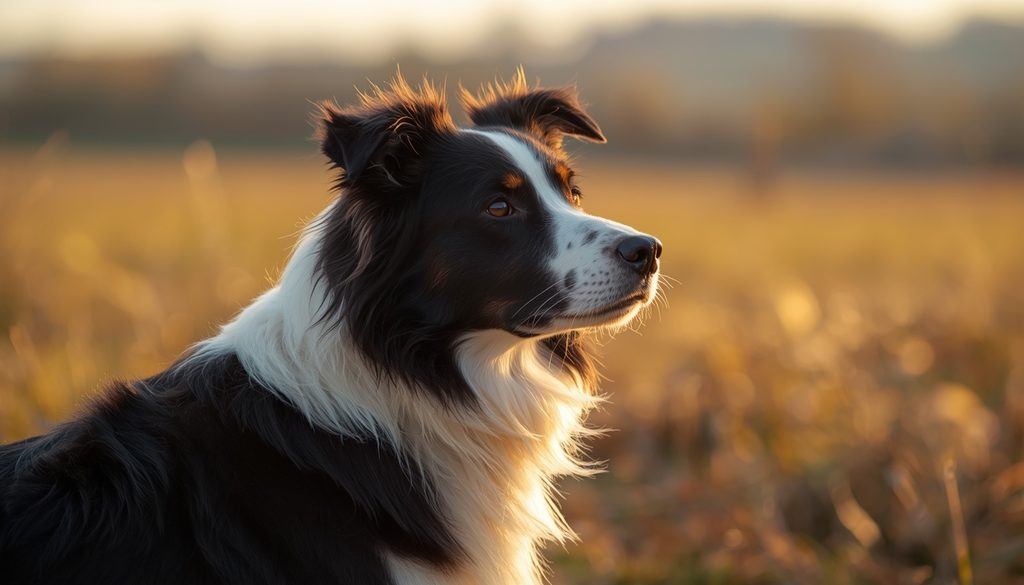
For generations, these dogs needed to read both livestock and human direction at the same time. A good herding dog had to notice subtle movement, respond quickly to commands, maintain concentration in busy environments, and adjust its approach when animals changed direction. In many breeds, that combination of sensitivity, persistence, and problem-solving ability remains obvious even when the dog has never worked livestock.
The herding dog breeds vary considerably in size and appearance. The group includes compact dogs such as the Pembroke Welsh Corgi, athletic medium-sized breeds such as the Border Collie and Australian Shepherd, and larger dogs including the German Shepherd Dog and Beauceron. Coat type, build, and working style can differ just as much as size. Some are light, agile and quick on their feet, while others are more powerful, steady, and physically imposing.
The types of herding dogs also reflect different traditional jobs. Some were developed to gather livestock and bring animals toward the handler, while others drove stock forward, controlled boundaries, or worked close to cattle and other stubborn livestock. These different roles required slightly different combinations of speed, confidence, independence, agility, and responsiveness. A Border Collie may work with intense visual focus and precise movement, while a Corgi traditionally relied on quick footwork and confidence around cattle.
Many of those instincts remain easy to recognize in modern companion dogs. Herding breeds are often highly observant and quick to react to movement. Some may naturally circle, stare, chase, follow closely, or attempt to control the movement of people, children, other dogs, or animals. This behavior can be fascinating, but it also means owners need to provide appropriate outlets rather than simply expecting those instincts to disappear. In the wrong setting, natural herding behavior can become frustrating for both dog and owner if it is misunderstood or left unmanaged.
Intelligence is another defining feature of the group. Many herding breeds learn quickly and enjoy training, problem-solving, interactive games, and structured activity. That same intelligence can become challenging when a dog is under-stimulated, inconsistent routines are allowed to develop, or unwanted behaviors are repeatedly practiced. A clever dog with too little to do can become inventive in ways that are not always convenient, which is why mental exercise matters just as much as physical activity.
Most herding breeds also benefit from having a sense of purpose. That does not mean they need access to livestock, but they often thrive when given regular training goals, scent work, obedience exercises, agility, retrieving games, controlled running, or other activities that ask them to think and respond. Many are at their best when life includes both physical movement and regular interaction with their owner.
Their strong awareness of the environment can also make some herding dogs sensitive to noise, movement, unfamiliar people, or sudden changes around the home. Early socialization, calm exposure to different situations, and consistent training can help them develop confidence without dulling the alertness and responsiveness that make these breeds so distinctive.
Herding breeds can make outstanding companions for people who enjoy active involvement with their dog. They are often deeply loyal, highly trainable, and rewarding to live with, but they tend to do best in homes that understand their need for activity, mental engagement, structure, and meaningful interaction. Explore the breeds below to compare size, temperament, exercise needs, training, grooming, health, and suitability for different homes and lifestyles.
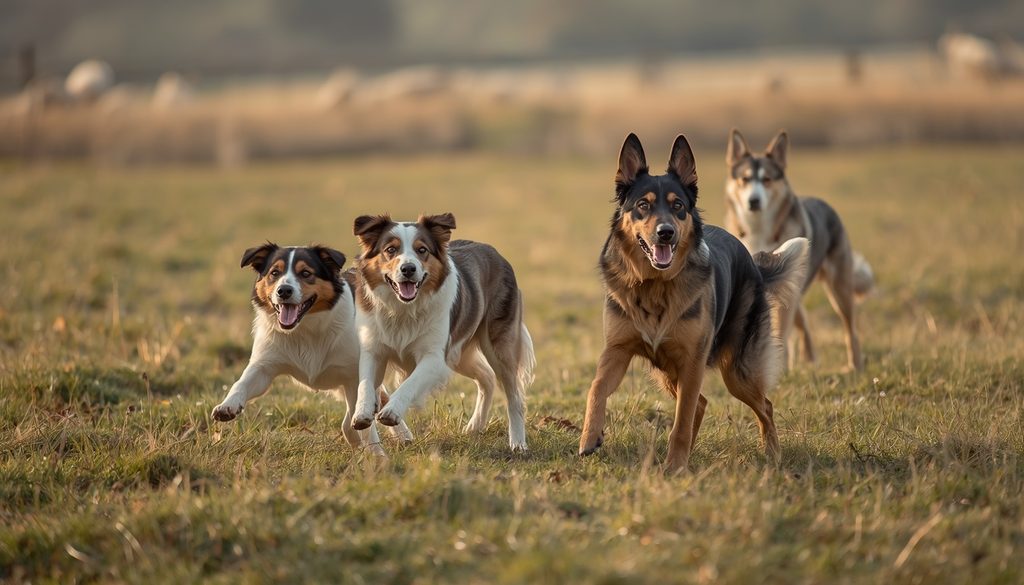
Table of Contents
Herding Dogs: Fast Facts
Breed Group: Herding
Main Types: Gathering, Driving & Tending Dogs
Size Range: Small to Large
Weight Range: Roughly 20–100+ lb
Height Range: Roughly 10–27+ in
Typical Lifespan: About 10–15+ years
Coat Types: Short, Medium, Long & Double
Shedding: Low to Heavy
Exercise Needs: Moderate to Very High
Training Difficulty: Moderate
Original Purpose: Moving & Controlling Livestock
Best Known For: Intelligence, Responsiveness & Herding Instinct
Herding Dogs: Star Ratings
Family Friendly: ★★★★☆
Child Friendly: ★★★★☆
Dog Friendly: ★★★★☆
Other Pet Friendly: ★★★☆☆
Trainability: ★★★★★
Exercise Needs: ★★★★★
Grooming Needs: ★★★☆☆
Shedding Level: ★★★★☆
Vocal Tendency: ★★★☆☆
Prey Drive: ★★★☆☆
Apartment Suitability: ★★★☆☆
First-Time Owner Suitability: ★★★☆☆
These facts and ratings represent broad tendencies across the Herding Group. Individual breeds can vary considerably in size, temperament, exercise needs, grooming requirements, working drive and behavior.
Discover Herding Dogs
The Herding Group includes some of the most capable, recognizable, and highly trainable dogs in the world. These breeds were developed to help people manage livestock, but that simple description covers an enormous range of working styles. Some dogs gathered sheep from wide open country, others drove cattle forward over long distances, and still others patrolled flock boundaries, kept animals away from crops, or worked closely with farmers moving livestock through narrow roads, yards, and gateways.
That variety is one of the most important things to understand when exploring the types of herding dogs. The group is not made up of dogs that all work in the same way or share the same physical build. Instead, each breed reflects the livestock, climate, terrain, and farming traditions of the region in which it developed.
The Border Collie is perhaps the most familiar example of a gathering dog, using positioning, speed, and intense concentration to influence sheep and bring them toward the handler. Australian Cattle Dogs, by contrast, were developed to move tough cattle across demanding landscapes, requiring greater physical toughness and a willingness to work close to the heels of livestock. Tending breeds such as the German Shepherd Dog historically controlled flock boundaries and kept sheep within designated grazing areas, while other breeds combined several roles depending on what farmers needed from them. These different types of herding dogs developed around the specific livestock, terrain, and working demands of their regions.
The list of herding dog breeds therefore includes remarkable physical variety. Compact breeds such as the Pembroke Welsh Corgi and Cardigan Welsh Corgi worked effectively with livestock despite their short stature, while medium-sized breeds such as the Australian Shepherd and Border Collie combine speed, endurance, and agility. Larger breeds including the Beauceron, Belgian Sheepdog, and German Shepherd Dog bring greater height, strength, and physical presence to the group.
There are genuine small herding dogs, powerful medium-sized workers, and large breed herding dogs, so size alone tells you very little about working ability. Many smaller breeds were developed specifically to remain quick and agile while avoiding the reach of livestock hooves. Larger breeds may have been expected to cover greater distances, control heavier animals, or combine herding with guarding and general farm work.
Coat type varies just as widely. Some breeds have relatively short, practical coats, while others carry long, rough, corded, or dense double coats suited to wet, cold, or exposed environments. Coat color and markings differ considerably too, including black and white, sable, merle, tricolor, blue-gray, red, and solid-colored varieties depending on the breed.
Temperament can vary significantly across the group. Many herding breeds are highly attentive and strongly connected to their handlers, but that does not mean every breed is equally easy to manage. Some are extremely sensitive and responsive, while others are more assertive, independent, territorial, or protective. A breed developed for precise sheep work may behave very differently from one expected to confront stubborn cattle or guard livestock and property.
Working drive is another major distinction. Some herding breeds retain exceptionally strong instinct even when they have never seen livestock. These dogs may stare intently, circle, stalk movement, chase, nip at heels, or attempt to control the movement of children, other dogs, bicycles, or passing vehicles. Others may show these instincts more moderately and adapt more easily to typical companion life.
The best way to compare herding dog breeds is therefore to look beyond appearance. Exercise needs, trainability, sensitivity, vocal behavior, grooming, size, social temperament, and intensity can differ enormously. A family wanting an intelligent but adaptable companion may have very different priorities from someone looking for a serious dog-sport partner or a breed capable of working livestock.
Herding breeds often appeal to people who enjoy training because many learn quickly and respond well to structured interaction. Their intelligence, however, also means they usually benefit from mental stimulation as much as physical exercise. Repetitive routines, long periods of boredom, or inconsistent handling can allow unwanted behaviors to develop just as quickly as desirable ones.
Use the breed guides below to explore the individual dogs in the Herding Group and compare their history, temperament, size, exercise needs, training, grooming, health, lifespan, and suitability for different households. Understanding what each breed was originally developed to do provides one of the clearest clues to what living with that dog may actually be like.
Australian Cattle Dog
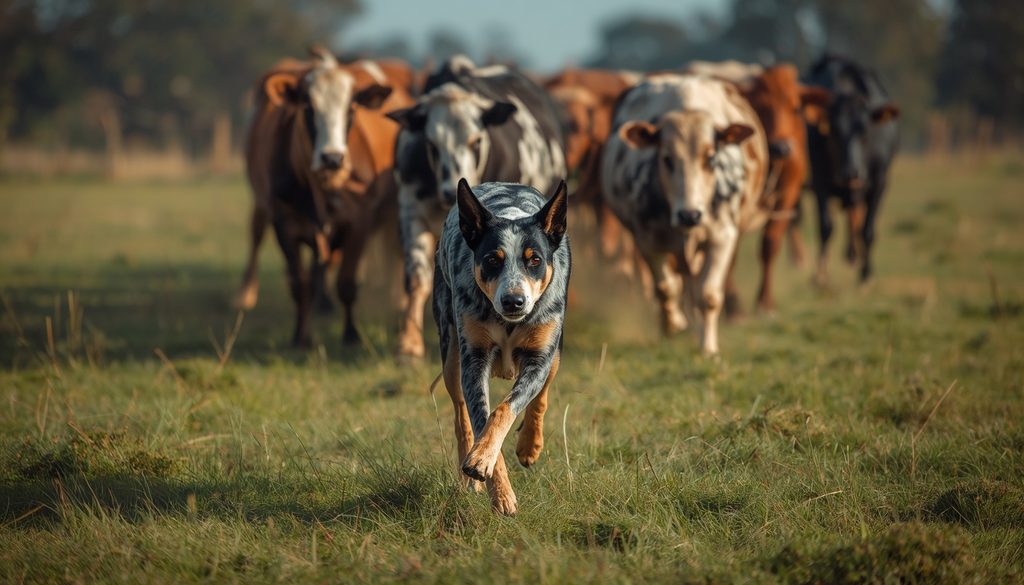
Tough, intelligent, and intensely loyal, the Australian Cattle Dog was developed to move cattle across demanding Australian terrain. Compact but powerful, it has excellent stamina, quick reactions, and strong working instincts. Highly trainable and devoted to its family, it thrives with structured exercise, mental challenges, and plenty of involvement with its owner.
Australian Shepherd

Energetic, intelligent, and highly responsive, the Australian Shepherd is an athletic herding breed that thrives on training, activity, and close involvement with its owner. Strong working instincts, quick learning, and an affectionate nature make it a rewarding companion for active households.
Bearded Collie

Shaggy, lively, and intelligent, the Bearded Collie is an energetic herding breed known for its cheerful personality and strong working heritage. It thrives on activity, training, and family involvement, combining quick learning with a playful, affectionate nature. Its friendly outlook and enthusiasm make it a rewarding companion for active households.
Beauceron
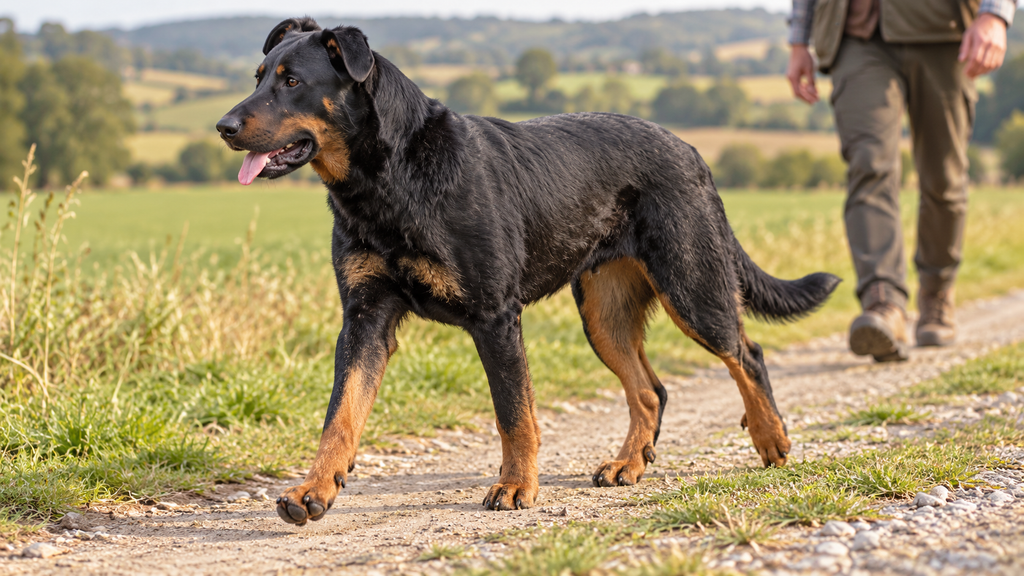
Powerful, intelligent, and steady, the Beauceron is a large French herding breed known for confidence, endurance, and close attachment to its family. Highly trainable and naturally watchful, it thrives with structured activity, regular exercise, and clear guidance. Its size, strength, and working drive make it best suited to owners who enjoy an active, involved relationship with their dog.
Belgian Laekenois
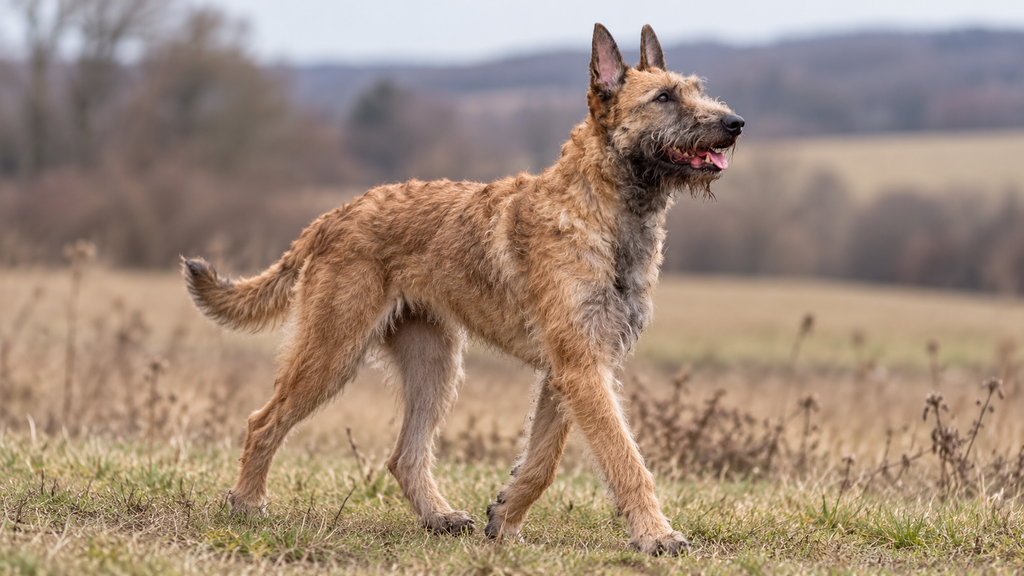
Alert, intelligent, and deeply loyal, the Belgian Laekenois is a rare Belgian herding breed known for its distinctive rough coat and strong working instincts. It learns quickly, enjoys purposeful activity, and forms close bonds with its family. Energetic and watchful, it suits owners who can provide regular training, exercise, and involvement.
Belgian Malinois
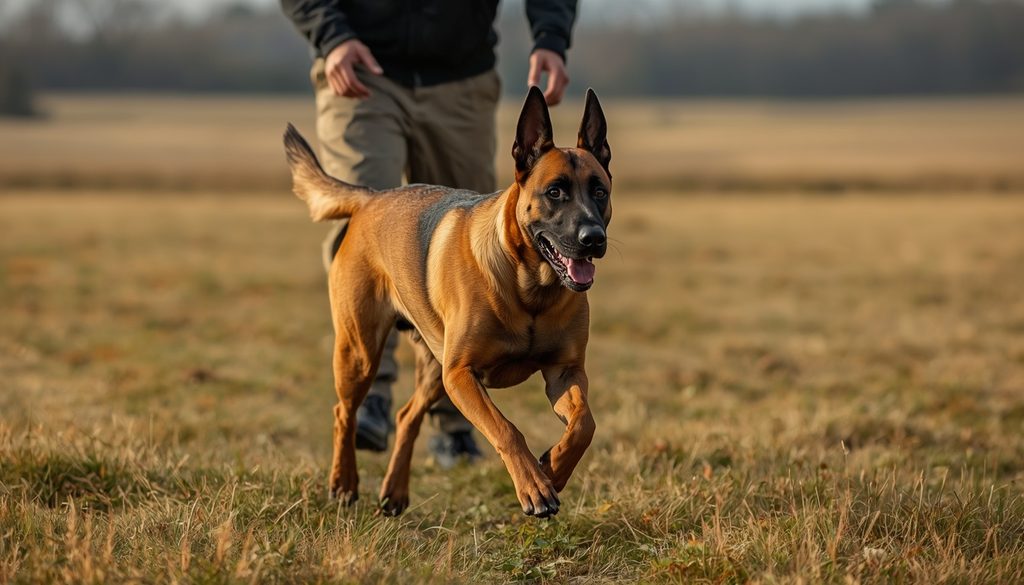
Athletic, alert, and intensely driven, the Belgian Malinois is a highly capable herding breed known for speed, focus, and close cooperation with its handler. It learns rapidly and thrives on structured training, exercise, and purposeful work. Its energy and intensity make it best suited to experienced owners who can provide consistent engagement.
Belgian Sheepdog
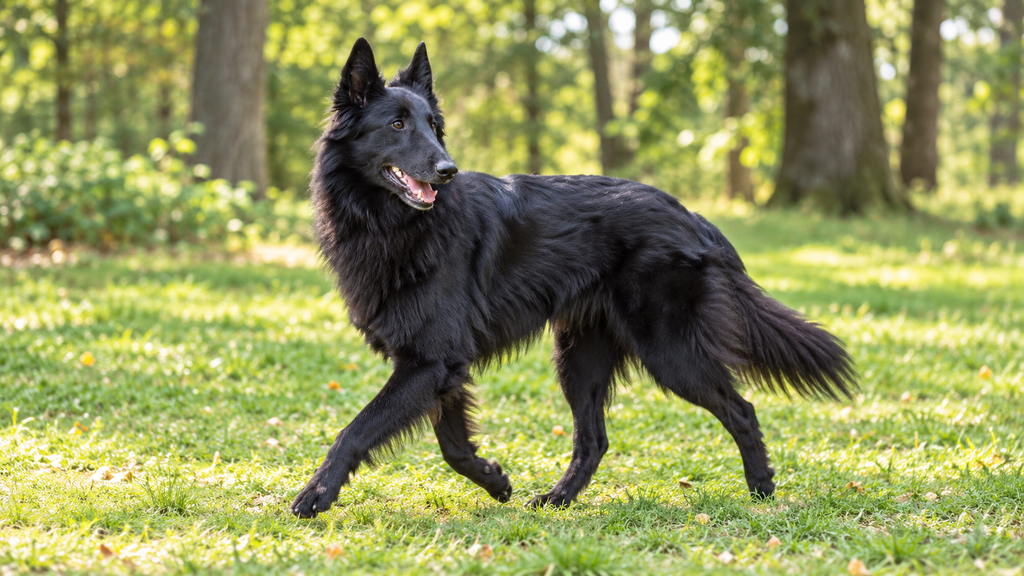
Elegant, intelligent, and highly devoted, the Belgian Sheepdog is a versatile herding breed known for its striking black coat and strong working ability. It learns quickly, enjoys purposeful activity, and forms close bonds with its family. Energetic and attentive, it thrives with regular training, exercise, and plenty of involvement.
Belgian Tervuren

Elegant, intelligent, and energetic, the Belgian Tervuren is a versatile herding breed known for its rich coat, alert expression, and strong working ability. It learns quickly, bonds closely with its family, and thrives on training, exercise, and purposeful activity. Its sensitivity and drive suit owners who enjoy an active, highly engaged companion.
Bergamasco Sheepdog
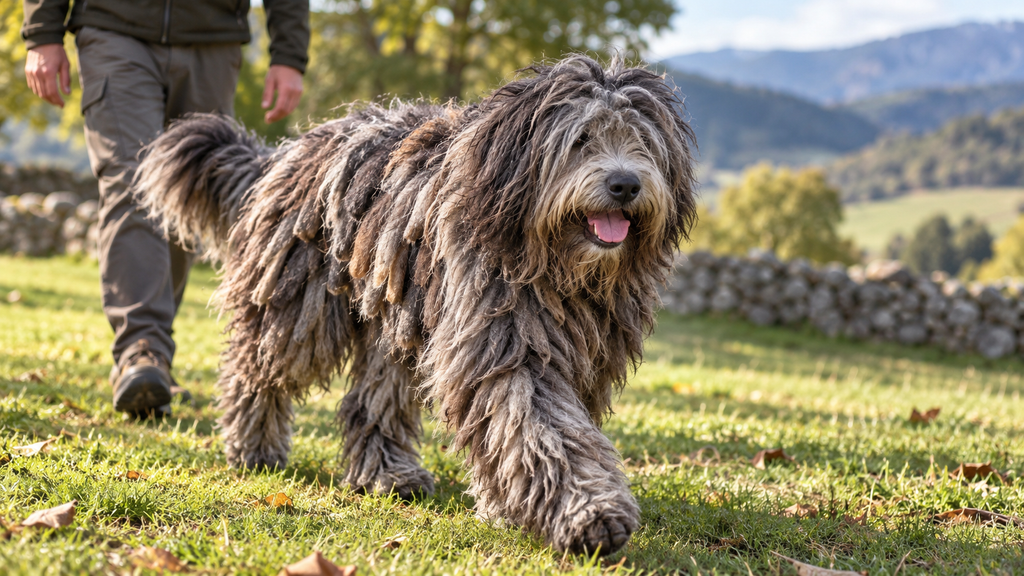
Calm, intelligent, and independent, the Bergamasco Sheepdog is an ancient Italian herding breed known for its unusual flocked coat and steady working temperament. It forms close bonds with its family and tends to be thoughtful rather than impulsive. Regular activity, training, and companionship help this distinctive breed thrive.
Berger Picard

Rustic, intelligent, and energetic, the Berger Picard is a French herding breed known for its rough coat, upright ears, and lively personality. It learns quickly, forms close bonds with its family, and usually thrives with regular exercise, training, and meaningful activity. Its alert, independent nature gives it plenty of character while still making it a devoted companion.
Border Collie

Focused, intelligent, and highly responsive, the Border Collie is an athletic herding breed famous for its exceptional trainability and intense working instinct. It learns rapidly, thrives on problem-solving, and usually needs substantial mental as well as physical activity. Its close attention to movement and handler cues makes it a rewarding companion for active, engaged owners.
Bouvier des Flandres
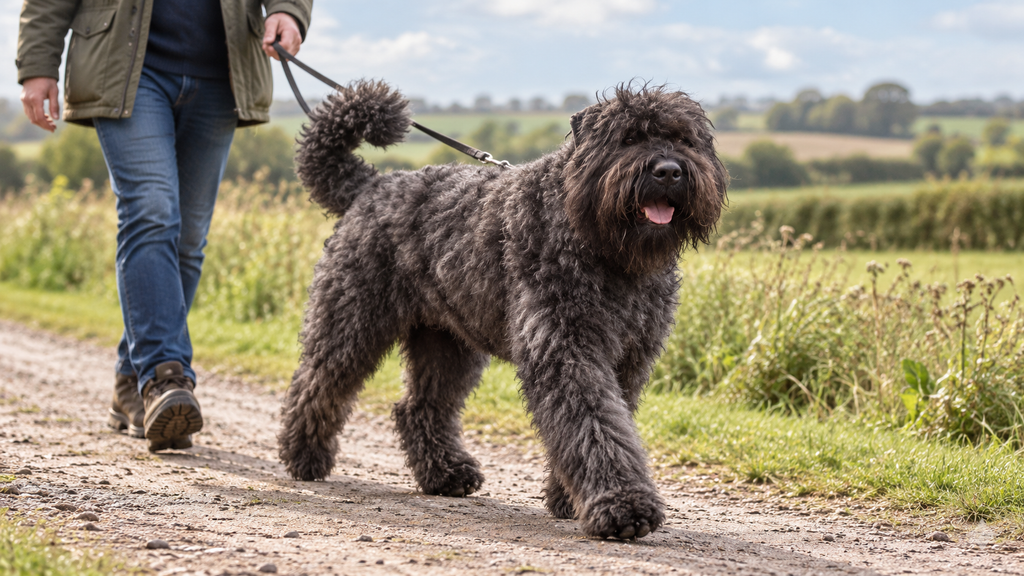
Powerful, intelligent, and steady, the Bouvier des Flandres is a large Belgian herding breed known for strength, loyalty, and a rugged working heritage. It is highly trainable, naturally watchful, and usually forms strong bonds with its family. Regular exercise, structured training, and close involvement help this confident breed stay settled and well balanced.
Briard
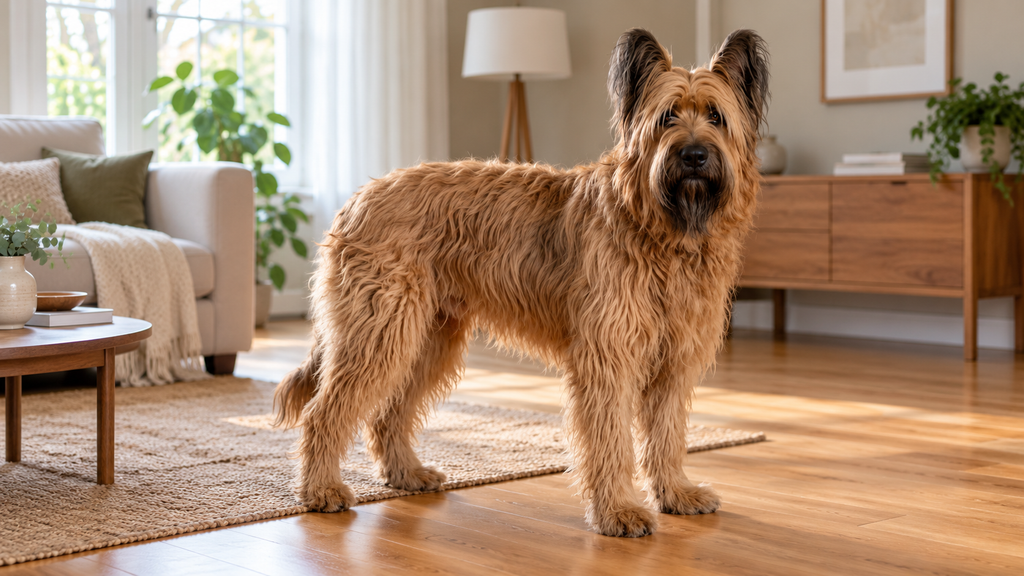
Confident, intelligent, and devoted, the Briard is a large French herding breed known for its long flowing coat and strong protective instincts. It learns quickly, bonds closely with its family, and thrives with regular training, exercise, and purposeful activity. Its size, sensitivity, and watchful nature suit owners who enjoy an active, involved companion.
Canaan Dog
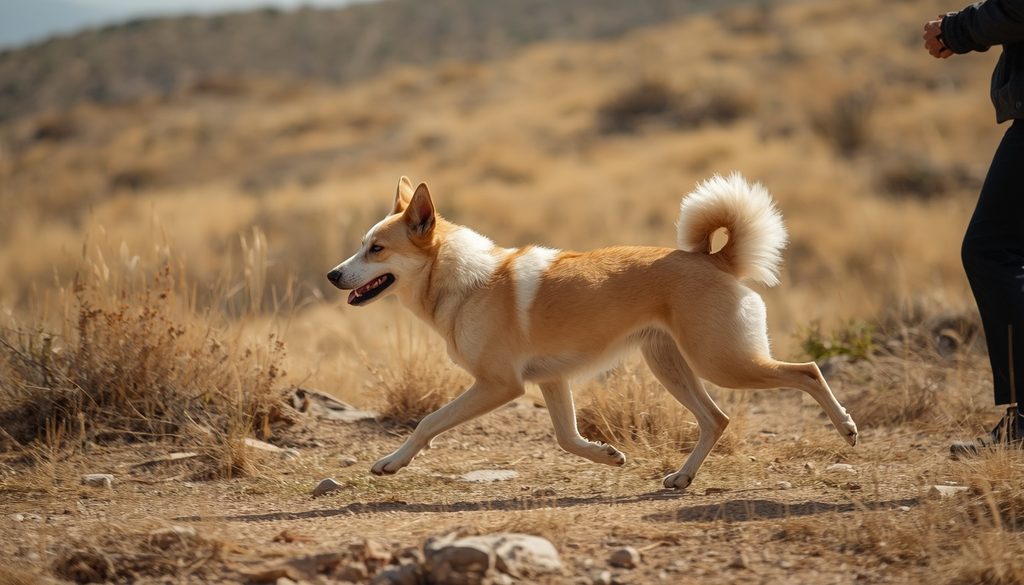
Alert, intelligent, and independent, the Canaan Dog is an ancient herding and guardian breed known for its keen awareness, agility, and natural reserve. It learns quickly, forms strong family bonds, and usually thrives with consistent training, regular exercise, and thoughtful socialization. Its watchful temperament makes it a distinctive companion for experienced owners.
Cardigan Welsh Corgi
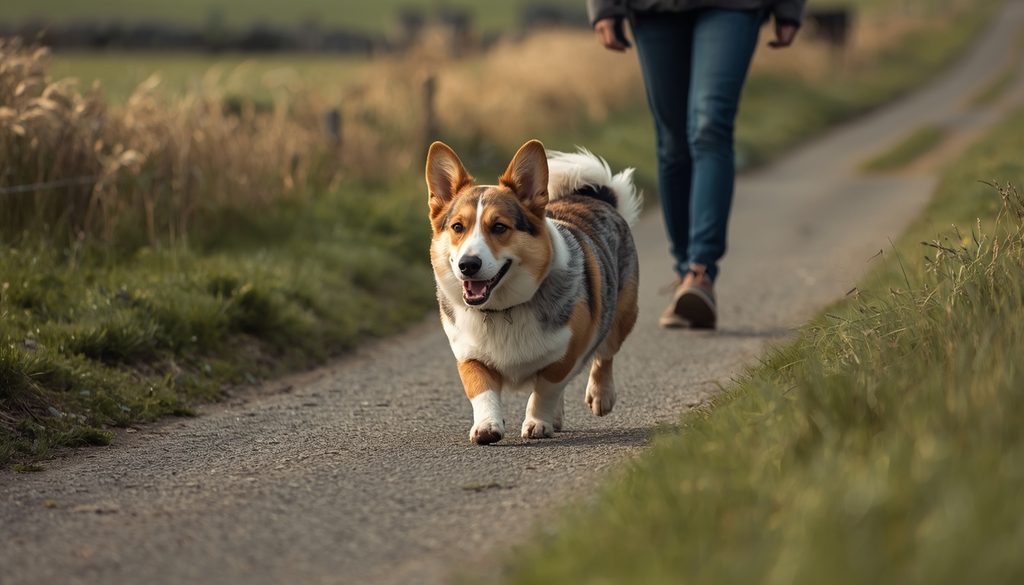
Sturdy, intelligent, and devoted, the Cardigan Welsh Corgi is a compact herding breed known for its long body, large ears, and distinctive full tail. It is alert, trainable, and closely attached to its family, with a confident temperament shaped by its working background. Regular exercise, mental stimulation, and consistent training help this capable little worker stay settled and well balanced.
Collie
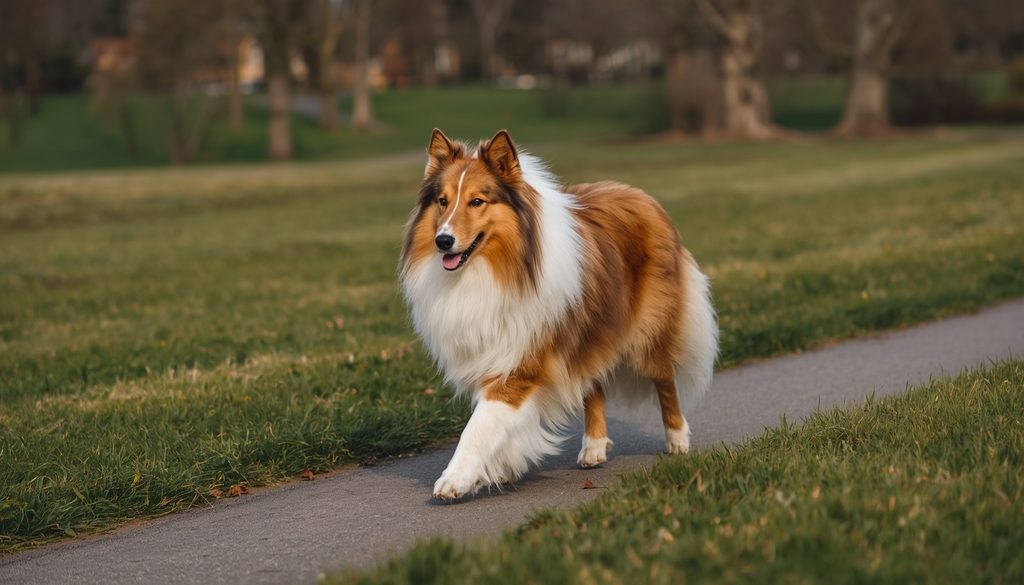
Graceful, intelligent, and devoted, the Collie is a classic herding breed known for its elegant appearance, sensitivity, and strong family bonds. It learns readily, enjoys regular activity, and often responds best to gentle, consistent training. Its affectionate nature and attentive temperament make it a rewarding companion for owners who want an active dog that also fits comfortably into family life.
Entlebucher Mountain Dog
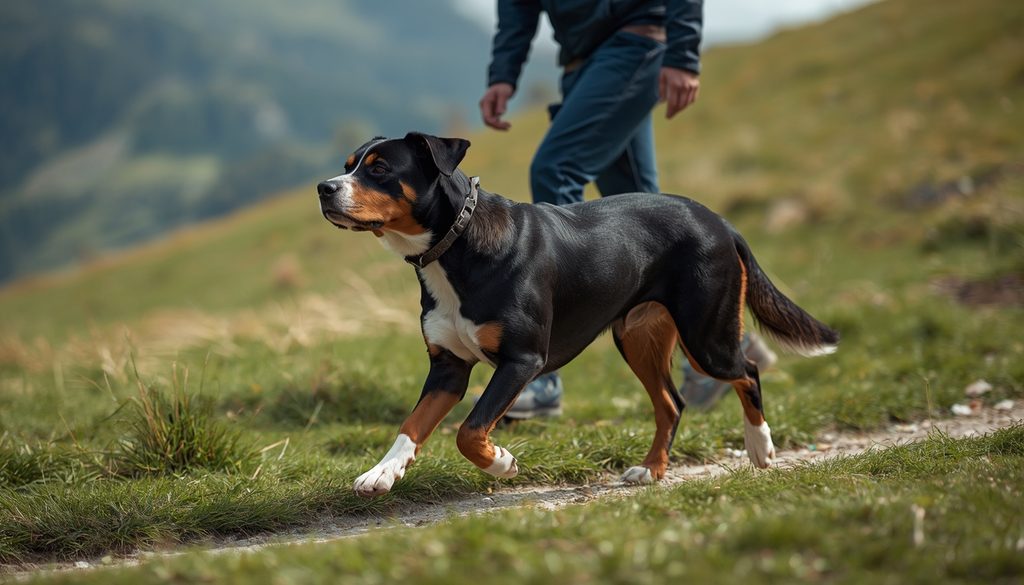
Compact, energetic, and loyal, the Entlebucher Mountain Dog is a sturdy Swiss herding breed known for agility, confidence, and a strong work ethic. It learns quickly, enjoys regular exercise, and forms close bonds with its family. Its lively temperament and natural watchfulness make it a rewarding companion for active owners who can provide consistent training and plenty of involvement.
Finnish Lapphund
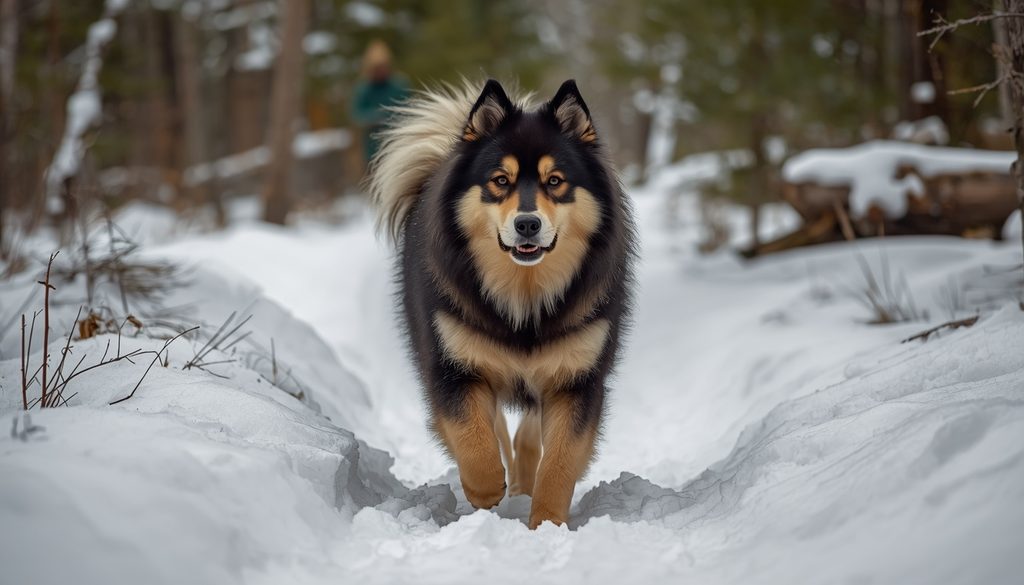
Friendly, intelligent, and adaptable, the Finnish Lapphund is a sturdy Nordic herding breed known for its thick coat, gentle temperament, and strong working heritage. It learns quickly, enjoys regular activity, and usually forms close bonds with its family. Its sociable nature and steady temperament make it a rewarding companion for active households.
German Shepherd Dog
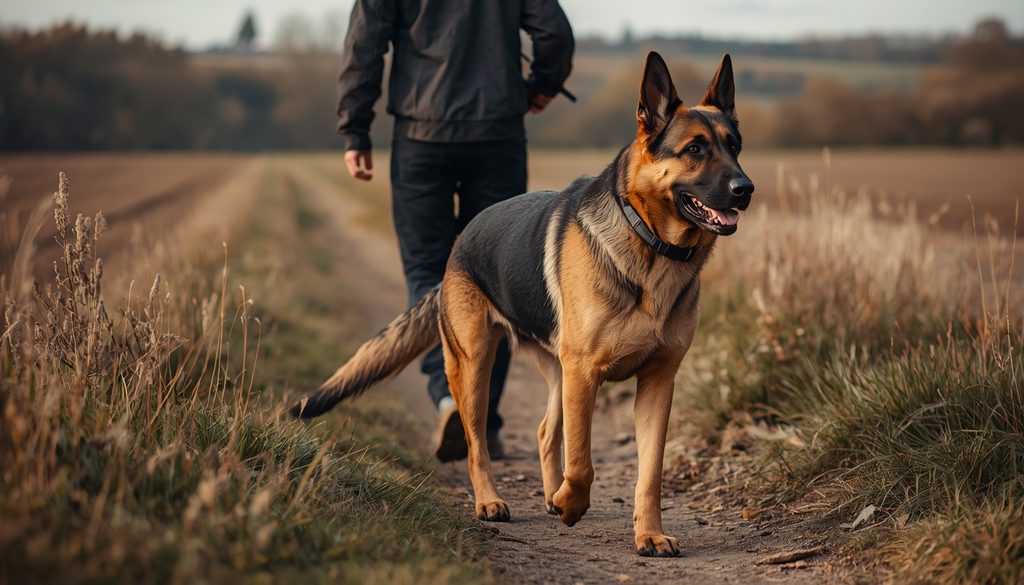
Confident, intelligent, and highly versatile, the German Shepherd Dog is a large herding breed known for loyalty, trainability, and strong working ability. It learns quickly, forms close bonds with its family, and thrives with regular exercise, structured training, and purposeful activity. Its alert nature and versatility make it a rewarding companion for experienced, involved owners.
Icelandic Sheepdog
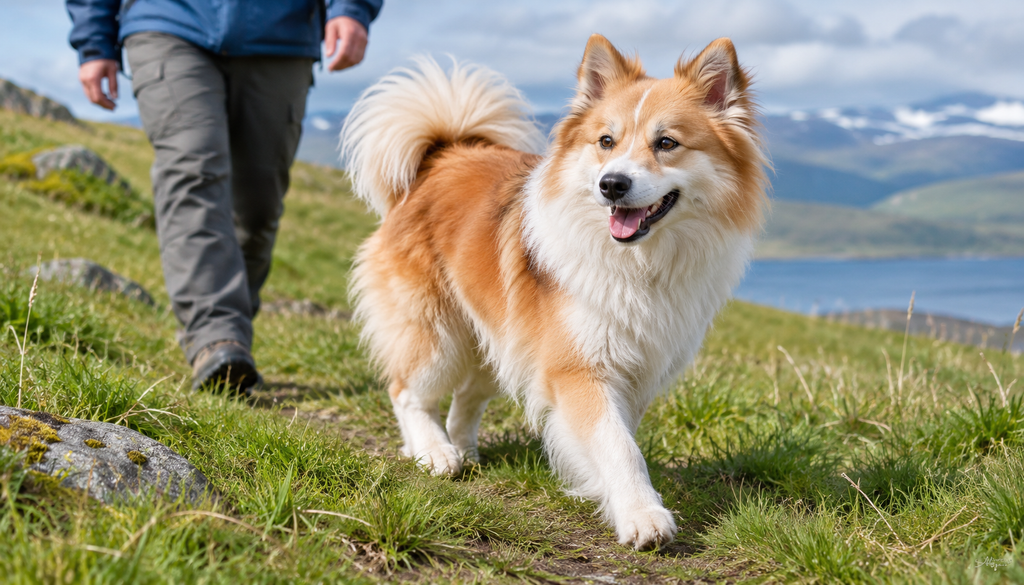
Cheerful, intelligent, and alert, the Icelandic Sheepdog is a hardy Nordic herding breed known for its friendly nature, agility, and strong working heritage. It learns readily, enjoys regular activity, and usually forms close bonds with its family. Its sociable temperament and lively personality make it a rewarding companion for active households.
Lancashire Heeler
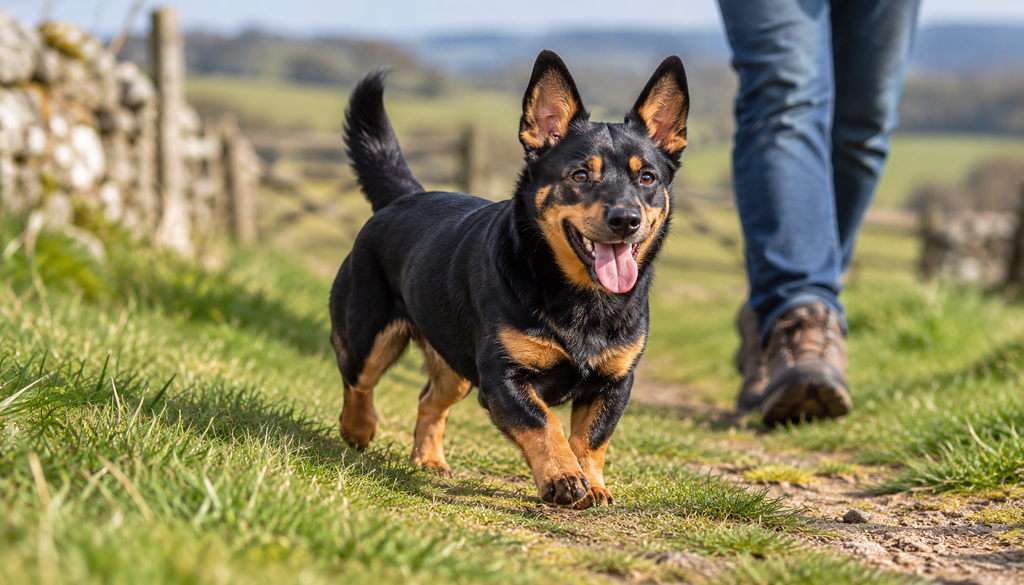
Small, alert, and energetic, the Lancashire Heeler is a compact herding breed known for intelligence, agility, and a confident working temperament. It learns quickly, forms close bonds with its family, and usually thrives with regular exercise, training, and mental stimulation. Its lively nature and practical size make it an engaging companion for active households.
Miniature American Shepherd

Compact, intelligent, and highly responsive, the Miniature American Shepherd is an athletic herding breed known for quick learning, agility, and close family bonds. It thrives on training, exercise, and mental stimulation, while its smaller size can make it easier to accommodate than some larger herding breeds. Its energy and attentiveness suit active owners who enjoy regular involvement with their dog.
Mudi

Lively, intelligent, and highly versatile, the Mudi is a Hungarian herding breed known for agility, quick learning, and a strong working instinct. It thrives on training, exercise, and problem-solving, while usually forming close bonds with its family. Its energy, alertness, and adaptability make it especially well suited to active owners who enjoy regular involvement with their dog.
Norwegian Buhund
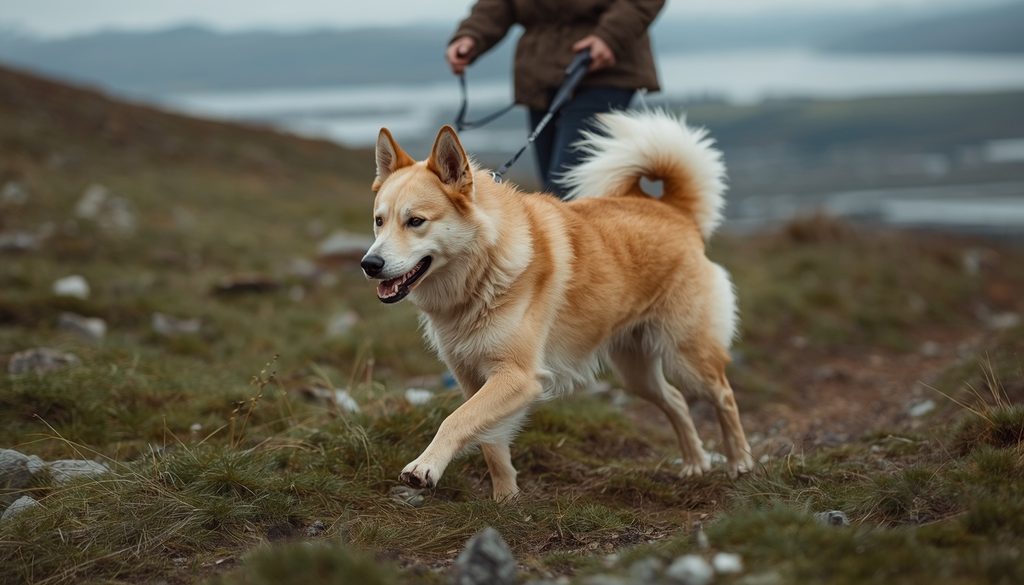
Alert, energetic, and affectionate, the Norwegian Buhund is a sturdy Nordic herding breed known for agility, intelligence, and a strong working background. It learns quickly, enjoys regular activity, and usually forms close bonds with its family. Its lively temperament and adaptable nature make it a rewarding companion for active households that enjoy training and outdoor time.
Old English Sheepdog
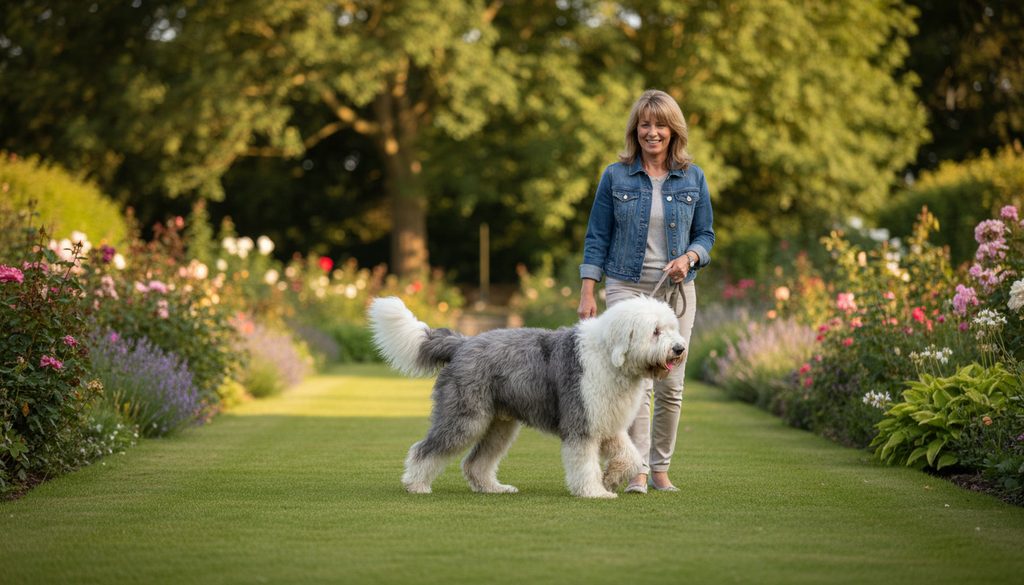
Affectionate, intelligent, and distinctive, the Old English Sheepdog is a large herding breed known for its shaggy coat, sturdy build, and cheerful personality. It usually forms close family bonds, enjoys regular activity, and responds well to consistent training. Its size, grooming needs, and lively nature suit owners prepared for an involved and sociable companion.
Pembroke Welsh Corgi
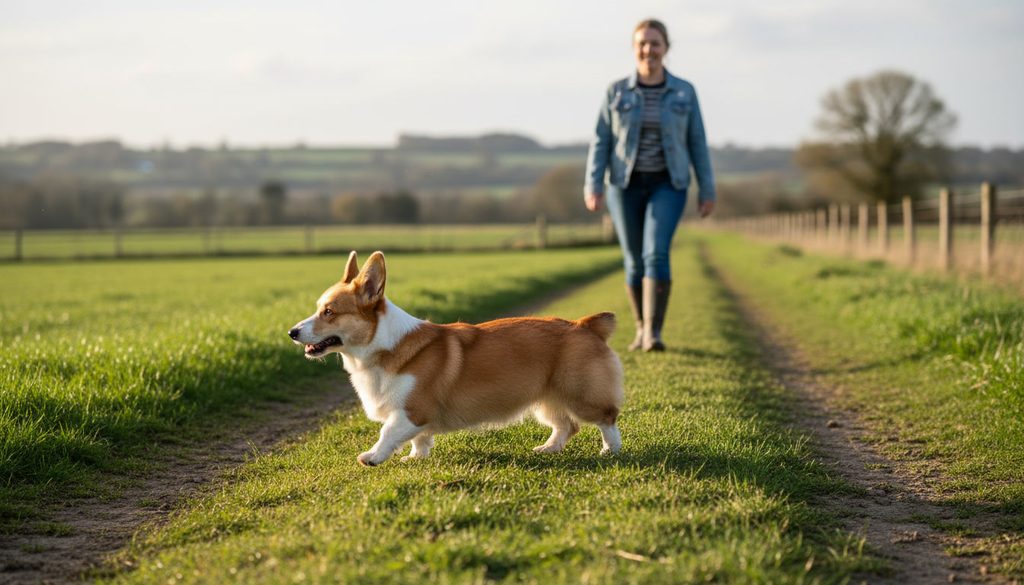
Bright, affectionate, and intelligent, the Pembroke Welsh Corgi is a compact herding breed known for its short legs, fox-like expression, and lively personality. It learns quickly, forms close family bonds, and usually enjoys regular activity, training, and mental stimulation. Its confident nature and practical size make it a popular companion for active households.
Polish Lowland Sheepdog

Shaggy, intelligent, and confident, the Polish Lowland Sheepdog is a sturdy herding breed known for its dense coat, quick learning, and strong family attachment. It enjoys regular activity, training, and mental stimulation, while its watchful nature gives it plenty of character. Consistent guidance and close involvement help this energetic breed stay settled and well balanced.
Puli

Lively, intelligent, and distinctive, the Puli is a compact Hungarian herding breed known for its remarkable corded coat and agile working style. It learns quickly, enjoys regular activity, and usually forms strong bonds with its family. Its energy, alertness, and playful nature make it a rewarding companion for owners prepared for both training and substantial coat care.
Pumi

Lively, intelligent, and expressive, the Pumi is a compact Hungarian herding breed known for its distinctive ears, curly coat, and energetic personality. It learns quickly, enjoys training and problem-solving, and usually forms close bonds with its family. Its alert nature and enthusiasm make it a rewarding companion for active owners who enjoy regular interaction and purposeful activity.
Pyrenean Shepherd

Quick, intelligent, and highly energetic, the Pyrenean Shepherd is a small French herding breed known for agility, responsiveness, and strong working instincts. It learns rapidly, bonds closely with its family, and thrives on regular training, exercise, and mental stimulation. Its lively temperament and sensitivity suit active owners who enjoy a highly engaged and athletic companion.
Shetland Sheepdog
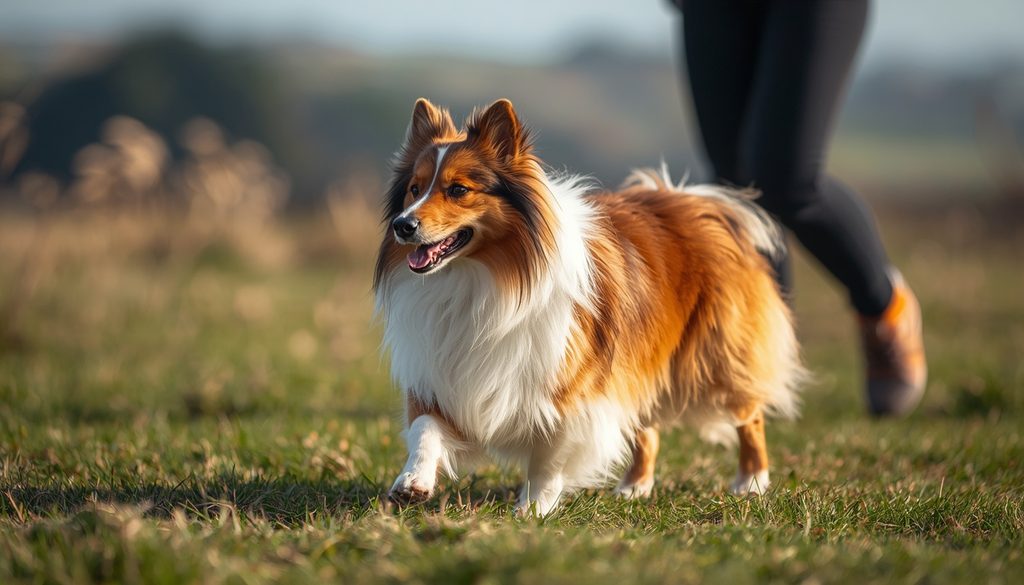
Bright, sensitive, and highly trainable, the Shetland Sheepdog is a small herding breed known for intelligence, agility, and close family bonds. It learns quickly, enjoys regular activity and training, and often thrives on mental stimulation as much as physical exercise. Its attentive nature and responsiveness make it a rewarding companion for involved, active households.
Spanish Water Dog

Energetic, intelligent, and versatile, the Spanish Water Dog is a medium-sized herding breed known for its distinctive curly coat and strong working ability. It learns quickly, enjoys regular activity, and forms close bonds with its family. Its athletic nature and eagerness to work make it a rewarding companion for active owners who enjoy training and outdoor time.
Swedish Vallhund
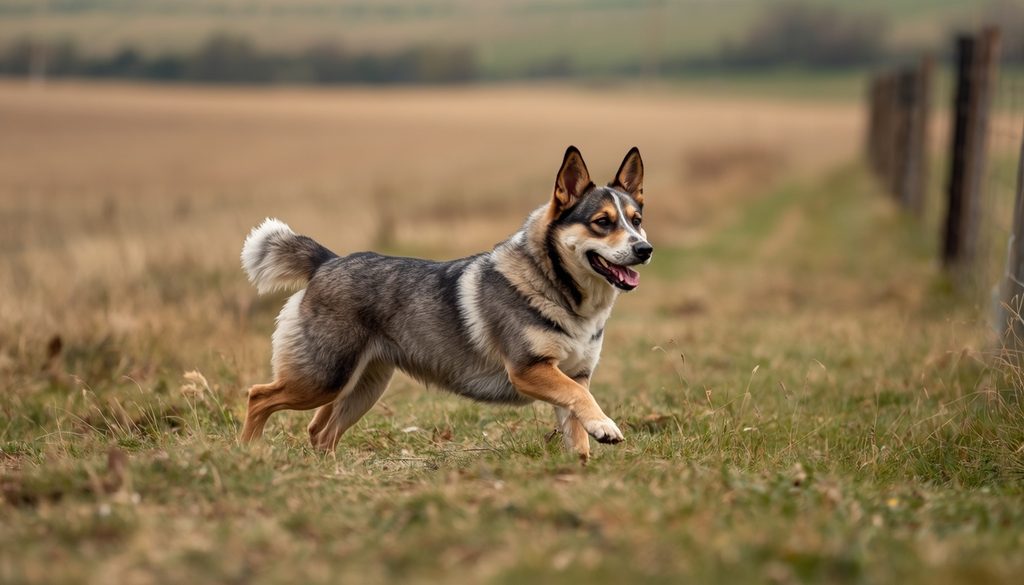
Confident, intelligent, and energetic, the Swedish Vallhund is a compact herding breed known for agility, alertness, and a strong working heritage. It learns quickly, enjoys regular activity, and usually forms close bonds with its family. Its sturdy build, lively temperament, and practical size make it a rewarding companion for active households that enjoy training and outdoor time.
What Makes the Herding Group Different?
The Herding Group is defined by purpose rather than appearance. These dogs were developed to help people control the movement of livestock, but the way they accomplished that job varied enormously. Some gathered sheep and brought them toward the handler, others drove cattle forward, while tending breeds patrolled boundaries and kept livestock within designated grazing areas. What connects them is an unusual combination of intelligence, awareness, responsiveness, stamina, and willingness to work in partnership with people.
So what do herding dogs do that sets them apart from other working breeds? At its core, herding requires a dog to influence another animal’s movement without simply chasing it. Successful livestock work depends on judging distance, speed, direction, pressure, and the reactions of individual animals. A skilled herding dog may need to move forward aggressively one moment and immediately back away the next, all while responding to signals from a handler who may be hundreds of feet away.
That need for constant adjustment helped shape some of the most observant dogs in the canine world. Herding breeds tend to notice movement quickly and often watch their surroundings with unusual intensity. A Border Collie may use controlled movement and its famous “eye” to influence sheep, while an Australian Cattle Dog historically worked much closer to livestock and was prepared to nip at cattle heels when necessary. German Shepherd Dogs developed a different style again, tending flocks along boundaries and helping prevent sheep from straying into crops or roads.
These inherited tendencies and herding instincts help explain herding behavior in dogs that have never worked livestock.
. Circling children, staring at other pets, chasing bicycles, following people from room to room, barking at movement, or attempting to nip at heels can all be echoes of behaviors that once served a practical purpose. The intensity varies greatly by breed and individual dog, but owners should recognize that these actions are often instinctive rather than simple disobedience.
Problem-solving ability is another defining feature. A working dog could not wait for detailed instructions every time a sheep broke away from the flock or a stubborn cow refused to move. It had to assess the situation and respond quickly. That history is one reason many herding dogs excel in obedience, agility, rally, scent work, tracking, advanced trick training, and other activities that require sustained concentration and rapid learning.
Intelligence, however, does not automatically make these breeds easy to own. A dog that learns desirable behaviors quickly can become equally efficient at learning unwanted ones. Repeated barking at delivery drivers, chasing shadows, controlling other household pets, or becoming obsessed with moving objects can become deeply established if those behaviors are allowed to rehearse repeatedly. Mental stimulation and thoughtful training are therefore particularly important with this group.
Sensitivity is equally significant. Many herding breeds were selected to respond to subtle movements, whistles, changes in posture, and small shifts in their handler’s direction. In modern homes, this can translate into dogs that are highly aware of human emotion and body language. Some respond beautifully to calm, precise handling but become unsettled by shouting, inconsistency, or chaotic environments.
Physical structure also reflects working purpose. Corgis developed long, low bodies that helped them work beneath the kicking range of cattle. Australian Cattle Dogs needed compact strength and endurance. Border Collies were shaped for speed and rapid directional changes, while larger breeds such as the Beauceron and German Shepherd Dog combined herding ability with greater physical power and versatility.
Not every member of the group is equally intense. Some breeds retain extremely strong working drive, while others adapt more readily to ordinary companion life. Breeding lines can matter almost as much as breed. A dog descended from generations of serious livestock workers may display considerably greater stamina, movement sensitivity, and instinct than one bred primarily for companionship or the show ring.
This variation is why choosing a herding breed should involve more than simply selecting a favorite appearance. Owners need to consider exercise requirements, trainability, sensitivity, independence, vocal tendencies, social behavior, grooming, and the strength of inherited working instincts.
What ultimately makes the Herding Group different is the mind behind the movement. These dogs were developed not merely to run after livestock, but to observe, anticipate, communicate, and make decisions while working alongside people. That heritage remains visible today, whether the dog is gathering sheep on a farm, competing in agility, learning advanced obedience, or simply trying to organize everything that moves around the family home.
Working Instincts Still Matter
A herding breed does not need access to livestock to display behaviors shaped by generations of working selection. Watching, circling, controlling movement, reacting quickly to changes, and staying unusually aware of people and animals can all appear in everyday life. These instincts are usually easiest to live with when owners provide structured exercise, training, problem-solving, and clear routines. Trying to suppress every expression of working behavior without giving the dog another outlet can lead to frustration rather than a calmer companion.

Herding Styles and Working Roles
Although all herding breeds were developed to help people manage livestock, they did not all work in the same way. Different breeds were selected for different jobs, terrains, stock types, and handling traditions, which is why one herding dog may work close to animals while another controls them from a greater distance.
One of the clearest distinctions is between gathering and driving. Gathering dogs move livestock toward the handler. Border Collies are the classic example, often working at a distance, circling out around sheep, and bringing the flock back toward the shepherd. Their balance, responsiveness, and ability to read the movement of livestock made them especially valuable across open country.
Driving dogs work differently. Instead of bringing stock toward a handler, they move animals away from one place toward another. Australian Cattle Dogs are well known for this style, particularly when moving cattle over difficult terrain. Their confidence, endurance, and willingness to work close to livestock allowed them to pressure stubborn animals effectively.
Tending dogs developed around yet another system. Rather than gathering scattered livestock, they often worked along invisible boundaries, roadsides, or field edges to keep animals within a defined grazing area. German Shepherd Dogs are strongly associated with this style. They needed enough stamina to patrol continuously while remaining highly responsive to the shepherd.
These working styles help explain why different herding breeds can behave so differently in modern homes. A gathering breed may be especially sensitive to movement at a distance, while a driving breed may be more direct and physically assertive. A tending breed may show strong boundary awareness and persistence.
Livestock species also influenced working behavior. Sheep herding dogs often needed precision and control because sheep can respond quickly to pressure. Too much force could scatter or frighten a flock, so successful dogs learned to influence movement through position, eye contact, speed, and careful changes of direction.
Cattle demanded a different approach. A strong cattle herding dog needed confidence around animals that were much larger and less easily moved. Australian Cattle Dogs became famous for working low and close, using quick movement and controlled heeling behavior when necessary. Their toughness and determination reflect the demands of the job.
Goats presented another challenge. They can be agile, independent, and more willing than sheep to break away or climb difficult terrain. Goat herd dogs therefore needed persistence, balance, and the ability to react quickly. In some traditional farming systems, herding goats with dogs was an important part of moving animals efficiently across open grazing areas.
Some breeds were expected to perform several roles rather than specialize in just one. Farm dogs might help move livestock in the morning, guard the property later, accompany family members, and alert to strangers at night. This versatility helped shape breeds such as the Australian Shepherd, Beauceron, and several European shepherd dogs.
Working distance varies too. Border Collies often operate far from the handler, while other breeds work much closer to livestock. Some rely heavily on eye contact and body position, while others use movement, barking, or physical pressure. These differences are part of what makes the group so diverse.
Terrain also mattered. Mountain breeds needed agility and endurance on steep ground, while dogs used across open plains benefited from speed and sustained movement. Smaller dogs could work effectively in confined spaces or close to cattle legs, while larger breeds could provide more physical presence and sometimes additional guarding ability.
Modern owners rarely need their dogs to perform these original jobs, but the instincts remain important. A gathering dog may circle children or other pets. A driving dog may push forward physically or become highly interested in movement. A tending dog may patrol fence lines or repeatedly monitor boundaries.
Understanding these original working roles can make behavior easier to interpret. What looks like stubbornness, fixation, or excessive movement may be connected to behaviors that were once useful on farms. That does not mean owners should tolerate inappropriate behavior, but it does help explain why certain tendencies appear so consistently.
For people interested in actual livestock work, breed history is only a starting point. Individual working ability can vary considerably within the same breed, and safe stock work requires proper training for both dog and handler. Natural instinct is valuable, but control, timing, and experience are just as important.
The variety of herding styles is one of the defining features of the group. Gathering, driving, tending, boundary control, and close livestock work all developed as practical solutions to different agricultural problems. Together, they explain why herding breeds can share a common purpose while still differing so dramatically in temperament, movement, intensity, and working style.
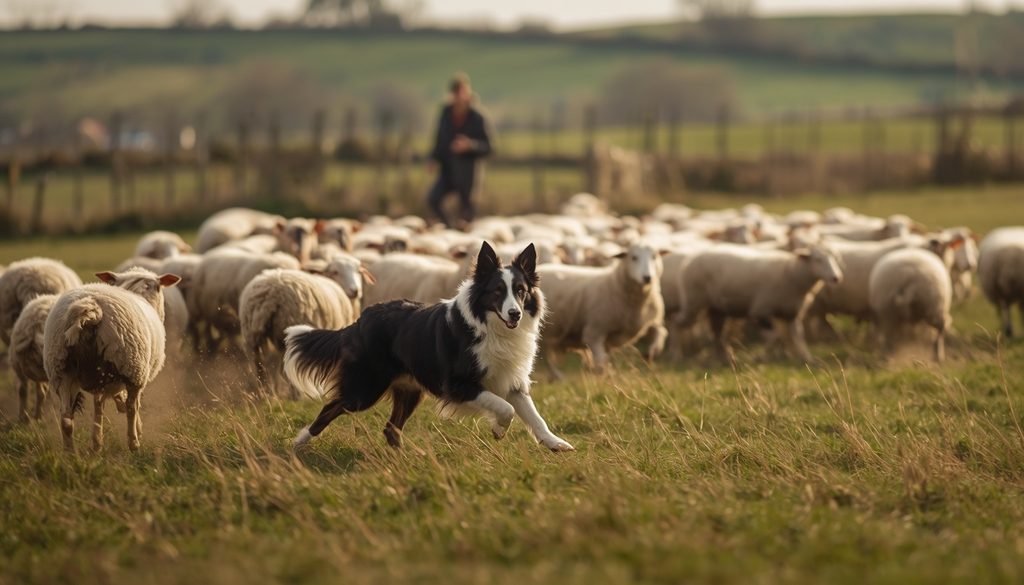
One Group, Many Ways of Working
Herding behavior is not a single fixed pattern. Some dogs gather livestock toward the handler, others drive animals forward, and tending breeds patrol boundaries to keep stock within a defined area. The type of livestock also matters, because sheep, cattle, and goats respond differently to pressure and movement. These historical roles still influence modern behavior. A dog that circles, watches, blocks, or pushes movement may be expressing instincts that were once highly useful on farms. Understanding the original job behind the behavior makes it easier to provide appropriate training and outlets while still setting clear household boundaries.
History and Origins of Herding Dogs
The history of herding dogs is closely tied to the development of agriculture itself. Once people began keeping sheep, goats, cattle, and other livestock in significant numbers, they needed reliable ways to move, contain, and protect those animals. Dogs gradually became essential partners, selected not only for strength and stamina but also for their ability to understand human direction and influence livestock without creating unnecessary panic.
Early livestock dogs were probably far less specialized than the breeds we recognize today. Farmers and shepherds favored animals that could perform several useful jobs, including guarding property, warning of predators, accompanying livestock, and helping move animals between grazing areas. Over generations, dogs that showed particularly useful stock-working behavior were bred together, gradually producing regional populations with recognizable working styles.
Geography played an enormous role in this development. Shepherds working sheep across open hills needed different qualities from farmers moving cattle along roads or managing livestock in confined fields. Climate mattered too. Dogs working in cold, wet northern regions often developed dense weather-resistant coats, while breeds from warmer areas could remain lighter and shorter coated.
Among the oldest and most influential roles were sheep herding dogs. Sheep can be highly responsive to pressure from a dog, allowing skilled workers to control large flocks through positioning and movement rather than physical force. Different regions developed their own methods. Some dogs gathered scattered sheep and brought them toward the shepherd, while others worked closer to the flock or maintained boundaries around grazing areas.
British pastoral traditions produced several of the best-known modern herding breeds. Collies and their ancestors became highly valued for sheep work in Scotland and northern England, where difficult terrain rewarded agility, endurance, and responsiveness. The Border Collie later emerged as an exceptionally specialized gathering dog, renowned for its ability to control sheep through movement, balance, and concentrated eye contact.
Welsh farmers developed a very different type of worker. The Cardigan and Pembroke Welsh Corgis were compact enough to work close to cattle while remaining below the full force of kicking hooves. These dogs demonstrate that successful livestock work never depended simply on size. Courage, timing, agility, and the ability to read stock could be far more important.
Continental Europe developed its own distinctive traditions. German shepherds required dogs capable of tending flocks along defined grazing boundaries, helping prevent sheep from wandering into crops or roads. This working background contributed to the development of the German Shepherd Dog, which later became one of the world’s most versatile service and working breeds.
Belgium produced several closely related shepherd varieties, including the Belgian Malinois, Belgian Sheepdog, Belgian Tervuren, and Belgian Laekenois. Although their coats differ dramatically, all emerged from a shared tradition of versatile farm and shepherd dogs capable of controlling livestock while remaining responsive to human direction.
In France, breeds such as the Briard, Beauceron, and Pyrenean Shepherd developed according to very different landscapes and livestock-management needs. The small, agile Pyrenean Shepherd could work across steep mountain terrain, while the much larger Beauceron combined herding ability with greater strength and versatility.
Livestock work also shaped dogs far beyond Europe. Australia created some of the toughest herd dogs in response to enormous distances, heat, rough terrain, and difficult cattle. The Australian Cattle Dog became famous for endurance and determination, using controlled heeling behavior to move stubborn stock. Australian Shepherds, despite their name, developed primarily in the United States and became highly adaptable ranch dogs capable of working different livestock and handling varied farm tasks.
Some breeds were used with animals other than sheep or cattle. Goat herding dogs needed enough agility and confidence to manage animals known for independence and climbing ability. In traditional farming systems, herding goats with dogs could help shepherds move animals efficiently across open grazing country while keeping groups together.
As agriculture became increasingly mechanized, many herding breeds no longer depended on livestock work for survival. Yet their instincts did not disappear. Instead, these dogs found new roles in police and military work, search and rescue, competitive obedience, agility, detection, assistance work, and family companionship.
The modern AKC Herding Group reflects this extraordinary history. Today, AKC herding dogs come from different continents, climates, and farming traditions, yet all trace their development to dogs selected for controlling livestock or performing closely related pastoral work.
Understanding this history helps explain why modern herding breeds can differ so dramatically while still sharing certain traits. Intelligence, responsiveness, physical endurance, sensitivity to movement, and close cooperation with people were repeatedly rewarded because they made dogs more useful workers. Even generations removed from the farm, those characteristics remain deeply embedded in many of today’s herding breeds.

From Farm Workers to Modern Companions
Many herding breeds now spend little or no time around livestock, but their original jobs still influence temperament and behavior. Traits once valued by farmers — close attention to people, rapid responses to movement, stamina, problem-solving, persistence, and the ability to work at a distance — remain strongly expressed in many modern dogs. Those same qualities now help herding breeds succeed in obedience, agility, service work, search and rescue, detection, and active family life. Understanding a breed’s historical role can therefore reveal far more than where it came from; it can also provide valuable clues about the amount of structure, exercise, training, and mental engagement that dog may still need today.
Herding Dog Size, Appearance and Physical Characteristics
Few breed groups show as much physical variety as the Herding Group. These dogs range from low-set, compact cattle workers to tall, powerful shepherds, with almost every size, coat type, and body shape represented somewhere between. Their appearance was rarely accidental. In most cases, physical structure developed around the livestock, climate, terrain, and working method for which the breed was created.
At the smaller end are breeds such as the Pembroke Welsh Corgi, Cardigan Welsh Corgi, Lancashire Heeler, and Swedish Vallhund. These dogs may be short in stature, but they were never intended to be delicate. Their low centers of gravity, sturdy bodies, and quick movement allowed them to work close to livestock, particularly cattle, while reducing the risk of taking a full kick.
Medium-sized herding breeds make up much of the group. Border Collies, Australian Shepherds, Australian Cattle Dogs, Shetland Sheepdogs, Mudis, and many European sheepdogs were developed to combine speed, stamina, agility, and enough physical strength to work for long periods. Their proportions tend to support efficient movement rather than sheer power.
At the other end are large herding dogs such as the German Shepherd Dog, Beauceron, Briard, Bouvier des Flandres, and Old English Sheepdog. These breeds bring greater height, weight, and physical presence, although they still need the mobility required for livestock work. Some were also expected to perform broader farm duties or guard property, which helps explain their more substantial builds.
Heads and ears vary just as widely. German Shepherd Dogs, Belgian Malinois, Swedish Vallhunds, and several Nordic breeds have upright ears, while Collies and Shetland Sheepdogs typically have semi-erect ears with folded tips. Briards, Bearded Collies, and Bouviers have drop ears partly hidden by longer coats. Head shape ranges from the refined wedge of a Collie to the broader, heavier skull of more powerful working breeds.
Coat type is another major point of difference. Australian Cattle Dogs and Belgian Malinois have relatively short, practical coats, while Collies, Shetland Sheepdogs, Belgian Tervurens, and Briards carry much longer hair. Old English Sheepdogs and Polish Lowland Sheepdogs have dense shaggy coats, while the Bergamasco develops distinctive flat flocks and the Puli is famous for its naturally corded coat.
Weather protection was often more important than appearance. Dogs expected to work outdoors through cold, rain, snow, or wind frequently developed dense double coats, with a softer insulating undercoat beneath tougher outer hair. Nordic breeds such as the Finnish Lapphund, Icelandic Sheepdog, and Norwegian Buhund carry particularly effective weather-resistant coats.
Color also varies considerably. Black and tan appears in breeds such as the German Shepherd Dog, Beauceron, and Lancashire Heeler. Merle patterns occur in several breeds, including Australian Shepherds and Cardigan Welsh Corgis. Sable, brindle, gray, black, red, blue, and combinations with white are all represented across the group. Searches for white herding dogs often lead people toward breeds with extensive white markings or pale coats, but color alone should never be used to identify a breed or predict temperament.
Movement is perhaps the most revealing physical feature of all. Many herding breeds appear balanced, efficient, and economical when moving because working dogs needed to conserve energy over long hours. Border Collies often work close to the ground with rapid changes of direction, while Australian Cattle Dogs move with compact power and endurance. German Shepherd Dogs were developed for sustained movement while tending livestock across boundaries.
Prospective owners should look beyond attractiveness when comparing breeds. A large, heavily coated dog may require considerably more household space and grooming than a compact short-coated worker, while a smaller breed may still possess enormous energy and working drive. Coat, height, and weight affect practical ownership, but they do not reliably predict how easy a dog will be to live with.
The extraordinary appearance of the Herding Group is ultimately a record of working history. Short legs, dense coats, upright ears, flowing hair, strong bodies, and agile frames all developed because they helped dogs perform particular jobs. Understanding those physical traits provides useful clues about the environments, activities, and care each breed may need today.

Size Does Not Predict Working Drive
One of the easiest mistakes to make with herding breeds is assuming that a smaller dog will automatically be easier to manage. Compact workers such as Corgis, Lancashire Heelers, and Swedish Vallhunds were bred for demanding livestock work and may be every bit as alert, energetic, and determined as much larger breeds. Likewise, some large herding dogs can be surprisingly calm indoors once their exercise and training needs are met. When comparing breeds, consider stamina, intensity, trainability, coat care, and working instinct alongside height and weight. Physical size affects practical issues such as space, transport, and handling, but it tells only part of the story.
Herding Dog Temperament and Personality
There is no single personality shared by every herding breed, but several traits appear repeatedly across the group. Intelligence, attentiveness, responsiveness, persistence, and a strong awareness of movement are particularly common. These characteristics developed because livestock work required dogs to stay mentally engaged for long periods while reacting quickly to both their handler and the animals around them.
Many herding dogs are notably people-focused. Generations of close cooperation with shepherds and farmers favored dogs that paid attention to human movement, voice, and body language. In modern homes, this often produces companions that follow family members closely, notice changes in routine, and seem unusually aware of what everyone is doing. Some owners describe their dog as constantly “checking in,” even when no command has been given.
That attentiveness is closely connected to the intelligence for which the group is famous. Herding breeds often learn household routines and training cues remarkably quickly, but intelligence should not be confused with automatic obedience. A clever dog may understand exactly what is being requested yet make a different decision when another activity seems more rewarding. Successful ownership usually depends on providing clear expectations, consistency, and enough mental engagement to keep the dog interested.
Sensitivity varies considerably between breeds. Border Collies, Collies, Shetland Sheepdogs, and some Australian Shepherds can be highly responsive to subtle changes in voice or posture. Heavy-handed handling can be particularly counterproductive with sensitive individuals. Other breeds, particularly those developed for tough cattle work or multipurpose farm duties, may be more assertive and physically robust while still responding best to fair, consistent training.
Strong dog herding behavior can also shape everyday personality. A dog may stare intently at another pet, circle playing children, follow family members from room to room, or position itself in doorways as if managing household traffic. Some dogs become especially interested when people run, bicycles pass, or other animals move rapidly. These tendencies vary greatly, but understanding their origins makes them easier to manage appropriately.
Watchfulness is another recurring characteristic. Many herding breeds were expected to notice approaching people, animals, or changes around livestock, so modern dogs may be quick to alert their owners when something unusual occurs. German Shepherd Dogs, Belgian Shepherds, Beaucerons, and several other breeds can be naturally reserved with strangers, while breeds such as the Bearded Collie may be considerably more openly sociable.
Vocal tendencies also differ. Some herders readily bark when excited, frustrated, playing, working, or alerting to activity outside the home. Shetland Sheepdogs are particularly well known for having plenty to say, while other breeds may be quieter. Barking that once helped move livestock or alert handlers can become troublesome when redirected toward every delivery vehicle, neighbor, or passing dog.
Relationships with family are often exceptionally strong. Many herding dogs want to participate rather than simply occupy the same house. They may enjoy accompanying owners on walks, joining outdoor activities, learning new skills, or simply remaining nearby while everyday tasks are being completed. Long periods of isolation can be particularly difficult for dogs that have been selected for generations to work closely with people.
Independence still exists within the group. Cattle dogs sometimes needed enough confidence to make decisions around difficult stock, while tending breeds might work along flock boundaries without continuous instruction. The balance between independence and handler focus therefore varies considerably among breeds.
Individual temperament is also shaped by genetics, early socialization, training, environment, health, and experience. Even within the same herding breed, one dog may be confident and outgoing while another is quieter and more sensitive. Breed tendencies provide useful expectations, but they should never be treated as guarantees about an individual dog.
For owners who enjoy interaction, training, and a dog that seems genuinely interested in everything happening around it, herding breeds can be exceptionally rewarding. Their intelligence and attentiveness are among their greatest strengths, but those same qualities mean they generally do best in homes prepared to engage with the dog rather than simply provide food, walks, and a backyard.

Herding Dogs as Family Dogs
Herding breeds can make outstanding family companions, but their success in a household depends heavily on choosing a breed whose energy, sensitivity, size, and working instincts genuinely fit the family’s routine. Many are affectionate, loyal, and highly involved with the people they live with, yet they are rarely dogs that simply fade quietly into the background.
One of the strongest qualities many herding breeds bring to family life is their desire to stay connected to people. Border Collies, Australian Shepherds, Collies, German Shepherd Dogs, Shetland Sheepdogs, and many others often prefer being part of everyday activity rather than spending long periods alone. They may follow family members from room to room, settle nearby while people work, and enthusiastically join walks, games, training sessions, or outdoor trips.
That closeness can be extremely rewarding, but it also means owners should be realistic about how much interaction they can provide. A highly intelligent, energetic dog left alone for much of the day may become bored, vocal, destructive, or overly focused on controlling movement around the home. For some breeds, regular training and mental stimulation are just as important as physical exercise.
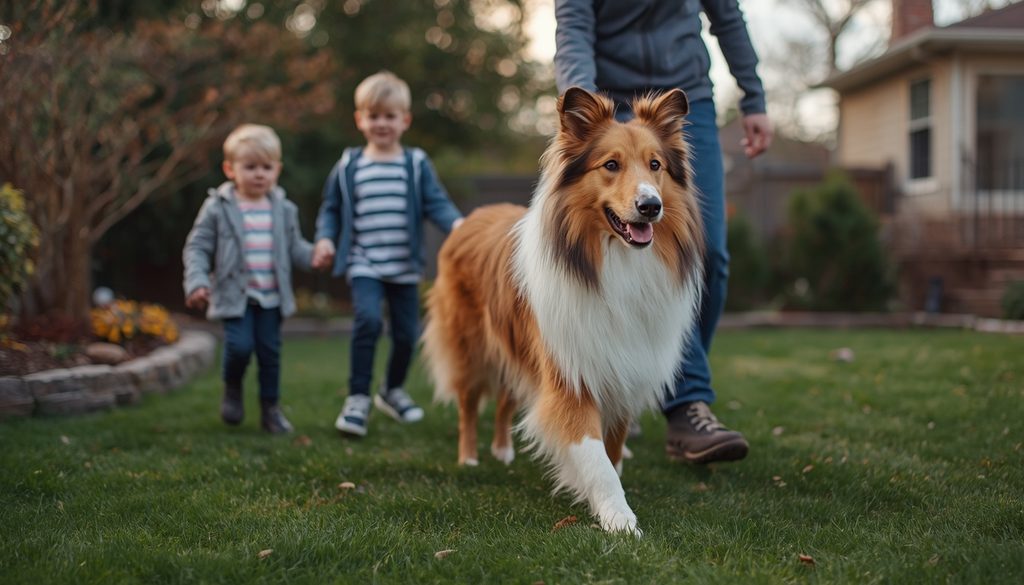
Families with children often find herding dogs engaging and affectionate, but natural working instincts deserve careful management. Dogs bred to control livestock may react strongly to running, shouting, sudden movement, or fast-paced play. Some individuals may circle children, chase them, bark during excitement, or attempt to nip at heels. These behaviors do not automatically mean the dog is aggressive, but they can become inappropriate if left unmanaged.
Teaching calm behavior around children is therefore important, especially with young, energetic dogs. Children should also learn how to interact respectfully with the dog, including giving it space when resting or eating and avoiding rough games that encourage chasing or overexcitement. Supervision matters with every breed, but it can be particularly useful when a dog is highly sensitive to movement.
Breed differences are substantial. Collies and Shetland Sheepdogs are often highly family-oriented and responsive, while German Shepherd Dogs may bring more natural watchfulness and protective instinct. Australian Cattle Dogs can be intensely loyal but may be more assertive and less tolerant of chaotic handling. Pembroke Welsh Corgis combine a compact size with a surprisingly strong working personality and can be far more energetic and determined than their appearance suggests.
Homes with teenagers or older children may suit some intense herding breeds particularly well, especially when family members enjoy training, hiking, dog sports, or other structured activities. A dog that receives meaningful interaction from several people can thrive in a busy household, provided the environment is not constantly chaotic.
Space is another consideration, but a large yard is not automatically essential. Some herding breeds can live successfully in smaller homes if their exercise and training needs are consistently met. Conversely, a large property does not compensate for lack of interaction. A bored dog can remain bored on several acres if it has nothing meaningful to do.
Routine often helps enormously. Herding breeds tend to respond well to predictable patterns around exercise, meals, rest, training, and household activity. Clear structure can reduce overexcitement and help the dog understand when it is time to work, play, or settle.
Families should also think about noise, visitors, and everyday movement. Some herding dogs are highly alert to people approaching the house and may bark readily. Others may be sensitive to loud environments or frequent disruption. Early socialization and calm exposure to ordinary household activity can make a major difference.
The best herding dogs for family life are not necessarily the calmest, smallest, or most popular breeds. The best match is the dog whose energy, temperament, grooming needs, size, and working drive suit the household. A family that enjoys active weekends, daily walks, training, and regular involvement may find a herding breed exceptionally rewarding, while a household seeking a very independent, low-maintenance companion may be better suited to another group.
When breed choice and lifestyle are well matched, herding dogs can become deeply affectionate family members. Their intelligence, loyalty, responsiveness, and desire to participate often make them feel unusually connected to the people around them.
Family Life Works Best With Structure
Herding dogs often thrive when family life has clear routines and plenty of involvement. Regular walks, short training sessions, interactive games, and predictable quiet time can help channel energy more successfully than simply giving the dog access to a yard. Families with children should pay particular attention to chasing, circling, barking, or heel-nipping during excited play, because those behaviors can reflect natural working instincts rather than deliberate misbehavior. Calm supervision, consistent boundaries, and rewarding relaxed behavior around movement can make a major difference. The goal is to help the dog understand when activity is appropriate and when family life calls for settling quietly.
Exercise and Activity Needs
Exercise is one of the most important considerations when choosing among herding dogs. These breeds were developed for jobs that demanded stamina, concentration, quick reactions, and repeated movement over long periods, so many retain a strong need for both physical and mental activity. That does not mean every herding breed requires hours of hard running each day, but most need considerably more than a short walk around the block.
The amount of exercise required varies widely. Border Collies, Australian Shepherds, Belgian Malinois, and Australian Cattle Dogs are among the more intense members of the group and often thrive with substantial daily activity. Other breeds, including Collies, Shetland Sheepdogs, and some Corgis, may be somewhat more moderate while still benefiting from regular walks, training, and opportunities to stay mentally engaged.
Simply increasing mileage is not always the answer. A highly intelligent dog can finish a long walk physically tired but still mentally restless. Herding breeds often benefit from activities that ask them to think, respond, and solve problems while moving. Obedience exercises during walks, retrieving, scent searches, controlled tug games, agility-style obstacles, and learning new skills can make ordinary exercise far more satisfying.
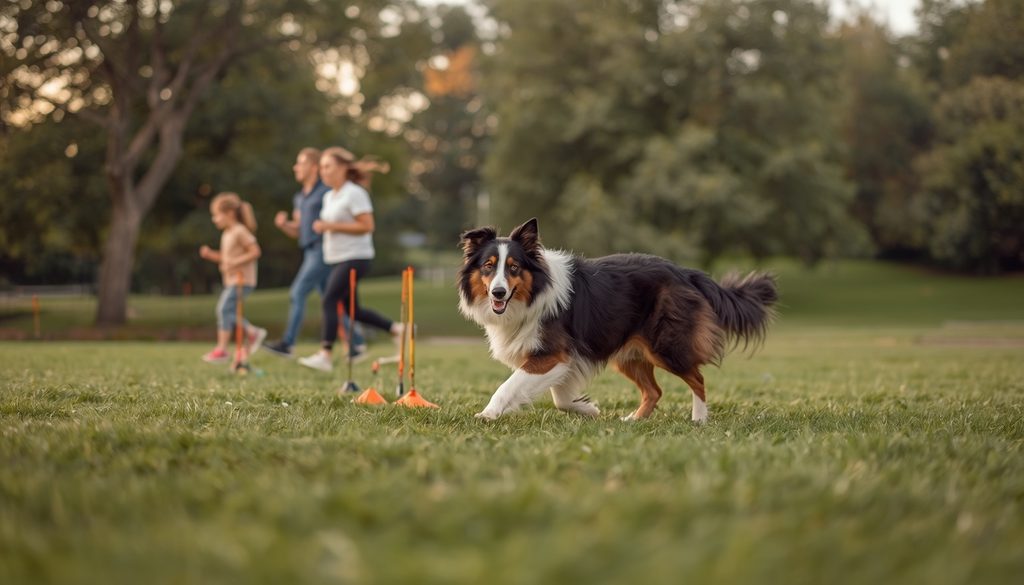
Structured games for herding dogs can be particularly useful because they provide an appropriate outlet for the same focus and responsiveness that once supported livestock work. Games involving direction changes, searching, retrieving, controlled chasing, or following handler cues can engage both body and brain. The aim is not to recreate livestock work in the backyard but to give the dog purposeful activities that reward attention and self-control.
Some owners are tempted to rely heavily on repetitive ball throwing because many herding breeds will chase enthusiastically for as long as someone is willing to throw. Used in moderation, retrieving can be excellent exercise. Endless high-speed repetition, however, can encourage obsession and place considerable strain on joints and soft tissues. Mixing fetching with walking, sniffing, training, and lower-impact activities usually provides a better balance.
Age matters too. Puppies should not be pushed into prolonged running, repetitive jumping, or demanding endurance work while their bodies are still developing. Their exercise should focus more on exploration, short training sessions, appropriate play, and varied experiences. Mature adults can generally handle more sustained activity, while older dogs often benefit from shorter but more frequent outings that preserve mobility without creating unnecessary fatigue.
Weather and coat type also influence exercise. Thick-coated Collies, Finnish Lapphunds, Old English Sheepdogs, and similar breeds may struggle more in hot conditions than short-coated dogs. Exercise should be adjusted during warm weather, with activity shifted toward cooler parts of the day and access to water and shade maintained.
Mental fatigue deserves attention as well. Herding breeds can become overstimulated when every activity encourages speed and excitement. Dogs also need opportunities to settle, sniff, explore quietly, and rest. Teaching an energetic dog how to switch off can be just as valuable as teaching it how to work.
A securely fenced area can be useful, but access to a yard alone rarely satisfies a working-minded dog. Many will simply patrol the fence, bark at movement, or wait for something interesting to happen. Interaction with the owner usually makes exercise far more meaningful.
Activities such as agility, rally, obedience, scent work, tracking, treibball, hiking, and appropriate herding trials can provide excellent outlets for capable dogs. Even owners with no interest in competition can borrow elements from these activities to make everyday routines more engaging.
The goal is not to exhaust a herding breed into submission. It is to provide enough movement, variety, training, and mental challenge that the dog can use its abilities constructively and then relax comfortably at home.
Exercise the Brain as Well as the Body
Many herding breeds need more than physical mileage to feel satisfied. A brisk walk followed by five minutes of focused training, a scent-search game, or a few controlled direction changes can sometimes be more rewarding than simply extending the walk. Well-designed herding games for dogs should encourage thinking, responsiveness, and self-control rather than endless frantic chasing. Rotate activities so the dog learns to work in different ways, and include calm exploration and rest alongside higher-energy exercise. The aim is not to keep an intelligent herding dog constantly busy, but to provide enough meaningful activity that it can settle comfortably when nothing is happening.
Training a Herding Dog
Training is central to living successfully with many herding dogs. These breeds were developed to work in close partnership with people, make rapid decisions, and respond to subtle guidance while managing moving livestock. That heritage often produces dogs that learn quickly and enjoy working with their owners, but it can also produce independent thinkers that become frustrated, bored, or inventive when training lacks structure.
One of the biggest advantages of herding breeds is their ability to recognize patterns. They often learn cues, routines, and household expectations faster than owners expect. A Border Collie may understand a new behavior after only a few repetitions, while an Australian Shepherd or Shetland Sheepdog can quickly anticipate what comes next in a familiar training sequence. This makes training rewarding, but it also means poor habits can become established just as quickly.
Effective dog training for herding should be clear, consistent, and mentally engaging. Long, repetitive sessions can cause frustration or disengagement, especially in dogs that thrive on variety. Shorter sessions with frequent success tend to work better, particularly when exercises involve movement, problem-solving, and interaction with the handler.
Reward-based training is especially useful because many herding breeds are highly sensitive to tone, posture, and emotional atmosphere. Harsh corrections can damage confidence or create unnecessary conflict, particularly in softer breeds such as Collies, Shetland Sheepdogs, and some Border Collies. Firmer personalities, including Australian Cattle Dogs and some German Shepherd Dogs, still benefit more from calm consistency than from confrontation.
Early training should focus heavily on everyday control. Reliable recall, loose-leash walking, settling on cue, waiting at doors, disengaging from movement, and responding despite distractions are particularly valuable. A young dog that learns to pause and look back at its owner before reacting is far easier to manage than one that has practiced chasing every moving object it sees.
Impulse control deserves special attention. Many herding breeds are naturally attracted to movement, whether that means children running, bicycles passing, cars moving along a fence line, or another dog playing. Training should therefore include exercises that reward calm observation and voluntary disengagement rather than allowing repeated fixation.
Structured herding dog training can also include activities that mimic aspects of working behavior without livestock. Directional cues, target work, retrieving, controlled send-outs, scent games, treibball, and obstacle exercises can all provide satisfying outlets. These tasks help reinforce communication while giving the dog an appropriate job.
For owners interested in actual stock work, professional instruction is strongly recommended. Natural instinct alone does not make a finished livestock dog. Safe, effective herd dog training requires knowledge of livestock behavior, pressure, distance, positioning, timing, and the individual dog’s working style. Poorly managed introductions can frighten livestock, encourage uncontrolled chasing, or teach the dog habits that are difficult to correct later.
Socialization is another important part of training. Herding breeds can be naturally watchful, sensitive, or reserved, so puppies benefit from calm exposure to different people, environments, surfaces, sounds, and animals. The goal is not to force constant interaction but to help the dog remain composed and responsive in unfamiliar situations.
Owners should also teach relaxation deliberately. Intelligent working dogs can become so accustomed to constant activity that they struggle to switch off. A settle cue, mat training, quiet chewing, and rewarding calm behavior can be just as important as teaching obedience commands.
Consistency between family members helps too. A dog quickly notices when jumping is allowed by one person but discouraged by another, or when leash rules change depending on who is walking it. Clear household expectations make learning easier and reduce confusion.
The best results from training herding dogs come when owners view training as an ongoing relationship rather than a short puppy-stage project. These dogs often enjoy learning throughout life, and continued training can help maintain confidence, responsiveness, and mental engagement well into adulthood.
Teach an Off Switch Too
High intelligence does not mean a herding dog should be kept busy every waking minute. In fact, one of the most valuable skills many owners can teach is how to settle calmly when nothing is happening. Short training sessions, structured walks, scent work, and purposeful games should be balanced with quiet periods where the dog is rewarded for relaxing. This is especially important in active breeds that naturally scan the environment for movement or opportunities to work. Good dog training for herding breeds develops self-control as well as obedience, helping the dog understand both when to engage and when to switch off.

Barking, Nipping and Controlling Movement
Many herding dogs were bred to notice movement and do something about it. That instinct can be extremely useful around livestock, but in a modern home it may show up as barking, chasing, circling, staring, or nipping at heels. These behaviors are not unusual within the group, but they do need to be understood and managed carefully.
Barking is one of the most common traits. Some herding breeds used their voice to move livestock, alert handlers, or respond to changes around a flock. Others became naturally watchful farm dogs that reacted quickly to unfamiliar people, animals, or activity. In a suburban setting, that same alertness can be triggered by delivery vehicles, neighbors, bicycles, dogs passing the fence, or noises outside the home.
Some breeds are naturally more vocal than others. Shetland Sheepdogs are well known for barking readily, while Australian Shepherds, Corgis, Icelandic Sheepdogs, and several other breeds may also be quick to use their voice. German Shepherd Dogs and Belgian breeds may bark more in response to perceived changes or possible threats. Individual temperament, socialization, training, and environment all influence how much barking becomes part of daily life.
Management should focus on teaching the dog what deserves attention and what does not. Blocking constant visual access to a busy street, rewarding calm behavior, teaching a quiet cue, and interrupting repeated fence-running can all help. Simply shouting at a barking dog often adds more excitement to the situation and may accidentally reinforce the idea that something important is happening.
Nipping is another behavior commonly associated with the group. Some cattle herding dog traditions relied on controlled contact around the lower legs of stock to keep animals moving. In family life, that same tendency may be redirected toward ankles, trouser legs, or running children. Puppies can be especially prone to grabbing at movement during play.
This kind of behavior should not be ignored simply because it has a working origin. Even playful heel-nipping can be painful or frightening, particularly for young children. Owners should interrupt the behavior calmly, redirect the dog toward an appropriate activity, and reward controlled movement around people. Teaching recall, leave-it, disengagement, and settle cues can be especially valuable.
Circling and blocking are usually less dramatic but still noticeable. A herding dog may run around a group of people, position itself between family members, or repeatedly move across someone’s path. Some dogs seem determined to keep everyone together during walks. Others may try to control the movement of household pets.
Intense staring can also appear. Border Collies in particular are famous for using eye contact and body position to influence sheep, but similar behavior may be directed toward cats, other dogs, or children. A dog lying still and staring at another pet is not necessarily resting; it may be mentally locked onto that animal’s movement.
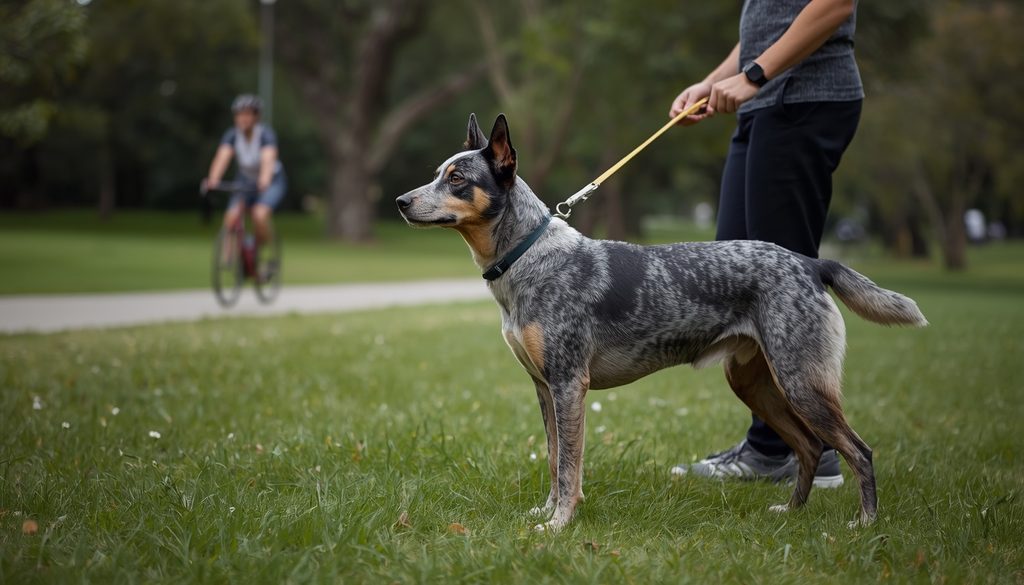
Chasing deserves special attention because modern triggers can be dangerous. Bikes, scooters, joggers, cars, wildlife, and running dogs can all activate movement-sensitive dogs. Reliable recall and leash control are essential, but preventing repeated rehearsal is equally important. Every successful chase can make the behavior more rewarding and more difficult to interrupt later.
Young dogs often need the most guidance because excitement and impulse control have not yet matured. Structured play, short training sessions, controlled exposure to movement, and rewarding calm responses can help puppies learn alternatives before unwanted habits become well established.
Owners should also watch for overarousal. Barking, chasing, spinning, nipping, and obsessive movement control often become worse when a dog is overtired, under-stimulated, or constantly wound up. Increasing exercise alone is not always the solution. Sometimes the dog needs more structured mental work and more opportunities to settle.
The important distinction is between instinct and permission. A breed may have a strong inherited tendency to control movement, but that does not mean every expression of that tendency is appropriate in a home. Good management does not suppress the dog’s nature; it channels that nature into safer, more useful outlets.
When owners recognize these behaviors early and respond consistently, most herding breeds can learn excellent household manners without losing the alertness, responsiveness, and working character that make the group so distinctive.
Coats, Grooming, Shedding and Allergies
Coat care varies enormously across the Herding Group. Some breeds have short, practical coats that need little more than routine brushing, while others carry long, dense, shaggy, corded, or heavily feathered coats that require much more regular maintenance. Grooming needs are therefore one of the most important practical differences to consider when comparing herding breeds.
Short-coated breeds such as the Australian Cattle Dog and Belgian Malinois are relatively straightforward to maintain. Their coats still shed, particularly during seasonal changes, but regular brushing is usually enough to remove loose hair and keep the skin and coat in good condition. German Shepherd Dogs also have practical working coats, although their dense undercoat can produce substantial shedding despite the relatively moderate coat length.
Double coats are common throughout the group. These typically combine a softer insulating undercoat with tougher outer hairs that help protect the dog from rain, wind, cold, and rough vegetation. Border Collies, Australian Shepherds, Collies, Shetland Sheepdogs, Finnish Lapphunds, and many other herding breeds fall into this broad category.
Seasonal shedding can be significant. Some dogs appear to release relatively modest amounts of hair throughout the year and then shed heavily once or twice annually. During these periods, more frequent brushing can help remove loose undercoat before it spreads through the home. Owners considering a heavily coated breed should be realistic about the amount of hair that may collect on furniture, clothing, carpets, and car interiors.
Long-coated breeds require more attention because tangles and mats can develop in areas where hair rubs together. Behind the ears, beneath the collar, around the legs, under the chest, and around the tail are common trouble spots. Collies and Shetland Sheepdogs generally benefit from thorough brushing several times each week, while particularly dense or shaggy coats may need even more frequent attention.
The Old English Sheepdog, Bearded Collie, Briard, and Polish Lowland Sheepdog can demand considerably more grooming than their rugged appearance suggests. Dirt, seeds, burrs, and moisture can become trapped in longer hair, so dogs that spend substantial time outdoors may require regular coat checks after walks.
A few breeds have highly distinctive coat structures. The Puli develops cords rather than a conventional brushed coat, while the Bergamasco forms characteristic flocks. These coats require specialized maintenance and should not simply be brushed like ordinary long hair. Prospective owners should learn the correct care routine before bringing one of these breeds home.
Bathing frequency depends on lifestyle, coat type, and how dirty the dog becomes. Most healthy dogs do not need constant bathing, and excessive shampooing can sometimes dry the skin. Dogs that swim, work outdoors, or regularly collect mud may naturally need more frequent cleaning.
Nails, ears, teeth, and paws also form part of routine grooming. Active dogs may wear their nails naturally to some extent, but regular checks are still important. Long-haired paws can trap mud or debris, while thick coats may hide skin irritation, ticks, lumps, or small injuries unless owners deliberately inspect beneath the hair.
Shedding is not the same as allergy risk. Dog allergies are usually triggered by proteins found in dander, saliva, and other secretions rather than by the hair itself. No herding breed can reliably be described as completely hypoallergenic, even if it sheds less than another breed.
Color does not determine grooming requirements either. Searches for white herding dog breeds may bring up striking pale or predominantly white dogs, but a white coat can be short and easy to maintain or long and demanding depending on the breed. Coat structure matters far more than color.
The best grooming routine is the one matched to the dog’s actual coat. Regular maintenance keeps the dog comfortable, reduces matting, limits loose hair around the home, and gives owners an opportunity to notice changes in skin, body condition, or overall health.

Start Coat Care Early
Grooming is much easier when a herding dog learns from puppyhood that brushing, paw handling, ear checks, and nail care are normal parts of life. Keep early sessions short and relaxed, rewarding the dog for standing calmly while different parts of the body are handled. This is especially valuable with long-coated breeds, because grooming may eventually become a substantial weekly routine. Regular coat care also gives owners a chance to notice skin irritation, grass seeds, ticks, small wounds, or changes in body condition that might otherwise remain hidden beneath dense hair. A few calm minutes several times each week can prevent much bigger grooming problems later.
Choosing the Right Herding Breed
Choosing among the many herding dogs is less about finding the “best” breed and more about matching a dog’s working style, energy, temperament, size, and care needs to the household that will live with it. The dogs in herding group classifications can differ enormously in size, working style, energy, and temperament. The group contains everything from compact Corgis to powerful German Shepherd Dogs, so two breeds that share a herding heritage can provide very different ownership experiences.
Activity level is one of the first factors to consider. Border Collies, Australian Shepherds, Australian Cattle Dogs, and Belgian Malinois can be extraordinarily energetic and mentally demanding. They often suit owners who genuinely enjoy training, outdoor activity, dog sports, or giving their dog regular purposeful work. Choosing one simply because it is intelligent or attractive can create difficulties if the household cannot provide enough engagement.
Other herding breeds can be somewhat easier to accommodate. Collies, Shetland Sheepdogs, Pembroke Welsh Corgis, and several Nordic herders still need regular exercise and mental stimulation, but many individuals can adapt well to ordinary family routines when their needs are consistently met. Even so, “moderate” within the Herding Group does not necessarily mean inactive.
Size should be considered alongside energy rather than in isolation. A Pembroke Welsh Corgi takes up considerably less physical space than a German Shepherd Dog, but it remains an active working breed with its own opinions and instincts. Conversely, a larger dog may settle beautifully indoors once its daily exercise and training needs have been satisfied.
Temperament differences are equally important. Some owners want an outgoing, playful family dog, while others appreciate a more serious, watchful companion. German Shepherd Dogs and some Belgian breeds may be naturally more reserved with strangers. Collies are often sensitive and strongly people-oriented, while Australian Cattle Dogs can be intensely loyal, robust, and comparatively assertive.
Think carefully about household activity too. Families with young children may prefer a breed and individual with a more forgiving temperament and manageable response to fast movement. A dog with extremely strong chasing or heel-nipping tendencies can require considerably more supervision and training in a home filled with running children.
Other pets matter as well. Many herding dogs live successfully with cats and other dogs, particularly when introduced appropriately, but strong movement sensitivity can complicate relationships. A dog that continually stalks, chases, or attempts to control another pet may create stress even if there is no aggressive intent.
Grooming is another practical dividing line. Someone who wants minimal coat maintenance may prefer an Australian Cattle Dog or Belgian Malinois over an Old English Sheepdog, Briard, or heavily coated Collie. Owners who enjoy grooming may view a long coat as part of the breed’s appeal, but it should still be treated as a genuine time commitment.
Noise tolerance should not be overlooked. Some of the best herding dog breeds for one household may be poor choices for another simply because they are highly vocal. Apartment dwellers or people living close to neighbors should consider whether a breed is likely to bark at movement, visitors, sounds, or excitement.
Experience also matters, although first-time ownership is not automatically ruled out. A committed beginner who researches carefully, attends training classes, and chooses an appropriate individual may succeed with many herding breeds. Problems are more likely when an inexperienced owner chooses one of the most intense working lines without realizing how much structure and involvement the dog will require.
People seeking the best dogs for herding actual livestock should look beyond general breed reputation. Working ability can differ significantly between lines and individuals. A reputable breeder experienced with stock work can provide far more meaningful guidance than appearance or breed popularity alone.
Likewise, a dog does not need exceptional working drive to be a rewarding companion. Many good herding dogs for family life come from lines selected for balanced temperament, trainability, and adaptability rather than maximum livestock performance.
Before making a decision, look beyond photographs and popularity. Meet adult dogs where possible, speak with experienced owners, breeders, rescue groups, and trainers, and ask what everyday life with the breed is genuinely like. The right herding dog should fit the life you actually lead, not the one you imagine you might lead after bringing the dog home.
Choose for Lifestyle, Not Looks
Coat color, size, and appearance may attract you to a particular herding breed, but everyday compatibility matters far more. Think about how much time you realistically have for exercise, training, grooming, and companionship, as well as how much barking, shedding, and intensity your household can comfortably manage. Meeting several adult dogs can be particularly valuable because puppies rarely reveal the full energy or character of the breed they will become. Ask owners what surprised them most, what they find difficult, and what their dogs need on an ordinary weekday. A well-matched herding dog should complement your routine rather than require your entire lifestyle to be rebuilt around it.

Final Thoughts
So, what are herding dogs at their core? They are among the most intelligent, responsive, and varied dogs in the canine world. Their shared history of working alongside people gives them an extraordinary ability to learn, observe, anticipate, and respond, but the Herding Group is far too diverse to treat as a single type of dog.
A Pembroke Welsh Corgi, Border Collie, Australian Cattle Dog, Collie, and German Shepherd Dog may all share herding ancestry, yet they differ substantially in size, intensity, temperament, coat care, working style, and everyday management. Understanding those differences is far more useful than choosing a breed simply because it belongs to the group.
What unites many herding dogs is the desire to engage with the world around them. They tend to notice movement, learn routines quickly, respond closely to their owners, and benefit from having something meaningful to do. For some dogs, that might be livestock work or competitive dog sports. For others, it may simply mean daily walks, short training sessions, interactive games, and regular involvement in family life.
That intelligence can be both a strength and a challenge. A well-matched herding dog may become an exceptionally responsive companion, while an under-stimulated or poorly matched dog may create its own entertainment through barking, chasing, destructive behavior, fence-running, or attempting to control everything that moves. Good ownership therefore involves more than providing physical exercise. These breeds generally benefit from structure, mental engagement, clear communication, and opportunities to settle as well as work.
Breed choice matters enormously. Some herders suit highly active owners who want a dog capable of advanced training and demanding outdoor activity. Others are more adaptable to ordinary family routines, provided their exercise and companionship needs are met. Size alone is not a reliable guide to difficulty; a compact cattle dog or Corgi can possess every bit as much determination and personality as a much larger shepherd.
Their original purpose remains visible even in modern companion dogs. The Border Collie watching movement across a field, the Australian Cattle Dog confidently following its owner, the German Shepherd monitoring its surroundings, or the Shetland Sheepdog announcing an arrival all reflect traits that once helped these breeds perform practical jobs.
For the right household, that heritage is part of their appeal. Herding breeds can offer remarkable loyalty, trainability, athleticism, personality, and companionship. They often form close relationships with the people who involve them fully in everyday life and give their intelligence somewhere productive to go.
The key is choosing thoughtfully. Learn about the individual breed rather than relying solely on the Herding Group label, be realistic about the time and activity you can provide, and select a dog whose temperament and working drive suit your household.
When those pieces fit together, a herding dog can be far more than an impressive working breed. It can become an engaged, dependable, and deeply rewarding companion for many years.
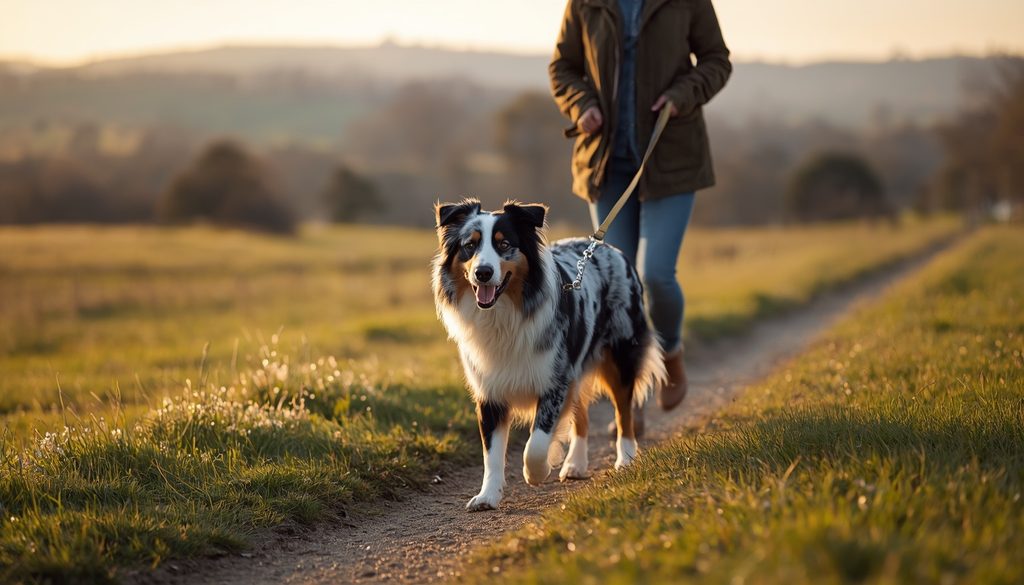
Explore More Dog Breeds
Herding dogs are only one part of the wider dog world. Explore our complete Dog Breeds guide to discover more breeds, compare different breed groups, and learn about their history, temperament, size, exercise needs, grooming requirements, and suitability for different homes. Whether you are researching your next dog or simply want to understand how breeds differ, the main breeds hub is the best place to continue exploring.
Learn More About the Herding Group
For official information about recognized herding breeds, breed standards, and the development of the group, visit the American Kennel Club Herding Group resource. It provides a useful reference point for anyone wanting to compare individual breeds, understand their original working roles, or explore how modern herding breeds are classified within the AKC system.