
Dog Grooming
Dog grooming is about much more than keeping a dog looking tidy. Regular coat, skin, nail, ear and dental care can contribute to comfort and health while giving owners valuable opportunities to notice physical changes that might otherwise remain hidden. Grooming also helps prevent everyday problems such as matting, overgrown nails, trapped debris and skin irritation from becoming more serious. When it becomes part of a normal routine rather than an occasional chore, grooming can support both a dog’s appearance and its overall wellbeing.

How much grooming a dog needs varies enormously. A short-coated Boxer may require relatively little coat maintenance, while a Poodle, Afghan Hound or heavily coated northern breed can require considerably more time and attention. Coat type, lifestyle, age, health and even the environment in which a dog lives can all influence the approach to grooming for dogs.
Brushing is often the foundation of routine coat care. It removes loose hair, helps distribute natural skin oils and can prevent tangles from tightening into painful mats. The right brush depends on the coat, and a tool that works well for one breed may be ineffective or uncomfortable on another. Long, curly, double and wire coats all require different techniques.
Bathing can remove dirt, odors and environmental debris, but frequency should suit the individual dog. Some dogs need relatively regular bathing because of coat type, activity level or skin needs, while others may require much less. Using products formulated for dogs and rinsing thoroughly can help avoid unnecessary dryness or irritation.
Nail care is equally important. Nails that become too long can affect how a dog stands and moves, and they may place extra stress on the feet and joints. Regular trimming or grinding can help keep them at a comfortable length, although many dogs need gradual desensitization before they are relaxed about having their paws handled.
Routine attention to ears, teeth and paws also matters. Dogs with drop ears, narrow ear canals or a tendency toward skin problems may need especially careful monitoring. Dental care can help reduce plaque and gum disease, while checking the paws can reveal cracks, foreign objects, worn pads or damaged nails before they become more uncomfortable.
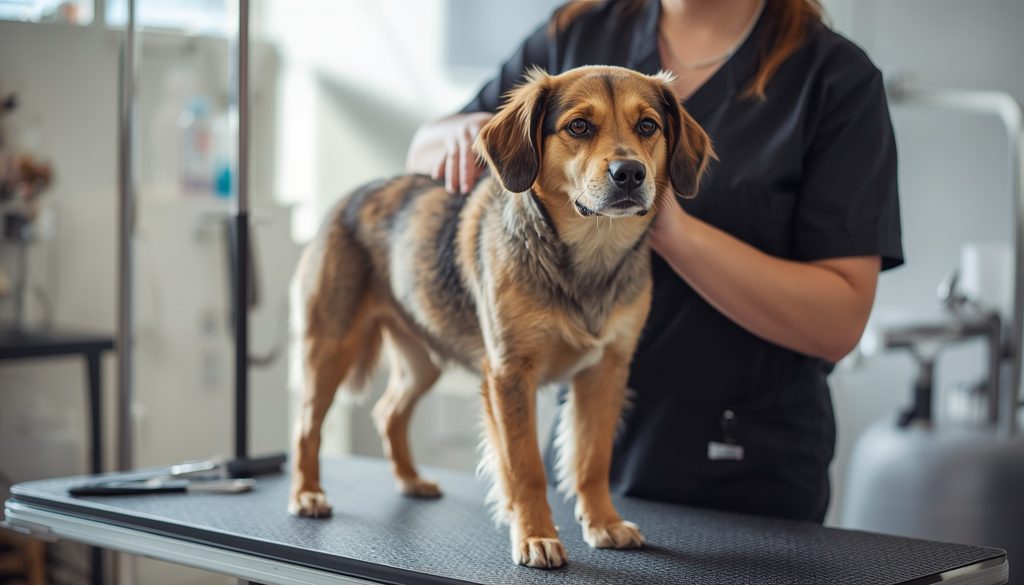
Professional groomers may play an important role for breeds requiring clipping, trimming, coat stripping or more specialized care. A good groomer can also help owners understand how often a particular coat should be maintained and which areas are most likely to mat or become irritated between appointments.
Grooming also provides something less obvious: regular hands-on familiarity with your dog. While brushing or bathing, owners may discover a new lump, irritated skin, a tick, a damaged nail, tenderness or another change that deserves closer attention. That routine contact can make it easier to spot problems earlier.
Not every dog naturally enjoys being groomed. Some dislike having their paws handled, become nervous around clippers or find brushing uncomfortable, particularly if their coat is already tangled. Introducing grooming gradually and creating positive associations can make routine care considerably easier for both dog and owner.
Puppies benefit from learning early that grooming equipment, handling and gentle restraint are normal parts of life. Short, calm sessions can help build tolerance before full grooming is actually necessary. Older dogs may need more support, especially if arthritis, skin sensitivity or reduced mobility makes certain positions uncomfortable.
There is no universal grooming schedule that suits every dog. The goal is to understand the individual dog’s coat and body, provide the care they actually need and make grooming a normal, comfortable part of life.
A well-groomed dog may certainly look beautiful — but the real purpose of grooming is helping them remain clean, comfortable and healthy from nose to tail
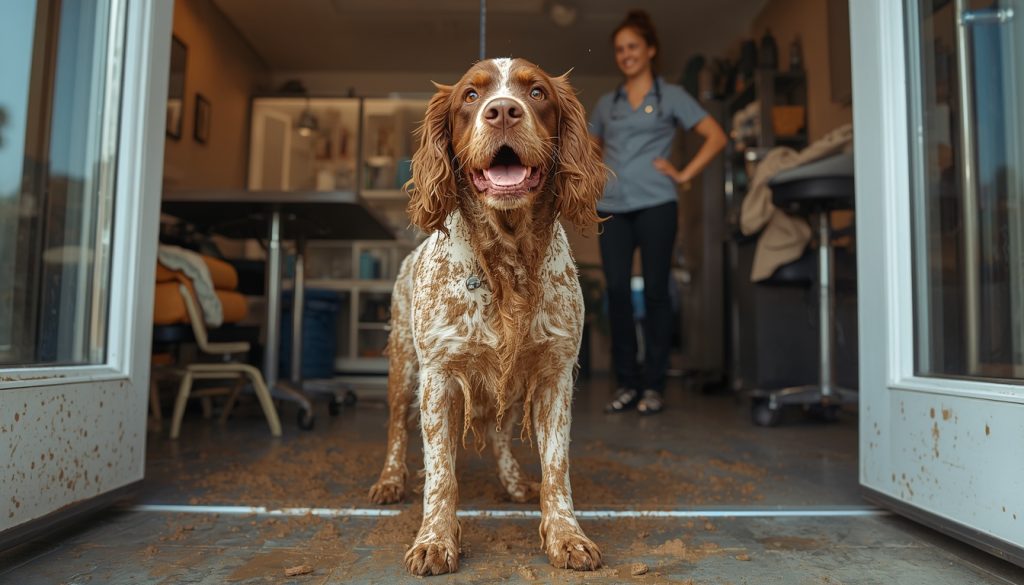
Table of Contents
Understanding Your Dog’s Coat
A dog’s coat is more than something that makes them fluffy, sleek or distinctive. Hair helps protect the skin from the environment and contributes to temperature regulation, while the type of coat a dog inherits has a major influence on how much dog grooming they require.
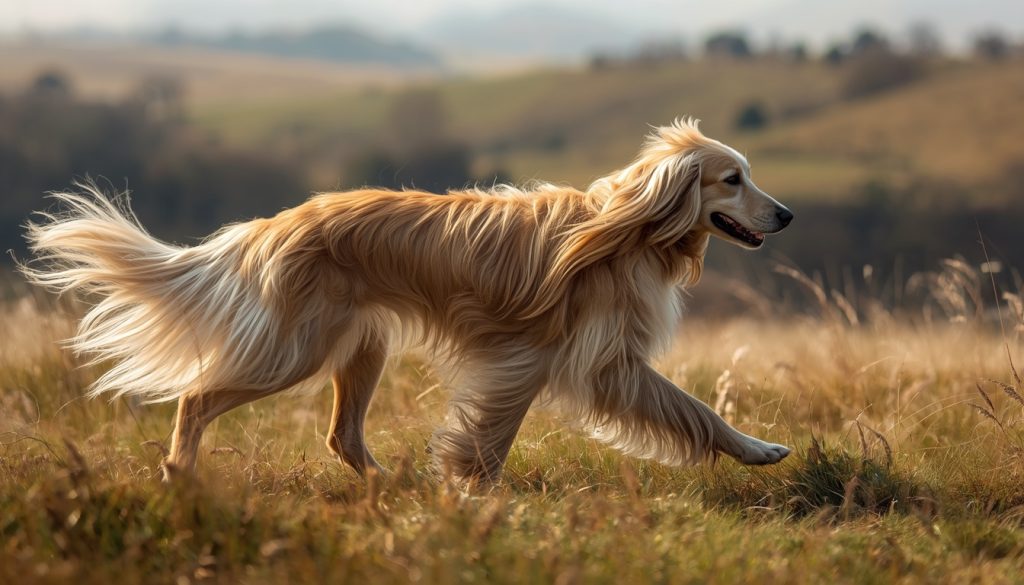
Dog coats vary enormously. Some breeds have short, smooth hair that requires relatively little maintenance, while others have long coats that can tangle easily. Double-coated breeds have a softer insulating undercoat beneath longer protective hairs, while wire-haired, curly and continuously growing coats each present their own grooming considerations.
Understanding whether a dog has a single or double coat is particularly useful. Double-coated dogs such as Huskies, German Shepherds and Golden Retrievers can shed large quantities of undercoat, especially during seasonal coat changes. Regular brushing helps remove this loose hair before it ends up throughout the home and can prevent dense undercoat from becoming compacted.
Long and curly coats often require more frequent attention because loose hairs may remain trapped within the coat rather than simply falling away. Without regular brushing and combing, tangles can develop into tight mats that pull against the skin and become uncomfortable.
Short-coated dogs still benefit from grooming. Brushing can remove loose hair, distribute natural skin oils and provide an opportunity to check the skin for lumps, irritation, parasites or injuries. A coat does not need to be long to deserve regular attention.
Breed provides useful guidance, but individual dogs can still differ. Coat density, lifestyle, climate, time spent swimming or outdoors and health can all influence how quickly a coat becomes dirty, tangled or sheds.
Rather than applying the same grooming routine to every dog, start by understanding the coat your dog actually has and the care that particular coat requires.
Different Coats Need Different Care
Short, long, curly, wire and double coats behave differently. Coat type influences how often a dog needs brushing, how easily tangles develop and how much loose hair needs to be removed.
Breed can provide a useful starting point, but coat density, lifestyle, climate and the individual dog should ultimately determine the grooming routine.
Brushing and Coat Care
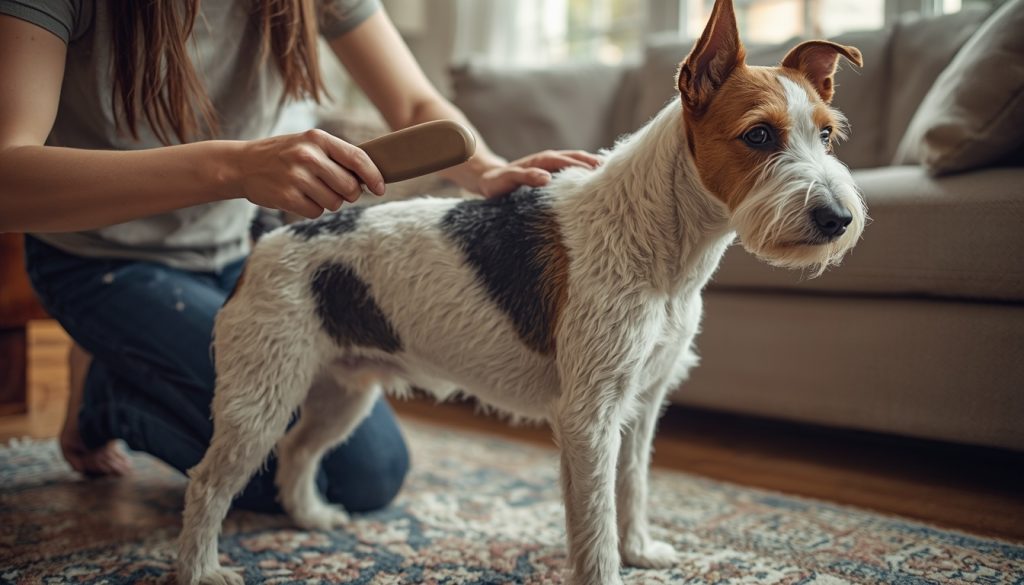
Regular brushing is one of the simplest forms of home grooming and helps maintain a dog’s coat and skin. It removes loose hair, dirt and debris, helps prevent tangles from developing and provides an opportunity to examine areas of the body that may otherwise receive little attention.
How often a dog needs brushing depends largely on coat type. A short-coated dog may only need occasional brushing to remove loose hair, while long, curly or dense coats may require attention several times a week — and sometimes daily — to prevent tangles and mats.
The type of grooming tool matters too. Slicker brushes, pin brushes, bristle brushes, grooming mitts, combs and undercoat tools are designed for different purposes. A tool that works beautifully on a Labrador may be completely unsuitable for a Maltese or Poodle. Choosing equipment that suits the coat can make grooming more effective and considerably more comfortable for the dog.
Technique is equally important. Brushing should work through the coat without repeatedly scraping the skin or pulling painfully against knots. Long or dense coats may need to be worked through gradually in sections so that the brush reaches beyond the surface hair.
Certain areas deserve particular attention. Hair behind the ears, beneath collars, around the legs, under the armpits and around the tail can tangle easily in longer-coated dogs because these areas experience frequent movement and friction.
Brushing also creates an excellent opportunity for a quick health check. As your hands move across the dog, you may notice a lump, tick, irritated patch of skin, tender area or change in coat condition that was not obvious from simply looking.
Perhaps most importantly, brushing should not become a wrestling match. Short, comfortable sessions combined with gentle handling can help grooming become an ordinary part of life rather than something the dog learns to avoid.
The best brushing routine is one that keeps the coat comfortable while remaining comfortable for the dog too.
Use the Right Tool for the Coat
Different brushes and combs serve different purposes. Coat length, texture and density should determine which grooming tools you use rather than choosing one brush for every dog.
Brush gently and pay particular attention to areas where friction encourages tangles, including behind the ears, beneath collars, under the legs and around the tail.
Bathing Your Dog
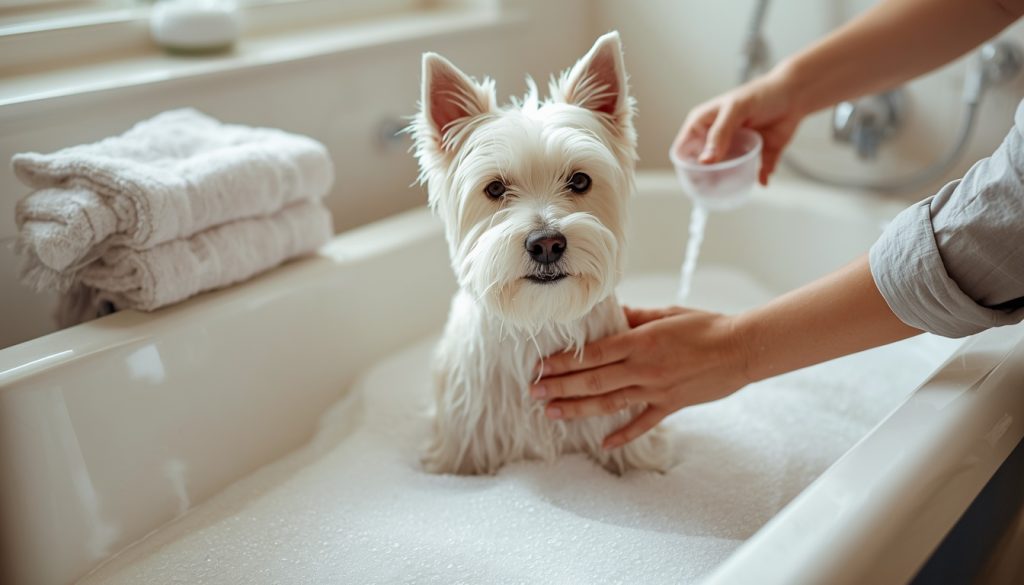
Bathing is an important part of bath and grooming for dogs, helping remove dirt, odors and substances that accumulate on the skin and coat. Dogs do not necessarily need to be bathed according to a rigid schedule, however. Coat type, lifestyle, skin health and just how enthusiastically a dog finds mud can all influence how often a bath is actually needed.
A dog that spends most of its time indoors may remain clean for relatively long periods, while dogs that swim, roll in questionable substances or regularly explore muddy trails may require bathing much more often. Some dogs with skin conditions may also be given a specific bathing routine by their veterinarian.
Products designed for dogs are generally the appropriate choice because canine skin differs from human skin. Medicated shampoos may sometimes be recommended for particular skin conditions, but they should be used according to veterinary instructions rather than simply because a dog happens to be itchy.
If you’re wondering, “Do you bathe a dog before grooming?”, the answer depends partly on the coat and the grooming required. Before bathing a long or easily tangled coat, brushing can help remove loose hair and knots that may become more difficult to manage once wet. During the bath, comfortably warm water and gentle handling can make the experience considerably less stressful.
Rinsing thoroughly is important. Shampoo residue left within a dense coat can irritate the skin, particularly around areas that are difficult to rinse properly. Care should also be taken around the eyes and ears.
Drying requirements vary with coat type. A short-coated dog may dry relatively quickly with towels, while dense or long coats can retain moisture much longer. Whatever method is used, drying should be comfortable and should never expose the dog to excessive heat.
Bath time does not need to become a major production. For most dogs, it is simply another part of routine care — bathe when needed, use appropriate products and make the experience as calm and comfortable as possible.
Bath When Your Dog Needs It
There is no single bathing schedule that suits every dog. Coat type, lifestyle, skin health and how dirty the dog becomes should help determine how often bathing is necessary.
Use products intended for dogs, rinse the coat thoroughly and keep water temperature and drying comfortable. Dogs with skin conditions may require a bathing routine recommended by their veterinarian.
Dealing With Shedding
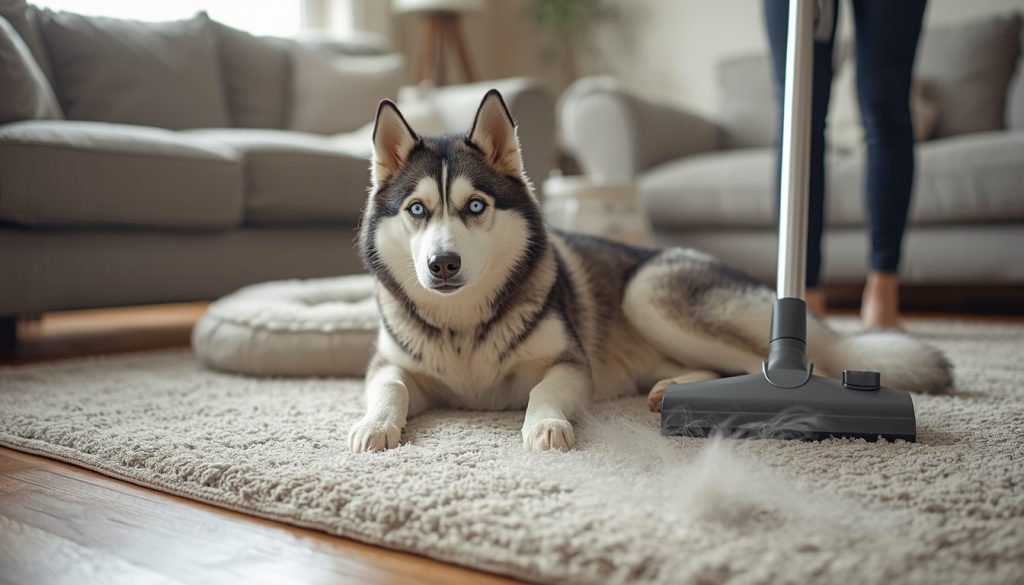
Shedding is a normal part of life for most dogs. Old or damaged hairs are continually replaced, although the amount of hair a dog loses can vary enormously according to breed, coat type, season, environment and individual health.
Some short-coated dogs shed steadily throughout much of the year, even though their loose hairs may be less obvious until they appear on clothing and furniture. Double-coated breeds can produce far more dramatic seasonal changes as dense undercoat is released, sometimes seemingly faster than owners can remove it.
Regular brushing is one of the most practical parts of dog grooming for managing shedding. Removing loose hair with a tool suited to the dog’s coat allows much of it to end up in the brush rather than around the home. For dense double coats, working systematically through different areas can help remove loose undercoat without damaging the protective outer coat.
Bathing may also help loosen hair that is ready to shed, provided appropriate products are used and the coat is rinsed and dried thoroughly. Professional groomers can be particularly useful during heavy shedding periods for dogs with extremely dense coats.
It is important to distinguish normal shedding from abnormal hair loss. Bald patches, thinning in unusual areas, broken hair, inflamed skin or hair loss accompanied by persistent scratching may indicate something other than ordinary coat turnover. Parasites, allergies, infections, hormonal conditions and other health problems can all affect the coat.
Nutrition and general health also influence coat quality, but supplements should not automatically be added simply because a dog sheds. A healthy dog eating a complete and balanced diet should already receive the essential nutrients needed to maintain normal skin and hair.
You may never completely win the battle against dog hair — particularly if you share your home with a heavy-shedding breed — but appropriate grooming can keep loose coat manageable while helping the healthy coat underneath remain comfortable.
Tangles, Mats and Knots
Tangles can develop surprisingly quickly in dogs with long, curly, silky or dense coats. Loose hairs become caught among surrounding hair and begin twisting together, eventually forming knots that can tighten into mats if they are not removed.
Certain areas are particularly vulnerable. Behind the ears, beneath collars and harnesses, under the front legs, around the tail and anywhere the coat experiences regular friction are common places for tangles to develop. Dogs that swim or regularly become wet may also develop knots more easily if their coats are not brushed and dried appropriately afterwards.
Small tangles are usually much easier to deal with before they become tight. Regular brushing and combing allows owners to find them early and gently work through the coat before a larger mat develops.
Once matting becomes severe, however, attempting to pull or repeatedly brush through it can be painful. Tight mats can tug continuously against the skin and may trap moisture and debris underneath. In some cases, clipping the affected coat may be considerably kinder than trying to preserve the hair by painfully teasing every knot apart.
Care is also needed when using scissors around mats. Skin can be pulled upward into a tight mat and become surprisingly difficult to distinguish from the coat, creating a risk of accidentally cutting the dog. Difficult or extensive matting is often safest in the hands of an experienced professional groomer.
Prevention is considerably easier than dealing with an established problem. A few minutes of regular coat maintenance, particularly around high-friction areas, can prevent hours of uncomfortable grooming later.
A beautiful coat is nice to look at, but comfort should always take priority over preserving coat length.

Deal With Tangles Early
Small tangles are generally much easier to remove before they tighten into mats. Check regularly behind the ears, beneath collars, under the legs and anywhere the coat experiences friction.
Severe matting can be painful and may need professional clipping. Comfort is more important than trying to preserve every inch of coat.
Nail Care
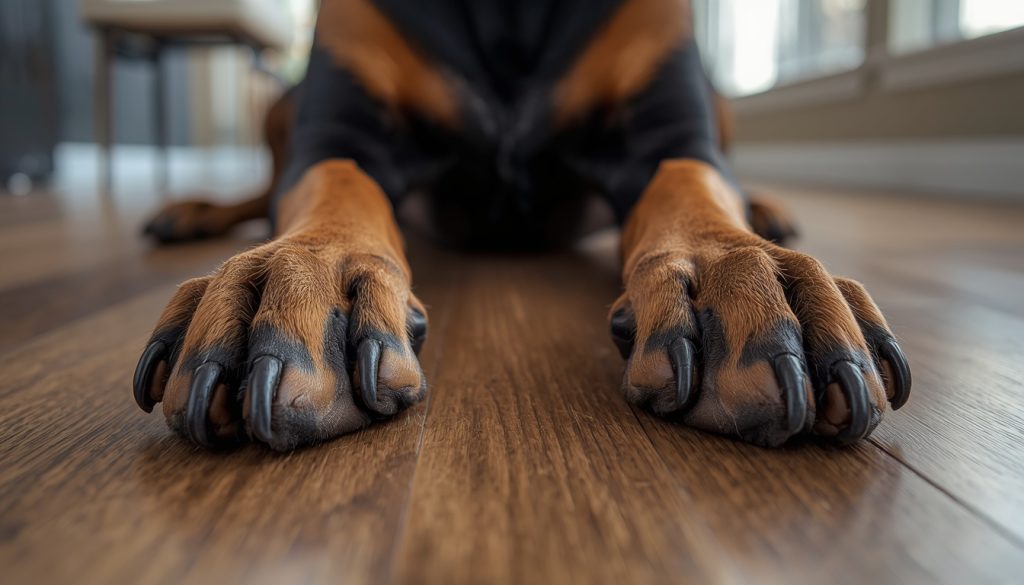
A dog’s nails grow continuously, and keeping them at a comfortable length is an important but sometimes overlooked part of dog grooming. Nails that become excessively long can alter the way a dog places their feet on the ground and may make walking uncomfortable, particularly on hard surfaces.
How quickly nails wear naturally varies considerably. Dogs that regularly walk on pavement or other firm surfaces may gradually wear some nail away through everyday activity, while dogs spending most of their time on grass or soft ground may require more frequent trimming. Individual nail growth also varies from dog to dog.
One challenge is the quick — the sensitive tissue containing blood vessels and nerves inside each nail. Cutting into it is painful and causes bleeding, which is why small, controlled trims are preferable to removing a large amount at once. The quick can be easier to see through pale nails, while dark nails require greater care because its position is hidden.
Nail grinders provide an alternative to clippers and allow the nail to be shortened gradually, although some dogs need time to become comfortable with the sound and vibration. Whichever method is used, equipment should be appropriate for the dog’s size and handled carefully.
Dewclaws deserve particular attention because they may not contact the ground enough to wear naturally. If allowed to grow excessively, they can curve toward the skin or become more vulnerable to catching and tearing.
For many dogs, the greatest challenge is not the nail itself but having their feet handled. Introducing paw handling gradually, rewarding calm behavior and trimming only one or two nails at a time when necessary can make the process much easier.
If you are uncomfortable trimming your dog’s nails, there is nothing wrong with asking a groomer or veterinary professional to do it. The goal isn’t to master the clippers — it is simply to keep your dog’s feet and nails comfortable.
Little and Often Can Be Easier
Regular small trims can be easier than waiting until nails become very long. Remember to check dewclaws too, as they may receive little natural wear.
If your dog dislikes having their paws handled, build comfort gradually rather than turning nail trimming into a struggle.
Ear Cleaning and Care
A dog’s ears usually require relatively little attention when they are healthy, but checking them regularly can help owners notice irritation or infection before discomfort becomes more severe. Ear shape, hair growth, allergies, swimming and individual susceptibility can all influence how much care a particular dog needs.
Healthy ears should generally be comfortable, without persistent redness, swelling, strong odor or excessive discharge. A small amount of wax can be normal, and ears do not need to be scrubbed simply because they are not perfectly spotless.
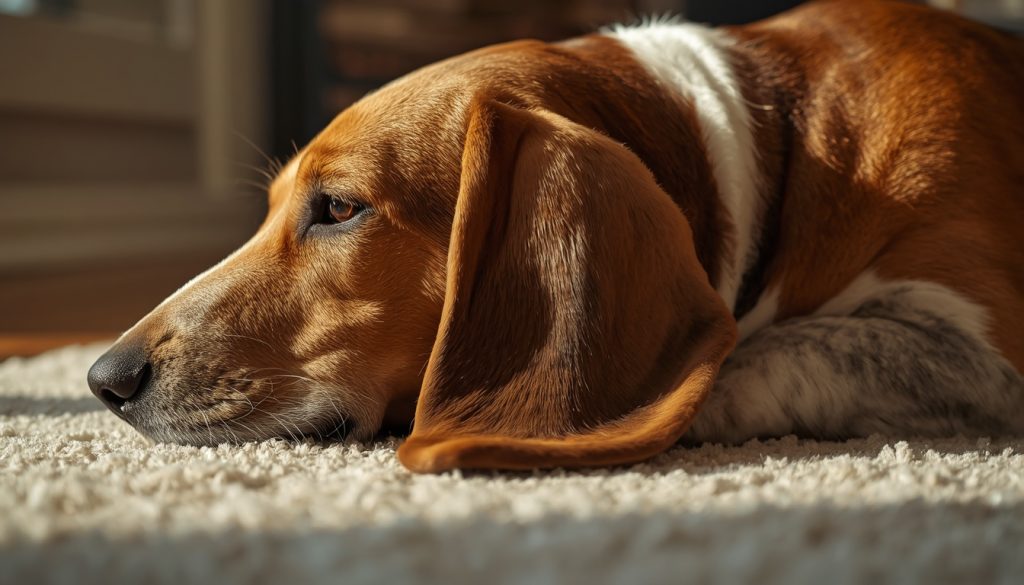
Dogs with long, hanging ears may have less airflow around the ear opening, while dogs that swim frequently can have additional moisture around the ears. Some dogs with allergies also experience recurring ear inflammation. None of these factors guarantees that a dog will develop problems, but they can make regular observation particularly useful.
Signs of discomfort can include repeated head shaking, scratching at an ear, rubbing the side of the head against furniture or becoming sensitive when the ear is touched. An unpleasant smell, redness or unusual discharge can also indicate that veterinary assessment is needed.
When routine cleaning is appropriate, products intended specifically for canine ears should be used according to their directions or veterinary advice. Cotton swabs and other objects should not be pushed down into the ear canal, where they can cause injury or push debris deeper.
Recurring ear problems deserve investigation rather than simply repeated cleaning. Infection, allergies, foreign material and other underlying causes may need to be addressed before the ears remain comfortable.
For most dogs, good ear care is remarkably simple: look regularly, clean only when appropriate and pay attention when something changes.
Healthy Ears Don’t Need Constant Cleaning
Check your dog’s ears regularly for unusual redness, odor, discharge or sensitivity. A small amount of normal wax does not necessarily mean the ear needs intensive cleaning.
Repeated head shaking, scratching or recurring ear problems deserve attention because cleaning alone may not address the underlying cause.
Dental Care as Part of Grooming
Teeth may not immediately come to mind when we think about grooming, but regular mouth care fits naturally alongside brushing coats, checking ears and trimming nails. Becoming comfortable looking inside your dog’s mouth can also make it easier to notice changes before they become more significant.
Plaque begins accumulating on teeth naturally. Regular brushing helps physically remove plaque before it hardens into tartar, making tooth brushing one of the most useful forms of routine dental care that owners can provide at home.
Dog-specific toothbrushes come in different shapes and sizes, and some dogs are more comfortable with a small soft brush than a larger traditional design. Toothpaste should be formulated for dogs rather than people, since human toothpaste is not intended to be swallowed and some ingredients may be unsuitable for dogs.
Dogs rarely begin by enthusiastically accepting a toothbrush. Introducing mouth handling gradually can make a considerable difference. Simply lifting the lips, touching around the mouth and allowing the dog to become familiar with the toothbrush can come before attempting a complete brushing session.
The outer surfaces of the teeth and gum line are particularly important areas to brush. Sessions do not need to be long, and a calm, brief routine performed regularly is more useful than an occasional battle to clean every tooth perfectly.
Dental chews and other products may complement a dental-care routine, but products vary considerably and should not automatically be considered equivalent to brushing.
While caring for the mouth, look for changes such as broken teeth, heavy tartar, inflamed gums, unusual growths or persistent bad breath. Grooming provides another opportunity to notice these signs, but established dental disease requires veterinary assessment rather than more vigorous brushing at home.
As with every other part of grooming, the best routine is one your dog can comfortably tolerate and you can realistically maintain over time.

Paws, Pads and Hair Between the Toes
A dog’s paws cope with an enormous amount during everyday life. They carry the dog’s weight across pavement, grass, sand, mud and rough ground, while the pads provide cushioning and protection between the feet and the surfaces beneath them. Giving paws a quick check from time to time can help keep them comfortable.
Paw pads are naturally tough, but they are not indestructible. Cuts, cracks, abrasions and burns can occur, particularly after walking over rough terrain or surfaces that are extremely hot. In colder climates, ice, snow and substances used to treat roads and sidewalks can create different challenges.
The spaces between the toes deserve attention too. Grass seeds, small stones, thorns and other debris can become lodged around the feet, particularly after outdoor adventures. Persistent licking or chewing at one paw may be the first sign that something is irritating or painful.
Hair growing between and around the toes varies considerably between breeds. In some longer-coated dogs, excessive hair can collect mud and debris or become tangled. Carefully keeping this area tidy when necessary can make the feet easier to inspect and maintain.
Paws should also be checked after activities that expose them to unusual conditions. A quick look after a long hike, beach trip or walk through rough vegetation can sometimes reveal a problem before the dog begins showing obvious discomfort.
Seasonal conditions can influence how much attention paws need. Hot pavement can become uncomfortable or cause burns during summer, while snow, ice and road treatments can irritate feet in colder climates. Dogs that regularly swim or spend time around water may have damp hair remaining between the toes, while active dogs covering rough ground can develop small abrasions that are easily missed. Adjusting paw checks to the dog’s environment and activities makes more sense than following exactly the same routine throughout the year.
Frequent paw licking should not automatically be treated as a grooming issue. Allergies, skin irritation, infection, injury and other problems can cause dogs to repeatedly lick or chew their feet. If the behavior persists, or the paw becomes red, swollen, painful or develops an unusual odor, the underlying cause may need veterinary attention rather than simply more cleaning or grooming.
Getting a dog comfortable with having their feet touched can make paw care considerably easier. Briefly handling the paws during relaxed moments, gently separating the toes and rewarding calm behavior can help make future inspections, nail care and grooming less stressful.
Paw care does not need to be complicated. Simply becoming familiar with how your dog’s feet normally look and giving them occasional attention can help keep four remarkably hardworking little pieces of anatomy comfortable.
Check Paws After Adventures
After walks through rough ground, long grass, sand or extreme weather, take a moment to check your dog’s feet for cuts, irritation or anything caught between the toes.
Persistent licking or chewing at a paw may indicate discomfort rather than simply a grooming habit and is worth investigating if it continues.

Grooming Different Coat Types
There is no single dog grooming routine that works equally well for every dog. The enormous variety of canine coats means that dog grooming techniques perfectly suited to one breed may be ineffective — or even inappropriate — for another. Understanding how a particular coat grows, sheds and tangles is the foundation of good dog grooming.
Short, smooth coats are generally among the easiest to maintain. Breeds such as Boxers, Beagles and Dobermans may not require extensive brushing, but they still shed and benefit from regular grooming. A soft bristle brush or grooming mitt can help remove loose hair and surface dirt while providing an opportunity to check the skin underneath.
Double coats require a different approach. Breeds such as Siberian Huskies, German Shepherds and many retrievers have a dense insulating undercoat beneath protective outer hairs. During periods of heavy shedding, considerable amounts of loose undercoat may need to be removed through regular brushing and combing.
A double coat should not automatically be shaved simply to reduce shedding or because the weather is warm. The outer coat and undercoat have particular functions, and clipping can alter the way some coats grow back. When there is a medical or practical reason for removing coat, advice from a veterinarian or experienced professional groomer can help determine the best approach.
Long and silky coats can require frequent attention because friction and movement encourage tangles. Areas behind the ears, beneath the legs and around collars or harnesses are particularly prone to knotting. Regular brushing and combing through the full depth of the coat helps prevent small tangles from becoming uncomfortable mats.
Curly and continuously growing coats present yet another challenge. Breeds such as Poodles and Bichon Frises may shed less visibly because loose hair remains trapped within the surrounding coat. Without regular brushing, combing and trimming, that trapped hair can contribute to significant matting. These dogs commonly benefit from scheduled professional grooming as well as maintenance at home.
Wire-haired dogs have coarse outer coats that differ considerably from both smooth and curly coats. Depending on the breed and the desired coat condition, grooming may involve brushing, clipping or hand stripping. Pet dogs do not necessarily need to be maintained exactly like show dogs, but the natural characteristics of the coat should still guide how it is cared for.
Mixed-breed dogs can inherit almost any combination of coat characteristics. Even puppies from the same litter may eventually develop different textures and grooming requirements, particularly when breeds with very different coat types are crossed.
The appearance of a coat tells only part of the story. Run your fingers through it, look at how densely the hair grows and notice whether loose hair falls away or remains trapped underneath. Once you understand how your dog’s particular coat behaves, choosing an appropriate grooming routine becomes considerably easier.

Groom the Coat You Have
Smooth, double, long, curly and wire coats behave differently and require different tools and techniques. A grooming routine that works beautifully for one dog may be completely unsuitable for another.
Look beyond breed labels and consider the individual dog’s coat texture, density, growth and shedding pattern when deciding how to care for it.
Professional Grooming
Many owners are comfortable grooming a dog at home, but professionals experienced in grooming dogs can play an important role in maintaining coats that require clipping, trimming, specialist techniques or simply more time and equipment than is practical at home.
Some breeds require professional grooming much more regularly than others. Dogs with continuously growing or dense curly coats, for example, may need scheduled clipping to prevent the coat becoming excessively long and difficult to maintain. Long-coated and heavily coated breeds may also benefit from professional bathing, drying and thorough coat maintenance.
How long does grooming a dog take? It varies considerably according to coat type, size, coat condition and the services required. A grooming appointment can involve much more than giving a dog a haircut, including bathing and drying the coat, brushing out loose hair, removing tangles, trimming nails and shaping or clipping the coat appropriately.
Professional equipment can make certain jobs considerably easier. Grooming tables allow dogs to be handled at a practical height, while specialist dryers can help work through dense coats after bathing. Groomers also have access to a range of clippers, blades, combs and brushes suited to different coat types.
A good groomer should also consider the dog’s comfort and temperament. Some dogs happily walk into a grooming salon, while others may find unfamiliar sounds, dryers, clippers or handling stressful. Patient handling, appropriate breaks and realistic expectations can make the experience much easier.
Communication between owner and groomer matters. Rather than simply asking for a dog to be “cut short,” it can be useful to discuss the dog’s coat condition, lifestyle and how much grooming can realistically be maintained between appointments. A practical trim for an active family dog may be very different from the presentation expected in the show ring.
Groomers may also notice physical changes while working closely over the dog’s entire body. Lumps, skin irritation, ear problems, parasites, damaged nails or tender areas may become apparent during grooming. A groomer cannot diagnose medical conditions, but they can alert an owner when something deserves closer attention.
For owners looking for the best dog grooming experience, choosing a groomer is about more than finding someone who produces an attractive haircut. Clean facilities, calm handling, appropriate equipment and a willingness to discuss your dog’s individual needs are all important.
The finished haircut may be what everyone notices, but good professional grooming is ultimately about sending the dog home clean, comfortable and with a coat that the owner can realistically maintain.
A Good Groomer Works With the Dog
Professional grooming can include bathing, drying, brushing, clipping, coat trimming and nail care. The services a dog needs depend largely on coat type, condition and lifestyle.
Good grooming isn’t simply about producing the perfect haircut. Calm handling, the dog’s comfort and creating a coat the owner can maintain at home matter just as much.

Helping Your Dog Feel Comfortable With Grooming
If you’re wondering how do you groom a dog that is nervous or uncomfortable with handling, the answer often begins before the brush or clippers even come out. Grooming asks dogs to accept a surprising amount of handling. We touch their feet, lift their ears, brush sensitive areas, examine their mouths and sometimes introduce unfamiliar equipment that vibrates, makes noise or feels strange against the body. Some dogs accept all of this easily, while others need considerably more time.
Starting early can help, but grooming confidence can be developed at any age. Puppies can gradually become familiar with having their paws, ears, mouth and body handled before these things become necessary during an actual grooming session. Adult dogs that are already uncomfortable with grooming may need the process broken into much smaller steps.
The aim is not simply to make a dog remain still. A dog that freezes through fear may appear cooperative while actually finding the experience extremely stressful. Relaxed body language and a willingness to participate are much better indications that the dog is becoming comfortable.
Short sessions can be particularly effective. Touching a paw briefly, rewarding the dog and moving on may accomplish more than attempting to hold the foot for several minutes. The same approach can be used when introducing brushes, combs, clippers, dryers and other grooming equipment.
Letting a dog investigate unfamiliar tools before they are used can also help. A clipper might initially be present without being switched on, followed later by hearing it from a distance and eventually feeling the vibration briefly against the body. There is no advantage in rushing through these stages if the dog is frightened.
Treats can be useful for creating positive associations and rewarding calm behavior, but the overall experience matters too. Gentle handling, stable footing, comfortable positioning and regular breaks can all reduce stress.
Existing pain should also be considered when a dog suddenly begins resisting grooming. An ear infection can make ear handling painful, arthritis may make standing difficult and mats can cause brushing to pull against sensitive skin. What appears to be difficult behavior may sometimes be the dog’s attempt to avoid discomfort.
Dogs should never need to love every part of grooming. Some may always prefer certain procedures to be completed quickly and efficiently. The realistic goal is a dog that feels safe enough to tolerate the care they need without unnecessary fear or struggle.
Building that confidence gradually can turn grooming from an occasional battle into a predictable and ordinary part of life together.

Start With Handling, Not Grooming
Before expecting a dog to accept brushes, clippers or nail care, help them become comfortable with ordinary handling of the paws, ears, mouth and body.
Keep early sessions short and relaxed. Building confidence gradually is usually far easier than forcing a frightened dog through an entire grooming session.
Building a Grooming Routine That Suits Your Dog
There is no perfect dog grooming routine that applies to every dog. A routine that keeps one dog’s coat, nails, ears and skin in excellent condition may be completely inappropriate for another. The best approach begins with understanding what your individual dog actually needs.
Coat type is one of the biggest influences. A short-coated dog may require only occasional brushing, while a long, curly or dense coat may need attention several times each week. Dogs with continuously growing coats may also require regular professional trimming, while heavy seasonal shedders can suddenly need much more brushing at particular times of year.
Lifestyle matters just as much. A dog that spends weekends hiking through forests, swimming at the beach or racing through muddy fields will bring home very different grooming requirements from a dog whose daily exercise consists mainly of neighborhood walks. Grooming should respond to the life the dog actually lives.
The routine may change with the seasons too. Shedding can increase dramatically at certain times of year, muddy weather may mean more frequent paw and coat cleaning, and dogs that swim regularly may need additional attention to their coat and ears.
Age and health can change grooming needs as well. Puppies are learning how to accept handling, adult dogs may settle into an established routine, and senior dogs can require shorter sessions or more comfortable positioning if standing for long periods becomes difficult. Skin conditions, allergies and other health problems may also influence bathing or coat-care recommendations.
Professional grooming can form part of that routine without replacing home care. A dog might visit a groomer every several weeks while still receiving regular brushing, paw checks and other simple maintenance between appointments.
For owners wondering, “How do I groom my dog?”, the process is often easier to manage as a series of small habits rather than one enormous job. A quick brush after a walk, checking the paws while removing a leash or briefly looking at the ears during a cuddle can all become ordinary parts of living with a dog.
Your dog will also tell you when the routine needs adjusting. A coat beginning to tangle, nails becoming too long, increased shedding or discomfort during brushing are all signs that something may need to change.
Grooming does not have to produce a perfectly styled dog. Mud will return, hair will shed and that beautifully brushed coat may be demolished within minutes of reaching the backyard.
What matters is maintaining a routine that keeps your dog comfortable, healthy and ready to get on with being a dog.

We hope you’ve enjoyed exploring this guide and found something useful along the way. There’s plenty more to discover across CanineBase, from dog breeds and behavior to health, nutrition, training, gear, and everyday life with your dog. Return to the CanineBase home page to explore more guides, advice, and resources for dog owners.
Trusted Dog Grooming Advice
Regular grooming can help support coat, skin, nail and ear health while also making it easier to notice changes that may need attention. For additional guidance on grooming and routine dog care, visit the ASPCA’s dog grooming tips .