

Toy Dogs
Toy dogs may be small, but the group includes some of the most distinctive and adaptable companion breeds in the dog world. Many were developed primarily to live closely with people, while others descend from larger working dogs gradually bred down in size. Their compact proportions made them practical companions in homes, cities and royal households alike, but small stature never meant a lack of confidence, intelligence or character. Many Toy breeds are lively, observant and surprisingly bold, with personalities that can seem far larger than their physical size.
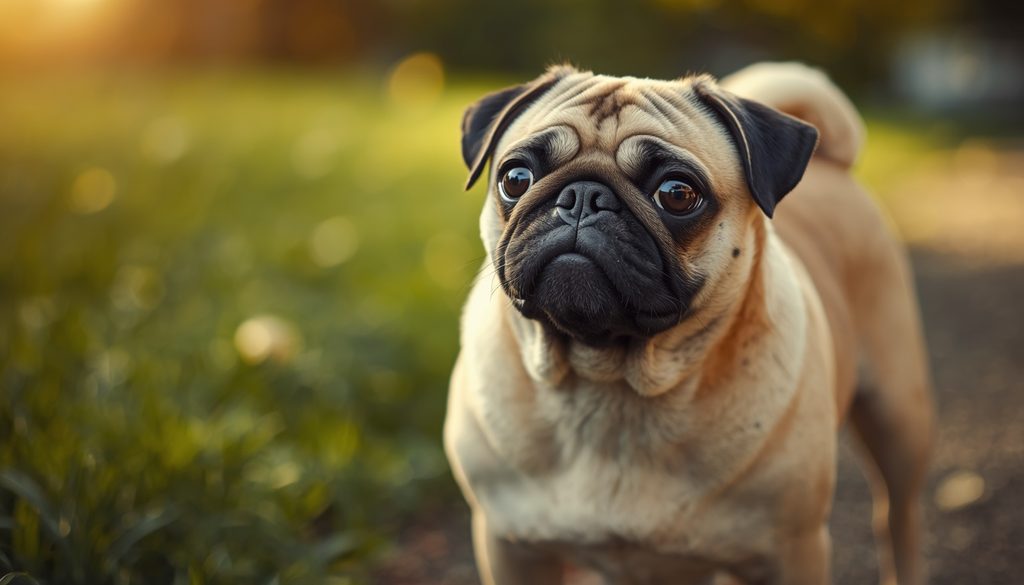
The typical toy dog fits comfortably into smaller homes and urban lifestyles, which has helped make many Toy breeds popular companions. Size alone, however, tells surprisingly little about temperament. Some are lively, bold and highly alert, while others are calmer, more sensitive or strongly focused on staying close to their owners. A small dog may be easy to carry, but it can still have substantial exercise, training and social needs.
Modern toy dog breeds also vary considerably in appearance. The group includes the tiny Chihuahua, long-coated Yorkshire Terrier, distinctive Pug, elegant Italian Greyhound and richly coated breeds such as the Shih Tzu and Pekingese. Coats may be smooth, silky, curly, long or nearly hairless, making the Toy Group far more diverse than the simple label “small dog” suggests.
The different types of toy dogs also have very different histories. Some were closely associated with royal or aristocratic households, while others developed from practical working ancestry before becoming companion dogs. Breeds such as the Miniature Pinscher, Toy Fox Terrier and Manchester Terrier can retain more alertness and working instinct than owners sometimes expect, while others have been shaped much more strongly by generations of close companionship with people.
That close relationship with humans is one of the strongest themes across the group. Many Toy breeds enjoy being involved in daily household life and may prefer to remain physically close to their owners. Some follow family members from room to room, seek frequent lap time or become especially attached to one person. That devotion can be appealing, but it may also mean some dogs need careful help learning to cope comfortably with periods of separation.
Small size brings advantages, but also responsibilities. Toy breeds can be physically vulnerable to rough handling, falls and interactions with much larger dogs. Many also benefit from careful dental care, early socialization, consistent training and suitable mental stimulation. A very small dog still needs boundaries, exercise and opportunities to explore safely, and treating a Toy breed purely as a lap dog can sometimes lead to unwanted barking, fearfulness or poor manners.
Training remains just as important as it is for larger breeds. Because Toy dogs are physically easy to manage, owners may sometimes overlook behaviors they would address immediately in a larger dog. Jumping, barking, guarding, pulling or ignoring recall can still become frustrating habits, so calm, consistent training from an early age is worthwhile.
Exercise requirements vary, but most Toy breeds do well with regular walks, play and short training sessions rather than intense endurance activity. Their smaller bodies mean they may tire more quickly, but mental stimulation remains important. Puzzle toys, scent games, basic obedience and safe opportunities to explore can all help keep them engaged.
Health considerations also differ widely between breeds. Dental crowding, luxating patellas, eye problems, breathing issues and fragile bones may affect certain Toy breeds, making responsible breeding and preventive veterinary care especially important. Their small size can also make weight gain easy to overlook, so portion control matters even when daily food quantities seem modest.
Many Toy breeds form exceptionally close relationships with their families. Some prefer to remain near their people for much of the day, while others combine affection with independence and a surprisingly bold personality. Alert barking can also be common in several breeds, reflecting their sensitivity to movement, unfamiliar sounds and visitors.
Explore the Toy breeds below to compare their size, temperament, exercise needs, training, grooming, health and suitability for different households.

Table of Contents
Toy Dogs: Fast Facts
Breed Group: Toy Group
Main Types: Companion, lapdog and miniature companion breeds
Size Range: Very small to small
Weight Range: Approximately 4–18 pounds
Height Range: Approximately 6–13 inches
Typical Lifespan: Around 12–16 years
Coat Types: Smooth, long, silky, curly and hairless
Shedding: Low to moderate, depending on breed
Exercise Needs: Low to moderate
Training Difficulty: Easy to moderate
Original Purpose: Companionship, with some working ancestry
Best Known For: Small size, close companionship and big personalities
Toy Dogs: Star Ratings
Family Friendly: ★★★★☆
Child Friendly: ★★★☆☆
Dog Friendly: ★★★★☆
Other Pet Friendly: ★★★★☆
Trainability: ★★★★☆
Exercise Needs: ★★★☆☆
Grooming Needs: ★★★☆☆
Shedding Level: ★★★☆☆
Vocal Tendency: ★★★★☆
Protective Instinct: ★★☆☆☆
Apartment Suitability: ★★★★★
First-Time Owner Suitability: ★★★★☆
These ratings describe broad tendencies across the Toy Group. Individual breeds can differ considerably in temperament, exercise needs, grooming requirements, sociability and health considerations.
Explore Toy Dog Breeds
The Toy Group contains an extraordinary range of small companion dogs, from ancient lapdogs to lively little breeds with working ancestry. Modern toy breed dogs differ greatly in coat, temperament, energy level and background, so choosing between them involves far more than simply deciding how small you want your dog to be.
Some of the best-known toy breeds were developed primarily for companionship. The Pekingese, Japanese Chin, Maltese and Shih Tzu have long histories as household and court companions, while breeds such as the Chihuahua and Pomeranian became famous for combining tiny proportions with remarkably bold personalities. Other breeds, including the Toy Fox Terrier, Miniature Pinscher and Manchester Terrier, retain more obvious links to working dogs and can be energetic, alert and highly responsive to movement.
The different kinds of toy dogs also vary considerably in coat care. Some have short, straightforward coats, while others require regular brushing, trimming or professional grooming. Long-coated breeds such as the Yorkshire Terrier, Maltese and Shih Tzu need considerably more maintenance than smooth-coated breeds such as the Pug, Chihuahua or Italian Greyhound.
Size differences matter too. Although every member of the group is small, the small toy dog breeds include everything from extremely tiny Chihuahuas to more substantial companion breeds such as the Pug and Cavalier King Charles Spaniel. Small size can make these dogs easy to transport and practical in compact homes, but it can also increase vulnerability to rough handling and injury.
The current AKC Toy Group has also changed recently. The Russian Tsvetnaya Bolonka received full AKC recognition on January 1, 2026 and joined the Toy Group, adding another small companion breed to the modern lineup.
The types of toy dog breeds below demonstrate just how varied this group can be. Some are outgoing and playful, others more reserved or sensitive; some need substantial coat care, while others are relatively low maintenance. Comparing individual breeds is the best way to understand which Toy dog may genuinely suit your home and lifestyle.
Affenpinscher
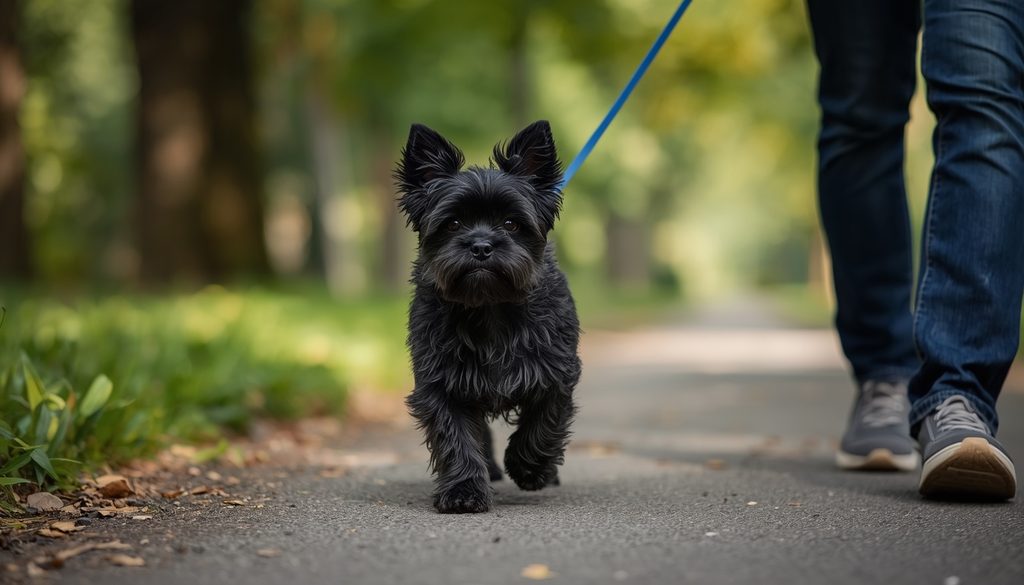
The Affenpinscher is a small, confident and curious Toy breed known for its expressive face and lively personality. Originally developed in Germany as a ratter and companion, it combines alertness and independence with strong attachment to its family. Regular exercise, positive training and routine coat care help this bold little dog thrive.
Biewer Terrier
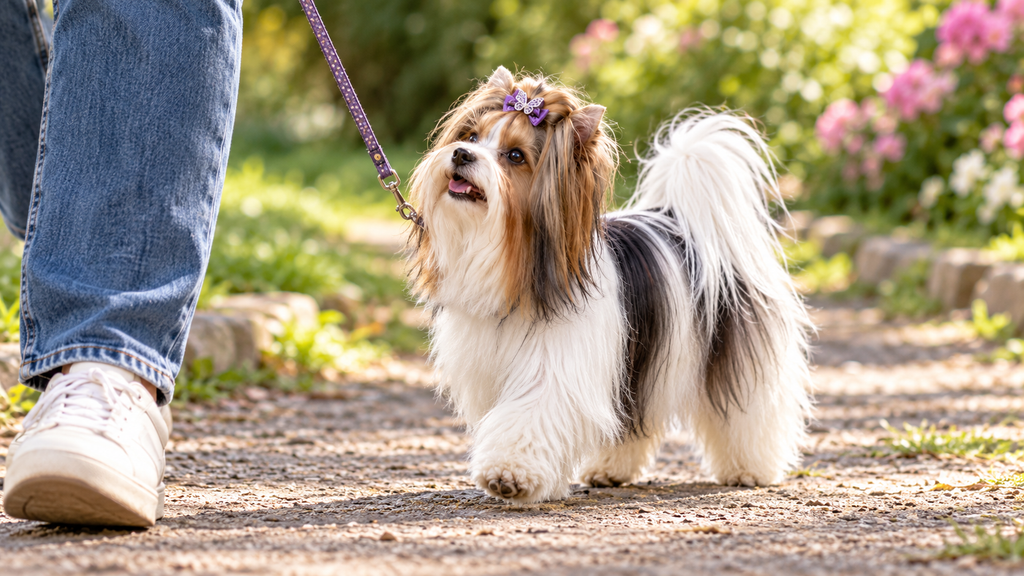
The Biewer Terrier is a small, elegant and affectionate Toy breed known for its long, silky tricolor coat and cheerful personality. Developed from Yorkshire Terrier lines in Germany, it is typically lively, sociable and closely attached to its family. Regular brushing, gentle training and daily companionship help this refined little dog thrive.
Brussels Griffon
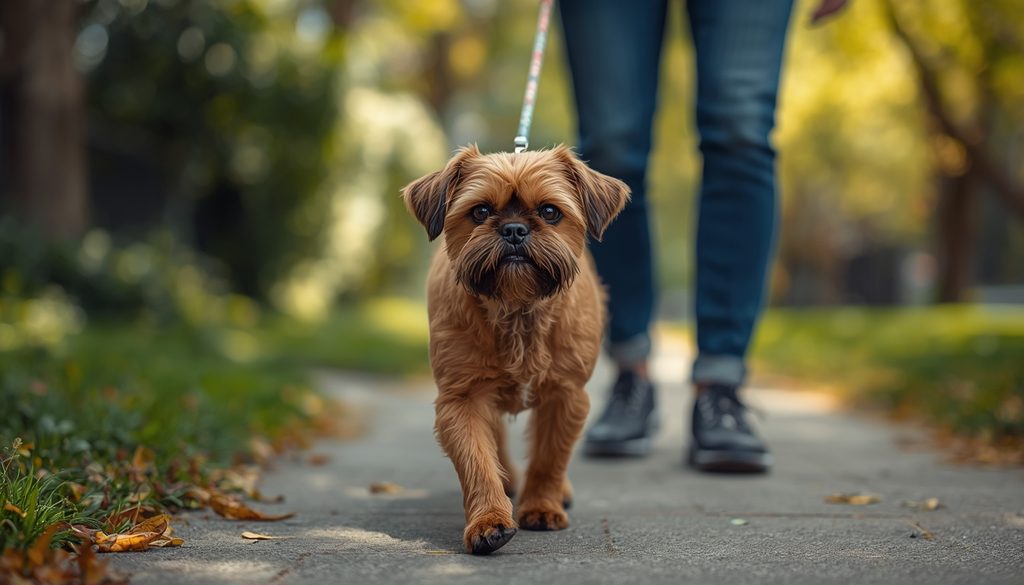
The Brussels Griffon is a tiny, expressive and affectionate Toy breed known for its almost human-like face and lively personality. Originally developed in Belgium from small stable ratters and companion dogs, it is alert, curious and strongly attached to its family. Regular companionship, positive training and routine coat care help this spirited little dog thrive.
King Charles Spaniel

The Cavalier King Charles Spaniel is a gentle, affectionate and sociable Toy breed known for its expressive eyes, silky coat and easygoing nature. Developed as a companion spaniel, it typically enjoys close family contact and tends to be friendly with people and other dogs. Regular companionship, moderate exercise and routine coat care help this devoted little dog thrive.
Chihuahua
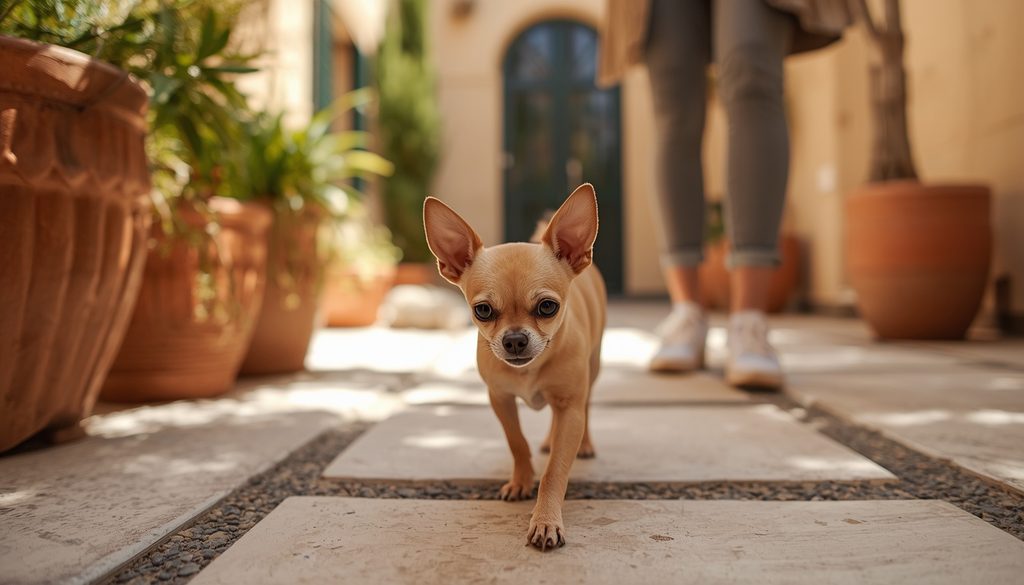
The Chihuahua is one of the smallest dog breeds in the world, but its personality is often anything but timid. Alert, affectionate and highly expressive, it tends to form strong bonds with its family and can be surprisingly confident for its size. Gentle handling, early socialization and consistent training are especially important for this delicate but spirited Toy breed.
Chinese Crested
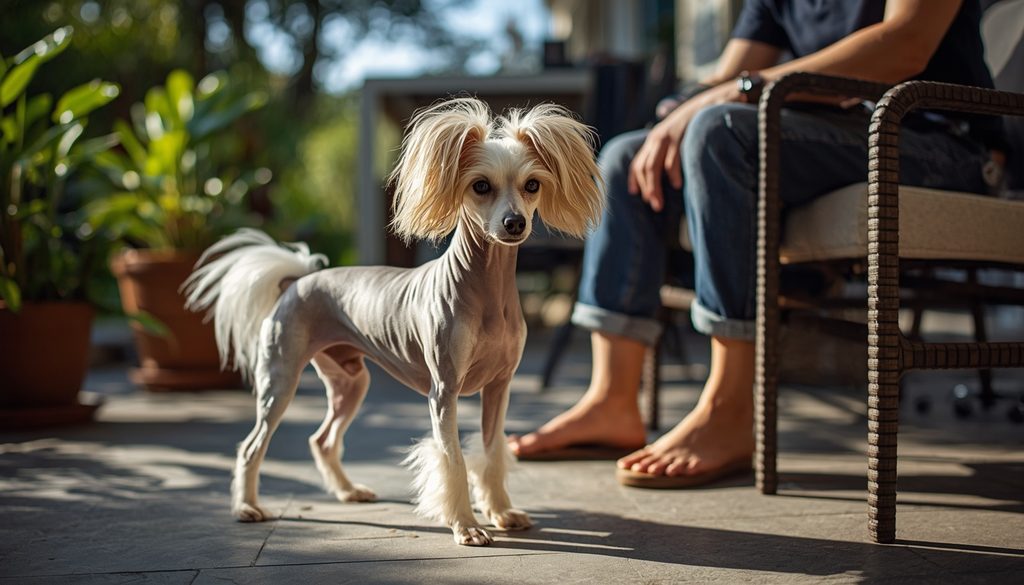
The Chinese Crested is an elegant, affectionate and distinctive Toy breed found in both hairless and Powderpuff varieties. It is typically lively, people-oriented and strongly attached to its family, with a playful nature that often contrasts with its delicate appearance. Skin or coat care, gentle handling and regular companionship are important for helping this sensitive little breed thrive.
English Toy Spaniel

The English Toy Spaniel is a gentle, affectionate and compact companion breed known for its domed head, expressive eyes and richly feathered coat. Historically associated with royal households, it tends to prefer close companionship and a quieter home environment. Moderate exercise, patient training and regular coat care help this sensitive little Toy breed thrive.
Havanese
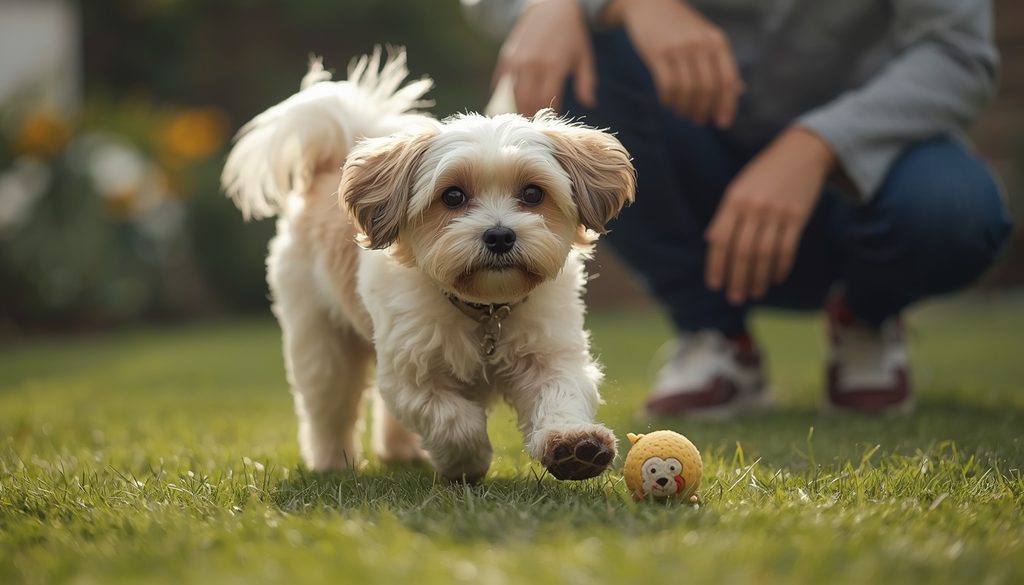
The Havanese is a cheerful, affectionate and highly social Toy breed known for its soft coat and strong attachment to people. Developed as a companion dog in Cuba, it is typically playful, intelligent and eager to stay involved in family life. Regular grooming, positive training and plenty of companionship help this adaptable little breed thrive.
Italian Greyhound

The Italian Greyhound is an elegant, affectionate and sensitive Toy breed known for its fine build, graceful movement and close attachment to people. Despite its delicate appearance, it is playful and surprisingly energetic in short bursts. Gentle handling, secure exercise and patient training are especially important for this refined little companion.
Japanese Chin

The Japanese Chin is a refined, affectionate and sensitive Toy breed known for its elegant movement, expressive face and silky coat. Historically prized as a companion dog, it tends to be observant, graceful and closely bonded to its family. Gentle handling, regular grooming and a calm home environment suit this distinctive little breed especially well.
Maltese

The Maltese is a gentle, affectionate and elegant Toy breed known for its long white coat and close bond with people. Bred for companionship over many centuries, it is typically lively, responsive and happiest when closely involved in family life. Regular grooming, positive training and daily companionship help this refined little dog thrive.
Manchester Terrier (Toy)

The Toy Manchester Terrier is a sleek, alert and intelligent Toy breed known for its elegant black-and-tan coat and lively temperament. Descended from traditional ratting dogs, it retains quick reactions, curiosity and a surprisingly athletic nature despite its small size. Regular exercise, positive training and close companionship help this refined little dog thrive.
Miniature Pinscher

The Miniature Pinscher is a bold, energetic and confident Toy breed known for its compact build and lively personality. Developed in Germany from small working dogs, it is alert, intelligent and often surprisingly fearless for its size. Regular exercise, consistent training and secure boundaries help this spirited little dog thrive.
Papillon
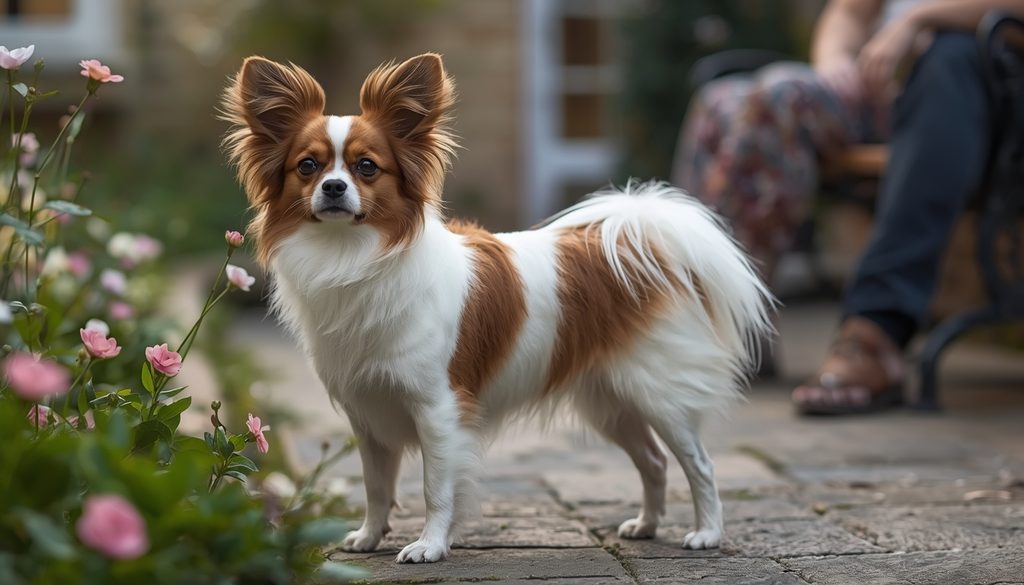
The Papillon is a bright, elegant and highly trainable Toy breed known for its distinctive fringed ears and lively personality. Despite its delicate appearance, it is active, curious and often excels at learning new skills. Regular exercise, positive training and routine coat care help this intelligent little companion thrive.
Pekingese
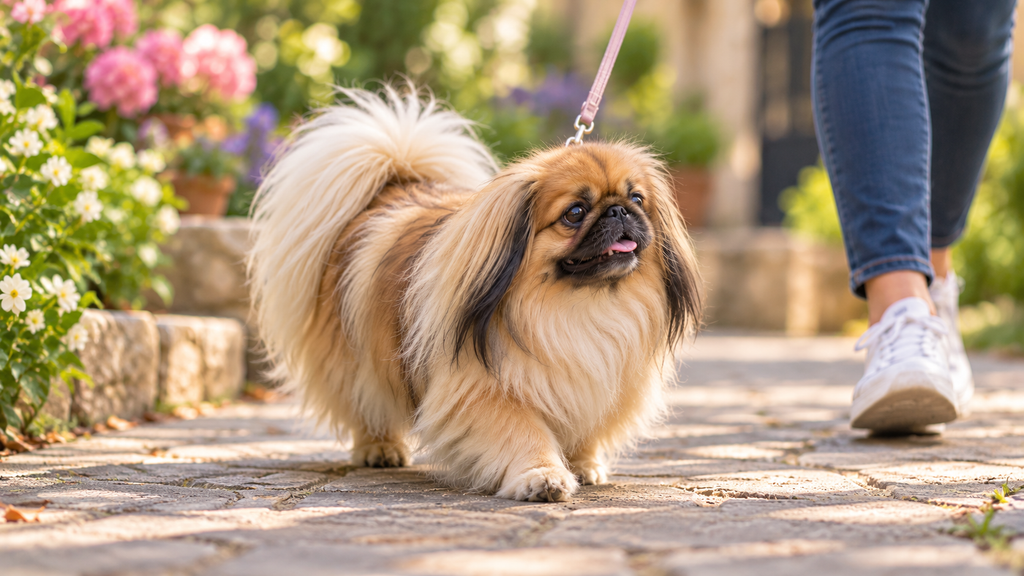
The Pekingese is a dignified, affectionate and independent Toy breed known for its broad face, flowing coat and confident personality. Historically associated with the imperial courts of China, it tends to form strong bonds with its family while retaining a self-assured nature. Gentle handling, regular grooming and moderate daily activity help this distinctive little companion thrive.
Pomeranian
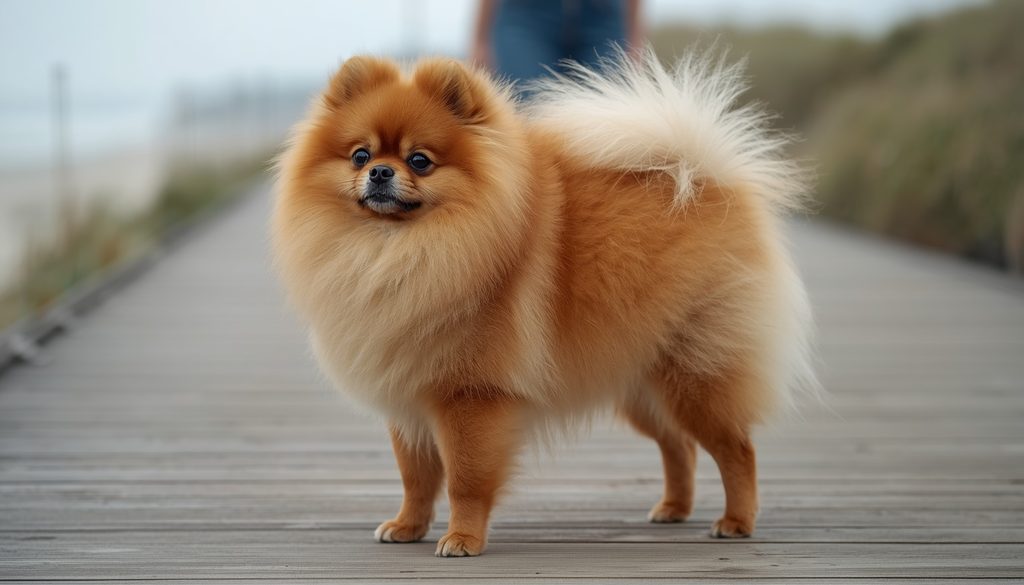
The Pomeranian is a lively, confident and affectionate Toy breed known for its dense coat, fox-like expression and bold personality. Descended from larger Spitz-type dogs, it often combines alertness and intelligence with a strong desire to stay involved with its family. Regular brushing, positive training and daily mental stimulation help this energetic little companion thrive.
Poodle (Toy)
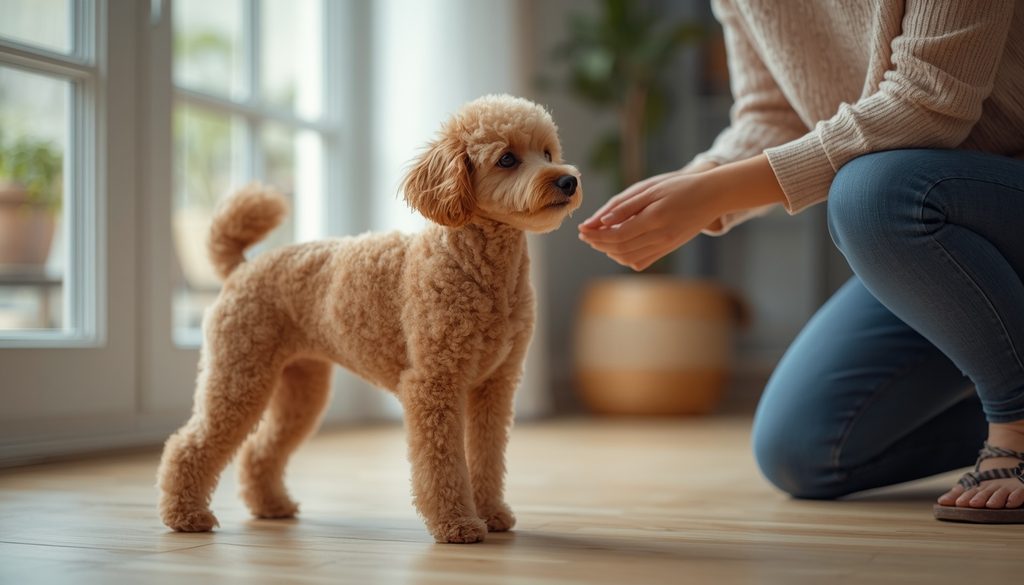
The Toy Poodle is an intelligent, lively and affectionate Toy breed known for its curly coat and exceptional trainability. Although small, it is active, responsive and often enjoys learning tricks, games and other mentally engaging activities. Regular grooming, positive training and daily exercise help this bright little companion thrive.
Pug
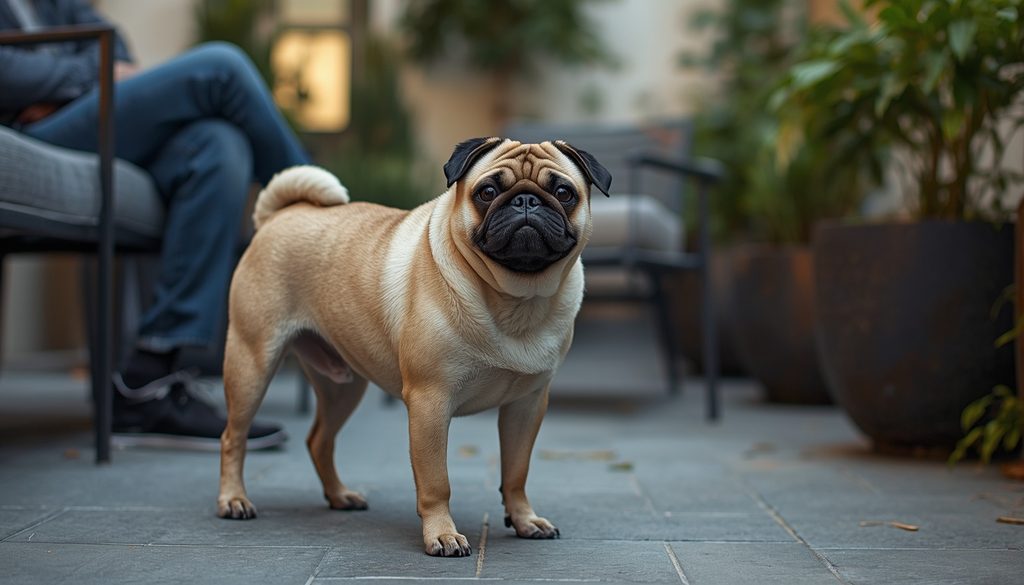
The Pug is a cheerful, affectionate and people-oriented Toy breed known for its compact build, expressive face and distinctive curled tail. Bred primarily as a companion, it tends to enjoy close family contact and often has a playful, sociable personality. Moderate exercise, careful weight management and attention to heat and breathing comfort are especially important for this distinctive little dog.
Russian Toy
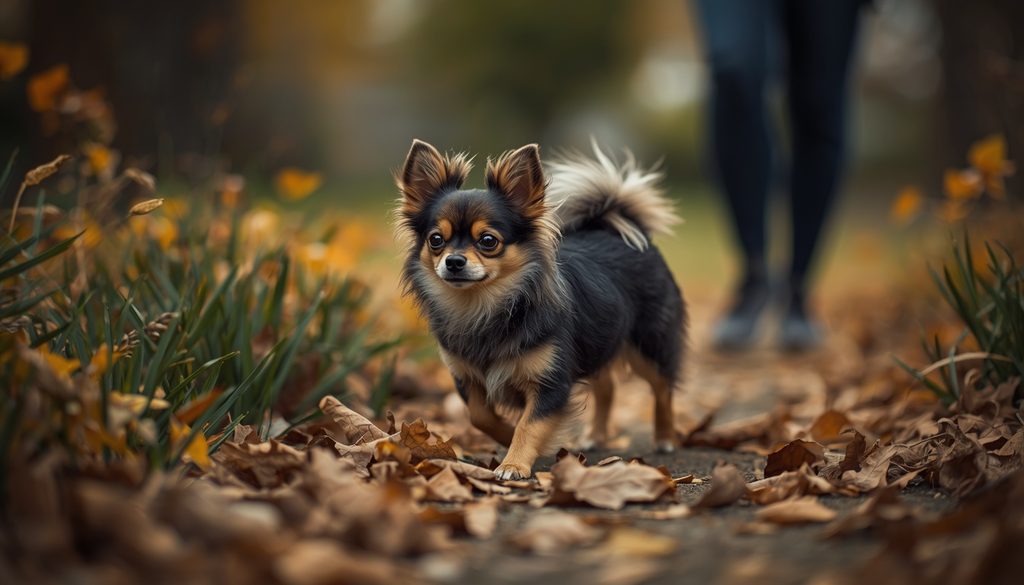
The Russian Toy is a tiny, elegant and lively Toy breed known for its fine build, alert expression and close attachment to people. Available in smooth and longhaired varieties, it is typically affectionate, bright and surprisingly energetic for its size. Gentle handling, positive training and regular companionship help this delicate little breed thrive.
Tsvetnaya Bolonka
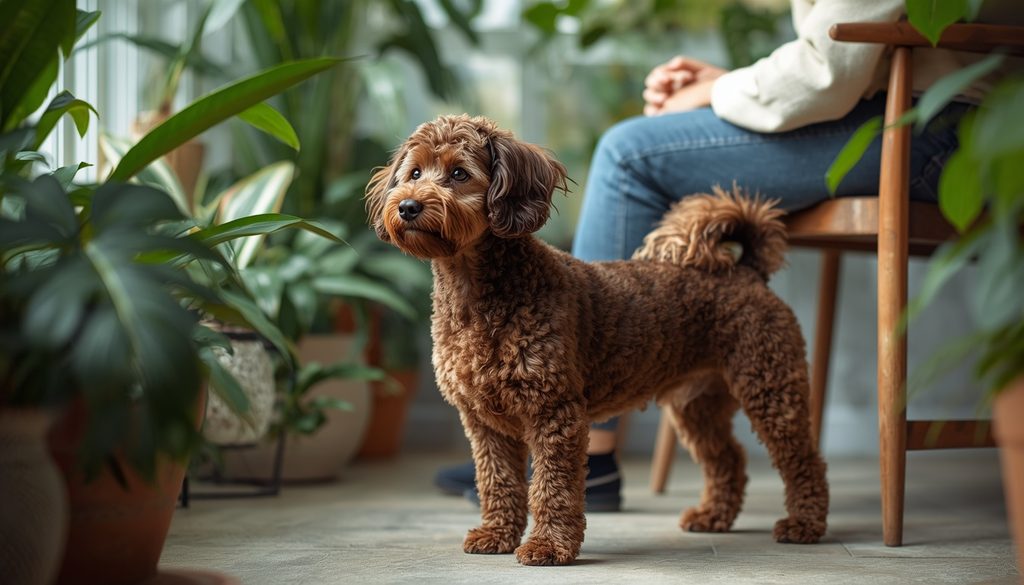
The Russian Tsvetnaya Bolonka is a small, affectionate and adaptable companion breed known for its soft coat and close attachment to people. Developed in Russia as a compact household companion, it is typically cheerful, sociable and comfortable staying closely involved in family life. Regular grooming, gentle training and daily companionship help this distinctive little Toy breed thrive.
Shih Tzu
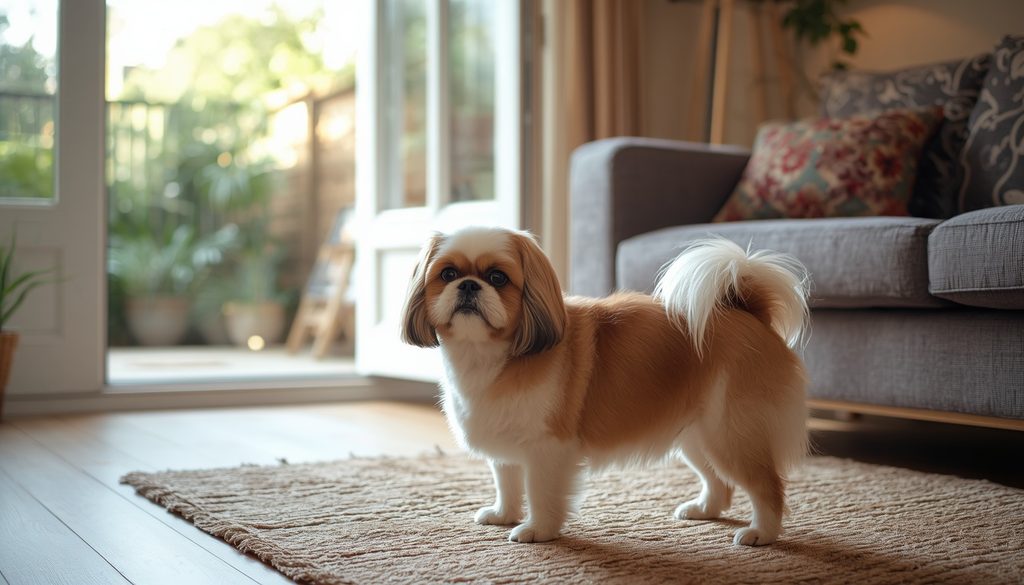
The Shih Tzu is an affectionate, confident and sociable Toy breed known for its flowing coat, expressive face and strong companion-dog heritage. Bred primarily to live closely with people, it is typically friendly, adaptable and happiest when included in everyday family life. Regular grooming, gentle training and daily companionship help this charming little dog thrive.
Silky Terrier
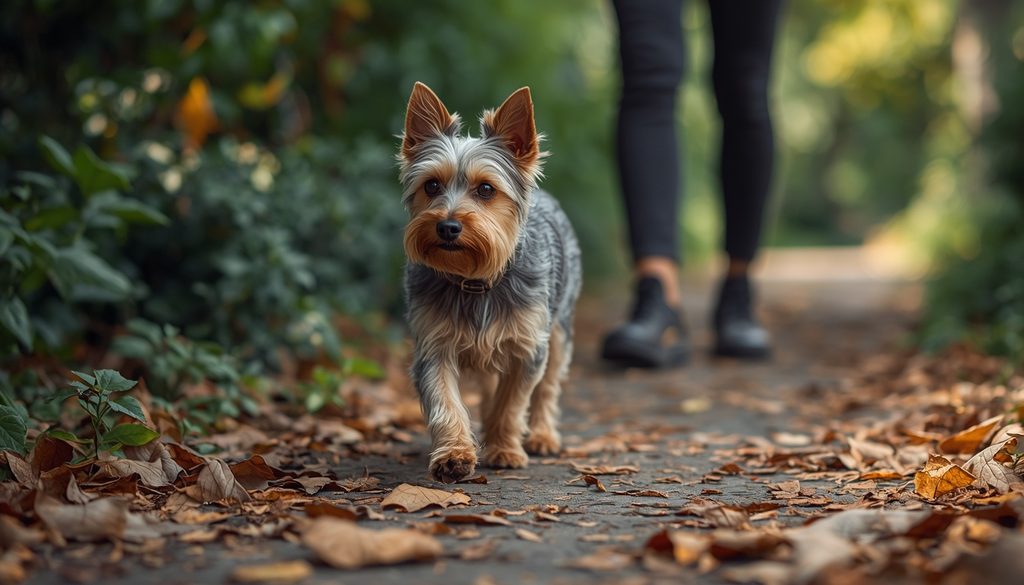
The Silky Terrier is a lively, affectionate and alert Toy breed known for its fine blue-and-tan coat and confident terrier personality. Developed in Australia from small terrier ancestry, it combines close companionship with curiosity and a noticeable working streak. Regular grooming, positive training and daily activity help this spirited little dog thrive.
Toy Fox Terrier
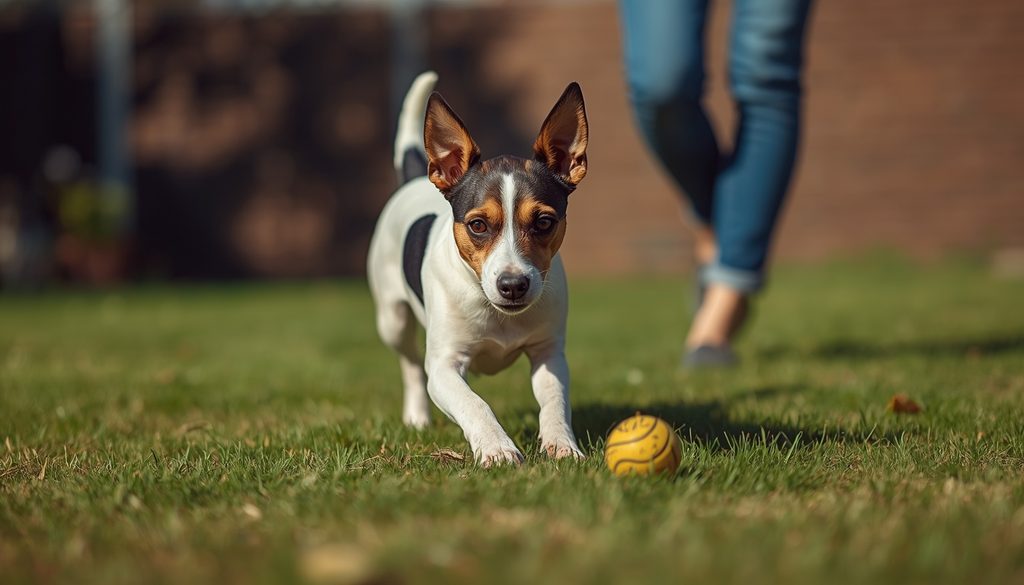
The Toy Fox Terrier is a lively, intelligent and confident Toy breed known for its athleticism and sharp terrier instincts. Developed in the United States from smaller Smooth Fox Terriers and other companion breeds, it combines alertness and energy with a strong attachment to people. Regular exercise, positive training and mental stimulation help this spirited little dog thrive
Yorkshire Terrier
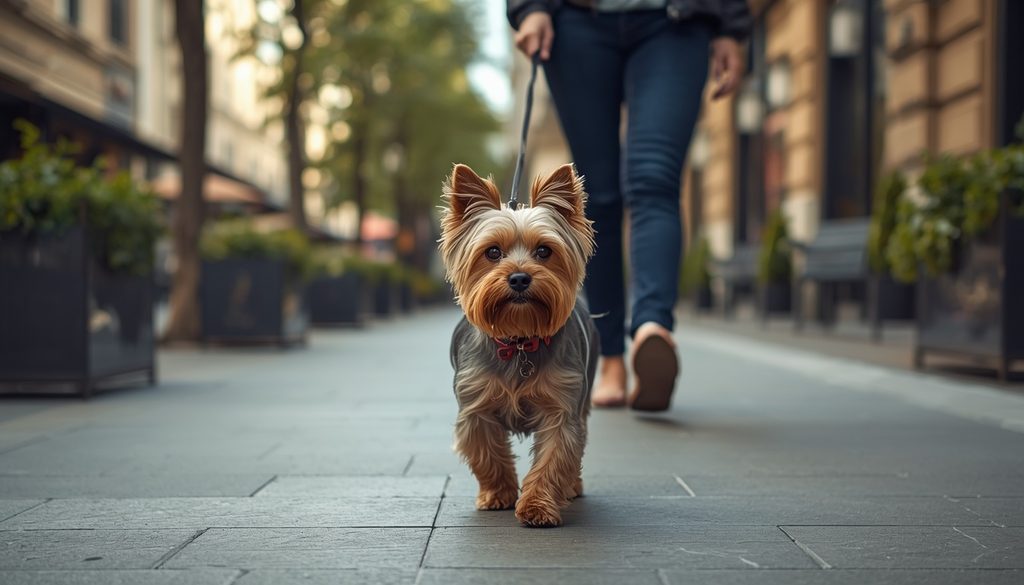
The Yorkshire Terrier is a lively, affectionate and confident Toy breed known for its long silky coat and bold personality. Originally developed in England from working terriers, it combines alertness and determination with a strong attachment to its family. Regular grooming, positive training and daily mental stimulation help this energetic little companion thrive.
Toy Group Update
The Russian Tsvetnaya Bolonka received full AKC recognition in 2026 and joined the Toy Group, bringing the group to 24 recognized breeds. Older Toy Group lists may therefore show 23 breeds.
What Makes the Toy Group Different?
To understand what are toy dogs, it helps to start with size — but size alone does not explain why these breeds belong together. Toy dogs come from remarkably different backgrounds, and the modern group includes ancient palace companions, miniature descendants of working dogs, small terriers, elegant sighthound-type dogs and breeds developed almost entirely for close human companionship. What links them most obviously is their compact stature, but their histories and personalities are much more varied than the word “Toy” might suggest.
The toy group dogs include everything from the tiny Chihuahua and delicate Italian Greyhound to sturdier breeds such as the Pug and Cavalier King Charles Spaniel. Some weigh only a few pounds, while others are substantially heavier and more robust. Coat type varies just as dramatically. The Chinese Crested may have very little body hair, while the Maltese, Yorkshire Terrier and Shih Tzu can grow long, flowing coats. Pomeranians carry dense double coats, Toy Poodles have tightly curled hair, and Pugs have short, smooth coats that still shed noticeably.
So what is a toy breed dog in practical terms? It is not simply any dog that happens to be very small. The Toy Group is a formal breed classification containing recognized breeds with established histories, standards and characteristics. Plenty of small dogs belong to other groups. The Dachshund is a Hound, the Miniature Schnauzer belongs to the Terrier Group, and several compact breeds appear elsewhere in the AKC system. “Toy” therefore describes a recognized group rather than a universal size category.
Companionship has shaped many Toy breeds for generations. The Pekingese, Japanese Chin, Shih Tzu and Maltese, for example, have long histories of living closely with people. These dogs were not necessarily expected to herd livestock, retrieve birds or patrol large properties. Their value often came from companionship itself. Generations spent in close proximity to people helped reinforce qualities such as attentiveness, affection and a strong desire to remain involved in everyday household life.
That history can still be seen in modern toy dogs. Many form exceptionally close attachments to their owners and prefer being included in whatever the household is doing. They may follow family members from room to room, settle beside them while they work or seek regular physical contact. For some breeds, long periods of isolation can therefore be more difficult than prospective owners expect.
Not every breed in the toy dog group was developed purely as a lapdog. Yorkshire Terriers developed from practical terrier ancestry, Toy Fox Terriers retain hunting and vermin-control instincts, and the Manchester Terrier carries the alertness and quick reactions of its working forebears. Miniature Pinschers can also be remarkably energetic, curious and self-assured. These breeds may be tiny compared with many working dogs, but their behavior can still reflect generations of purposeful breeding.
Small size also changes some aspects of everyday care. Fine-boned breeds can be more vulnerable to accidental injury from falls, rough play or poorly supervised interactions with much larger dogs. Very young children may not appreciate how easily a tiny dog can be hurt, so households need to consider both the child and the individual breed rather than assuming every small dog is automatically ideal for families.
Health and husbandry can differ as well. Dental crowding is common in many small breeds because adult teeth must fit into very compact jaws. Some Toy breeds have prominent eyes that require sensible protection, while flat-faced breeds can have greater difficulty coping with heat and strenuous exercise. Others have delicate limbs or kneecap problems that prospective owners should understand before bringing a puppy home.
Their exercise requirements are often manageable, but toy dogs should not be treated as ornamental pets. A small dog may cover less distance than a larger working breed, yet still need regular walks, sniffing opportunities, play, training and mental stimulation. Papillons and Toy Poodles can be remarkably bright and athletic, while terrier-influenced Toy breeds may actively seek things to investigate and chase.
Training matters for exactly the same reason. Barking, guarding laps, snapping during handling or ignoring household rules can become established when owners excuse behavior simply because the dog is tiny. Calm socialization, clear boundaries and reward-based training are just as valuable for a six-pound dog as they are for a sixty-pound one.
What ultimately makes the Toy Group distinctive is the combination of compact size and enormous variety. These breeds can fit comfortably into many homes, but they are not interchangeable miniature pets. Understanding their individual history, temperament, coat, health and activity needs is far more useful than choosing purely on appearance or size.
Small Dog Does Not Mean Low-Maintenance
Toy dogs may need less physical space and often require shorter walks than larger working breeds, but that does not make them maintenance-free companions. Training, socialization, dental care, grooming and mental stimulation can all require considerable attention. Some Toy breeds also form exceptionally close attachments to their owners and may find long periods alone difficult. Choosing a small dog should therefore be based on temperament and everyday care requirements, not simply the amount of room the dog occupies.
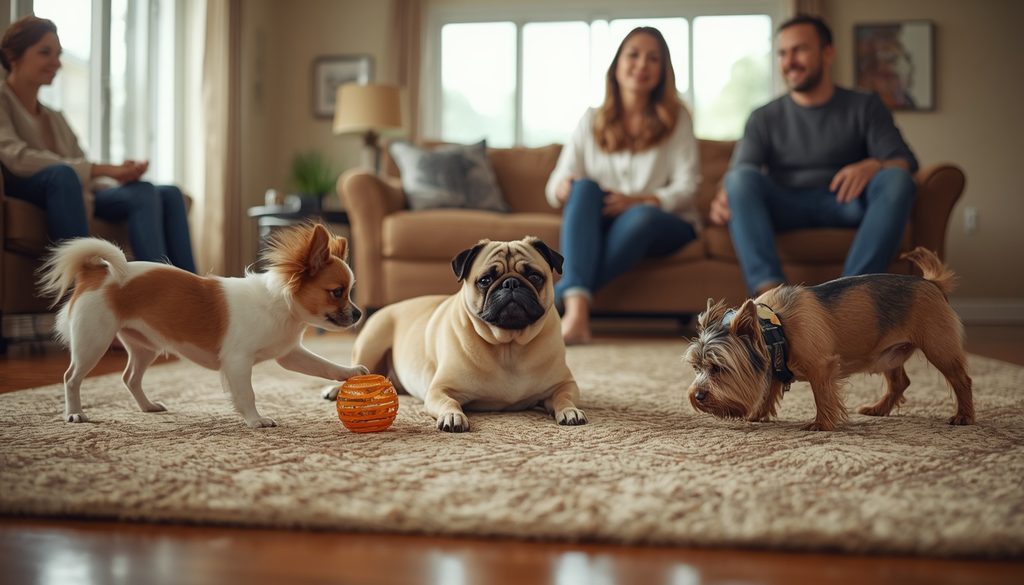
From Palace Companions to Working Roots
The Toy Group is often associated with lapdogs, luxury and companionship, but its history is much more varied than that image suggests. Many Toy breeds were indeed developed primarily to live closely with people, often in royal, aristocratic or affluent households where companionship itself was considered a valuable role. Others, however, descend from small working dogs whose size, alertness and agility were useful long before they became fashionable household companions. That mixture of backgrounds helps explain why modern toy dogs can differ so dramatically in confidence, activity level, trainability and instinct.
Several of the oldest companion breeds have strong associations with court life. The Pekingese and Shih Tzu are closely linked with imperial China, while the Japanese Chin was treasured as a refined companion in noble households. The Maltese also has a very long history as a small companion dog, valued less for physical labor than for its portability, affectionate nature and ability to live closely with people. These breeds were shaped around human company, and many modern examples still show a strong desire to remain near their owners throughout the day.
Companionship itself was not a passive role. Small dogs that lived inside palaces, private homes and aristocratic residences needed to be manageable, observant and comfortable around people. Over generations, qualities such as attentiveness, sociability and sensitivity to human routines became increasingly important. A compact dog could travel more easily, share indoor spaces comfortably and remain close to its owner without requiring the physical resources of a much larger breed.
Some toy breeds followed a very different path. Yorkshire Terriers developed from practical terrier ancestry and were used for controlling vermin before becoming fashionable companions. Toy Fox Terriers also retain obvious links to ratting and hunting ancestry, while the Manchester Terrier descends from dogs prized for speed, quick reactions and vermin control. These breeds may now spend most of their lives as companions, but their alertness, curiosity and willingness to chase movement can still reflect those working roots.
The Miniature Pinscher provides another example of a small dog with an active background. Its confident, busy temperament reflects development from compact working dogs rather than a purely decorative companion tradition. The Silky Terrier likewise carries terrier ancestry and may show more persistence and investigative behavior than people expect from a dog in the Toy Group.
The Italian Greyhound represents yet another historical route. Its elegant outline connects it to the broader sighthound tradition, with a body designed around speed, lightness and quick movement. Although the modern breed is primarily a companion, its structure and tendency to react to movement are reminders that not every toy dog breed emerged from a purely lapdog background.
The Papillon also shows how companion breeding and intelligence can combine. Small spaniel-type dogs were kept in European households for centuries, and their history as close companions did not eliminate athleticism or learning ability. Modern Papillons are often highly responsive, energetic and capable of excelling in activities that demand speed, coordination and concentration.
The types of toy dogs found today therefore represent several very different historical traditions. Some were refined over generations as dedicated companions, some developed from terrier or working ancestry, and others retain connections to spaniel or sighthound types. This diversity helps explain why two dogs of almost identical weight can behave very differently in the home.
Those histories still matter. A Pekingese may approach daily life with the self-possession of a traditional companion breed, while a Toy Fox Terrier may be much more driven to investigate movement and activity. A Yorkshire Terrier may display terrier persistence, while an Italian Greyhound may be especially sensitive to motion and physical handling. A Shih Tzu may be happiest simply staying close to its family, whereas a Papillon may actively seek training and mental challenges.
Historical background can also influence what owners find difficult. Alert barking, prey drive, independence and sensitivity are not random quirks. In many breeds, they are extensions of qualities that were useful in earlier generations. Understanding those roots makes it easier to provide sensible outlets instead of expecting every Toy breed to behave like a quiet lapdog.
The Toy Group is therefore much more than a collection of small companion animals. Its members reflect centuries of selective breeding for different purposes, from court companionship to vermin control and rapid movement. That history gives the group much of its character and helps explain why modern Toy dogs can be so varied despite sharing a relatively narrow size range.

History Still Shapes Behavior
Toy breeds may share compact size, but their histories are far from identical. Some were developed almost entirely for companionship, while others descend from terriers, small working dogs, spaniels or sighthound-type ancestors. Those backgrounds can still influence barking, prey drive, sensitivity and activity level. A dog bred for close household companionship may behave very differently from one whose ancestors controlled vermin or reacted quickly to movement. Learning what a breed was originally selected for can make its modern behavior much easier to understand.
Toy Dog Size, Appearance and Physical Characteristics
One of the most obvious features of the Toy Group is size, but even here there is more variety than the name suggests. These dogs are all compact compared with most other breed groups, yet they differ noticeably in height, weight, bone structure and overall build. Some are extremely fine and delicate, while others are surprisingly sturdy for their size. Understanding those differences is important because the practical realities of living with a three-pound dog can be very different from living with a fifteen-pound one.
The smallest toy dog breeds include dogs such as the Chihuahua, which can be exceptionally tiny while still retaining a confident, alert personality. At the other end of the group, breeds such as the Pug and Cavalier King Charles Spaniel are still compact but feel considerably more substantial. This is why the term small toy dogs covers a much broader physical range than people sometimes expect.
Miniature dogs is a broad informal term often applied to very small companion breeds. Labels such as mini toy breeds and miniature toy breeds are also commonly used for especially compact dogs, although neither represents an official AKC classification. The recognized Toy Group consists of established breeds rather than simply miniature versions of larger dogs.
Some Toy breeds do have larger relatives or obvious connections to larger breed types. The Toy Poodle, for example, shares the same breed identity as larger Poodle varieties, while the Italian Greyhound resembles a scaled-down sighthound in outline. Other dogs developed along separate lines and are not miniature versions of anything else. This helps explain why the different breeds of miniature dogs can vary so much in build, proportions and overall appearance.
Body shape varies enormously. Italian Greyhounds are fine-boned and long-legged, with narrow waists and deep chests that reflect their sighthound heritage. Pugs are compact, square and much more substantial through the body. Pekingese are low-set and heavily coated, while Papillons are light, elegant and athletic. The Chinese Crested adds yet another very different silhouette, with fine limbs and either a largely hairless body or a fully coated Powderpuff variety.
Head shape and facial structure also contribute strongly to appearance. Chihuahuas have relatively large heads compared with their tiny bodies, while Pugs and Pekingese have much shorter muzzles. Papillons are immediately recognizable by their large fringed ears, and Brussels Griffons have short faces and expressive features that give them a distinctive appearance. These differences are not merely cosmetic; in some breeds they can influence breathing, dental spacing, eye protection and heat tolerance.
Coat type is equally diverse. The Toy Group contains smooth-coated dogs, long-haired companions, silky-coated terriers, curly-coated Poodles, dense-coated Spitz-type dogs and the largely hairless Chinese Crested. Among miniature toy dogs, coat care can range from minimal brushing to frequent grooming needed to prevent tangles and mats.
Long-coated breeds can also differ in texture. Maltese coats are straight and silky, Yorkshire Terriers carry fine blue-and-tan hair, Shih Tzus have dense flowing coats, and Pomeranians have abundant double coats that create a much fuller outline. The phrase fluffy toy dog breed may sound informal, but it often describes exactly what attracts people to breeds such as the Pomeranian or long-coated companion dogs. That attractive appearance can come with substantial grooming responsibility.
Size also affects handling and household management. Very small dogs can be injured by being dropped, stepped on or accidentally caught beneath furniture. Stairs, high beds and sofas may also present more risk for delicate individuals. Homes with larger dogs need careful introductions because even friendly play can become dangerous when there is a major size difference.
For prospective owners, appearance should therefore be considered alongside structure and practicality. The Toy Group may be united by compact size, but there is no single Toy dog shape, coat or build. Looking beyond the label helps explain why these small breeds can differ so much in grooming, exercise, handling and everyday care.
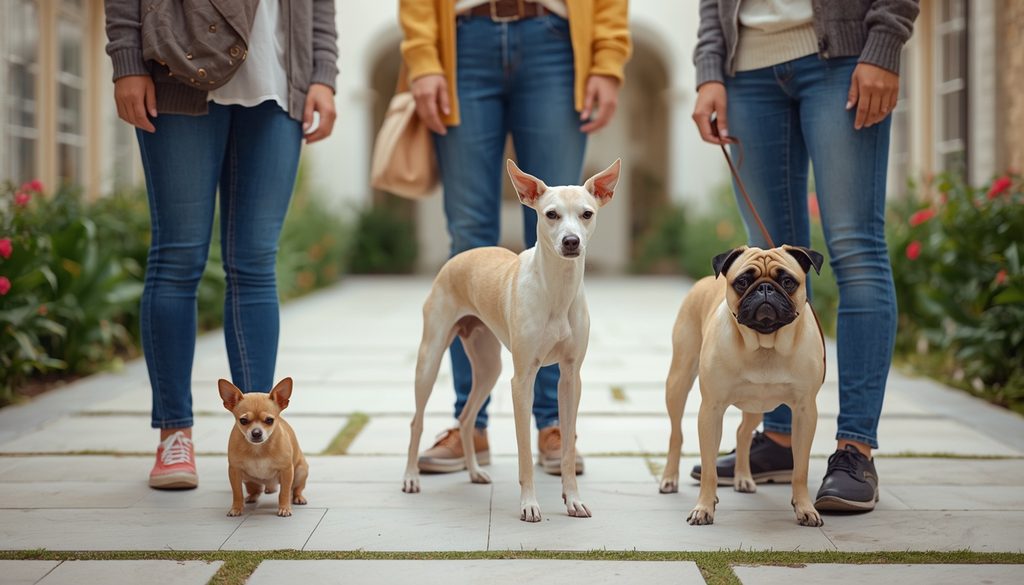
Tiny Dogs Still Need Careful Handling
Very small Toy breeds can be more physically vulnerable than larger dogs. Falls from furniture, rough handling, accidental steps and overenthusiastic play with much larger dogs can all cause injury. Puppies are especially delicate while their bones and joints are still developing. Homes with young children should teach calm, careful handling from the beginning. Ramps or steps can also help some tiny dogs reach furniture more safely. Supervision around larger pets remains important even when everyone is friendly. Thoughtful handling allows small dogs to stay active without unnecessary risk.
Toy Dog Temperament and Personality
The personalities found across the Toy Group are every bit as varied as their appearances. Some breeds are bold, busy and highly alert, while others are softer, calmer or more reserved. What many share is a strong awareness of people and an ability to form close relationships with their families. A toy breed dog may occupy very little physical space, but it can still bring an enormous amount of personality into a household.
Companionship has influenced the temperament of many Toy breeds for generations. Dogs such as the Maltese, Japanese Chin, Pekingese and Shih Tzu were valued primarily for living closely with people, and many modern representatives remain happiest when they are involved in everyday family life. They may follow their owners from room to room, seek out a lap or nearby chair, and become remarkably tuned in to household routines.
Other Toy breeds have a much more energetic or workmanlike personality. Yorkshire Terriers, Toy Fox Terriers and Manchester Terriers retain the quick reactions, curiosity and persistence associated with terrier ancestry. Miniature Pinschers are often confident and adventurous, while Papillons can be active, responsive and eager to learn. This variation is why the label toy breed should never be treated as shorthand for quiet, passive or purely decorative.
Intelligence also appears in different forms. Some of the smartest toy dog breeds, including the Toy Poodle and Papillon, can learn new behaviors quickly and often enjoy structured training, tricks and dog sports. Others may be equally capable but more independent about whether they want to cooperate. A Pekingese, for example, may understand a request perfectly well while showing considerably less enthusiasm for repetition than a highly responsive Toy Poodle.
Alertness is another recurring characteristic. Small companion dogs have often lived in close proximity to their owners, where noticing unfamiliar sounds, visitors or movement outside could quickly become part of their everyday behavior. Chihuahuas, Pomeranians, Miniature Pinschers and several terrier-influenced breeds can be particularly quick to announce something unusual. Without early guidance, alert barking can become a well-established habit.
Confidence does not always correspond with body size. Some extremely small Toy dogs behave as though they are considerably larger, approaching unfamiliar situations with remarkable self-assurance. This can be entertaining, but owners should avoid allowing confidence to become reckless behavior around larger dogs or unfamiliar animals. A tiny dog challenging a much larger one may be displaying courage, but the physical consequences of a disagreement can be very unequal.
Sensitivity is common in other breeds. Italian Greyhounds, Japanese Chin and some companion-oriented dogs can respond strongly to harsh handling or chaotic environments. Reward-based training, predictable routines and gentle socialization generally suit these dogs far better than forceful methods. Even confident Toy breeds benefit from training that builds trust rather than relying on intimidation.
Social behavior varies considerably between breeds and individuals. Some Toy dogs are enthusiastic with unfamiliar people, while others need time before they feel comfortable. Many can live happily with other dogs, but size differences matter. A friendly large dog can accidentally injure a tiny companion during rough play, so compatibility should include play style and physical size rather than temperament alone.
The close bonds many Toy dogs develop can also have a downside. Dogs that are carried everywhere, rarely allowed to explore independently or never taught how to settle alone may become overly dependent on constant human presence. Gradually teaching a dog that short periods of independence are safe can help prevent everyday attachment from turning into distress.
Ultimately, Toy temperament cannot be reduced to one description. These breeds may be affectionate, bold, sensitive, mischievous, athletic, dignified or intensely people-focused. Understanding the individual breed gives a much clearer picture than assuming every small companion dog will behave the same way.
Small Dogs Still Need Real Socialization
Toy breeds are sometimes protected from the world so carefully that they miss valuable opportunities to build confidence. Puppies still benefit from calm exposure to different people, surfaces, sounds, locations and appropriately matched dogs. Socialization should never mean forcing a frightened dog into interactions. Instead, provide positive experiences at a pace the individual dog can manage. Allowing a small dog to walk, sniff, explore and make sensible choices can help create confidence that carrying the dog everywhere cannot provide. Thoughtful early experiences often make everyday life easier in adulthood.
Toy Dogs as Family Companions
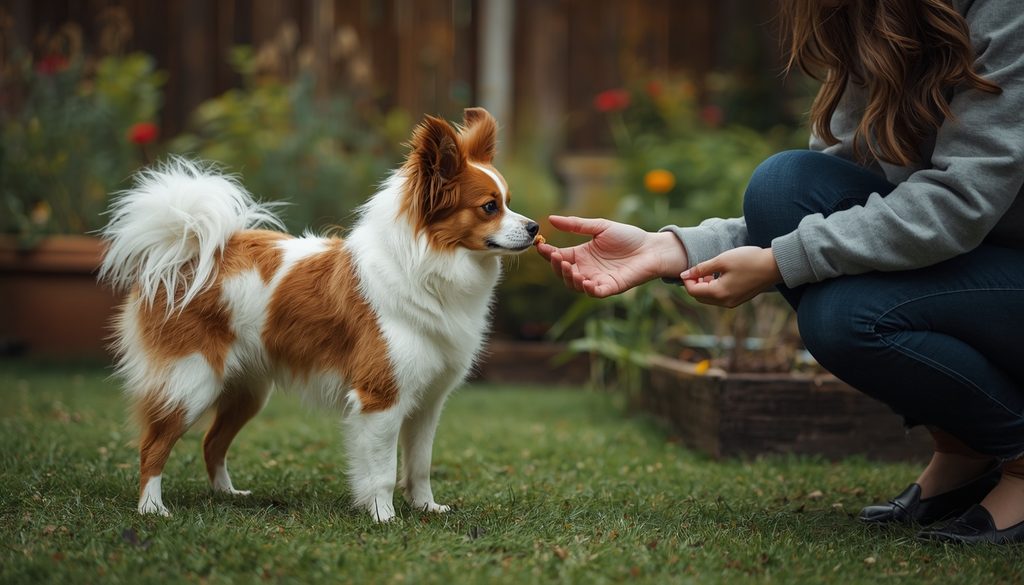
Toy breeds can fit beautifully into family life, but their small size should not be mistaken for universal suitability. The different toy breeds of dogs vary considerably in confidence, sensitivity, energy level and tolerance for noise or rough handling. Some thrive in busy households and enjoy constant activity, while others are better suited to calmer homes where interactions are more predictable.
Many Toy dogs are strongly people-oriented and enjoy being part of everyday family routines. Breeds such as the Havanese, Cavalier King Charles Spaniel and Shih Tzu often appreciate close companionship and may happily move from room to room with their owners. Pugs can be sociable and entertaining, while Maltese and Japanese Chin frequently enjoy quieter contact and plenty of time near familiar people.
Families with children should think carefully about physical size as well as temperament. Very small breeds can be vulnerable to accidental injury if dropped, stepped on or handled roughly. A confident Chihuahua may have plenty of personality, but its tiny frame still requires gentle treatment. Italian Greyhounds are also lightly built and can be physically delicate, particularly when young. Children should therefore be taught to sit calmly when holding a small dog and to allow the dog to move away when it wants space.
Not every toy dog breed reacts to children in the same way. Some are playful and tolerant, while others may find sudden movement, loud voices or persistent handling stressful. Older children who understand canine body language are often a better match for more sensitive Toy breeds. Supervision remains important, especially when puppies are involved.
Relationships with other dogs also depend on the individual breed and household. Many Toy dogs are sociable with other small dogs and may enjoy canine companionship. Problems can arise when there is a major size difference. A large friendly dog may unintentionally injure a Toy breed during rough play, so owners should pay attention to play style rather than assuming friendliness alone makes an interaction safe.
Living with cats and other pets can vary just as widely. Companion breeds with relatively low prey drive may adapt well to cats, particularly when introduced thoughtfully. Terrier-influenced Toy breeds such as the Yorkshire Terrier or Toy Fox Terrier may show much stronger interest in small animals. Even a tiny dog can retain significant chasing or vermin-hunting instincts.
Apartment living is often one of the Toy Group’s greatest practical advantages. Their small bodies require less physical space, and many can meet much of their exercise requirement through regular walks, indoor play and short training sessions. However, barking can become a more important issue than size. A vocal Pomeranian, Chihuahua or Miniature Pinscher may be much harder to manage in close housing than a quieter breed with greater physical exercise needs.
Family routines matter too. Many Toy dogs were bred specifically for close companionship and may not enjoy spending most of the day alone. This does not mean they should never be left, but independence should be taught gradually. Dogs that are constantly carried or given attention whenever they request it may struggle when owners eventually need them to settle alone.
Older adults and less physically active households are often attracted to Toy breeds because exercise needs can be easier to manage than those of larger sporting or working dogs. That can be an excellent match, provided grooming, veterinary care and training requirements are also considered. A long-coated Toy breed may demand considerably more coat maintenance than its exercise needs suggest.
The best family Toy dog is therefore not necessarily the smallest, cutest or most popular. A successful match comes from considering the breed’s temperament, physical robustness, barking tendency, grooming requirements and need for companionship alongside the household’s normal routine. When those factors align, Toy dogs can become exceptionally affectionate and engaging family companions.
Exercise and Activity Needs
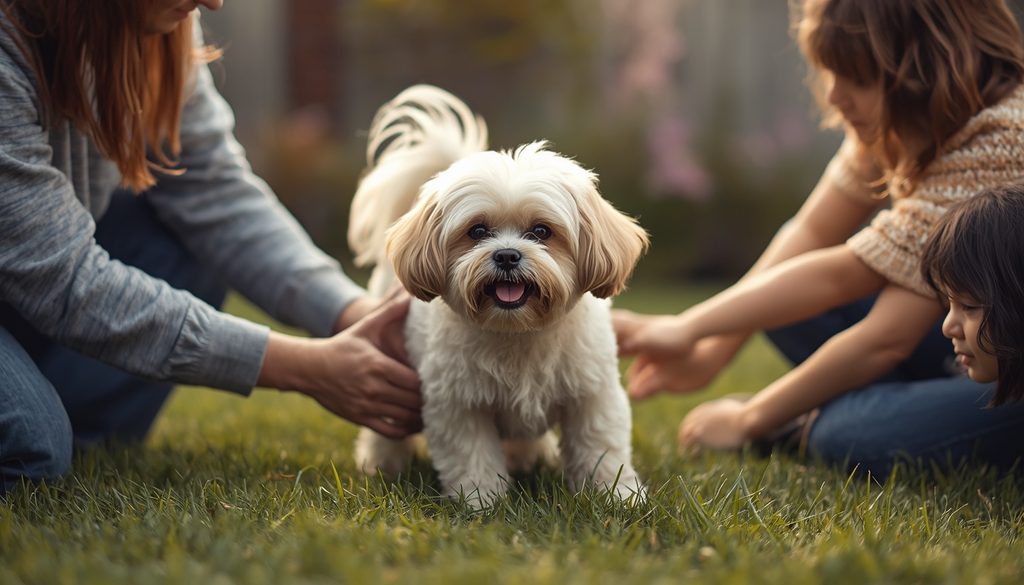
Toy dogs are often assumed to need very little exercise because of their size, but that can be misleading. While most toy dogs do not require the mileage or sustained activity expected from many Sporting, Working or Herding breeds, they still benefit from regular movement, exploration and mental stimulation. The amount varies considerably between breeds, and a short daily walk may be enough for one dog while another needs more active play and training to feel settled.
Some Toy breeds are naturally lively and athletic. Papillons, Toy Poodles, Miniature Pinschers and Toy Fox Terriers often enjoy brisk walks, games and learning activities that challenge both body and mind. Italian Greyhounds can be remarkably fast and energetic in short bursts, while Yorkshire Terriers may show far more stamina and determination than their tiny size suggests. These dogs may be small, but many still have strong instincts to investigate, chase or interact with their surroundings.
Other toy breed dogs are more moderate. Pugs, Pekingese and Japanese Chin may be content with shorter walks and relaxed play, particularly in adulthood. That does not mean they should become inactive. Regular movement helps support healthy weight, mobility and mental wellbeing, while time outdoors gives the dog opportunities to experience new scents, sights and environments.
Exercise should also match the dog’s physical structure. Very fine-boned breeds can be vulnerable to injury if allowed to jump repeatedly from furniture or engage in rough play with much larger dogs. Italian Greyhounds in particular need sensible management while young, while extremely tiny dogs may benefit from safer routes that avoid crowded areas where they could easily be stepped on or overwhelmed.
Heat can create another limitation. Flat-faced breeds such as the Pug and Pekingese may struggle more in warm conditions, particularly during strenuous activity. Walks should be scheduled for cooler parts of the day when necessary, and owners should watch carefully for signs that the dog is becoming uncomfortable. Small size does not protect a dog from heat stress.
Mental exercise is especially valuable for many Toy breeds. Short training sessions, food-search games, puzzle toys and simple scent activities can add interest without demanding large amounts of physical space. This can be particularly useful for apartment-dwelling small toy dogs, where outdoor access may be more limited. A few minutes of focused training can often provide more satisfaction than simply extending a repetitive walk.
The smartest toy dog breeds may thrive on more structured challenges. Toy Poodles and Papillons are capable learners and often enjoy tricks, obedience exercises, scent work and dog sports adapted to their size. Even breeds that are less obviously eager to train can benefit from opportunities to solve simple problems or earn rewards through interaction.
Indoor play can also contribute meaningfully to daily activity. Tug, gentle retrieving, hide-and-seek and food puzzles are useful when weather conditions make outdoor exercise difficult. The goal is not to exhaust a tiny dog but to provide enough physical movement and mental engagement for it to relax comfortably afterward.
Owners should also consider age. Puppies need frequent opportunities to explore and play, but repetitive high-impact exercise should be avoided while their bodies are still developing. Adults generally tolerate more sustained activity, while seniors may need shorter sessions combined with continued mental stimulation.
The best exercise routine is therefore based on the individual dog rather than the Toy label alone. Some toy dogs are naturally energetic and adventurous, while others prefer a gentler pace. Regular activity, safe exploration and varied mental stimulation help keep these compact companions healthier, calmer and more confident in everyday life.
Small Dogs Still Need Purposeful Activity
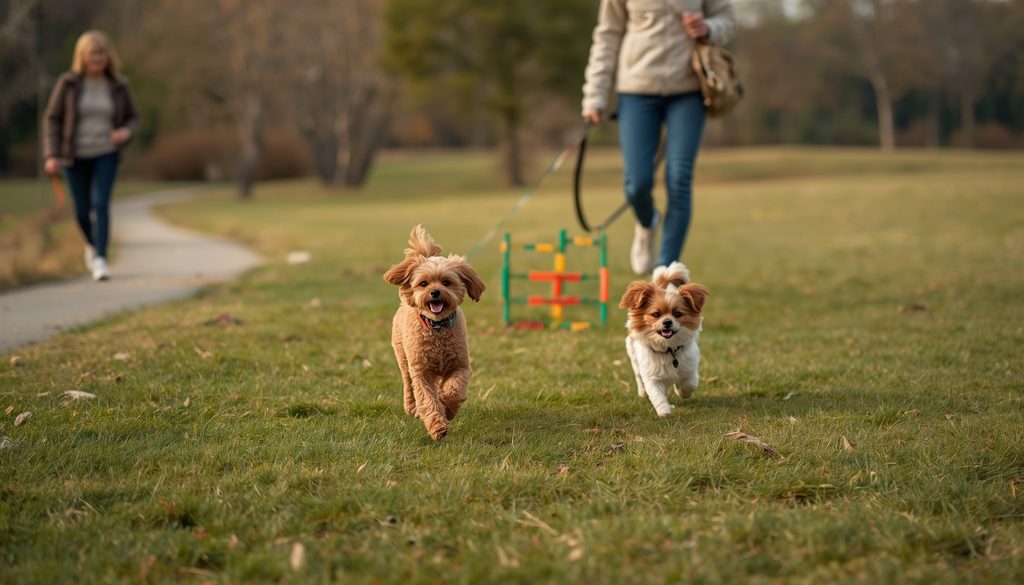
A Toy breed does not need marathon walks to benefit from exercise. Short outings, indoor games, scent work and training can all contribute to a satisfying daily routine. The key is matching activity to the dog’s age, structure and energy level. Delicate breeds may need protection from rough play and repeated jumping, while flat-faced dogs can require extra care in warm weather. Mental exercise is equally valuable, particularly for bright, responsive breeds. A small dog that has opportunities to move, think and explore is usually easier to settle and more confident in everyday life.
Training a Toy Dog
Training Toy breeds can be extremely rewarding, but their small size sometimes leads owners to underestimate how much structure they need. A dog that weighs only a few pounds can still develop poor recall, excessive barking, guarding behavior or unreliable house manners if expectations are unclear. Toy dogs benefit from the same foundations as larger breeds: consistent boundaries, positive reinforcement, appropriate socialization and regular opportunities to practice useful everyday skills.
Many Toy breeds are intelligent and responsive learners. Papillons and Toy Poodles are particularly well known for their enthusiasm for training, but Chihuahuas, Havanese, Yorkshire Terriers, Miniature Pinschers and several others can also learn remarkably quickly. Some of these smart small dogs enjoy tricks, scent games, obedience exercises and activities that allow them to work closely with their owners. Their compact size can actually make short training sessions easy to fit into daily life.
Reward-based methods generally work particularly well. Food treats, toys, praise and access to enjoyable activities can all reinforce desirable behavior. Because many Toy breeds are strongly attached to people, attention itself can sometimes be rewarding. Training should remain clear and consistent, however. Constantly picking up a dog whenever it becomes worried, excited or demanding can unintentionally prevent it from learning how to cope independently.
House training can require particular patience with very small dogs. Their small bladders mean puppies may initially need more frequent opportunities to eliminate than larger breeds. Bad weather can complicate matters when a tiny dog dislikes rain, cold or wet grass. A predictable routine, close supervision and immediate rewards for toileting in the correct place are generally more effective than punishment after an accident.
Leash skills matter too. Toy dogs are often carried through crowded or unfamiliar environments, but walking confidently on a leash is an important life skill. Allowing a small dog to explore at ground level provides valuable sensory experience and helps build confidence. Owners should use appropriately sized equipment and avoid heavy collars, leads or attachments that overwhelm a very small frame.
Recall training should begin early. Although most Toy breeds cannot cover the ground as quickly as a large hunting dog, some are surprisingly fast and independent. Italian Greyhounds, Toy Fox Terriers, Miniature Pinschers and Yorkshire Terriers may pursue movement or investigate something interesting before an owner has time to react. Building a strong response to the dog’s name and recall cue provides an important layer of safety.
Barking is another common training priority. Several Toy breeds are naturally alert and quick to announce visitors, outdoor activity or unfamiliar sounds. Trying to eliminate all barking is unrealistic, but owners can teach the dog to settle after an appropriate alert. Rewarding calm behavior and preventing prolonged rehearsals at windows or fences are usually more useful than shouting over the dog.
Handling exercises deserve special attention because small dogs are frequently picked up, groomed and examined. Puppies can gradually learn to accept gentle handling of their feet, ears, mouth and body while receiving rewards. This makes nail trimming, dental care, grooming and veterinary examinations easier later. A small dog’s reluctance to be handled should not simply be overridden because it is physically easy to restrain.
Socialization should also involve more than meeting people. Toy puppies benefit from experiencing different surfaces, household sounds, vehicles, outdoor environments and calm, appropriately matched dogs. Experiences should be positive rather than overwhelming. Protecting a puppy from genuine danger is sensible, but preventing all interaction with the wider world can contribute to fear or reactivity.
The goal of training is not to make a Toy breed behave like a robot. These dogs have distinct personalities, and some retain considerable independence. Good training creates communication, confidence and predictable behavior while allowing the qualities that make each breed distinctive to remain intact. A well-trained Toy dog is easier to take places, safer to handle and generally better equipped to enjoy everyday life.
Train the Dog, Not the Size
Behaviors that seem harmless in a tiny dog can become frustrating when repeated every day. Jumping, barking, guarding laps or ignoring recall still deserve thoughtful training. Toy breeds usually respond best to clear expectations and rewards rather than intimidation. Short sessions are often ideal because they keep learning lively and engaging. Practice useful skills such as recall, loose-leash walking, settling and calm handling. Allow the dog to walk and explore instead of carrying it through every situation. Consistency helps small dogs develop confidence without removing their individuality. Good manners make everyday life safer and more enjoyable for everyone.
Grooming, Shedding and Coat Care
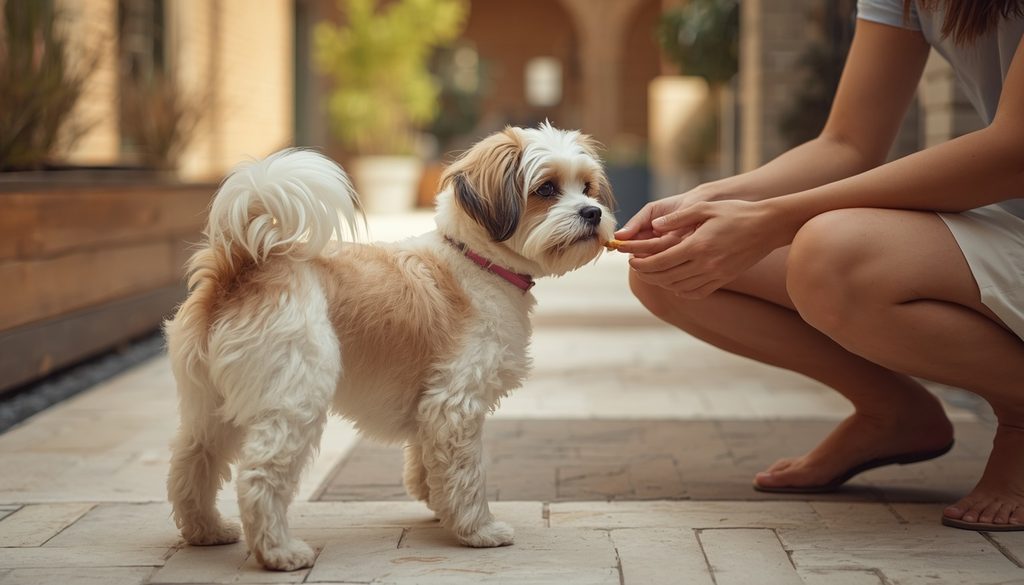
Toy dogs may be small, but grooming requirements across the group can vary enormously. Some breeds need little more than occasional brushing and routine bathing, while others require frequent combing, trimming or professional grooming to keep the coat comfortable and free from tangles. Coat type matters far more than body size when deciding how much maintenance a dog will need.
Smooth-coated Toy breeds are generally the easiest to maintain. Pugs, Chihuahuas, Miniature Pinschers, Toy Fox Terriers and Italian Greyhounds usually need only regular brushing to remove loose hair and help keep the skin and coat in good condition. Their coats may be short, but that does not mean they are non-shedding. Pugs in particular can shed noticeably despite having relatively simple grooming needs.
At the opposite end are the long haired toy breeds, including the Maltese, Yorkshire Terrier, Shih Tzu, Japanese Chin and Pekingese. These dogs can develop tangles and mats if the coat is not brushed and combed thoroughly. Owners who keep the coat long should expect a regular grooming routine, especially around the ears, legs, chest and areas where friction causes hair to knot more easily.
Some owners choose shorter companion trims because they are easier to manage than a full show-style coat. This can be a practical option, but it does not remove the need for brushing altogether. Even a clipped Shih Tzu or Maltese can mat if neglected, and facial hair may still need regular attention to prevent irritation around the eyes and mouth.
The Toy Poodle brings different coat-care demands. Its dense, curly coat grows continuously and requires frequent brushing as well as regular clipping. Havanese and Russian Tsvetnaya Bolonka coats are softer and more wavy, but can also tangle easily without consistent maintenance. A fluffy toy dog breed may therefore look low-effort because of its small size, yet coat care can become one of the most time-consuming parts of ownership.
The Chinese Crested shows how unusual the Toy Group can be. The hairless variety requires very little brushing over most of the body, but skin care becomes more important. Sun protection, protection from cold weather and attention to skin irritation can all be necessary. The Powderpuff variety, by contrast, has a full coat and requires regular grooming.
Questions about hypoallergenic toy dog breeds are common, but the subject needs careful explanation. No dog can be guaranteed to be hypoallergenic because reactions are usually caused by proteins in dander, saliva and other secretions rather than hair alone. Some low-shedding breeds may spread fewer allergens around the home, but individual reactions can vary significantly.
Some owners specifically look for toy dog breeds that dont shed, but there is no truly non-shedding Toy dog. Breeds such as the Toy Poodle, Maltese and Yorkshire Terrier may shed very little compared with others, but coat growth, breakage, dander and routine grooming still occur. Anyone with significant allergies should spend time with adult dogs of the breed before making a decision rather than relying on marketing labels.
Routine grooming should include more than coat care. Small dogs can be prone to dental crowding, so tooth brushing is especially valuable. Nails should be kept at a comfortable length, ears checked regularly, and hair around the eyes or paws managed when necessary. Grooming sessions also provide a useful opportunity to notice skin irritation, lumps, sore areas or other changes early.
The practical lesson is simple: small size does not automatically mean simple grooming. Toy dogs range from nearly hairless to heavily coated, and owners should understand the specific maintenance needs of the breed before bringing one home.

Coat Type Changes the Workload
Toy breeds can have some of the easiest and some of the most demanding coats in the dog world. Short coats may need only routine brushing, while long, silky or curly coats can require frequent combing and regular professional grooming. Hairless dogs trade brushing for skin care, and low-shedding dogs are not automatically low-maintenance. Before choosing a breed, consider how much time you are willing to spend on brushing, bathing, trimming, dental care and routine handling. Grooming needs can affect everyday life just as much as exercise requirements.
Choosing the Right Toy Dog Breed
Choosing between the many toy group dog breeds means looking well beyond size and appearance. Most are compact enough to fit comfortably into smaller homes, but everyday life with a Pug can be very different from life with a Papillon, Italian Greyhound or Yorkshire Terrier. Temperament, grooming, health, energy level, barking tendency and need for companionship usually matter far more than whether the dog weighs six pounds or twelve.
Start with the amount of activity you genuinely want from a dog. Some types of toy dog are lively, athletic and mentally busy. Papillons, Toy Poodles, Miniature Pinschers and Toy Fox Terriers often enjoy training, active play and regular opportunities to explore. Others, including the Japanese Chin or Pekingese, may generally be more content with a gentler daily routine. Breed tendencies are only a starting point, but they can help prevent an energetic little dog from ending up in a household expecting a quiet lap companion.
Temperament deserves equal attention. Many Toy dogs are intensely affectionate and enjoy being close to their owners, but the way they express that attachment varies. A Havanese may be outgoing and sociable, while an Italian Greyhound can be more sensitive. Chihuahuas can form exceptionally strong bonds with particular people, and Pomeranians often combine affection with considerable alertness. Choosing a toy breed dog should therefore involve asking how the breed typically responds to visitors, unfamiliar dogs, noise, handling and periods spent alone.
Grooming can quickly narrow the choices. Long-coated Maltese, Shih Tzus and Yorkshire Terriers require substantially more coat care than smooth-coated Chihuahuas, Miniature Pinschers or Pugs. Toy Poodles need regular professional grooming, while the Chinese Crested presents very different skin or coat-care requirements depending on whether the dog is hairless or Powderpuff. Owners attracted to flowing coats should consider whether they genuinely enjoy grooming or are comfortable paying for professional maintenance.
Family circumstances matter too. Households with very young children should consider physical robustness as carefully as friendliness. Extremely fine-boned breeds may be at greater risk from accidental falls or rough handling. Families with larger dogs should also think about size differences during play. A confident little dog may willingly engage with a much larger companion without understanding how easily it could be injured.
Noise tolerance is another useful filter. Many Toy breeds are naturally alert, and some readily bark at visitors, hallway sounds, wildlife or activity beyond a window. This does not make them unsuitable for apartment living, but owners in close housing should investigate the vocal tendencies of individual breeds instead of assuming every small dog will be quiet.
Health deserves serious consideration before appearance takes over the decision. Flat-faced breeds can have particular breathing and heat-management concerns, while some tiny breeds are vulnerable to orthopedic, dental or eye problems. Responsible breeders should be able to discuss relevant health testing openly and explain both the strengths and challenges of their breed. Rescue organizations and foster homes can also provide valuable information about the temperament and needs of an individual adult dog.
Some popular miniature dogs, including Chihuahuas, Pomeranians, Maltese and Yorkshire Terriers, are instantly recognizable and widely available. Their popularity, however, does not automatically make them suitable for every household. Less familiar breeds may fit a particular lifestyle much better.
A toy dog breeds list is therefore most useful as a starting point rather than a shopping checklist. Narrow the group by considering exercise, grooming, family compatibility, sensitivity, barking, trainability and how much close companionship you realistically want to provide. Then investigate the individual breeds in detail.
The best Toy dog is rarely simply the smallest or cutest one. A successful match comes from choosing a breed whose natural tendencies fit comfortably into the life you already lead rather than hoping the dog will completely adapt after it arrives.
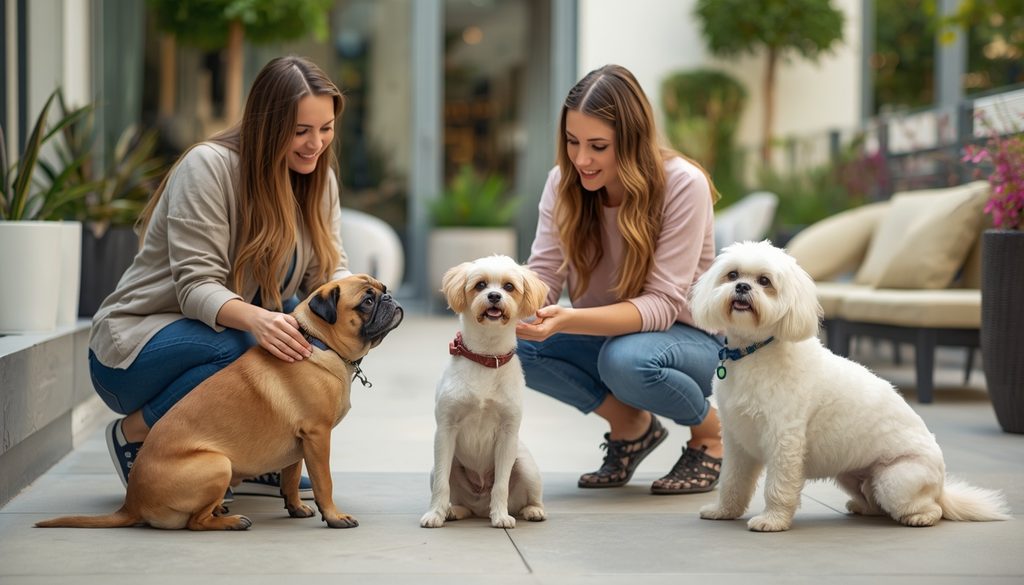
Final Thoughts
Toy dogs may share compact size, but they are far from a uniform group. The Chihuahua, Pug, Papillon, Italian Greyhound, Pekingese and Yorkshire Terrier can differ dramatically in structure, coat, temperament and activity level. That variety is one of the Toy Group’s greatest strengths, giving prospective owners a choice between calm household companions, lively little athletes and breeds with stronger working instincts.
For many people, the greatest appeal of toy dogs is the exceptionally close relationship they can develop with their owners. Generations of breeding for companionship have produced dogs that often enjoy being closely involved in everyday life, whether that means joining family outings, following someone around the home or simply settling nearby.
Small size does not remove responsibility. Toy breeds still need socialization, training, regular exercise and opportunities to use their minds. Some are highly intelligent and active, while others are more relaxed, but almost every dog benefits from being allowed to walk, sniff, explore and learn rather than spending most of its life being carried.
Physical size also deserves realistic consideration. The small toy dog breeds can be vulnerable to falls, accidental steps and rough interactions with children or larger animals. Sensible supervision matters, particularly with very fine-boned dogs or households where there is a substantial size difference between pets.
Coat care and health needs vary just as widely. Smooth-coated breeds may need relatively simple grooming, while Maltese, Shih Tzus, Toy Poodles and Yorkshire Terriers can require considerably more maintenance. Individual breed research is therefore essential before choosing a puppy or rescue dog.
Temperament should ultimately carry more weight than appearance. A prospective owner attracted to a fluffy Pomeranian may discover that its alertness and vocal tendencies do not suit their home, while someone expecting a decorative Papillon may be surprised by how active and trainable the breed can be. Terrier-influenced Toy breeds can also retain far more persistence and prey drive than their size suggests.
The modern AKC Toy Group now includes 24 recognized breeds, each with its own history and everyday care requirements. Choosing successfully means looking beyond size and popularity and comparing exercise, grooming, barking, sensitivity, trainability, health and compatibility with the household.
For the right owner, Toy breeds can offer an extraordinary amount of companionship in a remarkably small package. Their personalities often seem far larger than their bodies, and that combination of portability, affection and individuality has helped keep these dogs close to people for centuries.
Small Dogs, Remarkably Different Companions
The Toy Group proves that body size tells only part of a dog’s story. Some breeds are athletic and highly trainable, while others are calmer companions or retain stronger working instincts. Coat care, health, barking and sensitivity can also differ dramatically. The best choice is not automatically the tiniest or most fashionable breed. Look for a dog whose natural temperament and care requirements fit comfortably into your everyday routine.

Explore More Dog Breeds
Toy dogs are only one part of the remarkable variety found among domestic dogs. Visit our Dog Breeds hub to explore Sporting, Working, Hound, Terrier, Herding, Non-Sporting and other recognized breed groups, along with detailed individual breed guides covering temperament, exercise, grooming, health and everyday ownership.
Learn More About the Toy Group
For official breed standards, recognized Toy breeds and further information about the group, visit the American Kennel Club Toy Group. The AKC provides breed histories, standards and recognition information for the breeds currently included in the Toy Group.