

Working Dogs
Working dogs were developed to perform demanding practical jobs alongside people, often requiring strength, endurance, intelligence, courage and the ability to make decisions in difficult conditions. Across history, they have guarded homes and livestock, pulled sleds and carts, rescued people from danger, protected property and worked in some of the harshest environments on earth. Many now live primarily as family companions, but the physical and behavioral traits shaped by generations of purposeful work remain an important part of who they are. That working heritage can still influence how they respond to strangers, exercise, training, territory and family life.
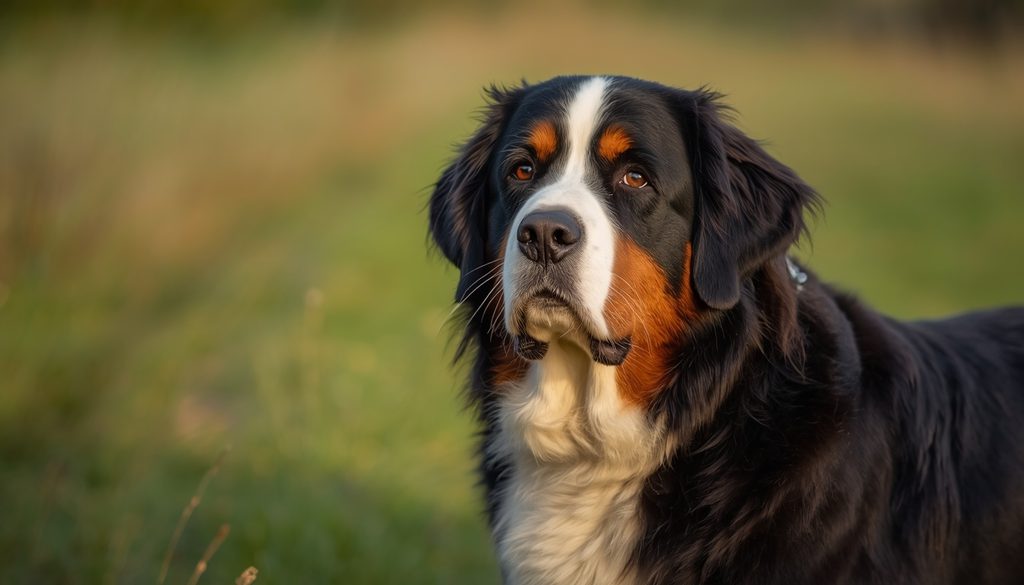
The group contains some of the largest and most powerful dog breeds, but size alone does not define a working dog. What connects many of these breeds is their history of performing useful tasks that demanded more than simple obedience. A livestock guardian might need to assess a potential threat without waiting for human direction, while a sled dog required stamina and the willingness to work as part of a team over considerable distances. Draft breeds needed strength and steady temperaments, while rescue dogs were selected for courage, reliability and the ability to work closely with people.
These different jobs produced considerable variety within the modern Working Group. The massive Mastiff and Saint Bernard look very different from the athletic Doberman Pinscher or Siberian Husky. The Newfoundland developed around water work, the Bernese Mountain Dog has a history of farm and draft work, and breeds such as the Great Pyrenees were shaped by generations of livestock protection. Even dogs that appear superficially similar may therefore have very different instincts and everyday needs.
Several characteristics nevertheless appear frequently among working breeds. Many are confident, alert and strongly bonded to their families. Some are naturally protective or watchful, while others are highly sociable. Independence is common in breeds historically expected to make decisions without constant human direction, and physical strength means early training, socialization and good everyday manners are particularly important.
Training is especially important with large or powerful breeds because even relatively minor unwanted behaviors can become difficult to manage once a dog reaches adulthood. Calm leash walking, reliable recall, polite greetings and the ability to settle around people and other animals can make an enormous difference. Many Working breeds respond well to clear, consistent training, but owners should also respect the independent judgment that was deliberately developed in some breeds.
Early socialization can be equally important. Dogs with guarding or protective backgrounds often benefit from carefully planned exposure to different people, environments, sounds and everyday situations while young. The goal is not to remove natural confidence or watchfulness, but to help the dog distinguish ordinary life from situations that genuinely require concern.
Exercise requirements vary as well. Some Working Group breeds are highly athletic and need substantial daily activity, while certain giant breeds are more moderate once mature. Mental engagement can be just as important as physical exercise. Dogs developed to solve problems, guard territory or cooperate with handlers often benefit from training and activities that give them something purposeful to do.
Climate and physical build can also affect daily care. Thick-coated northern breeds may tolerate cold weather exceptionally well but struggle in hot conditions, while giant breeds may require careful management of exercise during growth to protect developing joints. Owners should consider not only how much activity a breed needs, but also the type of activity that suits its structure and background.
Space is another factor, although a large yard alone does not guarantee a good fit. Some Working breeds can adapt surprisingly well to suburban living when their exercise, training and companionship needs are met, while others may be poorly suited to confined environments because of their guarding instincts, energy or need for room to move. Secure fencing can also be important for breeds known for independence, roaming or territorial behavior.
The term working dog can also be broader than the official breed-group classification, because a working canine may belong to almost any breed group depending on the job it performs. Around the world, dogs from many different breed groups perform jobs such as assistance work, detection, search and rescue, livestock management and service roles. On this page, however, the focus is primarily on the recognized Working Group and the breeds traditionally associated with demanding practical work.
Many Working breeds can be deeply affectionate and devoted family companions. Their size, strength and confidence can make them impressive dogs to live with, but those same qualities mean owners need to be realistic about training, handling, exercise, grooming, health costs and long-term commitment. Choosing a breed because of appearance alone can be a poor match if its protective instincts, independence or activity level do not suit the household.
Explore the Working breeds below to compare their size, temperament, exercise needs, training, grooming, health and suitability for different homes and lifestyles. Understanding the job a breed was originally developed to perform is one of the best ways to understand the strengths, instincts and challenges that may still shape life with that dog today.
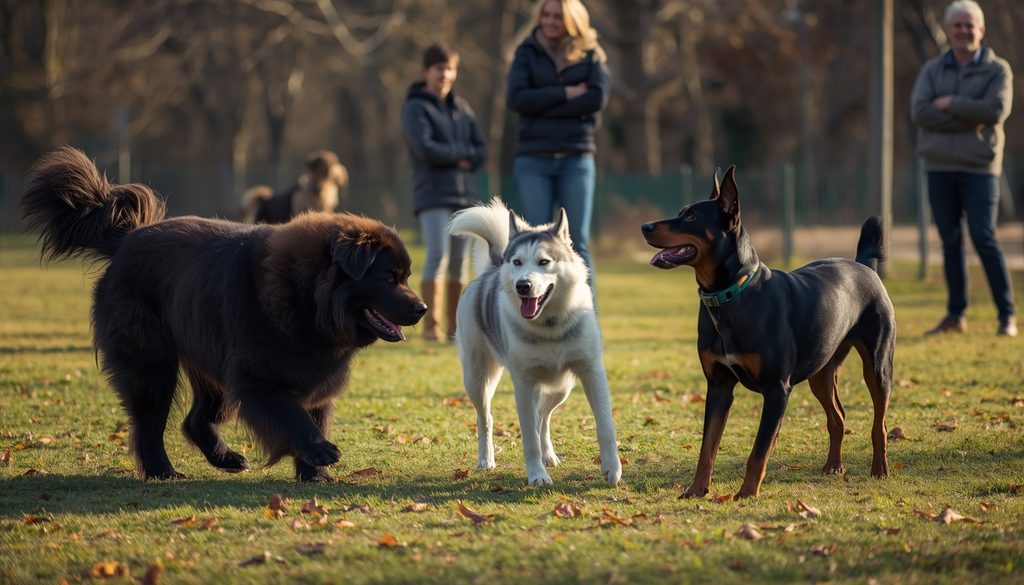
Table of Contents
Working Dogs: Fast Facts
Breed Group: Working
Main Types: Guarding, Draft, Sled, Rescue & Utility Dogs
Size Range: Medium to Giant
Weight Range: Roughly 35–180+ lb
Height Range: Roughly 19–32+ in
Typical Lifespan: About 7–14+ years
Coat Types: Short, Long, Dense, Double & Weather-Resistant
Shedding: Moderate to Heavy
Exercise Needs: Moderate to High
Training Difficulty: Moderate
Original Purpose: Guarding, Hauling, Rescue & Specialized Work
Best Known For: Strength, Intelligence, Courage & Working Ability
Working Dogs: Star Ratings
Family Friendly: ★★★★☆
Child Friendly: ★★★★☆
Dog Friendly: ★★★☆☆
Other Pet Friendly: ★★★☆☆
Trainability: ★★★★☆
Exercise Needs: ★★★★☆
Grooming Needs: ★★★☆☆
Shedding Level: ★★★★☆
Vocal Tendency: ★★★☆☆
Protective Instinct: ★★★★☆
Apartment Suitability: ★★☆☆☆
First-Time Owner Suitability: ★★★☆☆
These facts and ratings represent broad tendencies across the Working Group. Individual breeds can vary considerably in size, temperament, exercise needs, grooming requirements, protective instincts and behavior.
Explore Working Dog Breeds
The working dog breeds include some of the strongest, most capable and historically important dogs in the world. Although they share a background of practical work, their original jobs were remarkably varied. Some guarded livestock or property, others hauled carts and sleds, while certain breeds became known for water rescue, mountain work or protecting people and homes. Their physical build, temperament and instincts often reflect those very different responsibilities.
Exploring the types of working dogs individually is especially important because the Working Group includes breeds with very different lifestyles and ownership needs. A Siberian Husky, Newfoundland, Doberman Pinscher and Mastiff may all belong to the same group, yet they differ enormously in size, exercise requirements, protective instincts, coat care and training style. Some thrive on sustained physical activity, while others are more moderate once mature.
The group also demonstrates how closely form can follow function. Powerful draft dogs developed substantial bodies and strength, sled breeds combined endurance with weather-resistant coats, and livestock guardians needed the confidence to assess potential threats independently. Other breeds were developed to work closely with people and remain highly responsive to training. Even among large dogs, structure and working style can therefore differ considerably.
Use the working dog breeds list below to explore the individual CanineBase guides. Each breed page looks beyond appearance to examine temperament, family life, exercise, training, grooming, feeding, health, lifespan and what living with that particular working breed is really like.
Akita
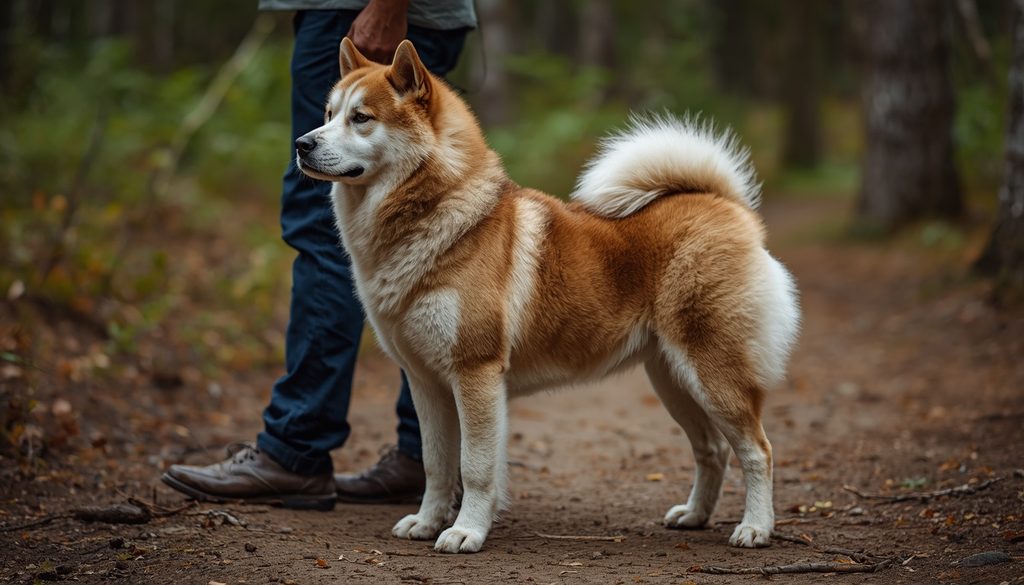
Alert, dignified and deeply loyal, the Akita is a powerful Japanese working dog known for its strength, thick double coat and naturally watchful nature. Independent but devoted to family, it benefits from early socialization, consistent training and confident handling.
Alaskan Malamute

Powerful, affectionate and built for endurance, the Alaskan Malamute is a large Arctic working dog known for its strength, dense double coat and sled-hauling heritage. Friendly but independent, it thrives with regular exercise, consistent training and plenty of companionship.
Anatolian Shepherd
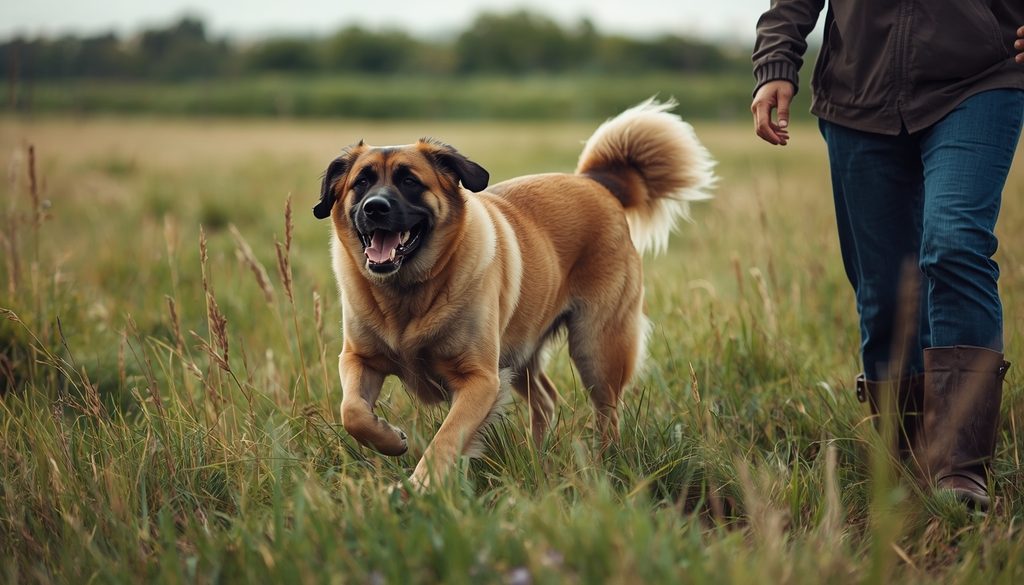
Powerful, independent and protective, the Anatolian Shepherd is a large Turkish working breed known for its strength, endurance and livestock-guarding heritage. Loyal to its family but naturally watchful, it benefits from early socialization, consistent training and plenty of space to exercise.
Bernese Mountain Dog

Gentle, powerful and dependable, the Bernese Mountain Dog is a large Swiss working breed known for its striking tricolor coat, calm nature and historic farm and draft work. Affectionate with family, it benefits from regular exercise, early training and plenty of companionship.
Black Russian Terrier
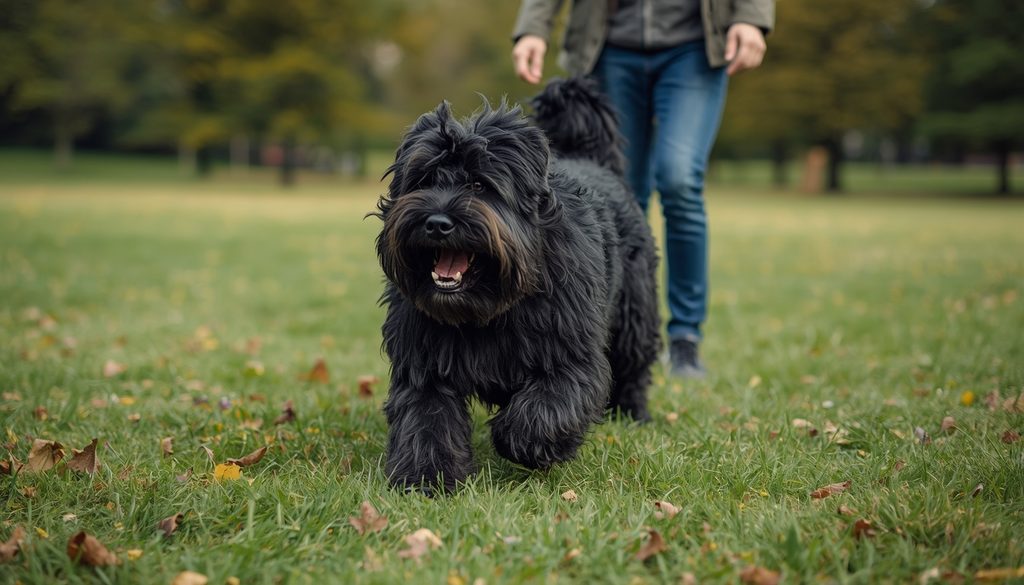
Powerful, confident and intelligent, the Black Russian Terrier is a large Russian working breed known for its dense black coat and imposing build. Loyal to its family and naturally watchful, it benefits from early socialization, consistent training and regular physical and mental activity.
Boerboel
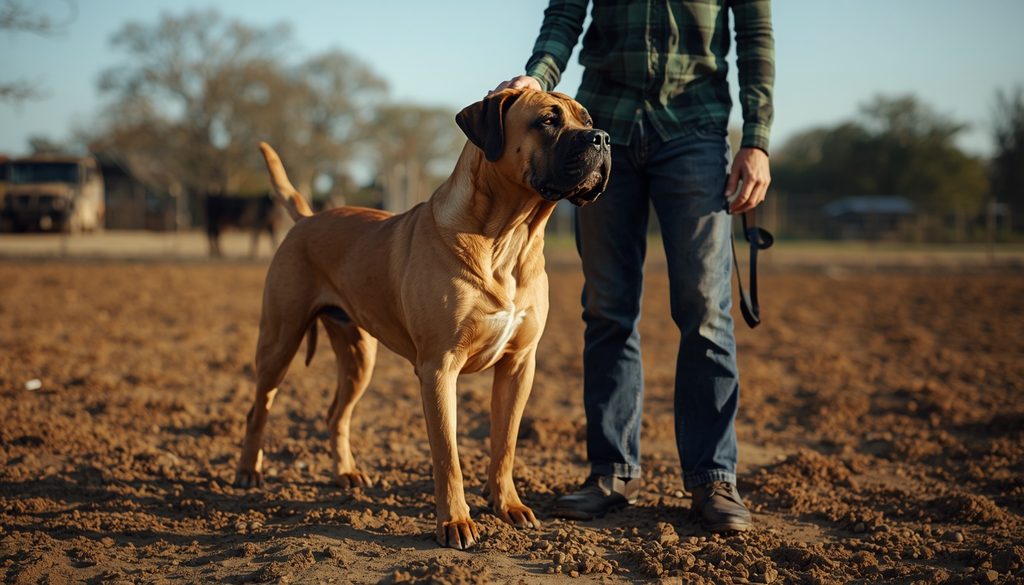
Powerful, confident and devoted, the Boerboel is a large South African working breed known for its muscular build, protective nature and strong bond with its family. Intelligent and naturally watchful, it benefits from early socialization, consistent training and regular activity.
Boxer
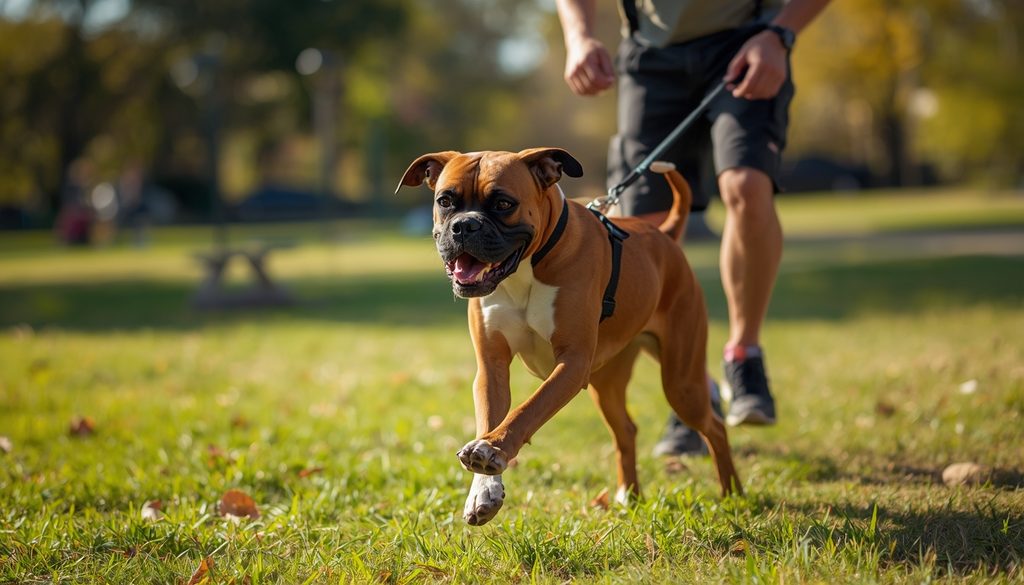
Playful, athletic and affectionate, the Boxer is a powerful German working breed known for its muscular build, expressive face and energetic personality. Loyal and people-oriented, it benefits from early socialization, consistent training and regular activity.
Bullmastiff
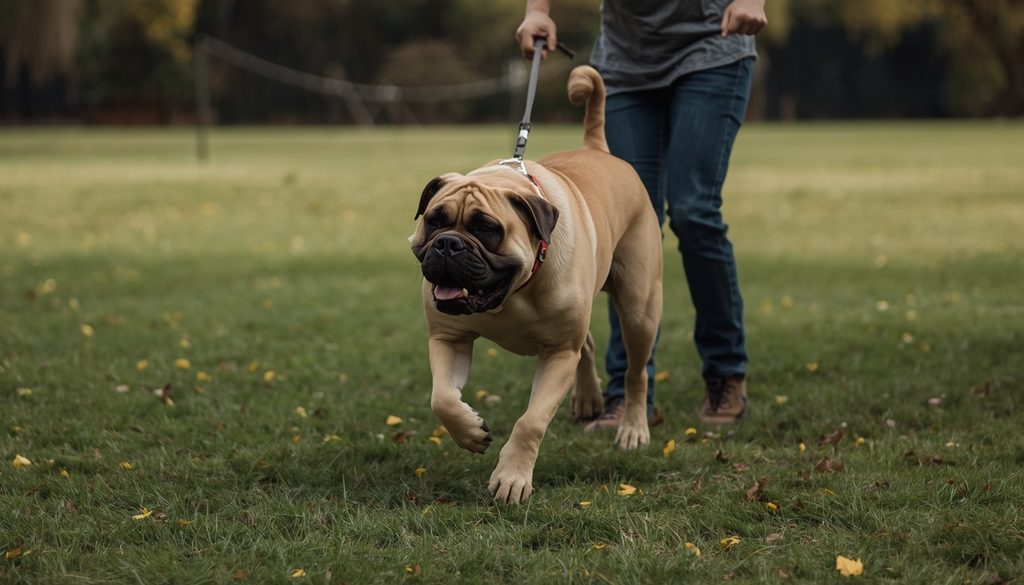
Powerful, loyal and naturally protective, the Bullmastiff is a large English working breed known for its strength, courage and calm family nature. Confident and affectionate with its people, it benefits from early socialization, consistent training and regular moderate exercise.
Cane Corso
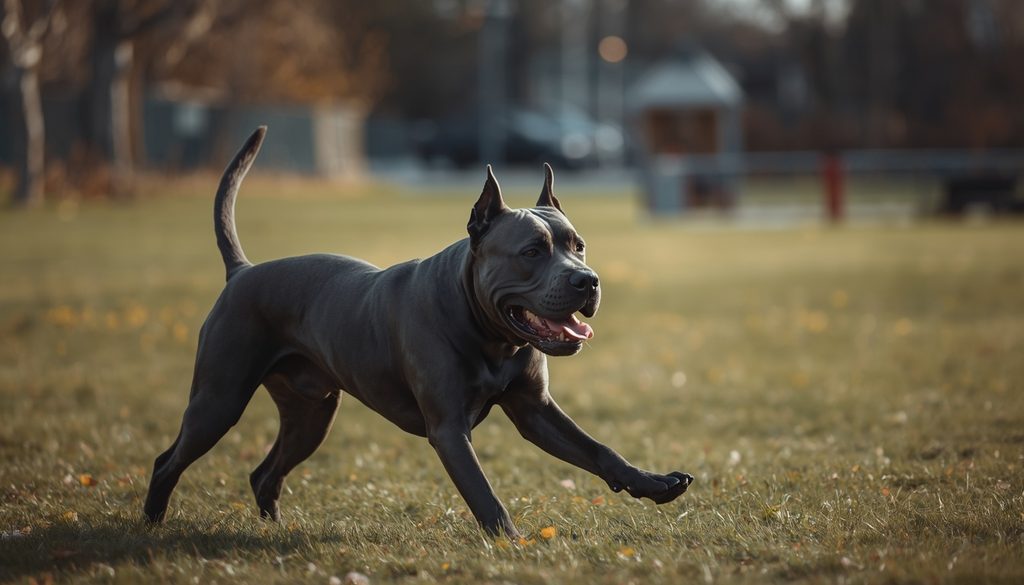
Powerful, confident and devoted, the Cane Corso is a large Italian working breed known for its muscular build, protective instincts and close bond with its family. Intelligent and naturally watchful, it benefits from early socialization, consistent training and regular activity.
Chinook
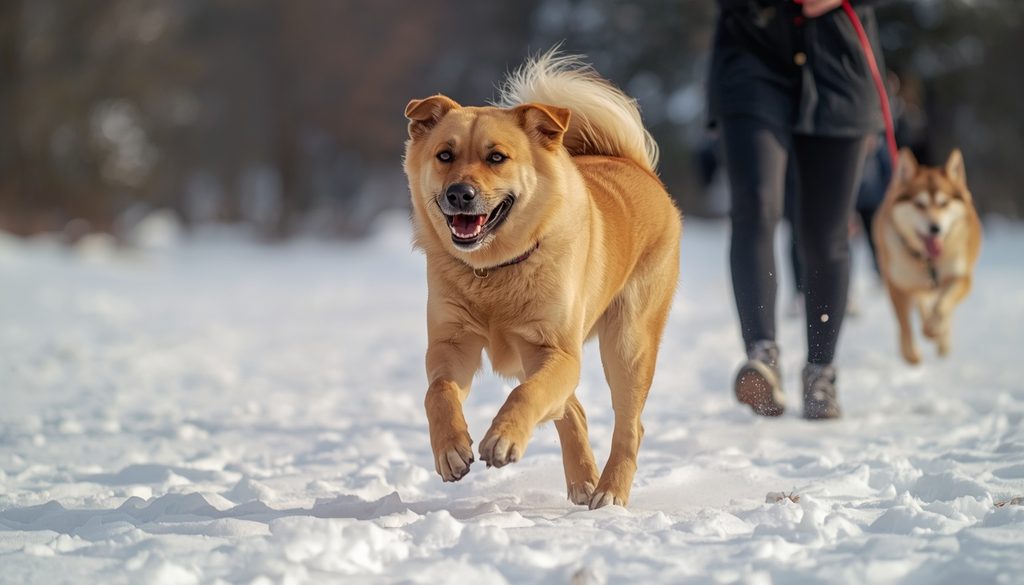
Friendly, athletic and hardworking, the Chinook is an American working breed developed for sledding and endurance. Gentle with its family and eager to participate, it benefits from regular exercise, consistent training and plenty of companionship.
Doberman Pinscher
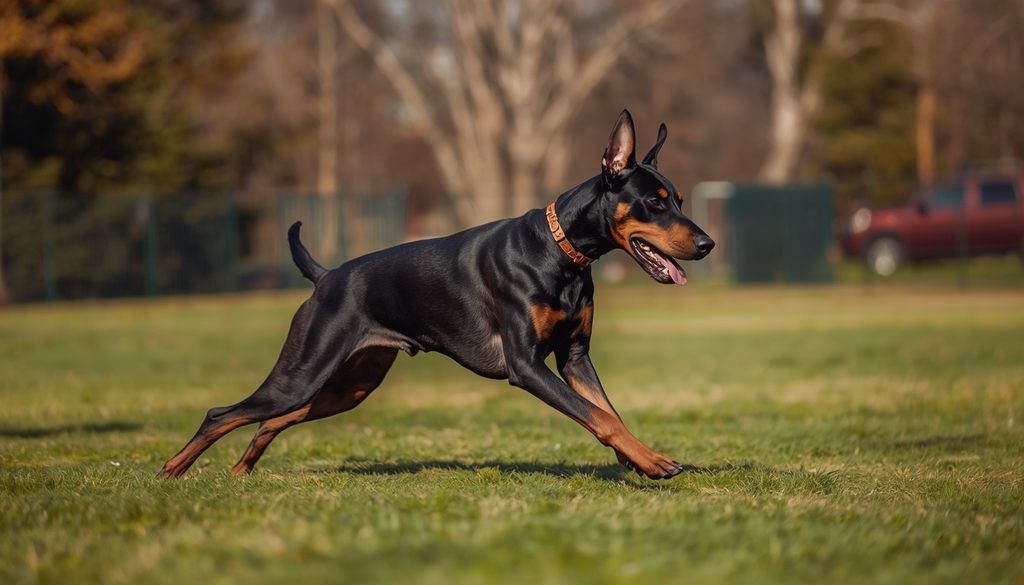
Athletic, intelligent and devoted, the Doberman Pinscher is a powerful German working breed known for its sleek build, alert nature and close bond with its family. Confident and highly trainable, it benefits from early socialization, consistent training and regular activity.
Dogue de Bordeaux

Powerful, calm and devoted, the Dogue de Bordeaux is a large French working breed known for its muscular build, broad head and distinctive reddish-fawn coat. Affectionate with its family, it benefits from early socialization, consistent training and regular moderate exercise.
German Pinscher
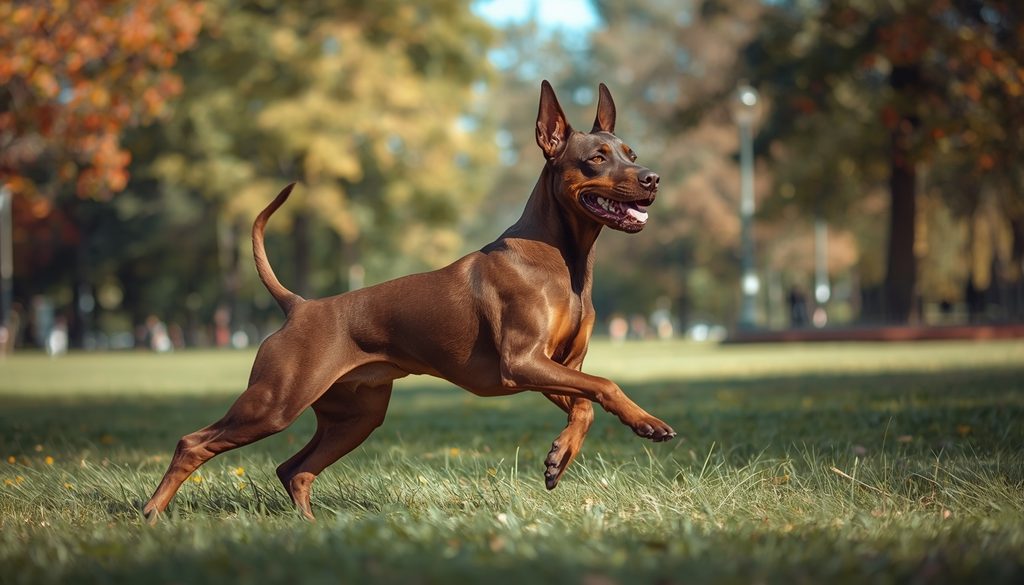
Alert, energetic and intelligent, the German Pinscher is a medium-sized German working breed known for its sleek build, lively nature and confident personality. Devoted to its family, it benefits from early socialization, consistent training and regular physical and mental activity.
Giant Schnauzer
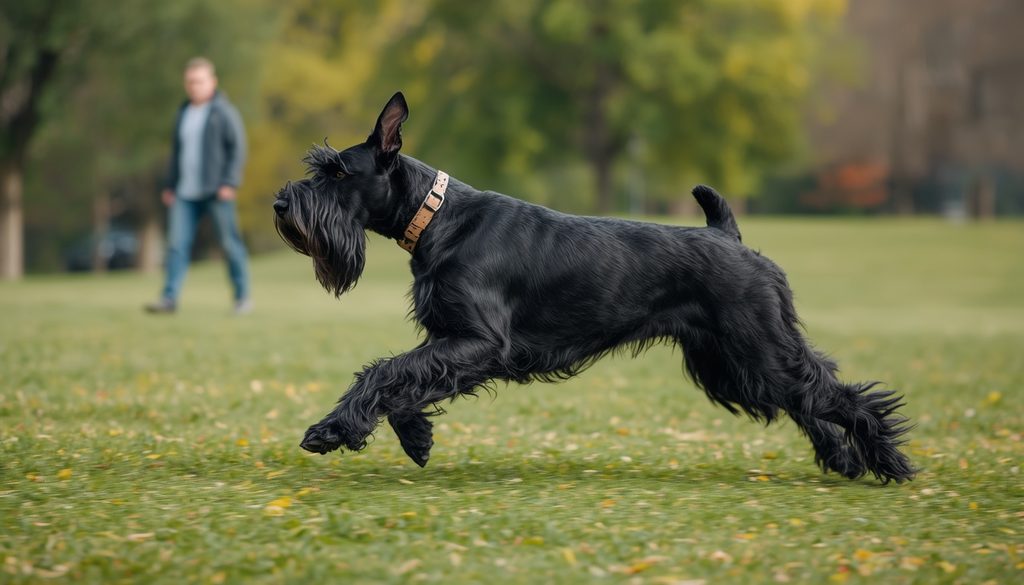
Powerful, intelligent and energetic, the Giant Schnauzer is a large German working breed known for its athletic build, distinctive beard and dense coat. Loyal and naturally watchful, it benefits from early socialization, consistent training and plenty of physical and mental activity.
Great Dane
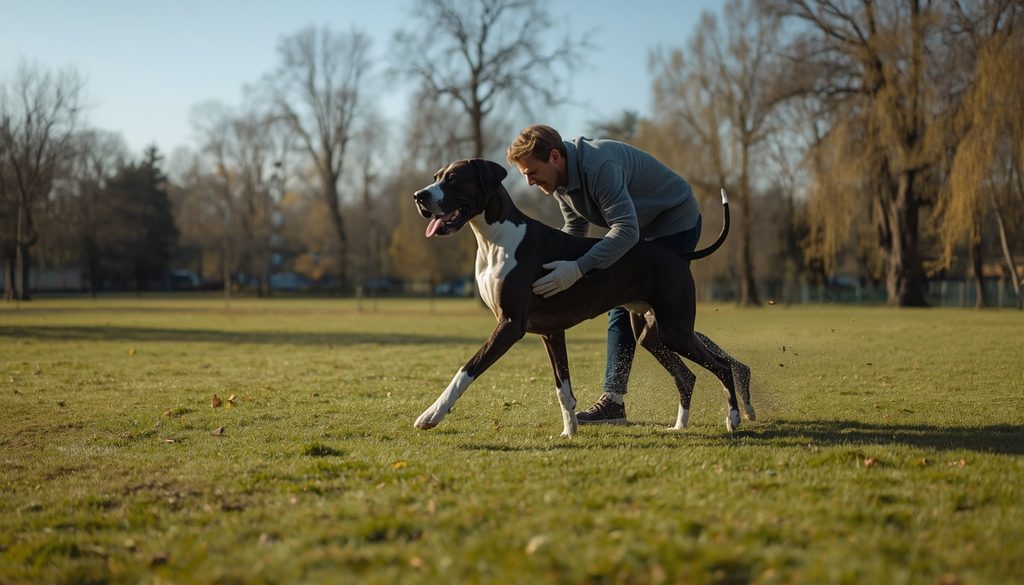
Gentle, affectionate and imposing, the Great Dane is a giant German working breed known for its remarkable height, elegant build and friendly nature. Despite its size, it can be a calm family companion with appropriate training, socialization and regular moderate exercise.
Great Pyrenees

Gentle, confident and protective, the Great Pyrenees is a large French working breed known for its beautiful white coat, strength and livestock-guarding heritage. Calm and devoted with its family, it benefits from early socialization, consistent training and regular activity.
Swiss Mountain Dog
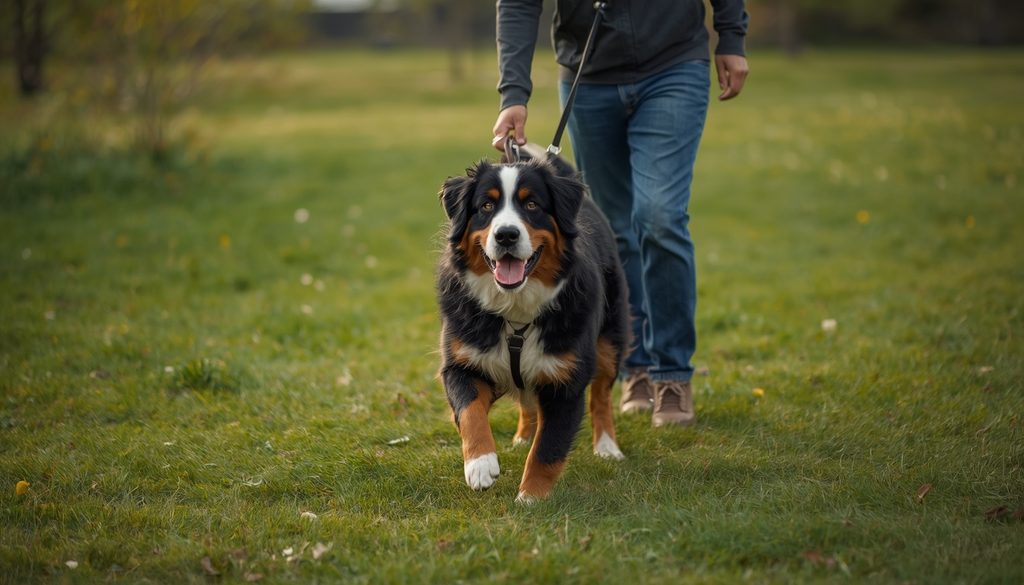
Strong, steady and affectionate, the Greater Swiss Mountain Dog is a large Swiss working breed known for its sturdy build, striking tricolor coat and history as a farm and draft dog. Devoted to its family, it benefits from early socialization, consistent training and regular activity.
Komondor
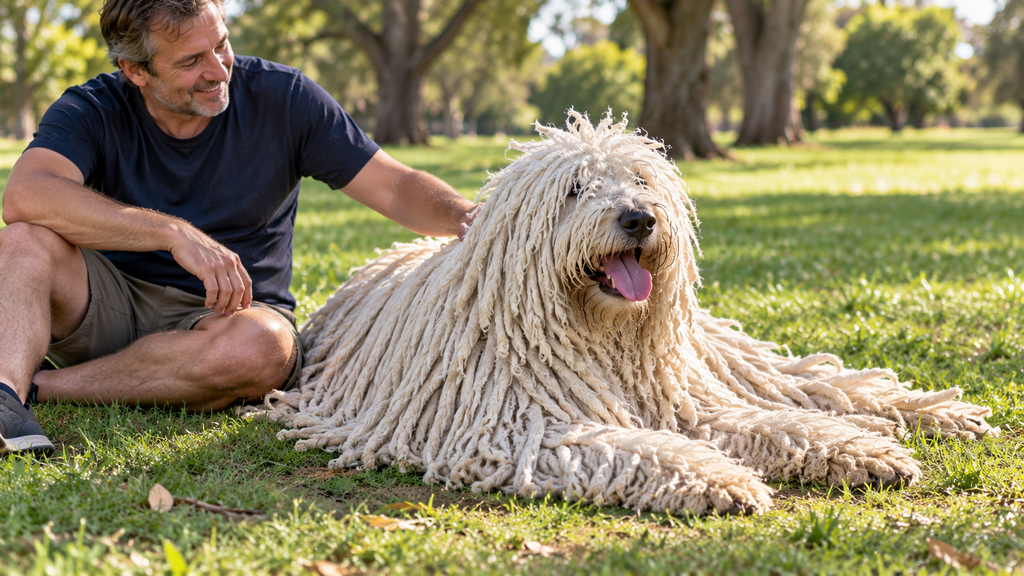
Powerful, independent and protective, the Komondor is a large Hungarian working breed known for its distinctive corded white coat and livestock-guarding heritage. Calm and devoted with its family, it benefits from early socialization, consistent training and plenty of space.
Kuvasz
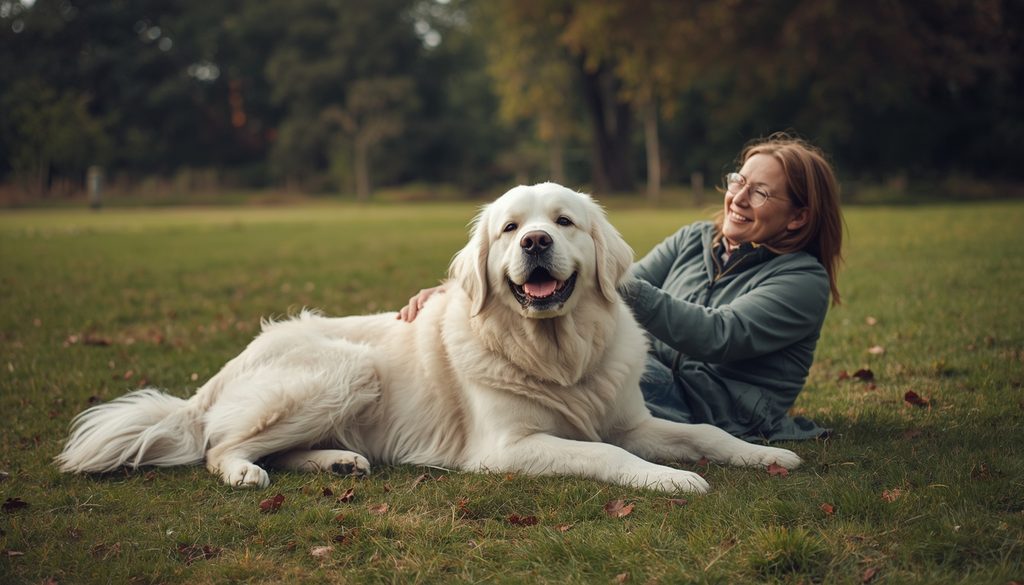
Independent, loyal and protective, the Kuvasz is a large Hungarian working breed known for its white coat, strength and livestock-guarding heritage. Devoted to its family, it benefits from early socialization, consistent training and plenty of space to exercise.
Leonberger

Gentle, confident and affectionate, the Leonberger is a giant German working breed known for its impressive size, long coat and distinctive black mask. Sociable and devoted to its family, it benefits from early socialization, consistent training and regular activity.
Mastiff

Calm, powerful and devoted, the Mastiff is a giant English working breed known for its enormous build, gentle nature and long history as a guardian. Loyal to its family, it benefits from early socialization, consistent training and regular moderate exercise.
Neapolitan Mastiff
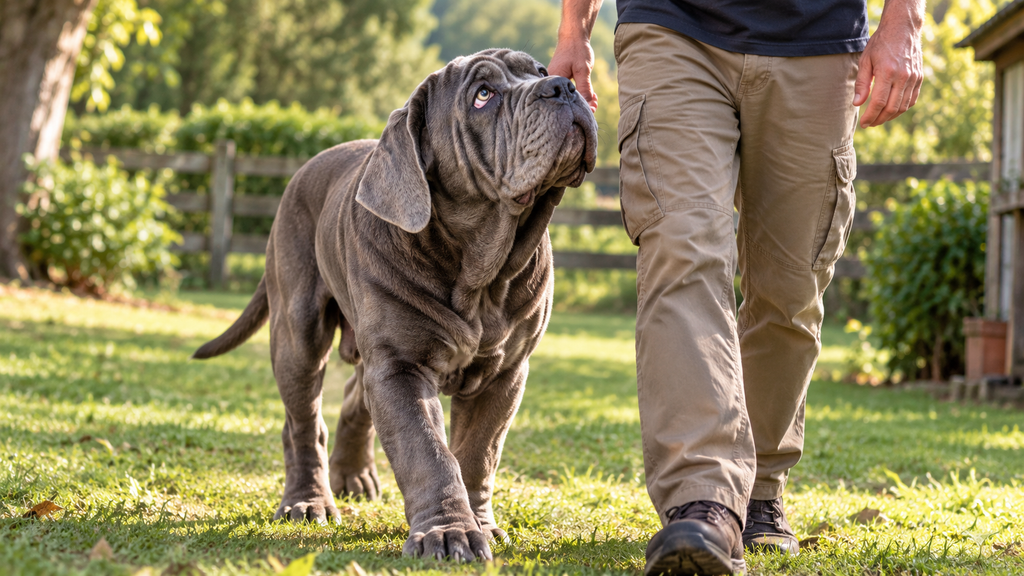
Massive, loyal and watchful, the Neapolitan Mastiff is an Italian working breed known for its powerful build, loose wrinkled skin and imposing appearance. Devoted to its family, it benefits from early socialization, consistent training and a calm, structured home.
Newfoundland

Gentle, strong and affectionate, the Newfoundland is a large Canadian working breed known for its swimming ability, thick coat and calm nature. Devoted to its family, it benefits from early socialization, consistent training and regular activity.
Portuguese Water Dog
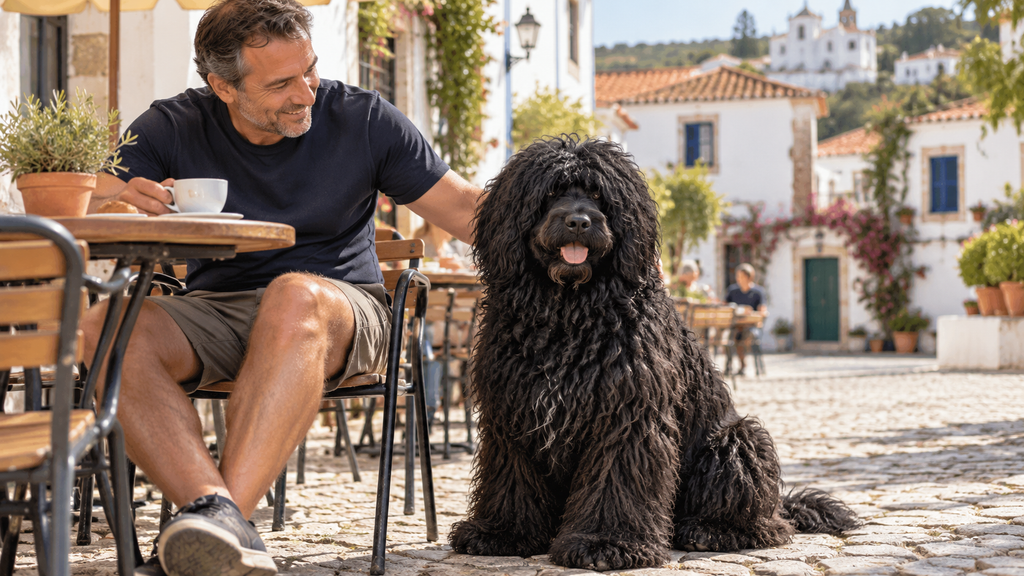
Energetic, intelligent and affectionate, the Portuguese Water Dog is a medium-sized working breed known for its athletic build, curly coat and strong swimming ability. Eager to learn and devoted to its family, it benefits from regular exercise, training and mental stimulation.
Rottweiler
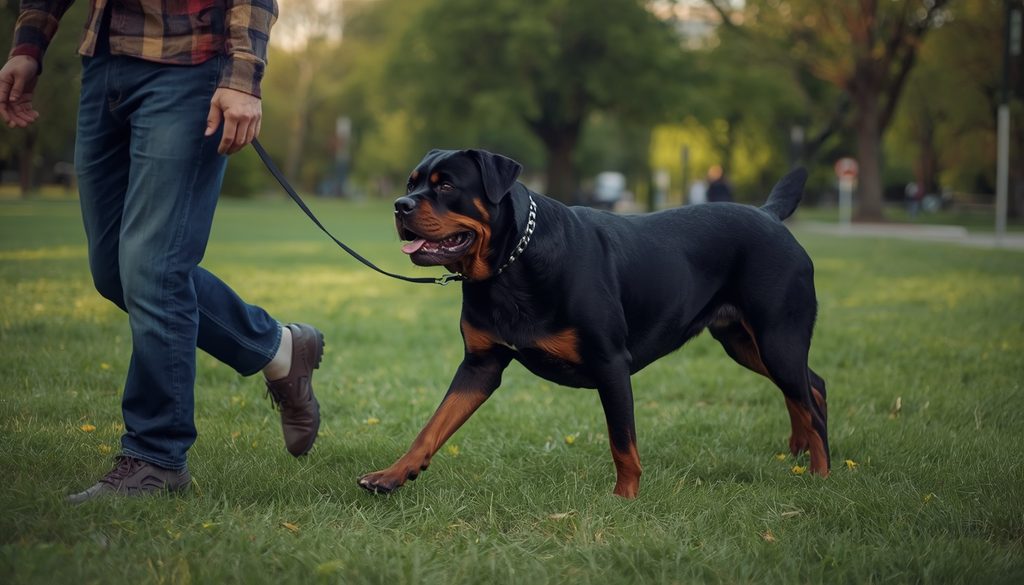
Powerful, loyal and confident, the Rottweiler is a strong German working breed known for its black-and-tan coat, intelligence and versatility. Devoted to its family, it benefits from early socialization, consistent training and regular physical and mental activity.
Saint Bernard

Gentle, patient and affectionate, the Saint Bernard is a giant Swiss working breed known for its impressive size, powerful build and historic rescue work in the Alps. Devoted to its family, it benefits from early socialization, consistent training and regular moderate activity.
Samoyed

Friendly, energetic and affectionate, the Samoyed is a hardy working breed known for its fluffy white coat, cheerful expression and sledding heritage. Social and active, it benefits from regular exercise, consistent training and plenty of companionship.
Siberian Husky
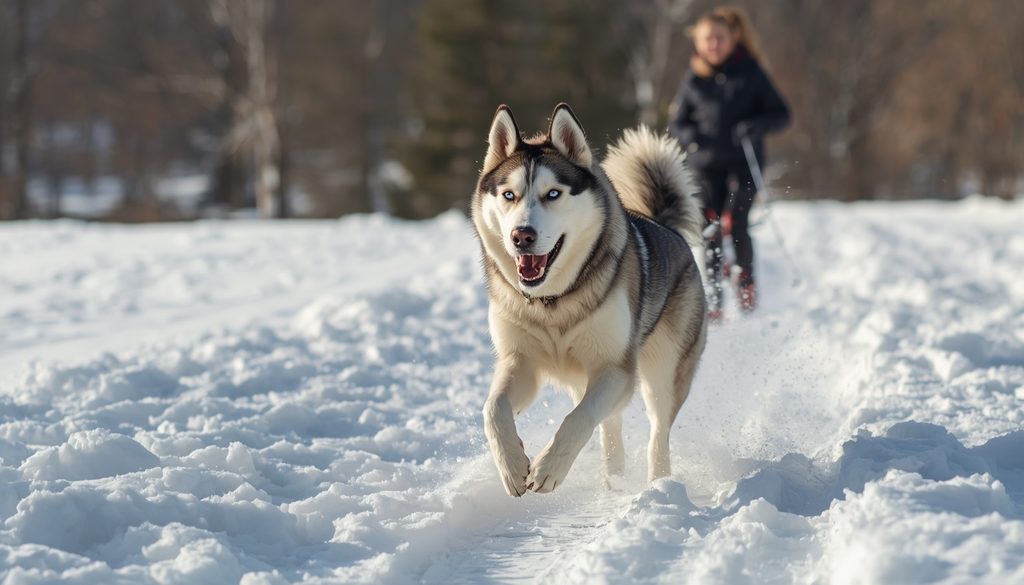
Energetic, intelligent and friendly, the Siberian Husky is an athletic working breed known for its endurance, thick double coat and sled-dog heritage. Social and active, it benefits from plenty of exercise, consistent training and opportunities for mental stimulation.
Standard Schnauzer
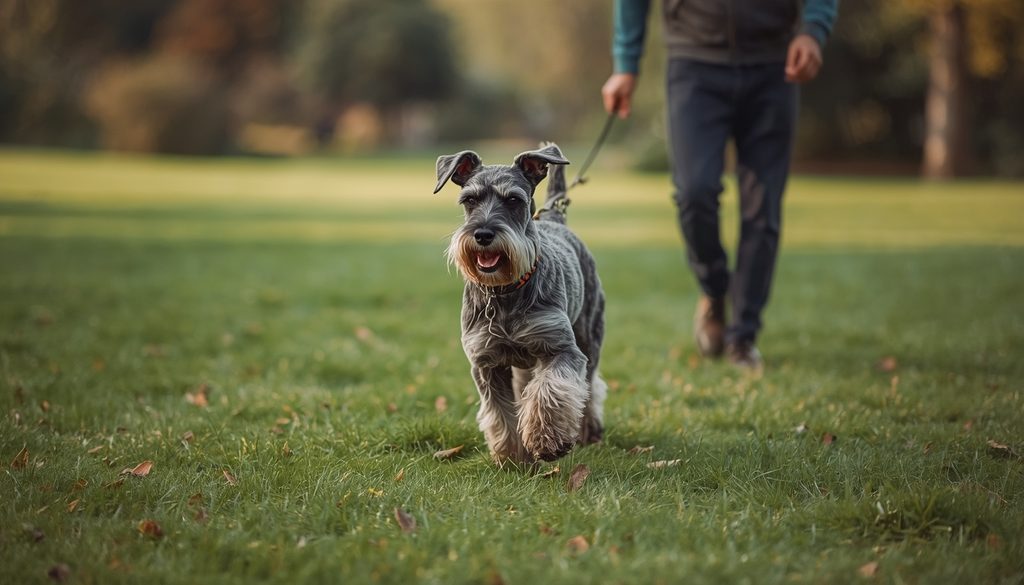
Alert, intelligent and energetic, the Standard Schnauzer is a medium-sized German working breed known for its wiry coat, distinctive beard and confident nature. Active and devoted to its family, it benefits from regular exercise, consistent training and mental stimulation.
Tibetan Mastiff
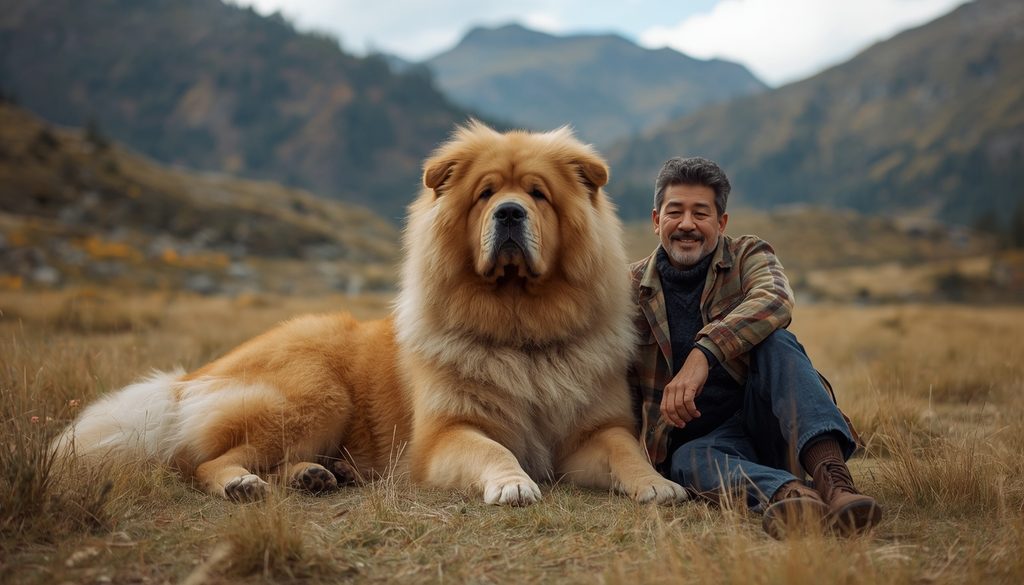
Powerful, independent and protective, the Tibetan Mastiff is a large Himalayan working breed known for its thick coat, imposing build and guardian heritage. Loyal to its family, it benefits from early socialization, consistent training and plenty of space.
Recent Additions to the Working Group
The Working Group has grown in recent years with the addition of the Dogo Argentino and Danish-Swedish Farmdog. The Dogo Argentino joined the group in 2020, bringing a powerful, athletic breed developed in Argentina for big-game hunting and versatile work. The Danish-Swedish Farmdog became fully AKC-recognized in 2025, adding a smaller, lively and adaptable farm breed with a long history of practical work around rural homes and properties.
Danish-Swedish Farmdog

Lively, intelligent and versatile, the Danish-Swedish Farmdog is a small Scandinavian working breed known for its compact build, cheerful nature and history as an all-purpose farm dog. Energetic and eager to learn, it enjoys regular activity, training and close involvement in family life.
Dogo Argentino

Powerful, athletic and courageous, the Dogo Argentino is a large Argentine working breed known for its muscular white coat, endurance and hunting heritage. Loyal and energetic, it benefits from experienced handling, early socialization, consistent training and regular activity.
What Makes the Working Group Different?
The Working Group brings together breeds developed to perform demanding practical jobs alongside people. Unlike dogs bred primarily for companionship or sporting pursuits, many working group dogs were expected to contribute directly to everyday life through guarding, hauling, rescue, protection, farm work or transportation. Those responsibilities often required considerable physical strength, confidence and the ability to make sensible decisions without constant human direction.
So what is a working dog in practical terms? Historically, it was a dog developed to carry out a useful task that demanded particular physical or behavioral abilities. A Newfoundland working around water needed powerful swimming ability and a weather-resistant coat. A Siberian Husky required endurance, efficient movement and tolerance of severe cold. Livestock guardians such as the Great Pyrenees and Anatolian Shepherd needed independence and confidence because they often worked at a distance from people while assessing potential threats.
Other breeds developed around close cooperation with handlers. Doberman Pinschers became known for protection and versatility, while Giant Schnauzers performed demanding farm, guarding and later service roles. Bernese Mountain Dogs and Greater Swiss Mountain Dogs combined general farm work with draft ability, while massive guardian breeds such as the Mastiff were valued for strength and presence.
These different jobs explain why there is no single Working Group temperament. Some breeds are highly social and people-focused, while others tend to be more independent or reserved with strangers. Protective instinct can be strong in certain breeds but much less pronounced in others. Energy levels also vary dramatically. A young Siberian Husky may require substantial daily exercise, whereas some giant breeds are considerably more moderate once mature.
Physical size is nevertheless one of the group’s most noticeable characteristics. Many working breeds are large or giant dogs, and several combine considerable body weight with tremendous strength. That makes early training especially important. Behaviors that might be mildly inconvenient in a small dog—jumping up, pulling on the leash or ignoring boundaries—can become much more difficult to manage in a 100-pound adult.
Intelligence is another recurring feature, although it does not always appear as instant obedience. Dogs developed to guard livestock or make decisions independently may understand exactly what an owner wants while still evaluating the situation for themselves. Successful training therefore depends on consistency, motivation and realistic expectations about the breed’s original purpose.
Modern working breeds may spend far more time sharing homes, parks and family routines than performing their historic jobs, but generations of selective breeding remain relevant. Strength, endurance, vigilance, independence, confidence and a desire for purposeful activity can still shape everyday behavior.
Understanding those origins provides a much clearer picture of what living with a particular Working breed may involve. The group label gives useful clues, but the individual breed’s original job remains the best guide to its likely temperament, exercise needs, training style and suitability for different homes.
Working Instincts Do Not Simply Disappear
A modern Working breed may never pull a sled, guard livestock or perform a rescue, yet the traits that made those jobs possible can still influence everyday behavior. Independence, watchfulness, physical confidence and a desire to stay occupied are often deeply rooted rather than habits that need to be “trained out.” Owners generally have more success when they provide appropriate outlets for those instincts through exercise, training, exploration and purposeful activities instead of expecting the dog to behave like a breed developed for an entirely different role.

Working Dog Breeds and Their Jobs
The remarkable variety of working dog breeds and their jobs reflects just how many practical roles dogs have performed alongside people. Long before most Working Group breeds became household companions, they were expected to contribute in ways that demanded strength, endurance, courage, intelligence or independent judgment. The work differed enormously from one breed to another, and those original responsibilities still help explain many of the behaviors seen in modern dogs.
Guarding was one of the most important roles. Breeds such as the Anatolian Shepherd, Great Pyrenees, Kuvasz and Komondor developed to protect livestock from predators and other threats. These dogs often worked with limited human supervision, so confidence, vigilance and independent decision-making were valuable qualities. That heritage can still appear today as territorial awareness, watchfulness and a tendency to assess unfamiliar situations before accepting them.
Other working breeds were developed for pulling and transportation. Siberian Huskies, Alaskan Malamutes and Samoyeds worked in northern environments where endurance, efficient movement and tolerance of extreme cold were essential. Draft breeds such as the Bernese Mountain Dog and Greater Swiss Mountain Dog also helped move carts and supplies, combining physical strength with the steady temperament needed to work reliably around people and livestock.
Water work produced another distinctive group of abilities. Newfoundlands became particularly associated with swimming and water rescue, helped by their powerful bodies, substantial coats and natural confidence in the water. Portuguese Water Dogs historically assisted fishermen, performing tasks around boats and retrieving objects from the sea. These backgrounds help explain why many individuals from these breeds remain enthusiastic swimmers.
Protection and general-purpose work shaped several other breeds. Doberman Pinschers, Rottweilers, Giant Schnauzers and Black Russian Terriers developed reputations for intelligence, courage and close cooperation with handlers. Their historic responsibilities varied, but many were expected to combine physical capability with alertness and responsiveness.
Some of the jobs for working dogs were highly specialized. Saint Bernards became famous for their association with alpine rescue, while the Chinook was developed in the United States as a sled dog combining strength, endurance and a cooperative temperament. Farm dogs performed whatever practical tasks were required around rural properties, and guardian breeds often served as both protectors and family companions.
Modern Working Group dogs do not need to perform their historic jobs to live satisfying lives, but understanding those jobs remains enormously useful. A breed created to travel long distances may need more sustained exercise than one developed primarily to guard. An independent livestock guardian may approach training differently from a highly handler-focused protection breed.
The important point is that “working” does not describe one activity. It describes generations of dogs shaped around useful tasks. Recognizing those different working traditions helps owners understand why breeds within the same group can have such different personalities, exercise requirements and training needs.
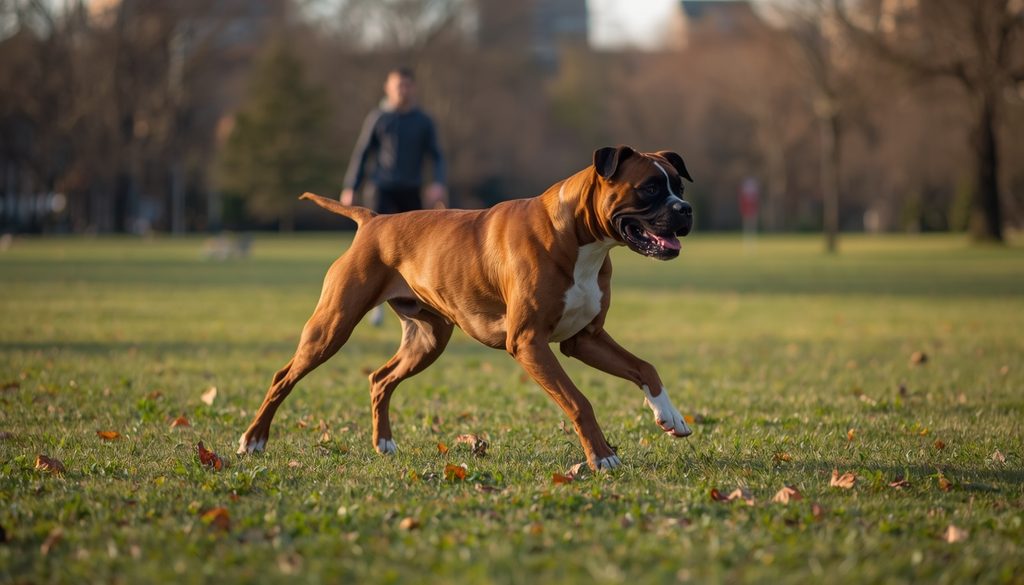
Different Jobs Created Different Dogs
The Working Group includes far more than guard dogs. Some breeds hauled freight through snow, others protected livestock, pulled farm carts, worked around boats or assisted people in difficult environments. Those jobs required very different combinations of strength, stamina, independence and cooperation. Looking at a breed’s original purpose therefore provides far more useful information than assuming all working breeds behave alike. The job helps explain not only physical structure, but also how the dog may approach exercise, training, strangers, other animals and everyday family life.
Working Dog Size, Appearance and Physical Characteristics
Few breed groups show such an impressive combination of size, strength and physical variety as the Working Group. Many large working dog breeds were developed for demanding tasks that required substantial bodies, powerful muscles and the ability to cope with difficult terrain or weather. Yet size alone does not define the group. Working breeds range from the compact Danish-Swedish Farmdog to giant dogs such as the Great Dane, Mastiff and Saint Bernard.
Body structure often reflects original purpose. Sled breeds such as the Siberian Husky and Alaskan Malamute combine athletic frames with efficient movement and dense double coats suited to cold conditions. Draft breeds including the Bernese Mountain Dog and Greater Swiss Mountain Dog developed sturdy bodies capable of pulling loads, while livestock guardians such as the Great Pyrenees, Kuvasz and Anatolian Shepherd needed strength, endurance and physical presence.
Guardian and protection breeds display another type of build. The Rottweiler, Cane Corso and Bullmastiff are muscular and substantial, while the Doberman Pinscher is leaner, faster and more athletic. Giant breeds such as the Mastiff and Great Dane rely partly on sheer size and presence, although their proportions and movement differ considerably.
Coats vary just as dramatically. Some breeds, including the Boxer, Great Dane and Doberman Pinscher, have short, close coats that require relatively little routine grooming. At the opposite extreme are heavily coated breeds such as the Newfoundland, Samoyed and Tibetan Mastiff. The Komondor is immediately recognizable for its long corded coat, while the Giant Schnauzer and Standard Schnauzer have harsh, wiry coats with characteristic facial furnishings.
Color and markings add further variety. Working breeds may be solid black, white, fawn, red, gray or combinations of several colors. The Bernese Mountain Dog and Greater Swiss Mountain Dog are famous for their tricolor markings, while the Rottweiler and Doberman Pinscher have distinctive dark coats with sharply defined rust or tan points.
Head shape varies considerably as well. Mastiff-type breeds typically have broad skulls and substantial muzzles, whereas sled dogs often have more wedge-shaped heads with upright ears. Coat, ear shape, tail carriage and overall proportions can therefore make two members of the Working Group look almost unrelated.
These physical differences have practical consequences for owners. Giant breeds need more household and vehicle space, while heavy coats can make warm weather management particularly important. Powerful dogs require strong everyday handling skills, and rapidly growing large-breed puppies need sensible exercise that does not place unnecessary strain on developing joints.
Appearance may be what first attracts someone to a particular breed, but structure usually tells part of the dog’s working story. Understanding why a breed looks the way it does often provides valuable clues about its exercise needs, climate tolerance, grooming requirements and everyday management.
Built Around the Job
The enormous variation in Working Group appearance is rarely accidental. Thick coats protected dogs working in severe cold, powerful bodies helped draft breeds move heavy loads, and substantial guardian breeds needed the confidence and physical presence to confront threats. Even details such as foot shape, chest depth and coat texture can reflect generations of selective breeding for a particular environment or task. Looking beyond appearance to understand function gives owners a much clearer idea of the practical needs that may accompany a breed’s distinctive build.
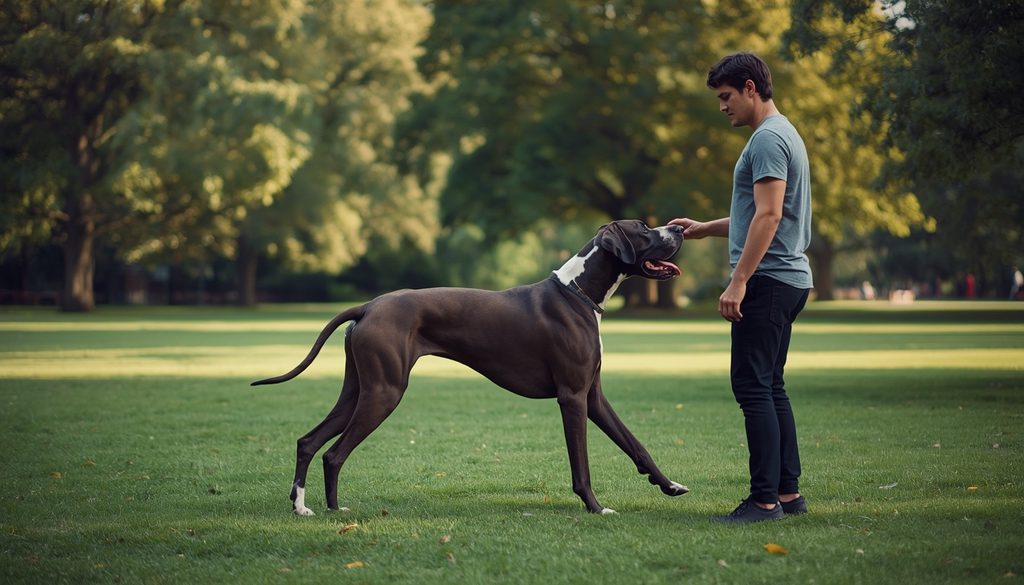
Working Dog Temperament and Personality
There is no single personality shared by every working breed dog. A Siberian Husky, Rottweiler, Newfoundland, Great Pyrenees and Boxer can behave very differently, yet several traits appear repeatedly across the Working Group. Confidence, intelligence, loyalty, watchfulness and a willingness to take responsibility are common themes, reflecting the demanding roles many of these dogs were originally bred to perform.
Some Working breeds are strongly people-focused. Boxers, Newfoundlands and Portuguese Water Dogs are often enthusiastic about family interaction and enjoy being involved in everyday activities. Others, particularly livestock guardians such as the Great Pyrenees, Kuvasz and Anatolian Shepherd, tend to be more independent. These breeds were historically expected to assess situations and respond without waiting for constant human instruction, so their decision-making style can feel very different from that of a highly handler-focused dog.
Protective instinct also varies. Breeds such as the Doberman Pinscher, Rottweiler, Cane Corso and Bullmastiff may be naturally alert to unfamiliar people or situations. Good breeding, early socialization and thoughtful training are especially important because confidence and suspicion can become difficult to manage if a powerful dog is poorly prepared for everyday life. Protective behavior should never be encouraged simply for dramatic effect; calm judgment and reliable control are much more valuable.
Other Working breeds are notably social. Siberian Huskies, Samoyeds and some sledding breeds have histories of living and working around people and other dogs, although individual personalities still vary. Their sociability does not necessarily make them easy to train. Independence, curiosity and high energy can produce a dog that is friendly yet still requires substantial management and consistent boundaries.
Sensitivity is another important consideration. Giant dogs may look imposing but can still respond poorly to harsh handling. Many working breeds form deep attachments to their families and learn best when training is clear, fair and rewarding. Confidence should not be confused with emotional hardness.
Maturity can also change behavior considerably. A sociable puppy may become more selective with unfamiliar dogs or people as it reaches adulthood, particularly in breeds with guarding heritage. Large and giant breeds often mature slowly, so adolescence may involve a powerful body combined with an immature brain. Patience, consistent expectations and continued social exposure remain important well beyond puppyhood.
Temperament is shaped by more than breed alone. Genetics, early handling, socialization, training, health and life experience all influence adult behavior. Breed tendencies help owners understand what may be more likely, but they cannot predict every individual dog.
The Working Group tends to suit people who appreciate dogs with presence, intelligence and strong personalities. These breeds often reward owners who provide structure, activity and meaningful interaction while respecting the instincts that made them capable working partners in the first place.

Working Dogs as Family Dogs
Many working breed dogs can make devoted, affectionate and deeply rewarding family companions, but the Working Group is too varied for a simple yes-or-no answer about family suitability. Some breeds are naturally sociable and eager to be involved in household life, while others are more reserved, independent or protective. The best match depends on the individual breed, the family’s experience and how well the dog’s instincts fit everyday life.
Newfoundlands, Boxers and Bernese Mountain Dogs are often strongly family-oriented and enjoy close involvement with their people. Their size can still create practical challenges, particularly around very young children, but many have gentle, affectionate temperaments when well bred and properly socialized. Other breeds, including the Rottweiler, Doberman Pinscher and Giant Schnauzer, can form exceptionally strong family bonds while remaining naturally watchful of unfamiliar people or situations.
Livestock guardians require a different kind of understanding. Great Pyrenees, Anatolian Shepherds, Kuvasz and Komondors were developed to make independent decisions and protect what they considered theirs. In a family environment, that can translate into loyalty and calm confidence, but it may also mean increased vigilance around visitors, unfamiliar dogs or activity near the home. Owners need to be comfortable managing a dog that may not automatically welcome everyone it meets.
Children should always be considered alongside the individual dog’s size, temperament and energy level. A friendly Saint Bernard or Great Dane can accidentally knock over a small child simply because of its size, while an exuberant Boxer may be more physically enthusiastic than some families expect. Children should also learn to respect the dog’s space, particularly around food, sleeping areas and periods of rest.
Other pets can be equally breed-dependent. Some Working breeds live very successfully with other dogs and household animals, particularly when introduced thoughtfully from a young age. Others may be selective with unfamiliar dogs, and certain breeds can have stronger chase or guarding instincts. A successful relationship with one household pet should not automatically be assumed to predict behavior toward every animal encountered outside the home.
Time and companionship matter too. Many Working breeds bond closely with their families and do poorly when routinely excluded from household life. At the same time, some independent breeds are perfectly capable of settling without constant attention. The important question is whether the household can provide the exercise, training, social contact and structure that the particular breed needs.
Families should also consider the practical realities of owning a powerful dog. Secure fencing, reliable manners, controlled greetings and appropriate supervision become more important as size and strength increase. Early training is much easier than attempting to correct established habits in a fully grown 100-pound dog.
For the right household, Working breeds can be loyal, entertaining and extraordinarily devoted companions. The key is choosing the individual breed for its temperament and everyday needs rather than simply being attracted to its appearance, reputation or size.
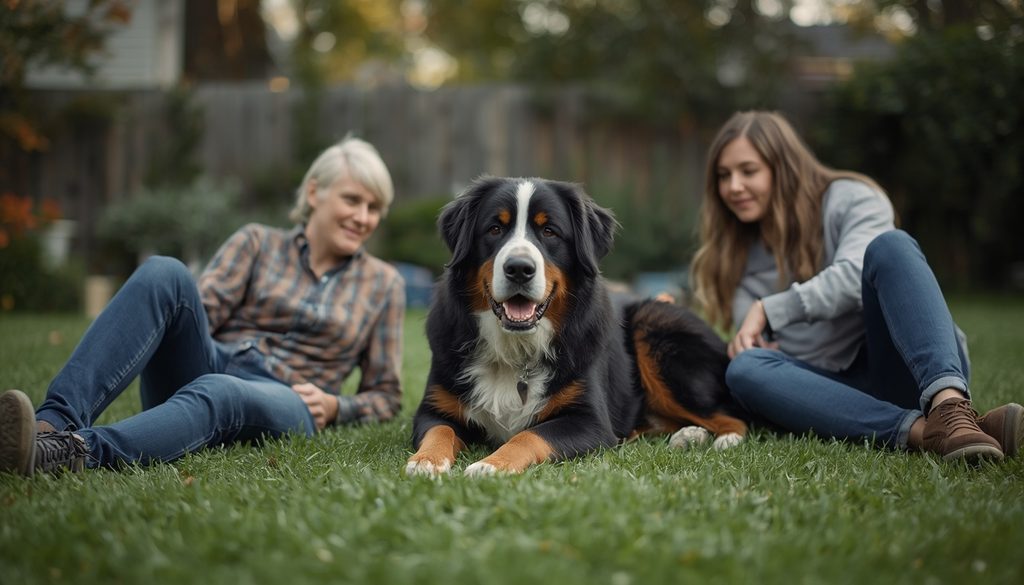
Match the Breed to Family Life
Family suitability depends on far more than whether a breed is described as loyal or affectionate. Think about size, energy, protective instinct, independence, tolerance of visitors and compatibility with other animals. A gentle giant may still overwhelm a small child physically, while an independent guardian may require more careful management around guests. Choosing a Working breed whose natural behavior already fits the household is usually far easier than expecting training to completely reshape instincts that were deliberately preserved for generations.
Exercise and Activity Needs
Exercise requirements vary considerably across the Working Group. Some working breed dogs were developed for sustained physical effort, while others relied more on strength, vigilance or steady endurance than constant movement. This means a Siberian Husky and a Mastiff may both be Working breeds but have very different ideas about what constitutes a satisfying day.
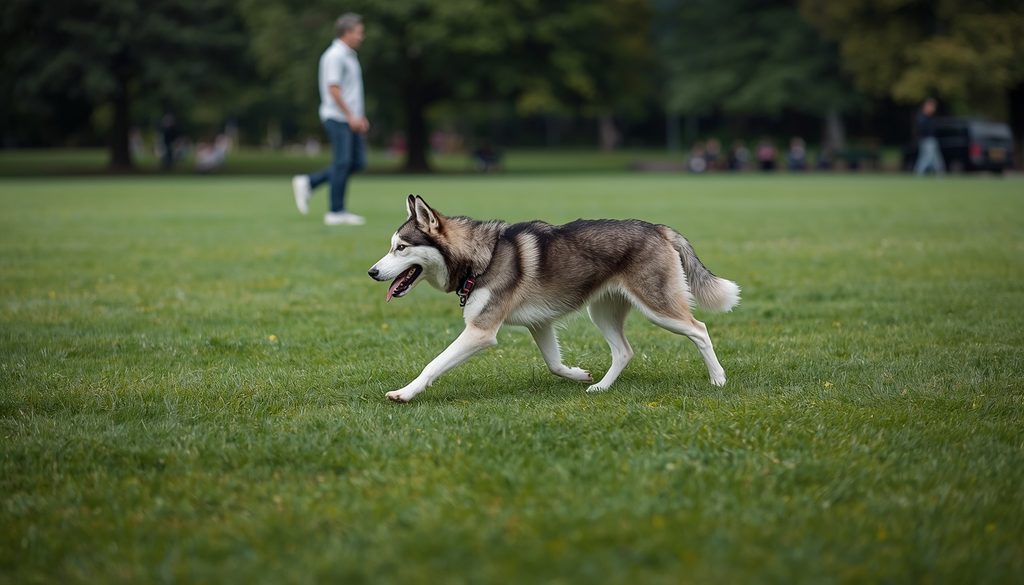
Sled breeds are among the most athletic members of the group. Siberian Huskies, Alaskan Malamutes, Samoyeds and Chinooks were developed to travel considerable distances, often in demanding conditions. Many retain strong stamina and benefit from substantial daily exercise. Long walks, hiking, running where appropriate and varied outdoor activities can provide useful outlets for their energy, particularly once the dog is physically mature.
Other breeds combine physical activity with a strong need for mental engagement. Doberman Pinschers, Giant Schnauzers, Portuguese Water Dogs and Rottweilers often enjoy training, games and activities that require them to think as well as move. Simply walking the same route every day may not provide enough stimulation for an intelligent dog that was historically expected to solve problems or work closely with people.
Livestock guardians have different priorities. Great Pyrenees, Anatolian Shepherds, Kuvasz and Komondors may be capable of covering substantial ground, but their traditional work involved long periods of observation punctuated by action when necessary. They still need regular exercise, yet endlessly attempting to tire them through intense physical activity is rarely the most useful approach. Opportunities to explore, patrol a secure area and engage with their environment can be equally valuable.
Giant breeds require additional consideration. Great Danes, Mastiffs, Saint Bernards and other very large dogs generally benefit from regular moderate exercise rather than relentless high-impact activity. Growing puppies in particular should not be pushed through repetitive running, excessive jumping or strenuous exercise simply because they already look physically impressive. Their skeletons and joints are still developing even when their bodies appear enormous.
Age changes exercise needs across every Working breed. Young adults may be energetic and physically demanding, while older dogs often remain interested in daily outings but need shorter distances and more recovery time. Weather matters too. Thick-coated northern breeds can overheat surprisingly quickly in warm conditions, while short-coated dogs may need additional protection during very cold weather.
Mental exercise should form part of the routine as well. Training sessions, food puzzles, scent searches, problem-solving games and exploring unfamiliar environments can give a capable dog something meaningful to do without relying entirely on physical exertion.
The goal is not simply to produce a tired dog. Appropriate activity should satisfy the breed’s body and mind while taking account of age, health, climate and original working style. Owners who understand why their dog was developed usually find it much easier to provide exercise that feels purposeful rather than merely exhausting.
Exercise Should Match the Breed
Working breeds do not all need the same amount or type of exercise. A sled dog may thrive on sustained activity, while a giant guardian may be better suited to steady walks and opportunities to explore. Mental engagement matters just as much for many intelligent breeds. Age, climate and physical maturity should also influence the routine, particularly with rapidly growing large and giant dogs. Matching activity to the individual breed is far more useful than assuming every Working dog needs intense exercise simply because it belongs to the group.
Training a Working Dog
Effective working dog training starts with understanding why these breeds were developed in the first place. Many were expected to think independently, solve problems and work confidently in demanding environments. That intelligence can make them highly capable learners, but it does not always mean they will respond like breeds developed primarily for close, constant direction from a handler.
Consistency matters enormously. Powerful dogs need clear expectations from an early age, particularly around jumping, pulling, greeting visitors and moving calmly through everyday environments. Teaching these behaviors while the dog is young is far easier than correcting them later when an adolescent or adult may weigh 80, 100 or even 150 pounds.
Short, focused sessions generally work better than repetitive drilling. Many Working breeds learn quickly and can become bored if asked to repeat exercises long after they understand them. Varying rewards, environments and training challenges helps maintain attention while strengthening reliability.
Motivation should also match the individual dog. Food is useful for many breeds, while others respond strongly to toys, play, praise or access to something they enjoy. Reward-based methods encourage cooperation without creating unnecessary conflict, which is especially important with confident or independent dogs.
Socialization deserves equal attention. Working puppies should experience a thoughtful range of people, dogs, surfaces, sounds and environments while learning to remain calm and confident. The goal is not to make every dog intensely social. Guardian breeds in particular may naturally become more reserved as they mature. Good socialization helps them assess unfamiliar situations without unnecessary fear or overreaction.
Recall and leash manners are particularly important because of the group’s physical strength. A large dog that pulls continuously can be difficult for almost anyone to control, while unreliable recall can create serious management problems outdoors. Training these skills should begin in low-distraction environments before gradually progressing to more challenging settings.
Owners should also recognize that independence is not the same as stubbornness. A livestock guardian that pauses before responding may be behaving exactly as generations of breeding encouraged. Likewise, a Siberian Husky interested in movement or exploration may need stronger motivation than a dog naturally inclined to remain close to its owner. For owners training working dogs, the most effective approach is usually to combine clear structure with purposeful tasks that make use of the breed’s natural drive, intelligence and willingness to work.
Good training should produce a dog that is manageable, confident and able to participate safely in everyday life without suppressing the characteristics that make the breed distinctive. The most successful approach combines clear boundaries, appropriate rewards, patience and realistic expectations about the kind of work the breed was originally designed to perform.
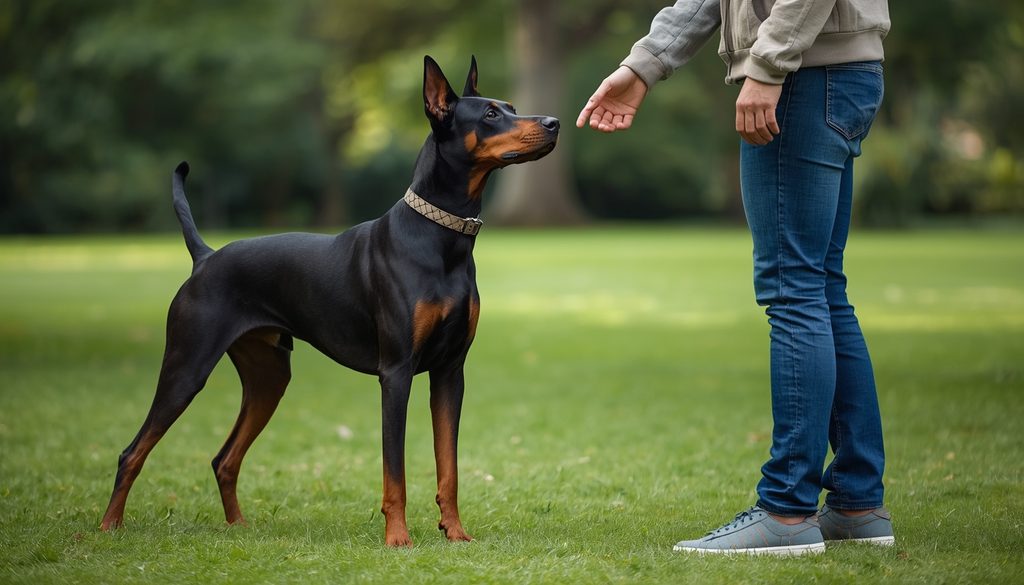
Train for Everyday Reliability
For powerful Working breeds, basic manners are not optional extras. Calm greetings, loose-leash walking, recall, waiting at doors and settling when asked can make everyday ownership dramatically easier. Start these skills early and practice them in gradually more distracting environments. Training should remain fair and rewarding, but consistency matters. A dog that understands what is expected at home, on walks and around visitors is far easier to manage than one whose rules change from one situation to another.
Barking, Watchfulness and Protective Behavior
Vocal behavior varies considerably across the Working Group. Some working group breeds are naturally quiet and observant, while others are more inclined to bark when they notice unfamiliar people, animals or activity around the home. In many cases, this watchfulness reflects the jobs the breed was originally developed to perform rather than simple noisiness.
Guardian breeds often pay close attention to their surroundings. Great Pyrenees, Anatolian Shepherds, Kuvasz and Tibetan Mastiffs historically protected livestock and property, sometimes working with little direct human supervision. Barking could serve an important purpose by warning potential threats that a guardian was present and alerting people to activity nearby. That instinct can remain strong in modern family homes, particularly during the evening or when the dog can see movement beyond a fence or window.
Protection breeds such as the Rottweiler, Doberman Pinscher, Cane Corso and Bullmastiff may also be naturally watchful, although individuals vary considerably. A well-socialized dog should be able to notice something unfamiliar without automatically escalating into prolonged barking or defensive behavior. Calm observation is very different from uncontrolled reactivity.
Other Working breeds may be vocal for different reasons. Siberian Huskies and Alaskan Malamutes are famous for producing an assortment of howls, whines and expressive vocalizations rather than relying solely on barking. Boxers can also be highly expressive, while some giant breeds are comparatively quiet around the home unless something genuinely attracts their attention.
Environment plays an important role. A dog with constant access to a busy front window or fence line may rehearse barking dozens of times each day. Boredom, insufficient exercise, frustration and long periods alone can also increase vocal behavior. Before attempting to reduce barking, owners should therefore consider what is triggering it.
Training can help establish appropriate boundaries. Rewarding calm responses, teaching the dog to settle away from windows and preventing repeated fence-running can reduce unnecessary noise. Shouting at a barking dog is rarely useful and may simply add more excitement to the situation.
Prospective owners should also consider their living arrangements. A large guardian that routinely announces nighttime activity may be difficult to manage in a densely populated neighborhood, even if the dog is otherwise calm indoors. Breed tendencies matter particularly when neighbors are close.
Watchfulness is not automatically a problem. In many Working breeds, it is part of the temperament humans deliberately developed over generations. The goal is not necessarily to eliminate alert behavior, but to help the dog distinguish ordinary everyday activity from situations that genuinely require attention.
Watchful Does Not Have to Mean Noisy
Many Working breeds naturally notice unfamiliar activity around the home, but a watchful dog does not need to bark continuously. Early socialization, predictable routines and rewarding calm responses can help dogs learn that everyday visitors, neighbors and passing activity are normal. Managing access to windows or fence lines can also prevent repeated barking from becoming a habit. Breed heritage still matters, particularly with livestock guardians, so owners should aim for sensible control rather than expecting every naturally alert dog to become completely silent.
Coats, Grooming, Shedding and Allergies
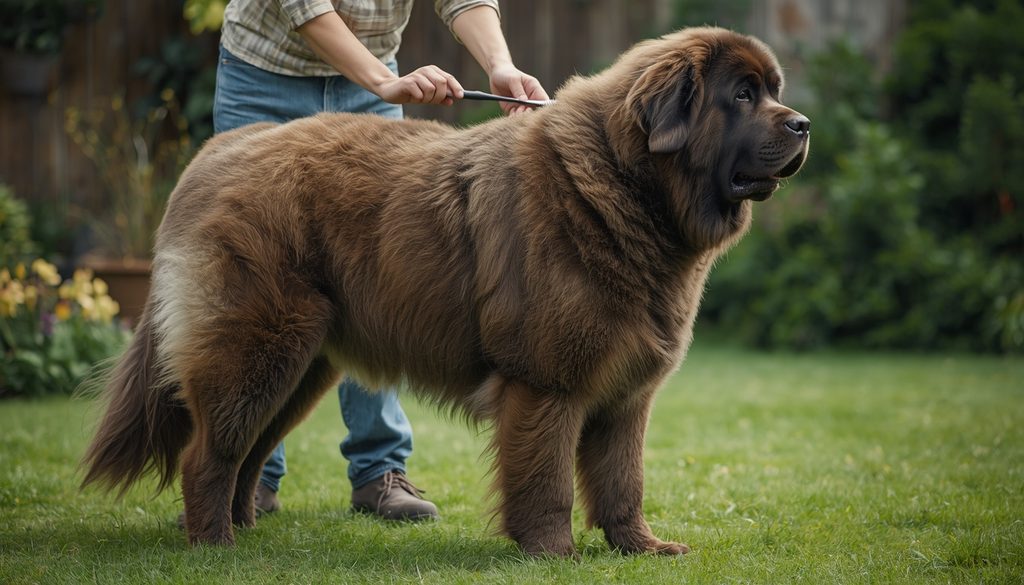
Coat care across the Working Group ranges from very simple to highly demanding. Some working breed dogs have short, close coats that need little more than regular brushing, while others carry dense double coats, long feathering, wiry hair or even corded coats that require much more time and attention. Grooming needs are therefore strongly tied to the individual breed rather than the group as a whole.
Short-coated breeds such as the Boxer, Great Dane, Doberman Pinscher, Cane Corso and Bullmastiff are generally straightforward to maintain. Routine brushing helps remove loose hair and distribute natural oils, while bathing is usually needed only when the dog becomes dirty or develops an odor. Their coats may be easy to manage, but they still shed.
Double-coated breeds require more work. Siberian Huskies, Alaskan Malamutes, Samoyeds, Newfoundlands and Great Pyrenees can release large amounts of undercoat, particularly during seasonal shedding periods. Regular brushing helps control loose hair and prevents dead coat from building up close to the skin. During heavier sheds, owners may find that grooming becomes a frequent part of household maintenance.
Longer-coated breeds bring different challenges. Bernese Mountain Dogs, Leonbergers and Tibetan Mastiffs can develop tangles and mats, particularly around the ears, legs, tail and areas where movement causes friction. Coat maintenance becomes especially important after wet or muddy walks because dense hair can trap moisture and debris.
The Komondor is an extreme example of a specialized coat. Its long cords require a very different approach from conventional brushing, with careful separation and drying needed to keep the coat healthy. Schnauzers also have distinctive grooming needs because their wiry coats and facial furnishings require regular maintenance to preserve comfort and condition.
Shedding varies from breed to breed, but none should automatically be considered suitable for allergy sufferers simply because they shed less. Dog allergies are caused by proteins found in dander, saliva and urine as well as hair, so coat type alone cannot guarantee a low-allergen household. People with significant allergies should spend time around adult dogs of the breed they are considering before making a commitment.
Routine grooming also provides useful opportunities to check the dog’s skin, ears, paws, nails and overall condition. Large and giant breeds can be much easier to manage when they are accustomed to being handled from puppyhood, especially when grooming involves lifting paws, checking ears or standing still for longer periods.
The practical lesson is simple: grooming requirements vary enormously across the Working Group. Owners should look beyond appearance and understand exactly what the individual breed’s coat demands before deciding whether the maintenance fits comfortably into everyday life.
Choosing the Right Working Breed
Choosing between the many kinds of working dogs means looking far beyond appearance. The Working Group includes everything from highly active sled dogs and powerful guardians to giant companions and versatile farm breeds, so the right match depends on how well a breed’s natural behavior fits the way you actually live.
Start with activity level. Siberian Huskies, Samoyeds, Portuguese Water Dogs and Giant Schnauzers generally suit owners who enjoy regular exercise and an active routine. Mastiffs, Saint Bernards and some other giant breeds may be more moderate once mature, although they still need daily movement and mental engagement. A breed that consistently receives too little activity can become frustrated, difficult to manage or simply unhappy.
Temperament is equally important. Some breeds are naturally outgoing and social, while others are more reserved or protective. A household that welcomes frequent visitors may find a highly independent guardian more demanding than expected. Similarly, someone wanting an easygoing dog that greets unfamiliar people enthusiastically should think carefully before choosing a breed whose history involved guarding property or livestock.
Training style matters too. Many Working breeds are intelligent, but intelligence can appear in different ways. A Doberman Pinscher may enjoy close cooperation and structured training, while an Anatolian Shepherd may be far more inclined to make independent decisions. Neither approach is better, but they suit different owners.
Size should never be underestimated. Giant breeds require more room in the home, larger vehicles, stronger equipment and greater food budgets. Everyday tasks such as lifting an injured dog, managing stairs or transporting it to the veterinarian can become much more complicated when the dog weighs well over 100 pounds.
Grooming can narrow the choices further. Short-coated breeds such as the Boxer and Great Dane are relatively simple to maintain, while heavily coated breeds such as the Newfoundland, Samoyed and Tibetan Mastiff need considerably more brushing and coat management. Owners should be realistic about how much time they want to devote to grooming.
Household composition also matters. Families with young children should consider size, exuberance and maturity as well as temperament. Homes with other dogs or small pets should investigate breed tendencies carefully rather than assuming that early introductions will always guarantee compatibility.
Climate can influence suitability too. Northern breeds with dense coats often tolerate cold extremely well but may require careful management in hot weather. Short-coated breeds can have the opposite problem in colder conditions.
The most reliable approach is to begin with your everyday life rather than your favorite appearance. Think about activity, space, training experience, grooming tolerance, household members and how much independence or protective instinct you genuinely want in a dog. The best Working breed is the one whose natural tendencies already fit comfortably into your routine.

Choose for the Life You Actually Live
It is easy to fall in love with a Working breed because of its size, coat or impressive appearance, but everyday compatibility matters far more. Consider how much exercise, training and grooming you realistically want to provide, whether your home has enough space and how comfortable you are managing a large or protective dog. Choosing a breed whose natural temperament already suits your household is usually far easier than expecting training to completely reshape deeply rooted working instincts.
Final Thoughts
Working dogs are among the most capable and distinctive breeds in the canine world. From sled dogs and livestock guardians to rescue dogs, draft breeds and powerful protectors, their histories reflect generations of purposeful work alongside people. That heritage still shapes many of the qualities owners notice today, including strength, confidence, intelligence, endurance, independence and strong family bonds.
The Working Group is also remarkably varied. A Newfoundland, Boxer, Siberian Husky, Rottweiler and Tibetan Mastiff may all belong to the same group, yet their exercise needs, temperaments, grooming requirements and training styles can differ dramatically. That is why choosing by appearance alone rarely tells the full story.
For the right owner, working dogs can be exceptionally rewarding companions. Many are deeply loyal, affectionate and eager to participate in family life, while others bring a more independent and watchful personality. The key is understanding the breed’s original role and making sure its natural tendencies fit comfortably into your everyday routine.
Size and strength deserve particular respect. Early training, thoughtful socialization and clear boundaries make life much easier with powerful breeds, especially once they reach adulthood. Exercise should suit the individual dog rather than the group label, and grooming needs can range from minimal to substantial depending on coat type.
There is no universally ideal Working breed. The best choice is the one whose temperament, activity level, size and practical needs align with your household and experience. When that match is right, these dogs can bring remarkable loyalty, character and companionship to family life.
Explore the individual CanineBase breed guides above for a closer look at each breed’s temperament, exercise needs, training, grooming, health and suitability for different homes.
Purpose Still Shapes the Modern Dog
Many Working breeds now spend their lives as companions rather than performing the jobs they were originally developed for, but those working traits have not disappeared. Strength, vigilance, endurance, independence and close cooperation with people can still influence everyday behavior. Understanding that history helps owners appreciate why these dogs think and behave as they do, and makes it much easier to provide the structure, activity and companionship they need to thrive.

Explore More Dog Breeds
Working dogs are only one part of the remarkable diversity found among dogs. Visit the CanineBase Dog Breeds guide to explore the other major breed groups, compare different types of dogs and discover breeds whose temperament, activity level, size and everyday needs may suit your lifestyle.
Learn More About the Working Group
For breed standards, recognized Working breeds and additional information about AKC working dogs, visit the AKC Working Group. The AKC provides individual breed profiles covering history, characteristics and official breed information for dogs recognized within the group.