

Clumber Spaniel
With its soulful amber eyes, magnificent white coat, and unmistakably dignified appearance, the Clumber Spaniel is one of the most distinctive and quietly charming members of the Sporting Group. This substantial, low-set spaniel may not possess the speed or boundless energy associated with some of its sporting relatives, but beneath its calm expression lies a determined, intelligent, and surprisingly capable hunting dog with a fascinating heritage.

Originally developed to work through dense woodland and heavy cover in search of game birds, the Clumber Spaniel combines remarkable scenting ability with a steady, methodical approach to its work. Today, this uncommon breed is equally appreciated for its affectionate nature, gentle humor, and extraordinary devotion to family life, making it an appealing companion for owners who appreciate a thoughtful, loyal dog with plenty of individual character.
The Clumber Spaniel is the heaviest of the recognized spaniel breeds, with a broad head, substantial bone structure, deep chest, and long, muscular body carried relatively close to the ground. Its predominantly white coat, usually marked with lemon or orange, gives it an elegant appearance that contrasts with its powerful working build. Although its expression can appear serious or even slightly sleepy, experienced owners know that Clumbers often possess a mischievous streak and an endearing sense of humor.
Unlike highly energetic sporting breeds that demand constant activity, the Clumber Spaniel generally approaches life at a more measured pace. It enjoys regular walks, exploring interesting scents, and participating in activities with its family, but many individuals are equally content relaxing comfortably at home after their exercise needs have been met. This balance of moderate activity and affectionate companionship makes the breed particularly attractive to households seeking a calmer sporting dog without sacrificing intelligence or personality.
However, the Clumber Spaniel should never be mistaken for an inactive or purely decorative companion. Its hunting ancestry remains evident in its powerful nose, persistence, and enthusiasm for investigating unfamiliar environments. Once an interesting scent captures its attention, a Clumber can become remarkably focused, sometimes appearing to forget everything happening around it. Secure outdoor spaces, patient training, and opportunities for supervised exploration are therefore important parts of responsible ownership.
One of the breed’s most appealing qualities is its relationship with people. Clumber Spaniels often develop exceptionally strong attachments to their families, enjoying quiet companionship and preferring to remain close to familiar household activity. They are typically affectionate without being excessively demanding, although individual personalities vary. Some are reserved when meeting strangers, taking time to become comfortable before revealing the warmth and playful character that their families know so well.
Living with a Clumber Spaniel also involves several practical considerations. Its substantial body requires appropriate weight management, regular low-impact exercise, and attention to joint health. The breed’s long ears, loose facial skin, and dense coat need consistent care, while shedding, occasional drooling, and a tendency to carry dirt indoors are familiar realities for many owners. Prospective families should appreciate the breed’s beautiful appearance without overlooking the everyday maintenance that comes with it.
Health deserves particular attention because Clumber Spaniels can be affected by inherited orthopedic, eye, and other medical conditions. Responsible breeding practices, appropriate health screening, careful puppy development, and ongoing veterinary care all contribute to supporting long-term well-being. Owners should also understand that the breed’s heavy build can make excess weight particularly troublesome, increasing the strain on its joints and potentially reducing mobility as it ages.
Although relatively uncommon compared with more familiar spaniels, the Clumber has a dedicated following among people who appreciate its distinctive combination of dignity, determination, affection, and gentle eccentricity. Its calm presence and devotion to familiar people can make it a rewarding family companion, but the breed is best suited to owners who understand its physical needs, patient temperament, and occasional independent thinking.
This comprehensive guide explores everything prospective and existing owners should know about the Clumber Spaniel, including its aristocratic history, distinctive appearance, temperament, exercise requirements, training, grooming, nutrition, inherited health concerns, and expected lifespan. Whether you’re considering welcoming a Clumber Spaniel into your home, exploring rescue and adoption, or simply discovering more about this fascinating sporting breed, you’ll learn what makes these remarkable dogs so special and how to provide the care, companionship, and understanding they deserve.
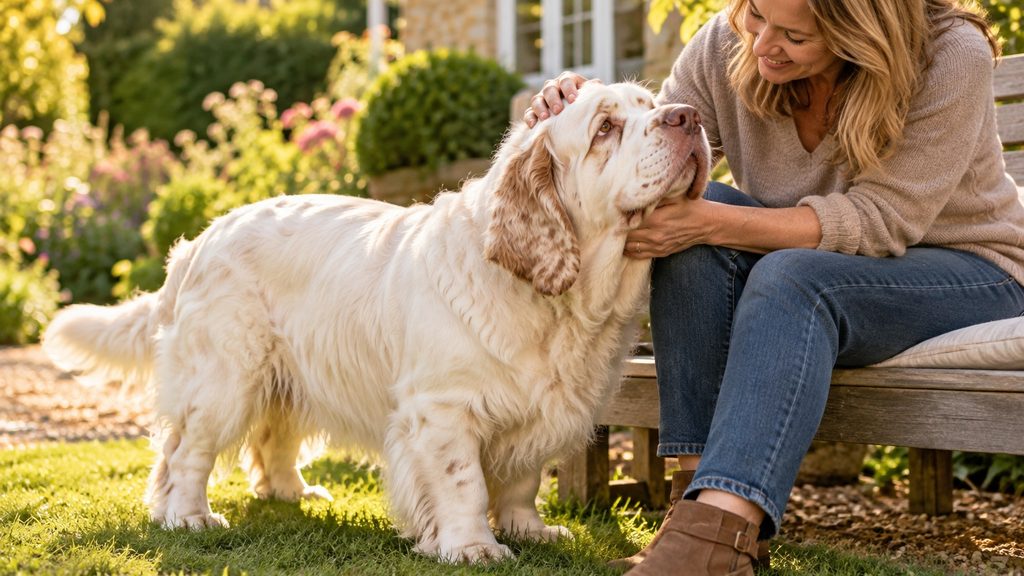
Table of Contents
Clumber Spaniel Fast Facts
Breed Group: Sporting
Origin: England
Height: 17–20 inches
Weight: 55–85 pounds
Life Expectancy: 10–12 years
Size: Medium to Large
Coat: Dense, straight, predominantly white
Coat Care: Moderate to high maintenance
Shedding: Moderate to heavy
Exercise Needs: Moderate
Temperament: Gentle, loyal, dignified
Primary Role: Companion and sporting dog
Clumber Spaniel Star Ratings
Apartment Friendly: ★★★☆☆
Family Friendly: ★★★★★
Good With Children: ★★★★☆
Good With Other Dogs: ★★★★☆
First-Time Owner Friendly: ★★★☆☆
Easy Grooming: ★★☆☆☆
Affectionate: ★★★★★
Easy to Train: ★★★☆☆
Low Shedding: ★★☆☆☆
Adaptable: ★★★★☆
High Exercise Needs: ★★☆☆☆
Tolerates Being Alone: ★★☆☆☆
Clumber Spaniel History and Origins
The Clumber Spaniel has one of the most intriguing histories of any British sporting breed, with a story shaped by aristocratic estates, traditional gamekeeping, and centuries of selective breeding. Unlike many familiar spaniels developed for speed and lively movement, the Clumber was valued for its ability to work slowly, quietly, and persistently through dense woodland in search of game birds. Its substantial body, powerful limbs, extraordinary scenting ability, and calm determination made it particularly useful to hunters who preferred a steady, methodical companion. Although the breed is now primarily appreciated for its affectionate nature and distinctive appearance, its connection to the sporting traditions of eighteenth-century England remains central to understanding the modern Clumber Spaniel.
The breed takes its name from Clumber Park, a magnificent country estate in Nottinghamshire, England, once owned by the Dukes of Newcastle. By the latter half of the eighteenth century, large white sporting spaniels were associated with the estate and its hunting activities. These dogs became closely linked with the Newcastle family and the gamekeepers responsible for maintaining the estate’s hunting kennels. Their distinctive appearance and specialized working abilities gradually established them as a recognizable type.
The precise ancestry of the Clumber Spaniel remains uncertain. One longstanding account suggests that the breed originated in France and that the Duc de Noailles transferred his prized spaniels to the Duke of Newcastle for protection during the French Revolution. Although this colorful story has been repeated for generations, reliable historical evidence supporting it is lacking. Breed historians generally regard the French connection as an interesting possibility rather than an established fact.
Other theories suggest that early Clumbers developed through combinations of substantial European spaniels and hound-type dogs, possibly including the now-extinct Alpine Spaniel or ancestors resembling the Basset Hound. These proposed connections might help explain the breed’s heavy head, elongated body, strong nose, and relatively short legs. However, the exact combinations involved in its development have never been conclusively established, and much of its earliest history remains open to interpretation.
What is better documented is the breed’s development on English country estates. William Mansell, a gamekeeper employed by the Duke of Newcastle, is frequently associated with refining the Clumber’s working abilities during the late eighteenth and early nineteenth centuries. Gamekeepers needed dogs capable of moving through tangled vegetation, locating concealed birds, and maintaining a controlled working pace. Strength, persistence, scenting ability, and cooperation were more valuable in these conditions than exceptional speed.
The Clumber Spaniel became particularly associated with hunting pheasants and partridges in thick cover. Its low, powerful build allowed it to work through demanding undergrowth, while its excellent sense of smell helped locate game birds hidden among vegetation. Unlike more energetic flushing spaniels, Clumbers were often appreciated for their deliberate approach, working carefully within reach of the hunter rather than ranging rapidly across the countryside.
The breed’s historical appearance is also preserved in art. Francis Wheatley’s 1788 painting The Return from Shooting depicts the Duke of Newcastle’s hunting party accompanied by several Clumber-type spaniels. These dogs already show recognizable features of the modern breed, although their proportions and head shapes differ somewhat from those seen today. Later nineteenth-century sporting paintings provide further evidence of the Clumber’s established place among Britain’s traditional hunting dogs.
During the nineteenth century, the breed attracted admirers beyond the Newcastle estate. Other aristocratic families maintained Clumber Spaniels, and the dogs became associated with the British upper classes and members of the royal family. Prince Albert, the husband of Queen Victoria, was among those known to appreciate the breed, while King Edward VII and King George V also maintained connections with Clumber Spaniels. Their royal associations strengthened the breed’s reputation as a dignified sporting companion.
Despite these prestigious connections, the Clumber Spaniel was never simply an ornamental estate dog. Its primary value lay in practical fieldwork, and its unusual physical characteristics were developed to serve a particular purpose. The breed’s substantial frame, deliberate movement, and patient working temperament reflected the requirements of hunting through heavy cover. Many modern Clumbers still display a natural fascination with birds, scent trails, and retrieving, even when they have never participated in formal hunting activities.
Clumber Spaniels reached North America during the nineteenth century. In 1844, a British officer named Lieutenant Venables reportedly brought the breed to Nova Scotia, helping establish its presence on the continent. The Clumber was subsequently among the earliest breeds registered by the American Kennel Club, with a dog named Bustler recorded in 1878. Its early recognition reflects the breed’s established identity long before many of today’s popular companion breeds became widely known.
Although Clumber Spaniels developed a loyal following among sporting enthusiasts, they never achieved the widespread popularity of breeds such as the Cocker Spaniel or English Springer Spaniel. Their substantial size, specialized working style, and relatively small breeding population contributed to their uncommon status. Dedicated breeders and enthusiasts have nevertheless worked to preserve the breed’s characteristic appearance, steady temperament, and traditional field abilities.
Today, the Clumber Spaniel remains a rare but remarkable representative of Britain’s sporting heritage. Its dignified expression and leisurely household manner can disguise a capable, determined dog with a powerful nose and a genuine enthusiasm for purposeful activity. Understanding the breed’s origins helps explain why modern Clumbers benefit from patient training, regular exercise, scent-based enrichment, and meaningful companionship. Behind that thoughtful expression stands a hunting dog shaped by generations of practical work, aristocratic patronage, and devoted breed preservation.
Why Is It Called the Clumber Spaniel?
The breed takes its name from Clumber Park, the historic Nottinghamshire estate of the Dukes of Newcastle. During the eighteenth century, substantial white spaniels were developed and maintained there for hunting game birds in dense woodland. The estate’s gamekeepers helped establish the dogs’ distinctive working style, combining exceptional scenting ability with strength, patience, and determination. A painting from 1788 shows recognizable Clumber-type spaniels accompanying the Duke’s hunting party. Although the breed’s earliest ancestry remains uncertain, its connection to Clumber Park is firmly established, making this English estate an important part of sporting dog history.

Clumber Spaniel Appearance and Size
The Clumber Spaniel is one of the most distinctive members of the Sporting Group, combining substantial bone, impressive strength, and a thoughtful, almost solemn expression with a calm, steady presence. Unlike lighter, more athletic-looking spaniels, the Clumber is built low to the ground and noticeably heavy for its height. This breed was developed to work methodically through dense cover, and its structure still reflects that practical purpose. A well-made Clumber Spaniel should look powerful and solid without appearing coarse, clumsy, or overweight.
One of the first things prospective owners notice is the breed’s remarkable build. The Clumber Spaniel is long-bodied, deep-chested, and broad through the back and loin, with short but strong legs capable of carrying considerable mass. Its head is equally characteristic: large, broad, and well balanced with a deep muzzle, pronounced brow, and soft amber or dark hazel eyes that contribute to the breed’s gentle, slightly pensive expression. Long, low-set ears frame the face and add to the Clumber’s unmistakable appearance.
In terms of measurements, adult males generally stand around 18 to 20 inches at the shoulder, while females are often slightly smaller at roughly 17 to 19 inches. However, height alone does not fully convey the breed’s physical presence. The Clumber Spaniel Weight is usually far more striking, with many adult males falling in the region of 70 to 85 pounds and females commonly ranging from about 55 to 70 pounds. Individual dogs may vary, but a healthy Clumber should feel solid and well muscled rather than soft or excessively heavy. Because the breed’s low-set frame can make weight gain difficult to judge, owners should pay close attention to body condition rather than relying on appearance alone.
The coat is dense, straight, weather-resistant, and designed to offer protection while moving through rough vegetation. Although Clumbers have some feathering on the ears, legs, chest, and underside, the coat should not be overly profuse or fluffy. The overall impression is of a practical working spaniel rather than an exaggerated show dog. Around the head and face, the hair is shorter and smoother, helping emphasize the breed’s broad skull and distinctive expression.
Color is another defining feature. Clumber Spaniels are predominantly white, usually with lemon or orange markings most commonly seen around the ears, eyes, and base of the tail. Small freckles on the muzzle or legs may also occur. This pale coat made the dogs easier for hunters to see in thick cover, which was a practical advantage in the field. Search phrases such as Black Clumber Spaniel do appear online, but black is not a standard recognized Clumber color. A true Clumber Spaniel should not be black, and claims of unusual black Clumbers should be approached cautiously, especially if they are used to market rarity rather than quality breeding.
Movement should be free, rolling slightly, and efficient rather than fast or flashy. The Clumber’s gait often reflects its heavy frame and substantial build, but it should still appear purposeful and capable. This is a breed designed for endurance and determination, not speed. A sound Clumber should move comfortably and steadily, with enough power to work through woodland and dense undergrowth for sustained periods.
The breed’s overall appearance can sometimes mislead people into assuming it is sluggish or inactive. In reality, a correctly built Clumber is sturdy, capable, and surprisingly determined when following an interesting scent. That said, the same heavy build that gives the breed its distinctive character also means owners need to be realistic about weight management, joint support, and appropriate exercise. Maintaining correct condition is one of the most important parts of preserving the breed’s soundness and comfort.
Ultimately, the Clumber Spaniel’s appearance is best understood as a reflection of function. Its broad head, heavy body, short legs, dense coat, and steady movement all tell the story of a dog developed for deliberate work in challenging terrain. It is not a refined or delicate sporting breed, but that is exactly what makes it so memorable. For admirers of substantial, dignified dogs with unmistakable character, the Clumber Spaniel has a look entirely its own.

Why the Clumber Spaniel Looks So Different
The Clumber Spaniel’s long body, short sturdy legs, broad head, and heavy bone are not accidental exaggerations. These features reflect a breed developed to move steadily through dense cover while conserving energy and working close to the hunter. Its white coat also served a practical purpose by making the dog easier to see in woodland. Although the breed can appear unusually heavy for a spaniel, correct structure should still allow comfortable, efficient movement. Owners should be especially careful not to let a naturally substantial Clumber become overweight, since excess fat places even more strain on joints and mobility.
Clumber Spaniel Temperament and Personality
The Clumber Spaniel is one of the most quietly charming personalities in the Sporting Group, combining a gentle, affectionate disposition with intelligence, determination, and an unexpectedly mischievous sense of humor. Although its heavy build, thoughtful expression, and unhurried movements can create the impression of a serious or even sleepy dog, the Clumber has a much richer character than appearances suggest. These substantial spaniels are generally calm, loyal, and deeply devoted to their families, preferring meaningful companionship over constant excitement.
Their temperament reflects generations of working closely with hunters in demanding woodland environments, where patience, concentration, and steady cooperation were just as valuable as physical strength. For owners who appreciate a thoughtful companion with a relaxed outlook on life, the Clumber Spaniel offers a particularly rewarding combination of affection and individuality.
One of the breed’s most appealing qualities is its strong attachment to familiar people. Clumber Spaniels often develop close emotional bonds with their households, enjoying everyday routines and preferring to remain within comfortable distance of family activity. They may quietly follow an owner between rooms, settle beside a favorite chair, or patiently wait for an opportunity to join an outing. Their affection is frequently expressed through gentle physical contact, relaxed companionship, and a willingness to remain close rather than through constant demands for attention. However, individual dogs vary, and some are considerably more demonstrative than others.
Despite this devotion, Clumber Spaniels are not always as immediately outgoing as more exuberant sporting breeds. Many approach unfamiliar people with a degree of reserve, preferring to observe a situation before deciding whether to participate. This natural caution should not be confused with aggression or excessive shyness. A confident, properly socialized Clumber should remain composed in unfamiliar situations, even when it chooses not to greet everyone enthusiastically. Early positive experiences with different people, environments, sounds, and handling situations help young dogs develop the confidence needed to navigate everyday life comfortably.
Within the family home, the Clumber is generally known for its steady, relaxed disposition. Many adults are content to enjoy moderate activity followed by extended periods of peaceful rest. They often appreciate predictable routines and comfortable resting places where they can remain involved in household life without being disturbed. This relatively calm temperament can make the breed attractive to people who want a substantial sporting dog without the relentless intensity associated with some higher-energy working breeds. Nevertheless, Clumbers still require exercise, mental stimulation, and opportunities to explore their surroundings.
Their calm exterior also hides a surprisingly playful personality. Clumber Spaniels can develop entertaining habits, show a preference for particular toys, and occasionally approach familiar situations with an almost comically deliberate attitude. Some enjoy carrying household objects, investigating shopping bags, or quietly helping themselves to unattended items that capture their interest. Their natural curiosity and persistence can make these behaviors amusing, although owners should establish sensible boundaries rather than encouraging habits that may later become inconvenient or unsafe.
Intelligence is another defining quality, but Clumbers do not always display it through instant obedience. Their ancestors were expected to investigate dense vegetation and follow scent trails with determination, often making decisions while working close to a handler. Modern Clumber Spaniels retain some of this independent thinking. They can learn commands, household routines, and more advanced skills successfully, but they may occasionally pause to consider whether a particular request is worth their attention. Patient, reward-based training generally produces better results than repeated commands, frustration, or forceful corrections.
Food motivation is frequently a useful characteristic when teaching a Clumber Spaniel. Many are enthusiastic about edible rewards and respond positively when training sessions are enjoyable and clearly structured. However, the breed’s tendency toward weight gain means treats should be small and included within its daily nutritional allowance. Praise, toys, scent games, and opportunities to explore can also provide meaningful reinforcement. Training should encourage willing cooperation while respecting the dog’s deliberate learning style.
Although not usually described as an exceptionally sensitive breed in the same way as some lighter spaniels, Clumbers still benefit from calm, consistent handling. Harsh punishment and unpredictable interactions can undermine confidence or create resistance, particularly in individuals that are naturally reserved. Owners who communicate clearly, reward desirable behavior, and allow sufficient time for learning are more likely to develop a trusting relationship. Consistency is especially important because a determined Clumber can become skilled at repeating behaviors that have previously earned attention or rewards.
Their relationship with children can be particularly rewarding when the household encourages respectful interaction. Many Clumber Spaniels are patient, affectionate, and comfortable around familiar youngsters. However, their considerable weight and physical strength mean that even an enthusiastic greeting can accidentally unbalance a small child. Children should also understand that a calm dog is not necessarily willing to tolerate constant hugging, climbing, ear pulling, or interference while resting. Appropriate supervision and access to a quiet retreat help preserve positive relationships.
Clumbers can also coexist successfully with other dogs, particularly when introduced thoughtfully and given opportunities to develop comfortable relationships. Their generally steady temperament may suit households with similarly relaxed canine companions. However, individual compatibility matters more than breed reputation, and a Clumber may find persistent rough play from highly energetic dogs overwhelming. Early socialization and respectful introductions are valuable, especially for dogs that have limited experience with unfamiliar animals.
The breed’s traditional hunting instincts remain another important part of its personality. Clumber Spaniels possess an excellent sense of smell, and interesting scents can inspire remarkable concentration. A dog that appears leisurely during an ordinary walk may become surprisingly purposeful when investigating wildlife trails or exploring unfamiliar woodland. This determination can occasionally compete with recall commands, making secure exercise areas, appropriate leash management, and consistent training particularly important. Scent-based enrichment can provide a satisfying outlet for these natural abilities.
Separation and independence deserve thoughtful consideration as well. Although Clumbers may appear self-contained, many become strongly attached to their families and are happiest when included in regular household activities. Some tolerate brief periods alone comfortably, while others experience frustration or distress when left without companionship for extended periods. Gradually teaching puppies to settle independently and providing predictable routines can help establish confidence. However, owners should not assume that a quiet, undemanding dog has little need for social interaction.
Individual temperament is influenced by genetics, early experiences, socialization, and the environment in which a dog is raised. Responsible breeders should prioritize stable, confident personalities alongside physical soundness and inherited health screening. Prospective owners benefit from meeting adult Clumbers whenever possible, observing how they interact with familiar people and unfamiliar situations. Understanding the breed’s typical character provides a useful foundation, but each dog should still be appreciated as an individual.
Ultimately, the Clumber Spaniel is a deeply affectionate, intelligent, and quietly entertaining companion whose greatest appeal often becomes apparent through everyday life. Its dignified appearance conceals a gentle sense of humor, a determined sporting instinct, and a genuine appreciation for close family relationships. For owners willing to provide patient training, regular companionship, appropriate exercise, and an understanding of its independent nature, the Clumber Spaniel can become an exceptionally loyal and rewarding member of the household.
The Clumber Spaniel’s Quiet Humor
Clumber Spaniels may appear dignified, but many have a wonderfully mischievous personality. Their quiet humor emerges through expressive glances, playful stubbornness, and curiosity about household objects. Some enjoy carrying shoes, collecting toys, or investigating unattended belongings. These habits reflect intelligence and natural curiosity rather than deliberate disobedience. Suitable toys, scent games, and consistent boundaries help channel this determination positively. Despite their leisurely manner, Clumbers can be surprisingly playful and persistent. Patient owners who appreciate their independent thinking often discover an affectionate, entertaining companion with a personality all its own.

Living With a Clumber Spaniel
Living with a Clumber Spaniel is a rewarding experience for people who appreciate gentle companionship, a relaxed household atmosphere, and a dog with a wonderfully individual personality. Although this substantial sporting breed is often quieter and less demanding than many other spaniels, it still requires regular attention, appropriate exercise, and a consistent daily routine. Clumbers are particularly well suited to owners who enjoy spending time with their dogs and understand that their calm appearance does not eliminate the need for physical activity or mental engagement. With their affectionate nature, steady temperament, and occasional mischievous streak, they can become deeply valued members of family life.
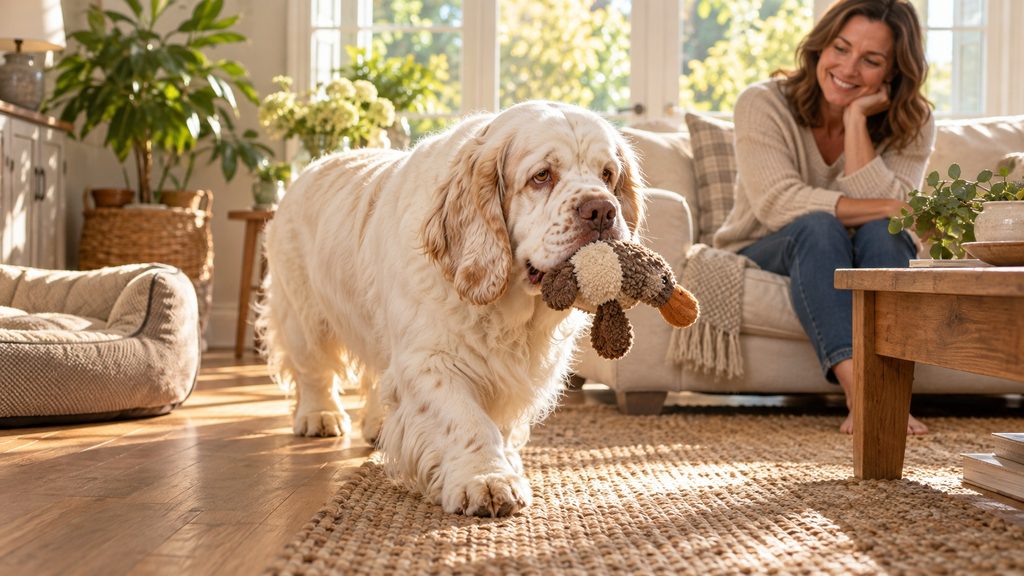
One of the most noticeable aspects of sharing a home with a Clumber Spaniel is its desire to remain close to familiar people. Many enjoy following household members between rooms, resting beside the sofa, or quietly observing everyday activities. They are not necessarily demanding dogs, but they appreciate inclusion and may become unhappy when regularly left alone for extended periods. Their affectionate attachment makes them especially appealing to people who spend considerable time at home or can arrange reliable companionship during the day.
Despite their impressive size, Clumber Spaniels are generally calm indoors once their exercise requirements have been satisfied. They often enjoy comfortable resting places and predictable routines, making them potentially suitable for quieter households. However, owners should provide a spacious, supportive bed and enough room for the dog to move comfortably without constantly navigating cramped furniture arrangements. Their long bodies and substantial weight also make slippery flooring and repeated jumping worth considering, particularly as they grow older.
A securely fenced garden can be a valuable addition to a Clumber Spaniel’s home environment. These naturally curious dogs enjoy investigating scents, exploring vegetation, and moving through outdoor spaces at their own pace. However, a backyard should complement daily walks rather than replace them. Clumbers benefit from opportunities to experience different environments, follow interesting scent trails, and engage in activities that reflect their traditional sporting instincts. Because an appealing smell can become a powerful distraction, secure boundaries and supervision are important.
Household cleanliness is another practical consideration. The breed’s predominantly white coat can collect mud, leaves, and grass during outdoor adventures, while its dense feathering may trap debris around the legs and underside. Clumber Spaniels also shed regularly, meaning loose hair on furniture, clothing, and floors is a normal part of ownership. Keeping towels near entrances, establishing a brushing routine, and maintaining a practical coat length can make everyday cleaning considerably easier.
Prospective owners should also be prepared for some drooling. The breed’s substantial muzzle and loose lips mean certain individuals produce noticeable saliva, particularly after drinking or when anticipating food. Some Clumbers are relatively tidy, while others regularly leave damp patches around their water bowls or affectionate reminders on clothing. This is a minor inconvenience for many enthusiasts, but it can surprise people expecting the cleanliness of a smaller, tighter-lipped sporting breed.
Food management deserves particular attention because Clumber Spaniels often have enthusiastic appetites. Their substantial build can make excess weight less immediately obvious, but obesity places unnecessary pressure on the joints and may worsen existing orthopedic problems. Measured meals, sensible treat portions, and regular body-condition checks should become part of the household routine. Food, garbage, and potentially dangerous objects should also be stored securely, as a determined Clumber may investigate anything that smells interesting.
Training and household boundaries are equally important. Although generally cooperative, Clumbers can be persistent and occasionally independent-minded. Teaching reliable recall, polite greetings, comfortable handling, and calm behavior around food helps prevent everyday difficulties. Consistent, reward-based guidance is especially effective when incorporated into ordinary routines. Short sessions involving scent games or simple problem-solving activities can provide enrichment without overwhelming a dog that prefers to learn at a measured pace.
Their relationship with family members is often one of the greatest rewards of ownership. Many Clumber Spaniels are affectionate with children and can coexist peacefully with other dogs when introduced appropriately. However, their weight and strength require supervision around very young children, particularly during play. Owners should also provide a quiet resting space where the dog can withdraw without being disturbed. A relaxed temperament should never be mistaken for unlimited tolerance of rough handling.
Clumber Spaniels can adapt to different living arrangements, including smaller homes, provided owners can accommodate their physical size and daily needs. Access to suitable walking areas, manageable stairs, comfortable flooring, and regular companionship matters more than the size of the property alone. Households involving frequent travel or lengthy absences should consider how their dog’s routine, grooming, exercise, and companionship will be maintained.
Ultimately, successful Clumber Spaniel ownership involves balancing a calm lifestyle with meaningful activity and practical care. These dogs rarely demand constant entertainment, but they appreciate familiar routines, affectionate attention, and opportunities to explore the world through their remarkable sense of smell. For owners prepared to accommodate the breed’s substantial size, shedding, occasional drooling, and patient temperament, the Clumber Spaniel offers an exceptionally loyal and quietly entertaining presence in everyday family life.
Clumber Spaniel and Children
The Clumber Spaniel can be a wonderfully affectionate and dependable family companion, particularly in households that appreciate its gentle temperament, patient nature, and relaxed approach to everyday life. Although this substantial sporting breed may appear somewhat serious, many Clumbers develop warm, playful relationships with children and enjoy being involved in family activities. Their generally steady disposition can make them appealing to families seeking a dog that is less excitable than some other spaniels. However, successful relationships depend on individual temperament, thoughtful socialization, appropriate supervision, and teaching children to respect the dog’s personal space.
One of the breed’s greatest advantages in family life is its typically calm and tolerant personality. Clumber Spaniels are often comfortable spending time around familiar children, whether relaxing in the living room, accompanying the family into the garden, or joining gentle outdoor games. Unlike highly energetic breeds that may constantly seek vigorous activity, many Clumbers are content to participate at a more measured pace. This can create a pleasant balance between companionship and play, especially in households where children enjoy quieter activities.
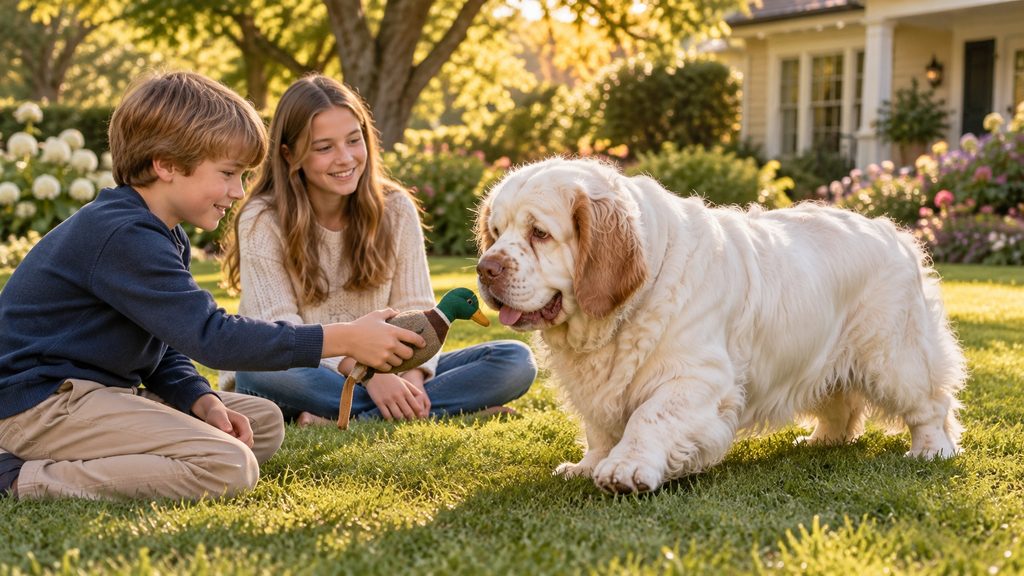
Despite their relaxed appearance, Clumber Spaniels can be surprisingly enthusiastic playmates. Many enjoy carrying soft toys, participating in supervised retrieving games, and investigating interesting scents around the garden. Children may find their deliberate movements and expressive faces particularly entertaining. Simple activities such as hiding a favorite toy or encouraging the dog to follow a short scent trail can provide enjoyable opportunities for interaction while engaging the breed’s natural sporting instincts.
However, the Clumber Spaniel’s considerable size deserves careful consideration. Adult dogs commonly weigh between 55 and 85 pounds, making them much heavier than their relatively short legs might suggest. An affectionate greeting, sudden turn, or enthusiastic attempt to reach a toy can accidentally knock a small child off balance. Youngsters should be encouraged to remain calm around the dog, particularly during feeding, playtime, and greetings. Teaching reliable household manners from puppyhood also helps reduce accidental collisions.
Toddlers and very young children require especially close supervision. Even the gentlest Clumber Spaniel may become uncomfortable if repeatedly climbed on, hugged tightly, startled, or disturbed while sleeping. Its substantial body should never encourage adults to assume that it can tolerate rough treatment. Children must understand that dogs are living companions rather than oversized stuffed animals, and that a quiet temperament does not mean unlimited patience.
Teaching children to recognize canine body language is particularly valuable. A relaxed Clumber may display soft eyes, loose body movements, comfortable breathing, and a willingness to approach voluntarily. Signs of discomfort can include turning away, stiffening, lip licking, moving behind furniture, or attempting to leave an interaction. Children should learn to respect these signals and allow the dog to withdraw without being followed. Adults should intervene before an uncomfortable situation escalates.
The breed’s long ears, loose facial skin, and heavily feathered coat also require consideration. Curious children may be tempted to pull the ears, touch the dog’s face, or grab its fur while playing. These interactions can cause discomfort and undermine trust. Instead, children should be shown how to stroke the dog’s shoulders, chest, or back gently, allowing the Clumber to choose whether it wants further attention. Grooming sessions should remain calm, with experienced adults responsible for sensitive or difficult tasks.
Clumber Spaniel puppies present a slightly different set of challenges. Although they eventually develop into comparatively calm adults, young Clumbers can be playful, curious, and occasionally clumsy. Puppies may mouth hands, investigate clothing, or enthusiastically follow running children. Consistent reward-based training, age-appropriate activities, and plenty of uninterrupted rest help prevent overstimulation. Children should be encouraged to redirect playful mouthing toward suitable toys rather than responding with shouting or rough games.
Older children may particularly enjoy participating in the dog’s care and training. Measuring food under supervision, preparing enrichment activities, helping with gentle brushing, and practicing simple commands can teach responsibility while strengthening the relationship between child and dog. The Clumber’s intelligence and enthusiasm for food rewards can make basic training enjoyable, although patience is important because the breed sometimes prefers to respond at its own deliberate pace.
Families should also consider the physical needs of a growing Clumber Spaniel. Puppies have developing bones and joints that should not be subjected to excessive jumping, rough wrestling, or repeated high-impact activities. Children should avoid encouraging the dog to leap from furniture, chase bicycles at speed, or participate in demanding exercise before physical maturity. Calm games, supervised exploration, and gentle retrieving activities are more appropriate during development.
When adopting an adult Clumber Spaniel, previous experience with children should be considered carefully. Some rescue dogs may have lived comfortably in busy family households, while others may be unfamiliar with young children or sensitive to certain handling situations. Rescue organizations and foster caregivers can provide valuable observations, but introductions should still be gradual and closely supervised. A calm adult Clumber with a reliable history around children may be a particularly rewarding companion for a suitable family.
Ultimately, the Clumber Spaniel’s gentle disposition, affectionate loyalty, and playful intelligence can make it a wonderful addition to family life. Its substantial weight and occasional independent streak require sensible management, but these characteristics are generally compatible with a household that values patience and respectful interaction. With appropriate supervision, consistent training, and opportunities for both play and peaceful rest, children and Clumber Spaniels can develop trusting relationships that provide companionship and enjoyment for many years.
Safe Play With a Clumber Spaniel
A Clumber Spaniel’s gentle temperament makes family play enjoyable, but its considerable weight requires sensible boundaries. Encourage children to enjoy soft retrieving games, simple scent activities, and calm interactions rather than wrestling or rough chasing. Supervise younger children closely, especially when the dog becomes excited or tired. Teach children never to pull its ears, climb on its back, or disturb it during meals and rest. Provide a comfortable retreat where the dog can relax undisturbed, and encourage children to recognize when it needs space. These simple precautions build trust, protect everyone involved, and help children develop a lasting, affectionate relationship with their Clumber Spaniel.
Clumber Spaniel With Other Dogs and Pets
The Clumber Spaniel is generally a gentle, sociable, and even-tempered breed that can live happily alongside other dogs and household pets when relationships are introduced and managed thoughtfully. Although its dignified expression and unhurried movements may suggest a somewhat solitary personality, many Clumbers genuinely enjoy canine companionship and appreciate sharing their home with familiar animals. Their calm disposition can make them particularly appealing in multi-pet households, especially when other dogs have compatible personalities and respect their personal space. However, successful relationships depend on individual temperament, early socialization, previous experiences, and the way animals are introduced rather than breed reputation alone.
Many Clumber Spaniels get along well with other dogs, particularly those that appreciate a balanced combination of gentle play and peaceful relaxation. Unlike some highly energetic sporting breeds, Clumbers are not usually interested in constant high-speed chasing or vigorous wrestling. They may enjoy investigating the garden together, exchanging friendly greetings, or resting near a familiar companion. Some develop particularly close relationships with another household dog, while others are perfectly content enjoying occasional interaction without needing continuous company.
Early socialization helps establish these positive relationships. Clumber Spaniel puppies benefit from meeting calm, well-mannered dogs in safe, supervised environments where they can develop confidence and learn appropriate canine communication. These experiences should be enjoyable rather than overwhelming. A young Clumber that repeatedly encounters rough or intimidating dogs may become hesitant or defensive, while carefully managed introductions can encourage relaxed social behavior. Quality matters more than the number of dogs a puppy meets.
The breed’s substantial size deserves consideration during play. Although Clumbers are relatively low to the ground, adult dogs can weigh between 55 and 85 pounds and possess considerable strength. Their enthusiasm may occasionally overwhelm much smaller companions, particularly during games involving physical contact. Equally, highly energetic dogs that repeatedly jump, chase, or wrestle may frustrate a Clumber that prefers a quieter interaction. Owners should watch for signs of discomfort and allow dogs to disengage whenever necessary.
Introducing a Clumber Spaniel to an established household dog is best approached gradually. Initial meetings in a quiet, neutral location can reduce territorial tension and allow both animals to investigate one another comfortably. Parallel walks, relaxed sniffing opportunities, and brief interactions often provide a useful starting point. Once indoors, separate resting spaces, individual feeding areas, and supervision during early encounters help prevent unnecessary competition. Positive relationships usually develop more reliably when neither dog is pressured to interact.
Food management is especially important in a multi-dog household. Clumber Spaniels are often enthusiastic eaters, and some individuals may become protective of meals, chews, or particularly desirable treats. Feeding dogs separately and removing unfinished food can reduce opportunities for conflict. Owners should also supervise access to valuable toys and provide enough space for each animal to relax without interruption. Even friendly dogs can disagree when resources are poorly managed.
Clumber Spaniels can also learn to coexist successfully with cats. Their generally steady temperament may make introductions easier than with some highly excitable breeds, although their sporting ancestry still deserves respect. A Clumber raised alongside cats from puppyhood may regard them as ordinary family companions. Adult dogs can also develop positive feline relationships, but they may need additional time to become comfortable, particularly if they have never lived with cats before.
Cats should always have access to elevated resting places, secure escape routes, and areas the dog cannot enter. Initial introductions through a baby gate or another suitable barrier allow both animals to observe one another without direct contact. Rewarding calm behavior and preventing chasing help establish appropriate boundaries. Owners should never force physical contact or assume that a quiet dog is automatically comfortable with every animal it encounters.
The Clumber Spaniel’s hunting background introduces additional considerations around smaller pets. These dogs were developed to locate and flush game birds, and many retain a strong interest in wildlife scents and movement. A Clumber may become fascinated by pet birds, rabbits, guinea pigs, or other small animals, even if it behaves gently toward familiar dogs and cats. This curiosity does not necessarily indicate aggression, but natural hunting instincts can be triggered unexpectedly.
For this reason, small pets should be housed in secure enclosures and kept physically separated from the dog unless interactions can be managed safely. Birds and small mammals are particularly vulnerable because even playful investigation can cause serious injury. Owners should not rely on previous peaceful encounters as proof that unrestricted access is safe. Appropriate separation protects smaller animals while preventing the Clumber from practicing unwanted chasing or investigative behaviors.
Outdoor environments present similar challenges. Clumber Spaniels often become absorbed in interesting scents, particularly where birds and small wildlife are present. A dog that appears relaxed during an ordinary walk may suddenly become determined to investigate a hedgerow or follow an unfamiliar trail. Secure fencing, consistent recall training, and appropriate leash management help maintain safety. Supervised scent games offer an enjoyable alternative that channels these instincts constructively.
When adopting an adult Clumber Spaniel, understanding its previous experiences with other animals is especially valuable. Some rescue dogs have lived successfully in multi-pet households, while others have limited social experience or established preferences. Rescue organizations and foster caregivers may provide helpful observations, although behavior can change as a dog settles into unfamiliar surroundings. Gradual introductions, realistic expectations, and individual attention make the adjustment easier for everyone.
Ultimately, the Clumber Spaniel can be a rewarding companion in homes with other dogs and carefully introduced pets. Its affectionate temperament, steady nature, and relatively relaxed social style often support peaceful household relationships. However, its considerable strength, enthusiasm for food, and inherited hunting instincts require sensible management. With patient introductions, appropriate supervision, and respect for each animal’s needs, many Clumber Spaniels develop comfortable, affectionate relationships with their fellow household companions.
Introducing a Clumber Spaniel to Existing Pets
When bringing a Clumber Spaniel into a multi-pet household, begin with calm, supervised introductions rather than immediate unrestricted access. Allow dogs to meet in a neutral setting, provide separate feeding areas, and ensure each animal has its own comfortable resting space. Cats should have elevated retreats and safe escape routes, while birds and small mammals require secure enclosures and physical separation. Reward relaxed behavior and avoid forcing interaction when either animal appears uncomfortable. Because Clumbers can be enthusiastic about food and interesting scents, careful management helps prevent unnecessary conflict. Gradual introductions give everyone time to develop confidence and establish peaceful household relationships.

Exercise and Activity Needs
The Clumber Spaniel is often described as a calm and unhurried breed, but that should not be mistaken for laziness or a lack of sporting ability. Although this sturdy spaniel is less frantic and demanding than some of its more energetic relatives, it still needs regular daily exercise and worthwhile mental engagement to remain fit, content, and well behaved. The Clumber was developed to work methodically through dense cover over extended periods, so its activity needs are best met through steady, purposeful exercise rather than intense bursts of speed. Owners who expect a permanently sleepy couch dog are often surprised to discover how determined and enthusiastic a Clumber can become once an interesting scent or outdoor adventure captures its attention.
Most healthy adult Clumber Spaniels do well with one or two moderate walks each day, combined with opportunities for relaxed play and supervised exploration. A leisurely stroll around the block is rarely enough on its own, especially for younger adults. These dogs generally enjoy longer sniff-filled walks, time in a securely fenced garden, and activities that allow them to use their noses. Because they are strongly scent-driven, a Clumber often gains as much satisfaction from investigating the environment as from covering distance.
Scent work is particularly valuable for this breed. Scatter feeding in the grass, hiding treats or toys, and simple search games around the home or garden can provide excellent mental stimulation. These activities tap into the Clumber’s natural working instincts and are often more satisfying than repetitive ball throwing. Many also enjoy carrying soft toys or retrieving dummies, although their style is usually steady and deliberate rather than fast and flashy.
Puppies need a more cautious approach. A growing Clumber Spaniel has developing joints and a heavy body, so excessive running, repeated jumping, or forced long-distance exercise should be avoided. Gentle walks, supervised garden play, short training sessions, and lots of free movement on safe surfaces are more appropriate. The aim is to build strength and confidence without placing unnecessary strain on bones and joints that are still maturing.
Adult exercise should also be adapted to weather and body condition. Clumbers are a substantial breed, and excess weight can quickly make activity more difficult and place added stress on the joints. Regular movement helps control weight, maintain muscle tone, and support long-term mobility, but it should remain sensible and consistent rather than extreme. Swimming can be a useful low-impact activity for some individuals if introduced safely, although not every Clumber will enjoy the water.
Their calm nature often makes them pleasant walking companions. They are not usually frenetic dogs that demand constant motion, but they do appreciate routine outings and can become bored if daily life is too inactive. A Clumber that lacks exercise or enrichment may become sluggish, frustrated, or more inclined to create its own entertainment through scavenging, nuisance behavior, or overinterest in food. Because the breed is intelligent and curious, mental stimulation matters just as much as physical activity.
It is also important to remember that this breed may become highly focused when following scent. Reliable recall takes time, and even a well-trained Clumber may become selectively deaf when investigating something particularly interesting. For that reason, secure exercise areas and long lines are often useful, especially in open spaces or unfamiliar environments. Owners should allow opportunities for safe sniffing and exploration while still maintaining sensible control.
Ultimately, the Clumber Spaniel’s exercise needs are moderate but meaningful. This is not a breed that requires marathon runs or relentless activity, yet it should never be dismissed as a dog that needs only a short stroll and a soft bed. A balance of steady walks, scent-based games, gentle retrieving, and everyday companionship usually suits the breed very well. With the right routine, the Clumber remains fit, mentally satisfied, and pleasantly settled at home.
Best Activities for a Clumber Spaniel
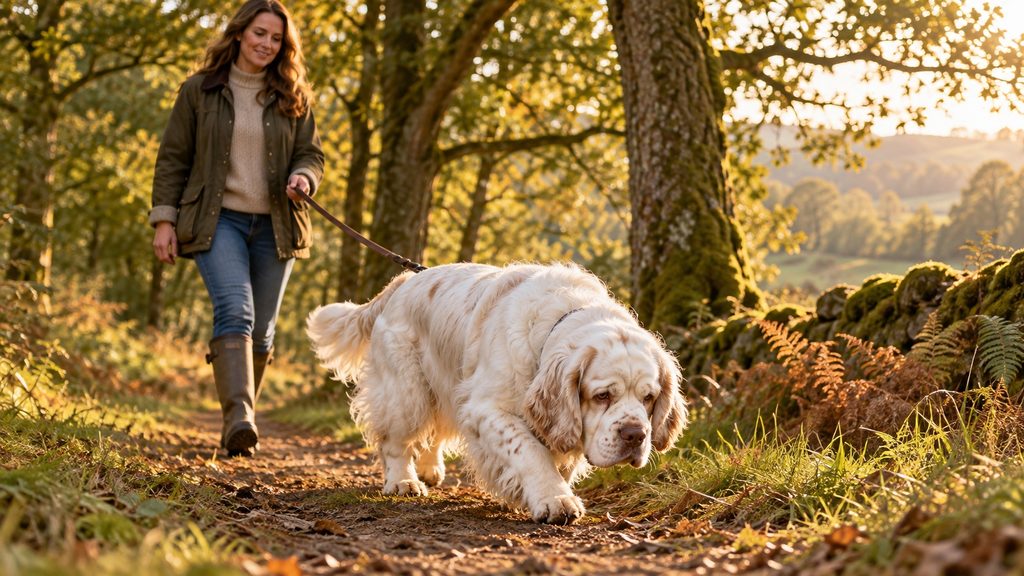
Clumber Spaniels often enjoy activities that combine movement with scenting and problem solving. Steady walks, garden exploration, simple retrieving games, and hidden-treat searches are usually more satisfying than repetitive high-speed exercise. Because the breed is heavy and low set, avoid excessive jumping or forced endurance work, especially during puppyhood. A predictable routine with moderate physical activity and regular mental stimulation helps prevent boredom, supports healthy weight control, and keeps a Clumber pleasantly settled indoors.
Training a Clumber Spaniel
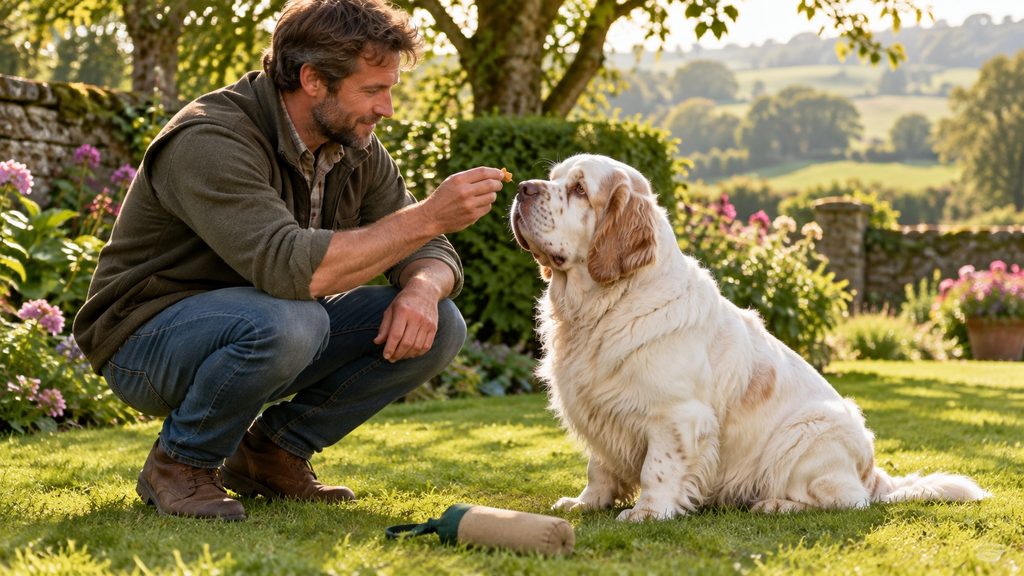
Training a Clumber Spaniel can be a rewarding experience for owners who appreciate intelligence, patience, and a dog with a thoughtful, independent personality. Although this gentle sporting breed is generally willing to cooperate, it does not always display the immediate enthusiasm or lightning-fast responses associated with some other working dogs. Clumbers often prefer to approach new situations at their own pace, occasionally pausing to investigate an interesting scent or consider what is being asked of them. Successful training therefore depends on consistency, positive reinforcement, and understanding the breed’s deliberate nature rather than expecting instant obedience. With the right approach, a Clumber Spaniel can become a responsive, reliable, and exceptionally enjoyable companion.
One of the breed’s greatest training advantages is its intelligence. Clumber Spaniels were developed to work methodically alongside hunters, using their powerful noses and considerable determination to locate game birds in dense vegetation. This background produced dogs capable of concentrating on a task and making independent decisions. Modern Clumbers retain these abilities, making them particularly responsive to training that offers clear objectives, enjoyable rewards, and opportunities to use their natural instincts.
Positive reinforcement is especially effective with this breed. Small food rewards, enthusiastic praise, favorite toys, and opportunities to investigate interesting surroundings can encourage desirable behavior. Many Clumbers are strongly motivated by food, which makes teaching basic commands relatively straightforward when lessons are well organized. However, their enthusiasm for treats requires careful portion control. Using small rewards or part of the dog’s regular meal allowance helps prevent unnecessary weight gain.
Training should begin during puppyhood with simple household skills such as name recognition, coming when called, sitting calmly, and settling in a designated resting place. Young Clumbers benefit from several short sessions rather than lengthy lessons that become repetitive or tiring. Rewarding successful responses immediately helps puppies understand expectations, while gentle repetition builds confidence. Owners should avoid harsh corrections, physical intimidation, or excessive pressure, which can undermine trust and create unnecessary resistance.
Early socialization is equally important. Although Clumber Spaniels are generally steady and affectionate with familiar people, some are naturally reserved around strangers. Puppies should experience a variety of positive encounters with different people, suitable dogs, household sounds, and everyday environments. Introductions should be gradual and adapted to the individual puppy’s confidence. A calm, carefully managed experience is more valuable than overwhelming a youngster with unfamiliar situations.
House training usually responds well to consistency. Regular opportunities to toilet outdoors, particularly after sleeping, eating, and playing, help establish predictable habits. Successful toileting should be rewarded promptly, while accidents should be cleaned without punishment. Because Clumber puppies can be somewhat deliberate in their responses, owners may need patience while routines become established. Careful supervision and a consistent schedule are more effective than expecting a young puppy to understand household expectations immediately.
Recall training deserves particular attention because of the Clumber Spaniel’s exceptional sense of smell. A dog that responds reliably in the garden may become completely absorbed in a wildlife trail during a countryside walk. Begin recall exercises in quiet surroundings, reward enthusiastic responses, and gradually introduce distractions. A long training line provides additional security while these skills develop. Owners should avoid repeatedly calling a dog when they know it is unlikely to respond, as this can weaken the value of the recall cue.
Loose-leash walking is another essential skill. Although Clumbers are not particularly fast, their substantial weight makes persistent pulling uncomfortable for both dog and owner. Rewarding relaxed walking, encouraging attention during changes of direction, and allowing appropriate sniffing opportunities can make outings more enjoyable. A properly fitted harness may help distribute pressure comfortably, particularly while a young dog is developing reliable leash manners.
The breed’s independent streak can occasionally be mistaken for stubbornness. A Clumber may understand a familiar command but become distracted, reluctant, or simply more interested in its surroundings. Rather than responding with frustration, owners should consider whether the task is sufficiently clear, appropriately rewarded, and suitable for the training environment. Shortening the exercise or temporarily reducing distractions often produces better results than repeating instructions with increasing intensity.
Grooming cooperation should also form part of early training. Clumber Spaniels require regular brushing, ear inspections, nail care, and occasional professional grooming. Teaching puppies to accept gentle handling of their paws, ears, mouth, and coat can prevent difficulties later. Brief, reward-based sessions help establish positive associations, particularly around sensitive areas. These skills also make veterinary examinations less stressful and allow owners to recognize changes in physical condition more easily.
Mental enrichment provides another valuable training opportunity. Clumbers often enjoy searching for hidden treats, locating toys, following simple scent trails, and practicing retrieving exercises. These activities engage their natural abilities while strengthening communication with their owners. Some individuals also enjoy rally obedience, tracking, or other organized canine activities, provided training respects their physical build and individual fitness.
Adolescence can introduce additional challenges as young Clumbers become more confident and interested in their surroundings. Previously reliable responses may temporarily deteriorate, especially outdoors. Maintaining consistent expectations, practicing familiar skills, and reinforcing successful behavior helps prevent unwanted habits from becoming established. Owners should also remember that a growing Clumber’s heavy frame requires sensible exercise choices, avoiding unnecessary jumping or repetitive high-impact activities.
Ultimately, training a Clumber Spaniel is most successful when treated as an enjoyable partnership rather than a contest of wills. These intelligent, affectionate dogs respond well to patient guidance, predictable routines, and rewards that make cooperation worthwhile. Owners who appreciate their thoughtful nature and work with their sporting instincts can develop a trusting relationship with a companion that is not only well mannered but genuinely enthusiastic about learning.
Clumber Spaniel Grooming and Coat Care
The Clumber Spaniel’s beautiful white coat, softly feathered ears, and distinctive appearance are among the breed’s most recognizable features. However, maintaining that handsome coat requires regular attention, particularly for a dog that enjoys exploring woodland paths, grassy fields, and muddy gardens. Although Clumbers do not need the elaborate trimming associated with some other spaniel breeds, their dense coat sheds considerably and can collect dirt, moisture, and vegetation during everyday activities. A consistent grooming routine is therefore essential for keeping the coat comfortable, protecting skin health, and preventing minor problems from becoming more troublesome. Owners should also be prepared for regular ear care, nail maintenance, and occasional drooling, all of which are familiar parts of living with this substantial sporting breed.
The Clumber Spaniel has a dense, straight, weather-resistant coat with a soft texture and moderate feathering around the ears, chest, legs, and underside. Its predominantly white coloring, usually accompanied by lemon or orange markings, gives the breed an elegant appearance but makes accumulated dirt particularly noticeable. Fortunately, much of the coat is relatively straightforward to maintain when brushing becomes part of the weekly routine. The greatest challenges usually arise in areas where longer hair becomes tangled or collects debris.
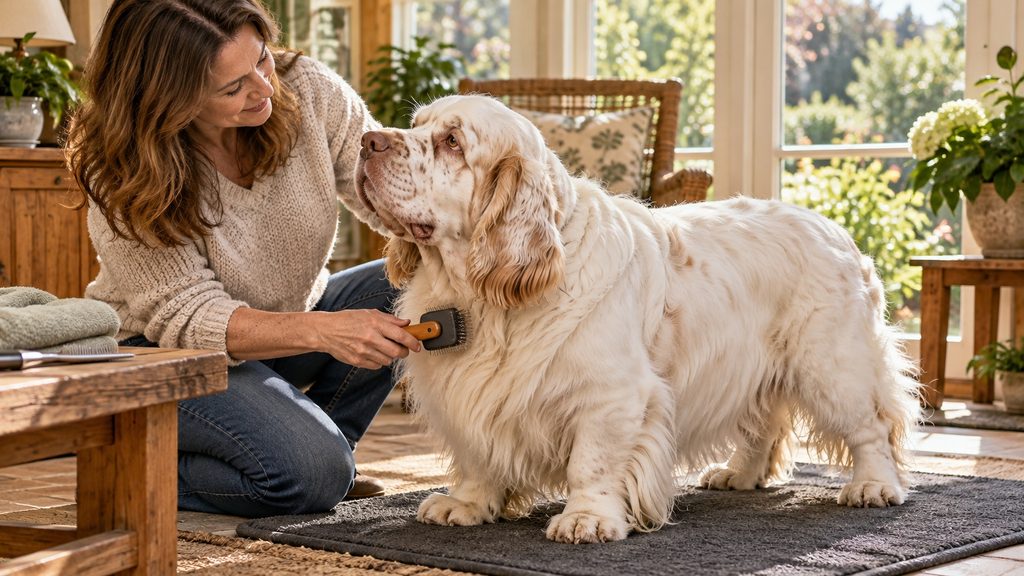
Brushing several times a week is generally advisable, with more frequent attention during periods of heavier shedding. A good-quality slicker brush, suitable bristle brush, and metal comb can help remove loose hair and identify tangles before they become uncomfortable. Pay particular attention to the feathering behind the ears, along the chest, beneath the front legs, and around the rear legs. Working gently through these areas prevents pulling and allows owners to inspect the underlying skin.
Clumber Spaniel Shedding is an important consideration for prospective owners. Despite the breed’s relatively straightforward coat structure, Clumbers can shed heavily, and their pale hair is often particularly visible on darker furniture, carpets, and clothing. Loose hair may accumulate throughout the year, with noticeable increases during seasonal coat changes. Regular brushing helps remove dead hair before it spreads around the home, although no grooming routine will eliminate shedding completely.
Bathing should be based on the dog’s activity level, coat condition, and individual skin needs rather than following an unnecessarily rigid schedule. Clumbers that regularly investigate muddy paths may need more frequent washing than dogs that spend most of their time indoors. Use a gentle, dog-specific shampoo, rinse thoroughly, and dry the coat carefully. Moisture trapped in the feathering or beneath skin folds can contribute to irritation, making thorough drying especially important.
The breed’s long, pendulous ears deserve particular attention. Their shape can reduce airflow around the ear canals, while outdoor activities may introduce moisture, dirt, or grass seeds. Owners should inspect the ears regularly for redness, unusual odors, excessive wax, discharge, or signs of discomfort. Ear cleaning should follow veterinary recommendations, since unnecessary or aggressive cleaning can cause irritation. Recurrent ear problems require veterinary investigation rather than repeated home treatment.
Clumber Spaniels may also experience moisture accumulation around the lips and facial folds. Their substantial muzzle and loose lips mean some individuals drool noticeably, particularly after drinking or anticipating meals. Gently wiping the mouth and checking the surrounding skin can help maintain cleanliness. Persistent redness, unpleasant odors, or irritation around the lips should be assessed by a veterinarian, as these signs may indicate inflammation or infection.
Professional grooming can be useful, although most family Clumbers do not require dramatic haircuts. An experienced groomer can tidy excessive feathering, maintain the hair around the feet, trim nails, and help manage areas that are difficult for owners to reach. The goal should be a comfortable, functional coat rather than excessive clipping that removes its natural protective qualities. Dogs participating in shows may require more precise presentation according to the breed standard.
Nail care is especially important because the Clumber Spaniel carries considerable weight on relatively short, sturdy legs. Overgrown nails can interfere with comfortable movement and place unnecessary pressure on the feet. Regular trimming, combined with inspections of the paw pads and the hair between them, helps maintain good footing. Owners should also check for grass seeds, small stones, and irritation after woodland walks.
Dental care completes the grooming routine. Regular toothbrushing with dog-specific toothpaste helps manage plaque and supports oral health, while routine veterinary examinations can identify developing dental problems. Introducing brushing, ear handling, paw inspections, and mouth examinations during puppyhood makes these tasks considerably easier throughout adulthood. Short sessions with gentle encouragement and rewards usually work well with the breed’s thoughtful temperament.
Grooming also provides an opportunity to notice changes that might otherwise remain hidden beneath the Clumber’s dense coat. Unusual lumps, skin irritation, parasites, thinning hair, or sensitivity during handling deserve attention. Because the breed can experience orthopedic discomfort, owners should also notice whether a dog becomes reluctant to stand for grooming or reacts when particular areas are touched. Changes in tolerance may indicate pain rather than disobedience.
Ultimately, Clumber Spaniel grooming is less about achieving a glamorous appearance and more about maintaining everyday comfort and health. Consistent brushing, sensible bathing, attentive ear care, and regular inspections help preserve the breed’s distinctive coat while reducing household mess. Owners who accept shedding, muddy paws, and occasional drooling as part of Clumber ownership will usually find that a practical grooming routine makes these responsibilities manageable.
Managing a Clumber Spaniel’s White Coat
A Clumber Spaniel’s pale coat makes mud, grass stains, and outdoor debris particularly noticeable. Keep a towel near the door and inspect the feet, ears, and underside after walks. Regular brushing removes loose hair and helps prevent tangles in feathered areas. Use a gentle dog shampoo when bathing is necessary, and dry the coat thoroughly to avoid trapped moisture. Pay special attention to the ears and skin around the lips, where irritation can develop. These simple habits help maintain comfort, cleanliness, and healthy skin without unnecessary grooming products or excessive trimming.
Clumber Spaniel Shedding
The Clumber Spaniel is a heavy-shedding breed, and prospective owners should be prepared for a noticeable amount of white hair around their homes. Although its calm temperament and affectionate personality make it a wonderful companion, this is not a dog for someone who wants spotless furniture or minimal coat maintenance. The Clumber’s dense, weather-resistant coat was developed to protect it while working through thick vegetation and challenging countryside conditions. That practical coat remains one of the breed’s defining features, but it also means loose hair is a normal part of everyday ownership. Understanding Clumber Spaniel Shedding and establishing a manageable grooming routine can make living with this substantial sporting dog considerably easier.
Clumber Spaniels have a dense, straight coat with a soft texture and feathering around the ears, chest, legs, and underside. The coat provides protection against outdoor conditions, but individual hairs naturally complete their growth cycles and are eventually shed. Unlike breeds whose loose hair becomes trapped within tightly curled coats, Clumbers tend to release hair directly onto surrounding surfaces. Their predominantly white coloring can make shedding particularly noticeable on dark clothing, upholstery, carpets, and vehicle interiors.
Shedding occurs throughout the year, although some Clumbers experience heavier periods during seasonal coat changes. Spring and fall may bring increased hair loss as the coat adjusts to changing daylight and environmental conditions. However, indoor heating, climate, individual coat characteristics, and general health can influence shedding patterns. Owners should expect regular hair removal rather than assuming the breed will shed heavily for only a few weeks each year.
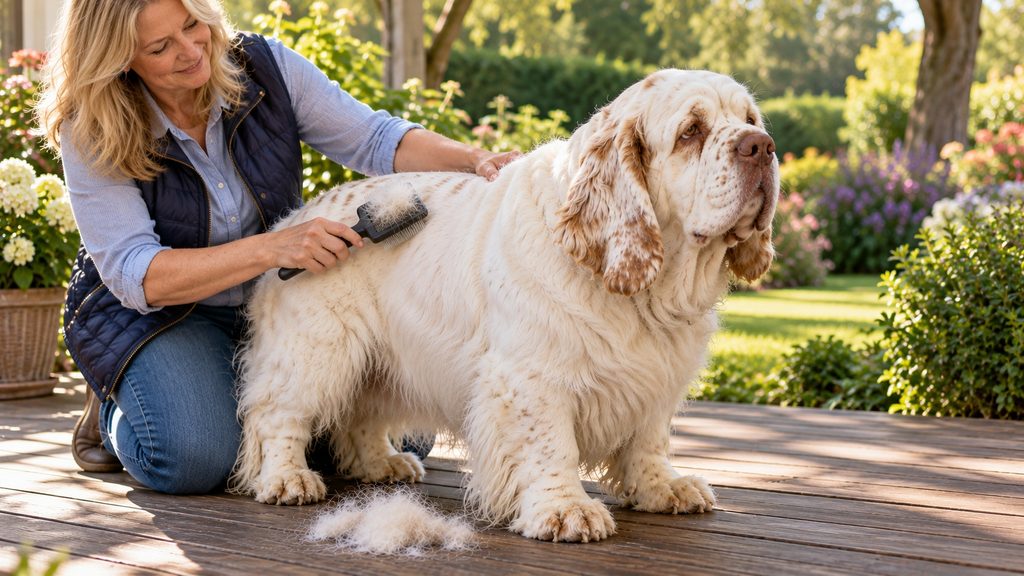
Routine brushing is the most effective way to manage loose hair. Brushing several times a week helps remove dead coat before it spreads around the home, while more frequent sessions may be useful during heavier shedding periods. A suitable slicker brush or bristle brush can help lift loose hair, and a metal comb is valuable for checking feathered areas. The aim is to remove shedding hair gently without irritating the skin or damaging the natural coat.
Particular attention should be given to the feathering behind the ears, beneath the front legs, around the chest, and along the rear legs. Loose hair can become entangled in these areas, especially after outdoor activity. Although shedding and matting are different problems, regular brushing helps prevent both. Owners should work through tangles carefully rather than pulling forcefully, particularly around sensitive skin.
Bathing can help loosen accumulated hair and remove dirt, but excessive washing is unnecessary. A gentle dog-specific shampoo and thorough rinsing are generally sufficient when the coat becomes dirty. Drying is especially important because moisture can remain trapped beneath dense hair or within feathered areas. A professional groomer may help manage seasonal shedding, particularly for owners who find the coat difficult to maintain independently.
Some owners consider clipping the coat very short to reduce shedding. However, shortening the hair does not stop the natural shedding cycle. It simply changes the length of the hairs being released. Excessive clipping may also interfere with the coat’s protective qualities. A practical trim around the feet and selected feathered areas can improve cleanliness without removing the breed’s characteristic appearance.
Household management makes a noticeable difference. Washable throws, regularly cleaned dog bedding, and a vacuum designed to collect pet hair can reduce the inconvenience of shedding. Keeping grooming supplies near a frequently used resting area also encourages consistent brushing. After woodland walks, a quick inspection and gentle wipe-down can remove loose hair, mud, and vegetation before the dog settles indoors.
It is equally important to distinguish normal shedding from abnormal hair loss. A healthy Clumber may release substantial amounts of hair while maintaining an even, comfortable coat. Bald patches, persistent scratching, inflamed skin, unusual odors, or sudden changes in coat density are not simply normal shedding. Allergies, parasites, infections, and hormonal disorders may contribute to excessive hair loss and require veterinary assessment.
Hypothyroidism is particularly relevant because it can affect some Clumber Spaniels. Reduced thyroid hormone production may cause coat thinning, dry skin, lethargy, and unexplained weight gain. Owners should not assume that unusual hair loss is a harmless seasonal change, especially when accompanied by changes in energy, appetite, or body condition. Veterinary testing can help identify underlying medical causes.
Clumber Spaniels are also not considered hypoallergenic. They shed hair and produce allergenic proteins found in dander, saliva, and other bodily secretions. Although individual people may react differently to particular dogs, there is no reliable basis for describing the breed as suitable for everyone with dog allergies. Prospective owners with sensitivities should spend time around Clumbers before making a commitment, recognizing that a brief visit cannot guarantee future tolerance.
Ultimately, shedding is an unavoidable part of Clumber Spaniel ownership, but it need not become overwhelming. Regular brushing, sensible coat care, appropriate household cleaning, and attention to skin health can keep loose hair manageable. Families willing to accept a little white fur on their furniture and clothing will find that the breed’s affectionate companionship and gentle personality offer far more than enough reward for the additional cleaning.
Keeping Clumber Spaniel Shedding Under Control
Clumber Spaniels shed throughout the year, with some experiencing heavier seasonal coat changes. Brushing several times weekly removes loose hair before it accumulates on furniture and clothing. During heavier shedding periods, short daily sessions may be particularly helpful. Focus on the feathering behind the ears, beneath the legs, and around the chest, where loose hair can become tangled. Washable bedding and regular vacuuming make household cleaning easier. Remember that clipping the coat does not prevent shedding. Sudden bald patches, persistent itching, or unusual coat thinning should always be investigated by a veterinarian.
Clumber Spaniel Feeding and Nutrition
The Clumber Spaniel is a substantial, powerfully built sporting dog whose nutritional needs deserve careful attention throughout its life. Although this breed is generally calmer and less energetic than many other spaniels, its muscular frame, relatively short legs, and considerable body weight make balanced nutrition particularly important. Clumbers are also well known for their enthusiasm for food, and some will happily eat far more than they need if given the opportunity. Maintaining an appropriate body condition is therefore one of the most valuable things owners can do to protect their dog’s joints, mobility, and long-term health. A consistent feeding routine, suitable portions, and a complete, balanced diet provide the foundation for keeping this affectionate breed healthy and comfortable.
Choosing an appropriate dog food begins with understanding the Clumber Spaniel’s age, weight, activity level, and individual health requirements. Most healthy dogs do well on a commercially prepared diet that meets Association of American Feed Control Officials (AAFCO) nutritional standards for their life stage. Owners should check the nutritional adequacy statement rather than relying solely on attractive packaging, fashionable ingredients, or claims that a particular food has been developed specifically for sporting breeds. A Clumber living a relatively relaxed household lifestyle does not automatically need the same calorie intake as one participating regularly in demanding field activities.
Protein plays an essential role in maintaining healthy muscles and supporting normal tissue repair. Dietary fats provide concentrated energy and essential fatty acids needed for skin and coat health, while appropriate carbohydrates contribute energy and fiber. Vitamins and minerals support numerous processes, including normal bone development and immune function. The ideal nutritional balance will vary between puppies, active adults, and older dogs, making life-stage feeding an important consideration.
Weight management deserves particular emphasis. Because Clumber Spaniels are naturally broad, heavy dogs, excess body fat can sometimes be mistaken for normal breed substance. However, there is an important difference between a well-muscled Clumber and an overweight one. Additional weight places unnecessary pressure on the hips, elbows, knees, and spine, potentially worsening orthopedic discomfort and making ordinary movement more difficult. Owners should assess body condition regularly, feeling for the ribs beneath a moderate covering of tissue and checking for an appropriate waist.
Feeding quantities should reflect the individual dog’s needs rather than following package recommendations without adjustment. Commercial feeding charts provide a starting point, but calorie requirements vary according to metabolism, activity, age, neuter status, and body condition. Most healthy adult Clumber Spaniels can be fed two measured meals daily. Dividing the daily allowance into predictable portions also makes it easier to monitor appetite and avoid accidental overfeeding.
Puppies require especially thoughtful nutrition because the Clumber Spaniel develops into a relatively heavy adult with substantial bone and muscle. A complete and balanced growth diet appropriate for its expected adult size should support steady development without encouraging excessive weight gain. Rapid growth and unnecessary calorie supplementation can place additional strain on developing joints. Owners should avoid adding calcium or other growth-related supplements unless specifically recommended by a veterinarian, since an appropriately formulated puppy diet should already provide the necessary nutrients.
Young Clumbers often benefit from several smaller meals each day, with feeding frequency gradually reduced as they mature. Growth should be monitored through regular veterinary appointments, paying attention to body condition as well as weight. Keeping a growing puppy lean is particularly important for a breed with known orthopedic vulnerabilities. Owners should also avoid using large quantities of treats during training, even when the puppy responds enthusiastically to food rewards.
The breed’s appetite can make reward-based training enjoyable, but it also creates opportunities for unwanted habits. Some Clumber Spaniels become skilled at begging, investigating countertops, or searching for unattended food. Measured training rewards should be included within the day’s calorie allowance, with treats generally providing no more than approximately 10% of total daily calories. Small pieces of regular kibble can often serve as effective rewards without adding unnecessary extras.
As Clumber Spaniels enter their senior years, nutritional requirements may change. Reduced activity can lower calorie needs, while maintaining adequate protein and muscle condition remains important. Older dogs experiencing arthritis, dental disease, digestive problems, or other medical conditions may benefit from individually tailored diets. Age alone does not mean every Clumber needs a specialized senior food. Veterinary guidance can help determine when dietary adjustments are appropriate.
Owners should also understand that food-related symptoms are not always caused by dietary allergies. Persistent itching, recurring ear inflammation, vomiting, or diarrhea may warrant investigation, but repeatedly switching foods without veterinary guidance can make identifying the underlying problem more difficult. Where a food allergy is suspected, a veterinarian may recommend a properly controlled elimination diet rather than relying on unverified intolerance tests or marketing claims.
Fresh drinking water should always be available, particularly after walks, during warm weather, and when feeding dry food. Some Clumbers drink enthusiastically and leave considerable moisture around their bowls because of their loose lips. A washable mat and regular cleaning can help maintain hygiene. Owners should also discourage frantic eating and allow comfortable rest around mealtimes, particularly because large, deep-chested dogs may be susceptible to gastric dilatation-volvulus, a serious emergency that requires immediate veterinary treatment.
Ultimately, feeding a Clumber Spaniel successfully is about maintaining balance rather than providing excessive quantities or elaborate dietary supplements. Appropriate food selection, measured portions, healthy weight management, and adjustments throughout life can significantly influence comfort and mobility. For a breed whose substantial body places considerable demands on its joints, sensible nutrition is one of the most practical investments an owner can make in long-term well-being.

Keeping a Food-Loving Clumber at a Healthy Weight
Clumber Spaniels often have excellent appetites, making portion control particularly important. Measure meals rather than estimating quantities, and include training treats within the daily calorie allowance. Because the breed is naturally broad and heavily built, excess fat can be difficult to recognize beneath its dense coat. Regularly check the ribs, waist, and overall body condition rather than relying on appearance alone. Keep food and garbage securely stored to discourage scavenging. Maintaining a lean, muscular body helps reduce unnecessary joint strain and supports comfortable movement throughout adulthood and old age.
Clumber Spaniel Health and Common Health Problems
The Clumber Spaniel is generally a sturdy, affectionate sporting breed capable of enjoying many healthy and active years with appropriate care. However, its substantial build, distinctive body proportions, and relatively small breeding population make understanding inherited health conditions particularly important. Although many Clumbers remain healthy throughout much of their lives, certain orthopedic, spinal, eye, and metabolic disorders occur within the breed and deserve attention from both breeders and owners. Recognizing potential Clumber Spaniel Health Issues helps prospective families make informed decisions, identify early warning signs, and provide suitable care. Responsible breeding, documented health screening, healthy weight management, and regular veterinary examinations all contribute to protecting this gentle breed’s long-term comfort and quality of life.
Hip dysplasia is one of the most important orthopedic concerns. This condition involves abnormal development or looseness of the hip joint, which can eventually contribute to pain, reduced mobility, and arthritis. Because Clumber Spaniels have substantial bone and muscular bodies, some affected individuals may show relatively subtle symptoms despite significant joint changes. Warning signs include stiffness after resting, difficulty rising, reluctance to climb stairs, or reduced enthusiasm for exercise. Maintaining a lean body condition and providing suitable physical activity can help reduce unnecessary stress on affected joints.
Elbow dysplasia is another inherited orthopedic condition that responsible breeders should consider. It involves developmental abnormalities within the elbow joint and may lead to lameness, discomfort, and progressive arthritis. Young dogs may begin showing signs during growth, although symptoms can sometimes remain unnoticed until adulthood. A Clumber that persistently favors a front leg, develops an unusual gait, or becomes reluctant to exercise should receive veterinary assessment rather than having the problem attributed to its naturally deliberate movement.
The breed’s long body and relatively short legs also make spinal health especially important. Intervertebral disc disease (IVDD) occurs when one or more discs between the vertebrae degenerate or become displaced, potentially placing pressure on the spinal cord. Affected dogs may experience back or neck pain, difficulty walking, weakness, or loss of coordination. Severe cases can result in paralysis and require emergency treatment. Owners should seek urgent veterinary attention for sudden weakness, dragging limbs, or an inability to walk. Maintaining healthy weight and limiting repeated high-impact jumping are sensible precautions.
Eye conditions represent another significant category of Clumber Spaniel Health Problems. Entropion occurs when an eyelid rolls inward, allowing eyelashes or facial hair to rub against the eye. Ectropion involves outward turning of the eyelid, potentially exposing sensitive tissues to irritation. Clumbers naturally have relatively loose facial skin, but excessive eyelid abnormalities can cause discomfort, excessive tearing, inflammation, or corneal damage. Owners should watch for persistent redness, squinting, discharge, or repeated rubbing of the face and seek veterinary advice when these signs appear.
Some Clumber Spaniels also develop hypothyroidism, a condition in which the thyroid gland produces insufficient hormones. Possible symptoms include unexplained weight gain, lethargy, reduced activity, coat thinning, and recurring skin or ear problems. These changes can develop gradually and may be mistaken for normal aging or the breed’s calm personality. Diagnosis requires appropriate veterinary testing, and affected dogs can often maintain a comfortable quality of life with prescribed medication and ongoing monitoring.
Ear infections are a familiar concern because the Clumber’s thick, pendulous ears can limit ventilation and retain moisture. Inflammation may also be associated with allergies or other underlying medical conditions. Frequent head shaking, unpleasant odors, redness, discharge, or sensitivity around the ears should prompt examination. Regular inspections and veterinary-guided cleaning are valuable, but persistent infections require investigation of their underlying causes rather than repeated treatment without a diagnosis.
A particularly important inherited disorder is pyruvate dehydrogenase phosphatase 1 deficiency, usually called PDP1 deficiency. This genetic metabolic condition interferes with the body’s ability to use energy efficiently and can cause pronounced exercise intolerance. An affected Clumber may become unusually tired or weak after activity that a healthy dog would normally manage comfortably. Because a DNA test is available, responsible breeders can identify carriers and make informed breeding decisions to avoid producing affected puppies.
Exercise-induced collapse (EIC) is another inherited condition being addressed through genetic testing in the breed. Affected dogs may develop weakness, loss of coordination, or collapse during or shortly after strenuous activity. Owners should never assume that unusual exercise intolerance simply reflects the Clumber’s naturally unhurried temperament. Episodes of weakness or collapse require veterinary assessment, particularly when they occur repeatedly or follow physical exertion.
Growing Clumber puppies may also experience panosteitis, a painful inflammatory condition affecting developing bones. It can cause intermittent lameness that sometimes shifts between legs. Although many affected youngsters recover as growth finishes, limping should never be dismissed without examination. Other orthopedic injuries and developmental conditions can produce similar symptoms, making an accurate diagnosis essential.
Additional concerns reported within the breed include immune-mediated hemolytic anemia (IMHA), a serious condition in which the immune system destroys red blood cells. Symptoms may include sudden weakness, pale or yellowish gums, rapid breathing, and collapse. These signs require immediate veterinary attention. Breed-specific medication sensitivities should also be discussed with a veterinarian, particularly when prescribing sulfonamide antibiotics.
The Clumber Spaniel’s enthusiasm for food and investigating unfamiliar objects presents another practical health risk. Some individuals swallow inappropriate items, potentially causing gastrointestinal obstruction. Owners should keep socks, small toys, food packaging, and other tempting objects safely stored. Persistent vomiting, abdominal discomfort, repeated attempts to vomit, or sudden loss of appetite warrant prompt veterinary evaluation.
Health screening is especially important when selecting a puppy. Recommended breeding evaluations include hip and elbow assessments, examinations by a veterinary ophthalmologist, and DNA testing for PDP1 deficiency. Additional testing, including screening for exercise-induced collapse or cardiac concerns, may be appropriate according to current breed-club guidance and family history. Responsible breeders should provide documented results and explain what those findings mean rather than simply claiming their dogs are healthy.
Ultimately, protecting a Clumber Spaniel’s health involves understanding the breed’s inherited vulnerabilities without assuming every dog will develop them. Preventive veterinary care, appropriate nutrition, regular movement, and careful observation all contribute to long-term well-being. For owners willing to recognize early warning signs and work closely with knowledgeable veterinary professionals, the Clumber Spaniel can remain a comfortable, affectionate, and active companion throughout much of its life.
Early Health Warning Signs in Clumber Spaniels
Clumber Spaniels can be remarkably tolerant of discomfort, making subtle behavioral changes important. Watch for stiffness after resting, reluctance to climb stairs, unusual fatigue, or changes in walking. Persistent eye redness, squinting, ear odors, or unexplained weight gain also deserve veterinary attention. Sudden weakness, collapse, or difficulty using the legs requires urgent assessment. Because the breed’s calm temperament can disguise developing problems, owners should not dismiss reduced activity as ordinary laziness. Regular examinations and prompt investigation of unusual symptoms help protect mobility, comfort, and long-term health.

Clumber Spaniel Health Screening
Health screening plays an especially important role in protecting the future of the Clumber Spaniel, a relatively uncommon sporting breed with several inherited conditions that responsible breeders must take seriously. Although many Clumbers enjoy healthy, active lives, their substantial build, distinctive body proportions, and limited breeding population make informed breeding decisions particularly valuable.
A dog can appear perfectly healthy while carrying a genetic disorder or developing an orthopedic condition that has not yet produced noticeable symptoms. Appropriate screening helps identify these risks, guides responsible breeding combinations, and provides prospective owners with meaningful information about a puppy’s family history. For anyone considering a Clumber Spaniel, understanding what tests should be completed before breeding is an essential part of choosing a healthy, well-supported companion.
The Clumber Spaniel Club of America identifies four principal screening areas for breeding dogs: hip evaluation, elbow evaluation, ophthalmologist examination, and DNA testing for pyruvate dehydrogenase phosphatase 1 deficiency (PDP1). These evaluations address some of the breed’s most significant inherited concerns. Cardiac examinations are also recommended by the club in its general health guidance, while additional genetic testing may be appropriate according to family history and current breeding recommendations. Responsible breeders should explain the results for both parents and provide supporting documentation rather than relying on general assurances of good health.
Hip screening is particularly important because Clumber Spaniels carry considerable weight on a relatively low-set frame. Hip dysplasia develops when the hip joint forms abnormally or exhibits excessive looseness, potentially contributing to discomfort, reduced mobility, and arthritis. Screening usually involves specialized radiographs assessed through an established evaluation system. The Orthopedic Foundation for Animals (OFA) provides permanent hip certifications for dogs at least 24 months old, while PennHIP offers another recognized method of evaluating joint laxity. Prospective owners should request the actual results and understand that a dog may show few obvious symptoms despite having structural abnormalities.
Elbow screening is equally important. Elbow dysplasia describes several developmental abnormalities affecting the elbow joint, potentially causing lameness and progressive arthritis. Because Clumbers are naturally powerful and heavy, maintaining sound front-limb structure is essential for comfortable movement. Radiographic assessment helps identify abnormalities that might otherwise remain unnoticed. Breeders should consider the results alongside the health histories of related dogs rather than treating a single certificate as proof that future offspring cannot experience orthopedic problems.
Eye examinations should be performed by a qualified veterinary ophthalmologist. Clumber Spaniels may develop eyelid abnormalities such as entropion, in which the eyelid turns inward, and ectropion, in which the eyelid turns outward. Both can contribute to irritation, inflammation, or damage to sensitive eye structures. A specialist examination can identify abnormalities that may not be obvious during an ordinary veterinary appointment. Because some eye conditions develop or change with age, ongoing examinations provide valuable information beyond a single assessment completed during puppyhood.
One of the most important breed-specific genetic conditions is PDP1 deficiency, an inherited metabolic disorder affecting the body’s ability to use energy efficiently. Affected Clumbers can experience significant exercise intolerance, particularly during demanding physical activity. The condition is inherited in an autosomal recessive manner, meaning a dog generally must inherit two copies of the disease-associated variant to be affected. Dogs carrying one copy are typically unaffected but can pass the variant to offspring. DNA testing allows breeders to identify clear, carrier, and affected dogs and select suitable breeding combinations that avoid producing affected puppies.
Exercise-induced collapse (EIC) is another inherited disorder that warrants attention. Affected dogs may develop weakness, loss of coordination, or collapse during strenuous exercise or excitement. A DNA test is available for the associated genetic variant, and the Clumber Spaniel Club of America strongly encourages its use as an additional breeding precaution. However, EIC is distinct from PDP1 deficiency, and testing for one condition does not automatically establish a dog’s status for the other. Owners should also remember that collapsing during exercise can have several medical causes and always warrants veterinary investigation.
The Clumber Spaniel’s long body makes spinal health another important consideration. Intervertebral disc disease (IVDD) can develop when spinal discs degenerate or become displaced, potentially placing pressure on the spinal cord. Genetic testing for a variant associated with chondrodystrophy and increased IVDD risk is available, but results indicate susceptibility rather than providing a definitive diagnosis or guaranteeing future disease. A dog with a risk-associated variant may never develop clinical IVDD, while dogs without that particular variant can still experience spinal disease. Breeders and owners should interpret these results with appropriate veterinary guidance.
Other conditions, including hypothyroidism, immune-mediated hemolytic anemia, and certain cardiac disorders, may also affect individual Clumbers. Thyroid and cardiac evaluations can be valuable where family history or clinical findings suggest increased risk. However, not every condition has a reliable genetic screening test, and the absence of symptoms in a young breeding dog does not eliminate the possibility of disease developing later. Knowledge of siblings, parents, previous litters, and older relatives is therefore especially useful.
Prospective owners should also understand the purpose of the OFA Canine Health Information Center (CHIC) program. A CHIC number indicates that a dog has completed the breed-specific screening requirements and that the required results have been made publicly available. Importantly, CHIC certification does not mean every test result was normal, nor does it guarantee that the dog or its offspring will remain free from inherited disease. Individual findings should always be reviewed rather than treating the certification number as a universal health clearance.
When speaking with a breeder, ask for the registered names of both parents, copies of their health certificates, the dates of examinations, and an explanation of any carrier results or orthopedic findings. A responsible breeder should be comfortable discussing health concerns within the wider family, including conditions that cannot currently be eliminated through testing. The goal is not to demand unrealistic guarantees but to establish that breeding decisions have been made thoughtfully, transparently, and with the welfare of future generations in mind.
Health screening should also inform lifelong care after a Clumber Spaniel enters its new home. Regular veterinary examinations, careful weight management, eye and ear inspections, and monitoring of mobility help identify problems that may develop over time. Owners should seek urgent veterinary attention for sudden paralysis, severe weakness, collapse, or significant eye pain. Changes in exercise tolerance, gait, or everyday comfort deserve assessment rather than being dismissed as part of the breed’s characteristically slow-moving nature.
Ultimately, responsible Clumber Spaniel health screening combines documented orthopedic evaluations, specialist eye examinations, appropriate DNA testing, and a thorough understanding of family health history. No collection of certificates can eliminate every possible disease, but informed breeding decisions can reduce avoidable risks and improve transparency. For prospective owners, choosing a breeder who understands these responsibilities is one of the most important steps toward welcoming a healthy, comfortable, and well-supported Clumber Spaniel into the family.
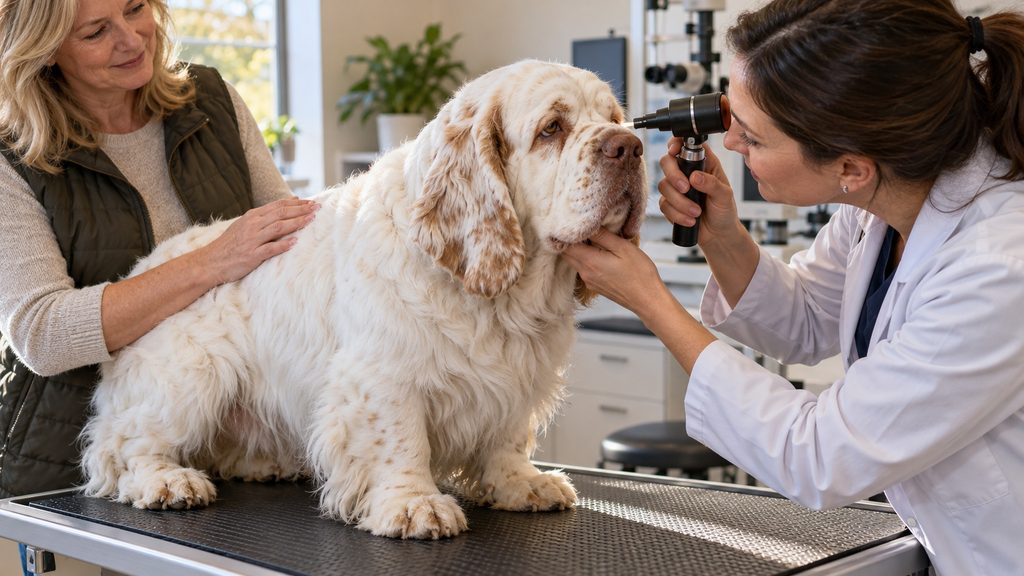
Clumber Spaniel Lifespan and Aging
The Clumber Spaniel is a substantial, affectionate sporting breed that can enjoy many rewarding years as a devoted family companion. Although its heavy build and distinctive body proportions create particular health considerations, thoughtful care can help support comfort, mobility, and quality of life throughout adulthood and into the senior years. The typical Clumber Spaniel Lifespan is approximately 10–12 years, although individual dogs may live longer or shorter lives depending on genetics, inherited health conditions, nutrition, body weight, and veterinary care. Understanding how this gentle breed ages allows owners to recognize changing needs early and make practical adjustments that help their dogs remain comfortable, active, and engaged.
The expected Clumber Spaniel Life Expectancy reflects several factors, including the breed’s substantial size and susceptibility to certain orthopedic, spinal, and inherited medical conditions. Responsible breeding and documented health screening provide an important foundation, but lifelong management is equally valuable. Maintaining a healthy weight, providing appropriate exercise, and addressing developing health concerns promptly can make a meaningful difference to a Clumber’s later years.
Weight management becomes especially important as the breed ages. Clumber Spaniels are naturally broad and heavily boned, which can make excess body fat difficult to recognize beneath their dense coats. Additional weight places unnecessary pressure on the hips, elbows, knees, and spine, potentially worsening arthritis or existing orthopedic problems. Owners should regularly assess body condition, adjust food portions when activity levels decline, and seek veterinary guidance when weight changes occur unexpectedly.
Mobility often changes gradually in older Clumbers. A senior dog may take longer to rise after resting, become less enthusiastic about stairs, or prefer shorter walks. These changes should not automatically be dismissed as normal aging. Arthritis, spinal disorders, and other painful conditions may contribute to reduced movement, and early veterinary assessment can improve comfort and identify appropriate treatment options.
Exercise should remain a regular part of senior care, although intensity and duration may need adjustment. Gentle walks, relaxed exploration, and scent-based activities help maintain muscle condition while providing mental stimulation. Several shorter outings may be more comfortable than one demanding walk. Swimming or supervised rehabilitation exercises can benefit some individuals, provided their veterinarian considers these activities suitable.
Changes in the home can also make life easier for an aging Clumber Spaniel. Supportive bedding, nonslip rugs, and ramps may reduce strain on joints and help prevent falls. Because the breed is relatively heavy and low to the ground, repeatedly climbing steep stairs or jumping into vehicles can become increasingly difficult. Providing accessible resting places and avoiding unnecessary obstacles helps preserve independence.
Senior Clumbers may also experience changes in vision, hearing, dental health, and general stamina. Their characteristic facial structure makes regular eye examinations particularly valuable, while long pendulous ears require continued attention. Persistent eye redness, unusual discharge, unpleasant ear odors, or difficulty responding to familiar sounds should prompt veterinary investigation rather than being attributed automatically to old age.
Nutrition may need adjustment as activity levels and metabolic requirements change. Older dogs often require fewer calories, but adequate protein remains important for maintaining muscle mass. Some individuals benefit from diets tailored to specific medical conditions, although age alone does not mean every Clumber needs specialized senior food. A veterinarian can recommend appropriate feeding changes based on body condition and overall health.
Behavioral changes deserve equal consideration. An older Clumber may sleep more, become less tolerant of disruption, or show changes in nighttime routines. Sudden confusion, restlessness, unusual anxiety, or loss of previously reliable house-training habits can indicate medical or cognitive problems. Regular veterinary examinations provide opportunities to investigate these changes and discuss supportive care.
Despite the challenges that can accompany aging, many senior Clumber Spaniels retain their affectionate personalities, curiosity, and enthusiasm for familiar activities. A gentle woodland stroll, a favorite scent game, or a quiet afternoon beside family members can remain deeply rewarding. By adapting daily routines and responding thoughtfully to changing needs, owners can help their Clumbers enjoy comfortable and fulfilling senior years.
Ultimately, a Clumber Spaniel’s later life should be defined by comfort, companionship, and continued engagement rather than age alone. Responsible health management, sensible exercise, appropriate nutrition, and attentive veterinary care provide the best foundation for preserving the gentle character and quality of life that make this distinctive sporting breed so special.
Helping a Senior Clumber Stay Comfortable
Older Clumber Spaniels benefit from consistent routines, gentle daily activity, and careful weight management. Provide supportive bedding, nonslip flooring, and ramps where necessary to reduce unnecessary joint strain. Shorter walks and enjoyable scent games help maintain mobility and mental engagement without excessive exertion. Monitor changes in appetite, vision, hearing, movement, and behavior, and arrange veterinary assessments when concerns arise. Because Clumbers can develop orthopedic and spinal problems, stiffness or reluctance to move should never be dismissed as simply getting older. Thoughtful adjustments help preserve independence and quality of life.
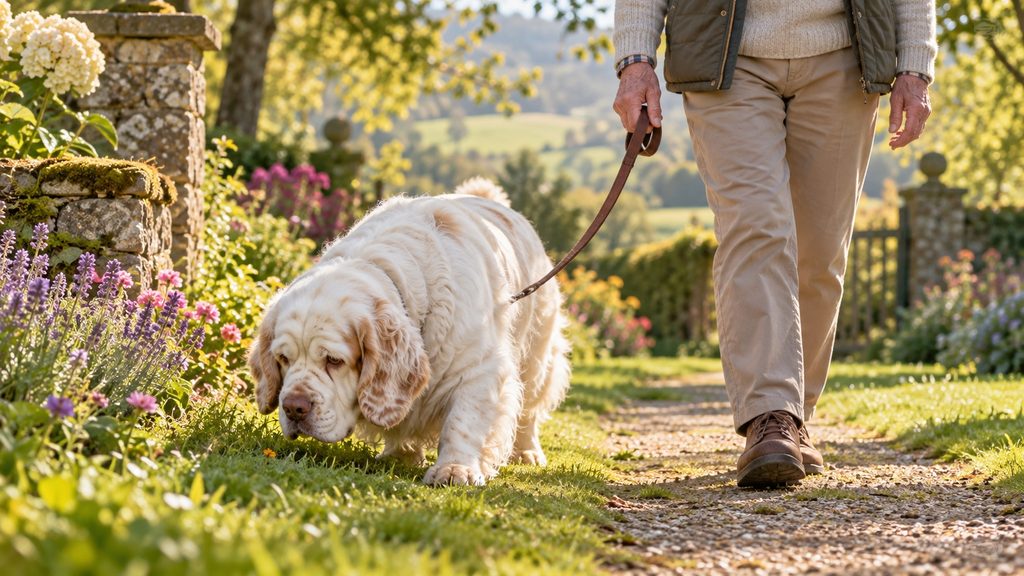
Cost of Owning a Clumber Spaniel
Owning a Clumber Spaniel is a rewarding commitment, but prospective owners should understand the financial responsibilities involved before welcoming one of these substantial sporting dogs into their home. Although Clumbers are generally calm, affectionate companions with moderate exercise requirements, their considerable size, dense coat, nutritional needs, and potential inherited health conditions can make ownership more expensive than initially expected. The breed is also relatively uncommon in the United States, which can influence breeder availability, travel arrangements, and the time required to find a suitable puppy. Planning for both predictable expenses and unexpected veterinary costs helps ensure that a Clumber receives consistent, high-quality care throughout its life.
The initial expense of acquiring a Clumber Spaniel can vary considerably depending on breeder experience, geographic location, pedigree, and availability. Because responsible breeders generally produce relatively few litters and invest in appropriate health screening, prospective owners should expect a careful selection process rather than immediate availability. A reputable breeder should provide documented hip, elbow, and eye evaluations, PDP1 genetic testing, and relevant information about the health of both parents. These safeguards are more important than choosing a puppy based solely on its initial cost.
Adoption through a breed-specific rescue organization may offer another route to ownership. Although Clumber Spaniels are uncommon in rescue, adult dogs occasionally become available because of changes in their owners’ circumstances. Adoption fees are often lower than the cost of obtaining a puppy from a responsible breeder, but owners should still budget for veterinary assessments, supplies, transportation, and any additional care the dog may require. Some rescued Clumbers may need treatment for existing medical conditions or support while adjusting to a new household.
Preparing the home involves several practical purchases. A Clumber Spaniel needs a supportive bed large enough to accommodate its long, heavy body, sturdy food and water bowls, a properly fitted collar or harness, a reliable leash, and suitable grooming equipment. A secure crate or designated resting area may also be helpful, particularly during puppyhood. Because the breed is substantial and relatively low to the ground, nonslip rugs and ramps can be worthwhile additions to homes with slippery flooring or elevated furniture.
Food is one of the most predictable ongoing expenses. Adult Clumber Spaniels commonly weigh between 55 and 85 pounds, and their daily nutritional requirements reflect their size, age, and activity level. A complete, balanced diet from a reputable manufacturer provides the foundation for good health. However, feeding larger portions than necessary can quickly increase both food expenses and the risk of obesity. Measuring meals carefully helps control costs while protecting joints and mobility.
Grooming expenses should also be considered. The Clumber’s dense white coat sheds throughout the year and benefits from regular brushing. Owners who maintain the coat themselves will need suitable brushes, combs, dog shampoo, nail-care equipment, and cleaning supplies. Professional grooming appointments may be useful for bathing, tidying feathering, trimming nails, and managing heavier seasonal shedding. The frequency of these visits depends on the dog’s coat condition, lifestyle, and the owner’s confidence with routine grooming.
Veterinary care represents another significant financial responsibility. Routine examinations, vaccinations, parasite prevention, dental care, and age-appropriate screening are ongoing expenses. Because Clumber Spaniels may experience orthopedic disorders, eye conditions, spinal problems, and certain inherited metabolic diseases, owners should also consider the possibility of specialist consultations, diagnostic imaging, medication, or surgery. Not every Clumber will develop serious medical problems, but the breed’s known vulnerabilities make financial preparation particularly important.
Pet insurance can help manage unexpected veterinary expenses, although policies differ substantially in coverage, exclusions, reimbursement limits, and waiting periods. Owners should review how a policy handles hereditary conditions, orthopedic disease, specialist treatment, and preexisting medical problems. Insurance is generally most useful when arranged before health concerns become established. Alternatively, maintaining a dedicated emergency veterinary fund can provide additional financial security.
Training and enrichment are usually manageable expenses but should not be overlooked. Clumber Spaniels benefit from early socialization, reward-based obedience training, and activities that engage their natural scenting instincts. Puppy classes, private training when necessary, puzzle toys, retrieving equipment, and safe enrichment activities all contribute to a well-adjusted companion. Fortunately, many enjoyable scent games can be created at home using ordinary household items rather than expensive equipment.
Owners should also account for boarding, pet sitting, and travel arrangements. Clumbers often form close attachments to their families and may be uncomfortable with extended periods of isolation. Reliable care during vacations or work-related absences can become an important recurring expense. Because the breed is large and relatively heavy, owners should ensure that boarding facilities, transport arrangements, and caregivers can accommodate its physical needs.
The financial demands of ownership may increase during the senior years. Older Clumber Spaniels can develop arthritis, reduced mobility, dental disease, or other age-related conditions that require ongoing management. Supportive bedding, ramps, medications, rehabilitation, and more frequent veterinary appointments may become necessary. Planning for these possibilities from an early stage makes it easier to provide appropriate care without unexpected financial pressure.
Ultimately, the cost of owning a Clumber Spaniel extends far beyond the initial decision to bring one home. Food, grooming, preventive health care, insurance, training, and suitable household equipment all contribute to the long-term commitment. Owners who budget realistically and prioritize responsible breeding, healthy weight management, and preventive veterinary care are better prepared to enjoy the breed’s affectionate companionship without compromising its well-being.

Budgeting for a Clumber’s Long-Term Care
A Clumber Spaniel’s substantial size influences everyday expenses, particularly food, bedding, grooming supplies, and veterinary treatment. Set aside money for routine examinations, vaccinations, parasite prevention, and dental care, while allowing additional savings for unexpected illness or injury. Orthopedic and eye problems may require specialist assessment, making insurance or an emergency fund worth considering. Regular grooming at home can reduce professional grooming expenses, while careful portion control helps prevent costly weight-related health problems. Planning for senior care from the beginning provides greater financial security throughout your dog’s life.
Choosing a Clumber Spaniel Puppy or Rescue
Choosing a Clumber Spaniel is an important decision that deserves patience, careful research, and an understanding of the breed’s long-term needs. These affectionate, substantial sporting dogs are relatively uncommon in the United States, making responsible breeders and suitable rescue opportunities harder to find than those of more familiar breeds. Although their gentle personalities and distinctive appearance are appealing, prospective owners should prioritize inherited health, temperament, early socialization, and compatibility with their household. Whether welcoming a puppy or adopting an adult, the goal is to find a healthy, well-supported companion whose needs can be met throughout its life.
Finding reputable Clumber Spaniel Breeders may involve contacting the Clumber Spaniel Club of America, attending breed events, or joining an established waiting list. Responsible breeders should demonstrate a thorough understanding of Clumber temperament, structure, and inherited health conditions. They should also explain their breeding decisions openly and provide documentation rather than relying on general assurances that their dogs are healthy.
Health screening is particularly important. Prospective owners should request documented hip and elbow evaluations, veterinary ophthalmologist examinations, and PDP1 genetic testing for both parents. Additional testing for exercise-induced collapse may also be appropriate. A responsible breeder should discuss family health history, explain any carrier results, and demonstrate how screening influences breeding decisions. These precautions cannot eliminate every inherited condition, but they provide valuable evidence of responsible breeding practices.
Well-raised Clumber Spaniel Puppies should develop in clean, stimulating surroundings where they receive appropriate veterinary care, gentle handling, and positive exposure to ordinary household experiences. Early socialization helps puppies become comfortable with people, suitable dogs, unfamiliar sounds, and everyday routines. Prospective owners should ask how puppies are raised and whether the breeder provides guidance for continuing socialization after they leave.
When selecting a Clumber Spaniel Puppy, temperament matters more than choosing the most outgoing or visually appealing youngster. Some puppies are naturally confident and inquisitive, while others are quieter and more deliberate. A knowledgeable breeder can help match individual personalities with suitable households. Puppies should appear alert, comfortable, and interested in their surroundings, with clean ears, clear eyes, and healthy movement. However, appearance alone cannot replace veterinary assessment or documented parental health screening.
Because Clumbers mature into heavy, powerfully built adults, appropriate early nutrition and exercise are essential. Puppies should receive a suitable growth diet and avoid excessive jumping, forced running, or strenuous activities that place unnecessary stress on developing joints. Breeders should provide feeding instructions, veterinary records, vaccination information, and practical advice about managing the breed’s physical development.
Prospective owners should also expect a responsible Clumber Spaniel Breeder to ask questions about their lifestyle, household arrangements, grooming expectations, and experience with dogs. This demonstrates concern for the puppy’s future welfare. Reputable breeders commonly provide written agreements, ongoing guidance, and arrangements for helping rehome a dog if its owner can no longer provide suitable care.
Clumber Spaniel Rescue offers another worthwhile route to ownership, particularly for families interested in an adult companion. Because the breed is uncommon, available dogs may be limited, and patience is often necessary. Breed-club rescue contacts, established spaniel rescue organizations, and reputable shelters can provide useful starting points. Some adult Clumbers may already understand household routines, while others need additional time, training, or medical care as they adjust to new surroundings.
Before adopting, ask about the dog’s medical history, mobility, temperament, previous living arrangements, and behavior around children or other pets. Existing health conditions do not necessarily make a Clumber unsuitable, but owners should understand the likely responsibilities involved. Where possible, several meetings and discussions with foster caregivers can help establish whether the dog is a suitable match.
For anyone researching Clumber Spaniel Puppies Breeders, attractive websites and appealing photographs should never replace independent checks. Be cautious of sellers unwilling to provide health documentation, discuss family history, or explain how puppies are raised. Avoid rushed decisions based on immediate availability, particularly when important questions remain unanswered.
Ultimately, choosing a Clumber Spaniel should be guided by health, temperament, responsible breeding or rescue practices, and long-term compatibility. Taking the time to find the right companion helps establish a rewarding relationship with this gentle, affectionate, and distinctive sporting breed.
Questions to Ask Before Bringing a Clumber Home
Ask breeders for documented hip, elbow, eye, and PDP1 screening results for both parents, along with information about family health and temperament. Find out how puppies are socialized, when they can leave for new homes, and what support is provided afterward. When adopting, discuss the dog’s medical history, mobility, behavior, and adjustment needs. Because Clumber Spaniels are relatively uncommon, waiting for a suitable match is often worthwhile. A responsible breeder or rescue organization should welcome questions, explain any known concerns, and prioritize the dog’s long-term welfare.

Is a Clumber Spaniel Right for You?
The Clumber Spaniel is a wonderfully distinctive companion, combining a gentle personality, quiet devotion, and a surprisingly determined sporting instinct. With its substantial low-set body, expressive face, and affectionate nature, this uncommon breed can bring enormous warmth and character to the right household. However, choosing a Clumber should involve more than admiring its appearance or appreciating its relaxed temperament. These dogs need companionship, consistent training, regular grooming, moderate exercise, and owners who understand their particular health considerations. For families prepared to meet those needs, the Clumber can be an exceptionally rewarding companion whose calm presence and understated sense of humor become treasured parts of everyday life.
One of the breed’s greatest attractions is its generally steady, affectionate temperament. Clumber Spaniels often form strong bonds with their families and enjoy spending time close to familiar people. They are usually less excitable than many other sporting breeds, making them appealing to households that prefer a quieter dog. Their calmness does not mean they should be left alone for extended periods, however. Clumbers thrive when included in family routines and given regular opportunities for interaction.
The breed can suit families with children, particularly when adults teach respectful handling and supervise interactions. Its substantial build and generally patient nature can be advantages, but a Clumber is still a powerful dog capable of accidentally knocking over a small child. Children should never climb on the dog, disturb it while sleeping, or interfere with food and toys. As with any breed, individual temperament, early socialization, and household management matter more than assumptions based on breed reputation.
Clumber Spaniels can also live successfully with other dogs and household pets when introductions are thoughtful and appropriately supervised. Many enjoy peaceful canine companionship, although their hunting background means small animals may attract interest. Homes with securely fenced gardens and opportunities for supervised outdoor exploration are particularly appealing. Their excellent noses can lead them toward interesting scents, making reliable recall and safe boundaries important.
Exercise requirements are moderate rather than minimal. A Clumber generally enjoys daily walks, scent games, gentle retrieving, and time investigating the outdoors. Owners seeking an energetic running companion or a highly competitive agility dog may find the breed’s deliberate pace unsuitable. Equally, someone expecting a dog that needs virtually no activity may underestimate its working heritage. The ideal household appreciates steady outdoor adventures followed by relaxed companionship indoors.
Grooming is another important consideration. Clumbers shed noticeably, and their dense white coats collect mud, loose hair, and outdoor debris. Regular brushing, ear care, nail trimming, and occasional bathing are necessary. Some individuals also drool, particularly after drinking or anticipating food. Owners who dislike dog hair, muddy paws, or occasional slobber may find these everyday realities frustrating.
Health responsibilities should not be overlooked. The breed can experience orthopedic disorders, eye problems, spinal disease, and certain inherited metabolic conditions. Prospective owners should seek documented parental health screening when choosing a puppy and remain financially prepared for veterinary care throughout the dog’s life. Maintaining a healthy body weight is especially important because excess weight places additional stress on the Clumber’s substantial frame.
Training generally suits patient, consistent owners who enjoy working with an intelligent but sometimes independent dog. Clumbers respond well to positive reinforcement and clear routines, although their enthusiasm for following scents can occasionally outweigh their interest in immediate obedience. Harsh methods are unnecessary and may undermine trust. Owners who appreciate thoughtful progress rather than instant responses are often particularly well matched to the breed.
Living arrangements also deserve consideration. Although Clumbers can settle comfortably indoors, their size makes cramped spaces, steep staircases, and slippery flooring less convenient. A comfortable resting area, sensible access to outdoor exercise, and enough room to move without constantly negotiating obstacles are helpful. They are often happiest in homes where someone is available for much of the day and their daily routine remains reasonably predictable.
The Clumber Spaniel may not be the best choice for someone seeking a low-shedding, exceptionally athletic, or highly independent companion. It is also unlikely to suit owners unwilling to manage grooming, monitor weight, or investigate potential health problems. Its rarity may mean waiting for a responsibly bred puppy or suitable rescue rather than finding one immediately.
For the right family, however, the rewards are considerable. A well-cared-for Clumber offers affectionate companionship, gentle humor, and a calm but engaging presence. Owners who value steady walks, patient training, close family relationships, and the occasional muddy adventure may discover that this dignified sporting breed fits their lifestyle beautifully.
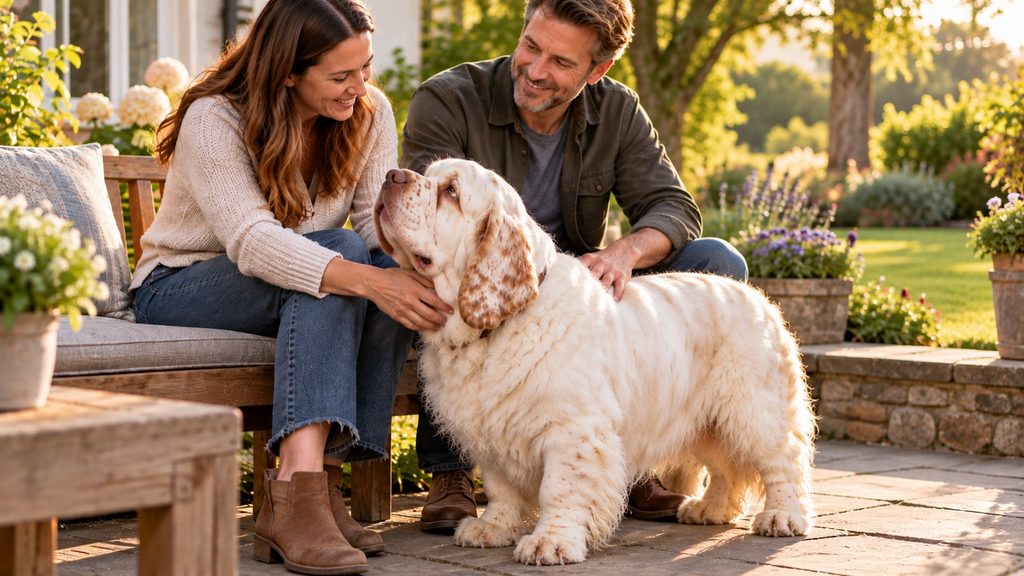
The Ideal Home for a Clumber Spaniel
Clumber Spaniels are best suited to households that enjoy a calm, affectionate companion and can provide regular walks, patient training, and plenty of family interaction. Owners should be comfortable with noticeable shedding, occasional drooling, and routine grooming. A securely fenced garden is helpful, although daily companionship and appropriate exercise matter more than property size alone. Because Clumbers are substantial dogs with potential orthopedic concerns, maintaining a healthy weight and providing comfortable flooring are important. Families who appreciate the breed’s gentle nature and deliberate pace often find it a particularly rewarding companion.
Clumber Spaniel Final Thoughts
The Clumber Spaniel is a remarkable sporting breed whose dignified appearance, gentle personality, and quiet sense of humor make it unlike almost any other dog. From its substantial, low-set body and beautiful white coat to its thoughtful expression and affectionate nature, the Clumber possesses a distinctive charm that has delighted enthusiasts for generations. Although its origins lie in the hunting estates of England, the qualities that once made it a dependable working companion now contribute to its appeal as a loyal and devoted family dog.
One of the breed’s greatest strengths is its ability to combine peaceful companionship with genuine enthusiasm for outdoor activities. A Clumber may spend a quiet afternoon resting beside its family before becoming completely absorbed in exploring a woodland trail or investigating an interesting scent. This balance makes it particularly appealing to owners who enjoy a relaxed lifestyle but still appreciate regular walks, purposeful activities, and time spent outdoors.
However, the Clumber Spaniel is not a low-maintenance breed. Its dense coat requires consistent brushing, shedding is considerable, and its substantial weight makes appropriate nutrition and exercise especially important. Responsible owners must also recognize the significance of inherited health conditions, including orthopedic, eye, spinal, and metabolic disorders. Choosing a carefully bred puppy or suitable rescue, arranging appropriate veterinary care, and maintaining healthy body condition are important responsibilities throughout the dog’s life.
Perhaps the most endearing aspect of the Clumber Spaniel is its personality. These dogs are often affectionate without being overwhelming, intelligent without always being immediately obedient, and playful in ways that can surprise people unfamiliar with the breed. Their occasional stubbornness is part of their individual character, and patient owners who appreciate their deliberate approach to life often develop especially rewarding relationships with them.
For families who value quiet companionship, consistency, and a dog that enjoys being included in everyday routines, the Clumber Spaniel can be an excellent choice. Its calm temperament may suit a variety of households, but its physical size, grooming requirements, and need for regular attention should always be considered carefully. The right owner is someone who appreciates the breed as it is rather than expecting it to behave like a smaller, faster, or more energetic spaniel.
Ultimately, the Clumber Spaniel offers something increasingly special: a combination of historic sporting ability, gentle devotion, individuality, and unmistakable character. For those prepared to understand its needs and provide thoughtful lifelong care, this affectionate, dignified dog can become a treasured companion whose loyalty, quiet humor, and loving presence enrich family life for many years.

Explore More Sporting Dog Breeds
The Clumber Spaniel belongs to the Sporting Group, alongside a fascinating variety of retrievers, pointers, setters, and other spaniels. Discover more loyal, intelligent, and energetic companions in our Sporting Dogs guide, where we explore their histories, personalities, exercise requirements, grooming needs, and suitability for family life.
American Kennel Club Breed Information
For additional information about the Clumber Spaniel, visit the American Kennel Club’s official Clumber Spaniel breed profile. This authoritative resource provides helpful information about the breed’s history, distinctive appearance, temperament, recognized standards, and traditional working role within the Sporting Group.