

Sporting Dogs
Sporting dogs were developed to work closely with hunters, helping locate, flush, point or retrieve game birds across fields, woodland, wetlands and open water. That history shaped a group known for athleticism, intelligence, trainability, stamina and a strong willingness to cooperate with people. Although many now live primarily as family companions, the instincts behind those original jobs still influence how they exercise, learn, play and interact with their owners. For many breeds, retrieving, scenting, swimming or searching remains deeply rewarding even when no hunting is involved.
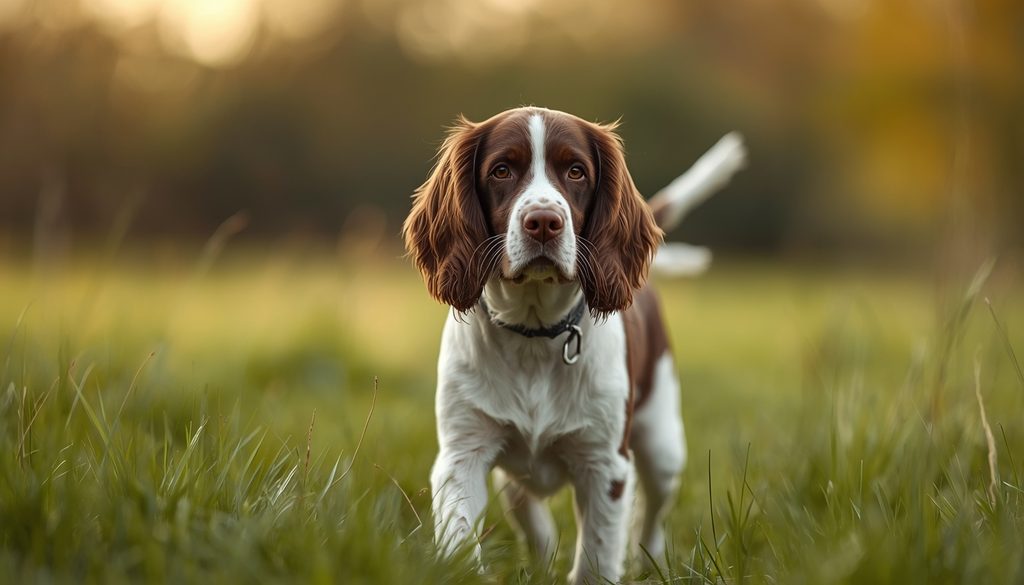
The modern Sporting Group includes retrievers, spaniels, pointers and setters, each developed for a different role. Retrievers were expected to recover shot birds, often from water, while spaniels typically worked closer to the hunter to locate and flush game. Pointers searched more widely and indicated the location of birds by holding a pointing stance, while setters historically located game and showed its position through a characteristic setting behavior.
Those roles required dogs to work cooperatively while still using considerable initiative. A sporting dog might need to follow scent through heavy cover, enter cold water without hesitation, remain steady while birds moved nearby, or search a large area before responding to direction from a handler. This combination of independence and cooperation helps explain why many modern Sporting breeds are both highly trainable and enthusiastic about having a task to perform.
These different jobs created considerable variety among today’s sporting dog breeds. A compact Cocker Spaniel looks very different from an Irish Setter or Chesapeake Bay Retriever, yet many members of the sporting group share several broad traits. They are often energetic, alert, people-oriented and responsive to training, with strong instincts for retrieving, scenting, searching or working alongside a handler.
Temperament can still vary considerably from one breed to another. Labrador and Golden Retrievers are widely known for their social, outgoing nature, while some pointers and setters may be more sensitive or independently minded. Spaniels frequently combine enthusiasm with close attention to their owners, although individual personality, breeding, socialization and training always play an important role. Understanding the original purpose of a particular breed can provide useful clues about the behaviors an owner may see at home.
Many Sporting breeds are also highly active. Dogs developed to cover ground, swim through cold water or spend hours working in the field generally benefit from regular physical exercise and mental stimulation. Fetching, swimming, scent work, training games and varied outdoor walks can all provide useful outlets for those natural abilities. Simply providing a backyard may not be enough for a young, energetic dog that has been bred for sustained activity and interaction.
Mental engagement is particularly important. Many Sporting dogs enjoy learning new skills and can become restless when their days lack variety or purpose. Training does not need to be complicated: retrieving games, searching for hidden objects, practicing recall, learning directional cues or working through simple scent challenges can all help satisfy a dog that enjoys using both its body and brain.
Their close working relationship with people can make Sporting breeds especially rewarding companions. Many thrive on human interaction and enjoy being included in family activities, walks, trips and training sessions. That sociability can also mean some dogs find prolonged isolation difficult, so prospective owners should consider how much companionship and daily involvement they can realistically provide.
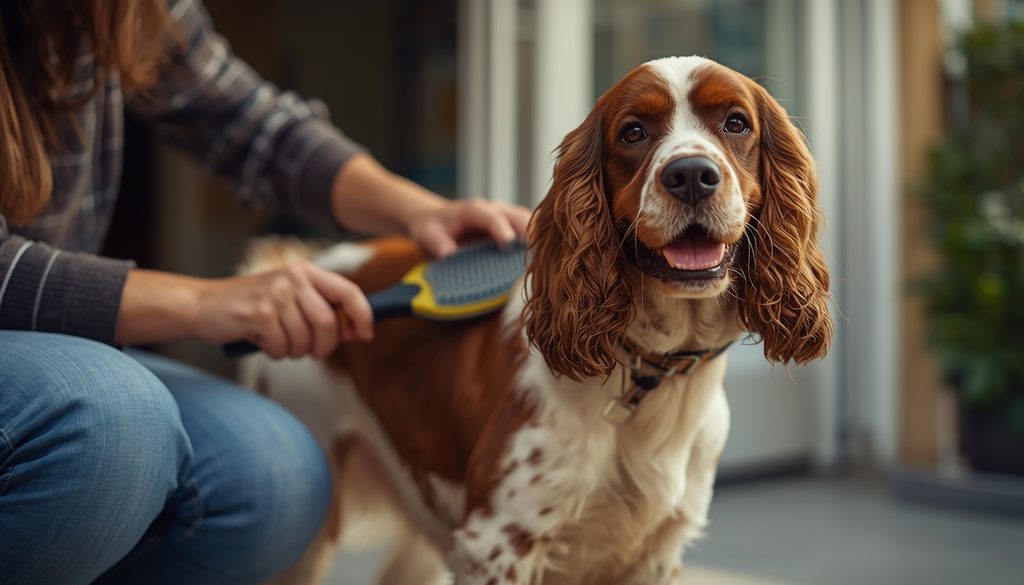
Coat care varies considerably across the group. Some pointers and retrievers have relatively straightforward short coats, while setters and spaniels may require more brushing, feathering care and attention around the ears. Dogs that swim regularly or explore woodland and long grass also need routine checks for debris, skin irritation, ear problems and parasites.
The term “sporting” can sometimes sound recreational, but these dogs were originally purposeful working partners. Many were traditionally known as bird dogs or gun dogs, and their success depended on stamina, scenting ability, concentration and cooperation with people. Those qualities remain part of what makes the group so distinctive today.
Explore the sporting breeds below to compare their temperament, size, exercise needs, training, grooming, health and suitability for different homes. Understanding whether a breed was developed to point, set, flush or retrieve provides one of the clearest explanations for the instincts and behaviors that may still shape everyday life with that dog.

Table of Contents
Sporting Dogs: Fast Facts
Breed Group: Sporting
Main Types: Retrievers, Spaniels, Pointers & Setters
Size Range: Small to Large
Weight Range: Roughly 20–100+ lb
Height Range: Roughly 14–27+ in
Typical Lifespan: About 10–15+ years
Coat Types: Short, Medium, Long, Feathered & Water-Resistant
Shedding: Low to High
Exercise Needs: Moderate to High
Training Difficulty: Easy to Moderate
Original Purpose: Finding, Flushing, Pointing & Retrieving Game Birds
Best Known For: Athleticism, Trainability, Scenting & Cooperation
Sporting Dogs: Star Ratings
Family Friendly: ★★★★★
Child Friendly: ★★★★☆
Dog Friendly: ★★★★☆
Other Pet Friendly: ★★★★☆
Trainability: ★★★★★
Exercise Needs: ★★★★★
Grooming Needs: ★★★☆☆
Shedding Level: ★★★☆☆
Vocal Tendency: ★★★☆☆
Protective Instinct: ★★☆☆☆
Apartment Suitability: ★★★☆☆
First-Time Owner Suitability: ★★★★☆
These facts and ratings represent broad tendencies across the Sporting Group. Individual breeds can vary considerably in size, temperament, exercise needs, grooming requirements, trainability and suitability for different homes.
Explore Sporting Dog Breeds
The sporting dog breeds include some of the most familiar and versatile dogs in the canine world. The Sporting Group is traditionally divided among retrievers, spaniels, pointers and setters. These dogs were developed to work closely with hunters, but the way they performed that work varied considerably. Some searched open country for game birds, others flushed birds from dense cover, and retrievers specialized in bringing fallen birds back from land or water.
That variety means the sporting group dogs should not be treated as though they all have identical needs. A Labrador Retriever, English Springer Spaniel, German Shorthaired Pointer and Irish Setter may share a broad working heritage, yet they differ considerably in size, coat care, energy, hunting style and everyday temperament. Some are highly enthusiastic swimmers, while others were shaped more strongly by upland field work.
Many of these breeds fall within the traditional world of gun dog breeds, where close cooperation with a handler was essential. Retrievers needed to mark where birds fell and return them gently, flushing spaniels worked through cover within practical range of the hunter, and pointers and setters searched for game before indicating its location.
The group also contains considerable variation in working style. Some breeds were expected to range widely and cover ground at speed, while others stayed closer to the handler and worked methodically through vegetation. Water-retrieving breeds needed confidence, swimming ability and weather-resistant coats, while dogs developed for upland work required endurance, agility and a strong nose. These differences still help explain why two Sporting breeds of similar size can feel very different to live with.
Modern family life has also broadened the role of the typical sporting dog. Many now spend more time hiking, swimming, retrieving toys, taking part in obedience or simply joining active family routines than working in the field. Even so, generations of selective breeding have left many with strong instincts to carry objects, search with their noses, chase movement or remain closely engaged with people.
Those original roles remain useful when choosing between the different sporting breeds of dogs today. A highly driven pointing breed may suit an owner who enjoys running, hiking and structured training, while some spaniels or retrievers may fit more comfortably into a moderately active family routine. Individual breeding lines also matter: dogs bred primarily for field performance can sometimes be noticeably more intense than those developed mainly for companionship or conformation.
Use the sporting dogs list below to explore the individual CanineBase breed guides. Each breed page looks beyond appearance to cover temperament, family life, exercise, training, grooming, feeding, health, lifespan and what living with that particular Sporting breed is really like.
American Water Spaniel

Versatile, energetic and affectionate, the American Water Spaniel is a compact Sporting breed developed in the United States for retrieving and flushing game from both land and water. Intelligent and eager to work, it thrives with regular exercise, consistent training and plenty of involvement in family life.
Barbet
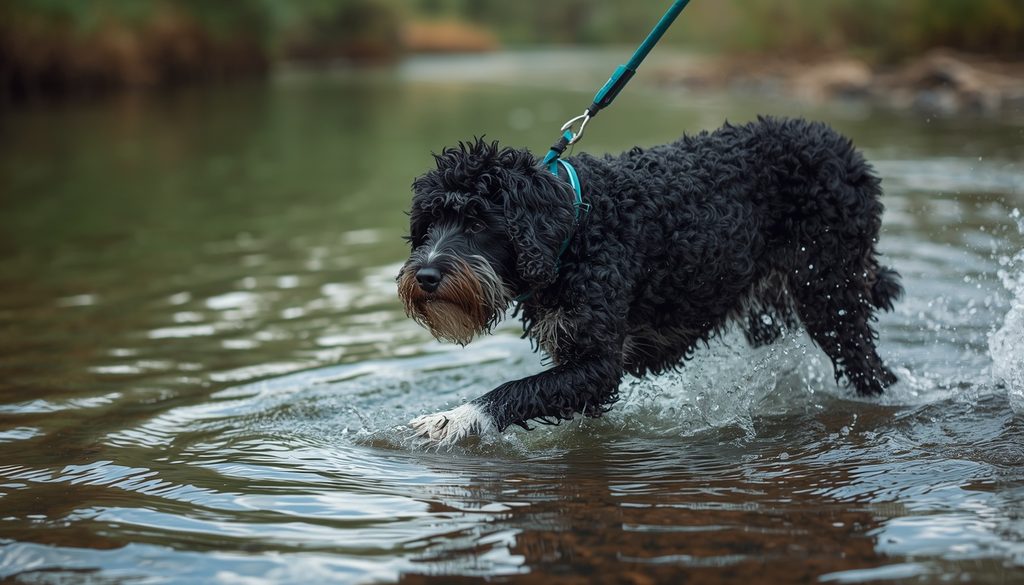
Friendly, intelligent and versatile, the Barbet is a French Sporting breed known for its dense curly coat, strong swimming ability and history as a water dog. Affectionate and eager to participate, it benefits from regular exercise, consistent training and plenty of companionship.
Boykin Spaniel
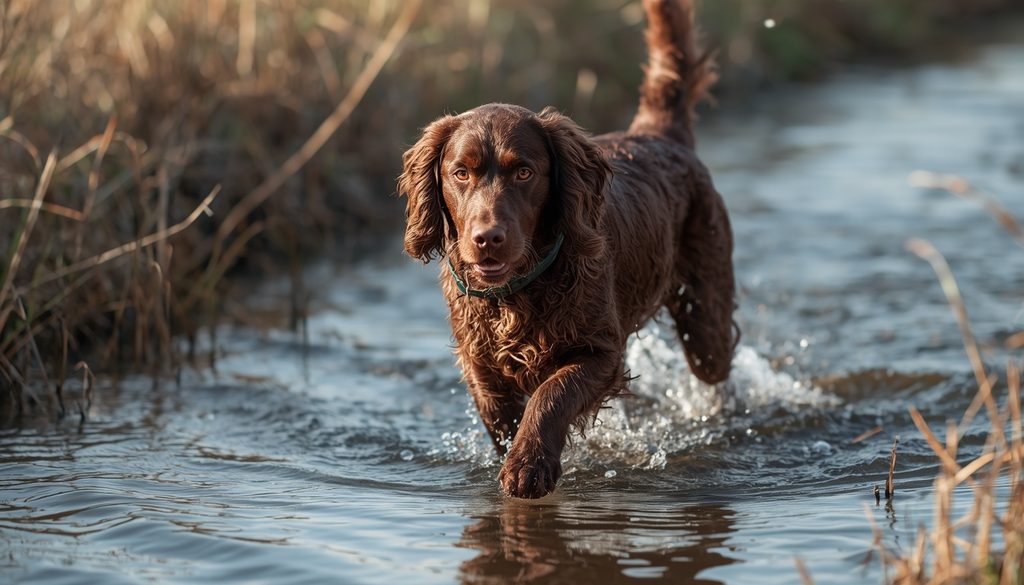
Energetic, friendly and eager to work, the Boykin Spaniel is a medium-sized American Sporting breed developed for flushing and retrieving game, particularly in wetland environments. Affectionate and responsive, it benefits from regular exercise, consistent training and plenty of opportunities to stay active with its family.
Bracco Italiano
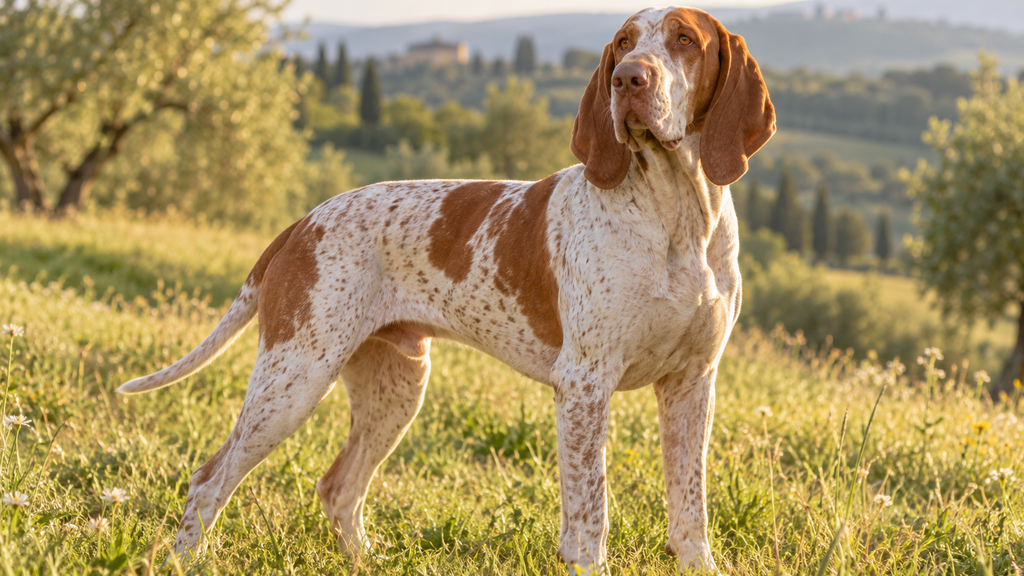
Powerful, affectionate and distinctive, the Bracco Italiano is a large Italian Sporting breed developed as a versatile pointing dog. Known for its long ears, strong scenting ability and steady working style, it benefits from regular exercise, patient training and close involvement with its family.
Brittany
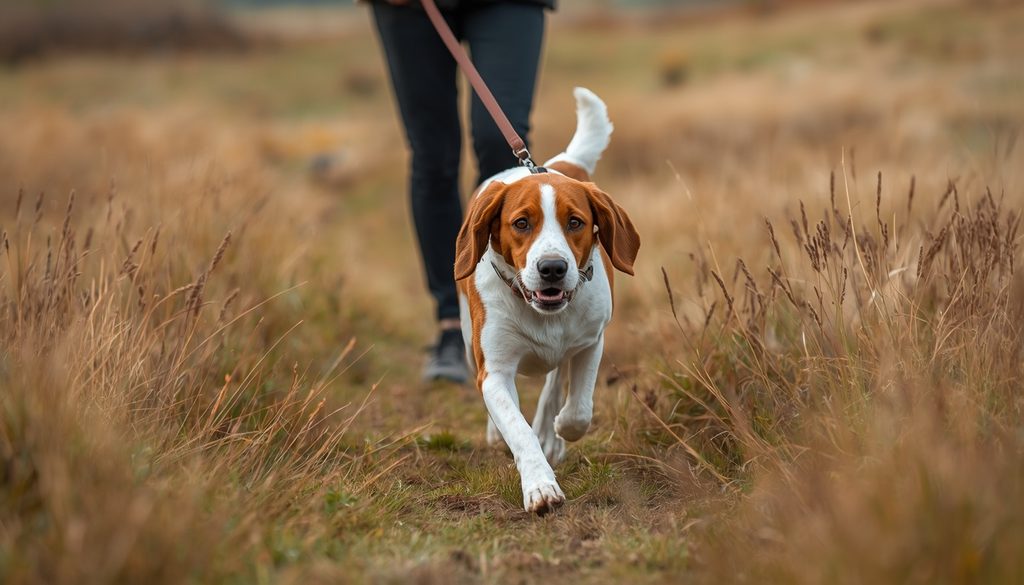
Friendly, energetic and highly trainable, the Brittany is a lively French Sporting breed developed for bird work in the field. Agile and eager to please, it thrives with regular exercise, consistent training and plenty of opportunities to stay active with its people.
Chesapeake Bay Retriever
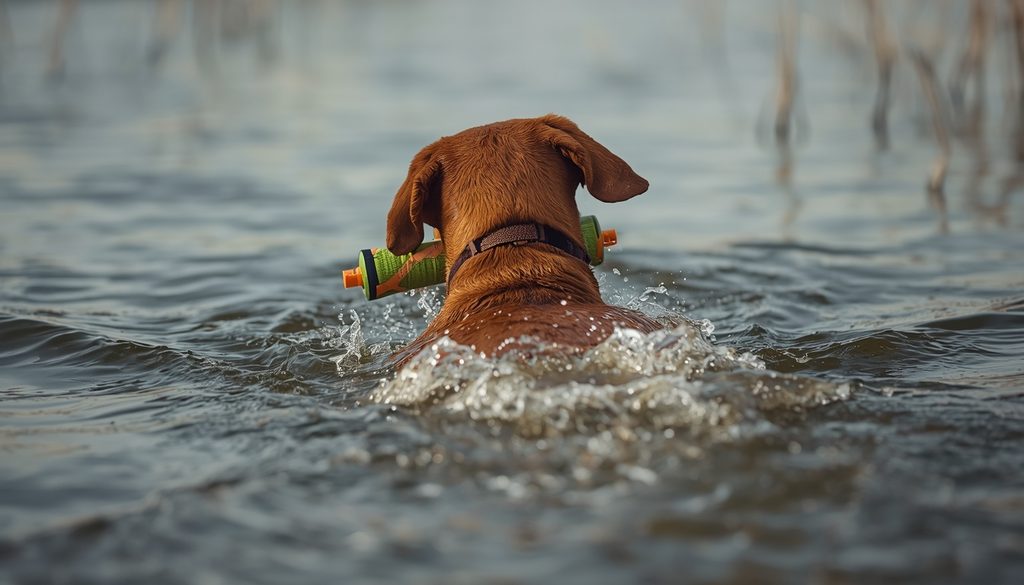
Powerful, intelligent and hardworking, the Chesapeake Bay Retriever is an American Sporting breed developed for retrieving waterfowl in demanding conditions. With a dense water-resistant coat, strong swimming ability and determined nature, it benefits from regular exercise and consistent training.
Clumber Spaniel
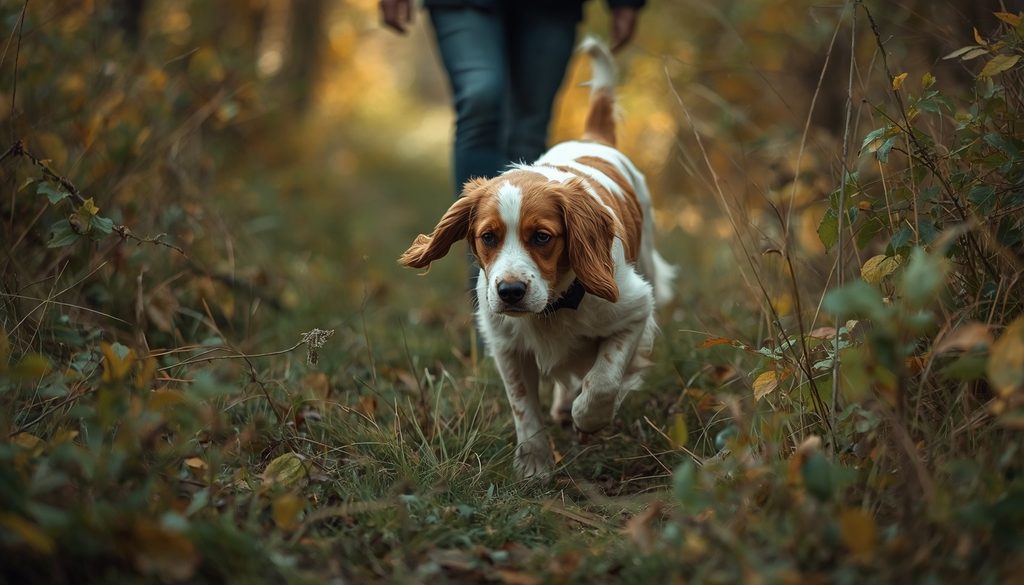
Calm, sturdy and affectionate, the Clumber Spaniel is a substantial Sporting breed known for its heavy build, deliberate working style and distinctive white coat with lemon or orange markings. Originally developed as a flushing spaniel, it works steadily through dense cover and benefits from regular exercise, patient training and close companionship.
Cocker Spaniel
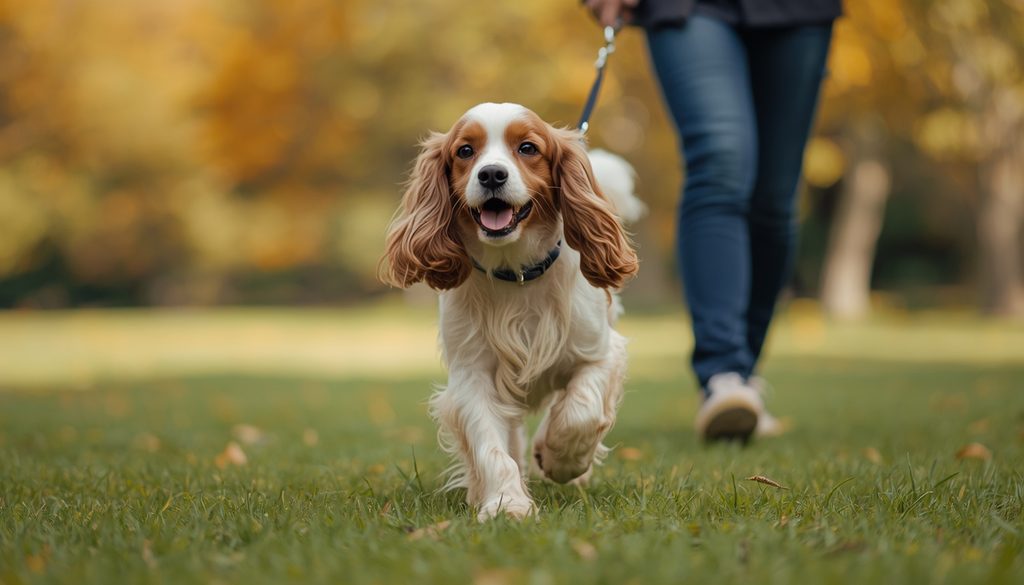
Cheerful, affectionate and lively, the Cocker Spaniel is a compact Sporting breed known for its long feathered ears, silky coat and friendly nature. Originally developed for flushing and retrieving game, it enjoys regular exercise, consistent training and plenty of close involvement in family life.
Curly-Coated Retriever

Confident, energetic and intelligent, the Curly-Coated Retriever is a distinctive Sporting breed known for its tight curly coat, strong swimming ability and versatile retrieving skills. Independent but affectionate with its family, it benefits from regular exercise, consistent training and plenty of purposeful activity.
English Cocker Spaniel
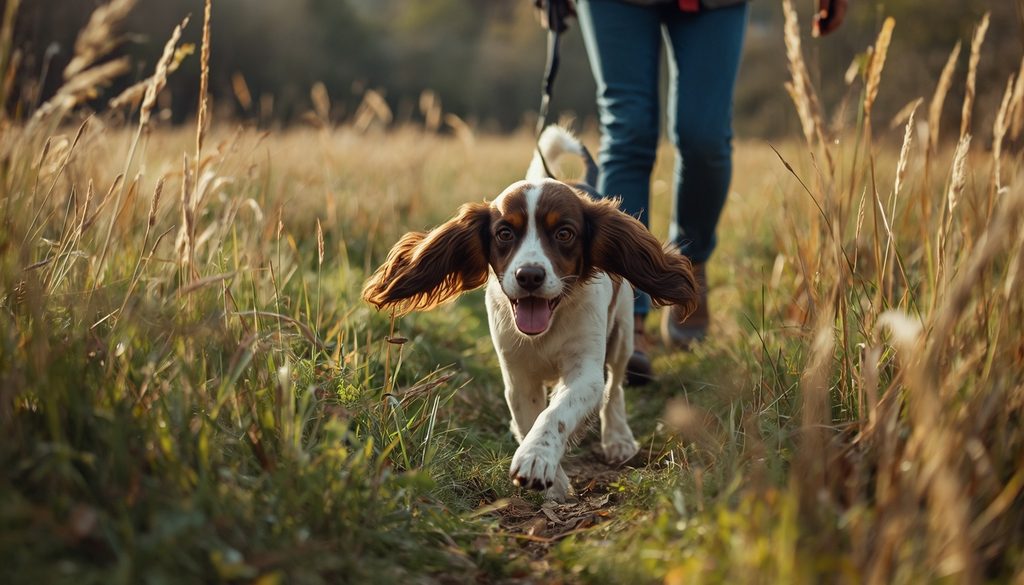
Energetic, affectionate and eager to work, the English Cocker Spaniel is a compact Sporting breed known for its lively temperament, strong scenting ability and traditional role flushing game from cover. Responsive and people-oriented, it benefits from regular exercise, consistent training and plenty of close involvement with its family.
English Setter
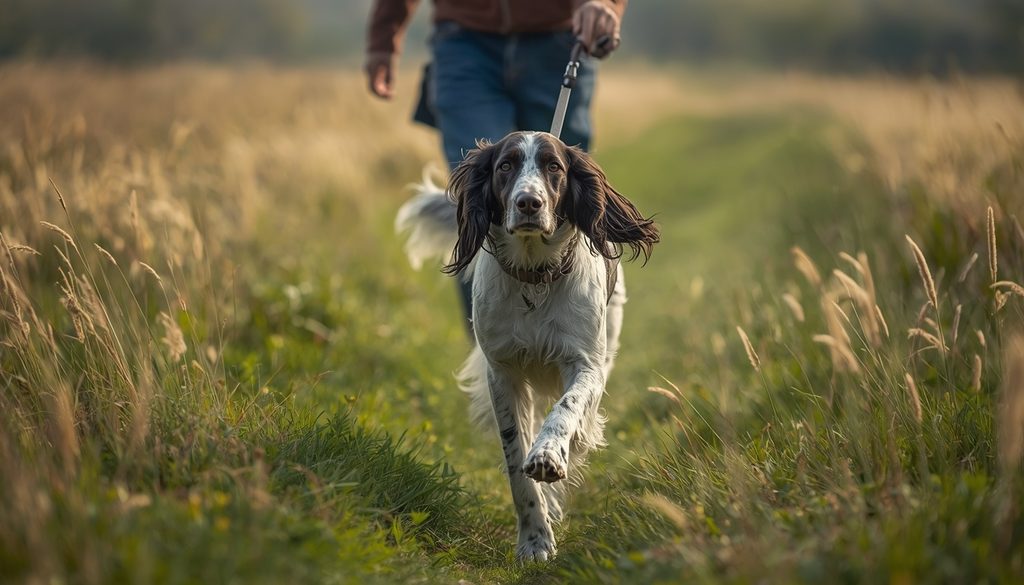
Gentle, elegant and energetic, the English Setter is a graceful Sporting breed known for its beautiful feathered coat, friendly temperament and traditional role as a bird dog. Affectionate and people-oriented, it benefits from regular exercise, patient training and plenty of companionship.
English Springer Spaniel
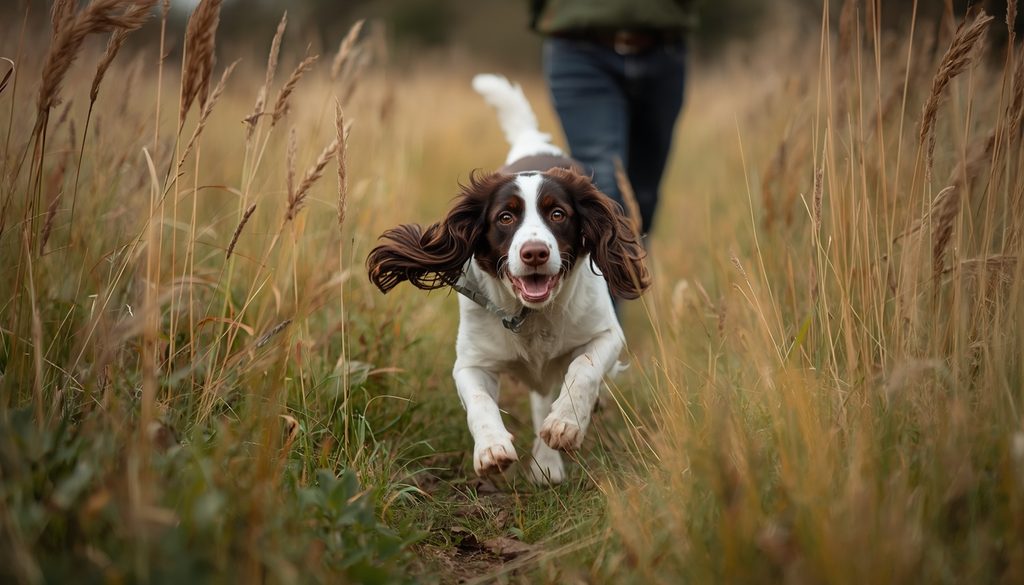
Energetic, friendly and highly trainable, the English Springer Spaniel is a versatile Sporting breed known for its enthusiasm, strong scenting ability and traditional role flushing game from cover. Affectionate and eager to work, it benefits from regular exercise, consistent training and plenty of close involvement with its family.
Field Spaniel
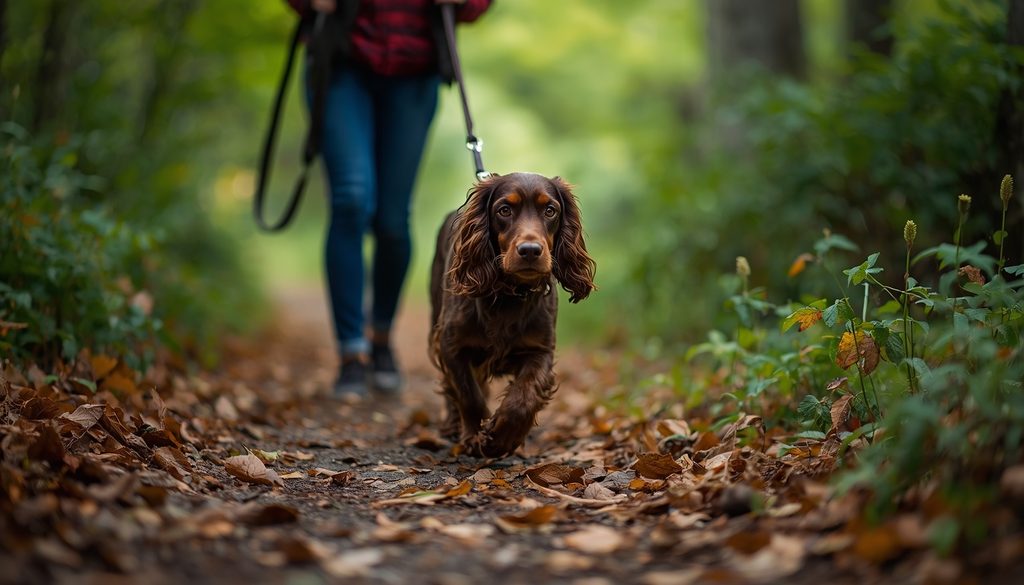
Gentle, sensitive and affectionate, the Field Spaniel is a medium-sized Sporting breed known for its long silky coat, thoughtful temperament and traditional flushing heritage. Calm but active, it benefits from regular exercise, patient training and plenty of close companionship.
Flat-Coated Retriever
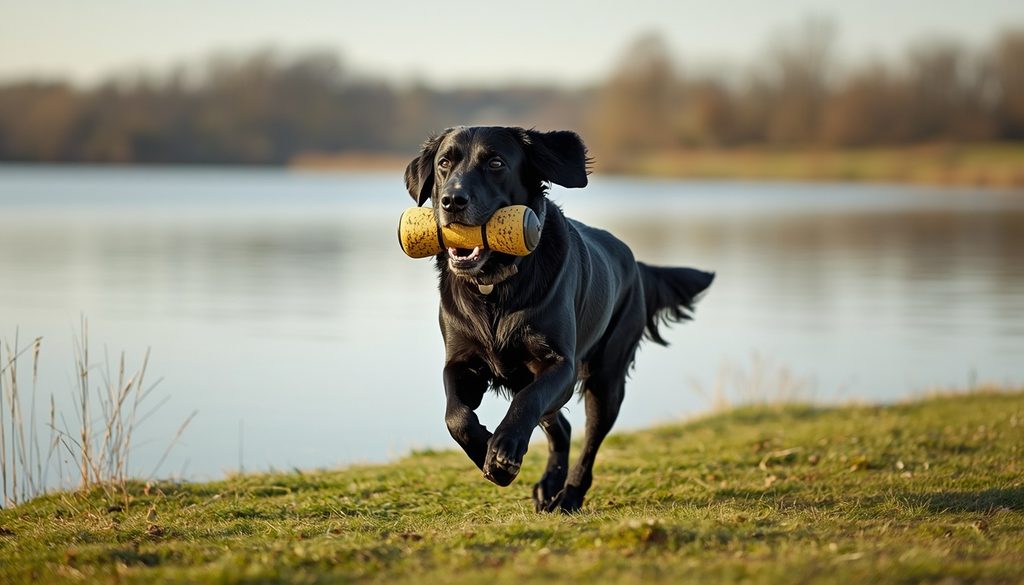
Cheerful, energetic and sociable, the Flat-Coated Retriever is an athletic Sporting breed known for its glossy coat, enthusiastic temperament and strong retrieving ability. Affectionate and eager to participate, it benefits from regular exercise, consistent training and plenty of active time with its family.
German Shorthaired Pointer
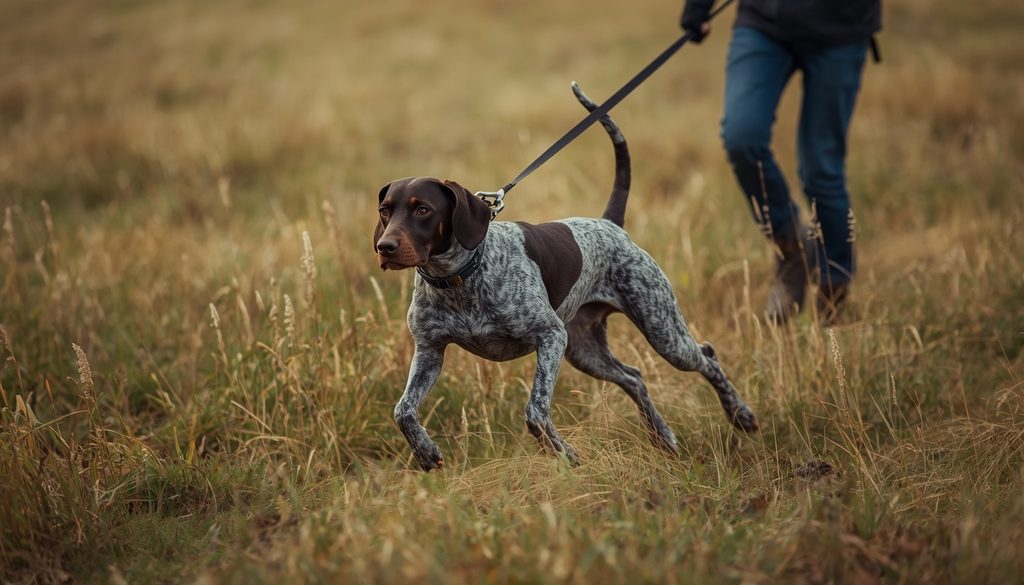
Athletic, intelligent and energetic, the German Shorthaired Pointer is a versatile Sporting breed known for its speed, stamina, strong scenting ability and close working relationship with people. Highly active and eager to learn, it benefits from substantial daily exercise, consistent training and plenty of mental stimulation.
German Wirehaired Pointer

Strong, intelligent and versatile, the German Wirehaired Pointer is an athletic Sporting breed known for its harsh weather-resistant coat, strong scenting ability and determination in the field. Energetic and closely bonded to its people, it benefits from substantial exercise, consistent training and regular mental stimulation.
Golden Retriever

Friendly, intelligent and highly trainable, the Golden Retriever is a versatile Sporting breed known for its gentle temperament, strong retrieving instinct and enthusiasm for working closely with people. Active and affectionate, it benefits from regular exercise, consistent training and plenty of family involvement.
Gordon Setter
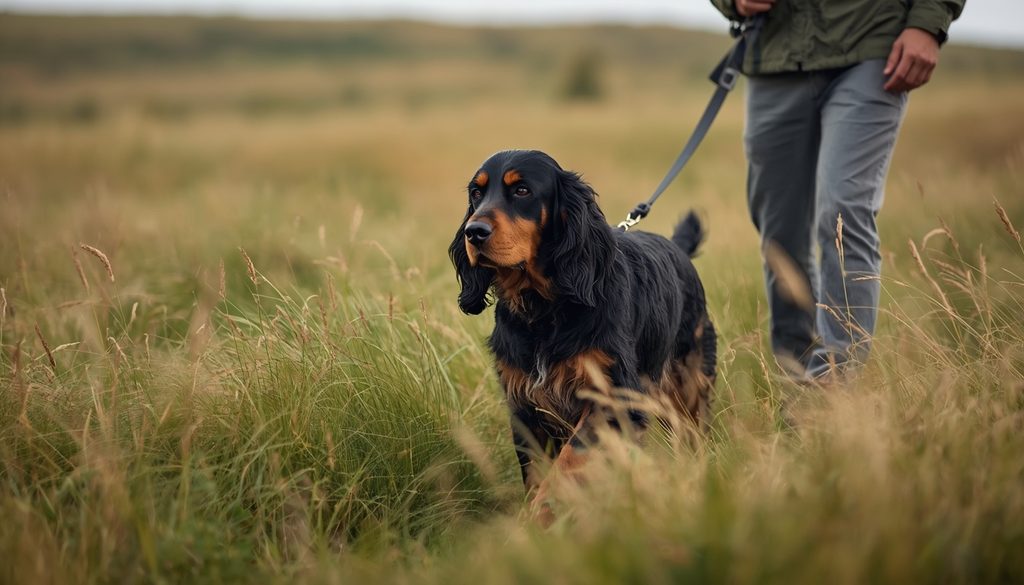
Loyal, intelligent and energetic, the Gordon Setter is a substantial Sporting breed known for its striking black-and-tan coat, strong scenting ability and steady field work. Affectionate and devoted to its family, it benefits from regular exercise, patient training and plenty of companionship.
Irish Red and White Setter

Energetic, affectionate and athletic, the Irish Red and White Setter is a distinctive Sporting breed known for its striking coat, strong scenting ability and enthusiastic field work. Friendly and people-oriented, it benefits from regular exercise, patient training and plenty of active time with its family.
Irish Setter
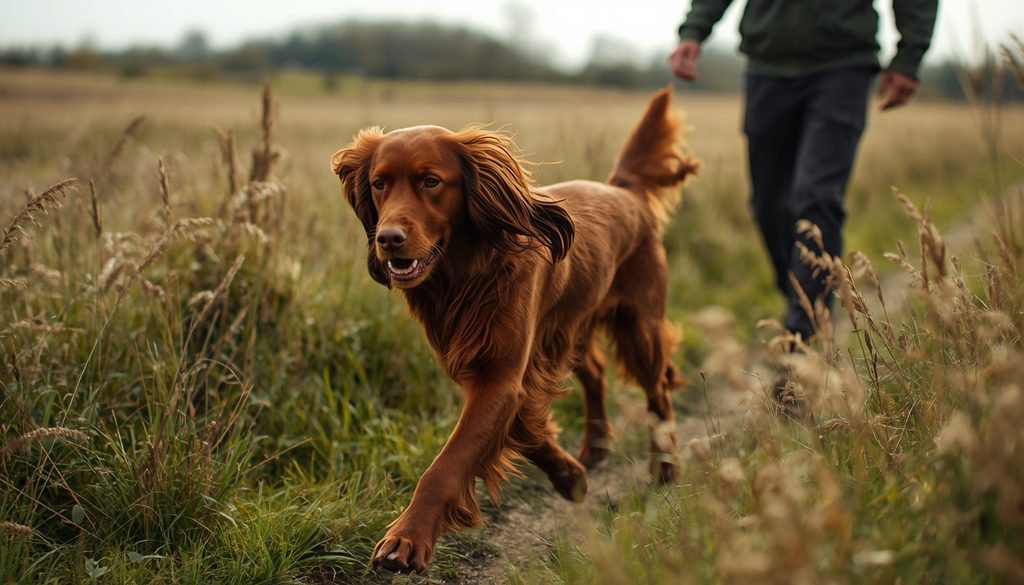
Energetic, affectionate and outgoing, the Irish Setter is a graceful Sporting breed known for its rich red coat, athletic build and enthusiastic personality. Friendly and people-oriented, it benefits from regular exercise, patient training and plenty of active involvement with its family.
Irish Water Spaniel
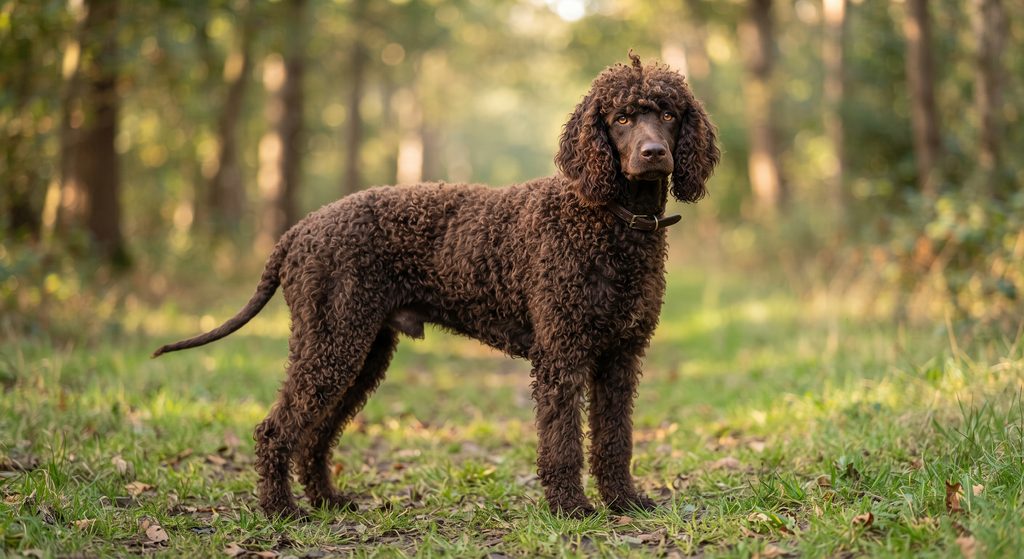
Energetic, intelligent and distinctive, the Irish Water Spaniel is an athletic Sporting breed known for its tightly curled coat, strong swimming ability and versatile retrieving skills. Lively and people-oriented, it benefits from regular exercise, consistent training and plenty of opportunities for purposeful activity.
Labrador Retriever
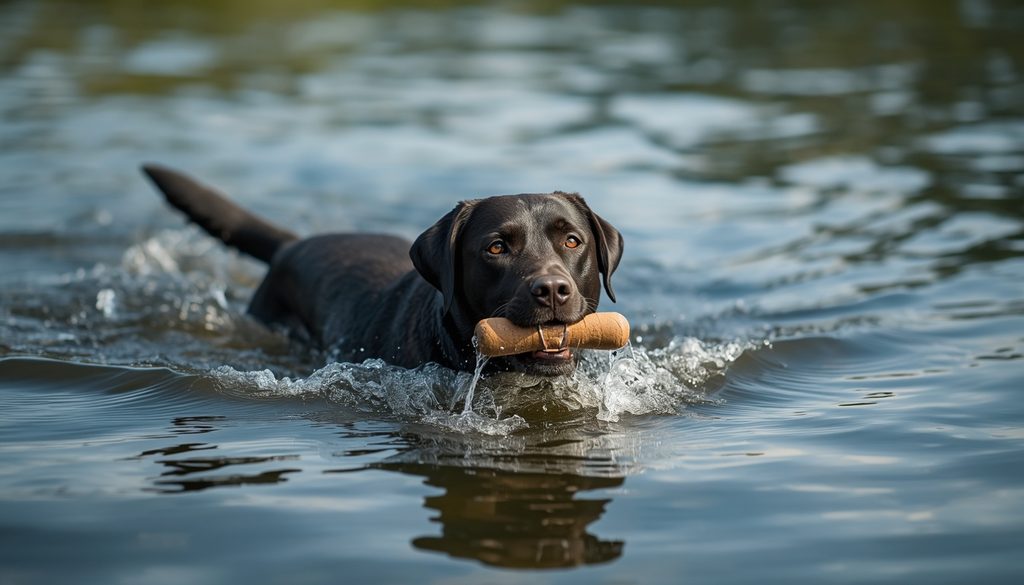
Friendly, intelligent and highly trainable, the Labrador Retriever is a versatile Sporting breed known for its strong retrieving instinct, love of water and close working relationship with people. Energetic and adaptable, it benefits from regular exercise, consistent training and plenty of involvement in family life.
Lagotto Romagnolo
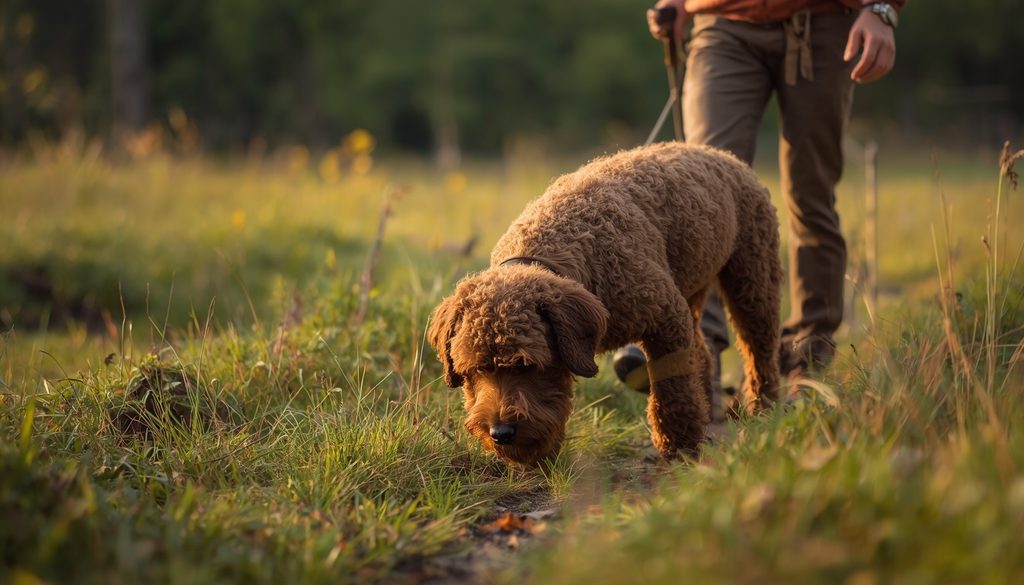
Intelligent, energetic and affectionate, the Lagotto Romagnolo is a compact Italian Sporting breed known for its dense curly coat, strong scenting ability and history as both a water retriever and truffle-searching dog. Eager to work and closely bonded to its family, it benefits from regular exercise, consistent training and plenty of mental stimulation.
Nederlandse Kooikerhondje

Cheerful, agile and intelligent, the Nederlandse Kooikerhondje is a small Dutch Sporting breed known for its distinctive orange-and-white coat, lively expression and history as a duck-decoy dog. Affectionate and alert, it benefits from regular exercise, consistent training and close involvement in family life.
Duck Tolling Retriever
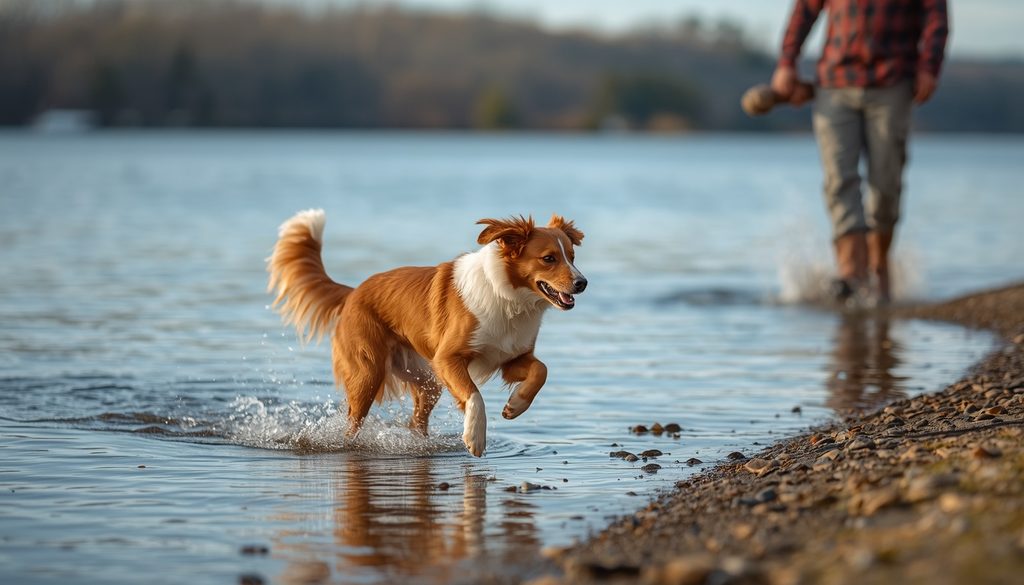
Energetic, intelligent and highly responsive, the Nova Scotia Duck Tolling Retriever is a medium-sized Canadian Sporting breed developed to lure and retrieve waterfowl. Agile and enthusiastic, it benefits from regular exercise, consistent training and plenty of mentally engaging activity.
Pointer
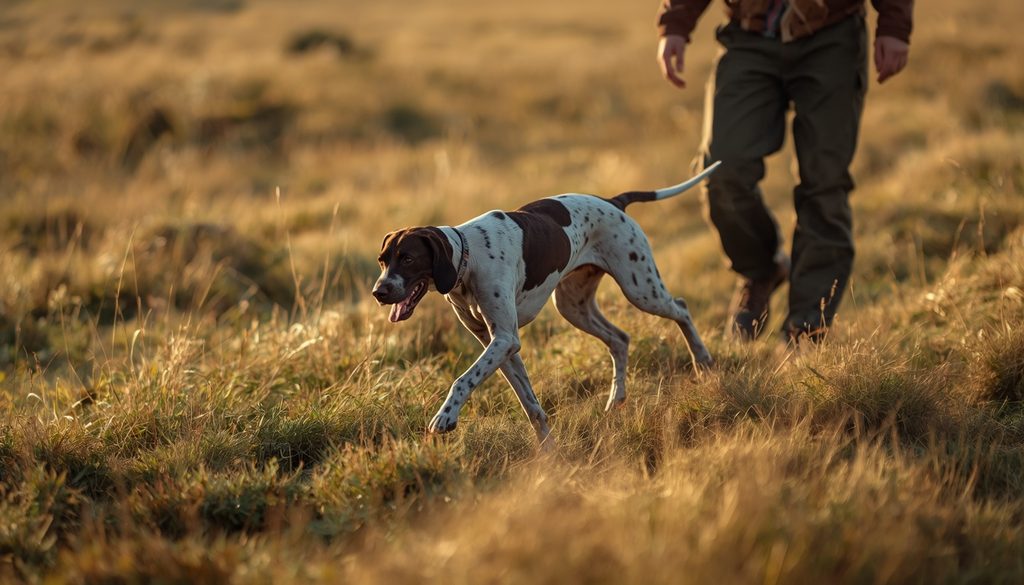
Athletic, alert and energetic, the Pointer is a classic Sporting breed known for its speed, stamina and distinctive ability to indicate the location of game by holding a steady pointing stance. Responsive and active, it benefits from substantial exercise, consistent training and plenty of opportunities to work its body and mind.
Spinone Italiano

Gentle, patient and versatile, the Spinone Italiano is a substantial Italian Sporting breed known for its wiry coat, strong scenting ability and steady working style. Affectionate and cooperative, it benefits from regular exercise, patient training and plenty of close involvement with its family.
Sussex Spaniel

Steady, affectionate and distinctive, the Sussex Spaniel is a low-set Sporting breed known for its rich golden-liver coat, deliberate working style and traditional role flushing game from dense cover. Friendly and devoted, it benefits from regular exercise, patient training and plenty of companionship.
Vizsla
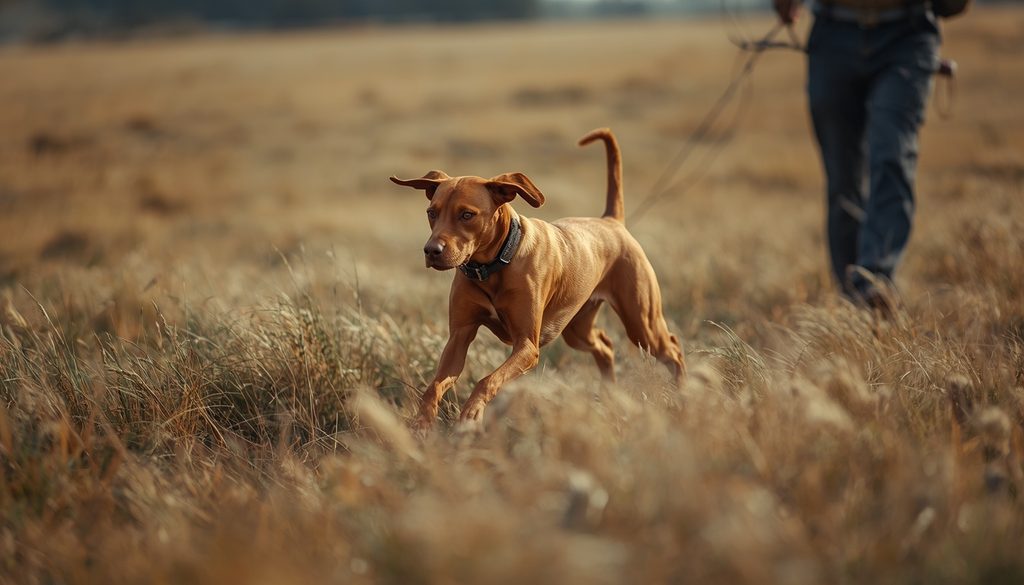
Energetic, affectionate and highly people-oriented, the Vizsla is an athletic Hungarian Sporting breed known for its sleek rust-colored coat, strong scenting ability and close working relationship with its handler. Sensitive and eager to please, it benefits from substantial daily exercise, consistent training and plenty of companionship.
Weimaraner

Athletic, intelligent and energetic, the Weimaraner is a distinctive German Sporting breed known for its sleek silver-gray coat, strong scenting ability and close bond with its people. Active and responsive, it benefits from substantial daily exercise, consistent training and plenty of mental stimulation.
Welsh Springer Spaniel

Energetic, affectionate and dependable, the Welsh Springer Spaniel is a medium-sized Sporting breed known for its distinctive red-and-white coat, strong scenting ability and traditional flushing work. Loyal and people-oriented, it benefits from regular exercise, consistent training and plenty of close family involvement.
Wirehaired Pointing Griffon
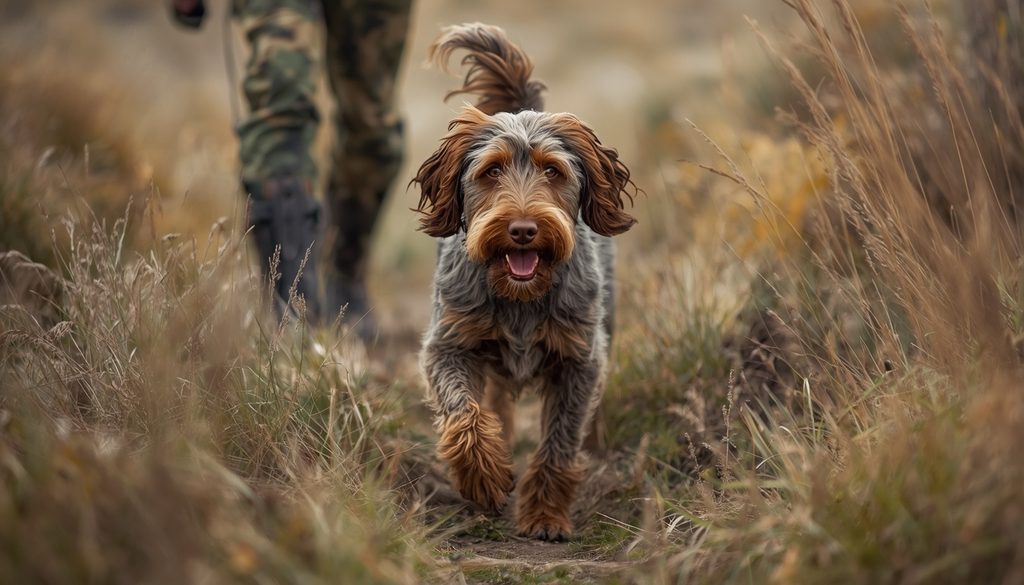
Hardworking, intelligent and friendly, the Wirehaired Pointing Griffon is a versatile Sporting breed known for its harsh weather-resistant coat, strong scenting ability and close cooperation with its handler. Energetic and affectionate, it benefits from regular exercise, consistent training and plenty of mentally engaging activity.
Wirehaired Vizsla

Athletic, affectionate and versatile, the Wirehaired Vizsla is a Hungarian Sporting breed known for its wiry golden-rust coat, strong scenting ability and close working relationship with its handler. Energetic and responsive, it benefits from substantial exercise, consistent training and plenty of mental stimulation.
What Makes the Sporting Group Different?
A useful way to understand what is a sporting dog is to look at the work these breeds were originally developed to perform. Unlike dogs bred primarily for guarding property, herding livestock or pursuing large game, Sporting breeds were created to work closely with hunters searching for and recovering game birds. Their jobs demanded athleticism, concentration, scenting ability and a willingness to cooperate with people.
That close working relationship is one of the defining characteristics of dogs in sporting group classifications. Many needed to respond readily to direction while also using their own instincts to search terrain, locate birds or remember where fallen game had landed. A capable Sporting dog therefore required a useful balance of independence and responsiveness: enough initiative to perform its job effectively, but enough cooperation to remain connected to the handler.
The group is traditionally divided into retrievers, spaniels, pointers and setters. Retrievers specialized in recovering fallen birds and returning them carefully to the hunter, sometimes after swimming through cold or difficult water. Spaniels generally worked closer to the handler, searching vegetation and flushing birds from cover. Pointers located birds through scent and indicated their position by holding a characteristic pointing stance, while setters historically searched for birds and showed their location through a distinctive setting behavior.
These different jobs produced considerable variation within the Sporting Group. Some breeds were developed to cover large areas of open country at speed, while others worked methodically through thick vegetation. Water-retrieving breeds often developed dense or water-resistant coats, strong swimming ability and considerable physical endurance. Dogs working upland country needed stamina, agility and an exceptional nose. In every case, the ability to continue working while remaining responsive to human direction was highly valued.
Those traits remain evident even in dogs that have never participated in hunting. Retrieving toys, carrying objects around the house, searching with the nose, showing intense interest in birds, splashing enthusiastically into water or ranging ahead on a walk can all reflect instincts shaped through generations of selective breeding.
This is also why Sporting breeds can differ so much from one another despite belonging to the same group. A Labrador Retriever may be strongly motivated by carrying and retrieving, while a Pointer may naturally scan open ground and investigate scent. A spaniel may prefer working closer to its owner and exploring cover, while a setter may be more inclined to range across a larger area.
Understanding those original jobs provides one of the clearest explanations for modern Sporting-dog behavior. These breeds were not simply developed to be active; they were bred to use their bodies, noses and minds while cooperating with people. For many modern owners, providing suitable outlets for those instincts is an important part of helping a Sporting dog remain settled, engaged and enjoyable to live with.

Sporting Dog Breeds and Their Jobs
The Sporting Group contains several distinct working styles, each shaped by the type of bird hunting a dog was expected to perform. Understanding these original roles helps explain why modern Sporting breeds can behave so differently even when they share similar levels of energy, intelligence and trainability.
Retrievers were developed to recover birds after they had been shot, often working across water as well as land. Labrador Retrievers, Golden Retrievers, Chesapeake Bay Retrievers and other retrieving breeds needed to remember where birds had fallen, swim confidently when required and return game carefully to the handler. Many of today’s duck hunting dogs descend from dogs selected for exactly this combination of retrieving instinct, swimming ability and cooperation.
Spaniels generally worked closer to the hunter. Their job was to search through grass, brush and dense vegetation before flushing hidden birds into the air. English Springer Spaniels, English Cocker Spaniels and several related breeds remain excellent examples of traditional spaniel hunting dogs. Their tendency to investigate cover, follow scent closely and move enthusiastically through vegetation often remains obvious even in family pets.
Pointers perform a different task. Rather than flushing a bird immediately, they use scent to locate game and then stop in a distinctive stance that indicates its position. Breeds such as the Pointer, German Shorthaired Pointer, Vizsla and Weimaraner developed strong searching ability along with the instinct to freeze or “point” when they detect game. These pointing hunting dogs were especially valuable across open country where hunters needed a dog capable of searching substantial areas efficiently.
Setters perform a closely related role. English Setters, Gordon Setters and Irish Setters search for game birds and indicate their location through a characteristic setting behavior. Historically, this allowed hunters to approach birds before nets or firearms were used. Modern setters are generally more upright in their working style, but their strong scenting ability and desire to range across open country remain important characteristics.
Together, retrievers, spaniels, pointers and setters make up many of the traditional types of gun dogs. Within those categories there is considerable variety. Some dogs specialize in wetland and waterfowl work, while others are particularly suited to pheasant, quail, grouse and other upland birds. The search phrase bird dogs breeds often appears alongside bird dog types, because both are commonly used when people compare sporting breeds developed for different styles of bird work.
The original job of a breed can still offer useful clues for modern owners. A retriever may be happiest carrying and fetching, a spaniel may constantly explore vegetation, and a pointer may naturally range farther ahead and become intensely focused on scent. These behaviors are not random quirks. They reflect generations of selection for specific working abilities and help explain why appropriate exercise and mentally engaging activities are so important for many Sporting dogs.
Four Traditional Sporting Roles
Retrievers recover fallen birds, spaniels search cover and flush game, pointers locate birds and indicate their position, and setters traditionally locate birds through a characteristic setting behavior. These roles required different combinations of scenting ability, speed, stamina, swimming ability and cooperation with a handler. Modern Sporting dogs may never work in the field, but many still display behaviors connected to those original jobs. Knowing whether a breed was primarily developed to retrieve, flush, point or set can help owners choose exercise, games and training activities that suit its natural instincts.
Sporting Dog Size, Appearance and Physical Characteristics
Sporting dogs vary considerably in size and appearance because the group contains breeds developed for very different terrain, climates and working roles. There is no single Sporting-dog body type. Instead, physical structure often reflects what a breed needed to do in the field, whether that meant swimming through cold water, pushing through dense cover or covering large areas of open countryside.
At the smaller end of the group are compact spaniels such as the Cocker Spaniel, while larger breeds such as the Chesapeake Bay Retriever, Irish Setter and Gordon Setter have considerably more height and substance. Many Sporting breeds fall somewhere in the medium-to-large range, with athletic bodies designed for sustained activity rather than extreme bulk. Even heavier dogs such as the Clumber Spaniel were developed for purposeful movement, although their working style is slower and more deliberate than that of a Pointer or Vizsla.
Coat type also varies dramatically. Labrador Retrievers and German Shorthaired Pointers have relatively short coats, while Golden Retrievers, setters and many spaniels carry longer hair or feathering. Wirehaired breeds such as the German Wirehaired Pointer and Wirehaired Pointing Griffon developed harsher outer coats that offered protection from vegetation and difficult weather. Curly-coated water workers, including the Irish Water Spaniel and Curly-Coated Retriever, have another distinctive coat type altogether.
Water-working breeds often possess physical features suited to swimming and exposure to wet conditions. Dense double coats, water-resistant outer hair, strong hindquarters and efficient movement can all help a dog work comfortably in lakes, rivers or marshes. Dogs developed mainly for open-country bird work are often lighter and more streamlined, with long legs and an efficient stride that allows them to cover substantial ground.
Head shape and ear type differ as well. Many spaniels and setters have long, hanging ears, while pointers and retrievers tend to show a wide range of head proportions depending on breed. Some Sporting dogs have relatively refined outlines, while others are sturdier and more substantial. These differences are not merely cosmetic; many reflect generations of selection for particular environments and styles of work.
Color and markings also contribute to the group’s diversity. Sporting breeds can be solid black, liver, red, golden or cream, while others appear in parti-color, roan, ticking or patterned coats. Some markings originally helped hunters distinguish dogs at a distance or made them easier to see against particular terrain. Today, those same colors are often among the features owners notice first, but they should never overshadow temperament, health, activity level and working drive when choosing a breed.
Physical maturity can also differ noticeably between breeds. Some smaller spaniels reach their adult proportions relatively quickly, while larger retrievers and setters may continue filling out for considerably longer. Young Sporting dogs can sometimes look lean, leggy or slightly unbalanced while growing, especially during adolescence. Owners should focus on steady development and healthy body condition rather than trying to make a young dog look heavily built before it has matured naturally.
Despite the visual variety, sound Sporting dogs generally share an impression of functional athleticism. Their bodies were developed to move, search, swim, retrieve or work through cover for extended periods. That means healthy body condition is particularly important. Excess weight can place unnecessary strain on joints and reduce stamina in breeds that were designed for regular physical activity.
For prospective owners, appearance should therefore be considered alongside function. A flowing coat may require substantially more grooming than a short one, a large retriever needs more physical space than a compact spaniel, and a lean pointing breed may require considerably more exercise than its elegant appearance initially suggests. Understanding the relationship between structure and original purpose provides a much clearer picture of what living with a particular Sporting breed may involve.
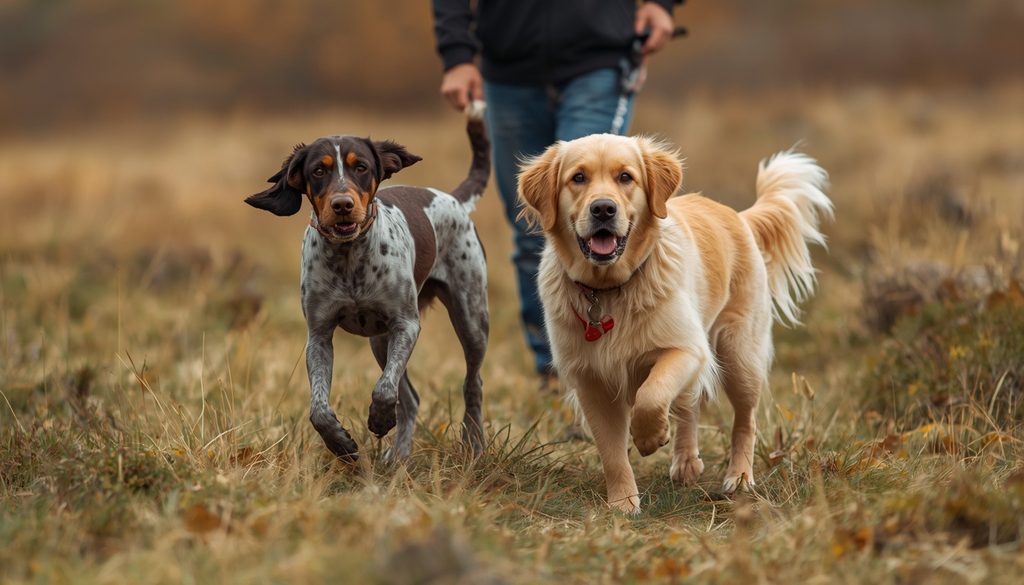
Form Follows Function in Sporting Dogs
The wide range of Sporting-dog shapes, coats and sizes is closely tied to original working purpose. Lean pointers and setters were built to cover ground efficiently, while retrievers needed strength, swimming ability and weather protection. Spaniels were often compact enough to push through heavier vegetation, and wirehaired or curly-coated breeds developed coats suited to difficult conditions. These physical differences can also affect everyday ownership, influencing grooming, exercise, space requirements and how comfortably a dog copes with heat, cold or water.
Sporting Dog Temperament and Personality
Sporting dogs are often described as friendly, responsive and people-oriented, but there is more variation within the group than those broad descriptions suggest. Many were developed to work in close partnership with hunters, so cooperation, attentiveness and the ability to respond to direction became important traits. That working heritage still helps explain why so many Sporting breeds enjoy being involved in family activities rather than spending long periods isolated from people.
A common characteristic across many sporting breed dogs is enthusiasm. Retrievers, spaniels, pointers and setters often approach exercise, play and training with considerable energy, especially when they are young. Some are openly exuberant and social, while others can be more sensitive, reserved or thoughtful. Individual breed temperament, breeding line, socialization and training all influence how strongly these traits appear.
Retrievers such as Labradors and Goldens are often highly sociable and eager to interact with people. Their willingness to carry, retrieve and cooperate can make them especially enjoyable training partners. Chesapeake Bay Retrievers may be more independent and serious, while Flat-Coated Retrievers are often notably cheerful and exuberant. Even within the retriever family, there is therefore no single personality type.
Spaniels are frequently affectionate, lively and strongly connected to their families. Many enjoy close physical contact and can be particularly attentive to their owners, but some may also be excitable if they do not receive enough exercise or mental stimulation. Working-line spaniels can have especially high drive and may remain busy, curious and constantly ready for activity.
Pointers and setters often combine affection with a greater tendency to range, investigate scent and explore their surroundings. Breeds such as the Vizsla are famous for close attachment to their people, while others can appear somewhat more independent when outdoors because their attention is drawn strongly toward scent and movement. That does not necessarily mean they are less bonded; their original work simply encouraged them to use initiative at greater distances from the handler.
Sensitivity is another trait worth considering. Many Sporting breeds respond well to calm, consistent handling and can become unsettled by harsh correction or chaotic routines. Their eagerness to work with people generally makes positive, reward-based training particularly effective. At the same time, intelligence and energy can produce unwanted behaviors when a dog is bored, under-exercised or given too little guidance.
Most Sporting breeds are not primarily defensive or territorial dogs. Many are naturally welcoming toward visitors and sociable with other dogs, although individual temperament always matters. Some breeds are more watchful or reserved than others, and early socialization remains important even in dogs known for friendliness. High prey or chase interest can also appear, particularly around birds or fast-moving animals.
For families, the appeal of the Sporting Group often lies in this combination of affection, trainability and enthusiasm. These dogs generally want to participate. They may follow family members around the home, eagerly join walks and outings, bring toys repeatedly or seek interaction throughout the day. For owners who enjoy an engaged companion, that can be one of the group’s greatest strengths. For people wanting a very independent or low-energy dog, however, the same traits may feel demanding.
Understanding the temperament behind the working history is therefore just as important as considering size or appearance. Sporting dogs were bred to notice what people were doing, respond to direction and remain motivated through active work. In a modern home, those same qualities often produce affectionate, intelligent companions that thrive when they are included, exercised and mentally engaged.
Expect an Engaged Companion
Many Sporting breeds are happiest when they feel involved in everyday family life. They often seek interaction, respond readily to training and enjoy having something purposeful to do. That can make them highly rewarding companions, but it can also mean boredom develops quickly when exercise, attention or mental stimulation is lacking. Individual breeds differ considerably in sensitivity, sociability and working drive, so prospective owners should look beyond the Sporting label and consider the temperament of the specific breed and breeding line.
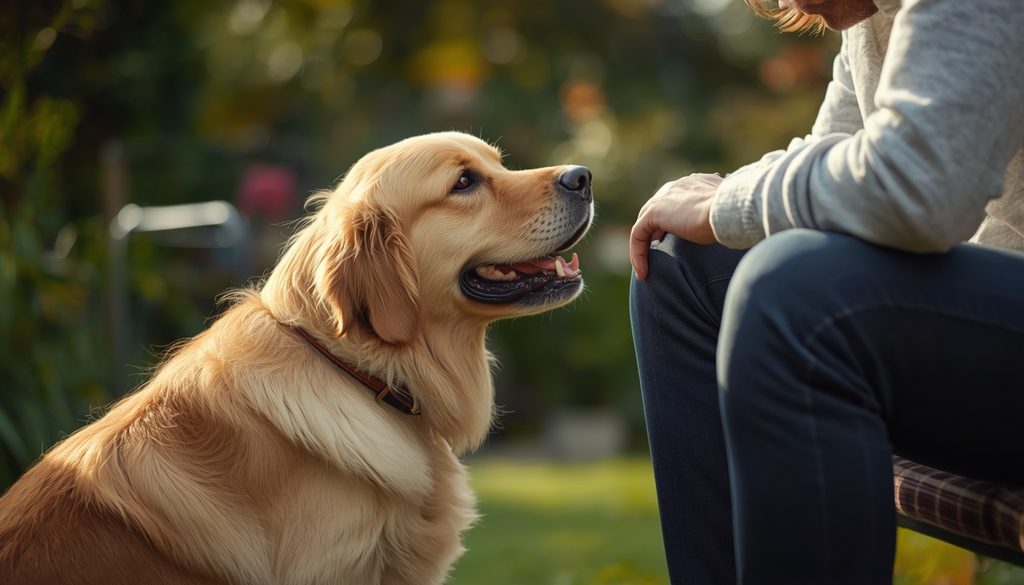
Sporting Dogs as Family Dogs
Many Sporting breeds can make excellent family companions because they were developed to cooperate closely with people and often form strong bonds with the household. Their generally affectionate, responsive nature is one reason retrievers, spaniels, pointers and setters have become so familiar outside the hunting field. For the right family, a Sporting dog can be an enthusiastic companion for walks, games, weekends away and everyday life at home.
The strongest match is usually with households that genuinely enjoy being active. These dogs were not developed to spend most of the day resting with only a short walk around the block. Even breeds with relatively calm indoor manners usually benefit from meaningful daily exercise, opportunities to explore and regular interaction with their owners. Families that hike, visit parks, spend time outdoors or enjoy training and games often find it easier to meet those needs naturally.
Many Sporting dogs are also strongly people-oriented. Labradors, Golden Retrievers, spaniels and several pointing breeds commonly want to be wherever the family is. They may follow people from room to room, settle nearby while the household relaxes or enthusiastically join almost any activity offered to them. That attachment can be appealing, but it also means some individuals struggle when routinely left alone for very long periods.
Energy level is particularly important when children are involved. A friendly young retriever or pointer can still knock over a small child simply through excitement, while an enthusiastic spaniel may become overstimulated during noisy play. Calm supervision, training and teaching children how to interact appropriately with dogs remain important even with breeds known for sociability. As Sporting dogs mature and learn household manners, many become exceptionally enjoyable family companions.
There can also be substantial differences between working and show-oriented breeding lines. Dogs bred primarily for field performance may have greater stamina, stronger hunting instincts and a more intense desire to work than dogs bred mainly for companionship or conformation. A family choosing a Labrador, Springer Spaniel or other breed with strong working traditions should therefore consider not only the breed name but also the background and temperament of the individual dog.
A secure outdoor area can be helpful, but a yard should not be viewed as a substitute for exercise or involvement. Sporting dogs generally gain far more from walking, retrieving, swimming, scenting, training and exploring with their owners than they do from being left outside to entertain themselves. Many are at their best when physical exercise is combined with tasks that require attention and problem-solving.
Household calmness also varies by breed and age. A mature Clumber Spaniel may feel very different indoors from an adolescent German Shorthaired Pointer, even though both belong to the same group. Some Sporting breeds settle readily after sufficient activity, while others remain energetic and inquisitive for much of the day. Prospective owners should therefore look at the individual breed’s normal energy level rather than assuming every Sporting dog will fit the same family routine.
For active households prepared to provide exercise, training and companionship, Sporting dogs can be wonderfully engaging family members. Their desire to participate is one of their defining qualities. The important question is not simply whether a Sporting dog is friendly, but whether the family has the time, energy and lifestyle to meet the needs of a dog that was bred to remain active and closely involved with people.

Exercise and Activity Needs
Most Sporting dogs were developed for physically demanding work, so regular activity is usually an important part of living successfully with one. These breeds often needed to search large areas, push through vegetation, swim, retrieve repeatedly or remain active for hours alongside a hunter. Although individual requirements vary considerably, the group as a whole tends to need more exercise than dogs developed primarily for companionship.
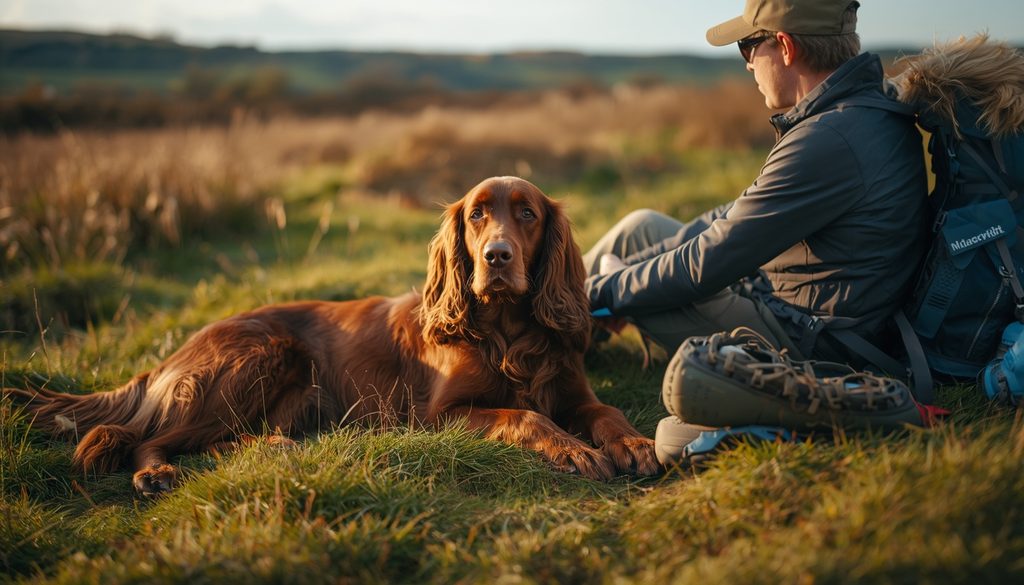
Daily walks are useful, but many Sporting breeds benefit from activity that allows them to move with greater purpose. Retrieving games, hiking, swimming, scent work, off-leash running in safely enclosed areas and structured training can provide more satisfying outlets than simply covering the same neighborhood route each day. Variety is particularly valuable because these dogs were bred to use their minds as well as their bodies.
Exercise requirements can differ dramatically within the group. A young German Shorthaired Pointer, Vizsla or field-bred Springer Spaniel may have exceptional stamina and need substantial opportunities to run and explore. A Clumber Spaniel or some mature Cocker Spaniels may be satisfied with a less intense routine, although they still benefit from regular activity. Age, health, breeding line and individual temperament all matter when deciding how much exercise a particular dog needs.
Retrievers often enjoy activities that involve carrying and returning objects. For breeds with a strong aquatic heritage, swimming can be an especially natural form of exercise. Many traditional water dog breeds were expected to enter lakes, rivers or wetlands willingly, sometimes in cold conditions. Modern owners do not need to reproduce hunting work, but safe swimming or water retrieving can provide an excellent outlet for dogs that genuinely enjoy it.
The physical demands were particularly high for traditional waterfowl hunting dogs. Retrievers working ducks and other water birds might need to wait quietly, mark where a bird fell, enter cold water, swim considerable distances and then return carrying the bird. Several well-known duck hunting dog breeds, including Labrador Retrievers and Chesapeake Bay Retrievers, still tend to show a strong attraction to water and retrieving even when kept purely as companions.
Field-working breeds developed a different style of stamina. Many bird hunting dog breeds needed to search large areas while remaining attentive to the handler and responsive to direction. Long-line walks through varied terrain, scent-search games and controlled opportunities to investigate natural environments can therefore be particularly rewarding. Dogs descended from upland bird dog breeds may naturally want to cover ground and investigate the movement or scent of birds, so reliable recall and appropriate management are important whenever they are exercised outside secure areas.
Pointers and setters can be particularly impressive athletes. Their original work required them to move efficiently across open ground while searching continuously with their noses. Simply walking these breeds on a short leash may not always provide the same satisfaction as opportunities to run safely, explore scent and engage in structured activities. Spaniels, meanwhile, may gain enormous enjoyment from searching through vegetation, retrieving objects or following scent trails.
Mental activity should not be overlooked. Ten minutes of focused training, scent work or problem-solving can sometimes tire an energetic dog in a different way from another twenty minutes of repetitive walking. Teaching retrieves, directional cues, recall, object searches or simple obedience exercises allows a Sporting dog to use the cooperation and concentration that were important in its original work.
Young dogs need particular care. Sporting puppies may appear capable of endless activity, but growing joints and bones should not be subjected to excessive repetitive running, jumping or forced exercise. Activity should increase gradually as the dog matures. At the other end of life, senior Sporting dogs usually benefit from continuing to move, but distance and intensity may need to be reduced to accommodate changes in joints, stamina and recovery.
Weather also matters. Heavy-coated retrievers and spaniels may struggle during strenuous activity in hot conditions, while short-coated breeds can be less comfortable in very cold weather. Exercise should be adjusted to the individual dog and the environment rather than following a rigid daily target. Access to shade, fresh water and opportunities to cool down become especially important during warmer conditions.
One of the most useful signs that an exercise routine is working is what happens afterward. A well-exercised Sporting dog should generally be capable of settling and relaxing at home. Persistent pacing, destructive behavior, excessive attention-seeking or constant attempts to initiate activity can sometimes indicate that a dog needs more physical or mental engagement, although behavior problems should never automatically be blamed on insufficient exercise.
For most owners, the goal is not to exhaust a Sporting dog every day. It is to provide a balanced routine that combines movement, exploration, training and opportunities to use natural instincts. When those needs are met consistently, many Sporting breeds are remarkably adaptable and capable of switching comfortably between energetic outdoor activity and relaxed family life.
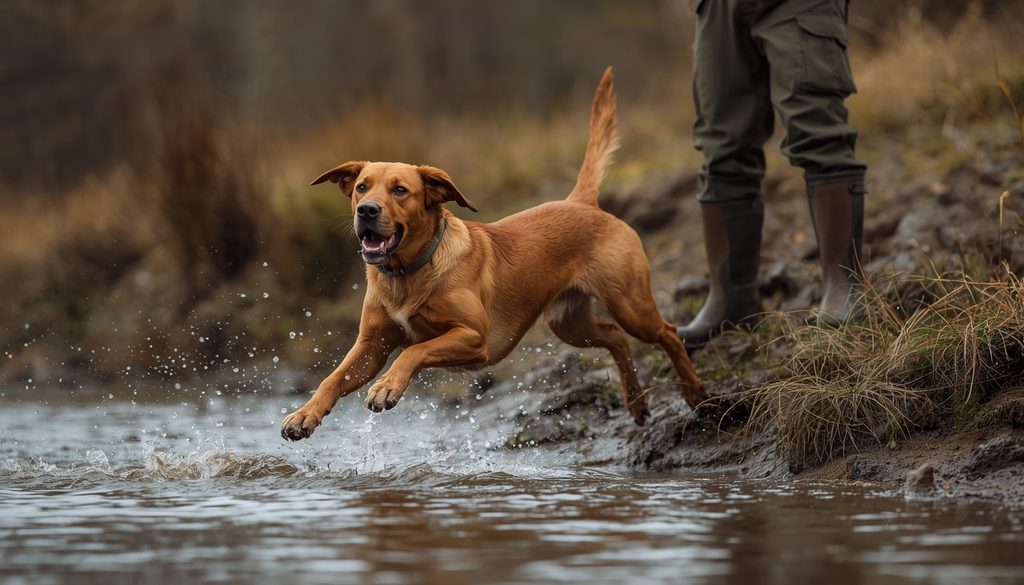
Exercise Should Have a Purpose
Sporting dogs often gain more from varied activity than from simply adding more miles. Retrieving, swimming, scent searches, hiking and short training sessions allow them to use abilities that were deliberately developed through generations of working breeding. The appropriate amount depends on breed, age, health and individual drive. High-energy field lines may require considerably more activity than calmer individuals, while puppies and senior dogs need exercise adapted to their physical stage of life. A good routine should leave the dog satisfied and able to settle comfortably afterward.
Training a Sporting Dog
Training is usually one of the most rewarding parts of living with a Sporting breed. These dogs were developed to cooperate with people while performing demanding jobs, so responsiveness, problem-solving ability and willingness to learn are common characteristics across much of the group. Retrievers, spaniels, pointers and setters may work differently, but most benefit from training that gives them clear direction while allowing appropriate outlets for their natural instincts.
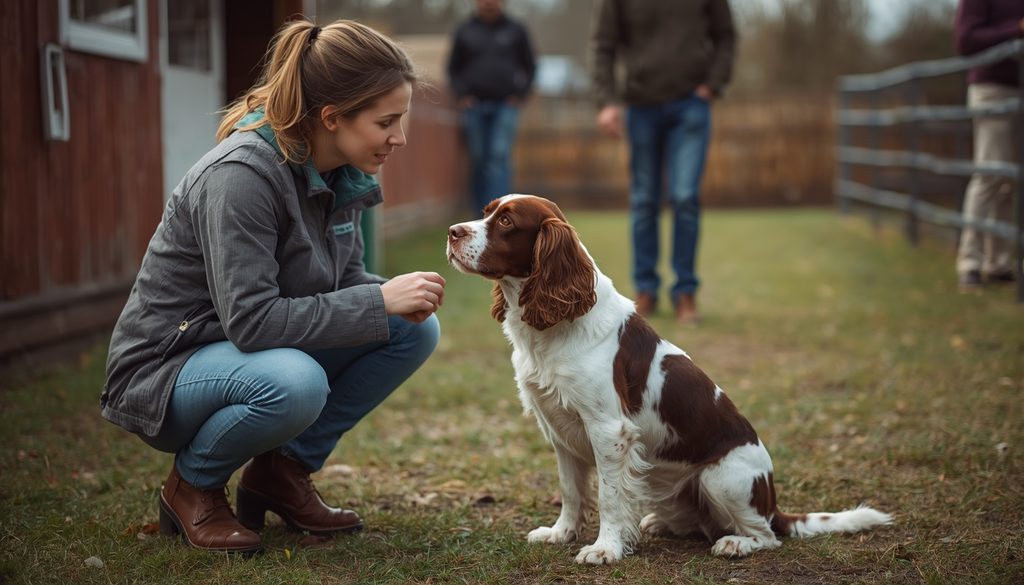
Positive, reward-based methods generally suit Sporting dogs particularly well. Food, toys, retrieving opportunities, praise and access to activities the dog enjoys can all become useful rewards. Harsh or repetitive correction is rarely necessary and can be counterproductive with sensitive breeds. Vizslas, many spaniels and some setters, for example, can respond strongly to the handler’s tone and may become hesitant or disengaged if training becomes confrontational.
Basic household skills should begin early. Recall, loose-leash walking, waiting calmly, settling on cue and leaving distracting objects are particularly valuable for active dogs that naturally investigate their surroundings. Sporting puppies are often enthusiastic learners, but short sessions usually work better than long periods of repetitive drilling. Several focused five- or ten-minute sessions throughout the day can build useful habits without exhausting the dog’s attention.
Recall deserves particular emphasis. Many traditional bird dog breeds were selected to search terrain using scent, and some can become intensely focused when birds or wildlife are nearby. Pointers and setters may also naturally range farther from their handlers than many companion breeds. Building a strong recall gradually around increasing distractions is therefore more useful than assuming an otherwise obedient dog will automatically return when hunting instincts take over.
Training can also make productive use of retrieving behavior. Labradors, Goldens, Chesapeake Bay Retrievers and other retrieving breeds often learn enthusiastically when carrying and returning objects forms part of the session. Instead of constantly trying to stop a dog from picking things up, owners can teach controlled retrieves, releases, object discrimination and searches. These exercises provide both mental stimulation and an appropriate outlet for inherited behavior.
Spaniels offer another example of adapting training to the dog’s original purpose. Traditional flushing dogs often enjoy searching vegetation and following scent close to the handler. Controlled searches, hidden-object games and directional exercises can turn this natural enthusiasm into useful engagement. Many bird hunting dog breeds respond especially well when training feels like purposeful work rather than repetitive obedience.
Pointers and setters may require slightly different handling. Their historic job encouraged them to search more widely, so training should gradually develop communication at increasing distances. A secure field, long line or safely fenced area allows owners to practice recall, directional cues and check-ins without constantly restricting natural movement. For owners interested in traditional field activities, these breeds can also participate in structured training that reflects their original role.
There are several types of gun dogs, and training works best when those differences are respected. A retriever may be highly motivated by carrying an object back to the handler, while a spaniel may find searching thick cover more exciting. A pointer may be happiest using its nose across open ground. The objective is not to suppress these instincts but to teach the dog how and when they can be expressed appropriately.
Impulse control is especially useful for Sporting breeds. Excitable dogs may rush through doors, leap from vehicles, chase moving animals or launch themselves toward water before being released. Teaching a reliable wait, stay and release cue gives owners considerably more control without reducing the dog’s enthusiasm. These skills can also make swimming, retrieving and outdoor adventures safer.
Adolescence can temporarily make training feel more difficult. A previously attentive puppy may suddenly become more interested in scent, wildlife and the wider environment as confidence and physical ability increase. This does not necessarily mean earlier training has failed. Returning temporarily to long lines, higher-value rewards and easier environments can help maintain successful habits while the dog matures.
Ultimately, successful Sporting-dog training is built around cooperation. These breeds were developed to work with people, but they were not designed to function as robots. Giving them appropriate choices, rewarding engagement and incorporating natural behaviors into training often produces a dog that is both responsive and enthusiastic. The strongest training relationship is usually one in which the dog learns that paying attention to its owner leads to enjoyable things happening. For many sporting dogs, training is most successful when it feels like purposeful cooperation rather than repetitive drilling.
Train the Instinct, Not Against It
Sporting dogs often learn fastest when training makes use of behaviors they already enjoy. Retrievers can practice controlled carrying and delivery, spaniels can search for hidden objects, and pointers or setters can develop recall and check-ins while exploring safely. Strong recall and impulse control are especially important around birds, wildlife and water. Rather than trying to eliminate natural working instincts, effective training teaches the dog when those behaviors are appropriate and keeps communication with the handler rewarding and reliable.

Barking, Watchfulness and Protective Behavior
Sporting dogs are not generally known as dedicated guard or protection breeds, but that does not mean they are silent or unaware of what is happening around them. Many are alert, observant and quick to notice unusual movement, visitors or activity outside the home. The difference is that their original work emphasized cooperation, scenting and retrieving rather than territorial defense, so watchfulness is often expressed through attention and vocalization rather than sustained guarding behavior.
Barking levels vary considerably from one sporting dog breed to another. Some retrievers are relatively moderate barkers, while certain spaniels can be much more vocal when excited, frustrated or stimulated by movement. Setters and pointers may also bark in response to wildlife, unfamiliar sounds or prolonged boredom. Individual temperament, socialization and daily routine often influence vocal behavior as much as breed tendencies do.
Alert barking can be useful. A Sporting dog may notify the household when someone approaches the door or when something unusual occurs outside. In many homes, however, the challenge is teaching the dog that one or two alert barks are enough. If barking repeatedly results in attention, access to the yard or excitement from other dogs, the behavior can become self-reinforcing very quickly.
Excitement barking is another common pattern. Sporting dogs are often enthusiastic by nature, and some vocalize when they anticipate a walk, meal, training session or retrieving game. A dog that becomes highly aroused before activity may bark, whine, spin or jump even though it is not distressed. Teaching calm waiting and rewarding quiet behavior before exciting events can help prevent those habits from becoming established.
Protective behavior is generally less pronounced across the group than in breeds specifically developed to guard people or property. Many Sporting dogs are naturally sociable with strangers, particularly well-socialized Labradors, Golden Retrievers and spaniels. Others can be more reserved or watchful. Chesapeake Bay Retrievers, for example, often have a more serious demeanor than some other retrievers, while individual dogs of any breed can become wary if poorly socialized or frightened by unfamiliar situations.
Owners should distinguish between normal watchfulness and fear-based reactivity. Growling, lunging or repeated defensive barking at visitors is not simply evidence that a dog is being protective. Those behaviors may reflect uncertainty, frustration or anxiety and should be addressed through appropriate management and training rather than encouraged as guarding ability.
Predatory interest is also different from protectiveness. A Pointer staring intensely at birds or a spaniel becoming excited by movement in a hedge is responding to hunting instinct, not guarding the household. This distinction matters because the most effective response depends on the motivation behind the behavior. Recall, redirection and controlled exposure may help with wildlife interest, while territorial or fear-based barking requires a different approach.
People searching for sporting breeds dogs will encounter considerable variation in vocal behavior, watchfulness and temperament, so the group cannot be judged by a single rule. Some individuals are naturally quiet, while others are expressive and quick to announce activity. Breeding line can matter as well. Dogs from highly driven field lines may be more reactive to movement and environmental stimulation simply because generations of selection favored alertness and responsiveness.
For most households, Sporting dogs are best regarded as attentive companions rather than serious protection dogs. They may notice visitors, bark when something changes and remain alert to their surroundings, but many are more interested in greeting newcomers than challenging them. Clear household boundaries, early socialization and calm reinforcement of quiet behavior usually produce a much more manageable result than encouraging excessive watchfulness.
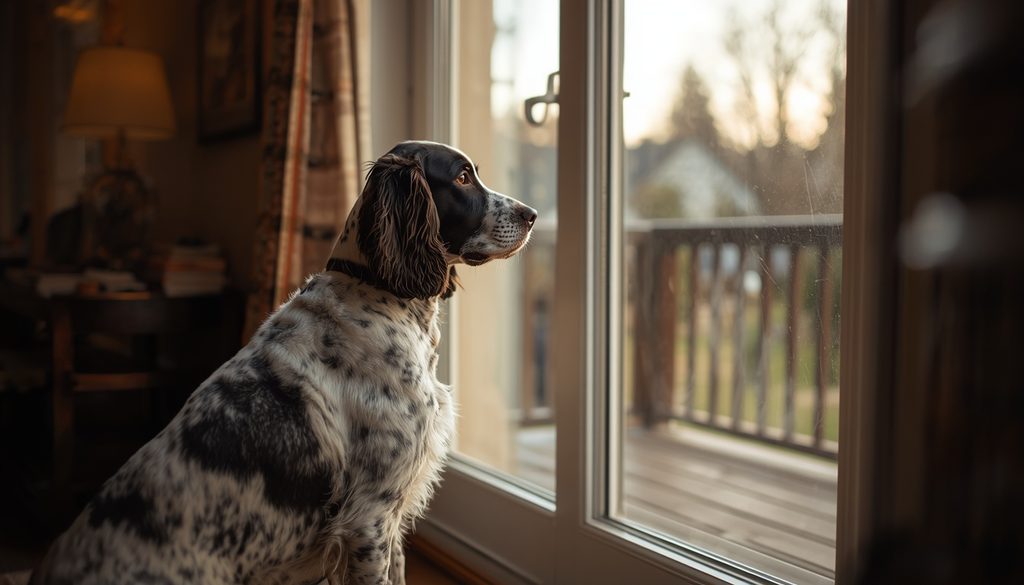
Alert Does Not Necessarily Mean Protective
Sporting dogs may bark when someone approaches, notice unusual sounds or become highly attentive to movement outside. That behavior should not automatically be interpreted as guarding. Many were developed to detect scent, movement and environmental changes while remaining cooperative and sociable with people. Owners can usually manage alert barking by rewarding calm responses, avoiding accidental reinforcement of repeated barking and providing enough physical and mental activity to reduce boredom-driven vocalization.
Coats, Grooming, Shedding and Allergies
Coat care varies enormously across the Sporting Group. Some breeds have short, practical coats that need little more than routine brushing, while others carry feathering, curls or dense double coats that require considerably more attention. The grooming routine for each breed of sporting dog is closely connected to the environment in which it was developed and the type of work it originally performed.
Short-coated breeds such as the Vizsla, Weimaraner and German Shorthaired Pointer are among the easier Sporting dogs to maintain. Their coats generally benefit from occasional brushing to remove loose hair and distribute natural oils, along with routine nail, ear and dental care. Short hair does not mean no shedding, however. Fine hairs can still collect on clothing, furniture and car upholstery, particularly during seasonal coat changes.
Retrievers often have more substantial coats. Labradors possess a dense double coat that can shed heavily despite its relatively short appearance, while Golden Retrievers have longer feathering that needs regular brushing to prevent tangles and remove loose undercoat. Chesapeake Bay Retrievers have a distinctive oily, water-resistant coat designed to protect them during demanding water work. Excessive bathing or harsh shampoos can interfere with the natural qualities of coats that were developed to repel moisture.
Spaniels and setters usually require more hands-on grooming. Feathering around the ears, legs, chest and tail can collect burrs, grass seeds, mud and debris during outdoor activity. Regular brushing and combing help prevent mats, particularly behind the ears and in areas where friction occurs. Dogs that spend considerable time exploring woodland or long grass should also be checked carefully after walks for seeds, ticks and other material caught in the coat.
Curly and wirehaired Sporting breeds bring different requirements again. The Barbet, Lagotto Romagnolo and Irish Water Spaniel have coats that can mat if neglected, while the German Wirehaired Pointer and Wirehaired Pointing Griffon have harsher protective coats that may need occasional specialized grooming. Owners should learn the requirements of the individual breed rather than assuming every Sporting coat can be treated in the same way.
Ear care deserves particular attention. Many Sporting breeds have long, hanging ears that reduce airflow around the ear canal, and swimming can add extra moisture. Spaniels, retrievers and other water-loving dogs should have their ears checked regularly for redness, odor, discharge or persistent scratching. Drying the outer ear gently after swimming can help, but nothing should be pushed deeply into the ear canal.
Shedding also varies widely. Some breeds lose modest amounts of hair throughout the year, while double-coated dogs may experience much heavier seasonal shedding. Regular brushing during these periods can remove loose undercoat before it spreads through the home. Bathing when genuinely needed can also help loosen dead coat, but frequent washing is rarely necessary for a healthy dog unless its lifestyle regularly leaves it muddy or dirty.
No Sporting breed should automatically be considered completely hypoallergenic. Some curly-coated breeds may release less loose hair into the environment than heavy-shedding retrievers, but people with dog allergies can react to proteins found in dander, saliva and urine as well as hair. A low-shedding coat therefore does not guarantee that a particular dog will be comfortable for someone with allergies.
Outdoor lifestyles add another dimension to grooming. Sporting dogs that regularly swim, hike or explore rough country need more than cosmetic coat care. Paws should be checked for cuts and embedded debris, nails kept at an appropriate length and skin examined for irritation, parasites or small injuries. Long-coated dogs may need extra attention after wet or muddy outings because damp mats can tighten as they dry.
Grooming can also become a useful health check. Running hands through the coat gives owners regular opportunities to notice new lumps, skin changes, sore areas or changes in body condition. Starting handling routines during puppyhood helps make brushing, nail trimming and ear checks much easier later in life.
The practical lesson is that Sporting-dog grooming should match both coat type and lifestyle. A short-coated pointer living mainly in suburbia has very different needs from a feathered spaniel spending weekends in dense cover or a retriever swimming several times a week. Understanding those differences makes coat care easier and helps keep an active Sporting dog comfortable throughout the year.
Choosing the Right Sporting Breed
Choosing between Sporting breeds is less about finding the “best” dog and more about matching a breed’s working history, energy level and temperament to the way you actually live. The group contains everything from compact spaniels to powerful retrievers and highly athletic pointing dogs, so two dogs within the same group can place very different demands on their owners.
Exercise should be one of the first considerations. Some Sporting breeds are satisfied with a good daily walk, play and regular training, while others need considerably more. German Shorthaired Pointers, Vizslas and many field-bred spaniels can have exceptional stamina and may be frustrating in a household that prefers a quieter routine. A prospective owner should consider not only how active they are now, but whether they can maintain that level of activity throughout the dog’s life.
Working style also matters. Retrievers often enjoy carrying, fetching and swimming, while spaniels tend to investigate cover and work closer to their people. Pointers and setters may range farther and become intensely interested in scent and movement. Someone comparing different sporting dogs breeds should therefore look beyond size and appearance and ask what the breed was actually developed to do. Those instincts are often still very apparent in modern companion dogs.
Coat care can quickly narrow the choices. Short-coated breeds such as the Vizsla and German Shorthaired Pointer are relatively straightforward to maintain, although they still shed. Golden Retrievers, setters and heavily feathered spaniels require more brushing, while curly and wirehaired breeds may need specialized grooming. Owners who regularly hike through scrub, mud or long grass should also consider how much post-walk coat maintenance they are realistically prepared to do.
Household structure is equally important. Some Sporting dogs are naturally exuberant and may be overwhelming around very young children until they mature and receive training. Others are more sensitive and may find a noisy, unpredictable household difficult. Most enjoy companionship, but the degree of dependence varies. A dog that wants to accompany its owner everywhere may be perfect for one family and inconvenient for another.
Time spent alone deserves particular consideration. Many Sporting breeds were developed to remain closely engaged with a handler and can become bored or unsettled when routinely left without company or activity. That does not mean they can never be left alone, but owners should be prepared to build independence gradually and provide an appropriate routine rather than expecting a highly social dog to adapt automatically to long periods of isolation.
The difference between field-bred and show-bred dogs can also be significant. Within Labradors, spaniels, setters and several pointing breeds, working lines may have greater drive, stamina and intensity than dogs bred primarily for the show ring or companionship. Prospective owners should ask breeders or rescue organizations about the individual dog’s background rather than assuming every member of a breed will behave identically.
Size should be considered practically rather than aesthetically. A large retriever may require more room in the car, larger bedding and greater food quantities, while a smaller spaniel may be physically easier to manage. However, choosing a smaller Sporting dog does not necessarily mean choosing a low-energy dog. Some compact spaniels can be extraordinarily active and demanding despite taking up relatively little space.
Potential owners should also think about the activities they genuinely want to share with a dog. Someone who enjoys swimming and retrieving may naturally suit a Labrador or Chesapeake Bay Retriever. A keen hiker or runner may appreciate the stamina of a pointer or setter, while an owner interested in scent games and woodland walks may enjoy living with a spaniel. Matching natural instincts to enjoyable household activities can make exercise feel far less like an obligation.
Health, lifespan and responsible breeding should also influence the decision. Every Sporting breed has its own inherited health concerns, and reputable breeders should carry out appropriate health testing rather than relying on appearance or pedigree alone. Rescue dogs may come with less complete histories, but an experienced organization can often provide valuable information about temperament, energy and suitability for different homes.
Ultimately, choosing between the sporting breeds of dogs means being realistic about time, activity, grooming, training and companionship. The dog that looks most appealing may not be the one that fits best. A thoughtful match between breed characteristics and household lifestyle gives both dog and owner a much better chance of enjoying the qualities that make the Sporting Group so rewarding.
Choose for Lifestyle, Not Appearance Alone
Sporting breeds can look equally appealing while having very different everyday needs. Before choosing one, consider exercise, working drive, grooming, size, sensitivity and how much time the dog will spend alone. Breeding line matters too, particularly in retrievers, spaniels and pointing breeds, where field-bred dogs can be considerably more intense. The best match is usually the dog whose natural behavior fits activities the household already enjoys and can realistically maintain for many years.
Final Thoughts
Sporting dogs are among the most versatile and people-oriented breeds in the dog world. Their history as hunting partners created dogs that were expected to combine physical stamina, sharp senses and independent working ability with close cooperation from a handler. That combination still shapes the way many of these breeds behave today, even when they live entirely as family companions.
Across the group, there is enormous variety. Retrievers, spaniels, pointers and setters may share a broad sporting heritage, but they were developed for very different jobs. Some were expected to swim through cold water and recover fallen birds, others searched dense cover, and still others ranged across open country locating game by scent. Those differences help explain why activity level, coat care, working style and temperament can vary so much from one breed to another.
For modern owners, the most important lesson is that Sporting dogs usually do best when their natural abilities have somewhere to go. A Labrador may enjoy retrieving, a spaniel may become absorbed in scent and cover, and a pointer may thrive when given opportunities to run and explore safely. These behaviors are not simply habits to control; they are often expressions of the traits generations of breeders deliberately developed.
The group is also notable for its trainability and willingness to engage with people. Many Sporting breeds respond enthusiastically to reward-based training and enjoy learning tasks that involve movement, scent, retrieving or problem-solving. That can make them excellent partners for active owners, but it can also mean they become frustrated when life is repetitive or lacking in interaction.
Exercise requirements should never be underestimated. Some breeds can adapt comfortably to moderate family routines, while others need substantial daily activity and mental stimulation. Working lines may be particularly intense. Prospective owners should consider the reality of their schedule, access to safe exercise areas and willingness to maintain training and enrichment throughout the dog’s life.
Grooming demands also range from minimal to substantial. Short-coated pointers may need little more than routine brushing, while feathered spaniels, setters and longer-coated retrievers need considerably more maintenance. Water-loving dogs and breeds that regularly explore rough country may also require frequent ear, paw and coat checks after outdoor activity.
For families who enjoy including a dog in daily life, however, Sporting breeds can be enormously rewarding. Many are affectionate, responsive and eager to participate, whether that means hiking, swimming, retrieving, training, traveling or simply settling nearby after a busy day. Their working history gave them a strong connection with people, and that relationship remains one of the group’s defining qualities.
The best approach is to choose the individual breed rather than the group label alone. Understanding its original purpose, energy, temperament, grooming needs and typical working drive provides a much clearer picture of what life with that dog will actually involve. With the right match, training and lifestyle, a Sporting dog can be an energetic working partner, an affectionate family companion and, very often, both at the same time.
Explore More Dog Breeds
Sporting dogs are only one of several major breed groups, each shaped by different working histories, temperaments and physical traits. Visit the CanineBase Dog Breeds hub to compare other groups, explore individual breed guides and learn how size, activity level, grooming needs and temperament can influence which type of dog may suit a particular home.
American Kennel Club Curly Coated Retriever
For official breed information, visit the American Kennel Club Curly Coated Retriever breed profile. The AKC provides information about this distinctive Sporting breed, including its history, appearance, temperament, physical characteristics, and traditional retrieving abilities. It is a valuable additional resource for anyone interested in understanding the Curly Coated Retriever.