

Hound Dogs
Hound dogs are among the oldest and most specialized hunting dogs, developed over centuries to locate and pursue game using either exceptional eyesight or an extraordinary sense of smell. Although modern hounds are now more likely to share a family home than accompany hunters, many still retain the instincts, stamina and independence that once made them invaluable working partners. Those inherited traits continue to shape how they move through the world, how they respond to their environment, and how they interact with the people who live with them.
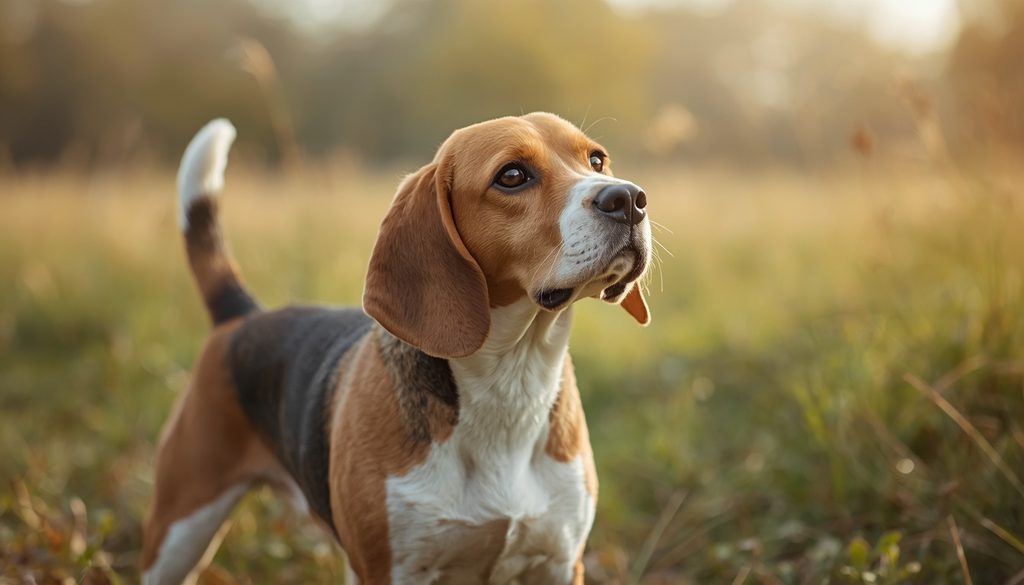
The hound dog breeds are traditionally divided into two broad types: sighthounds, which were developed to detect and pursue moving prey visually, and scent hounds, which follow scent trails with remarkable persistence. This distinction helps explain some of the enormous differences within the group. The long-legged Greyhound and elegant Afghan Hound, for example, hunt very differently from the low-slung Basset Hound or determined Beagle. One group relies heavily on speed, vision and rapid acceleration, while the other is often built for endurance, persistence and the ability to follow scent over long distances.
That variety means hounds cannot be described by one appearance or personality. Some are exceptionally fast and athletic, while others were built for endurance rather than speed. Sizes range from relatively small dogs to tall, powerful breeds, and body shape can vary dramatically. Coats may be short and sleek, long and flowing, rough, dense or weather-resistant depending on the breed and the environment in which it developed. Even within the same broad group, two hounds may look and behave very differently.
There are nevertheless characteristics that appear repeatedly across many hound breeds. Independence is one of the most important. These dogs were often expected to work at some distance from people and make decisions while following prey, so training a hound can feel different from training a breed developed to respond continuously to human direction. Many are intelligent and capable learners, but an interesting scent or rapidly moving animal can sometimes be considerably more compelling than their owner’s request.
That independence does not mean hounds are difficult or unwilling to learn. It simply means motivation matters. Training is often most successful when owners use clear routines, patience, appropriate rewards and realistic expectations. Repetition without purpose may quickly lose a hound’s interest, while activities that engage scent, movement or problem-solving can be far more rewarding. Understanding what naturally motivates a particular breed can make a significant difference to training success.
Their hunting heritage can also influence everyday life. Scent-driven dogs may investigate every interesting smell on a walk, pause frequently, or become deeply absorbed in a trail. Some sighthounds have a powerful instinct to chase moving animals, which can make reliable off-leash control challenging in unsecured areas. Secure fencing, thoughtful leash management and early training are therefore particularly important for many breeds in the group.
Some hounds are famously vocal as well, using deep bays, howls or other distinctive sounds that once helped hunters locate dogs working across considerable distances. That tendency can be charming in the right setting, but it may also matter to people living in apartments or close to neighbors. Vocal behavior varies between breeds and individuals, but it is worth considering before choosing a hound.
Exercise needs can also differ greatly. A young, athletic hound may require substantial daily activity, while some breeds are surprisingly relaxed indoors once their physical needs have been met. Scent work, structured walks, secure running opportunities and mentally engaging games can all help provide suitable outlets for natural instincts. For many hounds, the quality of exercise matters just as much as the duration.
Yet hunting ability tells only part of the story. Many hounds are affectionate, gentle companions that form strong relationships with their families. Some are reserved with strangers, while others are sociable and easygoing. Their independence can coexist with deep attachment, and many are happiest when they have both freedom to explore and a secure place within the household.
Explore the Hound breeds below to compare their size, temperament, exercise needs, training, grooming, health and suitability for different homes and lifestyles. Understanding what each breed was originally developed to do is one of the best ways to understand the dog it remains today.
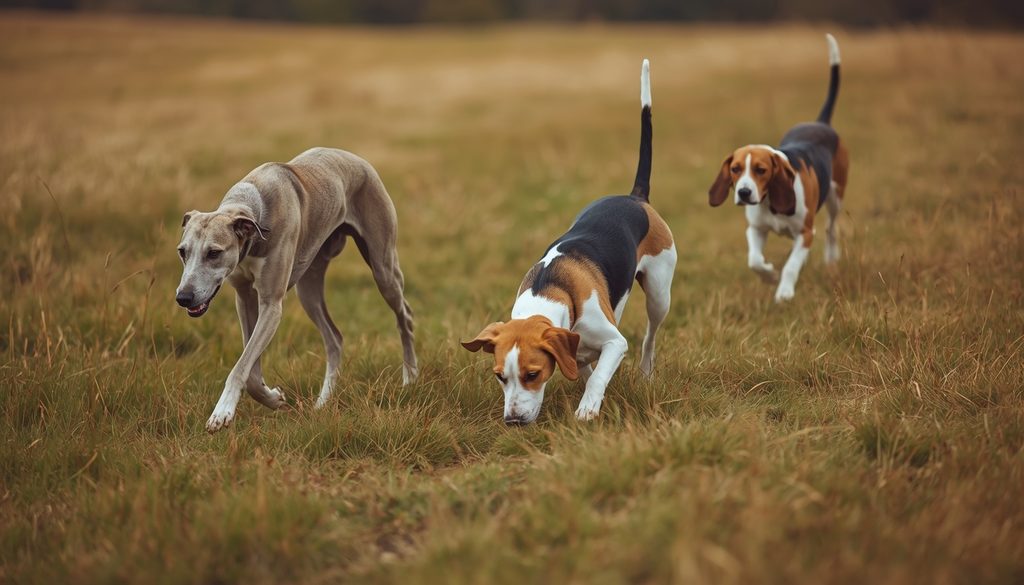
Table of Contents
Hound Dogs: Fast Facts
Breed Group: Hound
Main Types: Sighthounds & Scent Hounds
Size Range: Small to Giant
Weight Range: Roughly 16–180+ lb
Height Range: Roughly 8–32+ in
Typical Lifespan: About 8–15+ years
Coat Types: Short, Long, Rough & Wire
Shedding: Low to Heavy
Exercise Needs: Moderate to High
Training Difficulty: Moderate
Original Purpose: Hunting & Tracking
Best Known For: Sight, Scent & Pursuit
Hound Dogs: Star Ratings
Family Friendly: ★★★★☆
Child Friendly: ★★★★☆
Dog Friendly: ★★★★☆
Other Pet Friendly: ★★★☆☆
Trainability: ★★★☆☆
Exercise Needs: ★★★★☆
Grooming Needs: ★★★☆☆
Shedding Level: ★★★☆☆
Vocal Tendency: ★★★★☆
Prey Drive: ★★★★★
Apartment Suitability: ★★★☆☆
First-Time Owner Suitability: ★★★☆☆
These facts and ratings represent broad tendencies across the Hound Group. Individual breeds can vary considerably in size, temperament, exercise needs, grooming requirements and behavior.
Explore Hound Dog Breeds
The types of hounds found within the group range from compact scenting dogs that methodically follow trails close to the ground to tall, streamlined sighthounds capable of extraordinary speed. Although their appearances and hunting styles vary considerably, every hound dog breed reflects generations of development for finding, tracking or pursuing game.
Exploring the different hound breeds individually is particularly important because the Hound label alone tells you relatively little about what everyday ownership will involve. A Beagle, Greyhound, Bloodhound and Afghan Hound may share a historical connection to hunting, yet they differ substantially in size, exercise requirements, coat care, trainability and the way their natural instincts appear at home.
The different types of hound dogs also demonstrate how closely physical structure can be connected to original purpose. Some scent hounds were built for stamina and persistent tracking, while many sighthounds developed the lean bodies, long legs and deep chests associated with rapid pursuit. There are small, medium and large hound dogs, making size another important consideration when comparing breeds.
Use the types of hound dogs list below to explore the individual CanineBase guides. Each guide looks beyond appearance to examine temperament, family life, exercise, training, grooming, feeding, health, lifespan and what living with that particular breed is really like.
Afghan Hound

Elegant, independent, and deeply distinctive, the Afghan Hound is a tall sighthound known for its flowing coat, athletic build, dignified personality, and ancient hunting heritage.
Coonhound
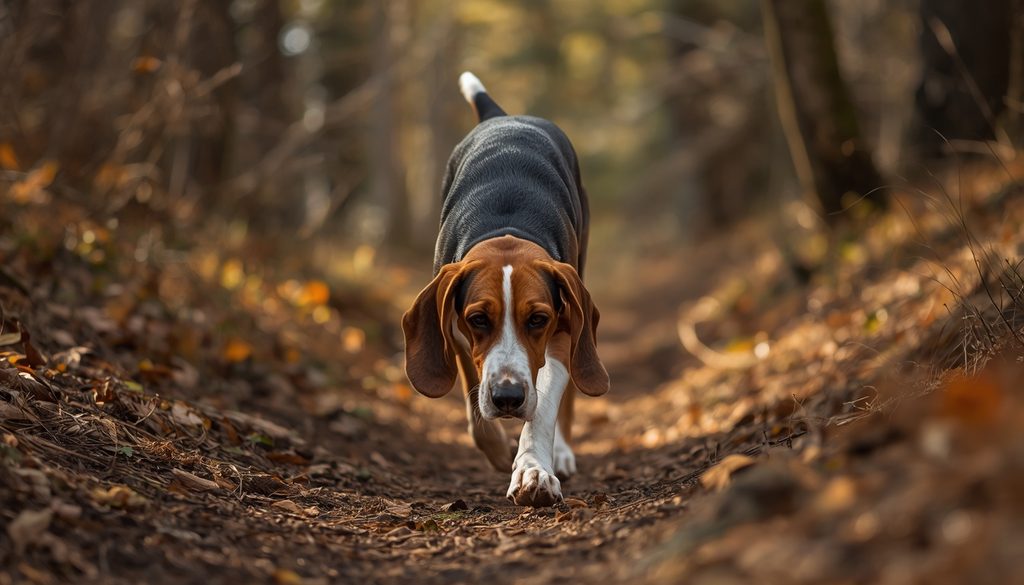
Athletic, determined, and energetic, the American English Coonhound is a versatile scent hound known for its endurance, powerful tracking ability, distinctive voice, and friendly nature.
American Foxhound
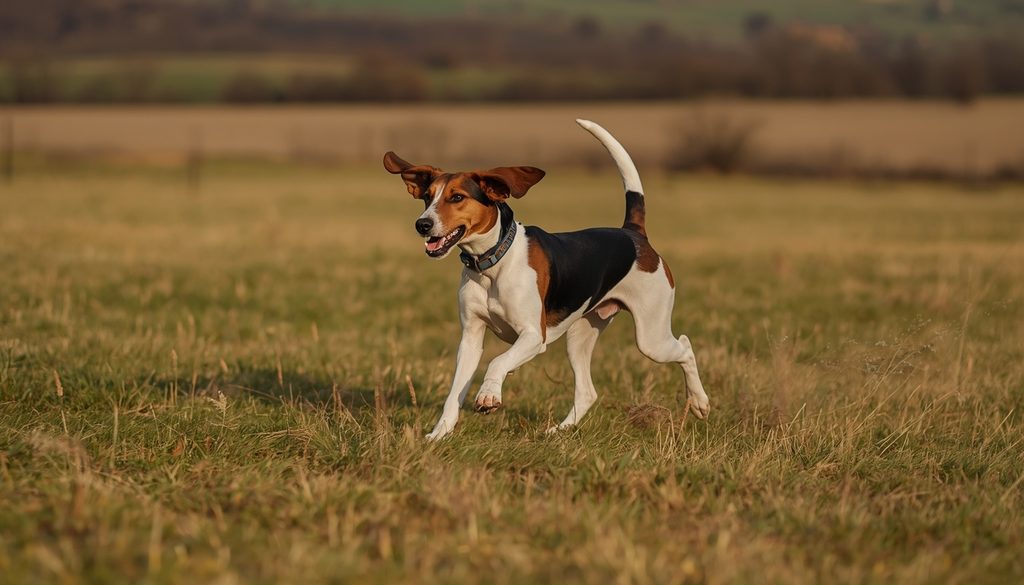
Friendly, athletic, and independent, the American Foxhound is an energetic scent hound known for its endurance, powerful nose, musical voice, and long history as a hunting companion.
Azawakh

Elegant, alert, and deeply loyal, the Azawakh is a remarkably lean West African sighthound known for its speed, endurance, reserved nature, and strong attachment to its family.
Basenji

Intelligent, curious, and independent, the Basenji is a compact African hound known for its athleticism, tightly curled tail, unusual vocalizations, and famously low tendency to bark.
Basset Hound

Gentle, sociable, and unmistakably distinctive, the Basset Hound is a low-slung scent hound known for its extraordinary nose, long ears, patient tracking ability, and affectionate personality.
Beagle
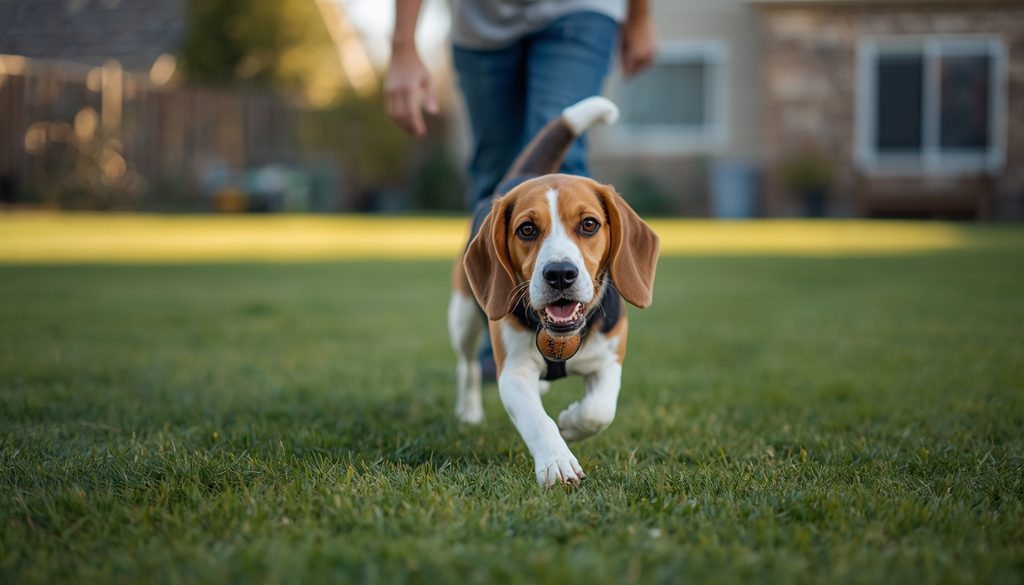
Friendly, curious, and energetic, the Beagle is a compact scent hound known for its exceptional nose, cheerful personality, distinctive voice, and strong desire to follow interesting scents.
Black and Tan Coonhound

Friendly, powerful, and determined, the Black and Tan Coonhound is a large American scent hound known for its exceptional tracking ability, impressive endurance, distinctive voice, and easygoing nature at home.
Bloodhound
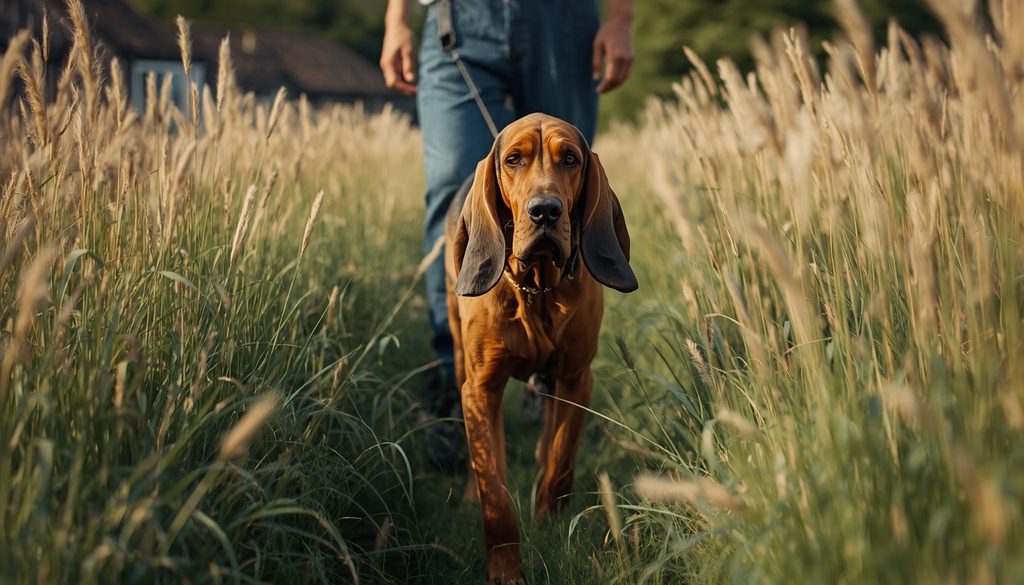
Gentle, determined, and famously scent-driven, the Bloodhound is a large tracking hound known for its extraordinary nose, long drooping ears, distinctive loose skin, and affectionate nature.
Bluetick Coonhound
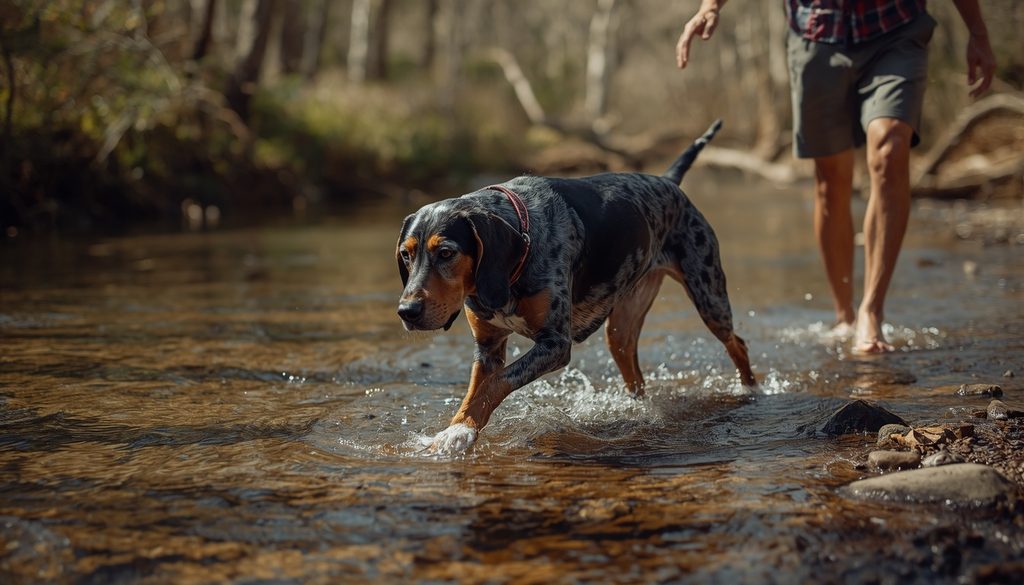
Energetic, devoted, and determined, the Bluetick Coonhound is an American scent hound known for its striking mottled coat, powerful tracking instincts, endurance, and distinctive baying voice.
Borzoi

Graceful, calm, and independent, the Borzoi is a tall Russian sighthound known for its remarkable speed, elegant build, flowing coat, and typically gentle nature at home.
Cirneco dell’Etna
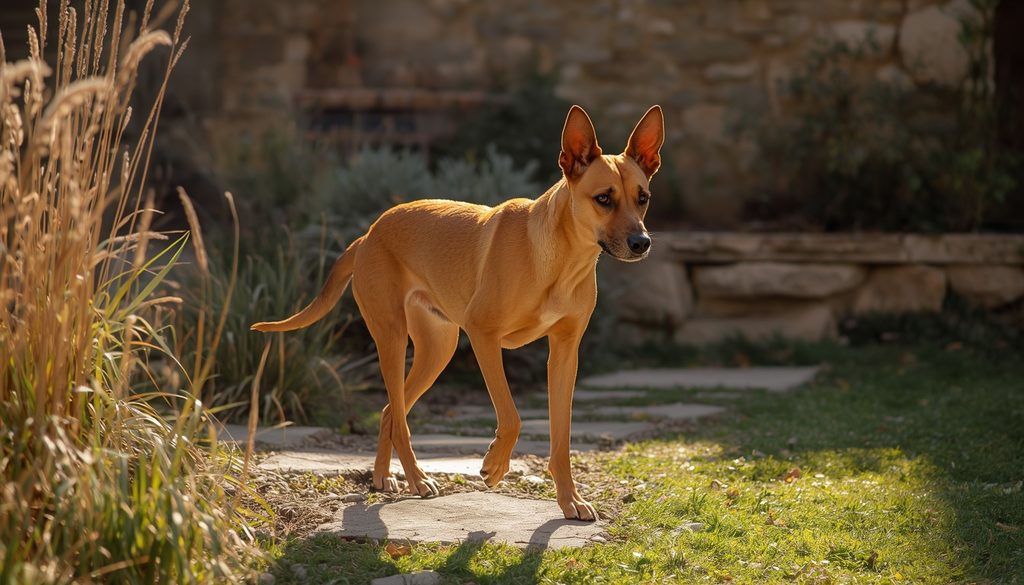
Alert, affectionate, and athletic, the Cirneco dell’Etna is an ancient Sicilian hound known for its elegant build, large upright ears, remarkable agility, and keen hunting instincts.
Dachshund

Bold, curious, and affectionate, the Dachshund is a distinctive German hound known for its long body, short legs, determined personality, keen nose, and surprisingly fearless hunting heritage.
English Foxhound
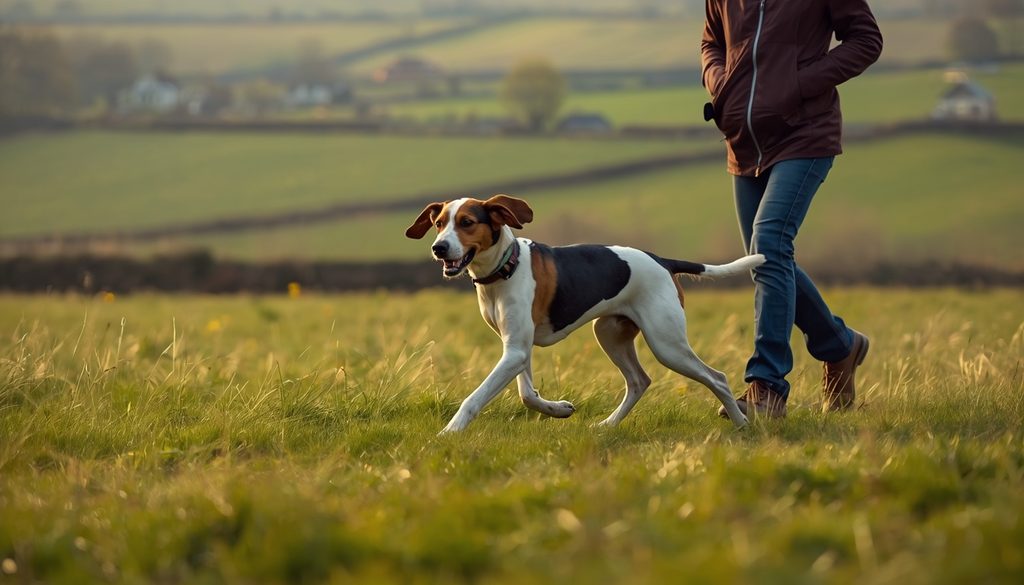
Friendly, athletic, and sociable, the English Foxhound is a powerful scent hound known for its stamina, strong hunting instincts, distinctive voice, and traditional role working alongside other hounds.
Grand Basset
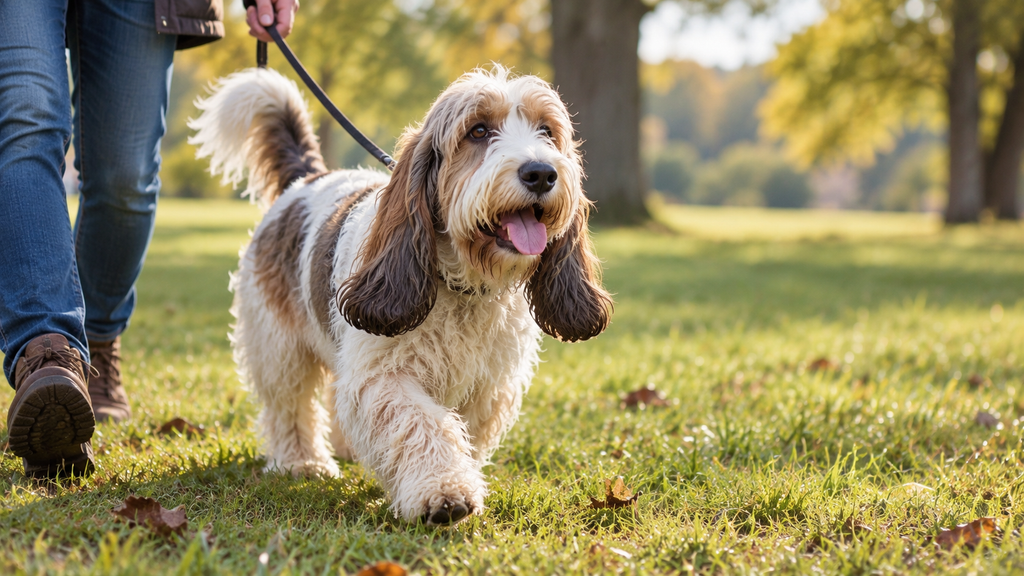
Cheerful, outgoing, and energetic, the Grand Basset Griffon Vendéen is a French scent hound known for its shaggy coat, impressive stamina, friendly personality, and determined tracking instincts.
Greyhound

Gentle, graceful, and remarkably fast, the Greyhound is a streamlined sighthound known for its extraordinary speed, athletic build, affectionate nature, and often surprisingly relaxed personality at home.
Harrier
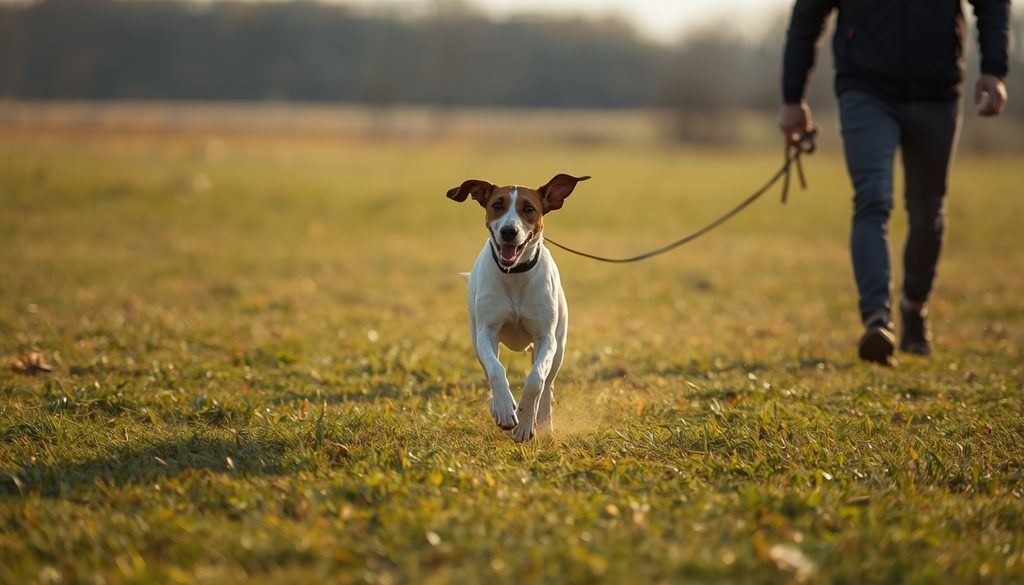
Friendly, energetic, and sociable, the Harrier is a sturdy English scent hound known for its excellent stamina, powerful nose, cheerful personality, and strong pack instincts. Active and adventurous, it thrives with regular exercise and companionship.
Ibizan Hound
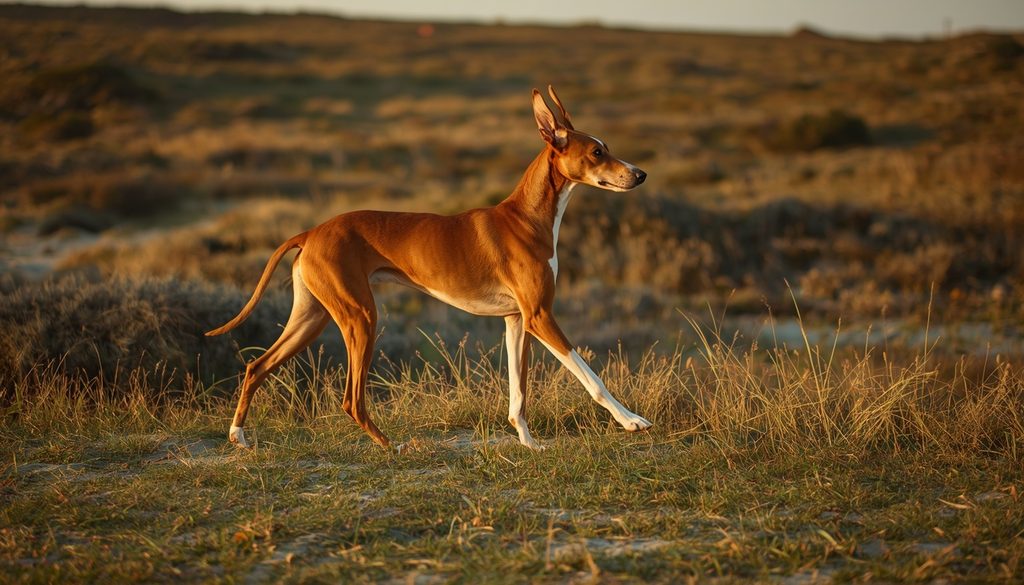
Athletic, affectionate, and alert, the Ibizan Hound is an elegant Spanish sighthound known for its remarkable jumping ability, large upright ears, keen hunting instincts, and playful personality. Energetic outdoors, it can be gentle and relaxed with its family.
Irish Wolfhound
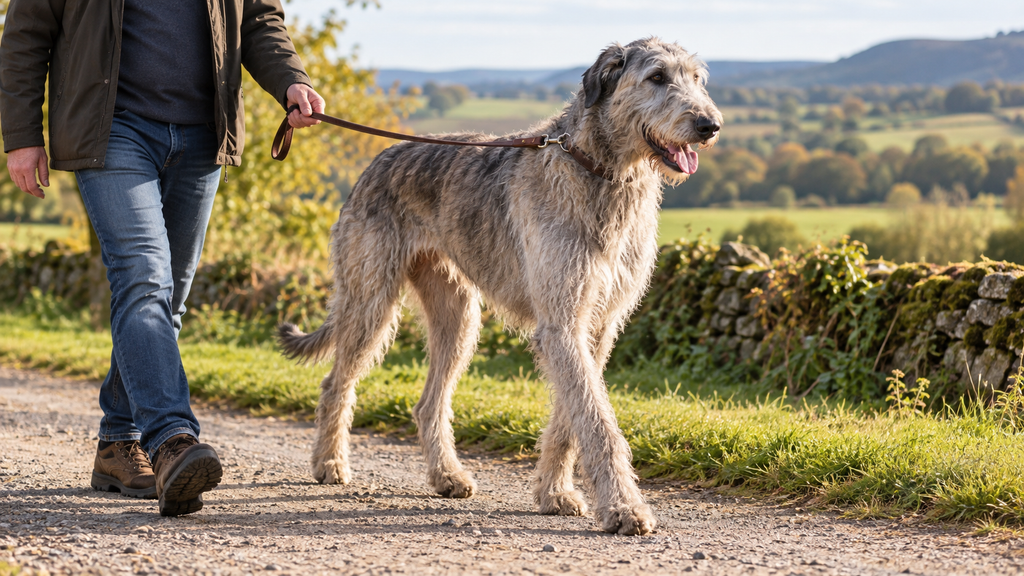
Gentle, dignified, and affectionate, the Irish Wolfhound is an exceptionally tall hound known for its imposing size, rough coat, calm temperament, and historic ability to pursue large game. Despite its stature, it is typically a devoted family companion.
Norwegian Elkhound
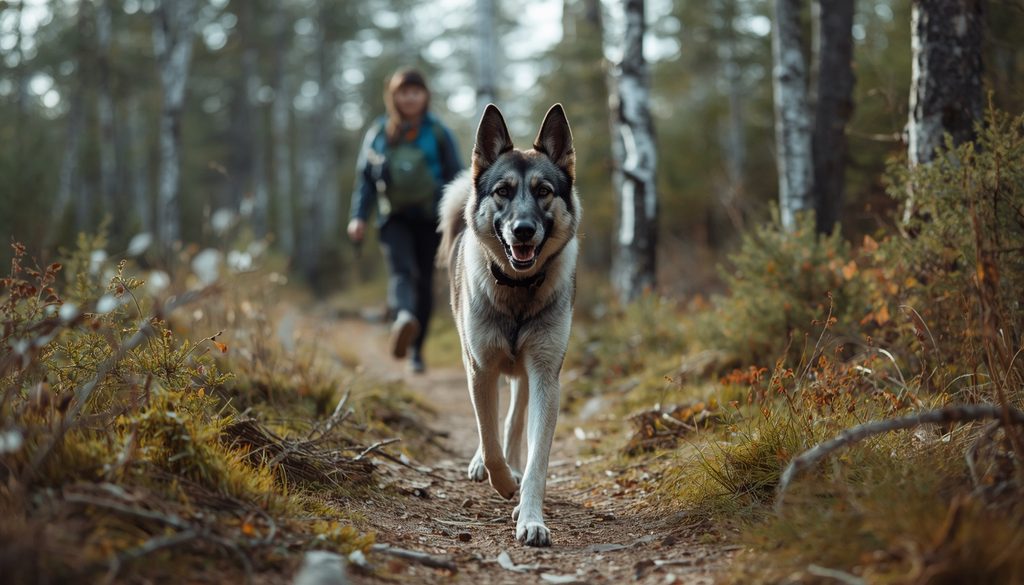
Confident, loyal, and energetic, the Norwegian Elkhound is a sturdy Nordic hound known for its dense silver-gray coat, curled tail, courage, and remarkable endurance. Alert and devoted, it combines an ancient hunting heritage with strong family bonds.
Otterhound
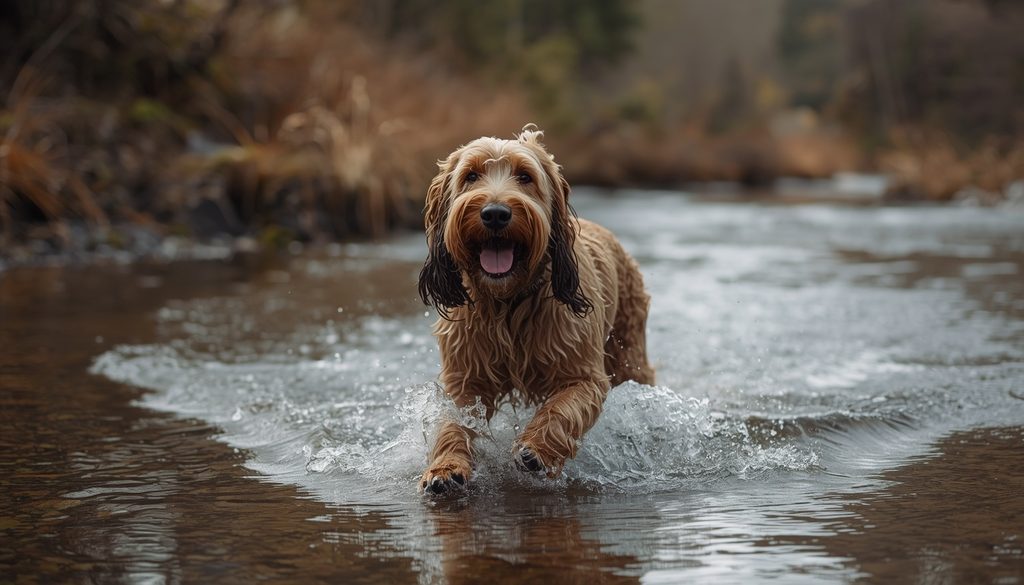
Friendly, boisterous, and independent, the Otterhound is a large British scent hound known for its shaggy waterproof coat, powerful nose, webbed feet, and love of water. Energetic and good-natured, it has a distinctly rugged character.
Petit Basset
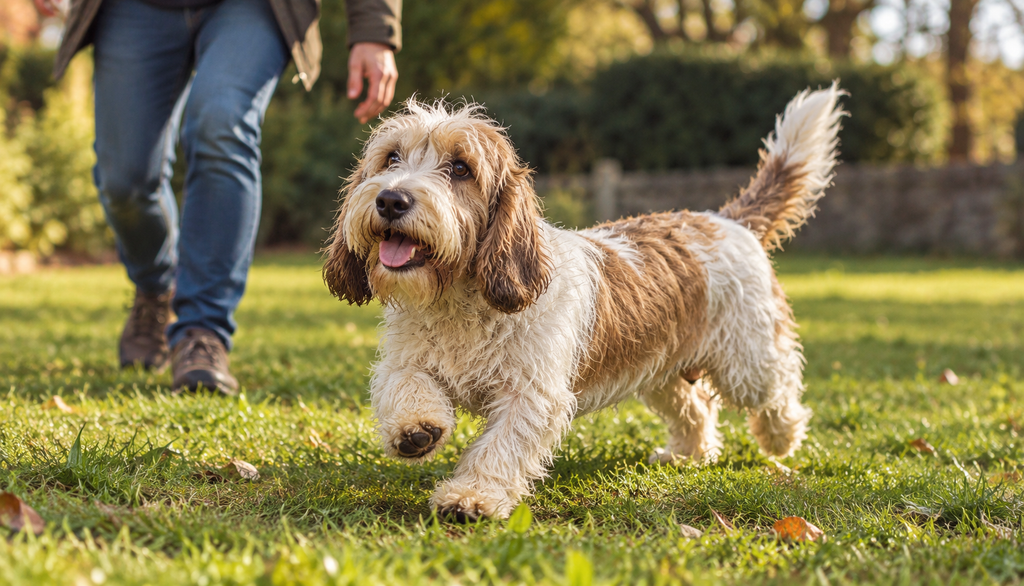
Cheerful, curious, and energetic, the Petit Basset Griffon Vendéen is a small French scent hound known for its rough coat, lively personality, determination, and excellent nose. Sociable and adventurous, it brings plenty of character to family life.
Pharaoh Hound
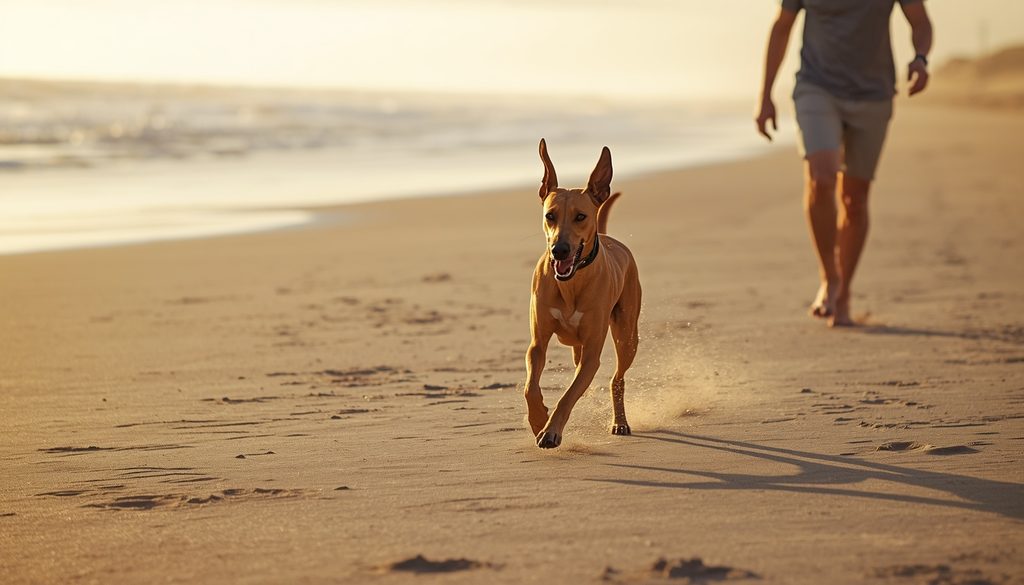
Affectionate, athletic, and playful, the Pharaoh Hound is an elegant Mediterranean hound known for its large upright ears, sleek tan coat, impressive speed, and keen hunting instincts. Lively outdoors, it is typically warm and devoted with its family.
Plott Hound
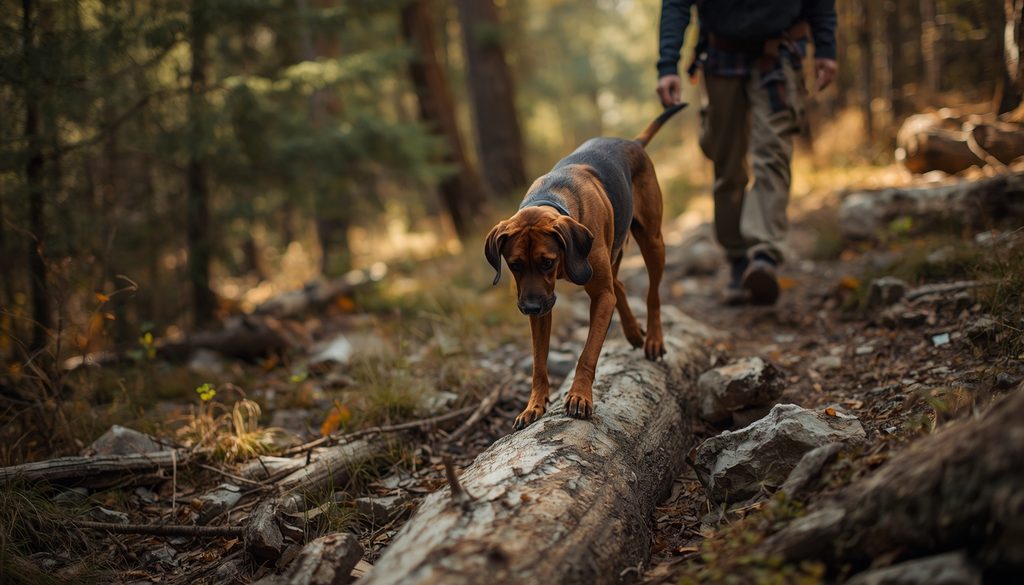
Confident, loyal, and determined, the Plott Hound is a powerful American scent hound known for its distinctive brindle coat, impressive stamina, courage, and strong hunting instincts. Active and intelligent, it forms close bonds with its family.
Podengo Pequeno

Lively, intelligent, and adventurous, the Portuguese Podengo Pequeno is a small Portuguese hound known for its upright ears, agile build, keen hunting instincts, and alert personality. Energetic and affectionate, it enjoys staying actively involved with its family.
Redbone Coonhound
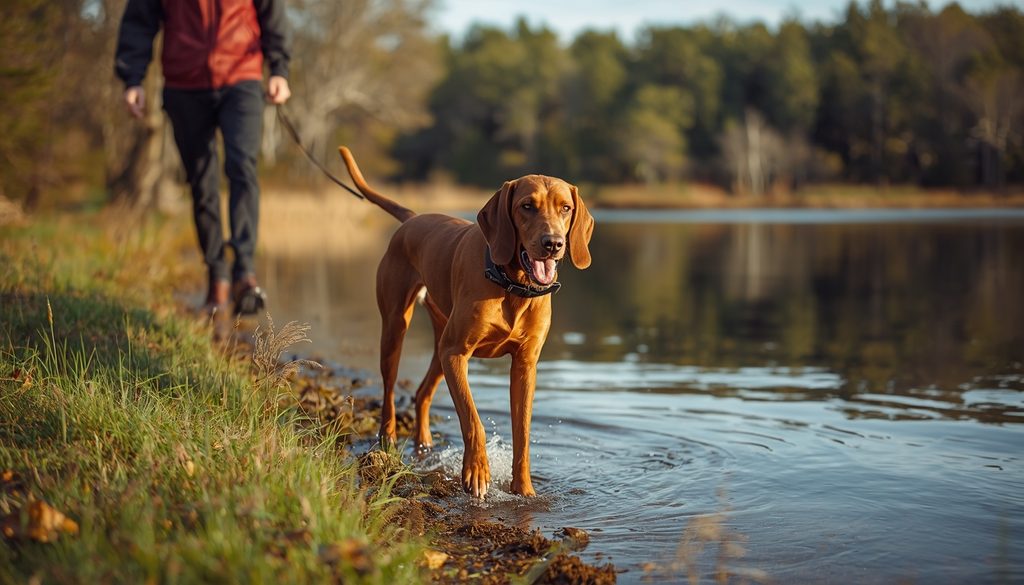
Affectionate, energetic, and determined, the Redbone Coonhound is an athletic American scent hound known for its striking red coat, powerful tracking ability, endurance, and distinctive voice. Friendly and devoted, it combines serious hunting instincts with a companionable nature.
Rhodesian Ridgeback
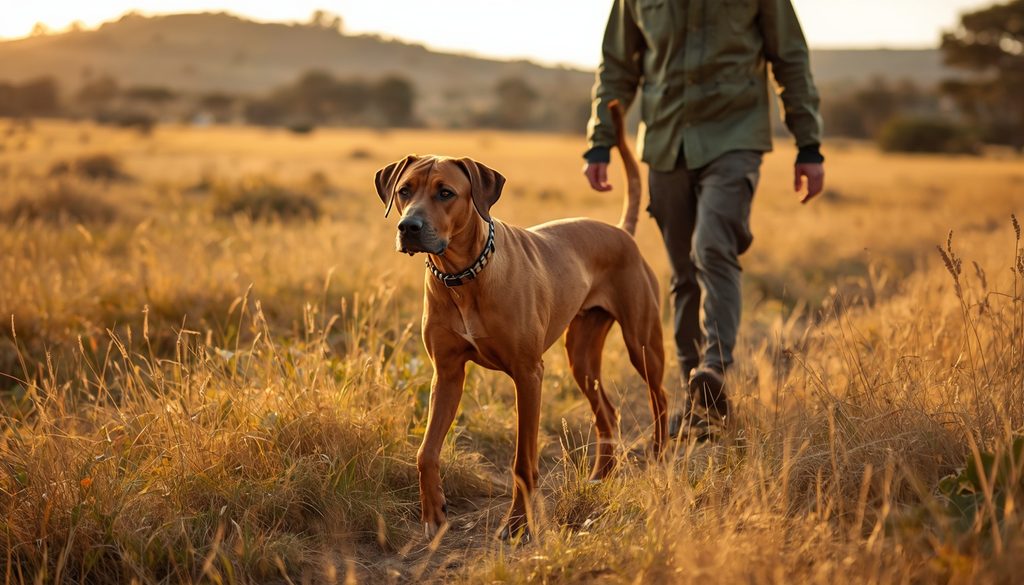
Confident, athletic, and devoted, the Rhodesian Ridgeback is a powerful African hound known for its distinctive back ridge, impressive endurance, courage, and independent nature. Protective yet affectionate with family, it combines strength with a typically dignified temperament.
Saluki
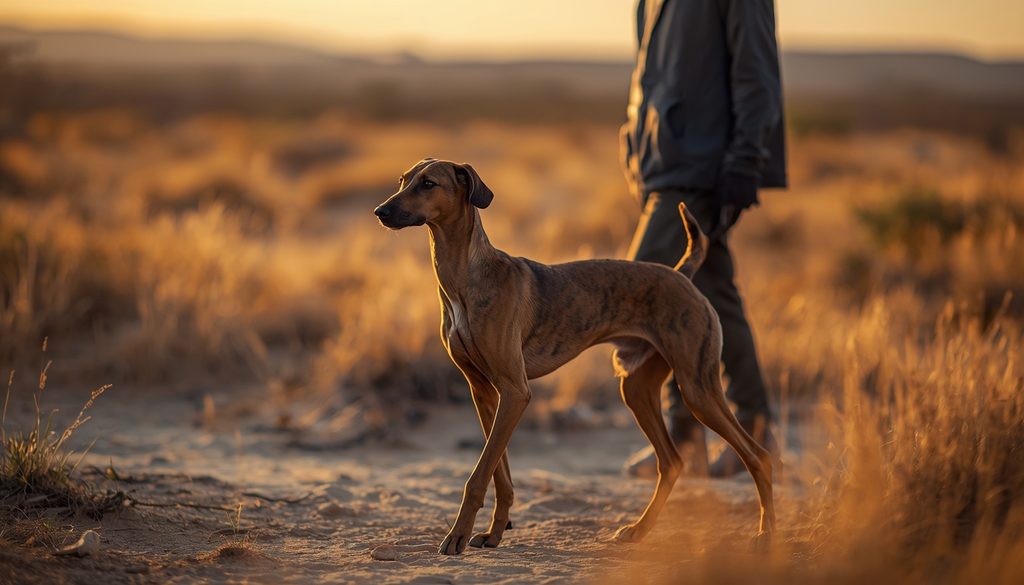
Graceful, sensitive, and independent, the Saluki is an ancient sighthound known for its remarkable speed, endurance, elegant build, and strong hunting instincts. Typically gentle and reserved, it can form exceptionally close and affectionate bonds with its family.
Scottish Deerhound
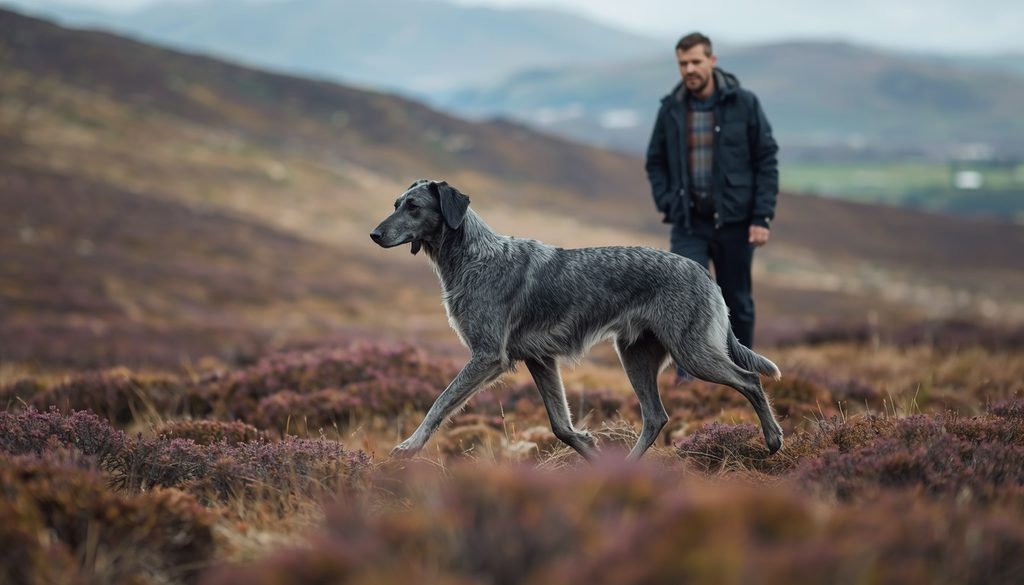
Gentle, dignified, and athletic, the Scottish Deerhound is a tall sighthound known for its rough coat, impressive speed, endurance, and historic pursuit of deer. Calm and affectionate at home, it typically forms strong bonds with its family.
Sloughi
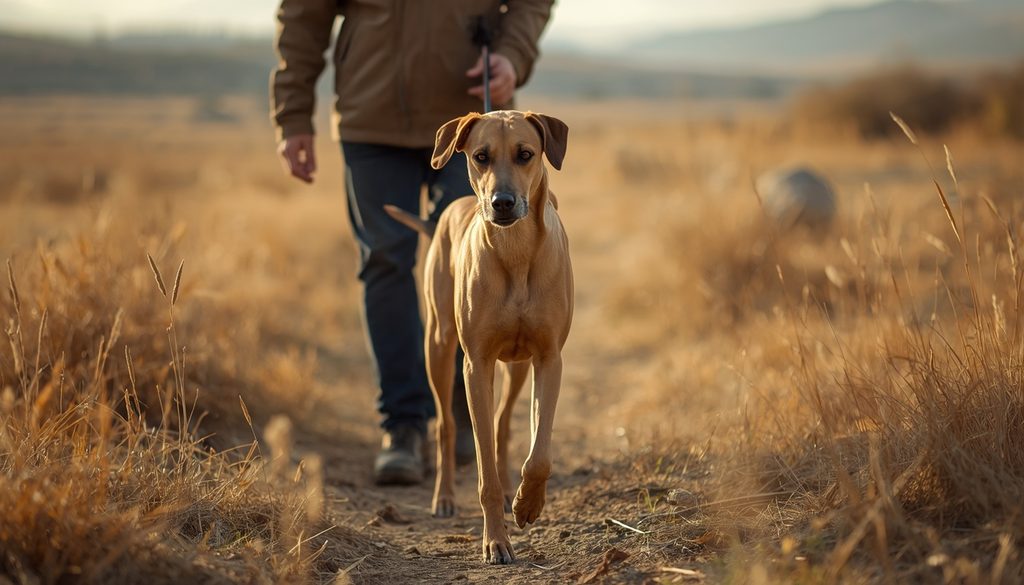
Reserved, graceful, and athletic, the Sloughi is a North African sighthound known for its lean build, impressive speed, endurance, and strong prey drive. Typically sensitive and dignified, it can form deep bonds with the people it trusts.
Treeing Walker

Energetic, confident, and determined, the Treeing Walker Coonhound is an athletic American scent hound known for its speed, endurance, powerful nose, and distinctive voice. Friendly and intelligent, it combines strong hunting instincts with an outgoing, companionable personality.
Whippet

Gentle, affectionate, and remarkably athletic, the Whippet is a streamlined sighthound known for its impressive speed, graceful build, playful personality, and strong chase instinct. Energetic outdoors, it is often calm and comfortably relaxed at home.
What Makes the Hound Group Different?
The hound group is united by a hunting heritage, but the dogs within it were developed to find and pursue game in very different ways. Rather than performing one standardized task, hounds evolved around the terrain, wildlife, and hunting traditions of their regions, producing breeds with striking differences in size, speed, endurance, and working style.
Most hound group dogs can be broadly understood as either scent hounds or sighthounds. Scent hounds use their exceptional sense of smell to locate and follow trails, sometimes working patiently over considerable distances. Sighthounds rely much more heavily on vision, detecting movement and pursuing prey with speed and athleticism. There are also breeds whose traditional working methods do not fit perfectly into either category, illustrating how varied the group really is.
These working origins help explain many of the traits of hound dogs seen in family homes today. Independence is common because hunters historically needed dogs capable of following game and making decisions without constant instruction. Persistence was equally valuable. Once a scent hound found a trail or a sighthound spotted moving prey, staying focused on the pursuit could mean the difference between success and failure.
The characteristics of hound dogs can therefore create both appealing qualities and practical challenges for modern owners. Many are gentle and affectionate with their families, yet they may not display the constant eagerness to please associated with breeds developed to work in continuous cooperation with a handler. A hound that understands a command may still become distracted when its nose discovers something fascinating or its eyes detect an animal moving in the distance.
Physical differences across the group are considerable. Long-legged sighthounds are typically streamlined and built for rapid pursuit, while many scent hounds have bodies designed for endurance and methodical tracking. Long ears are common among scenting breeds, and some have loose facial skin, although neither characteristic defines every hound.
The modern AKC Hound Group consequently contains dogs that may look remarkably different but share a historical connection to pursuing game. Their original purpose remains important when considering exercise, training, recall, fencing, and opportunities for safe exploration.
Understanding those instincts is more useful than expecting every hound to behave alike. The group provides clues about why these dogs behave as they do, but breed history and individual temperament ultimately determine what living with a particular hound is really like.
Hunting Instincts Still Matter
Modern hounds may spend far more time on sofas than hunting trails, but generations of selective breeding have not simply disappeared. Following scent, watching movement, pursuing interesting animals and working independently can remain powerful behaviors. These instincts do not make a hound difficult or unsuitable as a companion, but owners should understand them. Secure outdoor areas, appropriate leash management, rewarding training and safe opportunities to use natural abilities can make everyday life considerably easier for both dog and owner.

Sighthounds and Scent Hounds
One of the most useful ways to understand hounds is to look at how they were originally developed to hunt. Although individual breeds vary considerably, most belong broadly to one of two traditions: dogs that locate and pursue prey primarily by sight, and dogs that follow the scent left behind by animals moving through the landscape.
Sighthounds are the visual specialists. Their characteristic build reflects a need for speed, acceleration, and efficient movement, with many breeds having long legs, deep chests, narrow waists, and relatively streamlined bodies. The Greyhound, Saluki, Afghan Hound, and Whippet are familiar examples of sighthound breeds, although their histories and temperaments are far from identical.
So what is a sighthound in practical terms? It is a hound developed primarily to detect moving prey visually and pursue it, often at considerable speed. The singular terms sighthound and sight hound describe the same general type of dog, while sight hounds is another commonly used spelling for the group. Their sensitivity to movement can remain very strong in modern companion dogs, which is why secure exercise areas and careful management around wildlife and smaller animals can be important.
There are several types of sighthounds, ranging from the extraordinarily fast Greyhound to breeds historically developed for demanding terrain and longer pursuits. A sighthound dog may appear relaxed at home yet become instantly alert when something moves outside. For prospective owners comparing sighthound dog breeds, understanding this combination of calm companionship and powerful chase instinct can be particularly useful.
Scent hounds, by contrast, were developed to follow odor rather than rely primarily on visual pursuit. Breeds such as the Bloodhound, Beagle, and Basset Hound can remain focused on a scent trail even when the animal that created it is no longer visible. Their work often required persistence, endurance, and the ability to continue tracking independently of the hunter.
The various types of hunting hounds therefore approached the same basic goal in very different ways. A sighthound needed the vision and physical ability to pursue visible quarry, while a scent hound needed a remarkable nose and the determination to follow a trail.
The distinction is not always completely rigid. Some hounds were developed in hunting traditions where both sight and scent could play a role, and individual dogs may naturally use whichever sense provides the most useful information. Even among breeds placed firmly within one category, hunting style, speed, stamina, and independence can vary substantially. The division between sighthounds and scent hounds is therefore best understood as a practical way of explaining their predominant working method rather than a rule that describes every hound perfectly.
These distinctions still matter in everyday ownership. Sighthounds may require particular care around opportunities to chase, while scent hounds can become deeply absorbed in smells and may follow a trail farther than an owner expects. Neither type is inherently easier to live with. Understanding what motivated the breed historically simply helps owners provide safer exercise, more effective training, and appropriate outlets for instincts that remain part of the modern hound.
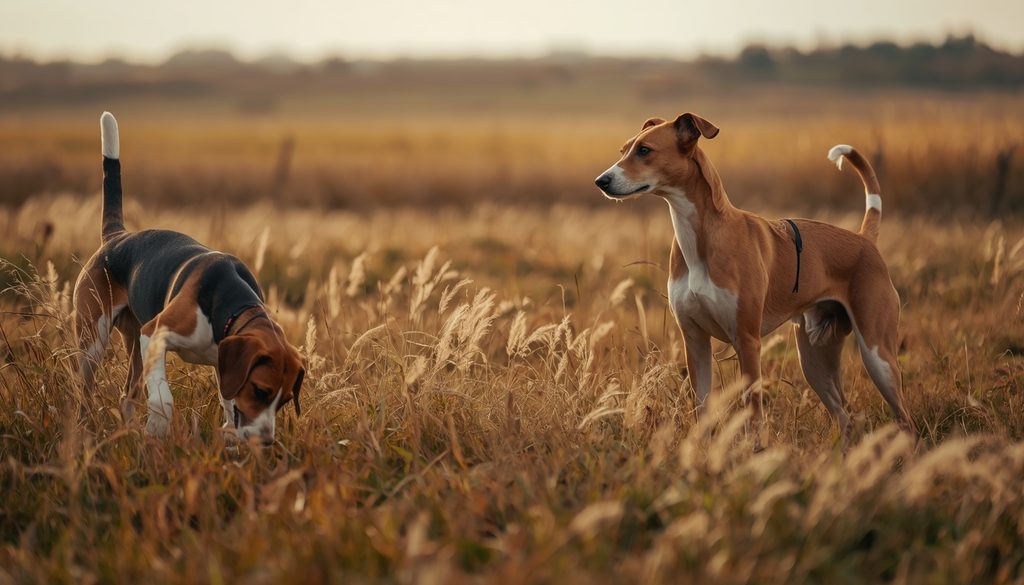
Eyes or Nose: Two Ways to Hunt
Sighthounds and scent hounds were shaped around different ways of locating game. Sighthounds notice movement and can respond with remarkable speed, while scent hounds may patiently follow an odor trail long after its source has disappeared from view. Those differences still influence everyday behavior. A sighthound may suddenly chase a moving animal, while a scent hound may become completely absorbed in an interesting trail. Knowing which instinct is strongest in your breed can help with exercise, recall training, fencing, and safe off-leash decisions.
Hound Size, Appearance and Physical Characteristics
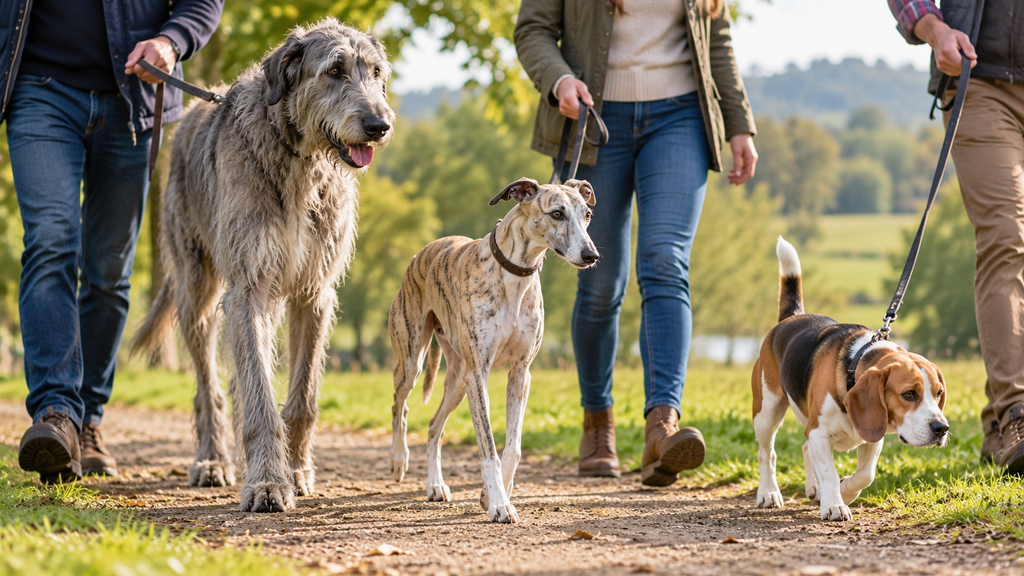
Few breed groups display as much physical variety as the Hound Group. Hounds range from small, low-to-the-ground dogs such as the Dachshund and Petit Basset Griffon Vendéen to exceptionally tall breeds such as the Irish Wolfhound and Scottish Deerhound. Between those extremes are dozens of dogs whose bodies were shaped around very different ways of finding and pursuing game.
Size often reflects original working purpose. Some large hound dogs needed the stride, strength, or endurance to pursue substantial quarry across open country. Greyhounds, Borzois, Salukis, and other sighthounds developed long legs, deep chests, flexible bodies, and relatively narrow waists that support efficient running. Their appearance is not simply decorative; much of their distinctive outline is connected directly to speed and athletic performance.
Scent hounds can look very different. The Bloodhound is large and substantial, while the Beagle is compact and comparatively light. Basset Hounds combine heavy bone with remarkably short legs, allowing them to move steadily while keeping close to scent trails near ground level. Other scenting breeds, including several coonhounds and foxhounds, have more athletic, long-legged builds suited to covering considerable distances.
Heads and ears provide further variation. Many scent hounds have long, hanging ears, which are traditionally associated with helping concentrate scent around the dog’s head while it works close to the ground. Breeds such as the Bloodhound and Basset Hound also have loose facial skin and pronounced wrinkles. Sighthounds generally have narrower, more refined heads, with their eyes positioned to provide excellent visual awareness of the landscape around them.
Coats vary just as dramatically. Greyhounds and Whippets have very short, smooth coats, Afghan Hounds carry long flowing hair, Otterhounds have rough weather-resistant coats, and Norwegian Elkhounds possess dense double coats developed for much colder conditions. Hound colors and markings are equally diverse, ranging from solid shades to brindle, tricolor, ticking, patches, and combinations of white with other colors.
Even dogs with similar proportions can differ significantly in weight and substance. The Whippet resembles a smaller Greyhound at first glance, for example, while the Scottish Deerhound and Irish Wolfhound share a tall, rough-coated outline but remain distinct breeds with different histories and physical characteristics.
For prospective owners, appearance should be considered alongside practical implications. A very large hound requires sufficient household and vehicle space, while long-backed or heavily built breeds may need particular consideration around stairs and jumping. Long coats demand more maintenance, and some short-coated sighthounds have relatively little natural protection against cold weather.
The remarkable physical diversity of hounds reflects the environments and jobs for which individual breeds were created. Looking beyond appearance to understand why a hound is built the way it is provides a much clearer picture of its likely exercise, grooming, housing, and everyday management needs.
Form Followed Function
The unusual proportions seen in many hounds usually have a practical explanation. Long-legged sighthounds were shaped for rapid pursuit, while shorter scent hounds could work steadily with their noses close to the ground. Deep chests, powerful legs, long ears, dense coats and streamlined bodies all developed around particular hunting environments and tasks. This is why two hounds can look almost unrelated while belonging to the same breed group. Their bodies tell much of the story of how, where and what their ancestors were expected to hunt.
Hound Temperament and Personality
There is no single personality that defines every hound. A Greyhound, Beagle, Bloodhound, Dachshund, and Afghan Hound can behave very differently, yet several qualities appear repeatedly across the group. Independence, persistence, curiosity, and a strong awareness of the surrounding environment are among the most recognizable hound characteristics, and many can be traced directly to the work these dogs were developed to perform.
Hounds were often expected to operate at some distance from people. A scent hound following a trail could not continually look to a handler for instructions, while a sighthound pursuing moving prey needed to react immediately to what it saw. The resulting hound dog characteristics often include an ability to make independent decisions. This does not mean hounds are unintelligent or deliberately disobedient. In many cases, they were specifically bred to continue working without constant human direction.
That independence can give hounds tremendous character. Many are curious explorers that investigate their surroundings thoroughly and confidently. Scent-driven breeds may seem fascinated by every new smell, while sighthounds can be extraordinarily observant, noticing distant movement that their owners have not even seen. Once something captures a hound’s attention, generations of selective breeding for persistence can make changing that focus challenging.
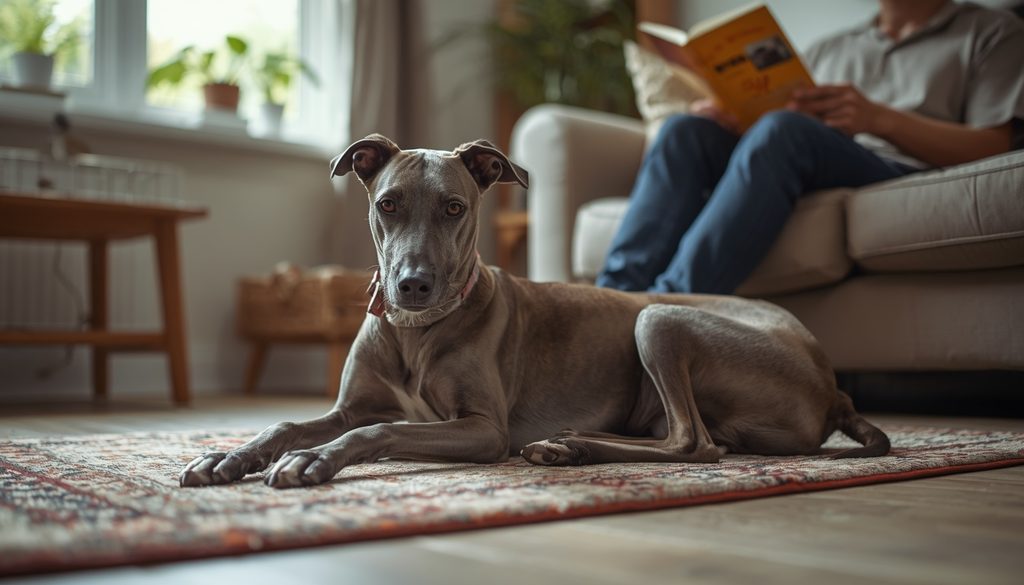
The hound traits seen at home are often considerably softer. Many breeds are affectionate and deeply attached to their families, and some of the fastest hounds can be remarkably relaxed indoors once their exercise needs have been satisfied. Greyhounds and Whippets, for example, may enjoy explosive bursts of activity but can also appreciate long periods of comfortable rest.
Individual hound dog traits vary substantially between breeds. Some hounds are outgoing and enthusiastic with unfamiliar people, while others are more reserved. Certain breeds traditionally worked in packs and may be highly sociable with other dogs. Others have a more independent temperament and may prefer a quieter household. Sensitivity is also common among several sighthounds, making harsh handling particularly inappropriate.
Their hunting background can sometimes be mistaken for stubbornness. A Beagle engrossed in a scent or a Saluki watching movement across a field is responding to instincts that humans deliberately strengthened over many generations. Successful ownership involves recognizing those motivations rather than expecting the dog to simply ignore them.
Temperament also depends on more than breed. Genetics, early socialization, training, environment, health, and individual experience all contribute to the adult dog’s personality. Breed tendencies are useful for understanding what behaviors may be more likely, but they should never be treated as guarantees about an individual animal.
For people who appreciate dogs with personality, independence, and a strong connection to their original purpose, hounds can be immensely rewarding companions. Their affection may sometimes be expressed differently from that of more handler-focused breeds, but the relationships they develop with their families can be every bit as strong.
Hounds as Family Dogs
For the right household, hounds can be affectionate, entertaining, and deeply rewarding companions. Their hunting ancestry sometimes creates an impression that these dogs are primarily working animals, yet many breeds have lived closely alongside people for generations. The question are hounds good family dogs therefore has no single answer: much depends on the particular breed, the household, and whether the dog’s natural instincts can be accommodated.
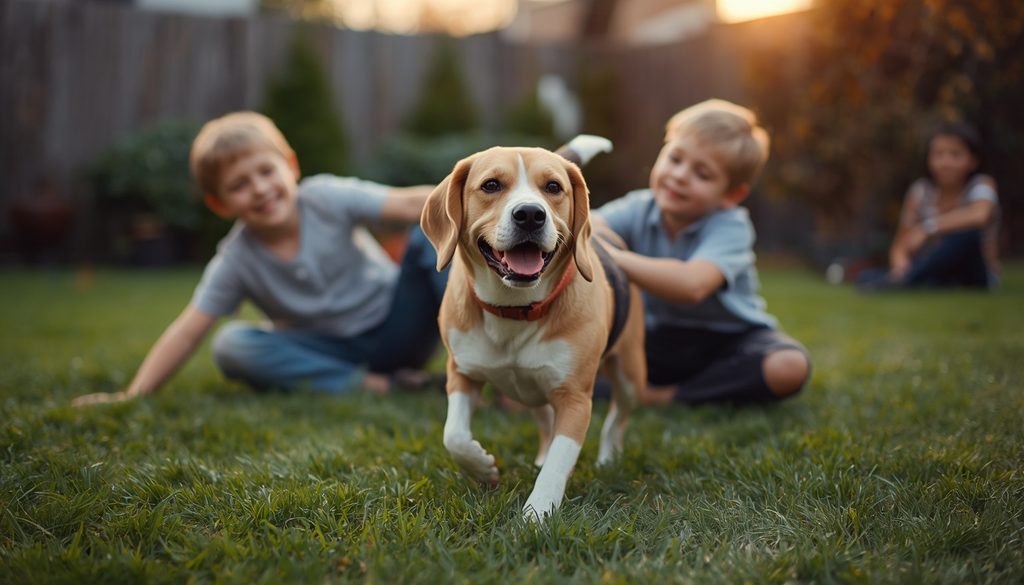
Many hounds develop strong relationships with their families. Beagles are typically sociable and enjoy being involved in household activity, while Greyhounds and Whippets can be surprisingly quiet and relaxed indoors. Large breeds such as the Irish Wolfhound are often gentle companions despite their imposing size. Other hounds may be more reserved or independent, showing affection without constantly seeking attention.
Families frequently ask are hound dogs good pets, particularly when considering breeds originally developed for serious hunting work. They certainly can be, but matching the breed to the household matters. A family wanting a highly responsive dog that naturally stays close during off-leash walks may find some hounds challenging. A household that appreciates independence, enjoys outdoor activity, and is prepared to manage scenting or chasing instincts may find those same characteristics fascinating rather than frustrating.
Children are another important consideration. Many hounds can live very successfully with respectful children, but size, energy, sensitivity, and individual temperament should all influence the decision. A large, enthusiastic hound may accidentally knock over a small child, while a more sensitive breed may prefer a quieter home. Children should learn to give dogs space when they are eating, sleeping, or seeking time alone, regardless of breed.
Prospective owners also sometimes wonder are hound dogs aggressive. Aggression is not a defining characteristic of the Hound Group, and it would be misleading to treat all hounds as having one predictable response to people or other animals. Breed tendencies, genetics, socialization, previous experiences, training, and the circumstances surrounding an interaction all matter. Hunting prey drive should also not automatically be confused with aggression toward people.
Relationships with other pets require similar thought. Some hounds historically worked alongside other dogs and may enjoy canine companionship. However, strong prey drive can make life with cats, rabbits, poultry, or other small animals more complicated for certain individuals. Dogs raised successfully with a household cat may behave very differently toward unfamiliar cats encountered outdoors.
The practical realities of family life matter too. Secure fencing can be particularly valuable, food may need careful management around highly motivated scent hounds, and some breeds are considerably more vocal than others. Families should also consider how much time a dog will spend alone and whether its exercise and mental stimulation needs realistically fit the household routine.
Rather than asking whether hounds collectively make good family dogs, it is more useful to identify which hound breeds suit a particular family. With thoughtful breed selection, appropriate management, and realistic expectations, many hounds become affectionate companions whose distinctive personalities are a major part of their appeal.
Match the Hound to the Household
Family suitability varies considerably across the Hound Group. Think beyond size and appearance and consider the breed’s energy level, independence, prey drive, vocal tendencies, sensitivity, and need for companionship. Homes with small pets may require particular care when considering a strongly prey-driven hound, while families with young children should consider both the dog’s size and temperament. Choosing a breed whose natural behavior fits everyday family life is usually far easier than expecting those instincts to disappear after the dog comes home.
Exercise, Hunting Instinct and Prey Drive
Exercise requirements vary enormously across the Hound Group. A young Beagle, energetic coonhound, or working-bred scent hound may happily spend hours exploring, while some sighthounds combine extraordinary athletic ability with a surprisingly relaxed lifestyle at home. The important distinction is that exercise for a hound is not simply about covering distance. These dogs often need opportunities to use the senses and instincts for which they were developed.
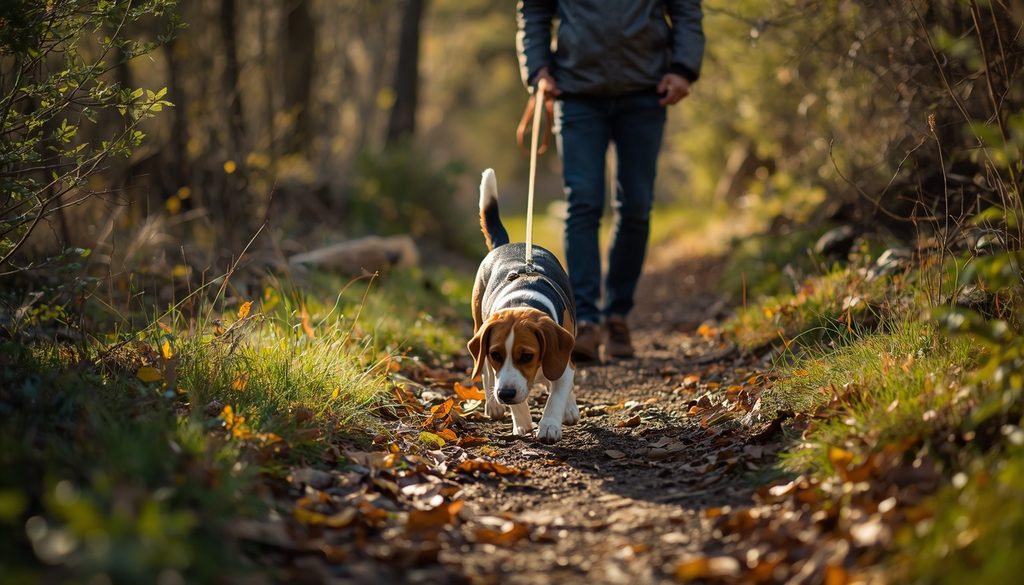
Scent hounds can gain enormous satisfaction from being allowed to investigate their surroundings. A walk during which a Beagle spends time following interesting smells may provide more meaningful stimulation than marching the same distance without being allowed to explore. Sniffing, scent games, tracking activities, and walks through varied environments can all provide constructive outlets for natural behavior.
Sighthounds have different priorities. Many enjoy opportunities to run, but that does not mean every sighthound requires hours of high-intensity exercise. Greyhounds and Whippets, for example, are capable of tremendous speed yet often enjoy relatively short bursts of activity followed by substantial periods of rest. Other hounds have greater endurance and may require considerably more sustained daily exercise.
Prey drive deserves particular attention. Many hounds were deliberately developed to notice, locate, follow, or pursue animals, and those instincts can remain powerful even in dogs that have never hunted. A sighthound may react instantly when a rabbit runs across a field, while a scent hound can become absorbed in a trail and continue following it well beyond the point where an owner would like the dog to stop.
For that reason, off-leash freedom should be considered individually rather than assumed to be appropriate for every hound. Reliable behavior in the house or backyard does not necessarily predict what will happen when wildlife appears. Securely fenced areas can provide valuable opportunities for free movement without requiring owners to gamble on recall against a deeply ingrained hunting instinct.
Fencing itself deserves careful consideration. Some hounds are capable jumpers, others may investigate gaps or weak points, and scent-driven dogs can become remarkably persistent when something interesting lies beyond the boundary. A secure yard should complement walks and other activities rather than replace them.
Mental exercise matters as well. Food searches, scent trails, puzzle feeders, structured games, and opportunities to explore new environments can help satisfy a hound without attempting to exhaust it physically. Activities that work with natural instincts are generally more useful than expecting the dog to ignore them.
The goal is not to eliminate hunting behavior from a hound. It is to provide safe, appropriate ways for the dog to exercise its body and engage the abilities that generations of breeding have preserved. When those needs are understood, hounds can often settle remarkably well into everyday companion life.
A Tired Hound Needs More Than Miles
Physical exercise is important, but simply walking farther is not always the best way to satisfy a hound. Scent hounds benefit from opportunities to sniff, investigate and follow safe trails, while sighthounds may enjoy controlled opportunities for running and games involving movement. Mental stimulation can be equally valuable. Allowing a hound to use its natural abilities gives exercise a purpose and can be far more satisfying than trying to tire the dog through distance alone.
Training a Hound Dog
Training a hound can be extremely rewarding, but it often requires a slightly different mindset from training breeds developed to work in close and continuous cooperation with people. Hounds are intelligent dogs, yet many were deliberately bred to make decisions independently while tracking or pursuing game. Successful training works with that heritage rather than treating independence as a problem that must be eliminated.
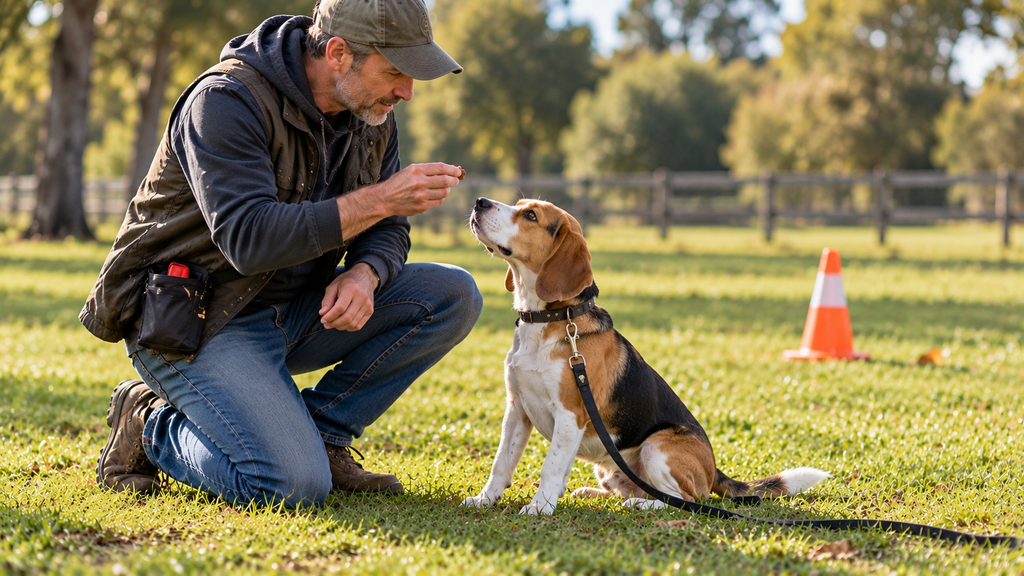
Motivation is particularly important. A hound surrounded by interesting smells, wildlife, or movement may have powerful reasons to focus on the environment instead of its owner. Rewards therefore need to be genuinely worthwhile. Food can be highly effective for many scent hounds, while toys, movement, access to sniffing, and opportunities to continue exploring can also become useful rewards.
Short, engaging training sessions often work better than repetitive drilling. Once a dog clearly understands an exercise, repeatedly asking for the same behavior can cause interest to disappear. Variety helps, as does gradually practicing familiar skills in increasingly distracting environments rather than expecting perfect responses everywhere immediately.
Recall deserves special attention. A hound that responds reliably in the kitchen or backyard may behave very differently when an animal runs across a field or a fascinating scent crosses the trail. Recall training should begin in low-distraction environments and progress gradually, with a long training line providing additional security outdoors. Owners should avoid assuming that training can completely override prey drive in every individual.
Teaching attention and voluntary check-ins can be particularly valuable. Rewarding a hound for choosing to look back at its owner during walks builds a useful habit without requiring constant commands. Similarly, teaching a reliable emergency recall cue can provide an additional layer of safety, although it should never be treated as a substitute for sensible leash use or secure fencing.
Loose-leash walking can present its own challenge. Scent hounds naturally want to investigate the ground, while sighthounds may suddenly become interested in distant movement. Rather than preventing all exploration, owners can teach the difference between periods of purposeful walking and times when the dog is free to sniff and investigate safely.
Positive, reward-based methods are especially appropriate for hounds. Harsh corrections can damage trust and may be particularly counterproductive with sensitive breeds. Clear boundaries and consistency still matter, but effective training does not require confrontation.
Socialization is equally important. Puppies should encounter a thoughtful range of people, environments, surfaces, sounds, and appropriate animals while learning that unfamiliar experiences are safe. Socialization should build confidence rather than overwhelm the dog.
Perhaps the most useful expectation is that a well-trained hound does not need to behave like a different type of dog. Training should create communication, reliability, and safe everyday behavior while preserving the curiosity and independence that make these breeds distinctive.
Make Yourself Worth Listening To
A hound may be asked to choose between its owner and an exceptionally interesting scent, so training needs to offer something worthwhile. Use rewards the individual dog genuinely values and practice new skills before adding major distractions. Sniffing itself can sometimes become a reward: ask for a simple behavior, then release the dog to investigate an interesting area. This approach works with the hound’s natural motivation rather than turning every walk into a competition between the owner and the environment.
Barking, Baying and Howling
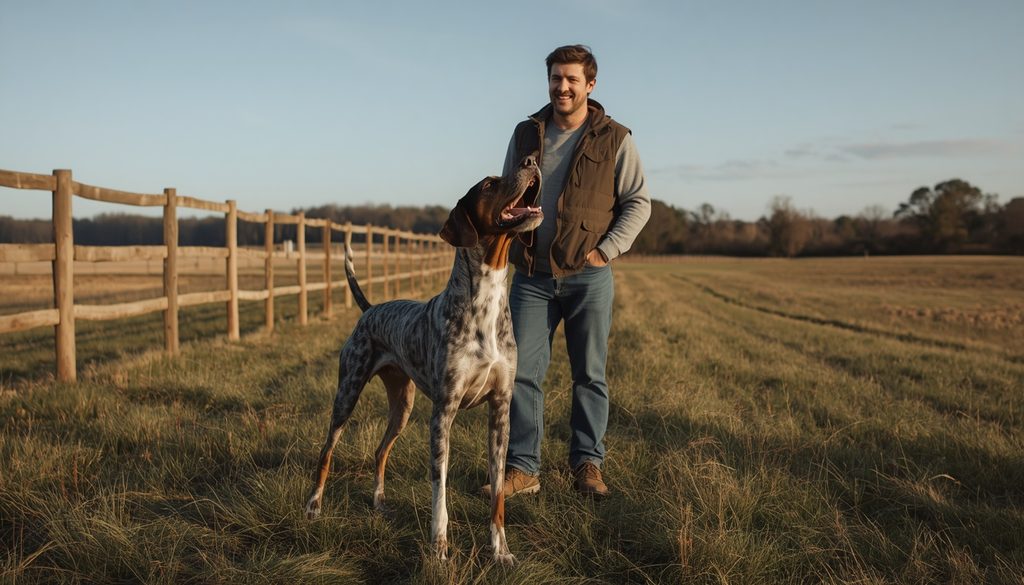
Hounds have a reputation for being vocal, and in some breeds that reputation is well deserved. Vocal communication was often an important part of hunting work, particularly for scent hounds operating at a distance from people. Hunters needed to know where their dogs were and whether they had located or were pursuing game, so a strong, carrying voice could be a valuable working characteristic rather than an undesirable behavior.
Ordinary hound dog barking is only part of the picture. Many scent hounds are known for baying—a prolonged, resonant vocalization that carries much farther than a typical bark. Beagles, Bloodhounds, coonhounds, foxhounds, and Basset Hounds can all produce distinctive voices, although frequency and intensity vary considerably between breeds and individual dogs.
The range of hound dog sounds can surprise first-time owners. Depending on the breed and situation, a hound may bark, bay, howl, whine, or produce an assortment of expressive noises. Excitement, frustration, loneliness, the discovery of an interesting scent, or the presence of another vocal dog can all trigger a response.
Hound dogs howling can also be influenced by environmental sounds. Sirens, music, other dogs, and unfamiliar noises may provoke howling in some individuals. In breeds historically expected to communicate while hunting, vocal behavior can be deeply ingrained, so expecting complete silence may be unrealistic.
That does not mean owners must accept unlimited noise. The first step is understanding why the dog is vocalizing. A bored hound left without sufficient exercise or stimulation may bark for very different reasons from a dog baying because it has detected an animal beyond the fence. Dogs experiencing separation distress require a different approach again.
Exercise, enrichment, predictable routines, and appropriate companionship can reduce vocalization caused by boredom or frustration. Training a quiet cue may also be useful, particularly when owners reward calm behavior rather than repeatedly shouting over an already excited dog. Preventing access to obvious triggers can help where appropriate—for example, reducing a dog’s ability to patrol a fence line and react continuously to passing animals.
Living arrangements matter. A particularly vocal hound may be difficult to manage in an apartment with close neighbors, even if the dog’s physical exercise requirements could otherwise be met. Prospective owners should investigate the tendencies of the individual breed rather than assuming all hounds are equally noisy.
A hound’s voice is part of its working heritage. For some owners, the occasional dramatic howl or deep bay becomes an endearing part of the breed’s personality. For others, especially those living close to neighbors, it may be an important factor when deciding whether a particular hound fits their home.
Coats, Grooming, Shedding and Allergies
Coat care across the Hound Group ranges from extremely simple to surprisingly demanding. Some hounds have short, smooth coats requiring little more than routine brushing, while others carry long, dense, rough, or weather-resistant coats that need considerably more attention. Choosing a hound based on appearance alone can therefore underestimate the amount of grooming involved.
Greyhounds, Whippets, Pharaoh Hounds, and several coonhounds have short coats that are relatively straightforward to maintain. Regular brushing helps remove loose hair and distribute natural skin oils, while bathing is generally needed only when the dog becomes dirty or develops an odor. Short-coated dogs still shed, however, and their small hairs can work their way into furniture and clothing.
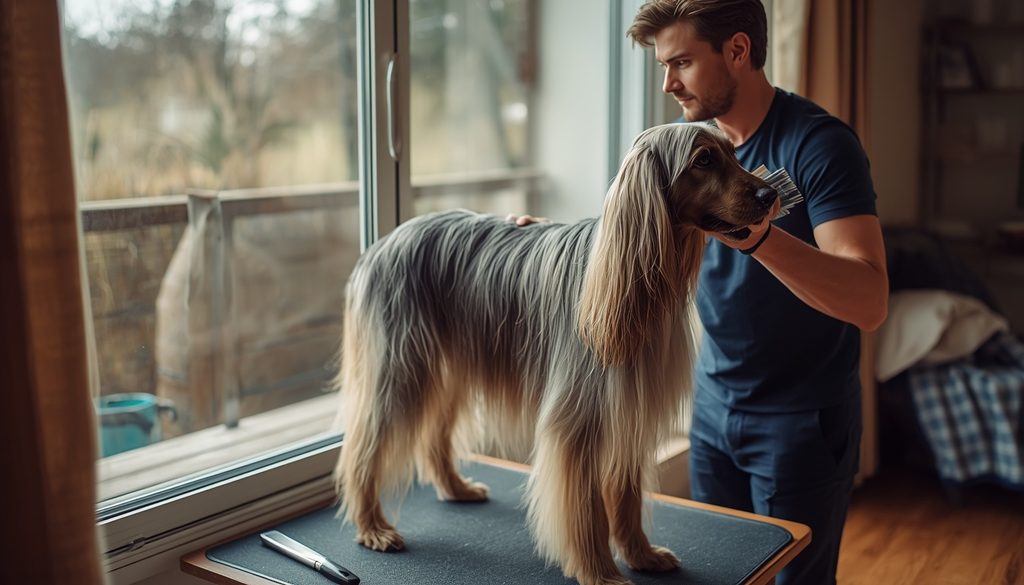
At the opposite extreme is the Afghan Hound, whose long, flowing coat requires substantial maintenance if kept in full condition. Regular, thorough grooming is necessary to prevent tangles and matting. Rough-coated breeds such as the Otterhound and the Petit and Grand Basset Griffon Vendéen have different grooming requirements again, while the Norwegian Elkhound’s dense double coat can release significant amounts of undercoat during seasonal shedding.
Long-eared scent hounds deserve particular attention around the ears. Hanging ears can restrict airflow through the ear canal, and dogs that enjoy exploring wet grass, swimming, or following trails through vegetation may frequently bring home moisture and debris. Routine checks allow owners to notice redness, odor, discharge, or irritation early rather than waiting for obvious discomfort.
Nail care is important across the group. Long nails can affect traction and alter the way a dog moves, which is particularly undesirable in athletic breeds. Teeth should also receive routine care, and skin, paws, eyes, and ears provide useful opportunities to notice small changes before they become larger problems.
Prospective owners sometimes ask are hounds hypoallergenic, but the Hound Group does not provide a simple answer. No dog can be guaranteed not to trigger allergies, and reactions can involve proteins found in dander, saliva, and urine rather than hair alone. A dog that sheds relatively little is therefore not automatically suitable for someone with dog allergies.
There are nevertheless substantial differences in how much hair individual hound breeds leave around the home. Coat type, season, health, nutrition, and the individual dog can all influence shedding. Regular brushing can capture loose hair before it reaches furniture and floors, but grooming cannot make a shedding breed genuinely non-shedding.
Anyone with significant allergies should spend time around adult dogs of the breed they are considering before bringing one home and discuss serious allergy concerns with an appropriate healthcare professional. Choosing solely on claims that a particular coat is “hypoallergenic” can lead to disappointment.
The practical lesson is simple: there is no single hound grooming routine. Coat type varies too dramatically. Understanding the individual breed’s coat, shedding pattern, ear care, and maintenance requirements provides a much more realistic picture of the work involved.
Check Those Hound Ears
Long, hanging ears are one of the most recognizable features of several scent hounds, but they also deserve routine attention. Check the ears regularly for unusual odor, redness, discharge, irritation, trapped debris or persistent scratching. Dogs that swim or explore wet vegetation may need particularly careful monitoring because moisture can remain around the ear canal. Healthy ears should not require aggressive cleaning, so if irritation repeatedly returns or the ear appears painful, veterinary assessment is more appropriate than simply increasing the frequency of cleaning.
Choosing the Right Hound Breed
Choosing between hounds means looking beyond appearance and deciding which combination of temperament, activity, size, instincts, and everyday behavior fits realistically into your life. The enormous variety within the group is an advantage: people attracted to hounds can choose from compact companions, powerful scenting breeds, elegant sighthounds, and some of the tallest dogs in the world.
Start with activity level. Some hounds need substantial daily exercise and thrive with owners who enjoy long walks, hiking, scent work, or other outdoor activities. Others, particularly some adult sighthounds, can be surprisingly relaxed around the house once their exercise needs are met. Age matters too. A young Whippet or Greyhound may be considerably more energetic than the settled adult dog people sometimes picture.
Hunting instinct should be considered just as carefully. If you want a dog that can routinely accompany you off leash in unfenced areas, certain hounds may require more management than you expect. Strong prey drive, scent fixation, and independent decision-making are not training failures; they are characteristics deliberately preserved in many of these breeds.
Think about your home as well. Giant breeds such as the Irish Wolfhound and Scottish Deerhound require considerably more physical space than a Beagle or Dachshund. A securely fenced yard can be extremely useful for many hounds, although a yard does not replace appropriate exercise. Apartment living may suit some quieter hounds surprisingly well, but highly vocal breeds can create difficulties when neighbors are close.
Grooming provides another major dividing line. Someone wanting minimal coat maintenance may prefer a short-coated Whippet, Greyhound, or Pharaoh Hound over an Afghan Hound. Owners attracted to rough or long-coated breeds should be comfortable with the brushing, bathing, drying, and general maintenance their coats can require.
Household composition matters too. Families with children should consider size, sensitivity, energy, and individual temperament. Homes with cats or other small pets need to investigate prey drive particularly carefully. Some individual hounds live successfully with smaller animals, especially when raised alongside them, but breed heritage should never simply be ignored.
Noise tolerance can narrow the choices further. If you love the character of scent hounds but live somewhere that makes frequent baying difficult, investigate the vocal tendencies of the specific breed before committing. Similarly, owners who want an exceptionally responsive, handler-focused training partner should understand that the independence of some hounds may produce a very different relationship.
Finally, consider where the dog will come from. Responsible breeders should be open about health testing, temperament, and the realities of living with their breed rather than simply promoting puppies. Breed-specific rescues can also be excellent sources of experienced adult hounds, and an established foster home may provide valuable information about a dog’s behavior in everyday life.
There is no universally ideal hound. The best match comes from understanding what a breed was developed to do and deciding whether those characteristics complement your household rather than expecting the dog to adapt completely to a lifestyle for which it was never designed.
Choose With Everyday Life in Mind
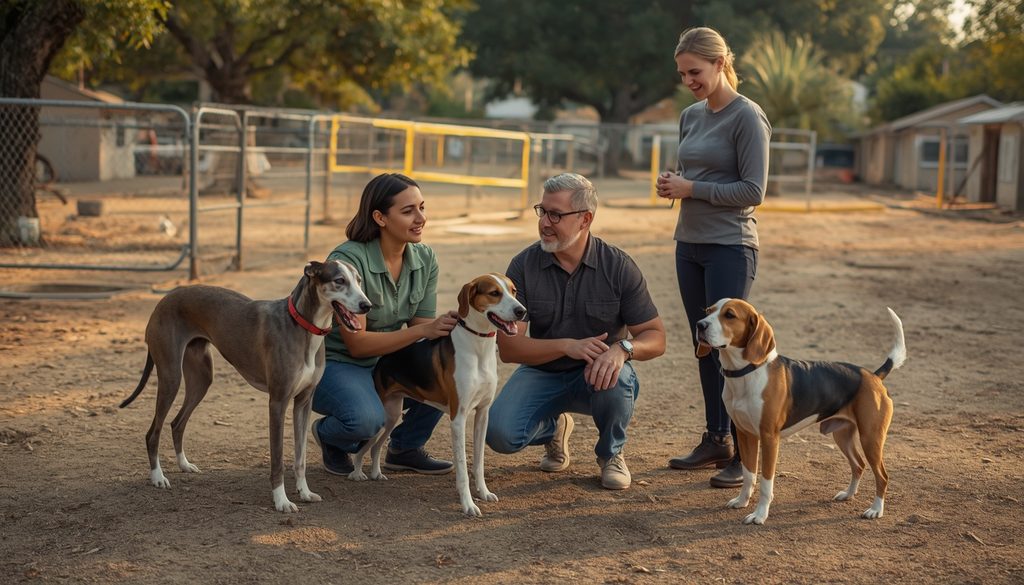
Picture an ordinary Tuesday rather than the perfect weekend. How much time can you genuinely devote to walking, training and enrichment? Is your yard secure? Are neighbors close enough that baying could become a problem? Do you have cats or other small pets? How much grooming are you prepared to do? Answering practical questions like these can quickly narrow a diverse group of breeds into hounds that are genuinely compatible with your household and lifestyle.
Finding the Right Hound for You
The Hound Group offers extraordinary variety. From the compact Beagle and Dachshund to the towering Irish Wolfhound, and from determined scent trackers to remarkably fast sighthounds, these breeds demonstrate just how differently dogs can be shaped by their original working purpose.
What connects them is not a single appearance or temperament, but a heritage built around finding and pursuing game. Those instincts still matter. A hound’s independence, powerful nose, sensitivity to movement, distinctive voice, or desire to explore may become part of everyday family life long after hunting has disappeared from its routine.
That is also much of their appeal. Hounds can be affectionate, entertaining, dignified, athletic, wonderfully relaxed, or intensely curious—sometimes several of those things in the same dog.
The key is choosing the individual breed rather than simply choosing a Hound. Consider exercise, prey drive, training, grooming, size, vocal tendencies, and compatibility with children and other animals. Then explore the individual CanineBase breed guides above for a much closer look at the dogs that interest you.
With the right match and realistic expectations, a hound can be an exceptionally rewarding companion.
Start With the Life You Actually Live
The right hound is not necessarily the breed you find most striking. Think about your normal routine, available space, exercise habits, nearby neighbors, other pets and how much time you genuinely want to devote to training and grooming. A relaxed adult Greyhound may suit one household beautifully, while another may prefer the curiosity and activity of a Beagle or the outdoor enthusiasm of a coonhound. Matching natural breed tendencies to everyday life gives both owner and dog a much better foundation for a successful relationship.
Final Thoughts
Hounds are one of the most varied groups in the dog world. From compact scent trackers such as the Beagle and Dachshund to elegant sighthounds such as the Saluki and Greyhound, and enormous breeds such as the Irish Wolfhound, their differences can be striking. What connects them is a history of dogs developed to locate and pursue game using exceptional senses, athletic ability, persistence, and independence.
Those working origins still shape life with a modern hound. Following an irresistible scent, reacting instantly to movement, exploring independently, or announcing excitement with a powerful bay are not simply quirks—they are behaviors rooted in generations of purposeful breeding.
For the right owner, those characteristics are also a large part of the attraction. Hounds can be affectionate, sensitive, entertaining, athletic, dignified, and surprisingly relaxed companions. They tend to reward owners who appreciate dogs with their own personalities rather than expecting constant attention and obedience.
The most important step is choosing the individual breed carefully. Consider size, exercise, prey drive, training, grooming, vocal tendencies, family circumstances, and the practical realities of your home before deciding which hound fits your lifestyle.
There may be no single way to describe every hound, but understanding what each breed was originally created to do provides an excellent starting point. Explore the individual CanineBase breed guides above, and you can narrow this remarkably diverse group down to the hounds that genuinely deserve a place on your shortlist.

Explore More Dog Breeds
Hounds are only one part of the remarkable diversity found among dogs. Visit the CanineBase Dog Breeds guide to explore the other major breed groups, compare different types of dogs and discover breeds whose temperament, activity level, size and everyday needs may suit your lifestyle.
Learn More About the Hound Group
For breed standards, recognized Hound breeds and additional information from the American Kennel Club, visit the AKC Hound Group. The AKC provides individual breed profiles covering history, characteristics and official breed information for dogs recognized within the group.