

Boykin Spaniel
The Boykin Spaniel is a distinctive American sporting dog developed for hard, practical work in the wetlands, swamps, and river systems of South Carolina. Compact enough to travel comfortably in small hunting boats yet athletic and determined enough to flush birds from dense cover and retrieve game from both land and water, the breed was shaped around versatility, endurance, intelligence, and close cooperation with its handler.
Those working qualities remain central to the Boykin Spaniel today, giving the breed a lively, purposeful character and a strong desire to stay involved in whatever its owner is doing. Although still highly valued as a hunting dog, the Boykin Spaniel has also become increasingly popular as an active family companion, especially with owners who appreciate a smaller sporting breed that combines genuine field ability with affection, trainability, and a close attachment to people.
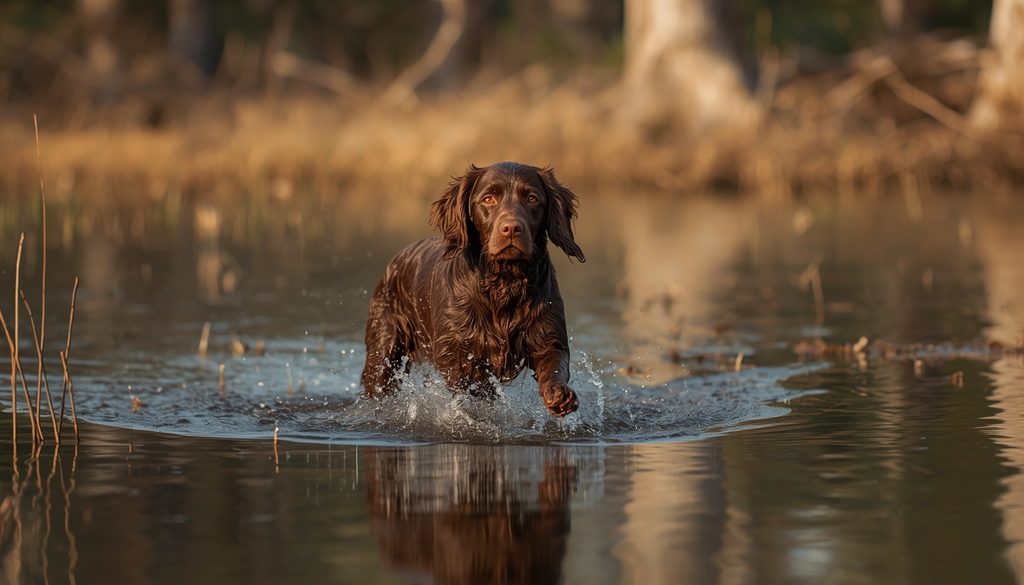
Often described as the “little brown dog,” the Boykin Spaniel has a warm, instantly recognizable appearance. For anyone wondering what is a Boykin Spaniel, the simplest answer is that it is a compact American sporting dog developed to flush and retrieve game while working closely with its handler. Its rich liver or chocolate coat, long feathered ears, expressive eyes, and athletic build give it the classic look of a working spaniel without making it feel overly heavy or cumbersome. The breed’s moderate size is one of its great advantages, particularly for owners who want a capable sporting dog that is easier to transport, handle, and live with than many larger retrievers.
The Boykin Spaniel’s temperament reflects its working background. These dogs are generally enthusiastic, alert, responsive, and eager to participate. They tend to thrive when they are given a purpose, whether that means retrieving, swimming, scent work, obedience, field training, hiking, or energetic play. Their intelligence and willingness to work closely with people can make them highly trainable, but that same combination of energy and mental sharpness means they can become restless if their days are consistently dull or inactive.
At home, many Boykins are affectionate, sociable, and deeply attached to their families. They usually want to be included rather than left on the sidelines, and they often form strong bonds with the people they live with. With enough exercise and mental stimulation, a well-adjusted Boykin Spaniel can settle comfortably indoors and enjoy a quieter family routine after an active day outside.
Their sporting instincts should not be underestimated, however. Boykins may have a strong desire to chase, retrieve, explore water, follow scent, and investigate movement around them. These natural tendencies can be great fun for active owners, but they also make early training, reliable recall, and appropriate outlets for hunting behavior especially important.
The breed’s coat is attractive but does require regular maintenance, and shedding is noticeable enough to deserve consideration before bringing one home. Owners should also understand the breed’s health profile, particularly the inherited conditions for which responsible breeders screen. Choosing carefully, maintaining a healthy weight, and staying proactive about exercise, grooming, and veterinary care can make a significant difference over the dog’s lifetime.
For the right household, the Boykin Spaniel offers an appealing combination of working ability, manageable size, affection, and enthusiasm. It can be a serious hunting partner, an energetic outdoor companion, a keen training dog, and a devoted family member all in one. The key is matching that versatility with an owner who genuinely wants an active, engaged sporting breed rather than simply being drawn to its size or handsome brown coat.

Table of Contents
Boykin Spaniel Fast Facts
Breed Group: Sporting
Origin: United States
Height: 14–18 inches
Weight: 25–40 pounds
Life Expectancy: 10–15 years
Size: Medium
Coat: Medium-length, flat to moderately curly
Colors: Liver to dark chocolate brown
Shedding: Moderate
Exercise Needs: High
Temperament: Friendly, eager, intelligent
Original Purpose: Flushing and retrieving game
Boykin Spaniel Star Ratings
Affectionate: ★★★★★
Family Friendly: ★★★★★
Easy to Train: ★★★★★
Exercise Needs: ★★★★★
Good With Children: ★★★★☆
Good With Other Dogs: ★★★★☆
Adaptability: ★★★★☆
First-Time Owner Friendly: ★★★★☆
Grooming Needs: ★★★☆☆
Shedding Level: ★★★☆☆
Apartment Friendly: ★★★☆☆
Tolerates Being Alone: ★★☆☆☆
Boykin Spaniel History and Origins
The Boykin Spaniel history is closely tied to the waterways, swamps, and hunting traditions of South Carolina. Unlike many spaniel breeds with roots stretching back several centuries in Europe, the Boykin Spaniel is a comparatively modern American breed. Its story began in the early 1900s, when hunters in South Carolina needed a compact, versatile dog that could work efficiently from the small boats used in the region’s river systems and wetlands.
The commonly accepted story begins with a small brown spaniel-type stray dog found in Spartanburg, South Carolina. The dog, later known as Dumpy, was taken in by a local man and eventually sent to Whit Boykin, an experienced hunter and dog trainer living near Camden. Boykin recognized the dog’s natural retrieving ability, intelligence, and willingness to work, and began developing those qualities through careful breeding.
Dumpy is generally considered one of the foundation dogs behind the breed. Over time, other sporting breeds were introduced to strengthen particular working traits, with dogs such as American Water Spaniels, Chesapeake Bay Retrievers, Cocker Spaniels, and Springer-type spaniels often cited as contributing to the developing line. The goal was not to create a show dog, but a practical hunting companion adapted specifically to local conditions.
The Boykin Spaniel origin therefore reflects function above all else. South Carolina hunters needed a dog small enough to ride comfortably in a lightweight boat without taking up valuable space, yet strong enough to swim, retrieve waterfowl, flush upland birds, and work through thick vegetation. The emerging Boykin proved particularly well suited to that combination of tasks. Its compact size, enthusiasm for water, retrieving instinct, stamina, and close partnership with its handler became defining characteristics of the breed.
As the Boykin Spaniel’s reputation grew, the dogs became increasingly associated with South Carolina hunting culture. The breed was sometimes called the “little brown dog” because of its distinctive liver or chocolate coat and relatively modest size. What began as a locally developed working dog gradually attracted attention beyond the state as hunters recognized the breed’s versatility and willingness to work in a wide range of conditions.
Formal recognition came much later than the breed’s development. The Boykin Spaniel Society was established in the 1970s to preserve the breed, maintain records, and promote responsible breeding. South Carolina later designated the Boykin Spaniel as its official state dog, reinforcing the breed’s strong regional identity. The American Kennel Club eventually recognized the Boykin Spaniel as a member of the Sporting Group.
The breed’s rise from a regional hunting dog to a nationally recognized sporting breed was gradual, and that slow development helped preserve many of its original working qualities. Rather than being shaped primarily for appearance, early Boykins continued to be selected for practical traits such as retrieving drive, water confidence, endurance, trainability, and the ability to remain manageable in confined boats. That emphasis on usefulness is still one of the clearest links between the modern Boykin Spaniel and the dogs that first worked South Carolina’s waterways more than a century ago.
Although modern Boykins are now found far beyond South Carolina, their original purpose remains visible in both body and temperament. Many retain a strong enthusiasm for retrieving, swimming, searching cover, and working closely with people. Understanding the breed’s origins helps explain why the Boykin Spaniel is typically energetic, trainable, people-focused, and happiest when given both physical activity and a sense of purpose.
South Carolina’s State Dog
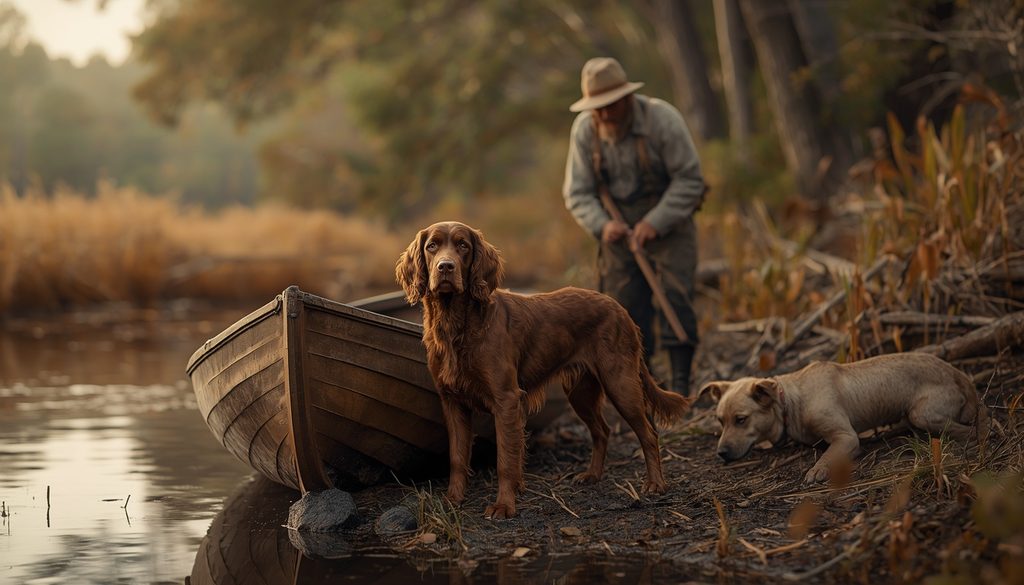
The Boykin Spaniel has an unusually strong connection to South Carolina, where it was developed specifically for hunting in the state’s rivers, swamps, and wooded wetlands. Its compact size made it especially useful in the small boats traditionally used by local hunters, while its retrieving ability, swimming confidence, and willingness to work through thick cover made it a highly practical companion. South Carolina officially designated the Boykin Spaniel as its state dog in 1985, a recognition that reflects both the breed’s local origins and its importance to the state’s sporting heritage. Few American breeds are linked so closely to one region and the particular working conditions that shaped them.
Boykin Spaniel Appearance and Size
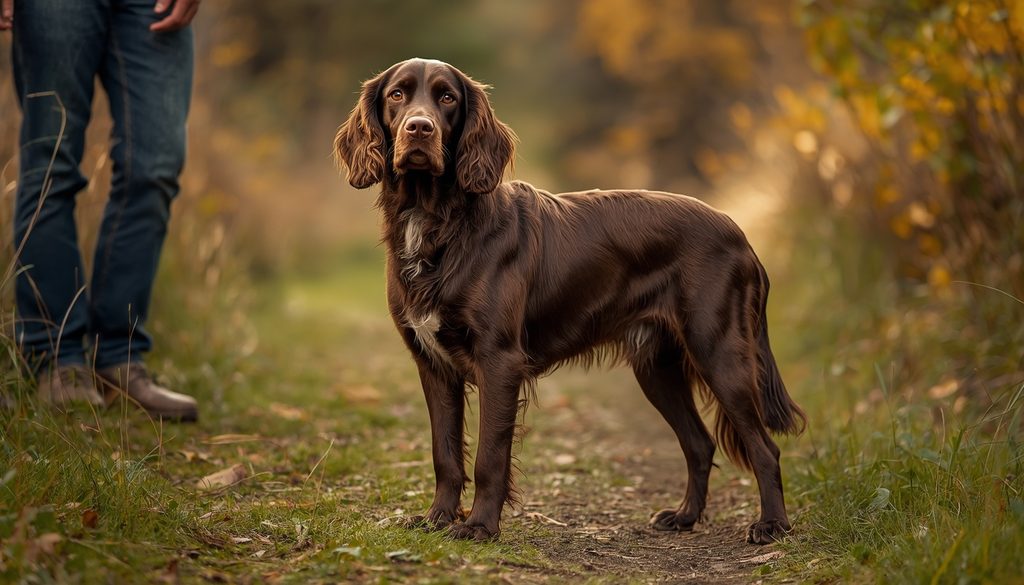
The Boykin Spaniel has the compact, athletic look of a working dog rather than the heavier build seen in some larger retrievers. Its body is strong, balanced, and slightly longer than tall, with enough substance to handle demanding fieldwork without appearing bulky. A healthy adult should look agile and capable, with a deep chest, firm topline, muscular hindquarters, and an overall impression of readiness for activity. The breed’s expressive face, long feathered ears, and rich brown coat soften that working outline and give the Boykin Spaniel its characteristic friendly appearance.
Typical Boykin Spaniel size places the breed firmly in the medium category. Adult males generally stand about 15.5 to 18 inches at the shoulder, while females are usually around 14 to 16.5 inches. Typical Boykin Spaniel weight is approximately 30 to 40 pounds for males and 25 to 35 pounds for females. Individual dogs can fall slightly outside these ranges, but exaggerated size in either direction is not characteristic of the breed.
A Boykin Spaniel full grown should retain a compact, athletic appearance rather than becoming heavy or cumbersome. Their manageable size was historically important because these dogs needed to travel in small hunting boats while still being strong enough to swim, retrieve, and work through dense vegetation. That balance between portability and working ability remains one of the breed’s defining physical features.
There is no officially recognized miniature Boykin Spaniel variety. Very small dogs advertised under that description may simply be undersized individuals, crosses, or dogs bred specifically for reduced size. Prospective owners should be cautious about breeders promoting unusually tiny Boykins as a distinct type, particularly if health testing and pedigree information are unclear.
The coat ranges from flat to moderately curly and is generally medium in length, with feathering particularly noticeable on the ears, chest, belly, and legs. Official Boykin Spaniel colors are centered on liver, ranging from lighter reddish-brown through rich chocolate shades. Searches for a blonde Boykin Spaniel, black Boykin Spaniel, brown Boykin Spaniel, or white Boykin Spaniel can be confusing because lighting, coat fading, puppy coats, and mixed ancestry can all influence appearance. A small amount of white on the chest may occur, but extensive white, black, or very pale coloring is not typical of the breed standard.
Another feature owners may notice is the tail. Traditionally, many working Boykins have had docked tails, but an undocked Boykin Spaniel with tail has a naturally longer tail that often carries feathering and adds to the breed’s expressive movement. Tail appearance can therefore vary considerably depending on where the dog was bred, local laws, breeder practices, and whether docking was performed.
The Boykin’s head should remain proportionate to the body, with a moderately broad skull, a strong but not coarse muzzle, and a soft, intelligent expression. The long pendant ears are one of the breed’s most recognizable features and are usually covered with wavy feathering that blends naturally into the coat around the head and neck. The eyes should look alert and responsive rather than heavy or droopy, helping give the Boykin the lively expression expected of an active working spaniel.
Movement should also reflect the breed’s sporting purpose. A well-constructed Boykin should move freely and efficiently, with enough reach in front and drive from behind to cover ground without appearing clumsy or labored. The overall gait should look balanced, athletic, and purposeful, whether the dog is walking beside its owner or moving through rough outdoor terrain. That ease of movement is an important part of the breed’s functional build and helps distinguish a capable working outline from one that is overly heavy or exaggerated.
Overall, the Boykin Spaniel should look functional, balanced, and athletic. Nothing about its appearance should interfere with its original job. Its moderate size, strong swimming build, weather-resistant coat, and lively expression all reflect a breed developed to work efficiently in demanding outdoor environments.
Built for Boats, Water and Cover
The Boykin Spaniel’s proportions make much more sense when viewed through the lens of its original work. Hunters needed a dog small enough to ride comfortably in compact boats, yet powerful enough to swim strongly, retrieve game and push through dense vegetation without tiring quickly. That balance explains the breed’s medium size, athletic frame and practical coat. A correct Boykin Spaniel should look capable rather than exaggerated, with enough strength for demanding work but without the heaviness that would reduce agility. Its build is one of the clearest examples of form following function, and even modern companion dogs still carry the physical outline of a breed created for real field performance.
Boykin Spaniel Temperament and Personality
The Boykin Spaniel temperament is one of the breed’s strongest attractions. Boykins are typically friendly, affectionate, enthusiastic, and highly people-oriented, with a natural desire to stay involved in whatever their family is doing. They were developed to work closely with hunters, and that cooperative background still shows in modern dogs. A well-socialized Boykin often combines confidence and energy outdoors with a warm, companionable nature at home.
The Boykin Spaniel personality is usually lively and expressive rather than reserved. Many Boykins seem genuinely excited by life and approach walks, training sessions, retrieving games, visitors, and family activities with obvious enthusiasm. They tend to form strong bonds with their owners and often enjoy being physically close, following people from room to room or settling nearby once the day’s activity is finished.
Their intelligence is another important part of their character. Boykin Spaniels are generally quick to understand routines and can learn new behaviors rapidly when training is clear and rewarding. This can make them very enjoyable dogs to work with, but it also means they notice inconsistency. If one family member allows behavior that another discourages, a clever Boykin may quickly learn to take advantage of the difference.
Most Boykins are naturally sociable, but good temperament is not automatic. Early socialization remains important so puppies become comfortable around unfamiliar people, dogs, environments, noises, and everyday situations. A puppy that grows up with varied positive experiences is more likely to develop into the confident, adaptable adult typically associated with the breed.
Because they are energetic sporting dogs, Boykins can also be excitable. Young dogs in particular may greet people with too much enthusiasm, jump up, carry objects around the house, or struggle to settle when they have not had enough exercise. This behavior is usually more about energy and engagement than stubbornness. Teaching calm behavior from puppyhood is just as important as teaching obedience commands.
Their strong attachment to people can have another side. Some Boykins dislike being left alone for long periods and may become bored, vocal, destructive, or unsettled if regularly isolated without adequate preparation. Gradual independence training and a predictable routine can help, but this is generally a breed that thrives on companionship rather than spending most of the day alone.
Boykin Spaniels are also sensitive enough that heavy-handed training can work against their natural willingness to cooperate. They usually respond best to calm handling, consistency, praise, food rewards, play, and opportunities to succeed. Harsh corrections can reduce confidence or create avoidance, particularly in softer individuals.
There can be variation between dogs, especially between strongly working-bred lines and dogs bred primarily for companionship. Some Boykins have a more intense hunting drive, stronger retrieving instinct, or greater persistence than others. Prospective owners should therefore pay attention not only to appearance but also to the temperament of the parents and the goals of the breeder.
At their best, Boykins are cheerful, trainable, affectionate sporting dogs with a strong work ethic and a genuine desire to be part of family life. They suit owners who enjoy an interactive relationship with their dog and who appreciate a breed that wants both activity and closeness rather than independence.
Enthusiastic but People-Focused
One of the most appealing things about the Boykin Spaniel is the combination of working drive and affection. These dogs are often highly enthusiastic outdoors, yet just as interested in staying close to their family once the activity is over. That balance can make them excellent companions for active owners, but it also means they need more than exercise alone. Regular interaction, training, play and involvement in everyday family life help satisfy the breed’s social nature. A Boykin that is both physically exercised and mentally engaged is far more likely to show the cheerful, responsive temperament for which the breed is known.
Living With a Boykin Spaniel
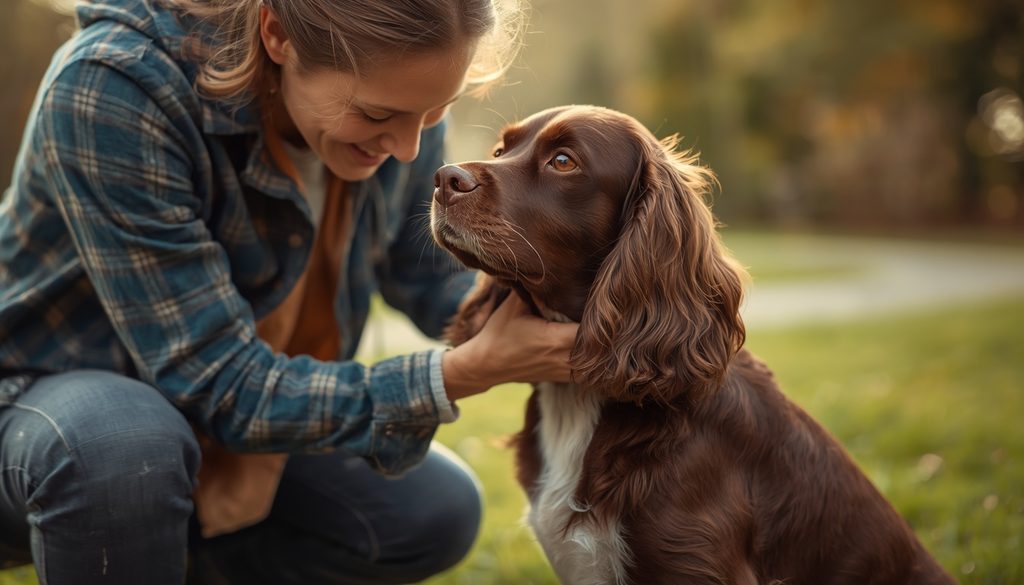
Living with a Boykin Spaniel can be highly rewarding for owners who enjoy an active, involved relationship with their dog. This is not usually a breed that is content to remain on the sidelines of family life. Boykins tend to want to be included in daily routines, whether that means accompanying their owners on walks, relaxing nearby while people work, joining outdoor activities, or simply following family members from room to room. Their affectionate nature and manageable medium size can make them easier to live with than some larger sporting breeds, but their energy and need for engagement still require commitment.
A Boykin Spaniel generally does best in a home where exercise is built naturally into the day. A fenced yard can be useful, but it is not a substitute for purposeful activity. These dogs benefit from walks, retrieving games, training sessions, swimming, scent work, and opportunities to explore new environments. Without enough stimulation, a young Boykin may become restless, vocal, destructive, or overly excitable indoors.
Their social nature is another major part of everyday life with the breed. Many Boykins dislike being isolated for long periods and are happiest when they spend substantial time with their people. This does not mean they should never learn to be alone, but independence needs to be taught gradually. Puppies in particular benefit from short, positive periods of separation so they learn that being alone is temporary and safe.
Inside the home, a well-exercised Boykin can be surprisingly settled. Many enjoy curling up near their owners after an active day and can adapt well to ordinary household routines. However, they are often alert to movement, sound, and activity around them, and younger dogs may need guidance before they learn how to switch off. Teaching a reliable settle behavior can be just as useful as teaching recall or sit.
Their coat also affects day-to-day ownership. Boykins can pick up mud, water, seeds, twigs, and burrs when exercising outdoors, especially around the feathering on the ears, chest, belly, and legs. Owners who enjoy hiking, hunting, swimming, or woodland walks should expect some cleaning and brushing afterward. Their love of water is part of the breed’s charm, but it can also mean wet paws and damp coats entering the house.
Boykins are generally adaptable enough to live in a range of homes, including suburban properties, provided their exercise and mental needs are met. Apartment living is possible for committed owners, but the breed is not naturally low-energy. A small living space can work if the dog receives regular outdoor activity and is taught calm behavior indoors.
Routine tends to suit the breed well. Predictable exercise, meals, training, rest, and quiet time can help prevent overexcitement and make family life easier. Because Boykin Spaniels are intelligent and people-focused, they often respond quickly to household expectations when those expectations are consistent.
For owners who want a dog that is affectionate, active, responsive, and genuinely involved in family life, the Boykin can be an excellent companion. The key is accepting that this is a working sporting breed with real physical and mental needs, not simply a smaller spaniel that happens to fit neatly into the home.
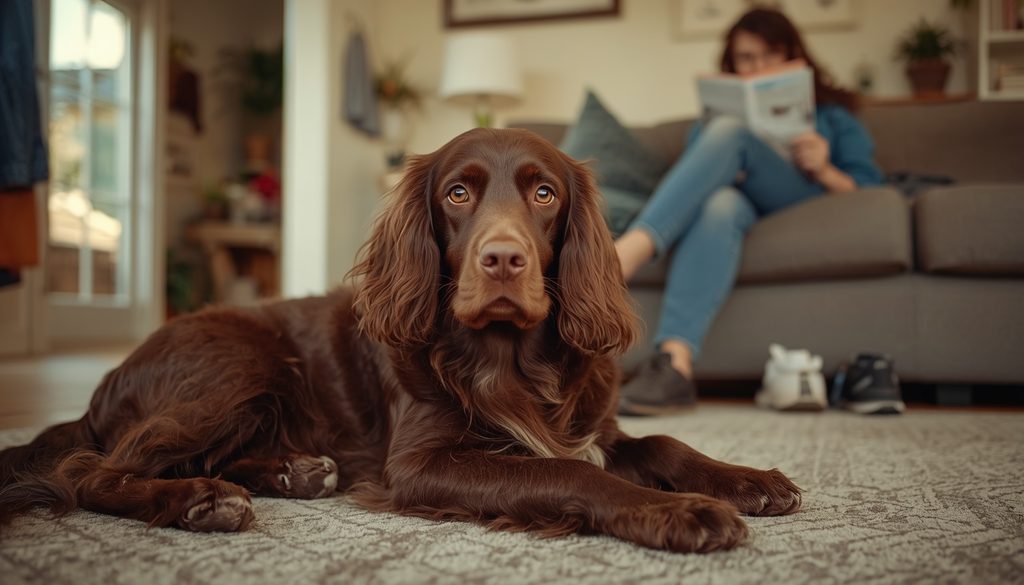
Boykin Spaniel and Children
The Boykin Spaniel can be an excellent family dog for households with children, particularly when the dog has been well socialized and the children understand how to interact appropriately with animals. Boykins are generally affectionate, playful, and people-focused, and many enjoy being included in family activities. Their medium size can also be an advantage: they are sturdy enough for active play without being as physically overwhelming as some larger sporting breeds.
That said, their energy level matters. Young Boykins can be exuberant, bouncy, and quick to become excited, especially when children are running, shouting, or playing outdoors. This does not usually reflect aggression, but it can lead to jumping, chasing, mouthing, or accidental knocking over of smaller children. Early training should therefore include calm greetings, impulse control, and reliable responses to cues such as sit, wait, leave it, and come.
Supervision is especially important with toddlers and preschool-aged children. Even a friendly dog can become overwhelmed by grabbing, hugging, climbing, or sudden movements. Children should be taught not to disturb a Boykin while it is eating, sleeping, chewing, or resting in its bed. Giving the dog a quiet place where it can retreat without being followed helps reduce stress and supports safer family interactions.
Older children often suit the breed particularly well because they can take part in structured activities. A Boykin may enjoy retrieving games, simple obedience work, scent games, hikes, supervised swimming, or backyard play with responsible older children. Involving children in positive training can also strengthen the relationship between dog and family.
The breed’s affectionate nature often means Boykins bond closely with children they grow up with, but temperament still varies between individuals. Some dogs are naturally calmer and more tolerant, while others have higher drive or stronger working instincts. Families choosing a puppy should pay attention to the temperament of the parents and select a breeder who understands the needs of family homes.
Another important consideration is consistency. Children and adults should use the same rules and cues so the dog is not confused by mixed expectations. Allowing jumping or rough play sometimes but discouraging it at other times can make training harder, especially with an intelligent, enthusiastic breed like the Boykin.
Exercise also plays a role in family behavior. A Boykin that has had enough physical activity and mental stimulation is far more likely to relax around children than one that is under-exercised and bursting with unused energy. Regular walks, retrieving, training, and outdoor play can make day-to-day family life much easier.
Because Boykins can be highly people-focused, they may naturally gravitate toward children who are active, playful, and involved in daily routines. This can create a strong bond, but it is still important that the relationship stays structured. Children should not be expected to manage the dog alone, especially around doors, water, food, or high-energy situations where excitement can quickly build.
Families should also remember that a Boykin’s sporting instincts do not disappear just because it lives as a companion. Fast movement, thrown toys, birds, and outdoor activity can trigger chasing and retrieving behavior, which may be great fun for older children but harder to manage around very young ones. Clear household rules, consistent adult supervision, and appropriate outlets for that drive help keep the relationship safe and enjoyable for everyone.
With good socialization, clear boundaries, sensible supervision, and enough activity, the Boykin Spaniel can be a cheerful and devoted companion for children. The breed is best suited to families that want the dog actively involved in family life rather than simply present in the background.
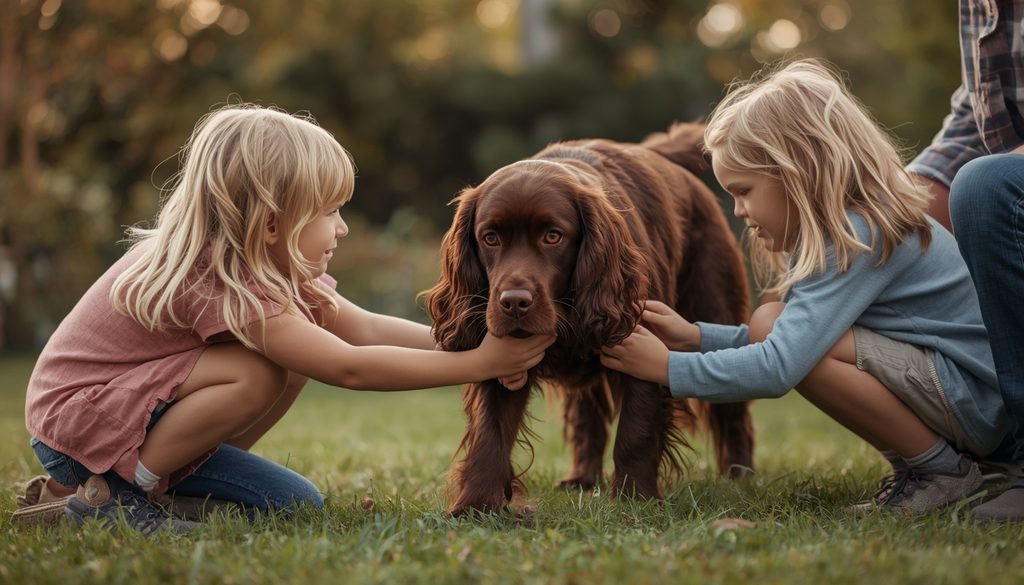
Best With Active, Respectful Children
Boykin Spaniels can make excellent companions for children, especially in families that enjoy spending time outdoors and involving the dog in everyday activities. Their playful, affectionate nature often makes them enthusiastic partners for retrieving games, walks, backyard play and supervised adventures. However, young Boykins can be excitable and may accidentally knock over smaller children when they become overstimulated. Calm greetings, consistent rules and adult supervision are therefore important. Children should also learn to respect the dog’s food, bed and quiet time, while the Boykin should have a safe place to retreat when it wants a break. With sensible boundaries and enough exercise, the breed can form a very close and enjoyable bond with children.
Boykin Spaniel With Other Dogs and Pets
Boykin Spaniels are generally sociable dogs, and many live happily with other dogs when they are properly introduced and socialized from an early age. Their sporting background encouraged cooperation rather than conflict, and most Boykins are more interested in activity, play, and interaction than in challenging other dogs. This can make them a good fit for multi-dog households, particularly when the dogs have compatible energy levels and owners manage introductions carefully.
Their enthusiasm can sometimes be a little much for quieter dogs. Young Boykins often play energetically, chase, wrestle, and repeatedly invite interaction, which may overwhelm an older or more reserved companion. Teaching the Boykin Spaniel to disengage, settle, and respect another dog’s signals is important, especially in homes where personalities or ages differ significantly.
When meeting unfamiliar dogs, controlled introductions are preferable to simply allowing unrestricted contact. Neutral ground, loose leads, parallel walking, and gradual interaction can help prevent overexcitement. Boykins that receive regular positive exposure to well-mannered dogs during puppyhood are generally better equipped to handle social situations confidently as adults.
Cats can also live successfully with a Boykin, especially when the dog is raised with them. However, the breed’s natural interest in movement means introductions should be managed carefully. A running cat can trigger chasing behavior even in an otherwise friendly dog. Early training around impulse control, recall, and calm behavior can make a significant difference.
Small pets require more caution. Boykins were bred to flush and retrieve game, so birds, rabbits, guinea pigs, and other small animals may activate hunting instincts. Individual prey drive varies considerably, but owners should never assume that a friendly household dog will automatically be safe around smaller species. Secure housing and controlled separation are the safest approach.
The same principle applies outdoors. Squirrels, birds, and other wildlife can quickly capture a Boykin’s attention, particularly in dogs from stronger working lines. A secure yard and reliable recall are important, and off-leash freedom should only be given in areas where the dog can be safely controlled.
Resource management also matters in multi-pet households. Food bowls, high-value chews, favorite toys, and resting spaces can create tension even between otherwise friendly animals. Feeding separately and supervising access to prized items helps reduce unnecessary conflict.
With sensible introductions, early socialization, and clear boundaries, the Boykin Spaniel can be a very successful companion for other dogs and, in many cases, cats. The main consideration is not usually aggression, but the breed’s enthusiasm, energy, and instinctive interest in movement.
Social, but Still a Sporting Dog
Boykin Spaniels are often friendly with other dogs and can adapt well to multi-pet homes, but their sporting instincts still matter. Fast-moving cats, birds and small animals may trigger chasing behavior, particularly in young or strongly working-bred dogs. Early socialization, impulse-control training and careful introductions can make household relationships much easier. Owners should also make sure quieter pets have somewhere to retreat when the Boykin becomes energetic. With compatible companions and sensible management, many Boykins develop relaxed, affectionate relationships with other animals while still retaining the natural curiosity and drive expected of a working spaniel.
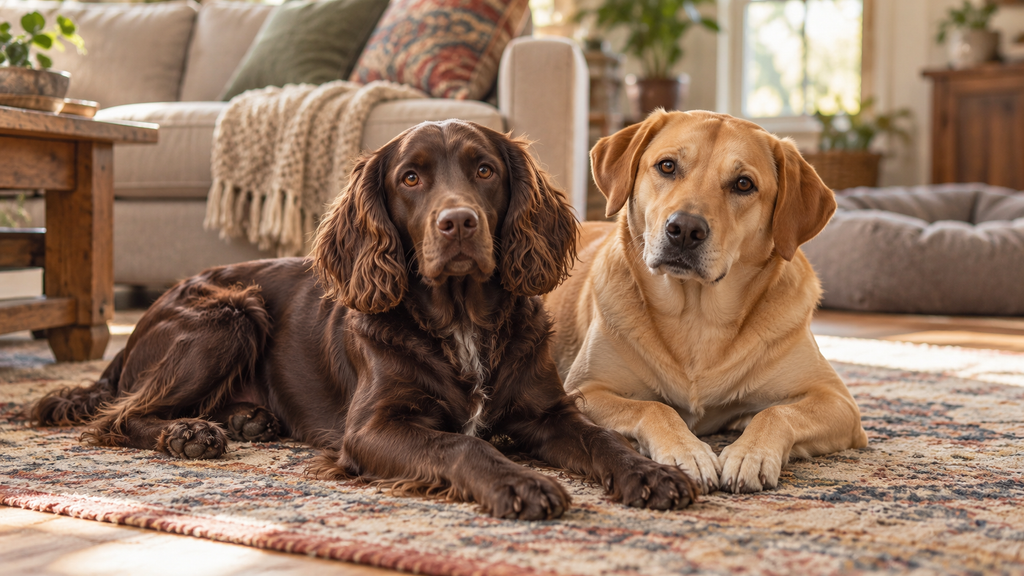
Exercise and Activity Needs
The Boykin Spaniel is an energetic sporting breed with a genuine need for regular physical activity and mental engagement. These dogs were developed to work for long periods in demanding outdoor conditions, and that background still influences how much activity most modern Boykins need. A short stroll around the block is rarely enough on its own. They are generally happiest when their day includes purposeful movement, training, exploration, and opportunities to use their natural retrieving and scenting instincts.
For most healthy adult Boykins, daily exercise should include more than one type of activity. Brisk walks, retrieving games, swimming, hiking, field work, scent games, and structured play can all contribute to a balanced routine. Variety matters because simply repeating the same walk every day may tire the body without doing much for the mind. Boykins tend to thrive when exercise gives them something to think about as well as something to do.
Swimming is especially well suited to the breed. Many Boykins are naturally confident around water and enjoy retrieving from ponds, lakes, or safe swimming areas. Water exercise can provide excellent conditioning without placing the same repeated impact on the joints as constant running. Owners should still introduce young dogs carefully and never assume that every individual will automatically be a strong or confident swimmer.
Retrieving is another particularly useful outlet. A Boykin can often spend considerable time enthusiastically chasing and returning a ball, dummy, or training bumper, but owners should avoid endless high-speed repetitions. Mixing retrieving with obedience, waiting, directional cues, and scent searches helps turn a simple game into a more mentally satisfying activity.
Puppies need a different approach from adults. Their enthusiasm may suggest they can exercise indefinitely, but growing joints and developing bones benefit from controlled activity rather than long-distance running or repetitive jumping. Short walks, free play, basic training, exploration, and age-appropriate retrieving are generally more suitable while the puppy is still maturing.
Mental exercise is just as important as physical exertion. Boykins are intelligent and usually enjoy learning, so short training sessions, scent searches, food puzzles, hide-and-seek games, and retrieving tasks can help prevent boredom. Ten focused minutes of training can sometimes settle a dog more effectively than another period of unstructured running.
Owners should also teach their Boykin how to rest. A highly driven dog can become fitter and fitter without ever learning to switch off if every sign of excitement is answered with more exercise. Building calm periods into the daily routine, rewarding relaxed behavior, and providing predictable rest time can help prevent the dog from becoming dependent on constant stimulation.
Weather and environment should also influence activity. Boykins can work enthusiastically in challenging conditions, but exercise should still be adjusted during extreme heat, especially when humidity is high. Fresh water, shade, rest breaks, and avoiding the hottest part of the day are sensible precautions. After exercising through brush, woodland, or water, owners should check the coat, ears, paws, and skin for debris, irritation, or parasites.
A well-exercised Boykin is usually much easier to live with than an under-stimulated one. When its physical and mental needs are met, the breed is far more likely to settle calmly at home and show the affectionate, responsive character that makes it such an appealing companion. For owners who genuinely enjoy being active with their dog, the Boykin can be an enthusiastic partner for a wide range of outdoor pursuits.
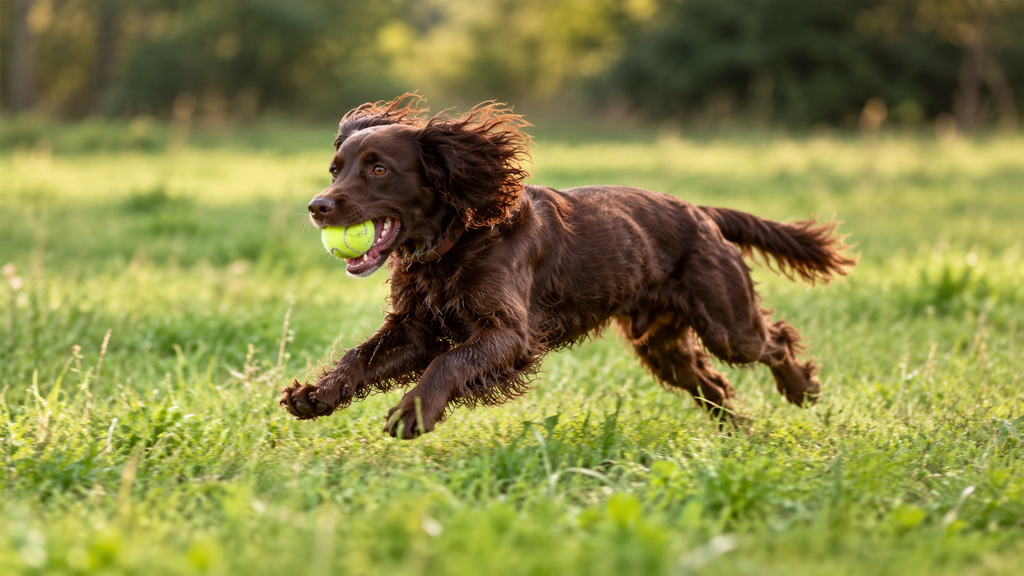
Exercise Should Have a Purpose
Boykin Spaniels usually respond best to activity that engages both body and mind. A long walk can be useful, but retrieving, swimming, scent work, obedience and exploration often satisfy the breed more completely because they reflect the type of purposeful work it was developed to perform. Owners should also remember that constantly increasing exercise can simply create a fitter dog with even greater stamina. Teaching calm behavior, providing regular rest and varying activities can be just as important as covering distance. The goal is not to exhaust a Boykin every day, but to provide enough meaningful activity that the dog feels physically satisfied, mentally engaged and able to relax comfortably afterward.
Boykin Spaniel Hunting
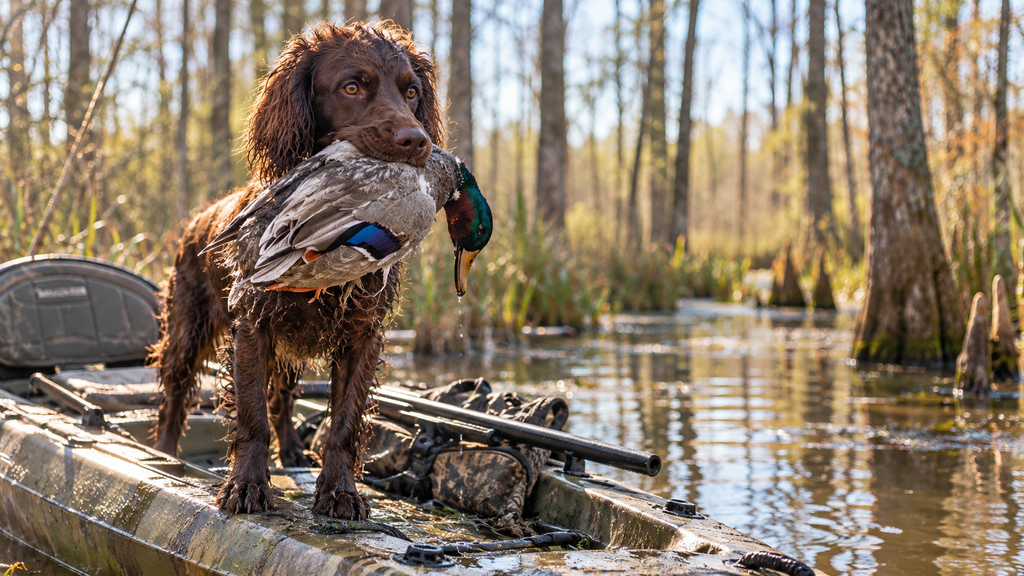
The Boykin Spaniel was developed as a serious working gundog, and that hunting background remains one of the most important things to understand about the breed. A well-bred Boykin Spaniel hunting in the field should show enthusiasm, persistence, good retrieving instinct, and a strong desire to work cooperatively with its handler. These dogs were designed to be versatile rather than specialized, capable of flushing birds from cover, retrieving game from land and water, and adapting to different types of terrain.
As a Boykin Spaniel hunting dog, the breed is especially valued for its compact size. Early South Carolina hunters often worked from small boats, so they needed a dog that could travel easily without taking up too much space. At the same time, the dog had to be strong enough to swim, enter thick cover, retrieve birds, and keep working in wet or difficult conditions. That combination of portability and genuine working ability remains a defining strength of the breed.
Many Boykin Spaniel hunting dogs are particularly effective when flushing upland birds. They tend to work close enough to the handler to remain manageable, pushing through cover and using scent to locate game before flushing it within range. Their enthusiasm can be intense, but the best dogs combine drive with responsiveness rather than simply charging ahead without direction.
The breed is also strongly associated with waterfowl work. Boykin Spaniel duck hunting takes advantage of the breed’s natural interest in water, retrieving instinct, and compact frame. A trained Boykin can wait quietly in a boat or blind, enter the water on command, retrieve downed birds, and return efficiently to the handler. That ability to shift between patience and sudden bursts of activity is an important part of field training.
A Boykin Spaniel for duck hunting still needs careful preparation. Natural instinct is helpful, but it does not replace obedience, steadiness, recall, directional handling, and controlled retrieves. Young dogs should be introduced gradually to boats, water, decoys, gunfire, and different types of terrain so that confidence develops without unnecessary pressure.
The breed can also function as a versatile Boykin Spaniel bird dog for owners who enjoy different types of shooting. Depending on training and individual drive, a Boykin may work effectively on dove, pheasant, quail, and other upland or waterfowl species. This versatility is one reason the breed has remained attractive to hunters who want one compact dog capable of handling several roles.
Not every Boykin kept as a pet will have the same level of field drive. Some lines are bred more heavily for hunting ability, while others place greater emphasis on companionship or show traits. Anyone looking specifically for a hunting Boykin Spaniel should pay close attention to the working history of the parents, breeder priorities, and proven field ability rather than assuming that every puppy will develop into the same type of hunting partner.
Even for non-hunting owners, the breed’s field heritage still matters. Retrieving games, scent work, swimming, directional training, and structured outdoor activity can provide satisfying outlets for instincts that might otherwise appear as chasing, restlessness, or obsessive ball play. Understanding the Boykin as a genuine working spaniel helps explain both its strengths and the level of engagement it often needs.
Training a Boykin Spaniel
Training a Boykin Spaniel is usually a rewarding experience because the breed is intelligent, responsive, and naturally inclined to work with people. Many Boykins learn quickly and genuinely enjoy structured interaction, particularly when training feels purposeful rather than repetitive. Their background as versatile sporting dogs means they were developed to pay attention to a handler, respond to direction, and make decisions in the field, so good training tends to bring out some of the breed’s best qualities.
The most effective Boykin Spaniel training usually combines consistency with positive reinforcement. Food rewards, toys, retrieving, praise, and access to activities the dog enjoys can all be powerful motivators. Sessions should be clear and focused, with enough variety to prevent boredom. Boykins are often too intelligent for endless repetition, and a dog that already understands an exercise may begin to lose enthusiasm if it is drilled unnecessarily.
Early training should concentrate on practical household skills as well as obedience. Recall, loose-leash walking, waiting at doors, settling quietly, leaving objects when asked, and responding calmly around distractions are all especially valuable for an energetic sporting breed. A young Boykin may be naturally eager to chase movement or follow scent, so reliable recall should be developed gradually in increasingly distracting environments rather than assumed.
Impulse control deserves particular attention. Boykins can become excited by thrown objects, water, birds, visitors, and outdoor activity, and that enthusiasm can quickly override manners if it is not managed. Teaching the dog to wait before retrieving, remain settled before being released from a vehicle, and pause calmly before entering water can make everyday life much easier while also laying useful foundations for field work.
Retrieving can be used as both exercise and training. Rather than simply throwing a ball repeatedly, owners can ask the dog to sit, wait, follow directional cues, retrieve on command, and return the object to hand. This encourages cooperation and self-control while still allowing the Boykin to enjoy one of its strongest natural instincts.
Socialization should continue alongside formal training. Puppies benefit from positive exposure to different people, surfaces, sounds, vehicles, environments, other dogs, water, and everyday household situations. The aim is not to overwhelm the puppy with constant novelty, but to build confidence gradually so unfamiliar experiences become manageable rather than frightening.
Boykins can also be sensitive dogs. Heavy corrections, shouting, or overly forceful methods may damage confidence and reduce willingness to engage. Calm repetition, clear expectations, and rewarding the correct response generally produce better long-term results. This does not mean owners should be permissive; boundaries still need to be consistent, but they can be taught without confrontation.
Adolescence can bring a temporary challenge. A previously responsive young dog may appear distracted, more independent, or suddenly fascinated by scents and wildlife. This is a normal stage for many sporting breeds. Continuing structured training, managing freedom carefully, and reinforcing established behaviors usually produces better results than assuming the dog has become stubborn.
More advanced training can be particularly satisfying with this breed. Boykins may enjoy field work, scent detection, obedience, rally, agility, dock diving, retrieving competitions, and other activities that require cooperation and problem-solving. Even dogs kept purely as companions often benefit from having a regular training goal beyond basic manners.
The key to training a Boykin Spaniel is to work with the breed’s natural enthusiasm rather than against it. A dog that understands what is expected, trusts its handler, and receives appropriate rewards is usually eager to participate. That combination of intelligence, drive, and willingness to cooperate is one of the reasons Boykins are so enjoyable for owners who like actively training their dogs.
Use the Retrieve as a Training Tool
Retrieving comes naturally to many Boykin Spaniels, which makes it one of the most useful rewards available during training. Instead of allowing endless uncontrolled ball chasing, owners can build obedience into the game by asking for a sit, wait, release cue, directional response and return to hand. This turns an instinctive activity into a structured lesson in self-control and cooperation. Because the reward is something the dog already loves, training can remain highly motivating without relying on food every time. Used thoughtfully, retrieving can strengthen recall, steadiness, focus and the partnership between a Boykin and its owner.

Grooming and Coat Care
The Boykin Spaniel has a practical sporting coat rather than the heavy, highly sculpted coat seen in some spaniels, but it still needs regular maintenance. The coat is usually medium in length and may be flat, wavy, or moderately curly, with feathering on the ears, chest, belly, and legs. Because Boykins are active dogs that often spend time outdoors, grooming is as much about keeping the coat functional and comfortable as it is about appearance.
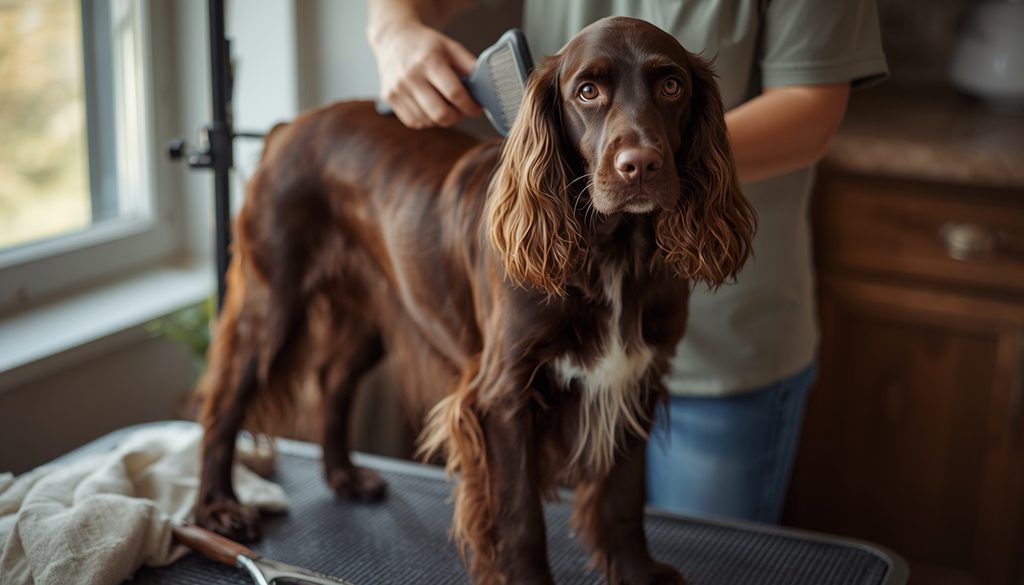
Regular Boykin Spaniel grooming should usually include brushing several times each week. A slicker brush or pin brush can help remove loose hair, dirt, and small tangles, while a metal comb is useful for checking feathered areas more carefully. The ears, armpits, chest, and backs of the legs are particularly prone to matting, especially after swimming or walking through long grass and brush.
The coat can collect burrs, seeds, mud, twigs, and other debris very quickly. After outdoor exercise, owners should run their hands through the coat and check the feathering, paws, and underside of the body. Removing debris promptly prevents small tangles from becoming tight mats and also gives owners an opportunity to notice cuts, skin irritation, ticks, or other problems.
Bathing can be done when the dog becomes dirty or develops an odor, but frequent bathing is rarely necessary for a healthy Boykin. A gentle dog shampoo is usually sufficient. After swimming, especially in ponds or lakes, rinsing the coat with fresh water can help remove dirt, algae, or other residue. Thorough drying is important, particularly around the ears and skin folds beneath dense feathering.
Ear care deserves special attention. The Boykin’s long, hanging ears can trap warmth and moisture, especially in dogs that swim regularly. Owners should inspect the ears frequently for redness, unusual odor, discharge, or excessive wax. Drying the outer ear after swimming and keeping excess hair around the opening tidy can help reduce moisture buildup, although anything deeper inside the ear should be left to a veterinarian or professional groomer.
Nails should be trimmed regularly enough that they do not affect the dog’s stance or movement. Active Boykins may wear some nail length naturally, but this varies depending on the surfaces they exercise on. Paw pads should also be checked for cuts, grass seeds, cracked skin, or packed mud after fieldwork and long walks.
A Boykin Spaniel haircut should generally be functional rather than dramatic. Most dogs do not need to be shaved, and removing too much coat can reduce the protection it provides outdoors. Light trimming around the feet, ears, sanitary areas, and excessively long feathering may make maintenance easier, particularly for dogs that spend a lot of time hunting or swimming.
Owners who prefer a neater look can use a professional groomer, but it is worth choosing someone familiar with sporting breeds. The goal should be to maintain the Boykin’s natural outline rather than transform it into a heavily styled spaniel. Excessive clipping can change coat texture and may make outdoor maintenance harder rather than easier.
Good grooming also strengthens everyday handling skills. A Boykin that is comfortable having its paws, ears, mouth, and coat examined will be easier to manage during veterinary visits, injury checks, and routine care. Starting these habits in puppyhood helps grooming become a normal part of life rather than a stressful event.
Keep the Coat Practical, Not Over-Styled
The Boykin Spaniel’s coat was designed to support an active sporting lifestyle, so grooming should preserve that function. Regular brushing, careful attention to feathered areas and prompt removal of burrs or debris are usually more important than elaborate trimming. Dogs that swim or work through heavy cover may need extra ear, paw and coat checks after each outing. Light tidying around the feet, ears and longer feathering can make maintenance easier, but shaving the coat is generally unnecessary. A clean, well-brushed Boykin should still look natural, athletic and ready for activity rather than heavily sculpted.
Boykin Spaniel Shedding
The Boykin Spaniel shedding level is usually moderate rather than extreme, but owners should still expect loose hair around the home. The breed has a medium-length coat that may be flat, wavy, or moderately curly, and the feathering on the ears, chest, belly, and legs can hold onto shed hair until it is brushed out. Regular grooming makes a noticeable difference to how much loose coat ends up on furniture, clothing, and floors.
Boykins may shed throughout the year, with heavier periods at certain times as the coat adjusts to seasonal changes. The exact amount varies between individual dogs, and factors such as climate, nutrition, health, age, and whether the dog spends most of its time indoors or outdoors can all influence shedding patterns. A dog living in a climate-controlled home may shed more steadily across the year rather than having only obvious seasonal coat changes.
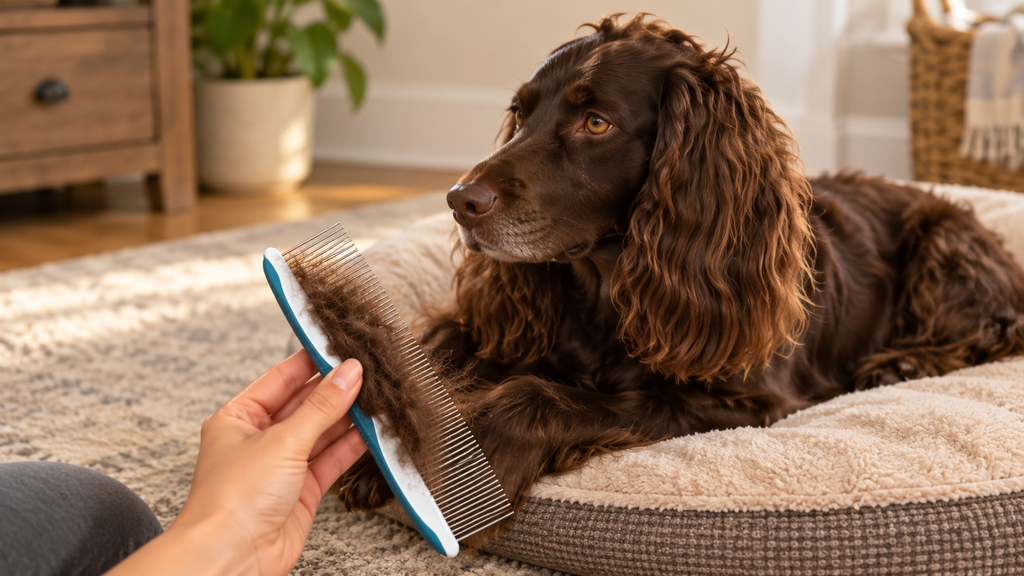
For owners wondering whether a Boykin Spaniel shed is easy to manage, the answer is generally yes with routine care. Brushing two or three times a week helps lift dead hair before it falls around the house, while more frequent brushing can be useful during heavier shedding periods. A pin brush, slicker brush, and metal comb can work well together, especially through the longer feathering where loose hair and tangles can accumulate.
Bathing occasionally can also help loosen dead coat, but excessive bathing is unnecessary and may dry the skin if harsh products are used. A gentle dog shampoo followed by thorough brushing once the coat is dry is usually more useful than frequent washing. Dogs that swim often may need more regular rinsing and coat checks because damp feathering can trap debris as well as loose hair.
The breed is not considered a low-shedding dog, and the Boykin Spaniel hypoallergenic label would be misleading. Boykins produce dander and shed hair like other dogs, so they are not generally a good choice for someone specifically seeking a hypoallergenic breed. Individual allergy responses vary, but no responsible owner should assume that a Boykin will be suitable simply because its coat does not shed as heavily as some larger breeds.
Coat condition can also provide useful clues about overall health. Sudden heavy shedding, bald patches, persistent itching, redness, or a dramatic change in coat texture may indicate parasites, allergies, skin disease, hormonal problems, or another medical issue rather than normal coat turnover. Any significant unexplained change is worth discussing with a veterinarian.
Diet, hydration, and general health also influence coat quality. A balanced diet that meets the dog’s nutritional needs can support healthy skin and normal coat turnover, while poor nutrition may contribute to a dull or brittle coat. Supplements should not be added casually, particularly if the dog is already eating a complete commercial diet.
For most households, Boykin shedding is very manageable if brushing is part of the normal weekly routine. Owners should expect some hair, particularly on soft furnishings and during seasonal coat changes, but the breed is not usually among the heaviest shedders in the sporting group. The main requirement is consistency rather than intensive grooming.
Expect Some Hair, but Not an Avalanche
Boykin Spaniels are moderate shedders, so owners should expect some loose hair throughout the year and potentially more during seasonal coat changes. Regular brushing is the easiest way to keep shedding under control because it removes dead hair before it collects around the home. The longer feathering on the ears, chest, belly and legs deserves extra attention, as loose coat can become trapped there rather than simply falling away. Boykins are not hypoallergenic, and people with dog allergies should not assume the breed will be suitable simply because its shedding is manageable.
Feeding and Nutrition
Feeding a Boykin Spaniel well means supporting an active sporting body without allowing that enthusiasm for food to turn into excess weight. Most Boykins are energetic dogs, but calorie needs can vary greatly depending on age, size, activity level, reproductive status, and whether the dog is a working hunter, weekend adventurer, or primarily a family companion. The right diet should maintain steady energy, healthy muscle, good coat condition, and a lean body shape rather than simply filling the bowl.
A complete, balanced commercial dog food formulated for the dog’s life stage is usually the simplest foundation. Puppies need food designed for growth, while healthy adults should receive a diet appropriate for maintenance and activity. Senior dogs may benefit from adjustments as metabolism and exercise levels change. Owners feeding home-prepared diets should work with a veterinary nutrition professional because balancing calcium, phosphorus, essential fatty acids, vitamins, and trace minerals is much more complicated than simply combining meat and vegetables.
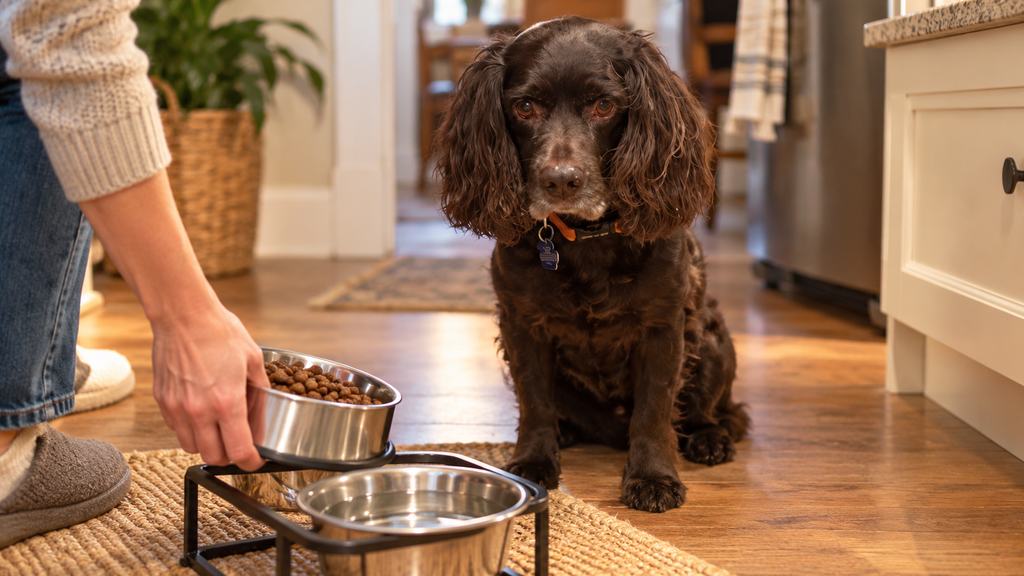
Portion control matters because Boykins can remain enthusiastic about food even when they have already eaten enough. Rather than relying entirely on the feeding guide printed on a bag, owners should monitor the individual dog’s body condition and adjust portions accordingly. A healthy Boykin should have ribs that can be felt easily without being prominently visible, a noticeable waist when viewed from above, and an abdominal tuck from the side.
Working dogs may require considerably more energy than companion Boykins. A dog spending several hours hunting, retrieving, swimming, or training in cold conditions can burn far more calories than one receiving a couple of daily walks. Increased food should be based on actual workload and body condition rather than the assumption that every sporting dog needs a high-calorie performance diet.
Meal timing is also worth considering around strenuous activity. Feeding a large meal immediately before vigorous running, swimming, or fieldwork is generally unnecessary and may leave the dog uncomfortable. Many active owners prefer to provide the main meal after the dog has cooled down and rested, while ensuring fresh water remains available before, during, and after exercise as appropriate.
Treats can be very useful during training because Boykins are often food motivated, but training calories still count toward the daily total. Small pieces are usually enough to reward behavior. Using part of the dog’s normal meal ration for training can prevent treats from quietly adding a substantial number of extra calories over the course of the day.
Water intake deserves particular attention in this active, water-loving breed. Dogs working outdoors can lose moisture through panting even when they are surrounded by lakes or wetlands. Clean drinking water should always be available because natural water sources may contain bacteria, algae, parasites, or other contaminants. After long periods of activity, owners should encourage sensible hydration without allowing frantic overconsumption.
Skin and coat quality are often influenced by overall nutrition. A balanced diet containing appropriate levels of protein, essential fatty acids, vitamins, and minerals supports the Boykin’s characteristic rich coat and healthy skin. However, adding supplements simply to improve coat shine is rarely necessary when a dog already eats a complete diet, and excessive supplementation can sometimes create nutritional imbalances.
Changes in appetite, unexplained weight loss or gain, persistent digestive upset, or a suddenly poor coat should not automatically be blamed on the food. These signs may indicate dental problems, parasites, gastrointestinal disease, hormonal conditions, or other health concerns and deserve veterinary attention if they persist.
The best feeding plan for a Boykin Spaniel is therefore individual rather than rigid. Owners should choose a nutritionally complete diet, measure portions, watch body condition, adjust intake as activity changes, and resist the temptation to equate constant hunger with genuine nutritional need. Keeping a Boykin lean and well nourished supports both everyday comfort and the athletic ability that defines the breed.
Boykin Spaniel Health and Common Health Problems
The Boykin Spaniel is generally a robust, active breed, but like all purebred dogs it has several health concerns that responsible owners and breeders should understand. The most important Boykin Spaniel health issues include orthopedic problems, inherited eye disease, certain cardiac conditions, and several genetic disorders for which responsible breeders can screen. Good breeding practices, appropriate health screening, maintaining a lean body condition, and regular veterinary care can reduce risk or help problems be identified earlier. Because Boykins are athletic dogs that may spend substantial time swimming, running, retrieving, and working through rough terrain, both inherited disease and activity-related wear deserve attention.
Hip dysplasia is one of the better-known orthopedic concerns in the breed. This condition occurs when the hip joint does not develop with ideal stability and fit, potentially leading to pain, lameness, arthritis, or reduced mobility later in life. Severity can vary considerably, and some affected dogs may show few obvious signs when young. Responsible breeding programs typically include hip evaluation because genetics plays an important role, although weight, growth rate, exercise, and other environmental factors can also influence how severely a dog is affected.
Patellar luxation is another orthopedic issue that can occur in Boykins. This involves the kneecap slipping out of its normal position and may cause intermittent skipping, hind-leg lameness, or discomfort. Mild cases can sometimes be managed conservatively, while more significant luxation may require veterinary treatment or surgery. Owners who notice repeated hopping, reluctance to jump, or unusual hind-leg movement should have the dog assessed rather than assuming it is simply an odd gait.
Eye disease also deserves attention. Boykins can be affected by inherited eye conditions, including Collie Eye Anomaly and other disorders that may impair vision. Some eye problems are mild, while others can become more serious over time. Regular eye examinations and appropriate DNA testing in breeding stock help reduce the chance of passing inherited disease to future generations.
Cardiac screening is also recommended because pulmonic stenosis and other heart abnormalities can occur in the breed. Pulmonic stenosis restricts blood flow from the heart toward the lungs and can range from mild to severe. Dogs with significant disease may show reduced exercise tolerance, fainting, weakness, or other cardiovascular signs, although mild cases may be detected only during veterinary examination.
Exercise-Induced Collapse is particularly relevant in an active sporting breed. Affected dogs can appear completely normal at rest but develop weakness, loss of coordination, or collapse after intense exercise or excitement. Because Boykins may work enthusiastically despite fatigue, owners should take any unexplained collapse seriously and seek veterinary assessment rather than assuming the dog has simply overexerted itself.
Ear problems are another practical concern. Long pendant ears can trap moisture and reduce airflow, especially in dogs that swim frequently. This can increase the risk of ear infections. Routine checking, drying the ears after swimming, and addressing redness, odor, discharge, or head shaking promptly can help prevent minor irritation from becoming a chronic problem.
Skin problems, allergies, and hot spots can also occur. Boykins that spend time in water, thick cover, or humid conditions may develop irritation from retained moisture, environmental allergens, parasites, or plant material trapped in the coat. Regular grooming and post-exercise checks make it easier to identify problems early.
As with many active breeds, injuries can happen simply because Boykins throw themselves enthusiastically into physical activity. Paw cuts, torn nails, muscle strains, eye injuries from vegetation, and foreign material lodged in the skin or ears are all possible after fieldwork or outdoor adventures. A quick inspection after exercise is a simple habit that can prevent minor injuries from becoming more serious.
Weight management is one of the most useful things owners can control. Excess weight increases strain on the hips, knees, heart, and spine, potentially worsening problems that already have a genetic component. Keeping a Boykin lean supports mobility, stamina, and overall health throughout life.
The best approach to Boykin health is proactive rather than anxious. Choosing a health-tested puppy, maintaining appropriate exercise and nutrition, scheduling regular veterinary examinations, and responding promptly to unusual symptoms gives owners the best chance of keeping these energetic dogs active and comfortable for many years.
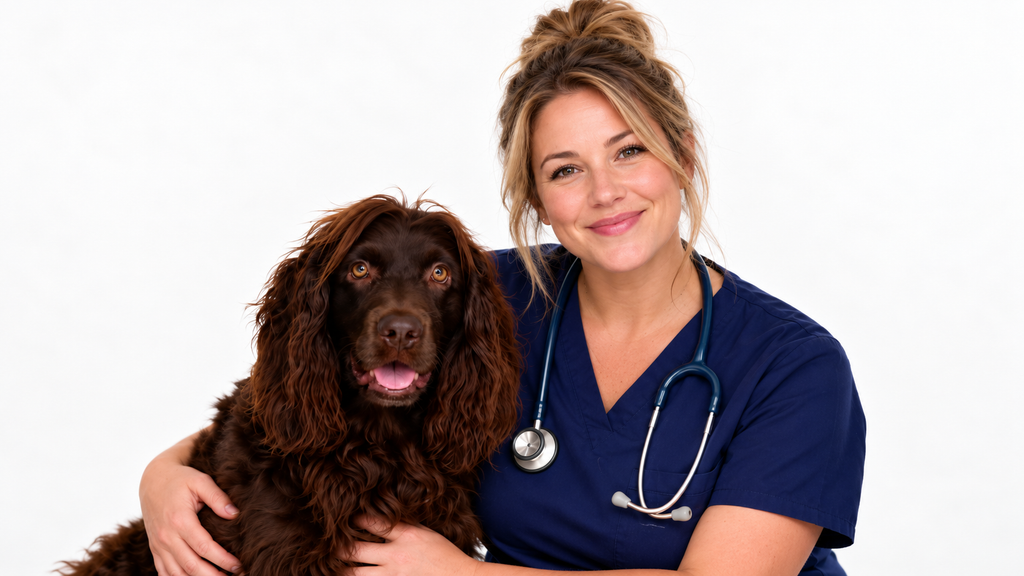
Health Screening Matters in This Breed
Many of the Boykin Spaniel’s most important health concerns can be screened for before breeding, which makes breeder selection especially important. Hip and patella evaluations, eye examinations, cardiac assessment, and DNA testing for inherited conditions can all provide useful information about breeding dogs. Screening cannot guarantee that every puppy will remain completely free of disease, but it helps reduce avoidable risk and gives buyers a clearer picture of the health behind a litter. Prospective owners should ask to see documented results rather than relying on verbal assurances that the parents are “healthy.”
Boykin Spaniel Genetic Health and Recommended Testing
The Boykin Spaniel has several inherited health concerns that responsible breeders should screen for before producing a litter. This does not mean the breed is unhealthy overall, but it does mean buyers should take health testing seriously rather than accepting vague assurances that the parents are “fine.” The strongest breeding programs use a combination of orthopedic evaluations, eye examinations, cardiac screening, and DNA testing to reduce the likelihood of passing avoidable disease to future generations.
Exercise-Induced Collapse, or EIC, is one of the most important breed-specific concerns. Affected dogs may appear completely normal during everyday activity but can develop weakness, wobbliness, loss of coordination, or collapse after intense exercise or excitement. Episodes are usually associated with strenuous activity rather than ordinary movement, which can make the condition particularly relevant in a high-drive sporting dog. DNA testing can identify affected dogs and carriers, allowing breeders to plan matings more responsibly.
Collie Eye Anomaly, or CEA, is another inherited condition for which DNA testing is available. It affects the development of structures inside the eye and can range from mild changes with little practical effect to more serious abnormalities that impair vision. Because dogs may carry the mutation without showing obvious signs, testing breeding stock is important even when both parents appear to have normal eyesight.
Degenerative Myelopathy, commonly shortened to DM, is a progressive neurological disease that affects the spinal cord and can eventually cause weakness and loss of coordination in the hind limbs. DNA testing can identify genetic risk, although a positive genetic result does not necessarily mean a dog will develop clinical disease. This is an important distinction, and results should be interpreted as part of a broader breeding and health picture rather than in isolation.
Orthopedic screening is also essential. Hip dysplasia and patellar luxation can both affect mobility and comfort, particularly in an athletic dog expected to run, jump, swim, and work for long periods. Hip evaluations and patella examinations help identify dogs that may carry structural problems even if they are still moving comfortably at a young age.
Eye examinations by a veterinary ophthalmologist remain valuable even when DNA testing is available. Not every eye disease can be identified through a single genetic test, so physical examination and genetic screening complement each other rather than replacing one another. Repeated eye checks may also be recommended during a breeding dog’s lifetime.
Cardiac screening deserves similar attention. Pulmonic stenosis and other congenital heart abnormalities can occur in the breed, and some affected dogs may show few outward signs when young. A veterinary cardiac examination can help detect murmurs or other abnormalities that warrant further investigation.
There are additional DNA-testable conditions that may appear on broader genetic panels for Boykins, including PFK deficiency, certain forms of progressive retinal disease, myotubular myopathy, and genetic markers associated with chondrodystrophy or IVDD risk. These are not all equally common or equally important in every line, so prospective owners should avoid assuming that a longer test panel automatically means a breeder is better. What matters is whether the breeder understands which tests are relevant, uses the results appropriately, and combines them with sound selection for temperament and structure.
Prospective owners should ask to see actual health documentation for both parents rather than relying on screenshots, verbal claims, or phrases such as “vet checked.” Good breeders are usually willing to explain what each test means, what the results were, and why a particular mating was chosen. They should also be able to discuss health issues honestly rather than pretending their lines are completely free of risk.
Health testing cannot guarantee a perfect puppy, but it can significantly reduce preventable problems and gives buyers much more confidence in the breeding decisions behind a litter. For the Boykin Spaniel, this is one of the clearest areas where careful breeder selection can make a meaningful difference over the dog’s lifetime.
What Health Results Should Buyers Ask to See?
Prospective Boykin Spaniel owners should ask breeders for documented results covering hips, patellas, eyes, cardiac health and relevant DNA testing, especially EIC and CEA. The important point is not simply whether a dog has been tested, but what the result means and how that result was used when planning the mating. A carrier is not automatically unsuitable for breeding if paired responsibly, while an untested dog leaves important questions unanswered. Good breeders should be able to explain their results clearly, provide supporting records and discuss the strengths and risks in their lines without becoming defensive or evasive.
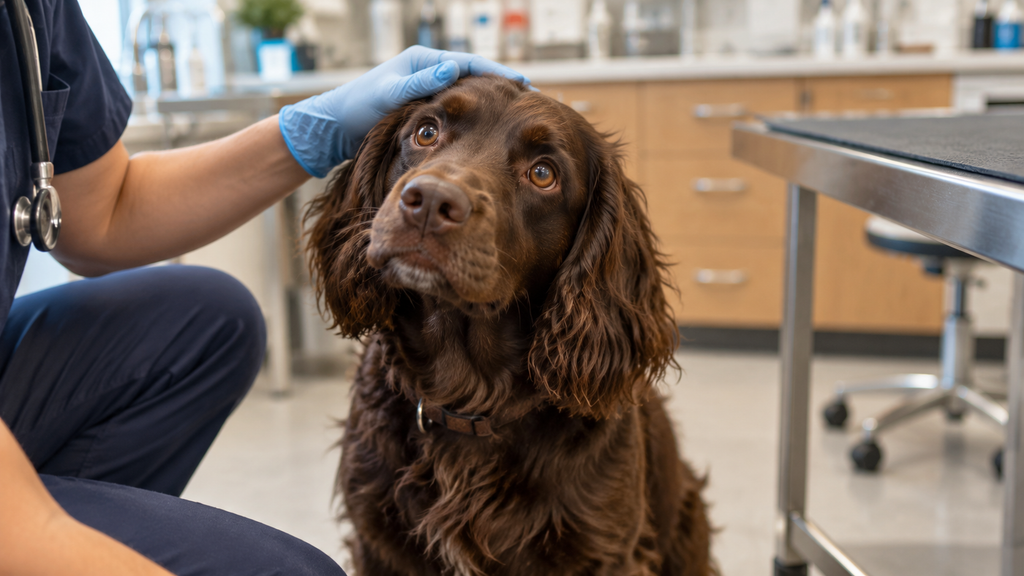
Lifespan and Aging
The Boykin Spaniel life expectancy is generally around 10 to 15 years, with many dogs remaining active and engaged well into their senior years when they receive appropriate nutrition, exercise, preventive veterinary care, and weight management. As with any breed, individual longevity depends on genetics, overall health, lifestyle, and how effectively age-related changes are identified and managed. Because Boykins are naturally energetic and athletic, owners may notice the first signs of aging more through reduced stamina or recovery time than through a sudden change in personality.
A healthy adult Boykin often stays physically capable for many years, especially when kept lean and exercised consistently. Regular activity helps preserve muscle tone, joint mobility, cardiovascular fitness, and mental sharpness, but exercise should gradually adapt as the dog ages. Senior Boykins may still enjoy walks, swimming, retrieving, and scent work, though sessions may need to become shorter, gentler, and more flexible.
Joint health becomes increasingly important with age. Conditions such as hip dysplasia, arthritis, or patellar problems may become more noticeable as wear accumulates over time. Owners should watch for reluctance to jump, stiffness after rest, slower movement, difficulty climbing stairs, or changes in gait. Early veterinary attention can often improve comfort significantly through weight control, pain management, rehabilitation, or other supportive care.
The Boykin Spaniel life span can also be influenced by inherited disease, which is why health testing and breeder selection matter long before old age begins. A dog bred from health-screened parents may have a better chance of avoiding or delaying some preventable conditions, though no testing program can guarantee a completely problem-free life.
Older Boykins may also show changes in hearing, vision, sleep patterns, appetite, or behavior. Some become less tolerant of intense activity or noisy environments, while others remain remarkably youthful in attitude even as their bodies slow down. Mental stimulation remains valuable, and gentle training, scent games, food puzzles, and familiar routines can help maintain confidence and cognitive engagement.
Dental care deserves more attention with age because untreated dental disease can affect comfort, appetite, and overall health. Regular veterinary checks, appropriate dental cleaning, and home care where practical can help older dogs continue eating comfortably.
Nutrition may also need adjustment. Senior Boykins that become less active can gain weight quickly if calorie intake remains unchanged, while some older dogs may lose weight due to dental problems, illness, or reduced appetite. Monitoring body condition, muscle loss, thirst, appetite, and digestive changes helps owners identify problems earlier.
Routine veterinary examinations become increasingly valuable as a Boykin enters its senior years. Bloodwork, urinalysis, heart assessment, mobility checks, and eye examinations can identify developing problems before they become obvious at home. Early intervention often makes age-related conditions easier to manage.
The goal with an aging Boykin is not to eliminate activity, but to adapt it. Many older dogs still thrive when given opportunities to explore, retrieve gently, swim in safe conditions, and remain involved in family life. A senior Boykin that feels included, comfortable, and mentally engaged can continue to enjoy a rich quality of life long after its most athletic years have passed.

Keep Senior Boykins Moving, but Adjust the Pace
Older Boykin Spaniels often remain enthusiastic long after their bodies begin to slow down. The key is to preserve movement without asking the dog to perform at the same intensity it handled in younger years. Shorter walks, gentle swimming, controlled retrieving and scent-based activities can maintain fitness while reducing strain on aging joints. Owners should pay attention to recovery time, stiffness, changes in gait and reluctance to jump or climb. Keeping a senior Boykin lean, comfortable and mentally engaged can make a meaningful difference to both mobility and quality of life.
Choosing a Boykin Spaniel Puppy or Rescue
Choosing a Boykin Spaniel should begin with temperament, health, and suitability rather than appearance alone. The breed’s rich brown coat and friendly expression are appealing, but prospective owners need to look much deeper. A well-bred Boykin should come from dogs selected for sound structure, stable temperament, appropriate working ability, and documented health testing. Whether you want a hunting partner, active family companion, or dog-sport prospect, the breeder or rescue should understand the type of home each individual dog is likely to suit.
Anyone searching for Boykin Spaniel breeders should expect responsible breeders to ask almost as many questions as the buyer does. Good breeders want to know about lifestyle, experience with active dogs, plans for exercise and training, whether the dog will hunt, and how much time it will spend alone. They should also be open about the strengths and weaknesses in their lines rather than presenting every puppy as perfect for every household.
A reputable Boykin Spaniel breeder should provide clear health documentation for both parents. That includes appropriate orthopedic, eye, cardiac, and genetic screening rather than simply saying the parents have been “vet checked.” Buyers should ask to see the actual results and, where possible, verify them through recognized health databases or breed-club records. Good breeders are usually happy to explain why a particular pairing was chosen and how health, temperament, and working traits influenced the decision.
Temperament should be considered carefully, especially in this energetic sporting breed. Some puppies may be more intense, bold, or driven, while others may be softer, calmer, or more naturally suited to companion homes. The breeder should know the litter well enough to help match puppies appropriately rather than allowing buyers to choose purely by coat shade, sex, or which puppy happens to approach first.
The environment in which puppies are raised matters too. Puppies should have regular positive exposure to household sounds, different surfaces, handling, people, and age-appropriate challenges before going to their new homes. Early socialization does not guarantee a perfect adult, but it gives puppies a much stronger foundation for coping with new experiences.
Prospective owners interested in hunting should ask specifically about working ability in the pedigree. Field titles, hunting experience, retrieving instinct, water confidence, and trainability can be useful indicators when selecting a dog for serious sporting work. A breeder producing mainly companion dogs may still produce excellent pets, but those puppies may not have the same level of drive as dogs from strongly field-focused lines.
Rescue can also be an excellent route into Boykin ownership. Breed-specific rescue groups sometimes receive dogs because of owner illness, lifestyle changes, inadequate exercise, or mismatched expectations rather than because the dog has serious behavioral problems. Adult rescue dogs can have the advantage of a more established temperament, making it easier to assess energy level, sociability, and training needs before adoption.
When considering a rescue, ask about the dog’s history, behavior around children and other animals, comfort with being left alone, recall, house training, and any known medical issues. Some rescue Boykins may need patient retraining or confidence building, especially if they have had inconsistent previous homes. Others may transition surprisingly quickly once given routine, exercise, and stability.
Puppies should normally remain with their mother and littermates until they are old enough to leave appropriately, and responsible breeders should provide veterinary records, registration or pedigree information where applicable, feeding guidance, and a written contract. Many also require the dog to be returned to them if the owner can no longer keep it, reflecting a long-term commitment to every puppy they produce.
The best source for a Boykin is one that prioritizes the dog’s lifetime welfare rather than simply completing a sale or adoption. Taking time to evaluate health testing, temperament, breeding goals, and support after placement greatly improves the chance of finding a Boykin that fits both the owner’s expectations and the dog’s needs.
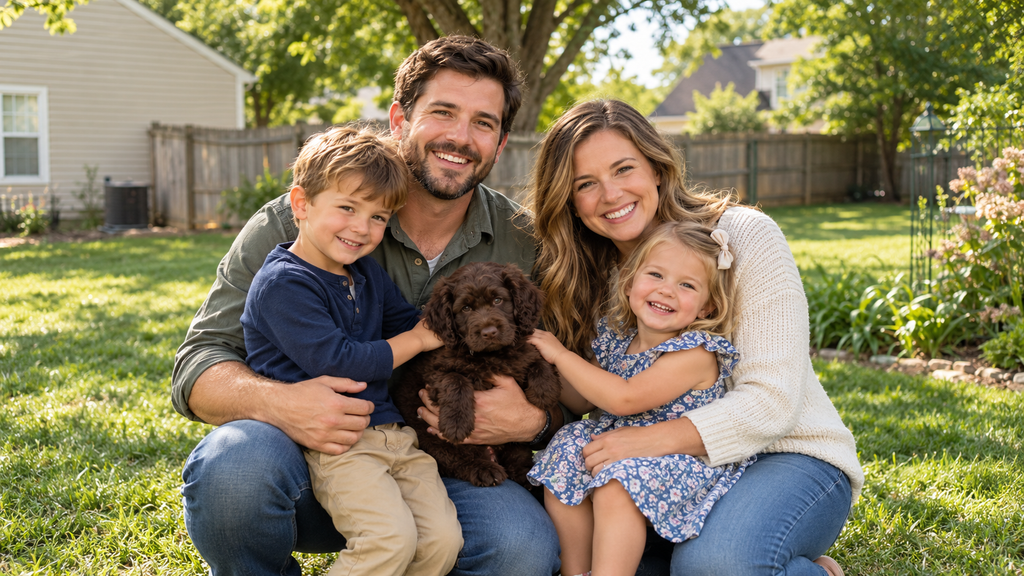
Is a Boykin Spaniel Right for You?
The Boykin Spaniel can be an excellent choice for the right owner, but it is not a breed that fits every household equally well. Its manageable medium size and affectionate nature can make it seem like an easygoing family dog, yet beneath that friendly exterior is a genuine sporting breed with energy, intelligence, drive, and a strong desire to stay involved. Prospective owners should think carefully about whether they want that level of engagement every day rather than simply admiring the breed’s appearance.
A Boykin is usually best suited to people who enjoy being active with their dog. Regular walks are useful, but most dogs thrive when their routine also includes retrieving, swimming, training, scent work, hiking, field activities, or other purposeful exercise. Owners who enjoy spending time outdoors often find the breed especially rewarding because the Boykin tends to approach shared activity with real enthusiasm.
The breed can also suit families well when everyone is prepared to participate in training and provide consistent rules. Boykins are affectionate and generally sociable, but their youthful excitement can be a lot for very small children or quieter households. A home that appreciates energy rather than merely tolerating it will usually be a much better match.
People who work long hours away from home should think carefully about the breed’s social needs. Boykins commonly form close attachments to their owners and may struggle if routinely left alone for extended periods without preparation or adequate stimulation. They can learn independence, but they are not naturally detached dogs that are happiest spending most of the day by themselves.
Grooming requirements are moderate but ongoing. Owners need to be comfortable with regular brushing, some shedding, wet coats, muddy paws, and occasional debris tangled in feathering after outdoor activity. Long ears also require routine attention, particularly in dogs that swim frequently. Anyone looking for an exceptionally low-maintenance coat may prefer another breed.
Training commitment matters too. Boykins are generally eager learners, but their intelligence and enthusiasm mean that inconsistent rules can quickly become habits. Recall, calm greetings, impulse control, and settling are especially valuable skills. Owners who enjoy teaching and reinforcing good behavior usually find the breed far easier to live with than those who expect maturity alone to solve energetic behavior.
Potential owners should also be prepared for the financial responsibilities associated with responsible breeding and health care. Choosing a puppy from health-tested parents, maintaining appropriate veterinary care, feeding a quality diet, and addressing orthopedic, eye, cardiac, or genetic concerns if they arise all form part of responsible ownership.
A securely fenced outdoor area can be useful, though it is not essential if the owner is committed to sufficient exercise elsewhere. Because many Boykins have strong interests in birds, wildlife, scent, and water, reliable recall and sensible management outdoors are important. Their hunting background can remain evident even in dogs that have never spent a day in the field.
The Boykin Spaniel is probably not the best choice for someone seeking a very calm, independent, low-exercise dog. It can, however, be an outstanding match for an owner who wants a medium-sized companion that is affectionate at home, enthusiastic outdoors, highly trainable, and eager to share daily life.
The strongest Boykin-owner relationships tend to be partnerships. When these dogs receive enough activity, companionship, structure, and opportunities to use their natural abilities, they often give back an impressive combination of loyalty, enthusiasm, and affection.
A Good Match for an Active, Involved Owner
The Boykin Spaniel tends to suit people who want their dog actively involved in everyday life. Owners should be comfortable providing regular exercise, ongoing training, companionship and routine coat care rather than expecting the dog to entertain itself. The breed can work beautifully in family homes, with hunters, and with outdoor enthusiasts, but it is less suited to a consistently sedentary lifestyle or very long periods alone. If you enjoy teaching, walking, retrieving, exploring and simply spending time with your dog, the Boykin’s enthusiasm can be a major strength rather than a challenge.
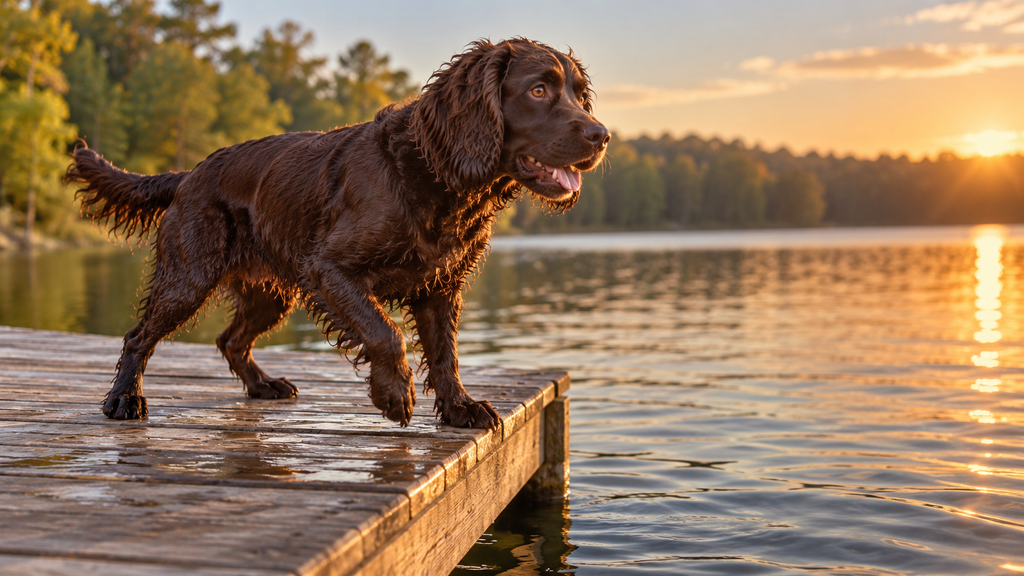
Final Thoughts
The Boykin Spaniel is a distinctive sporting breed that combines genuine working ability with a deeply affectionate, people-focused temperament. Developed to hunt from small boats and work through the wetlands of South Carolina, the breed still carries many of the qualities that made it valuable in the field: stamina, intelligence, retrieving instinct, water confidence, and a strong desire to cooperate with its handler.
Those same traits can make the Boykin a wonderful companion, but they also shape the kind of home in which it thrives. This is a dog that generally wants to participate rather than observe. Regular exercise, training, companionship, and purposeful activity are not optional extras for most Boykins; they are central to keeping the dog balanced, responsive, and content.
For active families, hunters, hikers, and owners who enjoy training, the breed can be exceptionally rewarding. Boykins are typically affectionate at home, enthusiastic outdoors, and compact enough to be more manageable than many larger sporting breeds. Their moderate size does not mean moderate energy, however, and prospective owners should be realistic about the time and effort required.
Health also deserves careful attention. Choosing a puppy from responsibly screened parents, understanding the breed’s inherited risks, maintaining healthy body condition, and staying proactive about veterinary care can all influence long-term quality of life. The same applies to grooming, ear care, and sensible management after swimming or fieldwork.
The Boykin Spaniel is not the right choice for someone seeking a highly independent or sedentary dog. It is better suited to a person who wants a close partnership and enjoys sharing activity, training, and everyday routines with their dog. In the right environment, that involvement is exactly what makes the breed so appealing.
For owners who can meet its needs, the Boykin offers an unusual blend of practical working ability and family companionship. It may be best known as South Carolina’s “little brown dog,” but there is nothing small about its enthusiasm, versatility, or capacity to become a deeply valued member of the household.

Explore More Sporting Dogs
The Boykin Spaniel is one of many energetic, people-focused breeds in the Sporting Group. Explore more retrievers, spaniels, pointers and setters in our Sporting Dogs guide to compare temperament, exercise needs, grooming, training and the working traits that make these breeds such versatile companions.
Official Boykin Spaniel Information
For official breed information, history, characteristics and recognition details, visit the American Kennel Club Boykin Spaniel page. The AKC provides an authoritative overview of the breed’s size, temperament, sporting background and development in South Carolina.