

Cairn Terrier
The Cairn Terrier may be small, but few dogs pack quite so much courage, curiosity, and personality into such a compact body. With its shaggy, weather-resistant coat, bright intelligent eyes, upright ears, and wonderfully mischievous expression, this spirited Scottish terrier has an unmistakable charm. Originally developed to work among the rocky landscapes of the Scottish Highlands, the Cairn Terrier combines remarkable toughness and independence with an affectionate, entertaining nature that makes it a distinctive family companion. Its fearless curiosity and cheerful determination reveal the genuine working terrier beneath that irresistibly scruffy appearance.
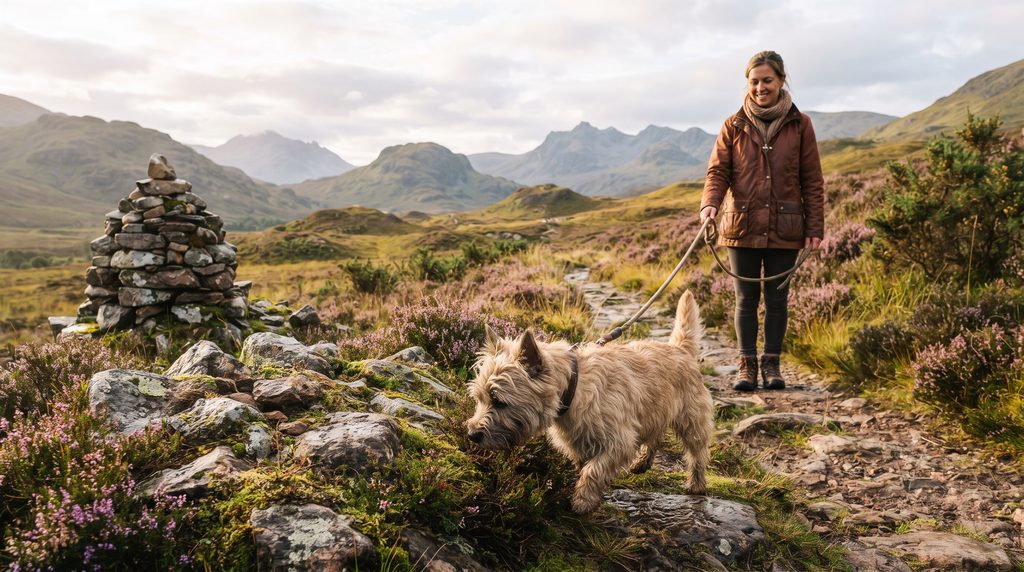
Behind that appealing appearance is a confident little working dog with an adventurous spirit and an impressive determination to investigate the world around it. Whether exploring an unfamiliar garden, enthusiastically following an interesting scent, or settling beside its favorite person after a busy day, the Cairn Terrier approaches life with curiosity, enthusiasm, and a personality considerably larger than its physical size.
The Cairn Terrier Breed has a fascinating history stretching back centuries to the rugged Highlands and islands of Scotland. Its ancestors were valued by farmers, crofters, and gamekeepers for their ability to pursue rats, foxes, and other quarry among rocky crevices and piles of stones known as cairns. These demanding conditions helped produce a small but remarkably resilient terrier capable of working independently, navigating difficult terrain, and maintaining its determination even when faced with challenging surroundings.
Perhaps the breed’s most famous representative was Toto, Dorothy’s devoted companion in the classic 1939 film The Wizard of Oz. The role was played by Terry, a female Cairn Terrier whose expressive face and lively personality helped make the breed recognizable to audiences around the world. Although Toto’s charming on-screen character captured the hearts of generations, the real Cairn Terrier is more than an adorable movie companion. Its hunting ancestry remains evident in its strong instincts, independent thinking, and enthusiasm for outdoor exploration.
The Cairn Terrier’s appearance reflects its original working purpose. Its sturdy body, relatively short legs, strong feet, and harsh double coat were developed for movement through rough countryside and protection against difficult weather. Coat colors include wheaten, red, brindle, gray, and various darker shades, with some dogs changing color noticeably as they mature. Although its coat looks delightfully untidy, maintaining the correct texture requires more specialized attention than the breed’s naturally rugged appearance might initially suggest.
The typical Cairn Terrier Dog is lively, affectionate, alert, and often wonderfully amusing. Many develop exceptionally close relationships with their owners and enjoy participating in everyday household activities. Their enthusiasm for play and relatively compact size can make them appealing family companions, particularly for people who appreciate an energetic dog without the physical demands of a much larger breed. However, Cairns are genuine terriers, and their independent character means they are not always eager to cooperate simply because someone has given an instruction.
Training requires patience, consistency, and a willingness to make learning enjoyable. Cairn Terriers are intelligent problem-solvers that respond well to positive reinforcement, but their curiosity and strong hunting instincts can make distractions particularly tempting. An interesting scent, a squirrel moving through the garden, or an unfamiliar sound may suddenly become more important than their owner’s instructions. Early socialization, reliable household boundaries, and sensible management are therefore essential, especially when developing recall and appropriate behavior around smaller animals.
Despite their small stature, Cairn Terriers have meaningful exercise requirements. They enjoy daily walks, exploratory outings, interactive games, and opportunities to use their noses and minds. Many are enthusiastic diggers, reflecting their original work among rocks and underground spaces. A securely fenced garden can provide an excellent environment for supervised play, although fencing must be maintained carefully because a determined Cairn may investigate gaps or attempt to follow an interesting animal beyond the property. Physical activity should always be complemented by mental enrichment and family companionship.
Grooming is another important consideration. The Cairn Terrier’s protective double coat requires regular brushing and appropriate maintenance to preserve its natural weather-resistant texture. Traditional hand stripping removes dead outer hairs, while repeated clipping can gradually change the coat’s appearance and feel. The breed does shed, although its grooming requirements differ from those of heavily shedding dogs. Understanding correct coat care is particularly important for owners who want to maintain the characteristic rugged appearance without creating unnecessary skin or coat problems.
Health and longevity also deserve careful attention. Cairn Terriers are generally hardy, long-lived dogs, with many reaching their early to mid-teens. However, inherited eye disorders, certain neurological conditions, orthopedic problems, and other breed-associated health concerns make responsible breeding and preventive veterinary care important. Prospective owners should seek reliable health information, ask breeders about appropriate screening, and consider the individual temperament and medical background of any rescue dog. Good nutrition, healthy weight management, regular exercise, and attentive lifelong care can help support a comfortable, active life.
For the right household, the Cairn Terrier offers a remarkable combination of affection, independence, humor, and companionship. This is not a decorative little dog content to spend every day sitting quietly on a cushion. It is an enthusiastic participant in family life, always ready to investigate something interesting, join an adventure, or invent a game of its own. Owners who appreciate terrier determination and are prepared to provide consistent guidance often discover a loyal companion whose spirited personality brings tremendous enjoyment.
This comprehensive Cairn Terrier guide explores everything prospective and current owners need to know, including Scottish origins, appearance, temperament, family compatibility, exercise, training, grooming, shedding, nutrition, hereditary health problems, lifespan, ownership costs, and responsible puppy or rescue selection. Whether you’re considering welcoming a Cairn Terrier into your home or simply want to understand this charming Scottish breed better, the following sections explain the practical responsibilities and lasting rewards of sharing your life with one.
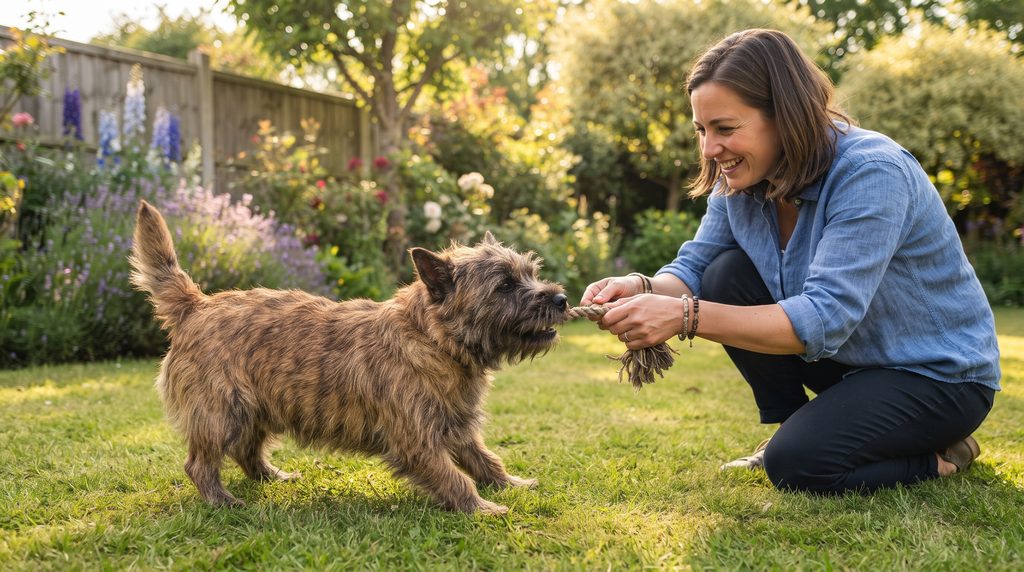
Table of Contents
Cairn Terrier at a Glance
Cairn Terrier Fast Facts
Breed Group: Terrier
Origin: Scotland, particularly the Isle of Skye
Height: Typically 9.5–10 inches
Weight: Typically 13–14 pounds
Life Expectancy: 13–15 years
Size: Small, sturdy, athletic
Coat: Harsh, weather-resistant double coat
Coat Care: Moderate; periodic hand stripping
Shedding: Low to moderate
Exercise Needs: Moderate
Temperament: Alert, cheerful, bold, independent
Primary Role: Family companion; formerly vermin hunter
Cairn Terrier Star Ratings
Apartment Friendly: ★★★★☆
Family Friendly: ★★★★☆
Good With Children: ★★★★☆
Good With Other Dogs: ★★★☆☆
First-Time Owner Friendly: ★★★☆☆
Easy Grooming: ★★★☆☆
Affectionate: ★★★★☆
Easy to Train: ★★★☆☆
Low Shedding: ★★★★☆
Adaptable: ★★★★☆
High Exercise Needs: ★★★☆☆
Tolerates Being Alone: ★★☆☆☆
Cairn Terrier History and Origins
The Cairn Terrier is one of Scotland’s oldest working terrier types, with a history shaped by the rugged landscapes, isolated farming communities, and demanding hunting traditions of the Scottish Highlands and islands. Long before the breed appeared in organized dog shows, small, tough terriers worked alongside crofters, farmers, and gamekeepers, controlling vermin and pursuing quarry through rocky terrain. Their courage, intelligence, and ability to work independently were far more important than their appearance. These qualities remain fundamental to the modern Cairn Terrier, whose cheerful personality still reflects generations of practical working ancestry.
Understanding the Cairn Terrier Origin begins on the Isle of Skye and in the western Highlands of Scotland, where small terriers had been used for centuries. The landscape was challenging, with exposed hillsides, rocky ground, harsh weather, and scattered farming settlements. Dogs working in these conditions needed to be compact enough to enter narrow spaces, strong enough to negotiate difficult terrain, and sufficiently determined to confront animals hiding among stones or underground. Their relatively short legs, sturdy bodies, powerful jaws, and protective coats developed through generations of selection for practical ability.
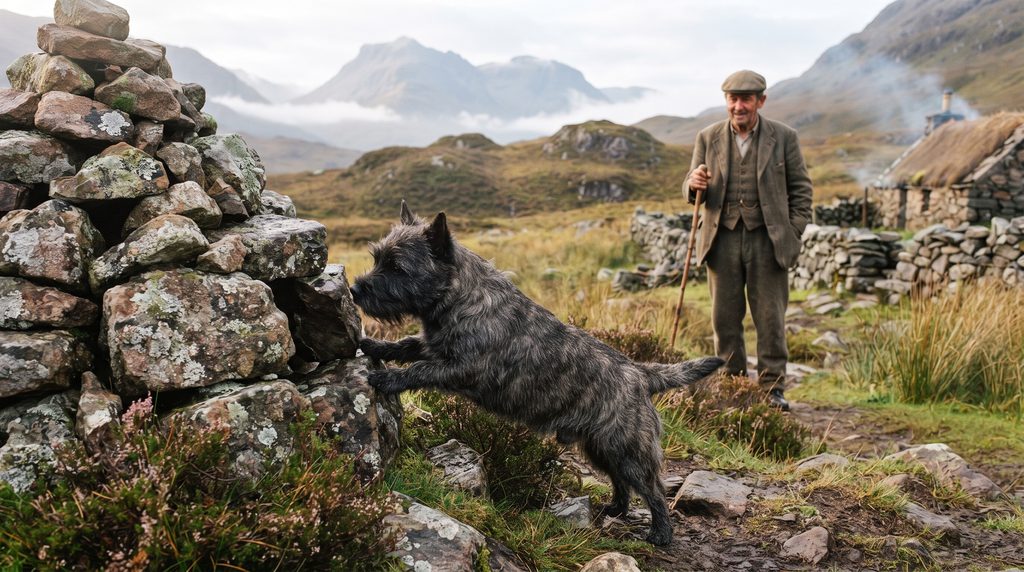
The breed takes its name from the stone cairns commonly found throughout the Scottish countryside. These piles of rocks served various purposes, including marking boundaries and landmarks, but they also provided shelter for small animals. Working terriers were expected to investigate the gaps between stones and drive out quarry such as rats, weasels, foxes, and occasionally otters. A dog needed considerable confidence to enter confined spaces and continue working when its owner could not see it. This helps explain the Cairn Terrier’s persistent curiosity, willingness to investigate, and characteristic independence.
Early Scottish terriers were not divided into the distinct breeds familiar today. For many years, small working dogs from different regions were grouped under broad descriptions such as Scotch Terriers or Skye Terriers. Appearance varied considerably, and dogs were selected primarily for their usefulness rather than conformity to a written standard. Some had longer coats, others shorter coats, while ear carriage, size, and color differed between working families. These regional strains eventually contributed to several separate terrier breeds as organized breeding and dog exhibitions became increasingly popular during the nineteenth century.
The Cairn Terrier shares historical ancestry with the Scottish Terrier, Skye Terrier, and West Highland White Terrier. Although these breeds eventually developed very different appearances, their ancestors were closely connected through the working terriers of northern and western Scotland. The Cairn is often regarded as one of the closest surviving representatives of the original small working terrier of Skye. Unlike some related breeds, whose appearance became increasingly distinctive through exhibition breeding, the Cairn retained much of its naturally rugged construction and practical, weather-resistant coat.
Formal recognition did not come easily. During the late nineteenth and early twentieth centuries, enthusiasts attempted to exhibit these smaller, prick-eared working terriers under names such as Short-haired Skye Terrier and Prick-eared Skye Terrier. Breeders of the already established Skye Terrier objected, arguing that the two types were sufficiently different to require separate identities. These disagreements generated considerable discussion within the British dog-show community. The eventual solution was to adopt the name Cairn Terrier, acknowledging the dogs’ traditional working environment rather than continuing the disputed association with the Skye Terrier.
Two women played especially important roles in establishing the modern breed: Mrs. Alastair Campbell and the Honorable Mary Hawke. Both worked to preserve and promote the old Scottish terrier type at a time when its identity remained uncertain. Campbell, whose dogs had connections with the Isle of Skye, was particularly influential in securing recognition and organizing early breed enthusiasts. Their efforts helped persuade the British Kennel Club to recognize the Cairn Terrier as a distinct breed in 1910. The Cairn Terrier Club was established that same year, with its early leadership emphasizing the preservation of the original working terrier.
The years following recognition marked an important period of development. An early breed standard was prepared in 1911, and in 1912 the Kennel Club established a separate registration system for Cairn Terriers. Breeders increasingly focused on producing dogs with consistent size, structure, coat texture, and temperament while retaining their functional working characteristics. The emphasis remained on a sturdy, agile terrier with a weather-resistant coat rather than a highly stylized appearance. This principle continues to influence how responsible breeders and enthusiasts evaluate the breed today.
The relationship between Cairn Terriers and West Highland White Terriers remained particularly close during these early years. Interbreeding between the two was permitted for a period, with puppies sometimes registered according to their coat color. This practice gradually ended as the breeds became more firmly established, with such interbreeding prohibited in Britain after 1924. Their shared ancestry helps explain similarities in body structure, facial expression, and terrier temperament, although their modern breed standards distinguish them in important ways, particularly coat color.
Cairn Terriers reached the United States during the early twentieth century, with the first recorded imports arriving in 1913. The American Kennel Club recognized the breed that same year, and the Cairn Terrier Club of America became an AKC member club in 1917. American breeders worked to maintain the breed’s distinctive Scottish character while establishing consistent standards for exhibition and responsible breeding. Over time, the Cairn developed a following among people who appreciated its small size, durable construction, lively intelligence, and affectionate companionship.
The breed gained its greatest international moment of fame through the 1939 film The Wizard of Oz. Dorothy’s beloved dog Toto was played by Terry, a female Cairn Terrier trained by Carl Spitz. Her expressive face, lively movements, and natural on-screen presence helped introduce the breed to generations of moviegoers. Interestingly, L. Frank Baum’s original novel did not explicitly identify Toto as a Cairn Terrier. It was Terry’s memorable performance in the film that permanently connected the fictional character with the breed in popular culture.
Although Toto made the Cairn Terrier famous as a family companion, the breed never entirely lost the instincts developed during its working history. Modern Cairns are still alert, curious, adventurous, and remarkably determined when pursuing something interesting. Their enthusiasm for digging, exploring rocky spaces, following scents, and investigating small movements reflects the abilities once valued by Scottish farmers and gamekeepers. These characteristics can make them entertaining companions, but they also explain why secure gardens, engaging activities, and consistent training remain important.
Today, the Cairn Terrier is treasured primarily as an affectionate family dog, yet its appearance and personality remain closely connected to its Scottish origins. Its rough coat, sturdy legs, confident expression, and independent nature are reminders of a time when survival depended on practical working ability rather than fashionable appearance. From the rocky cairns of the Highlands to modern family homes around the world, the breed has retained the qualities that made it so valuable: courage, resilience, intelligence, and an irrepressible enthusiasm for life.
Why Is It Called a Cairn Terrier?
The name comes from the stone cairns scattered across the Scottish Highlands and islands. These rock piles provided hiding places for vermin and other quarry, which the breed’s ancestors were trained to locate and drive out. If you’re wondering How to Pronounce Cairn Terrier, the word “cairn” sounds like “kairn” and rhymes with “airn.” The name reflects the dog’s original purpose rather than its coat color or appearance. Before official recognition in 1910, these little terriers were sometimes called Short-haired or Prick-eared Skye Terriers. Their modern name preserves an important connection to Scotland’s rugged working-dog heritage.
Cairn Terrier Appearance and Size
The Cairn Terrier has a rugged, appealing appearance that perfectly reflects its origins as a determined little Scottish working dog. Small but remarkably sturdy, it combines a compact, muscular body with short strong legs, a weather-resistant double coat, and an alert expression full of intelligence and curiosity. Unlike some small companion breeds that have been developed primarily for decorative appearance, the Cairn retains the practical proportions and physical toughness needed to navigate rocky terrain. Its naturally tousled coat and confident bearing give it an unmistakable character.
One of the most recognizable features of the Cairn Terrier is its broad, expressive head. The skull is relatively wide, with a clearly defined stop, strong muzzle, and powerful jaws. Its medium-sized dark hazel eyes are set fairly widely apart beneath shaggy eyebrows, creating the mischievous expression so characteristic of the breed. Small, pointed ears stand upright and should be carried attentively without appearing oversized. The black nose, dark facial shading, and abundant hair around the muzzle contribute to the Cairn’s distinctive, slightly foxlike appearance.
The body is moderately long in proportion to height, with a level back, well-sprung ribs, and a strong, flexible loin. Although the legs are relatively short, the Cairn should never appear excessively low to the ground or disproportionately elongated. Its forelegs are straight and sturdy, with strong feet and thick pads suited to uneven surfaces. The front feet are typically slightly larger than the hind feet, reflecting the breed’s original digging abilities. A naturally upright, well-furnished tail completes the silhouette, carried confidently without curling over the back.
Cairn Terrier Size varies slightly between national breed standards. The American standard describes an ideal mature male standing approximately 10 inches at the shoulder and weighing 14 pounds, while females are approximately 9.5 inches tall and weigh 13 pounds. The British standard describes a somewhat larger ideal range of approximately 11–12 inches and 14–16 pounds. These differences reflect the wording of established national standards rather than separate varieties of Cairn Terrier. Individual dogs may fall outside these measurements while remaining healthy and well proportioned.
When assessing Cairn Terrier Weight, overall body condition matters more than a precise number on the scale. A healthy Cairn should feel firm and muscular, with ribs that can be detected beneath a light covering of tissue. Excess weight can be surprisingly easy to overlook beneath its shaggy coat, making regular hands-on body-condition checks useful. A properly built Cairn should appear substantial for its size without becoming heavy, sluggish, or excessively broad. Its construction should support effortless movement and the agility expected of a traditional working terrier.
Some advertisements describe a Miniature Cairn Terrier or Mini Cairn Terrier, but neither represents a separately recognized breed or official size variety. Cairn Terriers are already relatively small dogs, and unusually tiny individuals should not automatically be considered more desirable. Deliberately selecting for extreme smallness may introduce unnecessary health concerns, particularly when breeding decisions prioritize appearance over physical soundness. Prospective owners should look for balanced proportions, healthy development, and appropriate parental health screening rather than marketing descriptions suggesting a rare miniature version.
The Cairn’s coat is another defining physical characteristic. Its protective double coat consists of a profuse, harsh outer layer and a short, soft, close-fitting undercoat. This combination helped protect working terriers against cold, moisture, and rough vegetation while allowing them to move through narrow rocky spaces. The coat should look naturally shaggy without becoming excessively long, open, or silky. Its characteristic texture is an important part of the breed’s appearance, although maintaining it properly requires techniques that differ from conventional clipping and styling.
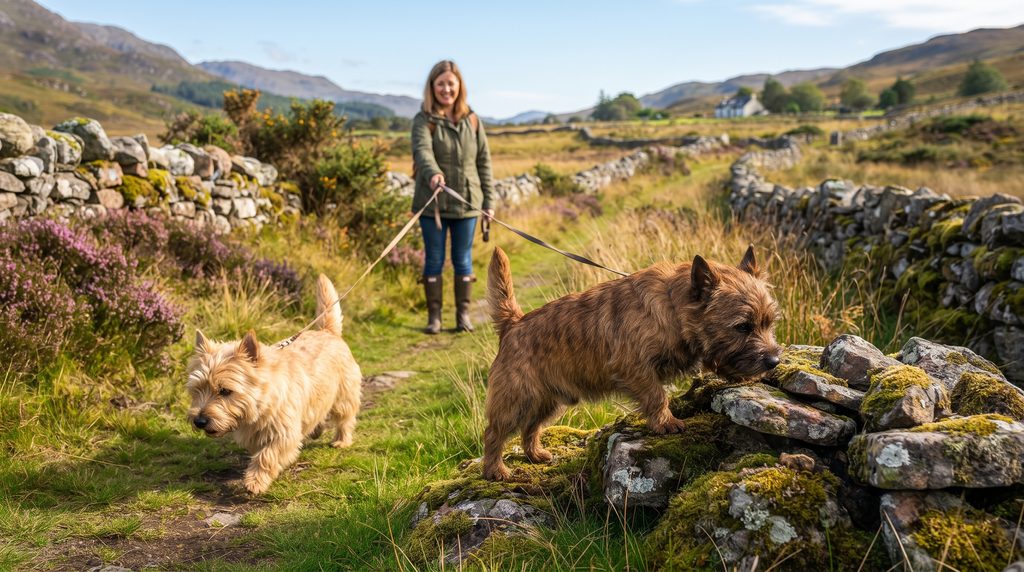
One of the most fascinating aspects of the breed is the variety of Cairn Terrier Colors. Recognized shades include cream, wheaten, red, gray, and very dark coloring, with brindle patterns appearing across several color families. Darker shading around the ears, muzzle, and tail tip is particularly characteristic. A Brindle Cairn Terrier may display a striking mixture of lighter and darker hairs that creates a subtly striped or shaded appearance. The exact balance of colors varies considerably, giving individual Cairns distinctive coats even when they share the same general color classification.
A Red Cairn Terrier may have a warm reddish-gold coat ranging from relatively light copper tones to deeper russet shades. Wheaten Cairns display softer golden, sandy, or straw-colored coats, sometimes described informally as blonde. A Blonde Cairn Terrier is therefore usually a light wheaten or cream-colored dog rather than a separate recognized color variety. Similarly, a dog casually described as a brown Cairn Terrier may actually fall within the red, wheaten, or brindle categories, depending on its underlying coat pattern and shading.
Very dark Cairns can be particularly striking. Some have deep gray, charcoal, or heavily brindled coats that appear almost black, especially when viewed from a distance. The distinction between nearly black and solid black is important because breed standards differ in their wording. The American parent-club standard broadly permits any color except white, while the British standard specifically excludes solid black and black-and-tan. The American Kennel Club also lists black among its registration colors. Prospective owners should therefore consider the relevant national standard when interpreting coat-color descriptions.
The White Cairn Terrier is another frequently searched variation, but white is not an accepted color under either the American or British breed standard. Very pale cream or wheaten dogs may look almost white in bright sunlight or photographs, creating understandable confusion. However, a genuinely white coat should not automatically be treated as an ordinary recognized variation. An Albino Cairn Terrier is a different matter altogether: true albinism involves an inherited pigmentation disorder rather than simply having pale fur. Unusual pigmentation should be assessed carefully rather than marketed as a desirable rarity.
Cairn Terrier puppies can also look surprisingly different from the adults they eventually become. Some are born with darker coats that gradually lighten, while others develop more noticeable shading or brindling as they mature. A dark-colored puppy may eventually become gray brindle or retain a much deeper coat, depending on its genetics. The distinctive darker muzzle and ear markings may become more or less prominent over time. This natural variation means prospective owners should avoid assuming that a puppy’s exact color will remain unchanged throughout its life.
Coat texture may also develop gradually as a Cairn matures. Young puppies often have softer, less developed coats than adults, and the correct harsh outer texture becomes more apparent with age and appropriate grooming. This explains why a very young Cairn may look unusually fluffy compared with an established adult. However, a mature dog with an excessively soft or open coat may lack some of the weather-resistant qualities traditionally valued in the breed. Owners should understand that coat texture, physical soundness, and healthy skin are more important than creating an artificially polished appearance.
Ultimately, the Cairn Terrier’s appearance should reflect its original working purpose. Every feature, from its sturdy feet and strong jaws to its weather-resistant coat and alert expression, contributes to a dog designed for agility, confidence, and endurance in challenging surroundings. Whether red, wheaten, gray, or brindle, a well-proportioned Cairn should look lively, balanced, and capable of purposeful movement. Its naturally shaggy appearance is part of its enduring appeal, but beneath that charming exterior remains the compact, remarkably capable Scottish terrier developed generations ago.
Why Cairn Terrier Puppies Change Color
A Cairn Terrier’s puppy coat does not always predict its adult appearance. Some dark puppies gradually develop lighter gray or brindle coloring, while others retain rich red or nearly black shading. A Brindle Cairn Terrier Puppy may show increasingly noticeable variations as its mature coat develops. Changes can continue beyond the first year, especially as new outer hairs grow. Dark ears, muzzles, and tail tips are common characteristics, even in lighter-colored dogs. If choosing a puppy partly for its appearance, ask the breeder about color changes in related adult dogs. Temperament, health, and sound construction should always remain the priorities.
Cairn Terrier Temperament and Personality
The Cairn Terrier Temperament is one of the breed’s most appealing and memorable qualities. Cheerful, alert, bold, and full of curiosity, the Cairn Terrier approaches life with an enthusiasm that can make even ordinary daily routines feel entertaining. Despite its small size, this is not a timid or fragile dog. The Cairn was developed to work independently in difficult terrain, and that heritage remains obvious in its confidence, intelligence, and determination. Owners are often drawn to its lively spirit, but understanding the full range of its personality is essential for a successful match.
The Cairn Terrier Personality combines affection with independence in a way that many people find irresistible. A well-raised Cairn usually enjoys family life, forms close bonds with its favorite people, and likes to be involved in household activities. Many follow their owners from room to room, supervise gardening projects, investigate unfamiliar objects, and quickly notice any change in their environment. This attentiveness helps make them engaging companions, but it also means they can become bored and inventive if they are not given enough mental and physical outlets.
One of the most distinctive Cairn Terrier Personality Traits is curiosity. These little terriers are natural investigators, always ready to inspect a rustling hedge, the corner of a garden bed, or an unexpected sound behind a piece of furniture. Their inquisitive nature can be extremely endearing, but it can also get them into trouble if owners underestimate their persistence. A Cairn that decides something is worth exploring may dig, squeeze into awkward spaces, or continue investigating long after another dog would have lost interest. Secure fencing, thoughtful supervision, and consistent boundaries are therefore important parts of everyday life with the breed.
The breed’s lively intelligence contributes strongly to its character. Cairn Terriers learn quickly and often understand far more than their owners initially realize. However, intelligence in a terrier does not always translate into automatic obedience. Many Cairns are quite capable of deciding that their own plan is more interesting than the one proposed by a human. This independent streak is not a sign of low intelligence. Rather, it reflects the self-reliance that once allowed the breed to work among rocks and underground spaces without constant direction.
The Cairn Terrier Character is often described as happy, spirited, and fearless, and those descriptions are generally accurate. Most Cairns carry themselves with confidence, moving through the world as though they fully expect to handle whatever comes their way. They can be playful comedians at home, inventing games, bouncing around the garden, or proudly carrying a toy as though it were an important prize. Their expressive faces, upright ears, and alert posture often make them seem permanently interested in life, which is part of their enduring charm.
Because they are true terriers, Cairns also possess determination and a degree of stubbornness. When they want something, whether it is access to a particular area, a chance to continue digging, or the opportunity to chase a moving animal, they can be surprisingly persistent. This can be amusing in small doses, but it also means owners need patience and consistency. Rules that are enforced one day and ignored the next often encourage the dog to keep testing boundaries. A Cairn usually responds best when expectations are clear, fair, and reinforced positively.
Affection is another important part of the Cairn Terrier Traits most owners value. Although individual dogs vary, many enjoy being close to their people and take pleasure in cuddling, sitting beside family members, or simply remaining nearby while household activities continue. They are not generally clingy in the way some companion breeds can be, but they do appreciate involvement and companionship. Many owners find that Cairns balance independence and affection particularly well, making them enjoyable pets for households that want a sociable dog without constant neediness.
The breed’s alertness also makes it an excellent watchdog. Cairn Terriers tend to notice visitors, unusual noises, and movement outside the home quickly. They are often willing to announce these discoveries with enthusiasm, which can be useful in moderation but may become excessive barking if not managed appropriately. Early training, calm responses from the owner, and providing the dog with an alternative behavior can help prevent its natural vigilance from becoming a persistent nuisance.
Like many small terriers, the Cairn Terrier can be surprisingly tough-minded. It is generally more resilient than delicate in temperament and often recovers quickly from minor setbacks. However, this should not be mistaken for insensitivity. Harsh handling, inconsistent treatment, or chaotic environments can still undermine confidence and increase unwanted behavior. Cairns tend to thrive with owners who combine warmth and humor with clear boundaries. Their strong personalities respond better to patient teaching than to force.
Prey drive remains a meaningful aspect of the breed’s temperament. Many Cairns are instantly interested in squirrels, birds, rodents, and other small moving animals. This instinct can influence recall, leash behavior, and compatibility with smaller household pets. A dog may be loving and playful at home while still becoming intensely focused on movement outdoors. Prospective owners should understand that a Cairn’s charm does not erase its instinctive drives. Responsible management and realistic expectations are both essential.
Socially, many Cairns are friendly and outgoing, though some are more reserved with strangers than others. They are often confident rather than submissive when meeting new people and may greet visitors with interest and enthusiasm. Early socialization helps ensure that their natural boldness remains socially appropriate rather than becoming overexcitement or suspicion. Most enjoy being involved when guests arrive, though sensible management is still important, especially if a dog is excitable or vocal.
Overall, the Cairn Terrier Breed Characteristics reflect a compact working terrier with enormous personality. This is a dog that offers affection, humor, courage, and intelligence in a remarkably portable package, but it also expects engagement, guidance, and respect for its lively nature. For owners who appreciate a dog with spirit and individuality, the Cairn Terrier can be enormously rewarding. Its personality is not bland or background-friendly, yet that is exactly why so many people find the breed unforgettable.
Why Cairn Terriers Feel Bigger Than They Look
A Cairn Terrier may be small in height, but its confidence and attitude often make it seem much larger. The breed was developed to work independently in rocky terrain, so boldness, persistence, and quick reactions were essential. That background still shows in everyday life through alert barking, determined digging, and an eagerness to investigate anything unusual. These dogs are often affectionate and playful, but they are rarely passive. Owners who enjoy a lively companion with real terrier spirit usually find the breed deeply rewarding. Households wanting a quiet, highly compliant lapdog may discover that a Cairn Terrier has very different ideas.
Living With a Cairn Terrier
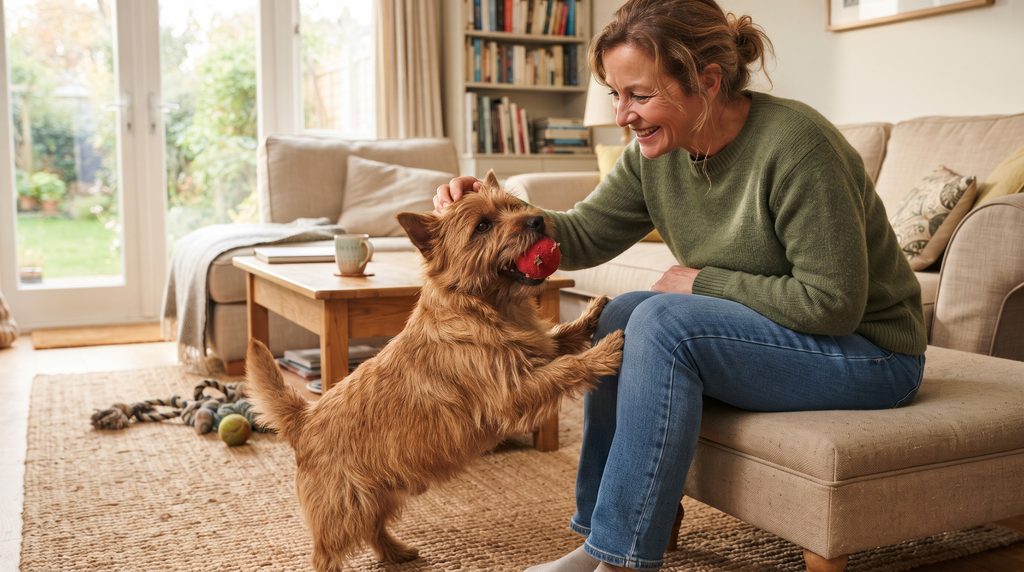
Living with a Cairn Terrier is usually lively, entertaining, and rarely dull. This breed is small enough to fit comfortably into many homes, yet it has such a strong personality that it often feels much larger than its physical size suggests. A Cairn wants to know what is happening, where its people are, and whether there is anything interesting to inspect, dig, chase, or supervise. Owners who enjoy an engaged, alert companion often find everyday life with a Cairn deeply rewarding, but it helps to understand from the start that this is not a passive little lapdog.
A typical Cairn Terrier Adult tends to become a close household companion. Many follow their owners from room to room, settle nearby while meals are prepared, patrol the garden for movement, and position themselves where they can monitor family life. This involvement is one of the breed’s great charms. Cairns usually like being included rather than left to entertain themselves for long periods, and they often thrive in homes where they can participate in ordinary routines. Their independence does not mean they want emotional distance. In most cases, it simply means they are confident enough to make their own decisions if no one gives them better guidance.
The home environment should be set up with the breed’s terrier instincts in mind. Cairns are natural investigators, and that means cupboards left open, unattended food, dangling cords, low shelves, and accessible rubbish bins may all attract interest. Young dogs in particular can be enthusiastic chewers and explorers. Safe management matters more than repeated scolding after the fact. Owners usually have the easiest time when they provide clear routines, durable toys, and a living space arranged to prevent unnecessary mischief.
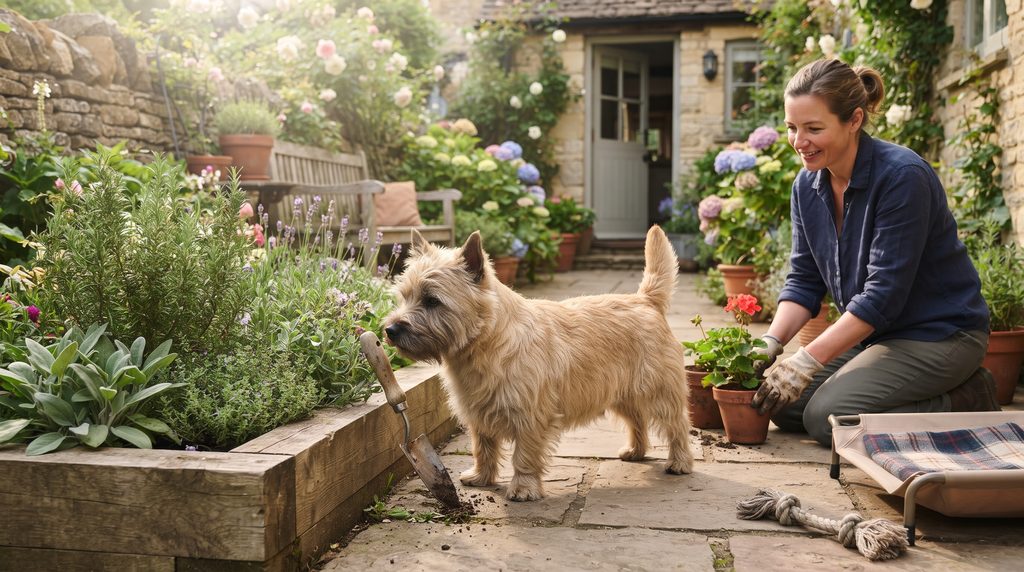
One of the most familiar Characteristics of a Cairn Terrier is its determination. If a Cairn thinks there is a mouse under the shed, an interesting smell beneath the hedge, or a hidden toy behind the sofa, it may persist far longer than expected. This persistence can be amusing, but it also explains why secure fencing and sensible supervision are so important. Cairns are small enough to squeeze through surprisingly narrow gaps and bold enough to investigate what lies beyond them. A yard should be checked regularly for loose boards, spaces under gates, and weak points near garden beds or retaining walls.
Digging is another practical part of life with the breed. Not every Cairn becomes a dedicated excavator, but many certainly enjoy moving earth when given the opportunity. This reflects the breed’s historical function and should not come as a surprise. Some owners manage it by supervising outdoor time carefully, while others provide a designated digging area where the dog can satisfy the urge more appropriately. Expecting a terrier never to show interest in digging may be unrealistic, but channeling the behavior is often very achievable.
Barking is worth discussing honestly as well. Cairns are naturally alert and often quick to announce visitors, passing delivery drivers, unusual garden noises, or movement beyond the fence. In moderation, this can be useful. Left unmanaged, it can become excessive, particularly in homes where the dog spends long periods watching windows or reacting to every sound in the neighborhood. Daily activity, calm redirection, and consistent responses from the owner help keep barking within reasonable limits. Because the breed is bright and observant, boredom can also contribute to vocal behavior.
Despite their sturdy nature, Cairns adapt well to different living arrangements when their needs are met. Many do well in suburban houses with fenced yards, but they can also live successfully in smaller homes or apartments provided they receive enough exercise, enrichment, and supervision. Their size makes them physically convenient, but their terrier mind still needs occupation. Apartment owners in particular should think carefully about barking, elevator encounters, and opportunities for safe outdoor activity. A small dog with terrier instincts still needs structure and engagement.
Cairns usually appreciate comfort at home. A cozy bed in a frequently used room, time near their people, and a predictable daily rhythm suit them well. They often enjoy perching where they can observe the household, whether that means a mat near the kitchen, a spot by the patio door, or a bed beside a desk. Many are affectionate without being overly dependent, striking a pleasant balance between companionship and self-possession. They like to be near their family, but they also tend to retain a certain terrier self-confidence.
Time alone should be approached thoughtfully. A Cairn Terrier left alone for reasonable periods can often cope well if independence has been taught gradually and the dog has enough exercise and mental stimulation. However, prolonged or frequent isolation may encourage barking, digging, chewing, or frustration. These dogs generally do best when their days contain a mixture of companionship, routine, and appropriate activity. Interactive feeding toys, short training sessions, and sensible pre-departure exercise can all help, but they should not be used as substitutes for overall engagement.
Household life is often easiest when expectations are consistent. If a Cairn is allowed on the sofa one day but corrected for it the next, or rewarded for barking at the window one week and scolded for the same behavior the next, confusion is inevitable. Like many clever terriers, Cairns quickly notice inconsistency. Clear rules, calmly enforced, tend to produce the best results. This does not mean being harsh. It simply means deciding what is acceptable and teaching those expectations in a fair, steady way.
Families should also remember that a Cairn Terrier, although small, is not delicate in spirit. It often prefers active involvement to decorative handling. Many enjoy walks, play, short training sessions, and supervised outdoor exploration far more than being carried everywhere or treated like a toy dog. Respecting the breed’s practical, sturdy nature usually leads to better behavior and a happier dog. Owners who appreciate that balance of affection, independence, and terrier grit tend to enjoy the breed most.
Ultimately, living with a Cairn Terrier means sharing your home with a bright, spirited little dog that wants both companionship and purpose. It is a breed that thrives when included in family life, given sensible boundaries, and allowed to express its natural curiosity in appropriate ways. For households that value personality, resilience, and constant small moments of amusement, the Cairn Terrier can be an exceptionally rewarding everyday companion.
Cairn Terrier and Children
The Cairn Terrier can make a lively, affectionate, and entertaining companion for children, particularly in households that understand the breed’s spirited terrier nature and provide sensible supervision. Its small size makes it physically easier to live with than many larger breeds, yet it is sturdy enough to enjoy active play and family life. Many Cairns genuinely like being involved with people and often develop close bonds with the children in their household. However, their confidence, alertness, and independence mean that family life works best when both dog and child are guided thoughtfully.
One of the breed’s greatest advantages in family homes is its enthusiasm for activity. Cairn Terriers often enjoy games, garden play, exploratory walks, and short training sessions, all of which can appeal to children who want an interactive dog rather than a passive lap companion. Their cheerful attitude and amusing expressions also make them especially appealing to younger family members. A Cairn that has been socialized well and treated kindly often responds warmly to children, readily joining everyday family routines and supervised play.
That said, the Cairn Terrier is not a toy, and children should never be encouraged to treat it as one. Although sturdy for its size, it is still a small dog that can be injured by rough handling, dropping, grabbing, or being chased persistently. Young children should be taught not to pick the dog up unless an adult has shown them how and believes it is safe to do so. They should also avoid pulling ears, hugging tightly, climbing on the dog, or interfering when it is resting, eating, or chewing something valuable.
Adult supervision remains important, even with a dog that is generally good-natured. The purpose of supervision is not simply to intervene if something goes wrong, but to help both child and dog learn to interact successfully. A child may become overexcited and start moving too roughly, while a Cairn may become overstimulated and start barking, jumping, or nipping playfully. Intervening early, redirecting calmly, and keeping interactions short and positive usually produces better outcomes than waiting until either side becomes frustrated.
Cairn Terriers are often particularly well suited to homes with school-aged children who can understand instructions and participate appropriately in care and training. Older children can help with simple reward-based exercises, fill water bowls, take part in supervised games, and learn how to recognize when the dog wants more interaction or needs space. This can create a very rewarding relationship. Toddlers, by contrast, move unpredictably, make sudden noises, and rarely understand canine boundaries consistently, which makes management much more dependent on the adults in the household.
Play should be enjoyable for both dog and child. Good options include rolling a ball, hide-and-seek with treats, short training games, and supervised toy play that does not encourage grabbing skin or clothing. Rough wrestling, teasing, chasing games, or allowing the child to disturb the dog repeatedly are not appropriate. Cairns can be excitable, and what begins as fun can escalate into overarousal surprisingly quickly. Structured, calm play is usually the most successful approach, especially while a young dog is still learning self-control.
Families should also provide the Cairn Terrier with a quiet resting area where children are not allowed to bother it. A bed in a calm corner, a crate introduced positively, or a separate room during busy times can all work well. This gives the dog a chance to settle and reduces the risk of it becoming overwhelmed by noise or repeated handling. Children should understand that when the dog is in its resting space, it should be left alone. Respecting this boundary is one of the simplest ways to support safe family relationships.
As with any breed, owners should learn to recognize signs that the dog is becoming uncomfortable. Turning away, lip-licking, yawning outside a sleepy context, stiffening, moving away, or growling are all forms of communication and should not be ignored. Growling in particular should not be punished, because it is a valuable warning sign. Instead, adults should calmly separate the dog from the situation, consider what caused the discomfort, and change how future interactions are managed.
The Cairn Terrier’s terrier confidence can sometimes mean it is less tolerant of persistent pestering than a softer, more passive breed. This is not a fault; it simply reflects the dog’s nature. Families who expect a Cairn to tolerate constant handling, noise, and intrusion without ever objecting may be unrealistic. Respectful treatment and clear family rules matter. When children learn how to behave around the dog and adults take responsibility for management, Cairns often become delightful little companions for active family life.
Prospective owners considering a Cairn Terrier for a household with children should assess the individual dog as well as the breed’s general traits. A breeder should be able to discuss puppy temperaments and early socialization, while a rescue organization should provide honest information about the dog’s known behavior around children. Some individual Cairns are naturally more patient and sociable than others. Matching the right dog to the right family will always be more important than relying on broad breed reputation alone.
When handled thoughtfully, the Cairn Terrier often thrives in family life. It brings humor, energy, affection, and sturdy companionship to a household willing to supervise interactions and teach children how to behave appropriately. Its size, resilience, and enthusiasm for involvement can make it an excellent little family dog. The best outcomes come when adults take responsibility for safety, children respect the dog’s needs, and the Cairn Terrier is treated as a valued companion rather than a plaything.
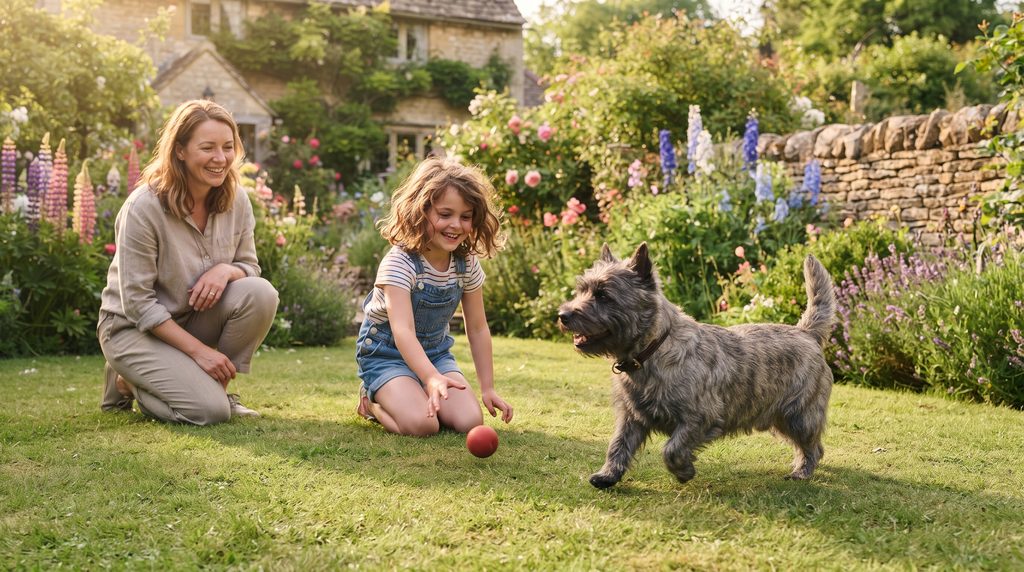
Helping Children and Cairn Terriers Get Along
Teach children to interact gently and calmly with a Cairn Terrier from the beginning. They should avoid rough handling, picking the dog up without help, or disturbing it while it eats, sleeps, or chews something valuable. Supervised games such as rolling a ball, simple training, or treat-finding activities are usually better than chasing or wrestling. Provide the dog with a quiet resting place where it will not be bothered, and watch for signs of discomfort such as moving away, stiffening, or growling. Respectful, well-managed interactions help both the child and the dog develop trust and confidence.
Cairn Terrier With Other Dogs and Pets
The Cairn Terrier can be a sociable, affectionate companion to other dogs, but its relationships with animals are strongly influenced by its working-terrier ancestry. Originally bred to pursue vermin through rocky Scottish countryside, the Cairn retains a natural interest in movement, scent, and small creatures. Many live happily with other dogs and can form close relationships with household cats, particularly when introduced carefully. However, their confidence, independence, and strong prey drive mean that compatibility should never be taken for granted, especially when smaller animals are involved.
Most well-socialized Cairn Terriers are capable of developing rewarding friendships with other dogs. Their playful personalities and enthusiasm for activity often make them enjoyable walking and playing companions. Some prefer dogs of similar size and energy, while others get along comfortably with larger, gentle breeds. A Cairn may happily share its home with a Golden Retriever, Beagle, or another terrier, provided their temperaments and playing styles are compatible. Individual personality matters considerably more than breed combinations alone.
One challenge is that Cairns do not always appreciate how small they are. Their confidence can lead them to approach much larger dogs with enthusiasm, and some may stand their ground when another animal behaves in a challenging manner. This boldness was valuable in their original working environment, but it can create unnecessary risks during modern dog-to-dog encounters. Owners should avoid allowing a Cairn to provoke, chase, or repeatedly challenge another dog, particularly when there is a substantial difference in size and strength.
Early socialization helps puppies develop appropriate communication skills and confidence around other dogs. Carefully supervised meetings with calm, socially competent animals are usually more valuable than uncontrolled play with unfamiliar dogs. Puppy classes can provide useful opportunities when they are professionally managed and allow appropriate interaction. The goal should be to teach a Cairn Terrier that other dogs can be present without requiring excited greetings or confrontations. Learning to walk calmly past unfamiliar animals is an especially useful everyday skill.
Introducing an adult Cairn Terrier to another dog is often easiest on neutral ground. Parallel walking allows both animals to become comfortable in one another’s presence without the pressure of an immediate face-to-face greeting. Begin at a distance where both dogs remain relaxed, then gradually move closer if their behavior suggests they are comfortable. Short, voluntary interactions are preferable to forcing prolonged contact. Owners should watch for stiff posture, persistent staring, repeated blocking, or attempts to move away, and end the meeting if either dog becomes uncomfortable.
In multi-dog households, appropriate management helps prevent disagreements over valued resources. Feeding dogs separately, supervising access to favorite toys, and providing individual resting spaces can reduce unnecessary competition. A Cairn Terrier may become particularly determined when protecting a prized chew or investigating another dog’s possessions. Such behavior should not be interpreted as a need for dominance-based correction. Rewarding calm behavior, teaching appropriate exchanges, and preventing repeated conflicts are generally more productive approaches.
Relationships with cats require additional consideration. Some Cairn Terriers live peacefully with household cats, particularly when introduced while young and raised with clear boundaries. However, the breed’s instinct to pursue small moving animals remains relevant. A Cairn that calmly shares the sofa with a familiar cat may still enthusiastically chase an unfamiliar cat outdoors. Similarly, a normally relaxed household relationship can become more complicated when a cat suddenly runs across the room or becomes frightened.
Successful introductions between a Cairn Terrier and a cat should progress gradually. Begin with separate living areas, allowing both animals to become familiar with one another’s scent before introducing controlled visual contact. Baby gates, secure barriers, and a leash can help prevent chasing during early meetings. Reward the Cairn for calm observation and for disengaging when asked. Cats should always have access to elevated resting places, escape routes, and rooms the dog cannot enter. Neither animal should be forced into close interaction.
Small household pets present a more serious challenge. Rabbits, guinea pigs, hamsters, gerbils, and other rodents can strongly trigger the Cairn Terrier’s inherited hunting instincts. Even a dog that is affectionate with people and friendly toward other dogs may instinctively chase or seize a small animal. Because Cairns were specifically developed for this kind of work, reliable physical separation is the safest approach. Small pets should remain in secure enclosures within rooms the dog cannot access, rather than relying on training or supervision to prevent an accident.
Birds and other delicate animals also require protection. A Cairn Terrier may become intensely interested in fluttering movement, sudden noises, or activity around an enclosure. Owners should ensure that cages are secure, inaccessible, and positioned where the animals cannot be repeatedly frightened by barking or persistent investigation. Allowing a Cairn to approach a bird or small mammal simply to see how it reacts serves little purpose and can create significant stress. Peaceful separation is often a far more appropriate goal than direct friendship between incompatible species.
Outdoor encounters deserve the same attention. Cairn Terriers are naturally attracted to squirrels, rabbits, birds, and other wildlife, and an interesting scent may quickly become more important than their owner’s instructions. Even a Cairn with good recall at home can become difficult to interrupt once it begins chasing. Secure fencing, reliable leash handling, and supervised outdoor access are therefore essential. The Cairn Terrier Club of America specifically emphasizes the importance of leashes and enclosed areas because the breed’s hunting instincts can override ordinary training.
Owners should also think carefully before using busy, uncontrolled dog parks. Some Cairns enjoy social play, while others become overstimulated or react defensively when approached by unfamiliar dogs. Smaller dogs may be vulnerable to accidental injury during rough play with larger companions. Choosing familiar walking partners, arranging controlled play sessions, and allowing plenty of space during introductions often produces more positive experiences. A Cairn does not need to befriend every dog it meets to enjoy a socially fulfilling life.
When adopting an adult Cairn Terrier into a home with existing pets, ask breeders or rescue organizations for specific information about previous animal interactions. A dog described as friendly may still be unsuitable for a household with rabbits or cats, while another may already have a successful history of living with both dogs and cats. Foster-home observations can be particularly valuable because they reveal how an animal behaves in ordinary domestic surroundings. Where the history is uncertain, introductions should be approached conservatively.
Ultimately, Cairn Terriers can be delightful companions in multi-pet households when their individual preferences and inherited instincts are respected. Their confidence, playful nature, and social curiosity can support lasting friendships with compatible dogs, while some develop affectionate relationships with familiar cats. However, their powerful interest in small animals should never be underestimated. Careful introductions, secure boundaries, positive training, and realistic expectations allow owners to enjoy the Cairn Terrier’s sociable side without compromising the safety of other household pets.
Managing a Cairn Terrier’s Hunting Instincts
Cairn Terriers were originally bred to pursue small animals, and that instinct remains strong in many individuals. Even a friendly, well-trained Cairn may chase squirrels, rabbits, or unfamiliar cats when something suddenly moves. Use a secure leash on walks and check garden fencing for gaps or digging opportunities. Introduce household cats gradually, providing separate resting areas and elevated escape routes. Rabbits, guinea pigs, rodents, and pet birds should remain safely separated behind reliable barriers. Reward calm behavior around other animals, but never assume training has eliminated prey drive. Careful management protects both your Cairn Terrier and the animals sharing its environment.

Cairn Terrier Exercise and Activity Needs
The Cairn Terrier may be small, but it is an energetic, athletic working breed with a surprisingly strong appetite for exercise and adventure. Developed to explore rugged Scottish countryside and pursue vermin among rocky crevices, these determined little dogs were never intended to lead completely sedentary lives. Modern Cairn Terriers retain much of that natural stamina, curiosity, and enthusiasm for activity. Although their exercise requirements are manageable for many households, they need regular opportunities to walk, investigate, play, and engage their intelligent minds.
Most healthy adult Cairn Terriers benefit from a combination of daily walks, interactive games, and mental enrichment. Around 45–60 minutes of combined activity can provide a useful starting point for many adults, although individual needs vary with age, fitness, health, and temperament. Some particularly energetic Cairns happily enjoy longer countryside walks, while others are satisfied with shorter outings supplemented by indoor activities. The important consideration is maintaining a consistent routine that provides meaningful activity without expecting every dog to follow an identical exercise schedule.
Walking is one of the best activities for the breed because it combines physical movement with opportunities for exploration. Cairns generally enjoy brisk neighborhood walks, woodland paths, parks, and varied countryside environments. Their short legs should not be mistaken for limited endurance; a fit adult can cover considerable distances at a comfortable pace. However, owners should allow time for sniffing rather than treating every walk as a continuous march. Investigating unfamiliar scents provides valuable mental stimulation and satisfies part of the curiosity inherited from their working ancestors.
The Cairn Terrier’s hunting heritage makes scent-based activities particularly rewarding. A simple game involving treats hidden around a secure garden can provide substantial mental enrichment without requiring expensive equipment. Owners can also hide a favorite toy beneath leaves, behind suitable obstacles, or among safe garden features and encourage the dog to locate it. More structured scent-work activities offer opportunities to develop concentration and confidence. These games appeal to the Cairn’s natural desire to investigate while helping channel its attention toward activities that can be enjoyed safely with its owner.
Digging is another instinctive activity that deserves thoughtful management. Cairn Terriers were developed to investigate rocky spaces and underground hiding places, so the urge to excavate can be remarkably persistent. Some owners provide a designated digging area filled with loose soil or sand, occasionally burying suitable toys for the dog to discover. This allows the Cairn to enjoy an instinctive behavior without destroying valued flowerbeds. Dogs should be supervised, and digging areas must be free of sharp objects, harmful chemicals, and other hazards.
Interactive play provides an excellent additional outlet. Many Cairns enjoy chasing balls, retrieving small toys, playing appropriate tug games, and participating in short activities that involve their owners. Because the breed can become intensely focused on exciting objects, games should include pauses and opportunities to settle. Repeated frantic chasing, abrupt turns on slippery surfaces, and excessive jumping are unnecessary. A variety of enjoyable activities is generally more beneficial than attempting to exhaust the dog through increasingly vigorous exercise.
Cairn Terriers can also be enthusiastic participants in organized dog sports. Agility, rally, tracking, scent work, and Earthdog activities provide different opportunities to use their intelligence, athletic ability, and natural instincts. Earthdog events are particularly relevant because they recreate aspects of the underground hunting work for which Cairns were originally developed, using controlled activities rather than exposing dogs to uncontrolled encounters with wildlife. Barn Hunt and other scent-based sports may also appeal to individuals that enjoy problem-solving. Activities should be adapted to the dog’s experience, physical condition, and level of enthusiasm.
Secure exercise arrangements are especially important. A Cairn Terrier may respond reliably to recall in a quiet garden yet become completely absorbed by a squirrel, rabbit, or interesting scent outdoors. The breed’s independent hunting instincts can make off-leash activity risky in unenclosed areas, even after consistent training. A properly fenced garden or secure exercise field offers opportunities for free movement and play. When walking in open environments, a comfortable harness and suitable leash or long line provide additional safety while allowing controlled exploration.
Puppies require a different approach from mature dogs. Young Cairns need frequent opportunities for gentle movement, exploration, play, and social experiences, but their developing joints and growing bodies should not be subjected to demanding endurance exercise. Short walks, supervised play on appropriate surfaces, and simple training games are generally more suitable than prolonged forced marching, repetitive high jumps, or running alongside a bicycle. Puppies also need plenty of uninterrupted sleep. Owners should watch for fatigue and allow the youngster to rest rather than assuming that constant activity is necessary.
Environmental conditions influence how much exercise is appropriate. The Cairn Terrier’s weather-resistant double coat provides useful protection in cool, damp conditions, but it does not make the dog immune to extreme temperatures. During hot weather, walks should take place during cooler periods, with shade and fresh water available. Hot pavement can damage paw pads, while prolonged vigorous activity may increase the risk of overheating. In cold, wet weather, most healthy Cairns can still enjoy appropriate outings, although elderly dogs or individuals with health problems may need additional protection or shorter walks.
As Cairn Terriers mature, their exercise requirements may gradually change. Young adults are often particularly active and curious, while older dogs may prefer more measured outings. Senior Cairns still benefit from regular movement because walking helps maintain muscle strength, joint mobility, and mental engagement. However, arthritis, heart conditions, or other health problems may require adjustments. Several shorter walks can be more comfortable than one demanding outing. Owners should monitor stiffness, unusual fatigue, reluctance to continue, or changes in gait and seek veterinary guidance when necessary.
One common mistake is assuming that a tired Cairn Terrier must always be a contented Cairn Terrier. Physical exercise is important, but constantly increasing activity can produce a dog that expects ever more stimulation. Learning to relax is equally valuable. A balanced routine should combine walks and play with scent games, short training sessions, appropriate chewing opportunities, and periods of quiet rest. This helps prevent boredom without encouraging an expectation of continuous entertainment.
Ultimately, the Cairn Terrier thrives when exercise provides an opportunity to express its natural curiosity, intelligence, and energetic personality. Its compact size makes it adaptable to many living arrangements, but its working heritage demands more engagement than an occasional stroll around the block. Owners who combine enjoyable walks, safe exploration, interactive play, and mental enrichment will usually find that their Cairn becomes a more satisfied, settled, and rewarding household companion.

Activities That Satisfy a Cairn Terrier’s Instincts
Cairn Terriers enjoy activities that let them investigate, chase suitable toys, solve problems, and explore their surroundings. Daily walks with opportunities to sniff are an excellent foundation, while hide-and-seek games, food puzzles, and supervised digging areas provide additional enrichment. Many Cairns also enjoy agility, scent work, and Earthdog activities that reflect their working heritage. Use securely fenced areas for off-leash play, as a determined Cairn may ignore recall when pursuing wildlife. Adjust exercise to age, fitness, and weather conditions, and provide opportunities for calm rest between activities. Mental stimulation is just as important as physical movement for this intelligent little terrier.
Training a Cairn Terrier
Training a Cairn Terrier can be an enjoyable and rewarding experience, provided owners understand that this intelligent little dog has an independent mind and a strong instinct to investigate its surroundings. Cairns are quick learners, naturally curious, and capable of mastering a wide variety of skills. However, their working-terrier heritage means they were developed to make decisions without constant human direction. Successful training involves making cooperation worthwhile, establishing consistent expectations, and keeping lessons sufficiently interesting to hold the dog’s attention.
The Cairn Terrier’s intelligence is often underestimated because of its mischievous behavior. A Cairn may understand an instruction perfectly but decide that investigating a rustling hedge is considerably more interesting. This independence is not evidence of poor intelligence or an inability to learn. In fact, the breed’s natural problem-solving ability can make training surprisingly enjoyable. Owners who approach lessons with patience, creativity, and realistic expectations generally achieve better results than those expecting unquestioning obedience.
Positive reinforcement is particularly effective with Cairn Terriers. Small food rewards, favorite toys, praise, and opportunities to engage in enjoyable activities can all encourage cooperation. Many Cairns are highly food-motivated, making appropriately sized treats especially useful during early training. Sessions should be brief, upbeat, and varied rather than dominated by repetitive drills. A few minutes of successful training several times throughout the day will often produce better progress than one lengthy session that leaves the dog bored or distracted.
Training should begin as soon as a Cairn Terrier puppy arrives home. Early priorities include recognizing its name, responding to simple cues, learning appropriate toilet habits, becoming comfortable with gentle handling, and understanding basic household boundaries. Puppies should also be introduced gradually to a suitable resting area and taught that settling quietly can be rewarding. These everyday skills provide the foundation for a well-adjusted adult. Complicated tricks can come later, once the puppy has developed confidence and understands how to learn.
Recall deserves particular attention because Cairn Terriers retain a strong instinct to pursue small animals. A puppy may respond enthusiastically when called indoors but become completely absorbed by a squirrel, bird, or unfamiliar scent outdoors. Begin recall training in a quiet environment, rewarding the dog generously whenever it comes toward you. Gradually increase distractions and practice in different locations using an appropriately secured long line. Even with consistent training, owners should avoid assuming that recall will override every hunting instinct. Secure exercise areas remain essential.
Loose-leash walking is another valuable skill. Cairns are alert, energetic dogs that often want to investigate everything around them, making pulling and sudden changes of direction common challenges. Rewarding the dog for walking near its owner, allowing appropriate sniffing breaks, and practicing in manageable environments can improve cooperation. A comfortable, well-fitted harness may help with everyday handling, although equipment alone cannot teach polite walking. Owners should gradually introduce busier surroundings rather than expecting immediate success on exciting streets or crowded pathways.
Barking can also require consistent training. Cairn Terriers were valued partly for their alertness, and many remain quick to announce visitors, unfamiliar sounds, and movement beyond the garden fence. Attempting to eliminate all barking is unrealistic, but owners can teach calmer responses. Rewarding quiet observation, practicing an alternative behavior when someone approaches the door, and preventing prolonged window watching may help. Shouting at a barking Cairn can unintentionally increase excitement, while calm redirection and consistent routines generally offer a more useful approach.
Digging presents a different challenge because it is deeply connected to the breed’s original purpose. A Cairn Terrier that enthusiastically excavates flowerbeds is not necessarily being deliberately disobedient. It may simply be expressing an inherited behavior that feels naturally rewarding. Providing a designated digging area and rewarding the dog for using it can help protect the rest of the garden. Supervision and secure boundaries remain important, particularly where digging beneath fences could create an escape route.
Socialization should focus on building confidence and appropriate behavior rather than encouraging the puppy to greet every person or dog. Positive exposure to different environments, surfaces, sounds, people, and carefully selected animals helps a Cairn develop resilience. Calmly observing unfamiliar dogs without rushing toward them is a valuable skill. Well-managed puppy classes can support this development, particularly when instructors understand terrier behavior and use reward-based methods. Overwhelming experiences or uncontrolled interactions may create problems rather than preventing them.
Impulse control is another worthwhile training priority. Cairns often react quickly to exciting movement, food opportunities, unfamiliar visitors, or favorite toys. Teaching cues such as wait, leave it, drop, and settle helps owners manage these situations more effectively. Short exercises involving waiting before a door opens or releasing a toy in exchange for a reward can strengthen cooperation. Because Cairns are persistent, training works best when desired behavior is rewarded consistently and opportunities to rehearse unwanted habits are carefully managed.
Handling and grooming training should not be overlooked. The Cairn Terrier’s distinctive double coat requires regular maintenance, including techniques such as hand stripping when appropriate. Dogs that learn early to accept gentle brushing, paw handling, ear checks, and standing calmly on a grooming surface are generally easier to care for throughout life. Introduce these procedures gradually, pairing brief handling with rewards and allowing the dog to remain comfortable. Forcing a reluctant Cairn through prolonged grooming sessions may create resistance that becomes increasingly difficult to overcome.
Adolescence can test even experienced owners. As Cairn Terriers mature, they may become more adventurous, increasingly interested in wildlife, or less responsive to familiar instructions in distracting environments. This is a normal developmental challenge rather than proof that earlier training has failed. Maintaining consistent boundaries, continuing short training sessions, and managing difficult situations are more productive than becoming frustrated. Cairns are often surprisingly sensitive beneath their confident exterior, and harsh corrections may damage trust or increase defensive behavior.
Beyond everyday obedience, Cairn Terriers can excel in activities that make use of their natural intelligence and determination. Scent work, trick training, rally, agility, and Earthdog activities provide excellent opportunities for learning. These pursuits allow the breed to exercise its problem-solving abilities while strengthening communication with its owner. Not every Cairn will enjoy every activity, so choosing exercises that suit the individual dog’s interests is important. The objective should be an engaged, responsive companion rather than mechanical perfection.
Ultimately, training a Cairn Terrier is about developing cooperation without suppressing the independence that makes this breed so appealing. These dogs are capable learners, but they need motivation, consistency, and opportunities to use their minds. Owners who combine positive reinforcement with sensible management and an appreciation of terrier behavior are usually rewarded with a confident, adaptable companion. A well-trained Cairn retains its curiosity, humor, and adventurous personality while becoming considerably easier and more enjoyable to live with.
Cairn Terrier Grooming and Coat Care
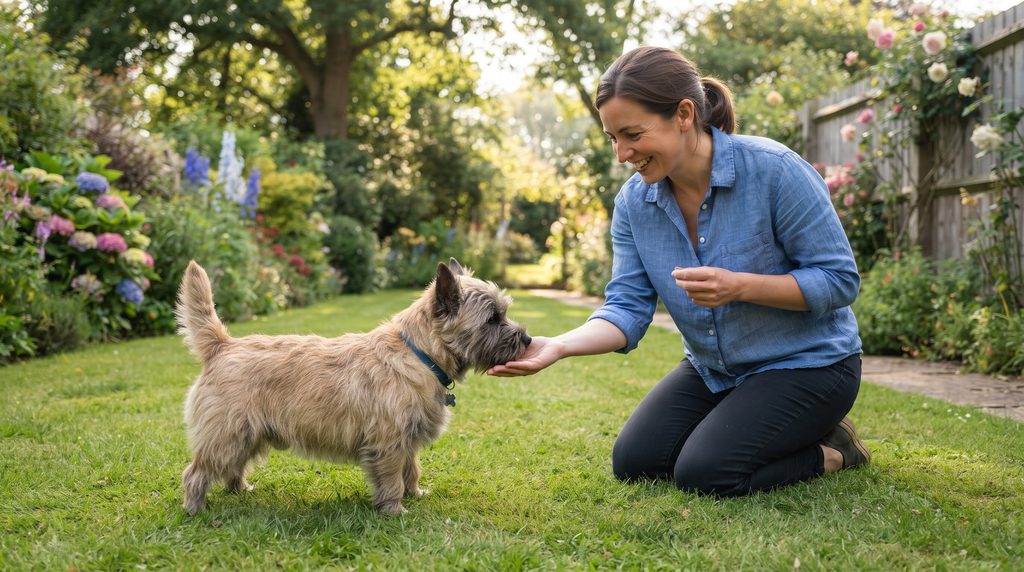
The Cairn Terrier’s naturally shaggy appearance is one of its most appealing features, but maintaining that distinctive coat requires more understanding than simply running a brush through it occasionally. Although this is not an excessively high-maintenance breed, proper Cairn Terrier Grooming involves preserving the harsh outer coat, removing loose and dead hair, preventing tangles, and maintaining healthy skin. The goal is not to produce an elaborately styled dog but to retain the rugged, weather-resistant appearance that developed through generations of work in Scotland’s challenging countryside.
The Cairn Terrier has a double coat consisting of a profuse, harsh outer layer and a shorter, softer undercoat. These layers work together to provide insulation and protection against moisture, dirt, and rough vegetation. The outer coat should feel relatively coarse rather than silky, while the undercoat is much softer against the skin. This natural arrangement helps explain why appropriate grooming techniques are so important. Removing dead hair without unnecessarily damaging the protective outer layer helps preserve the coat’s original function and characteristic texture.
Regular brushing forms the foundation of everyday maintenance. Most Cairns benefit from a thorough brushing at least once or twice a week, although dogs with longer coats or those spending considerable time outdoors may need more frequent attention. A quality pin brush and stainless-steel comb are useful for removing loose hair and identifying developing tangles. Pay particular attention to the areas behind the ears, beneath the collar, around the legs, and underneath the body. Brushing should be gentle and methodical, reaching through the coat without repeatedly scraping the skin.
Traditional Cairn Terrier Stripping is an important part of maintaining the correct outer coat. Hand stripping involves carefully removing mature, dead guard hairs so that newer, properly textured hairs can develop. When performed correctly on a suitable coat, it should not involve forcibly pulling healthy, firmly attached hair or causing significant discomfort. The process requires an understanding of the coat’s growth cycle, appropriate technique, and the dog’s tolerance. Owners unfamiliar with hand stripping should seek guidance from an experienced breeder or groomer before attempting it independently.
Some Cairns receive a more extensive hand-stripping session several times a year, while others have their coats maintained gradually through a process known as rolling. A rolled coat is maintained by regularly removing the longest mature hairs, allowing different lengths of new growth to develop continuously. This can help preserve an attractive, functional appearance without allowing the entire coat to become excessively long. The appropriate schedule depends on the individual dog’s coat, the owner’s preferences, and whether the dog is being prepared for competition or maintained as a family companion.
Clipping offers an alternative for owners who do not wish to maintain a hand-stripped coat. However, clipping cuts the hair shafts rather than removing mature guard hairs, which can gradually change the coat’s texture and appearance. Repeated clipping may produce softer, lighter, or less weather-resistant hair, and the natural distinction between the outer coat and undercoat may become less pronounced. A Soft Coated Cairn Terrier may therefore be the result of inherited coat texture, previous grooming practices, or both. Clipping is not automatically inappropriate for every pet, but owners should understand the trade-offs before choosing it.
When considering different Cairn Terrier Grooming Styles, the traditional natural outline is generally the most appropriate starting point. The breed should retain a slightly tousled head, visible whiskery furnishings, sturdy-looking legs, and an overall appearance that reflects its working heritage. It should not resemble a heavily sculpted Schnauzer or a neatly rounded toy breed. An appropriate Cairn Terrier Trim focuses on removing excess dead coat, maintaining balance, and tidying specific areas without eliminating the rugged character that makes the breed recognizable.
Some owners request a Cairn Terrier Haircut that is shorter and easier to manage, particularly when the dog is elderly or uncomfortable with extended grooming sessions. Others ask for a Cairn Terrier Puppy Cut, usually meaning a relatively even, shortened pet trim. These are informal grooming descriptions rather than official breed-standard styles. A short clip may be practical in some circumstances, but it changes the natural coat and does not necessarily eliminate shedding or skin-care requirements. Owners should discuss the desired result with a groomer who understands double-coated terriers before making substantial changes.
The characteristic head and facial furnishings deserve particular care. Cairn Terriers should have a broad, somewhat rounded expression created by natural hair around the head and muzzle. Excessively long hair that interferes with vision can be carefully reduced, but removing too much around the eyes, ears, or cheeks may distort the breed’s familiar appearance. The ears should remain small and pointed, with their shape clearly visible. Careful grooming around the muzzle also helps prevent trapped food and moisture from accumulating in the facial hair.
The feet and lower legs require routine attention because Cairn Terriers are active explorers. Long hair between the paw pads can collect dirt, mud, and debris, and excessive growth may reduce traction on smooth floors. Carefully tidying the feet helps maintain comfort and cleanliness. Nails should be checked regularly and shortened before they become long enough to affect normal movement. Owners should also inspect the paws after countryside walks for grass seeds, small stones, cuts, or irritation, particularly when the dog has been investigating rough vegetation.
Choosing suitable Cairn Terrier Grooming Tools makes routine maintenance considerably easier. Useful equipment includes a pin brush, a stainless-steel comb, nail clippers or a suitable nail grinder, and small rounded-tip grooming scissors for careful hygiene work. Owners maintaining a hand-stripped coat may also use finger cots, grooming chalk, stripping stones, or specialized stripping tools. These require appropriate instruction, since poorly used equipment can break or cut the hair instead of removing mature strands. Expensive tools are no substitute for correct technique and gentle handling.
Bathing is generally needed less frequently than owners might expect. A correctly maintained Cairn coat naturally resists some dirt and moisture, and dry soil can often be brushed out once the coat has dried. Frequent unnecessary shampooing may remove protective oils and contribute to dryness, especially when unsuitable products are used. Bathe the dog when genuinely dirty or when veterinary skin treatment requires it, using a gentle dog-specific shampoo. Thorough rinsing and drying are important, particularly through the dense undercoat. Persistent odor, itching, or flaking should prompt investigation rather than simply more frequent bathing.
Skin condition should always influence grooming decisions. Redness, persistent scratching, greasy patches, hair loss, or unusual tenderness may indicate allergies, parasites, infection, or another medical problem. These issues should not be dismissed as normal consequences of a harsh terrier coat. A dog with inflamed or uncomfortable skin may need veterinary treatment and a modified grooming approach before hand stripping is appropriate. Likewise, an elderly Cairn with arthritis or another painful condition may benefit from shorter sessions and more comfortable handling positions.
Finally, Grooming a Cairn Terrier should include regular toothbrushing, ear checks, nail care, and patient introduction to handling from puppyhood. Short, reward-based sessions help build confidence and reduce resistance, making coat maintenance less stressful for everyone involved. Owners who wish to preserve the traditional texture should seek a groomer experienced specifically with hand-stripped terrier coats, since not every professional grooming salon offers that service. With consistent maintenance and an appreciation of its working heritage, the Cairn Terrier can retain its appealing, naturally rugged appearance throughout life.
Hand Stripping or Clipping: Which Is Better?
Hand stripping removes mature, dead outer hairs and helps preserve the Cairn Terrier’s naturally harsh, weather-resistant coat. Clipping is generally quicker but can gradually soften the coat and change its color or protective qualities. For owners wanting the traditional appearance, hand stripping or regular coat rolling is usually preferable. However, clipping may be a reasonable practical choice for older dogs or individuals that cannot comfortably tolerate stripping. Ask an experienced terrier groomer to assess your dog’s coat before deciding. Whichever method you choose, regular brushing, nail care, gentle handling, and attention to skin health remain essential.
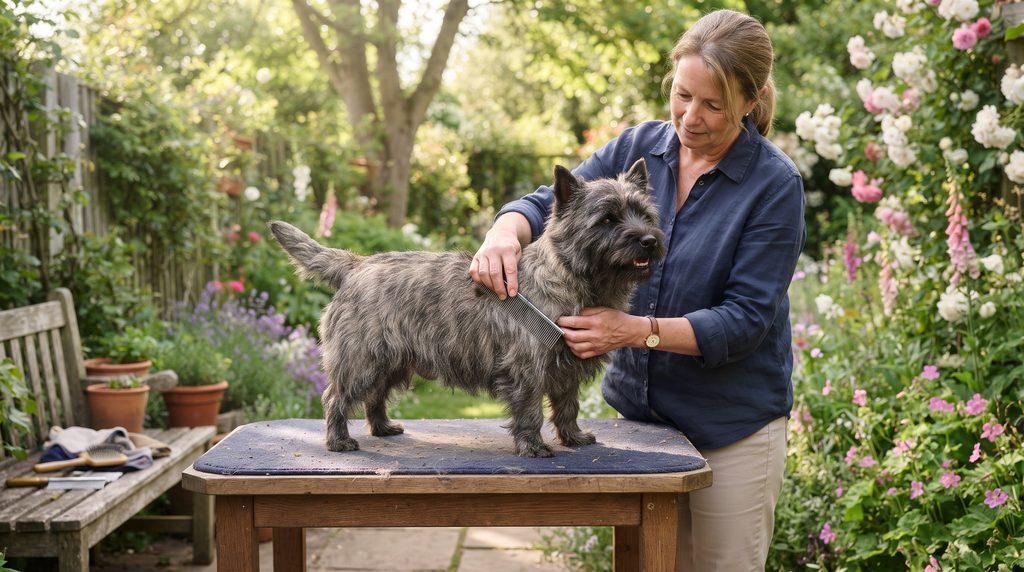
Cairn Terrier Shedding
The Cairn Terrier is generally considered a low-shedding breed, making it appealing to people who appreciate a naturally shaggy dog without wanting large amounts of loose hair around the house. However, low shedding does not mean no shedding, and the breed’s distinctive double coat still requires regular attention. Understanding Cairn Terrier Shedding helps owners maintain a healthy coat, manage loose hair, and develop realistic expectations about household cleanliness. With appropriate maintenance, most Cairns leave considerably less visible hair on furniture and clothing than many heavier-shedding breeds.
The Cairn Terrier’s double coat consists of a harsh, weather-resistant outer layer and a softer, dense undercoat. This combination developed to protect working dogs against cold, moisture, and rough vegetation in the Scottish Highlands. Both layers undergo natural cycles of growth and replacement, but much of the loose hair can remain caught within the surrounding coat rather than immediately falling onto floors and furniture. Regular grooming removes this accumulated hair and helps prevent tangles, making the coat easier to maintain.
Does a Cairn Terrier Shed throughout the year? Yes, although the amount is generally modest when the coat is properly maintained. Individual dogs vary, and owners may notice small quantities of hair on bedding, clothing, or favorite resting places. Some Cairns release more loose undercoat during seasonal changes, particularly as temperatures and daylight hours shift. However, they do not typically experience the dramatic seasonal coat loss associated with heavily shedding breeds such as Siberian Huskies or German Shepherds.
Coat maintenance makes a meaningful difference to the amount of loose hair visible around the home. Weekly brushing and thorough combing help remove dead hairs before they accumulate in the coat or become trapped in furnishings. Some Cairns benefit from additional brushing during periods of increased shedding, particularly when the undercoat becomes denser or begins releasing more hair. Owners should work gently through the coat rather than brushing only the surface, paying attention to areas where loose hair and tangles commonly develop.
Traditional hand stripping also plays an important role. Unlike ordinary clipping, which shortens the coat, hand stripping removes mature, dead outer hairs when they are ready to come away. This encourages the continued development of the characteristic harsh texture and helps prevent old coat from accumulating unnecessarily. A correctly maintained coat generally sheds relatively little visible hair, although stripping does not eliminate the natural hair-growth cycle. Owners unfamiliar with the technique should seek guidance from an experienced terrier groomer.
Clipping can influence how shedding appears. A repeatedly clipped Cairn may develop a softer coat with a different balance of outer and undercoat hairs, depending on its individual coat characteristics. Loose hair can still be released even when the dog has been trimmed short, so clipping should not be regarded as a reliable solution to shedding. Similarly, shaving the coat does not prevent future hair loss and may interfere with its natural protective qualities. Grooming decisions should prioritize skin health, comfort, and appropriate coat maintenance.
Is a Cairn Terrier Hypoallergenic? Not in the sense of being completely safe for people with dog allergies. Although the breed sheds relatively little, no dog is genuinely allergen-free. Allergic reactions are generally triggered by proteins found in a dog’s skin flakes, saliva, and urine rather than by the hair itself. These allergens can spread through normal household contact, even when very little loose fur is visible. Consequently, low shedding should never be interpreted as a guarantee that a Cairn Terrier will not cause allergic symptoms.
Some people with mild dog allergies may find an individual Cairn Terrier easier to live with than a heavily shedding dog, but reactions vary considerably between people and individual animals. Anyone with significant allergies should consult an allergist before making a commitment. Spending time around adult Cairn Terriers may provide useful personal experience, although a brief visit without symptoms cannot reliably predict long-term tolerance. Choosing a dog primarily because it has been advertised as hypoallergenic can lead to disappointment if the underlying allergy has not been properly considered.
Household management can help reduce the accumulation of loose hair and associated allergens. Washing dog bedding regularly, vacuuming rugs and upholstery, and using washable throws on favorite resting places are practical measures. A vacuum cleaner with effective filtration may help capture fine particles, while regular cleaning of frequently used furniture keeps loose hair manageable. Grooming the dog in a well-ventilated area and washing hands afterward may also be useful. These measures can improve cleanliness, although they cannot guarantee an allergen-free environment.
Owners should distinguish normal low-level shedding from abnormal hair loss. Small amounts of loose coat are expected, but bald patches, thinning hair, persistent itching, redness, excessive licking, or inflamed skin are not simply ordinary shedding. Possible causes include parasites, allergies, skin infections, hormonal disorders, or other medical conditions. Cairn Terriers can develop skin problems, so unexplained coat changes deserve veterinary assessment. Repeated brushing or more aggressive stripping is not an appropriate response when the skin is irritated or painful.
Nutrition and general health also influence coat condition. A complete, balanced diet provides the protein, fatty acids, vitamins, and minerals required for normal skin and hair growth. Poor nutrition or certain illnesses can affect coat quality, although supplements are not automatically necessary for dogs already eating an appropriate diet. Sudden dietary changes or unexplained hair loss should be discussed with a veterinarian. Maintaining healthy body condition and addressing persistent skin irritation are more useful than relying on products advertised as preventing shedding.
Overall, the Cairn Terrier offers a favorable balance for owners who want a dog with a substantial, weather-resistant coat but relatively little visible shedding. Its grooming needs should not be confused with those of a completely maintenance-free breed, and its low-shedding reputation does not make it genuinely hypoallergenic. Regular brushing, appropriate dead-coat removal, sensible household cleaning, and attention to skin health usually keep shedding manageable. With realistic expectations, most owners find that the Cairn’s charming shaggy appearance comes with comparatively modest household hair.
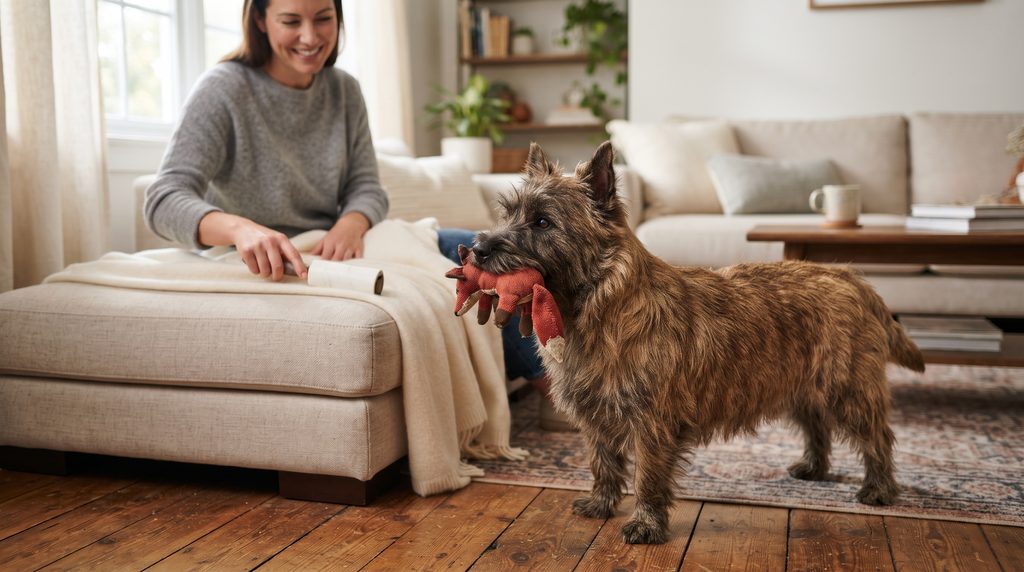
Keeping Cairn Terrier Shedding Under Control
Cairn Terriers shed relatively little, but regular coat maintenance helps prevent loose hair from accumulating. Brush and comb the coat thoroughly at least once a week, increasing attention when seasonal shedding becomes more noticeable. Periodic hand stripping removes mature outer hairs and helps preserve the breed’s distinctive wiry texture. Wash dog bedding regularly and vacuum favorite resting areas to manage hair and dander. Remember that low shedding does not mean allergy-free, since dogs also produce allergens through saliva and skin cells. If shedding suddenly increases or is accompanied by itching, bald patches, or irritated skin, arrange a veterinary examination rather than assuming the change is normal.
Cairn Terrier Feeding and Nutrition
Feeding a Cairn Terrier correctly is essential for maintaining its energy, muscular condition, healthy skin, and long-term well-being. Although these spirited little dogs are generally active and enthusiastic about exercise, they can also gain excess weight surprisingly easily. Their compact size means even modest overfeeding can have a noticeable effect on body condition. A balanced diet, carefully measured portions, and sensible treat management help ensure that the Cairn Terrier remains fit enough to enjoy the active lifestyle for which it was originally developed.
Choosing suitable Dog Food for Cairn Terrier companions begins with selecting a complete, balanced diet appropriate for the dog’s age, activity level, and medical needs. Most healthy adults do well on a reputable commercial food formulated for adult maintenance, whether dry, wet, or a combination of both. In the United States, look for a nutritional adequacy statement identifying the appropriate life stage under Association of American Feed Control Officials (AAFCO) standards. Ingredient marketing claims alone provide limited information about nutritional quality, so manufacturers’ expertise, feeding research, and quality-control practices deserve consideration.
Cairn Terriers do not ordinarily require a special breed-exclusive formula. A nutritionally sound small-breed food may be convenient because the kibble is appropriately sized and its calorie density suits smaller dogs. However, ordinary adult dog food can also be suitable when properly formulated. The best choice is one that supports healthy weight, normal digestion, good skin condition, and consistent energy. Owners comparing Cairn Terrier Dog Food options should pay particular attention to calories per cup or serving, since different products can contain substantially different amounts of energy.
Portion control is particularly important. The Cairn Terrier Club of America warns that the breed can become overweight, partly because its appealing expression makes it difficult for owners to resist begging. A 14-pound Cairn does not need the same quantity of food as a much larger dog, and small daily excesses can accumulate over time. Feeding recommendations printed on packaging provide a starting point, not a fixed prescription. Actual requirements depend on age, neuter status, physical activity, body condition, and the calorie concentration of the food.
Most healthy adult Cairns do well with two measured meals each day. Dividing the daily allowance between morning and evening provides a predictable routine and allows owners to monitor appetite. A kitchen scale is particularly useful because measuring food by weight is more consistent than relying on an imprecise scoop. The correct daily amount should be reassessed whenever activity changes or the dog begins gaining or losing weight. Fresh, clean drinking water must always be available, especially after exercise and during warm weather.
Maintaining an appropriate body condition is more useful than concentrating exclusively on breed-average weight. A healthy Cairn should have ribs that can be felt easily beneath a light covering of tissue, a visible waist when viewed from above, and an abdominal tuck when seen from the side. Its shaggy coat can conceal weight gain, so hands-on checks are particularly valuable. Extra weight places unnecessary strain on joints and can make walking, climbing, and other activities more demanding. Regular weighing and veterinary body-condition assessments help identify gradual changes before they become significant.
Treats deserve particular attention because Cairn Terriers often respond enthusiastically to food rewards. Their intelligence makes small treats extremely useful during training, but repeated rewards can contribute substantial calories over the course of a day. Veterinary nutrition guidance generally recommends keeping treats and other nutritional extras below 10% of daily calorie intake. Owners can reserve part of the dog’s ordinary food allowance for training or use tiny pieces of suitable low-calorie treats. Consistency across family members is important so that one person does not unknowingly undo another’s careful portion control.
Puppies have different nutritional needs from adult dogs. A growing Cairn Terrier should receive a complete and balanced puppy diet formulated for growth, supporting healthy development without encouraging excessive weight gain. Young puppies generally benefit from three or more smaller meals each day, depending on their age and individual needs. As they mature, feeding can usually transition toward two daily meals. The timing of the move to adult food should be guided by growth, body condition, and veterinary advice, commonly around the end of the first year for small breeds.
When bringing a puppy home, it is usually sensible to continue the breeder’s existing feeding routine initially. Sudden changes can cause digestive upset at a time when the puppy is already adjusting to unfamiliar surroundings. If a different diet is preferred, introduce it gradually over approximately a week, allowing longer if the puppy has a sensitive stomach. Monitor stool quality, appetite, energy, and weight during the transition. Persistent diarrhea, vomiting, poor growth, or reluctance to eat should be discussed with a veterinarian rather than managed through repeated changes between commercial foods.
Senior Cairn Terriers may also need dietary adjustments. Although many remain active well into their teenage years, advancing age can bring changes in metabolism, muscle condition, dental health, and appetite. Some older dogs require fewer calories because they exercise less, while others need carefully selected nutrition to maintain muscle mass. A senior-specific formula is not automatically necessary for every aging Cairn. The appropriate approach depends on body condition, medical history, and veterinary assessment, particularly if the dog develops kidney disease or another condition requiring therapeutic nutrition.
Owners should also consider the relationship between diet and skin health. Cairn Terriers can experience itching and other dermatological problems, but these symptoms should not automatically be attributed to food allergies. Environmental allergies, parasites, infections, and other conditions may produce similar signs. Changing foods repeatedly without a diagnosis can make treatment more complicated. When a veterinarian suspects an adverse food reaction, a properly supervised elimination diet may be recommended. Commercial supplements, unusual proteins, and grain-free diets should not be assumed to resolve every skin complaint.
Safety matters when offering foods beyond the regular diet. Chocolate, grapes, raisins, onions, products containing xylitol, and several other human foods can be dangerous to dogs. Rich table scraps may also cause digestive upset or contribute to excessive calorie intake. Owners interested in homemade diets should consult a board-certified veterinary nutritionist because apparently wholesome combinations of meat, vegetables, and grains may still lack essential nutrients. Raw feeding also carries contamination risks and should not be undertaken without careful veterinary consideration.
Ultimately, the most effective Cairn Terrier Food routine is one that supports an appropriate body condition, provides balanced nutrition, and fits the dog’s individual needs. These small but athletic terriers generally thrive on consistency rather than elaborate feeding arrangements. Measured meals, limited treats, fresh water, regular weight checks, and veterinary guidance when health concerns arise are the foundations of good nutrition. By preventing excess weight and supporting healthy development throughout life, owners can help their Cairn Terrier remain the energetic, curious companion they love.
Preventing Weight Gain in Cairn Terriers
Cairn Terriers can gain weight easily, especially when affectionate owners give in to persistent begging. Measure each meal carefully and use your dog’s body condition, rather than the feeding label alone, to guide portions. You should be able to feel the ribs beneath a light covering of tissue and identify a waist from above. Keep treats below 10% of daily calories, including rewards used during training. Weigh your Cairn regularly and reassess food allowances when exercise or activity levels change. If weight increases unexpectedly, consult your veterinarian before introducing restrictive diets or supplements. Maintaining a lean body condition supports mobility and long-term health.

Cairn Terrier Health and Common Health Problems
The Cairn Terrier is generally regarded as a healthy, hardy, and relatively long-lived breed, reflecting generations of development as a resilient working dog in Scotland’s demanding countryside. Many enjoy active lives well into their teenage years, particularly when supported by responsible breeding, appropriate nutrition, regular exercise, and preventive veterinary care. Nevertheless, the breed has several recognized inherited conditions that prospective and existing owners should understand. Awareness of potential Cairn Terrier Health Problems allows families to recognize unusual symptoms, ask informed questions about breeding practices, and seek appropriate veterinary attention before manageable conditions become more serious.
One of the most significant inherited concerns is ocular melanosis, an eye disorder particularly associated with Cairn Terriers. This condition involves abnormal pigmentation and changes within the eye that can interfere with the normal drainage of fluid. As pressure increases, affected dogs may develop secondary glaucoma, potentially causing considerable pain and irreversible vision loss. The disorder often develops gradually and may not become obvious until middle or later life. Regular examinations by a veterinary ophthalmologist are especially valuable because changes can begin before an owner notices any difficulty with vision.
Owners should pay attention to subtle changes in their Cairn Terrier’s eyes, particularly as the dog ages. Unusual dark pigmentation, redness, cloudiness, squinting, or changes in vision deserve veterinary assessment. Ocular melanosis commonly affects both eyes, although the progression may differ between them. Sudden eye pain, marked redness, or apparent loss of sight requires urgent veterinary attention. Cataracts and other inherited eye disorders can also occur in Cairn Terriers, making eye health an important lifelong consideration rather than something relevant only when selecting a puppy.
Another important condition is a congenital portosystemic shunt, sometimes called a liver shunt. This occurs when abnormal blood vessels allow blood to bypass the liver instead of passing through it for normal processing. Consequently, substances that would ordinarily be metabolized or removed may circulate through the body. Affected puppies may grow poorly, appear unusually small, experience digestive disturbances, or develop neurological signs such as disorientation, weakness, or abnormal behavior. Some symptoms become more noticeable after meals, although the presentation varies considerably.
Portosystemic vascular anomalies should be distinguished from hepatic microvascular dysplasia, in which abnormal microscopic blood vessels affect circulation within the liver. The conditions can produce overlapping laboratory findings but may require different management. Blood bile-acid testing helps identify dogs requiring further investigation, while specialized imaging may be necessary to confirm an anatomical shunt. Treatment depends on the abnormality and its severity, with some dogs benefiting from surgery and others requiring carefully managed medical care. Early diagnosis can substantially improve the opportunity for effective intervention.
Kidney development is another area of concern. Renal dysplasia occurs when the kidneys develop abnormally, potentially affecting their ability to filter waste and maintain normal fluid balance. Cairn Terriers may also be affected by renal aplasia, in which one kidney is absent. A dog with one functioning kidney can sometimes live comfortably, but abnormalities affecting overall kidney function may cause excessive drinking, increased urination, reduced appetite, poor growth, or lethargy. The breed’s recommended health evaluations include kidney ultrasonography to identify certain developmental abnormalities.
Craniomandibular osteopathy, often called lion jaw, is an inherited condition involving abnormal bone growth around the jaw and sometimes other parts of the skull. It generally appears during puppyhood, when affected dogs may develop facial pain, difficulty opening the mouth, reluctance to chew, or reduced appetite. Some experience episodes of considerable discomfort while their bones are developing. Although the condition often stabilizes or improves as growth finishes, severe cases require veterinary treatment and careful pain management. Genetic testing is available to help breeders reduce the risk of producing affected puppies.
One of the more serious but fortunately uncommon inherited disorders is globoid cell leukodystrophy, also known as Krabbe disease. This progressive neurological condition affects the protective covering surrounding nerve fibers in the brain and spinal cord. Puppies that inherit two disease-causing copies of the relevant gene can develop weakness, loss of coordination, tremors, and progressive neurological deterioration. The disease is severe and generally fatal at an early age. Fortunately, reliable DNA testing allows breeders to identify carriers and make informed breeding decisions that avoid producing affected puppies.
Orthopedic concerns also deserve attention. Patellar luxation occurs when the kneecap moves out of its normal position, sometimes producing a characteristic skipping gait or intermittent hind-leg lameness. Mild cases may cause occasional discomfort, while more significant instability can contribute to pain and joint degeneration. Another condition recognized in small terrier breeds is Legg-Calvé-Perthes disease, which involves deterioration of the femoral head within the hip joint. Affected young dogs may develop progressive hind-leg lameness, muscle loss, and pain. Veterinary examination and imaging help determine the appropriate treatment, which may include surgery.
Among the more familiar Cairn Terrier Health Issues are allergies and other dermatological conditions. The breed’s distinctive double coat provides excellent protection against the elements, but it does not prevent itching or inflammation. Cairn Terrier Skin Problems may involve environmental allergies, flea-bite hypersensitivity, contact irritation, bacterial infections, or yeast overgrowth. Symptoms can include scratching, paw licking, red skin, recurrent ear infections, hair thinning, or persistent discomfort. The underlying cause needs to be identified rather than assuming that every itchy Cairn has a food allergy.
Managing Cairn Terrier Skin Issues usually involves a combination of diagnosis, appropriate treatment, and long-term prevention. A veterinarian may recommend parasite control, skin cytology, allergy investigation, medicated bathing, or prescription medication depending on the findings. Some dogs require ongoing management of environmental allergies, while others improve when an infection or parasite infestation is treated. Grooming technique can also influence skin comfort. Excessively aggressive stripping, unsuitable shampoos, or repeated irritation may aggravate an already inflamed coat. Persistent itching should never be dismissed as an unavoidable feature of the breed.
Heart disease and endocrine disorders are additional considerations, although they are not necessarily among the breed’s most defining inherited problems. Congenital cardiac abnormalities and heart murmurs can occur, making routine veterinary examinations important. Hypothyroidism may develop in some Cairns, potentially producing lethargy, weight gain, thinning hair, or changes in skin condition. Older dogs can also develop common age-related conditions such as dental disease, arthritis, and cancer. These problems require the same careful veterinary attention they would in other breeds, with treatment tailored to the individual animal.
Maintaining good dental health is particularly important in a small dog. Crowded teeth and accumulated plaque may contribute to periodontal disease, which can cause discomfort, infection, and tooth loss. Regular home toothbrushing with a dog-safe toothpaste, veterinary dental assessments, and professional treatment when indicated help preserve oral health. Owners should also monitor changes in eating behavior, bad breath, or reluctance to chew, particularly because some symptoms of dental disease can resemble discomfort caused by other conditions affecting the jaw.
Preventive care provides the foundation for long-term health. Cairn Terriers should receive regular veterinary examinations, appropriate vaccinations, parasite prevention, dental care, and weight monitoring. Veterinary visits are also opportunities to discuss subtle changes in behavior, appetite, drinking, mobility, or vision. Because Cairns can be remarkably determined and active, they may continue normal activities despite developing discomfort. An owner who notices a persistent change in their dog’s usual enthusiasm or behavior should investigate rather than assuming it is simply part of aging.
Responsible breeding plays an equally important role. Reputable breeders should understand the conditions affecting Cairn Terriers, follow current breed-club testing recommendations, and communicate openly about relevant results and family health history. No testing program can guarantee that a puppy will remain free from disease throughout life, but appropriate screening substantially improves the information available for breeding decisions. Prospective owners should be wary of claims that a line is entirely free of inherited health problems without supporting evidence.
Ultimately, the Cairn Terrier’s reputation for hardiness is well deserved, but it should be accompanied by informed ownership rather than complacency. The breed’s most important hereditary concerns include ocular melanosis, liver vascular abnormalities, kidney developmental disorders, craniomandibular osteopathy, and globoid cell leukodystrophy, alongside orthopedic and dermatological problems. Many Cairns will never experience these conditions, and those that do may benefit greatly from early diagnosis and appropriate treatment. Understanding the breed’s health profile helps owners provide attentive care throughout a long, active, and rewarding life.

Cairn Terrier Health Screening and Genetics
Responsible health screening is one of the most important ways breeders can protect the Cairn Terrier’s long-term health. Although the breed is generally hardy and enjoys a relatively long lifespan, several inherited conditions can affect the eyes, liver, kidneys, nervous system, and skeletal structure. Some can be identified through DNA testing, while others require specialist examinations, blood tests, or diagnostic imaging. Understanding these differences helps prospective owners distinguish meaningful health screening from a routine veterinary check and make informed decisions when choosing a puppy.
The Cairn Terrier Club of America has established recommended health-testing guidelines covering seven important areas: globoid cell leukodystrophy, liver vascular abnormalities, kidney development, ocular melanosis, craniomandibular osteopathy, cardiac health, and patellar stability. Its guidelines, approved in March 2023, identify appropriate tests for breeding dogs and, in several cases, young puppies. These recommendations provide a useful foundation for evaluating breeding practices, although no collection of tests can guarantee that an individual dog will never develop a health problem.
Ocular Melanosis Screening: This is particularly important because Cairn Terriers are predisposed to an inherited eye condition that may eventually cause secondary glaucoma, pain, and blindness. The breed club recommends specialist eye examinations for breeding dogs from two years of age, with periodic reassessment throughout life. These examinations should be performed by a veterinary ophthalmologist and include pupil dilation. A normal examination in a young adult is reassuring but does not exclude a condition that may become apparent years later.
An important advance occurred in August 2026, when researchers at Michigan State University made a DNA marker test available for the major form of ocular melanosis in Cairn Terriers. This test identifies a genetic marker associated with increased disease risk, allowing breeders and owners to make better-informed decisions. However, it is not a definitive test for every form of ocular melanosis, and research into the underlying genetic causes continues. DNA marker results should therefore complement, not replace, regular specialist eye examinations.
Globoid Cell Leukodystrophy Testing: This inherited neurological disorder, also known as Krabbe disease, can cause severe progressive deterioration in affected puppies. A DNA test can identify dogs that carry the relevant disease-associated mutation. Cairn Terrier breeding dogs should be tested unless they have already been reliably cleared through documented parentage. Because the disorder is inherited in an autosomal recessive manner, understanding the genetic status of both parents allows breeders to avoid combinations that could produce affected puppies. A healthy-looking adult carrier may never develop the disease but can still pass the mutation to its offspring.
Craniomandibular Osteopathy Testing: Cairn Terriers can also inherit a condition involving abnormal bone growth around the jaw and skull during puppyhood. DNA testing is available for a major genetic form of this disorder. The breed club recommends testing breeding dogs that have not already been cleared through testing or documented parentage. Results help breeders assess genetic risk, but they must be interpreted correctly because the relationship between genotype and clinical disease is not identical in every dog. Responsible selection considers the genetic results alongside the wider health history of the breeding line.
Liver Function Screening: Congenital portosystemic vascular anomalies and hepatic microvascular dysplasia are important concerns in the breed. The Cairn Terrier Club of America recommends bile-acid blood testing for puppies at approximately 12–16 weeks and breeding adults. This test evaluates aspects of liver function and helps identify dogs that may need further investigation. Abnormal results do not automatically establish the presence of a liver shunt, and normal results do not exclude every possible liver disorder. Depending on the findings, a veterinarian may recommend additional blood work, diagnostic imaging, or assessment by a specialist.
Kidney Ultrasound Screening: Developmental abnormalities such as renal aplasia and renal dysplasia can affect Cairn Terriers. The breed club recommends kidney ultrasonography for puppies at approximately 12–15 weeks and for breeding adults that have not previously received an appropriate normal evaluation. Ideally, the examination should be performed by a board-certified veterinary radiologist or another suitably qualified specialist. Ultrasound can identify structural problems, including an absent or visibly abnormal kidney, although it cannot detect every microscopic or functional disorder. Additional testing may be required when abnormalities are suspected.
Cardiac Examination: Cairn Terriers intended for breeding should receive an appropriate heart examination, and the breed club also recommends checking puppies at approximately 12–16 weeks. The veterinarian listens for abnormal heart sounds and assesses whether further investigation is necessary. A detected murmur does not always indicate a serious congenital defect, but it should be evaluated rather than dismissed. When abnormalities are present, referral to a veterinary cardiologist and echocardiography may be appropriate. Cardiac health should also remain part of routine preventive veterinary care as dogs mature.
Patellar Evaluation: Patellar luxation occurs when the kneecap moves outside its normal position and can contribute to intermittent lameness, discomfort, and progressive joint problems. The Cairn Terrier Club of America recommends patellar examinations for young puppies and breeding adults. A veterinarian assesses the stability of the kneecaps and may assign a grade when luxation is present. Dogs with abnormal findings may require further orthopedic evaluation. Since symptoms can develop or become more noticeable over time, owners should also investigate recurring skipping, stiffness, or unexplained hind-leg lameness.
The results of these evaluations should be documented and available for prospective puppy owners to examine. In the United States, the Orthopedic Foundation for Animals maintains a database of many canine health tests, and its Canine Health Information Center program helps record breed-relevant evaluations. A CHIC number indicates that the required tests have been completed and their results made public; it does not mean every result was normal or that the dog is genetically free from disease. Buyers should review the actual findings, test dates, and identities of the dogs rather than relying on a certification number alone.
It is also important to distinguish a general genetic screening panel from complete breed-specific health testing. Commercial DNA panels can provide useful information about inherited mutations, but they cannot replace specialist eye examinations, kidney imaging, bile-acid testing, or physical assessments of the heart and kneecaps. Similarly, a puppy described as veterinarian-checked may have received an ordinary clinical examination without the recommended inherited-disease investigations being completed. Both types of care are valuable, but they answer different questions.
Prospective owners should ask breeders for the health-testing records of both parents, information about relevant puppy screening, and any known inherited conditions among close relatives. Where a dog is described as genetically clear by parentage, the breeder should be able to explain the inheritance and provide supporting family records. Responsible breeders generally welcome informed questions and remain interested in the health of their puppies throughout life. They should also be prepared to discuss the limitations of current testing and explain how health information influences breeding decisions.
For owners of adult Cairn Terriers, inherited-disease screening remains relevant even when breeding is not being considered. Regular ophthalmic examinations can be valuable because ocular melanosis frequently develops later in life, while abnormalities involving the heart, joints, liver, or kidneys may require investigation when symptoms arise. Genetic results obtained earlier in life can also provide useful context for veterinary care. Keeping an organized record of health examinations, laboratory findings, and specialist assessments helps veterinarians identify meaningful changes over time.
Ultimately, health screening cannot eliminate every inherited risk, but it gives breeders and owners a much stronger foundation for responsible decisions. The combination of appropriate DNA testing, specialist eye examinations, liver and kidney assessments, cardiac evaluations, patellar checks, and honest family health records helps protect the future of the Cairn Terrier. With continued research and careful breeding practices, the breed’s reputation for resilience and longevity can be supported by increasingly informed preventive care.
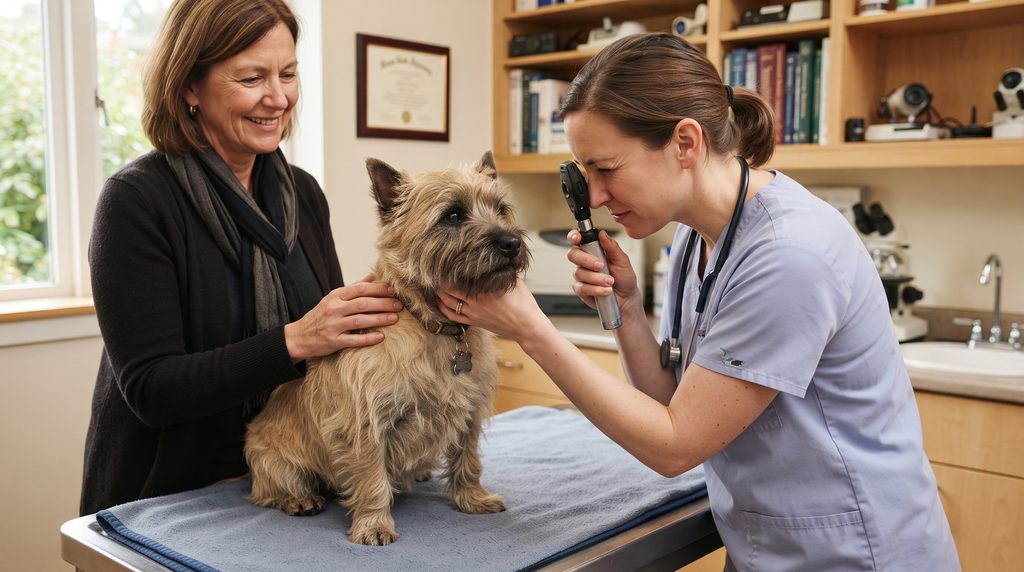
Health Records to Request From a Cairn Terrier Breeder
Ask for documented results covering eye examinations, liver bile-acid testing, kidney ultrasound, cardiac assessment, patellar evaluation, and DNA testing for globoid cell leukodystrophy and craniomandibular osteopathy. The newer ocular melanosis DNA marker test may provide additional information about inherited risk. Check that records identify the correct dogs and include examination dates. Ask whether the litter has received the recommended puppy screening and whether any related dogs have developed inherited conditions. An OFA-CHIC number demonstrates completed, publicly recorded testing, not necessarily normal results. A responsible breeder should explain findings openly rather than simply claiming that every puppy is healthy.
Cairn Terrier Lifespan and Aging
The Cairn Terrier is a remarkably long-lived little dog, with many enjoying active, fulfilling lives well into their teenage years. Its sturdy construction, resilient nature, and history as a practical Scottish working terrier contribute to a reputation for hardiness that continues today. The typical Cairn Terrier Lifespan is approximately 13–15 years according to the American Kennel Club, while the Cairn Terrier Club of America reports an average of 13–16 years. These figures provide useful expectations, but individual longevity depends on genetics, overall health, nutrition, preventive care, and circumstances throughout life.
Prospective owners often ask, How Long Does a Cairn Terrier Live? Reaching 14 or 15 years is certainly realistic, and some healthy individuals live beyond 16. However, no particular age can be guaranteed, even when a dog comes from carefully screened parents. The most important consideration is not simply the number of years a Cairn Terrier survives, but how comfortably and actively it can enjoy them. Good breeding practices, appropriate body condition, regular veterinary care, and early recognition of illness all contribute to the possibility of a longer, healthier life.
The Cairn Terrier Life Expectancy compares favorably with that of many larger breeds. Small dogs generally live longer than giant breeds, although this pattern does not remove the risks associated with inherited conditions or age-related disease. Cairns are often especially appealing because they remain enthusiastic and engaged well into maturity. An older Cairn may still investigate every interesting smell, enjoy familiar walks, and insist on participating in household routines, even when its pace has become more measured than it was during puppyhood.
There is no single birthday at which every Cairn Terrier suddenly becomes a senior. Many begin showing subtle changes around eight to ten years of age, although individual aging varies considerably. Some remain remarkably athletic at 12, while others require adjustments earlier because of arthritis, previous injuries, or chronic illness. Rather than treating age as a strict category, owners should pay attention to gradual changes in stamina, movement, appetite, behavior, and recovery after activity. Establishing a normal baseline makes it easier to recognize when something genuinely changes.
Exercise remains important throughout the Cairn Terrier Life Span, but the type and intensity should evolve with the dog. An older Cairn may prefer several shorter walks rather than one demanding outing, and familiar paths may become more comfortable than steep hills or difficult terrain. Sniffing, gentle exploration, and relaxed garden activities continue to provide valuable mental stimulation. Even when running and jumping become less appealing, allowing a senior terrier to investigate its surroundings helps preserve the curiosity and independence that make the breed so distinctive.
Joint comfort deserves particular attention as Cairn Terriers age. Osteoarthritis and other mobility problems can make climbing stairs, jumping onto furniture, or walking across slippery floors increasingly difficult. Owners may notice a reluctance to get up after resting, stiffness following exercise, or changes in how the dog moves. Nonslip rugs, supportive bedding, ramps, and appropriately modified activity can improve everyday comfort. Veterinary assessment is essential because effective pain management and suitable rehabilitation may allow older dogs to remain active for considerably longer.
Eye health is especially important in senior Cairn Terriers because ocular melanosis, a recognized inherited condition, frequently becomes apparent later in life. This disorder can interfere with fluid drainage from the eye and eventually cause painful secondary glaucoma. The Cairn Terrier health foundation identifies approximately seven to twelve years as a common period for more obvious changes to emerge. Regular specialist eye examinations are therefore valuable even when an older dog appears to see normally. Redness, squinting, cloudiness, or sudden visual difficulty should never be dismissed as ordinary aging, and signs of a painful eye require urgent veterinary attention.
Hearing and vision may also change gradually with advancing age. A Cairn that once responded immediately to familiar sounds may become slower to notice someone entering a room or may hesitate in unfamiliar surroundings. Maintaining predictable furniture arrangements, using consistent hand signals, and approaching the dog gently can help it remain confident. Sensory changes do not necessarily prevent a dog from enjoying family life. In many cases, small adjustments allow older Cairns to continue participating comfortably in everyday activities.
Nutrition becomes increasingly important during the senior years. Some Cairns need fewer calories because their activity levels decline, while others require careful nutritional support to preserve muscle mass. Owners should monitor both weight and body condition, since a shaggy coat can conceal gradual changes. Excess weight increases the physical demands placed on aging joints, while unexplained weight loss may indicate an underlying health problem. A senior-specific food is not automatically necessary for every older Cairn, and dietary changes should reflect the individual’s needs rather than age alone.
Dental care is another essential consideration. Small dogs can develop periodontal disease, which may cause painful gums, loose teeth, persistent bad breath, and difficulty chewing. Regular dental examinations, appropriate home toothbrushing, and professional treatment when indicated help maintain comfort and normal eating habits. Older Cairns may also become less tolerant of lengthy grooming sessions, particularly if standing causes discomfort. Dividing coat maintenance into shorter sessions and providing a secure, comfortable surface can make brushing and hand stripping less stressful.
Behavioral changes should be taken seriously rather than automatically attributed to age. A senior Cairn that becomes unusually restless at night, appears confused in familiar rooms, forgets established routines, or develops unexpected house-training difficulties may have a treatable medical problem or canine cognitive dysfunction. Pain, reduced vision, hearing impairment, and urinary disorders can produce overlapping signs. A veterinary examination helps identify the cause and determine whether medical treatment, environmental adjustments, or supportive management would improve the dog’s quality of life.
Preventive veterinary care becomes particularly valuable as Cairn Terriers enter their later years. The American Animal Hospital Association recommends that senior dogs receive comprehensive veterinary examinations approximately every six months. These visits provide opportunities to assess mobility, dental health, body condition, heart function, and changes in behavior. Blood tests, urinalysis, or other investigations may be appropriate depending on the dog’s age, medical history, and examination findings. Detecting a problem early can sometimes prevent unnecessary discomfort and provide more effective treatment options.
Owners can also support healthy aging by maintaining a predictable, comfortable home environment. Accessible water bowls, supportive bedding, safe outdoor paths, and reduced exposure to unnecessary physical hazards all make everyday life easier. Senior Cairns still benefit from affection, interaction, and activities that engage their minds. Simple scent games, gentle training exercises, and opportunities to explore familiar places can provide enjoyment without requiring strenuous movement. A dog that can no longer manage demanding adventures may still find great satisfaction in small, familiar experiences.
Ultimately, the Cairn Terrier Life Expectancy reflects a breed capable of providing many years of companionship, often with much of its familiar curiosity and personality intact into old age. Although aging brings inevitable changes, these do not mean that a senior Cairn must stop enjoying life. Attentive veterinary care, appropriate exercise, sensible nutrition, and thoughtful household adjustments help preserve comfort and independence. For many owners, the later years reveal a particularly rewarding side of the Cairn Terrier: a devoted, spirited companion whose enthusiasm for life remains wonderfully recognizable even as its pace begins to slow.
Keeping a Senior Cairn Terrier Comfortable
Older Cairn Terriers often remain playful and curious, but their care should gradually adapt to changing needs. Continue daily walks at a comfortable pace, provide nonslip flooring and supportive bedding, and help with stairs or furniture when necessary. Monitor appetite, weight, mobility, vision, and behavior for unusual changes. Specialist eye examinations remain important because ocular melanosis may develop later in life. Schedule veterinary checkups approximately every six months, with additional testing when recommended. Gentle grooming, regular dental care, and familiar routines also support comfort. Most importantly, allow your senior Cairn time to explore and enjoy family activities without expecting the stamina of a younger dog.
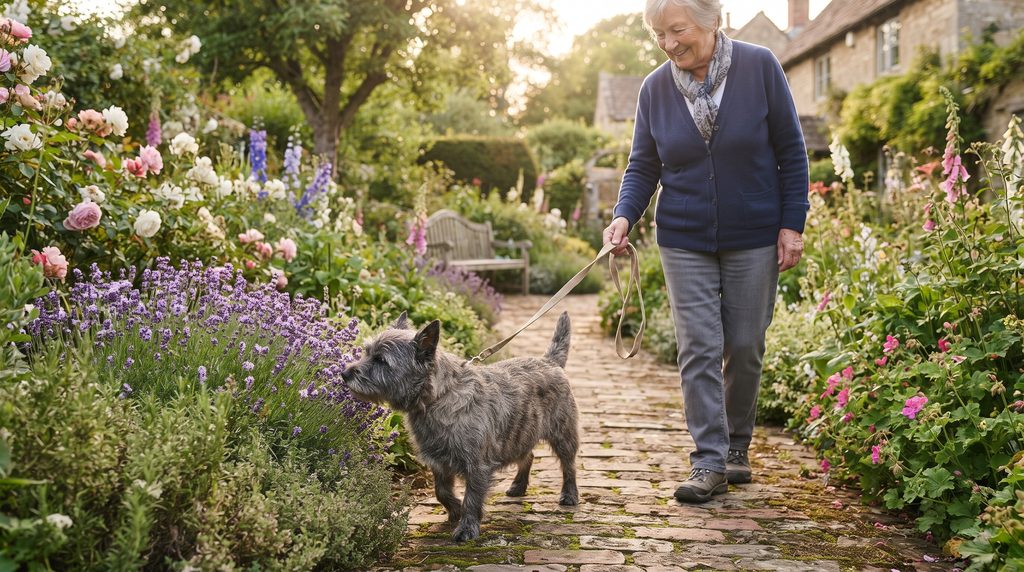
Cost of Owning a Cairn Terrier
The Cairn Terrier may be a relatively small dog, but responsible ownership involves a financial commitment that extends far beyond bringing a puppy or rescue home. Food, preventive veterinary care, grooming, parasite protection, training, and occasional unexpected medical expenses all contribute to the ongoing budget. Fortunately, the breed’s compact size generally makes some everyday expenses more manageable than those associated with much larger dogs. However, its distinctive grooming requirements and several recognized hereditary health concerns mean prospective owners should plan carefully rather than assuming that a small terrier will always be inexpensive to maintain.
The overall Cairn Terrier Cost of ownership depends on location, lifestyle, health, and the level of professional care required. As a broad planning allowance, American households might budget approximately $1,800–$3,500 or more annually for routine expenses, depending on insurance, grooming, and other services. This is an illustrative budget rather than a breed-specific national average, and significant medical treatment would increase it. Costs can also vary substantially between rural communities and major metropolitan areas. Preparing a realistic household budget before welcoming a Cairn Terrier helps prevent financial surprises.
Initial setup expenses are particularly noticeable during the first year. A new Cairn Terrier needs a secure bed, appropriately sized crate or resting area, food and water bowls, a comfortable harness, leash, identification tag, durable toys, and basic grooming equipment. Secure fencing may require repairs or improvements because Cairns are determined explorers capable of investigating small gaps or digging near boundaries. Puppy vaccinations, microchipping, veterinary examinations, and training classes also contribute to early expenses. Some services may already be included when adopting through a reputable rescue organization.
Food is one of the most predictable ongoing expenses. Because an adult Cairn Terrier typically weighs approximately 13–14 pounds under the American breed standard, its daily food requirements are relatively modest compared with those of a larger working dog. Nevertheless, nutritional quality and appropriate portion control remain important. Owners should budget for a complete, balanced diet suited to the dog’s age and activity level, along with a limited allowance for training treats. Special veterinary diets can cost considerably more if a dog develops a medical condition requiring nutritional management.
Grooming is an area where Cairn Terrier ownership differs from that of many other small breeds. The harsh outer coat benefits from periodic hand stripping to remove mature hair and preserve its natural weather-resistant texture. Owners who learn to maintain the coat themselves may reduce ongoing professional grooming expenses, although suitable tools and instruction require an initial investment. Professional hand stripping generally costs more than a straightforward bath and clip because it is labor-intensive and requires specialist knowledge. Availability and charges vary between groomers, so prospective owners should investigate local services before committing to the breed.
Routine veterinary care should always have a dedicated place in the budget. Annual wellness examinations, recommended vaccinations, parasite prevention, dental assessments, and treatment for occasional minor illnesses are normal ownership expenses. Young puppies and senior dogs may require more frequent appointments. Cairn Terriers are generally hardy, but regular care remains essential for maintaining their health throughout a potentially long life. Preventive attention can also identify developing problems before they become more serious, although it cannot eliminate the possibility of unexpected veterinary treatment.
Breed-associated medical conditions create additional financial considerations. Cairn Terriers can develop ocular melanosis and secondary glaucoma, inherited liver or kidney abnormalities, orthopedic problems, and certain neurological disorders. Some require specialist consultations, imaging, medication, or surgery. A well-bred puppy from appropriately screened parents may have a reduced risk of particular inherited diseases, but screening does not guarantee lifelong freedom from illness. Owners should be financially prepared for the possibility of costly investigations or treatment, especially if a condition develops unexpectedly.
Pet insurance is one way to manage some of this uncertainty. In the United States, accident-and-illness policies typically involve monthly premiums, deductibles, reimbursement percentages, annual limits, and specific exclusions. Premiums depend on factors such as location, the dog’s age, and the coverage selected. Owners should examine how a policy treats hereditary conditions, specialist eye care, orthopedic disease, waiting periods, and preexisting conditions. Insurance generally does not remove the need to pay for routine care or the owner’s share of a claim, so maintaining accessible savings remains important.
Dental care is another expense that can become significant over time. Cairn Terriers have relatively small mouths, and regular toothbrushing helps reduce plaque accumulation and periodontal disease. Professional dental cleaning may eventually be recommended, particularly if tartar, gum inflammation, or painful teeth develop. The cost can increase when dental radiographs, extractions, or additional treatment are necessary. Investing time in home dental care from puppyhood is worthwhile, but even conscientious owners should anticipate occasional professional treatment during the dog’s lifetime.
Training and enrichment should also be included in ownership planning. Cairn Terriers are intelligent, independent dogs that benefit from early socialization, consistent positive reinforcement, and regular mental stimulation. Group puppy classes, individual training sessions, or organized dog activities may involve additional fees. Fortunately, many enriching activities are inexpensive. Scent games, homemade food puzzles, short obedience exercises, and supervised garden exploration can provide considerable enjoyment without requiring elaborate equipment. Money spent on appropriate training early in life may also help prevent difficult behavior from becoming established.
Owners who travel or work away from home should consider pet sitting, boarding, or dog-walking arrangements. Cairns generally enjoy companionship and may not cope well with prolonged isolation, particularly when insufficiently exercised or mentally stimulated. Professional care can become a substantial expense for households that travel frequently. Finding a reliable sitter familiar with terrier behavior is particularly valuable because secure handling and sensible management of hunting instincts remain important when the dog is away from its usual owner.
Long-term budgeting matters because Cairn Terriers frequently live into their early or mid-teens. A 2025 American study of dog ownership estimated lifetime care expenses of approximately $22,000–$60,000 over 15 years across dogs generally, illustrating how routine costs accumulate. This is not a Cairn Terrier-specific estimate, but it highlights the importance of looking beyond the first year. Expenses may also rise as a dog ages, particularly if arthritis, eye disease, dental problems, or other chronic conditions require ongoing veterinary attention.
Families should also establish an emergency fund wherever possible. An unexpected injury, sudden illness, or urgent veterinary procedure can create a substantial expense regardless of how carefully a dog has been raised. Even insured owners may need funds for deductibles, noncovered treatments, or bills paid before reimbursement. Setting aside a manageable amount regularly can help reduce the financial pressure associated with urgent decisions. The most suitable amount depends on the household’s circumstances, local veterinary charges, and available insurance coverage.
Ultimately, the Cairn Terrier offers a rewarding balance between relatively modest everyday requirements and the responsibilities associated with a long-lived, active dog. Its small size can help reduce food and equipment expenses, but specialist coat maintenance, preventive healthcare, and potential inherited conditions deserve proper consideration. Owners who plan for routine costs, maintain an emergency reserve, and make informed decisions about grooming and insurance are better prepared to provide consistent care. Financial planning is simply another important part of giving this cheerful Scottish terrier a secure, healthy, and enjoyable life.
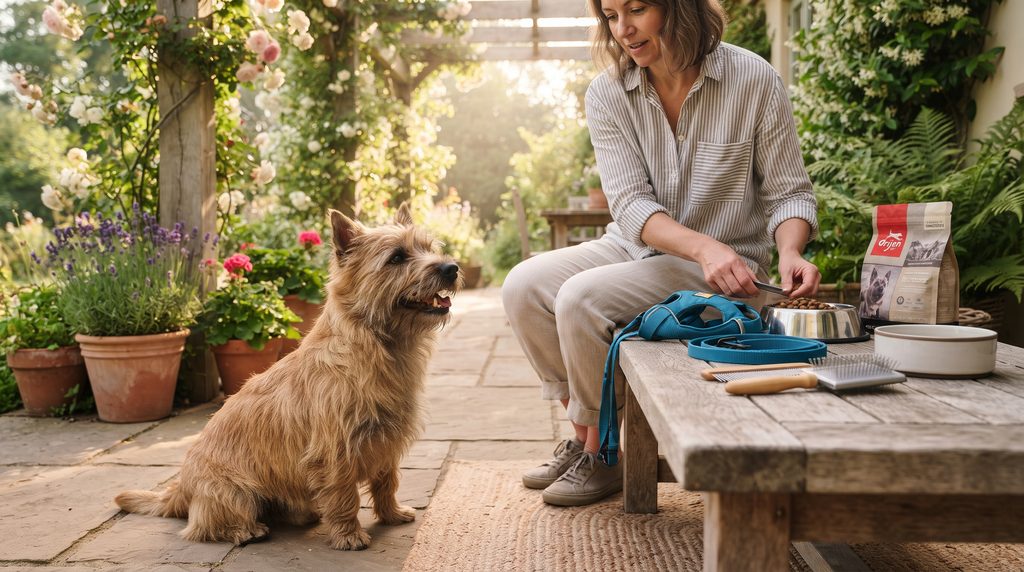
Planning for Lifetime Cairn Terrier Expenses
A realistic Cairn Terrier budget should cover more than food and occasional veterinary visits. Allow for preventive healthcare, parasite protection, dental treatment, grooming supplies, professional hand stripping, training, and replacement equipment. Insurance may help with eligible unexpected illnesses or injuries, but check hereditary-condition coverage and exclusions carefully. Keep an accessible emergency fund for expenses that insurance does not cover. Because Cairn Terriers commonly live into their teenage years, remember that healthcare needs may increase with age. Regularly reviewing your budget helps ensure that your dog receives appropriate care throughout life without unnecessary financial pressure on the household.
Choosing a Cairn Terrier Puppy or Rescue
Choosing a Cairn Terrier is an exciting decision, but finding the right individual requires more consideration than appearance alone. These charming Scottish terriers are intelligent, affectionate, independent, and full of energy, with instincts that remain closely connected to their working ancestry. Whether selecting a young puppy from a responsible breeder or welcoming an adult rescue dog, prospective owners should look for sound health, appropriate temperament, and a good match with their household. Taking the time to investigate these factors can make an enormous difference to the relationship that develops over the following years.
When considering Cairn Terrier Puppies, the first priority should be finding a breeder who values health, temperament, and responsible socialization. The Cairn Terrier Club of America maintains a breeder referral directory that provides a useful starting point, although inclusion is not a guarantee or endorsement. Prospective owners should speak with several breeders, ask thoughtful questions, and request documentation rather than relying solely on advertisements or photographs. Responsible breeders generally want to learn about potential homes and may ask detailed questions about exercise, fencing, family circumstances, and previous dog ownership.
A reputable Cairn Terrier Breeder should understand the breed’s inherited health concerns and be prepared to explain relevant screening results. Ask about DNA testing for globoid cell leukodystrophy and craniomandibular osteopathy, specialist eye examinations, liver bile-acid testing, kidney evaluations, cardiac assessments, and patellar examinations. Not every test applies at the same age, so ask which examinations the parents have completed and which puppy tests have already been performed or are scheduled. The breeder should provide supporting records and be willing to discuss any known health problems in related dogs.
The circumstances in which puppies are raised are equally important. Young Cairns benefit from a clean, safe environment where they experience ordinary household sounds, gentle handling, appropriate play, and positive contact with people. Puppies should appear bright, curious, and comfortable with normal interaction, although some may initially be more reserved than others. Meeting the mother, when possible, provides useful insight into temperament and living conditions. A breeder should be able to describe each puppy’s developing personality rather than suggesting that every Cairn in the litter behaves identically.
Temperament matching deserves particular attention because Cairn Terriers have strong individual personalities. One puppy may be especially outgoing and adventurous, while another is calmer and more inclined to observe before investigating. Neither is automatically a better choice. Families with young children, first-time owners, and households with other pets may benefit from different temperamental characteristics. An experienced breeder who has observed the litter over several weeks is often well placed to recommend a suitable puppy. Selecting the boldest or most attractive puppy without considering its behavior can lead to unnecessary challenges.
Coat color is another area where prospective owners should maintain realistic expectations. People searching for Wheaten Cairn Terrier Puppies may be attracted to their beautiful golden coats, while others prefer red, gray, or brindle. However, Cairn Terrier coat colors can change considerably as puppies mature. A very dark youngster may develop lighter brindling, while a pale puppy may acquire stronger shading around the muzzle and ears. Color should remain secondary to health, sound construction, and temperament. There is no separate miniature variety, and unusually small puppies should not be selected simply because they are advertised as rare.
Before bringing a puppy home, ask for a complete record of veterinary care, including vaccination dates, parasite treatments, microchip identification, and any relevant health investigations. A written agreement should explain the breeder’s responsibilities, any health provisions, and arrangements if the owner can no longer keep the dog. Responsible breeders generally remain available to offer advice as puppies mature and often require or strongly encourage owners to contact them before considering rehoming. Be cautious of sellers who refuse reasonable questions, cannot provide documentation, or insist on hurried arrangements without allowing proper discussion.
The earliest weeks in a new home are particularly important. Cairn Terrier puppies need a predictable routine, gentle training, appropriate socialization, and a secure environment. Their curiosity can lead them into surprisingly small spaces, so fencing, electrical cords, household chemicals, and accessible rubbish bins should be checked carefully. A comfortable sleeping area, suitable chew toys, measured meals, and regular opportunities for toilet training help the puppy settle. Socialization should be gradual and positive, avoiding overwhelming situations or uncontrolled contact with unfamiliar dogs.
For people who would prefer not to raise a young puppy, Cairn Terrier Rescues offer another worthwhile route to ownership. Organizations such as Cairn Rescue USA work to rehabilitate and rehome purebred Cairns and predominantly Cairn Terrier mixes. Dogs may enter rescue because of changes in family circumstances, unsuitable living arrangements, health concerns, or an owner’s inability to provide ongoing care. A rescue dog is not necessarily poorly behaved or unhealthy, although individual backgrounds vary. Some are affectionate, well-adjusted companions that simply need a suitable new home.
The advantages of adopting an adult Cairn Terrier can be considerable. Its mature size, established coat, energy level, and general temperament are usually easier to assess than those of a young puppy. Some adult Cairns already understand household routines, walk reasonably well on a leash, and are comfortable spending time with people. Others may require additional training, medical treatment, or gradual adjustment to unfamiliar surroundings. Foster-based rescue organizations can be particularly helpful because they may have observed the dog in an ordinary home environment.
When exploring Cairn Terrier Adoptions, ask specific questions about the individual dog’s history and behavior. Important considerations include compatibility with children, reactions to unfamiliar dogs, previous experience with cats, barking, digging, separation difficulties, and any known medical conditions. Because Cairns retain strong hunting instincts, homes with rabbits, rodents, or other small pets require especially careful assessment. Rescue organizations should be honest about both strengths and challenges, allowing prospective adopters to decide whether they can provide appropriate care.
The process of adopting through a reputable rescue may involve an application, reference checks, a home assessment, and discussions about lifestyle. Cairn Rescue USA, for example, uses a matching process informed by regional coordinators and foster homes rather than simply placing dogs with the first applicant. This approach helps identify suitable households and reduces the risk of an unsuccessful placement. Applicants who are flexible about age and other preferences may have more opportunities to find a compatible companion.
Anyone needing to Rehome Cairn Terrier companions should begin by contacting the original breeder, where possible, or a reputable breed rescue organization. Responsible rehoming involves sharing accurate information about the dog’s health, temperament, training, and behavior rather than minimizing potential difficulties. A suitable new home should understand the breed’s exercise requirements, independent character, grooming needs, and instinctive interest in wildlife. Careful placement protects the dog’s welfare and gives its next family the best opportunity to provide lasting companionship.
Ultimately, choosing a Cairn Terrier puppy or rescue is about finding a healthy, compatible dog whose needs can be met throughout its life. Responsible breeders and reputable rescue organizations both play important roles in protecting the breed and supporting successful ownership. Prospective owners who prioritize health records, temperament, honest communication, and realistic expectations are far more likely to enjoy a rewarding relationship. Whether arriving as an adventurous puppy or a mature dog seeking a new beginning, the Cairn Terrier brings an unmistakable combination of courage, affection, humor, and lively Scottish character.
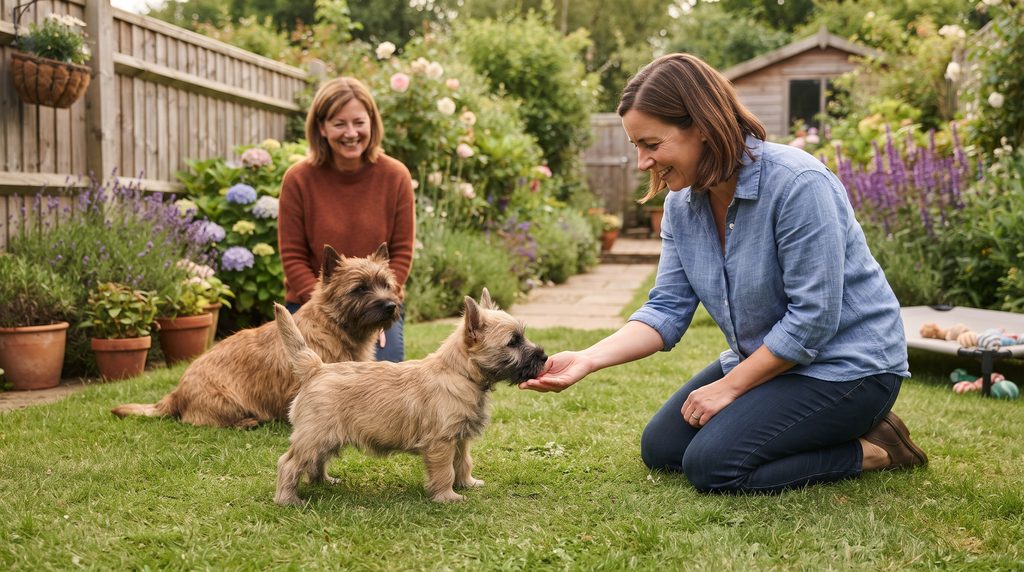
Is a Cairn Terrier Right for You?
The Cairn Terrier can be a wonderful companion, but it is not the perfect fit for every household. Beneath the breed’s charming shaggy appearance is a genuine working terrier with a bold personality, a quick mind, and a strong instinct to investigate everything around it. People are often drawn to Cairns because they are small, expressive, and full of character, and those qualities are very real. However, the same spirited temperament that makes the breed so endearing can also make ownership more demanding than some people initially expect.
One of the Cairn Terrier’s greatest strengths is its personality. These dogs are lively, affectionate, cheerful, and deeply entertaining. They usually enjoy being near their people and often become fully involved in everyday family life. A Cairn is rarely content to remain a quiet decorative presence in the background. It wants to know what is happening, where everyone is going, and whether there is anything worth investigating. For owners who enjoy an engaged, expressive dog with real terrier character, that can be a major part of the breed’s appeal.
The breed is often a good match for people who want a small dog without the fragility or passivity associated with some toy breeds. Cairn Terriers are sturdy little dogs with practical movement, plenty of confidence, and a genuine enthusiasm for walking, playing, and exploring. They suit people who want a companion that can join them in daily activity and take part in ordinary life rather than simply being carried from place to place. Their small size also makes them physically manageable for many households, which adds to their appeal.
At the same time, the Cairn Terrier is not especially well suited to owners who expect a highly obedient, easygoing dog that will automatically comply with every instruction. Cairns are intelligent, but they are independent thinkers. They can absolutely be trained, and many become responsive, enjoyable companions, yet they usually need consistency, patience, and an owner who understands terrier behavior. Someone seeking a dog that exists mainly to please may find the breed more opinionated than expected.
A suitable owner should also be prepared for the breed’s natural instincts. Cairn Terriers are alert, curious, and often strongly interested in small moving animals. They may bark when visitors arrive, dig in the garden, or become fascinated by scents and wildlife during walks. These behaviors are not signs that something has gone wrong. They reflect the breed’s origins and must be managed sensibly. People who appreciate terrier character usually accept these traits and work with them. People wanting a naturally quiet, low-drive dog may find them less appealing.
Exercise needs are moderate, but the Cairn Terrier is not a dog that thrives on neglect. Daily walks, sniffing opportunities, interactive play, and some mental stimulation are all important. A short trip into the yard is not usually enough. The breed is well suited to homes where someone enjoys including the dog in regular activity, whether that means neighborhood walks, garden time, short training sessions, or simple scent games. Owners do not need to be marathon runners, but they do need to be willing to engage with the dog consistently.
Grooming is another point worth considering. Cairns do not require the heavy coat care associated with some long-coated breeds, but they are not entirely low-maintenance either. Their double coat benefits from regular brushing, and owners who want to maintain the traditional wiry texture should understand the basics of hand stripping or find a groomer experienced with terrier coats. Anyone wanting a dog that can be left largely ungroomed without consequence may be disappointed. On the other hand, many owners consider the grooming routine quite manageable once they understand it.
Cairn Terriers can do well in a range of home types, including houses with yards and smaller homes or apartments, provided their exercise and mental needs are met. Their size makes them adaptable, but their personality means they still need structure and supervision. In apartments, owners should think carefully about barking and ensure the dog has regular outdoor activity. In homes with gardens, fencing should be secure because a determined Cairn may investigate gaps, dig near boundaries, or show too much interest in wildlife passing beyond the property.
The breed can suit families, but success depends on the household’s expectations and management. Cairn Terriers often get along well with respectful children and enjoy interactive play, but they are not stuffed toys. Young children need supervision, and everyone in the home should understand how to handle the dog appropriately. Multi-pet homes also require realistic assessment. Some Cairns live happily with other dogs and even cats, while others are more challenging around small pets because of their prey drive. The individual dog’s temperament matters just as much as the breed’s general tendencies.
A Cairn Terrier may not be the right choice for households wanting long hours of solitude from their dog. Although they are not usually emotionally fragile, most Cairns prefer involvement and companionship. Left alone too often without enough stimulation, they may bark, dig, or invent their own entertainment. Owners who work full time can still succeed with the breed, but it helps if the dog’s day includes exercise, enrichment, and a realistic plan for company and structure.
First-time owners can do well with a Cairn Terrier, but only if they are prepared to learn. The breed is not impossible for beginners, yet it is better suited to someone who appreciates dogs with initiative and personality than to someone hoping for the easiest possible introduction to dog ownership. A first-time owner who uses reward-based training, sets clear boundaries, and remains patient may do very well. A first-time owner who expects effortless compliance may struggle.
For the right person, the Cairn Terrier is enormously rewarding. It offers affection, humor, resilience, and a sense of lively companionship that many larger dogs also provide, but in a compact and practical size. Owners who enjoy a small dog with real boldness and substance often find the breed unforgettable. Those who understand its instincts, accept its independence, and provide the structure it needs are often repaid with years of cheerful, devoted company.
Ultimately, the Cairn Terrier is right for people who genuinely enjoy terrier character. If you want a bright, sturdy, affectionate little dog with curiosity, confidence, and plenty of personality, the breed may suit you very well. If you want a consistently quiet, highly biddable, or very low-maintenance companion, another breed may prove easier. The best match comes when admiration for the Cairn Terrier’s charm is balanced by a realistic understanding of what living with one is actually like.
Who Usually Enjoys a Cairn Terrier Most?
Cairn Terriers tend to suit owners who enjoy an affectionate, alert, and mischievous dog with plenty of personality. They do especially well in homes that can provide daily walks, regular interaction, secure boundaries, and patient reward-based training. People who appreciate terrier independence often find the breed highly rewarding, while those wanting a quiet, highly compliant, or very low-maintenance companion may prefer another type of dog. A good match depends less on household size than on expectations, consistency, and willingness to engage with a curious little dog that likes to be involved in everyday life.
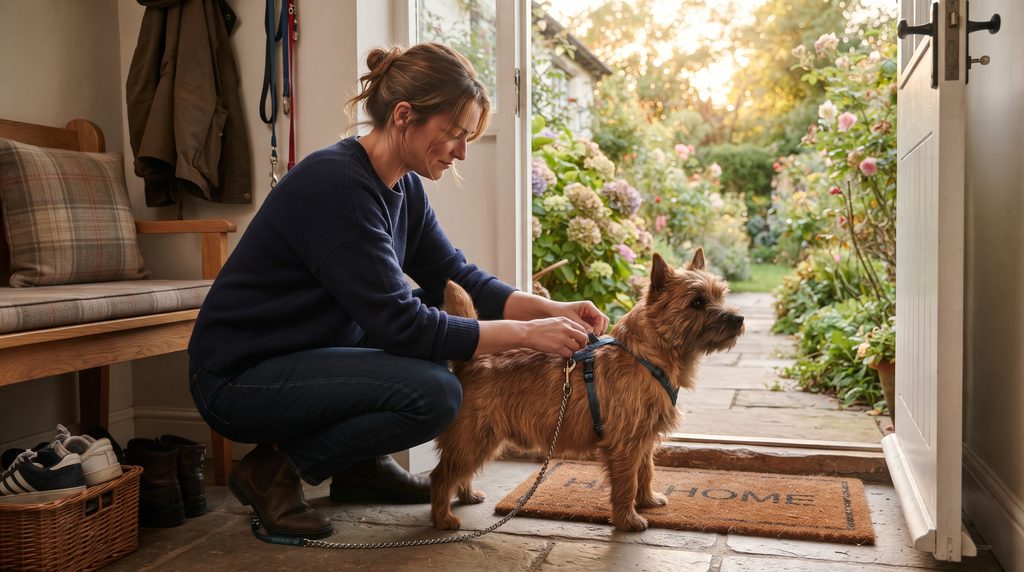
Cairn Terrier Final Thoughts
The Cairn Terrier is one of those breeds whose appeal reaches far beyond appearance. Its shaggy coat, bright expression, and compact size make an immediate impression, but what truly sets it apart is the personality within. Cheerful, bold, affectionate, and endlessly curious, the Cairn Terrier brings a lively spirit to everyday life that many owners find irresistible. It is a small dog, yet it carries itself with the confidence, resilience, and determination of a much larger one, reflecting the working heritage that shaped it in the Scottish Highlands.
For the right household, the Cairn Terrier can be an exceptional companion. It offers affection without excessive dependence, playfulness without fragility, and enough energy to enjoy an active life without requiring extreme levels of exercise. Many owners appreciate the way a Cairn becomes part of everything, following daily routines with keen interest and finding excitement in ordinary moments. Whether exploring the garden, joining a walk, or settling nearby while family life continues, the breed tends to bring a sense of involvement and character that feels genuinely distinctive.
At the same time, the Cairn Terrier should never be chosen simply because it looks charming or conveniently small. This is a true terrier, and that means living with intelligence, independence, curiosity, and a willingness to follow its own instincts when the opportunity arises. Digging, barking, chasing small animals, and occasionally questioning instructions are all part of the package. None of these traits make the breed difficult in the wrong sense, but they do mean the Cairn is best appreciated by people who understand and enjoy terrier behavior rather than expecting effortless compliance.
The breed’s long lifespan and sturdy nature are major advantages, but responsible ownership still matters enormously. Regular grooming, sensible training, secure boundaries, appropriate exercise, and careful preventive healthcare all contribute to a good quality of life. Prospective owners should also respect the importance of health screening and ethical breeding practices, particularly in a breed with recognized inherited eye, liver, kidney, and neurological concerns. A well-bred and thoughtfully cared-for Cairn Terrier is often a robust, engaging companion for many years.
One of the most rewarding aspects of the breed is the way it balances toughness with affection. Cairns are resilient and confident, yet they often develop deeply devoted relationships with their families. They are playful without being frivolous, spirited without losing their capacity for companionship, and small enough to adapt to many different homes while still feeling like substantial little dogs. That combination helps explain why the breed has remained popular for so long and why devoted Cairn owners often struggle to imagine living without one.
Ultimately, the Cairn Terrier is best suited to people who want a dog with real character. It is not bland, passive, or especially eager to disappear quietly into the background. Instead, it brings personality, humor, alertness, and a wonderful sense of engagement to the home. For owners who value those qualities and are prepared to guide them with patience and understanding, the Cairn Terrier can be a deeply rewarding choice. Its size may be small, but its presence in the household is anything but.
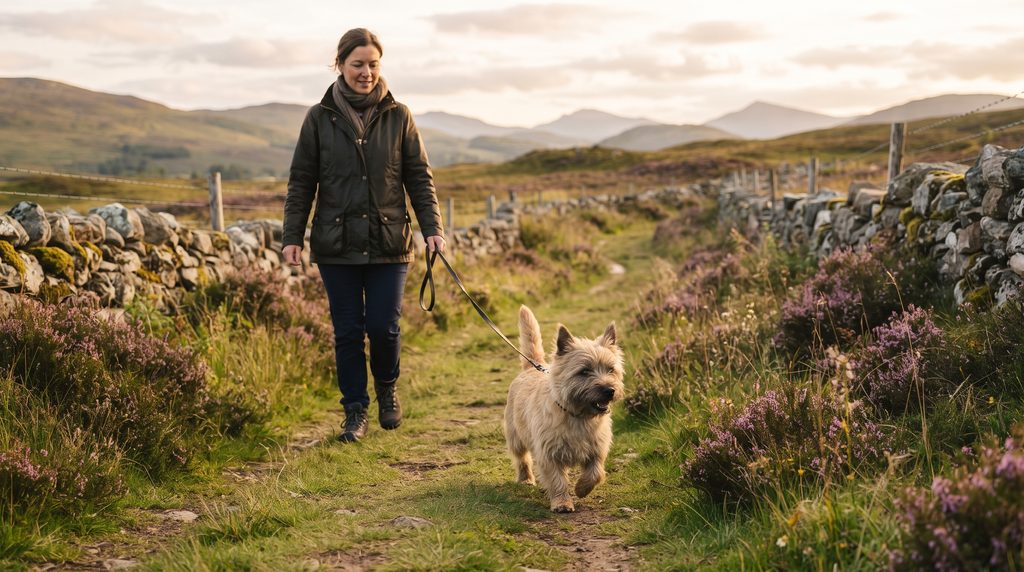
Explore More Terrier Breeds
The Cairn Terrier is one of many spirited and distinctive dogs in the Terrier Group. From the lively Norfolk Terrier and confident Border Terrier to the powerful Airedale Terrier and popular West Highland White Terrier, terriers share courage, intelligence, and strong personalities, but each breed has its own care needs and lifestyle fit. Explore our complete guide to Terrier Breeds to compare temperaments, grooming needs, exercise levels, and family suitability across this fascinating group.
Official Cairn Terrier Breed Information
For additional information about the Cairn Terrier, the American Kennel Club provides an authoritative breed profile covering history, size, temperament, grooming, health, and responsible ownership. It is a useful resource for readers researching the breed standard, typical lifespan, exercise needs, and general care expectations. For further breed-specific information, visit the American Kennel Club Cairn Terrier profile and compare it with the guidance in this complete CanineBase breed guide.