

Terrier Breeds
Terrier breeds were developed for determined, practical work, especially hunting and controlling rats, foxes and other vermin around farms, homes and countryside. That history produced dogs known for courage, persistence, quick reactions, curiosity and a strong willingness to investigate movement, scent and hidden spaces. Although most Terriers now live primarily as companions, many still carry the bold working instincts that once made them so useful, which helps explain their energetic personalities, confidence and sometimes single-minded approach to whatever has caught their attention.

The typical terrier dog is often energetic, confident and curious. Many Terriers were expected to work independently, sometimes underground or in tight cover, so they needed enough determination to continue without constant direction from a handler. Those same qualities can still appear today as digging, chasing, alert barking and an intense interest in anything moving nearby.
There is considerable variety among modern terrier dogs. The group includes the large, athletic Airedale Terrier, compact working breeds such as the Border and Cairn Terriers, muscular breeds such as the Staffordshire Bull Terrier and American Staffordshire Terrier, and more unusual breeds such as the Bedlington Terrier and American Hairless Terrier. Some were developed primarily for quarry below ground, while others worked above ground, controlled vermin around farms or performed more general-purpose work.
The different types of terriers also vary in coat, size and working style. Some have smooth, easy-care coats, while others carry harsh wire coats, soft flowing hair or curly coats that need more regular grooming. Despite those differences, many share a bold, lively personality and a strong instinct to investigate their surroundings.
Terriers were often bred to confront quarry rather than simply locate it, which helps explain why many have such a fearless reputation. A small Terrier may show remarkable confidence around larger animals, unfamiliar noises or challenging environments. That self-assurance can be appealing, but it also means early training and sensible socialization are important.
Training a Terrier can be highly rewarding, but it often requires patience and good timing. These dogs are usually intelligent, but they may also be independent and easily distracted by movement or scent. Short, engaging training sessions, clear boundaries and rewards that genuinely motivate the individual dog tend to work better than repetitive exercises that provide little challenge.
Their compact size can also be misleading. Many smaller Terriers have far more energy and drive than their appearance suggests, and a short walk around the block may not satisfy them. Games involving scent, searching, controlled chasing, tug or problem-solving can provide useful outlets for instincts that were originally developed for practical work.
Prey drive is another consideration for some breeds. Terriers may be strongly attracted to squirrels, rodents, birds or other small animals, and that instinct can influence recall reliability and compatibility with smaller household pets. Secure fencing and thoughtful leash management can therefore be important, especially for dogs with a strong chase response.
Terriers can also be highly entertaining companions. Many are playful, expressive and full of character, and they often form strong relationships with their families. Their confidence and energy can make them great partners for owners who enjoy training, interactive games and an active household, but they may be less suited to people wanting a consistently quiet or very easygoing dog.
Today, most Terriers live primarily as companions, but their original working purpose still helps explain how they behave. Regular exercise, engaging training, secure boundaries and suitable outlets for digging, scenting and chasing instincts can make everyday life with a Terrier much easier.
Explore the Terrier breeds below to compare their size, temperament, exercise needs, training, grooming, working history and suitability for different homes.

Table of Contents
Terrier Breeds: Fast Facts
Breed Group: Terrier Group
Main Types: Working, hunting, vermin-control and companion Terriers
Size Range: Small to large
Weight Range: Approximately 7–70+ pounds
Height Range: Approximately 10–23 inches
Typical Lifespan: Around 11–15 years
Coat Types: Smooth, wire, curly, soft, long and hairless
Shedding: Low to moderate, depending on breed
Exercise Needs: Moderate to high
Training Difficulty: Moderate
Original Purpose: Hunting vermin and working quarry
Best Known For: Courage, determination, energy and strong prey drive
Terrier Breeds: Star Ratings
Family Friendly: ★★★★☆
Child Friendly: ★★★★☆
Dog Friendly: ★★★☆☆
Other Pet Friendly: ★★☆☆☆
Trainability: ★★★★☆
Exercise Needs: ★★★★☆
Grooming Needs: ★★★☆☆
Shedding Level: ★★★☆☆
Vocal Tendency: ★★★★☆
Protective Instinct: ★★★☆☆
Apartment Suitability: ★★★☆☆
First-Time Owner Suitability: ★★★☆☆
These ratings describe broad tendencies across the Terrier Group rather than every individual breed. Terrier breeds vary considerably in size, energy level, coat care, sociability and prey drive, so individual breed characteristics should always be considered when choosing a dog.
Explore Terrier Dog Breeds
The Terrier Group includes 32 recognized AKC terrier dog breeds, and the different terrier breeds cover a remarkably broad range of sizes, body types, coats and working backgrounds. Terriers are often pictured as small, wiry dogs with boundless energy, but that image only tells part of the story. The group includes compact earth-working dogs, athletic medium-sized hunters, muscular companion breeds and the much larger Airedale Terrier, which stands apart as the tallest member of the group.
Small Terriers make up a significant part of the group. Breeds such as the Cairn Terrier, Norfolk Terrier, Norwich Terrier, Scottish Terrier and West Highland White Terrier were developed with practical size in mind. A compact dog could follow quarry into tight spaces, move through rocky ground and work around farms, barns and outbuildings where larger dogs would struggle. Their smaller bodies did not mean timid personalities. Many were expected to face determined quarry at close quarters, and that working history helped produce the confidence, persistence and boldness still associated with small Terriers today.
The types of terriers found within the group extend well beyond these smaller earth-working breeds. Medium-sized dogs such as the Border Terrier, Irish Terrier, Kerry Blue Terrier, Soft Coated Wheaten Terrier and Staffordshire Bull Terrier differ greatly in appearance, but all have backgrounds shaped by useful work rather than appearance alone. Some were developed primarily for vermin control or hunting, while others became versatile farm dogs, watchdogs or companions. Medium-sized Terriers often combine agility and stamina with enough physical strength to handle demanding outdoor work, which can translate into energetic, athletic companions in modern homes.
Larger Terriers show just how diverse the group can be. The Airedale Terrier, often called the largest Terrier breed, was developed as a versatile working dog capable of hunting, guarding and performing a variety of practical tasks. The American Staffordshire Terrier is also substantially built, with a powerful, athletic body that looks very different from the narrow, leggy outline of breeds such as the Irish Terrier or Wire Fox Terrier. These differences are a reminder that Terrier classification is based far more on ancestry and original purpose than on a single body shape or size.
Coat type adds another layer of variety. Many traditional Terriers have harsh, weather-resistant wire coats that helped protect them while working through rough vegetation and difficult terrain. Others have short, smooth coats that require relatively little grooming. The Bedlington Terrier has a distinctive crisp, curly coat, the Soft Coated Wheaten Terrier carries a softer flowing coat, and the American Hairless Terrier brings an almost completely different appearance to the group. Coat care can therefore range from straightforward brushing to regular trimming, clipping or hand-stripping.
The various terrier types also differ considerably in temperament and everyday behavior. Some are particularly intense hunters with a strong desire to chase, dig and investigate scent, while others have become highly adaptable companion dogs. Certain breeds tend to be outgoing and sociable, while others can be more independent, reserved or selective around unfamiliar dogs. Even within the same size category, energy level, trainability and prey drive can vary considerably.
For that reason, choosing a Terrier should involve more than deciding whether a small, medium or large dog fits the available space. Owners also need to consider exercise requirements, coat maintenance, vocal tendencies, prey drive, sociability and the amount of mental stimulation a particular breed is likely to need.
Together, the types of terrier breeds found within the group show just how varied the Terrier tradition has become. From compact earth-working dogs to powerful, athletic Terriers with broader working histories, the group includes an unusually wide range of sizes, coats, builds and temperaments while still retaining the determination and character that define the Terrier tradition.
Airedale Terrier
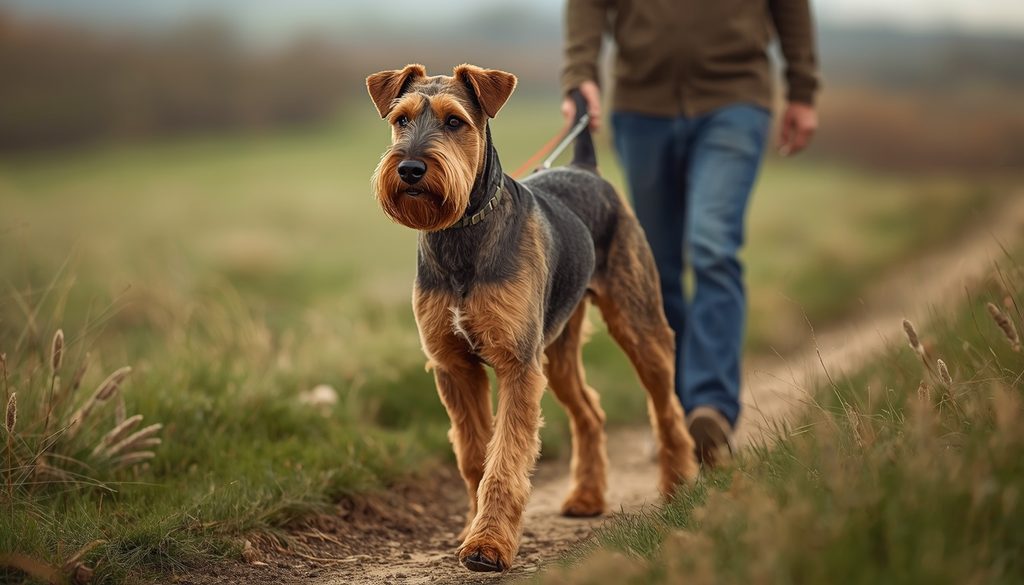
The Airedale Terrier is the largest of the Terrier breeds, known for its confidence, intelligence and versatility. Originally developed in England for hunting and practical work, it is energetic, alert and highly capable. Airedales usually need regular exercise, consistent training and ongoing coat care. They can make engaging companions for active owners who enjoy a bold, independent dog.
American Hairless Terrier
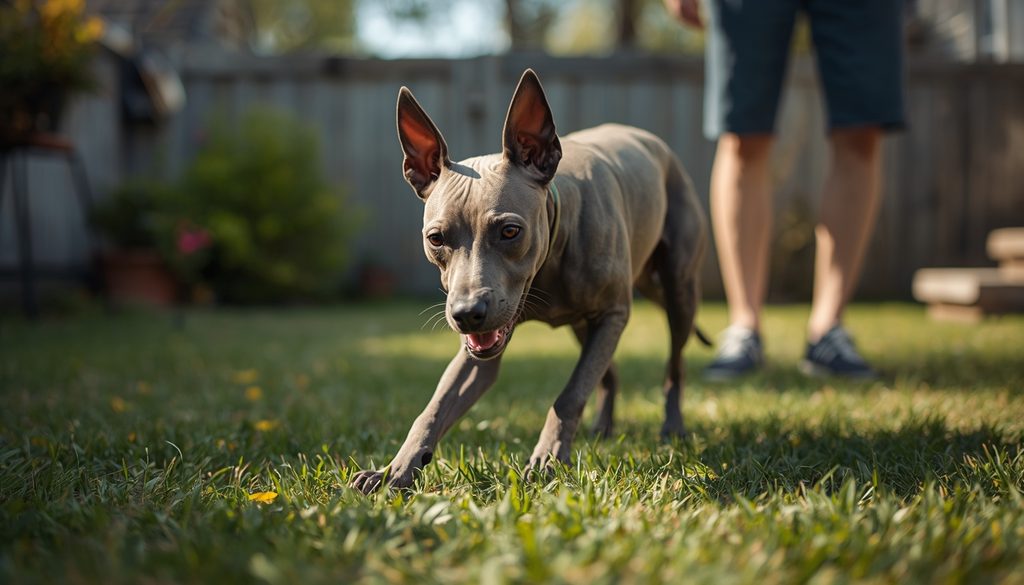
The American Hairless Terrier is a lively, intelligent and affectionate breed developed in the United States from Rat Terrier stock. It is energetic, curious and enjoys close involvement with family life. Its hairless skin needs protection from strong sun and cold weather, while regular exercise and positive training help keep this alert little Terrier happy.
Staffordshire Terrier
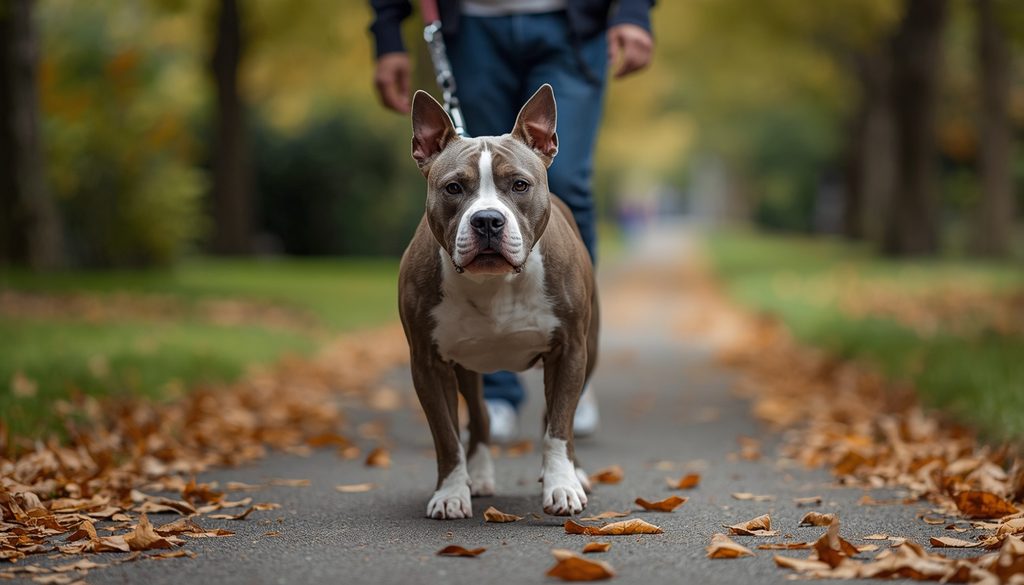
The American Staffordshire Terrier is a strong, athletic and people-oriented breed known for confidence and loyalty. Originally developed from bull-and-terrier ancestry, it combines muscular power with an affectionate nature. Regular exercise, early socialization and consistent positive training are important for helping this capable Terrier thrive.
Australian Terrier

The Australian Terrier is a small, sturdy and spirited breed developed for practical farm work and vermin control. It is alert, confident and affectionate, with plenty of energy packed into a compact frame. Regular exercise, consistent training and routine coat care help this lively Terrier thrive.
Bedlington Terrier
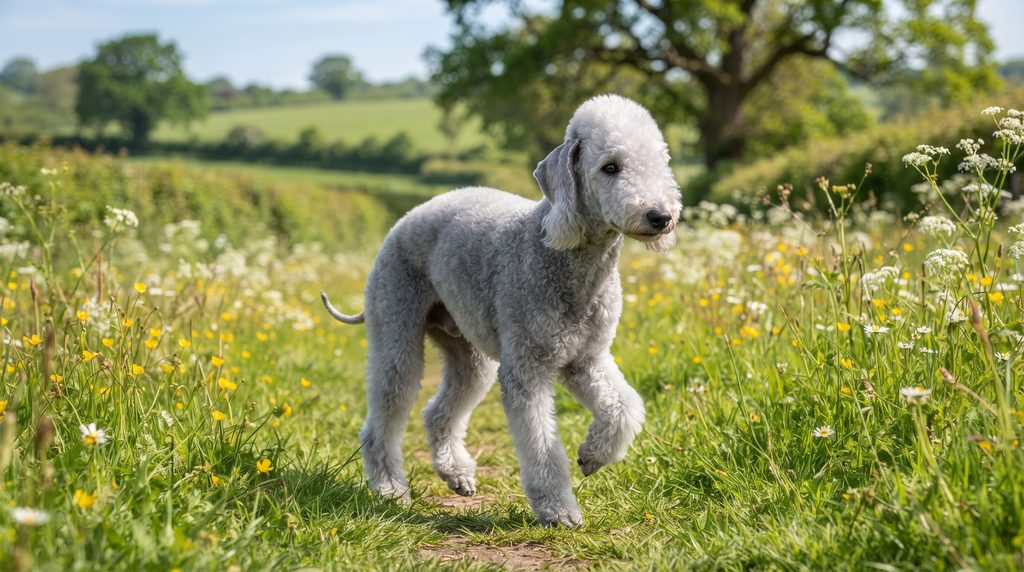
The Bedlington Terrier is a graceful, athletic breed known for its distinctive lamb-like appearance and lively personality. Originally developed for hunting and vermin control, it is quick, alert and surprisingly energetic. Regular exercise, positive training and consistent coat care help this affectionate and spirited Terrier thrive.
Border Terrier
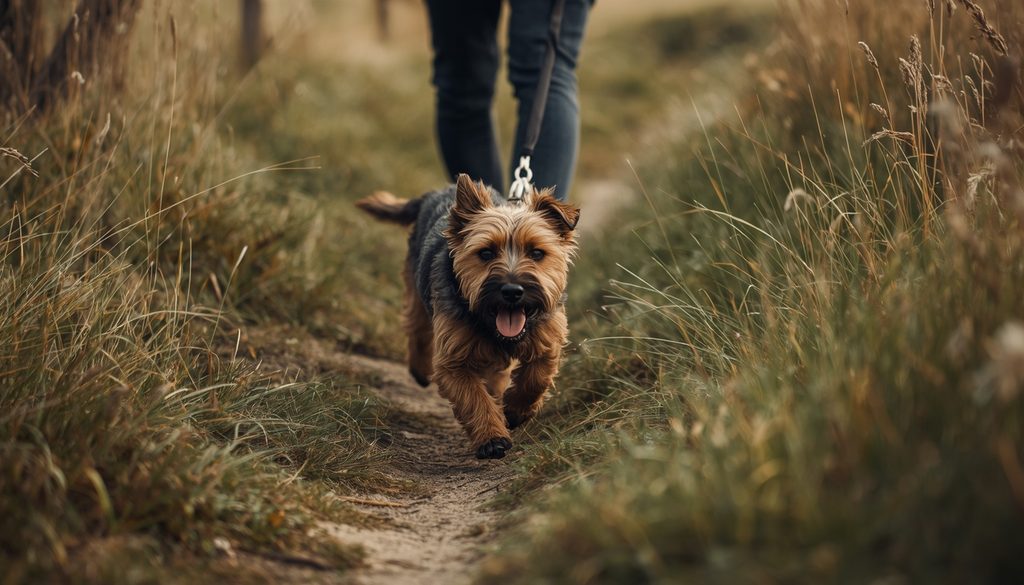
The Border Terrier is a small, hardy and energetic breed originally developed for fox hunting along the English-Scottish border. It is alert, affectionate and typically more easygoing than many Terriers, while still retaining strong working instincts. Regular exercise, consistent training and routine coat care help this cheerful, capable Terrier thrive.
Bull Terrier
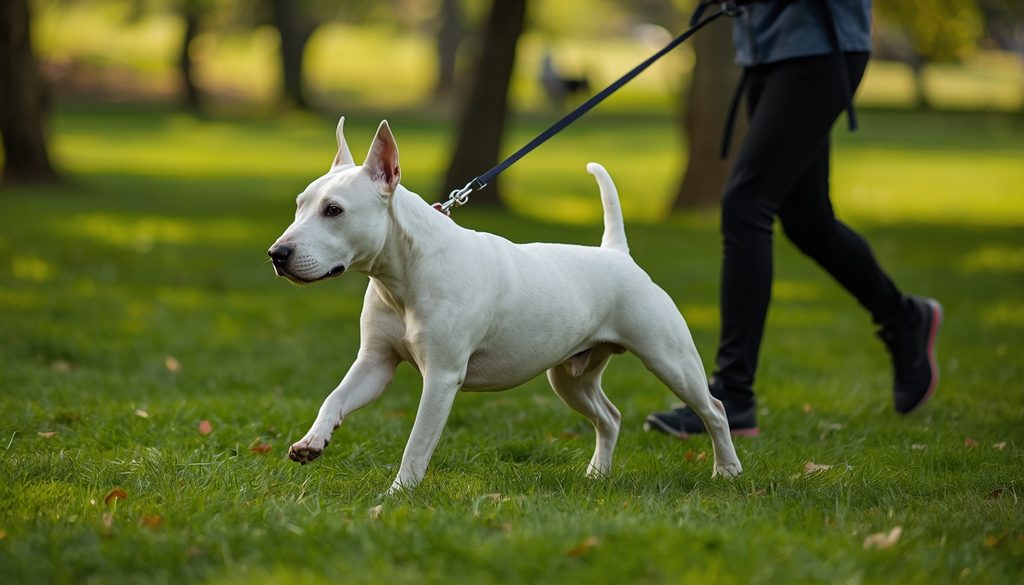
The Bull Terrier is a powerful, playful and unmistakable breed known for its distinctive egg-shaped head. Originally developed from bull-and-terrier ancestry, it is energetic, affectionate and often highly entertaining. Regular exercise, early socialization and consistent positive training help this strong, spirited Terrier become a well-mannered companion.
Cairn Terrier
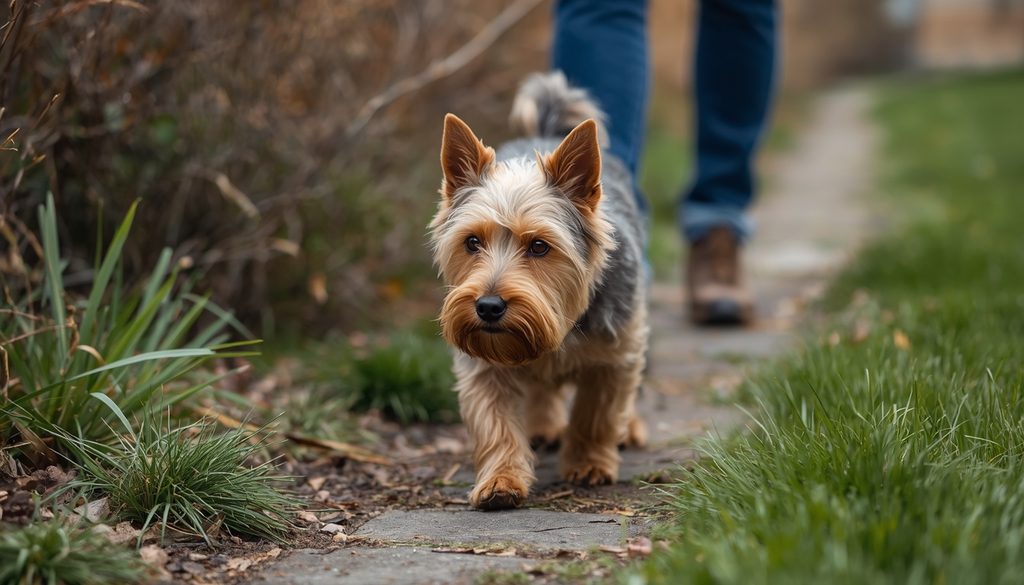
The Cairn Terrier is a small, hardy and confident breed originally developed in Scotland for hunting vermin among rocks and rough ground. It is alert, curious and full of character, with a strong instinct to investigate its surroundings. Regular exercise, positive training and routine coat care help this lively Terrier thrive.
Cesky Terrier
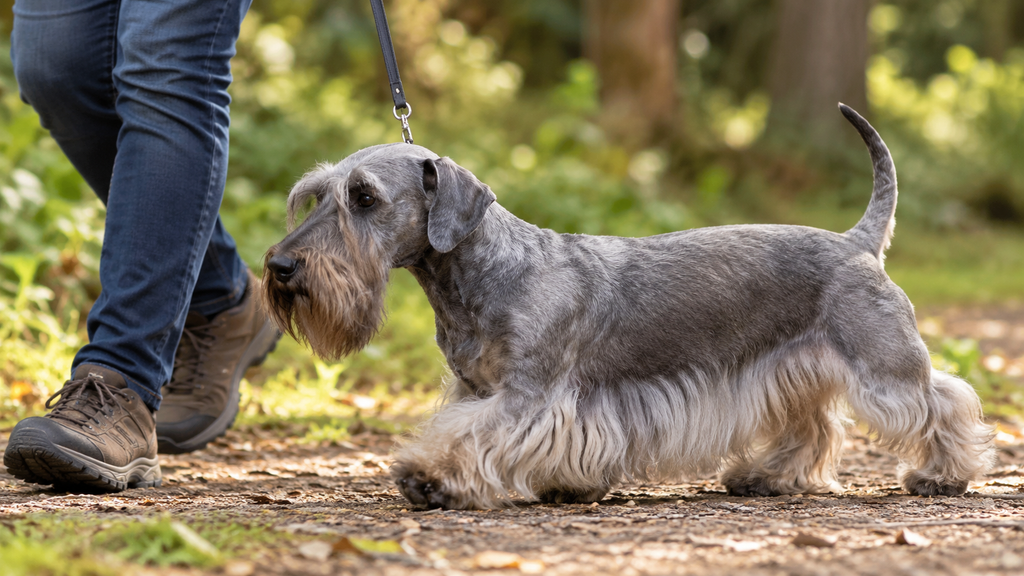
The Cesky Terrier is a small, low-set breed developed in the Czech Republic for hunting in woodland and rough terrain. It is typically calmer and more adaptable than many Terriers, while still retaining confidence and working instinct. Regular exercise, patient training and routine coat maintenance help this distinctive Terrier thrive.
Dandie Dinmont Terrier
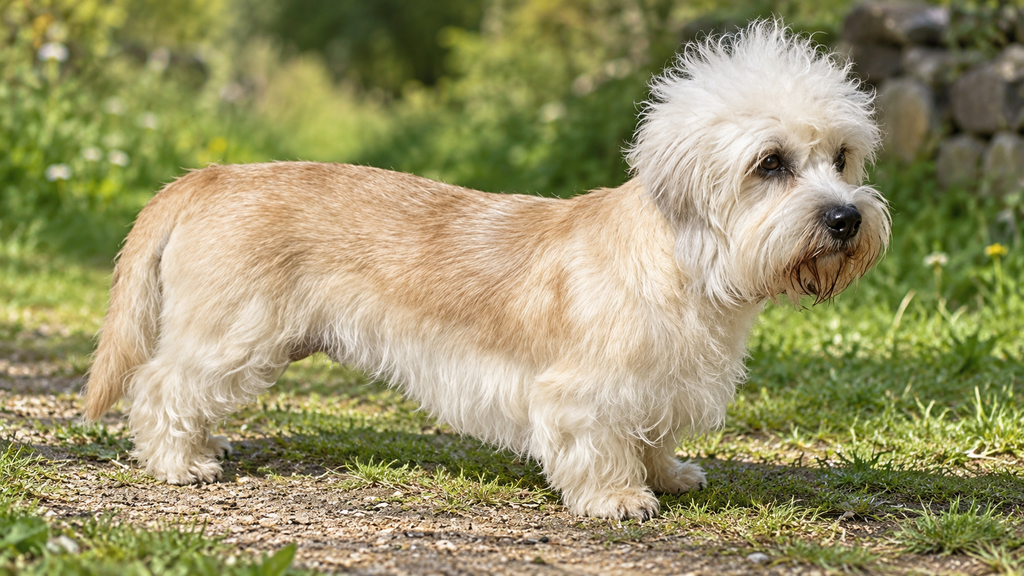
The Dandie Dinmont Terrier is a distinctive, low-set breed known for its long body, large expressive eyes and soft topknot. Originally developed for hunting badgers and otters, it is confident, affectionate and determined. Regular exercise, patient training and consistent coat care help this uncommon Terrier thrive.
Glen of Imaal Terrier
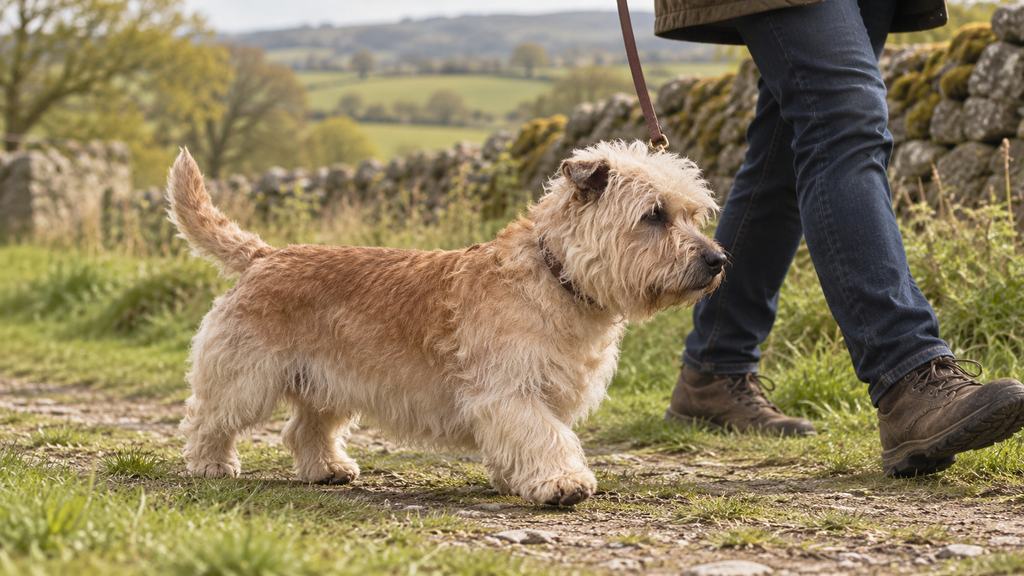
The Glen of Imaal Terrier is a sturdy, low-set Irish breed originally developed for hunting and farm work. It is known for strength, courage and a calmer temperament than many Terriers. Regular exercise, patient training and routine coat care help this powerful but affectionate breed thrive.
Irish Terrier
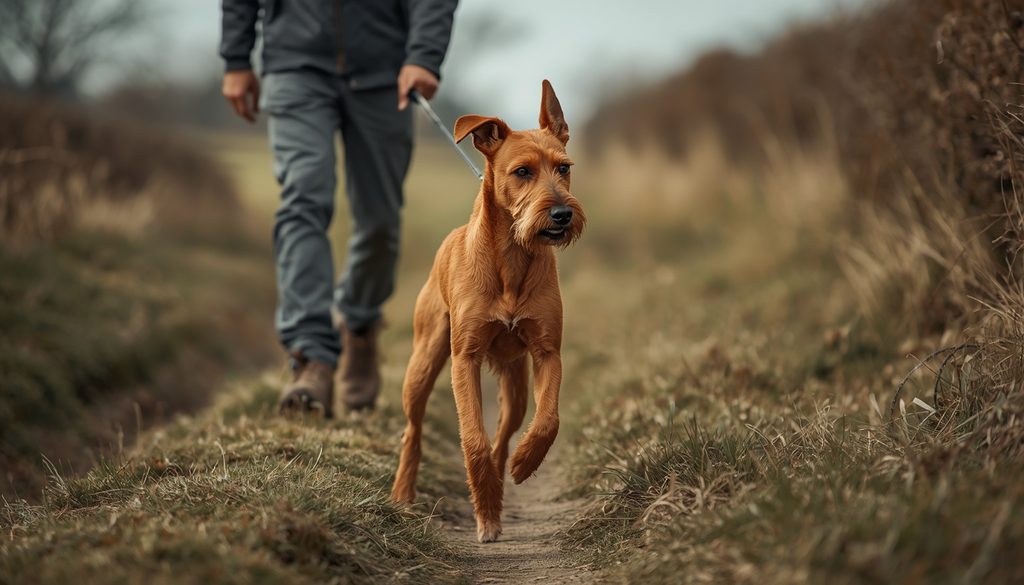
The Irish Terrier is a bold, athletic and energetic breed known for its distinctive red coat and confident nature. Originally developed as a versatile farm and hunting dog, it is alert, loyal and highly spirited. Regular exercise, consistent training and routine coat care help this lively Terrier thrive.
Kerry Blue Terrier

The Kerry Blue Terrier is a strong, intelligent and energetic Irish breed known for its distinctive blue-gray coat. Originally developed for versatile farm and hunting work, it is confident, alert and highly capable. Regular exercise, consistent training and routine coat care help this spirited Terrier thrive.
Lakeland Terrier
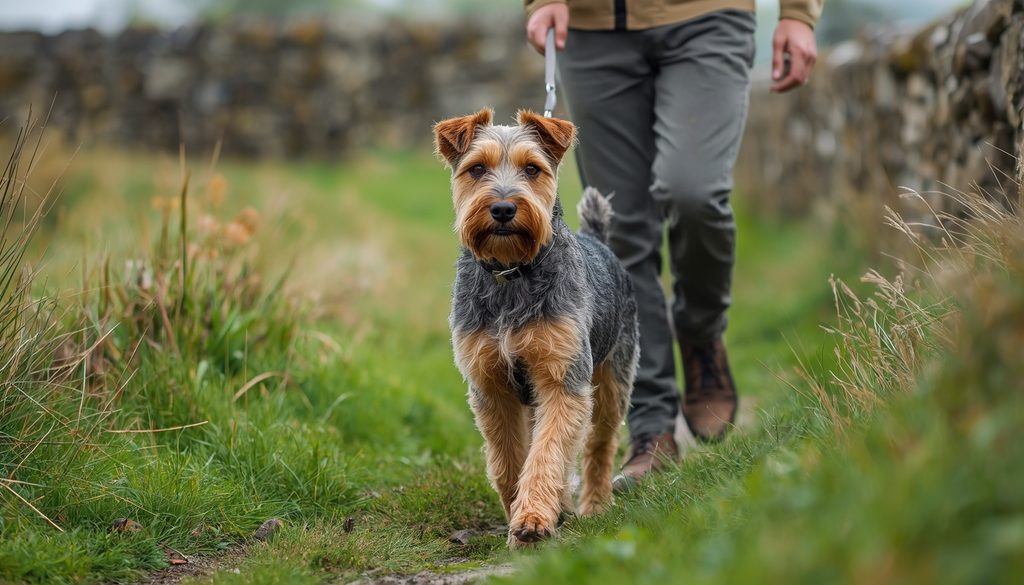
The Lakeland Terrier is a compact, energetic and confident breed developed in England’s Lake District for fox hunting. It is alert, intelligent and full of determination, with a strong working instinct and lively nature. Regular exercise, consistent training and routine coat care help this spirited Terrier thrive.
Manchester Terrier
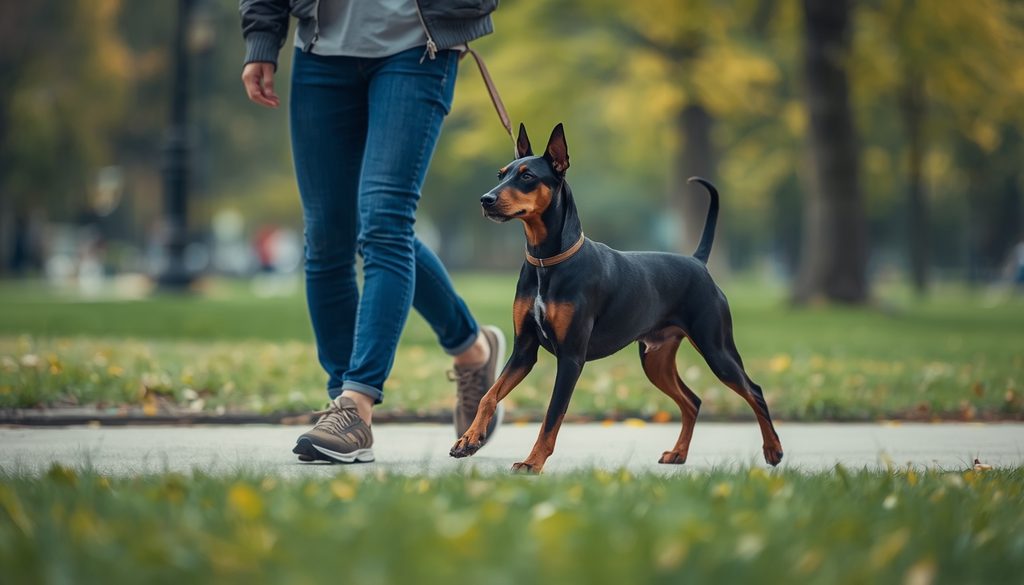
The Manchester Terrier is a sleek, intelligent and energetic breed originally developed for ratting and rabbit coursing. It is alert, agile and strongly attached to its family, with a refined appearance and lively temperament. Regular exercise, positive training and close companionship help this elegant Terrier thrive.
Miniature Bull Terrier

The Miniature Bull Terrier is a compact, muscular and playful breed with the same distinctive egg-shaped head as the standard Bull Terrier. It is energetic, affectionate and full of character, with a confident, mischievous personality. Regular exercise, consistent training and early socialization help this spirited Terrier thrive.
Miniature Schnauzer
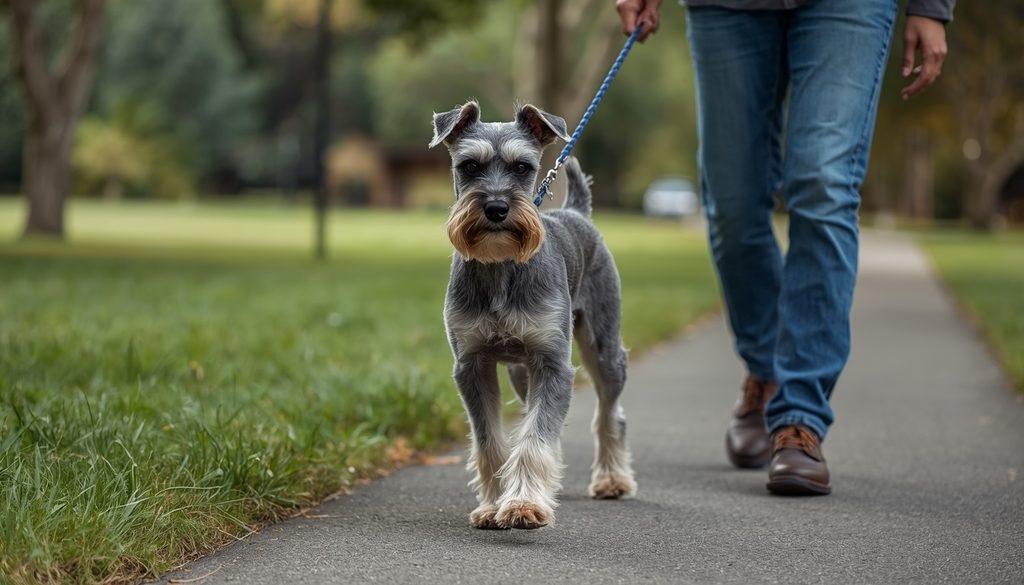
The Miniature Schnauzer is a compact, intelligent and energetic breed known for its distinctive beard and bushy eyebrows. Originally developed in Germany as a farm ratter, it is alert, lively and highly trainable. Regular exercise, consistent training and routine coat care help this adaptable Terrier thrive.
Norfolk Terrier
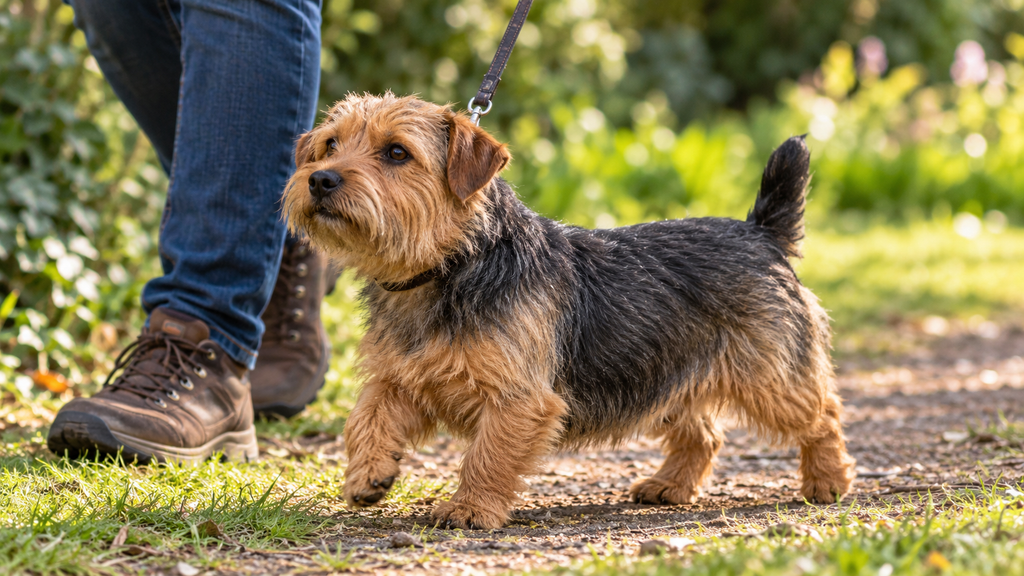
The Norfolk Terrier is a small, sturdy and cheerful breed originally developed for vermin control and hunting. It is alert, affectionate and full of confidence, with a lively nature despite its compact size. Regular exercise, patient training and routine coat care help this sociable little Terrier thrive.
Norwich Terrier

The Norwich Terrier is a small, sturdy and spirited breed originally developed for vermin control and hunting. It is alert, affectionate and full of confidence, with a lively personality and strong curiosity. Regular exercise, patient training and routine coat care help this energetic little Terrier thrive.
Parson Russell Terrier
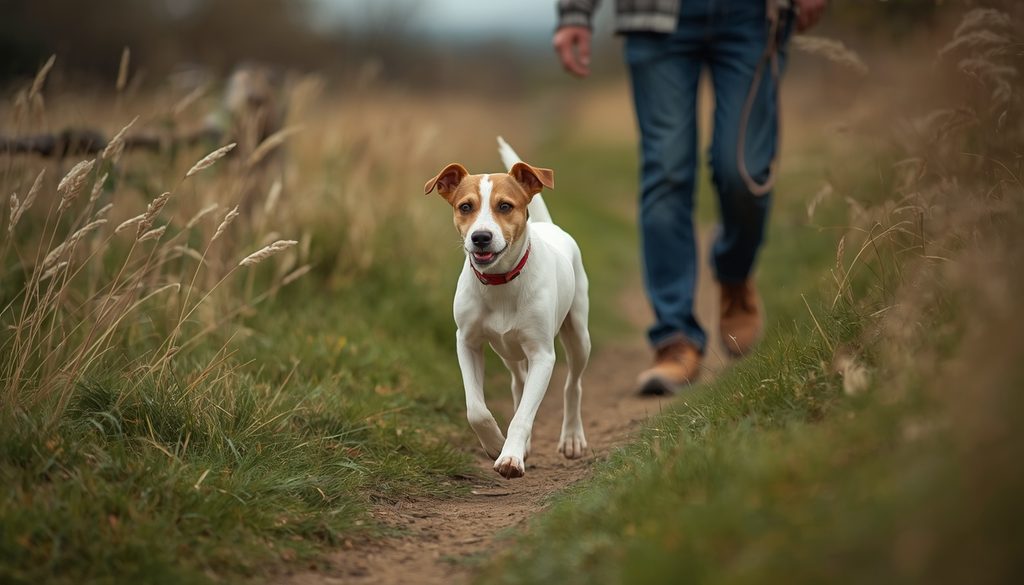
The Parson Russell Terrier is a lively, athletic and determined breed originally developed for fox hunting. It is intelligent, bold and highly energetic, with strong prey drive and a keen working instinct. Regular exercise, engaging training and secure boundaries help this spirited Terrier thrive.
Rat Terrier

The Rat Terrier is a lively, intelligent and athletic breed developed in the United States for farm work and vermin control. It is alert, affectionate and highly adaptable, with strong hunting instincts and plenty of energy. Regular exercise, positive training and mental stimulation help this capable Terrier thrive.
Russell Terrier
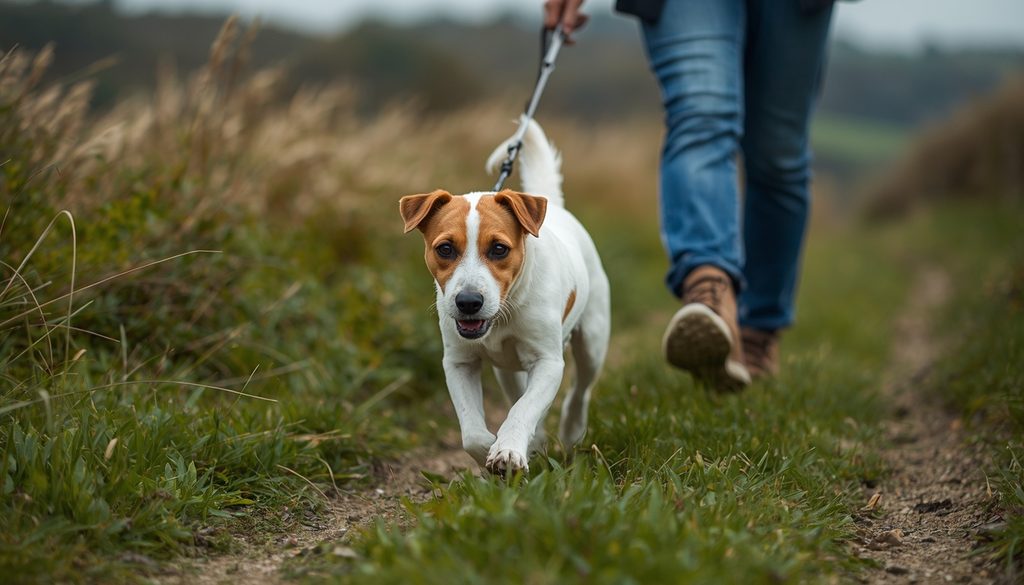
The Russell Terrier is a compact, energetic and fearless breed developed for fox hunting. It is intelligent, alert and highly active, with strong prey drive and a lively, inquisitive nature. Regular exercise, engaging training and secure boundaries help this spirited Terrier thrive.
Scottish Terrier
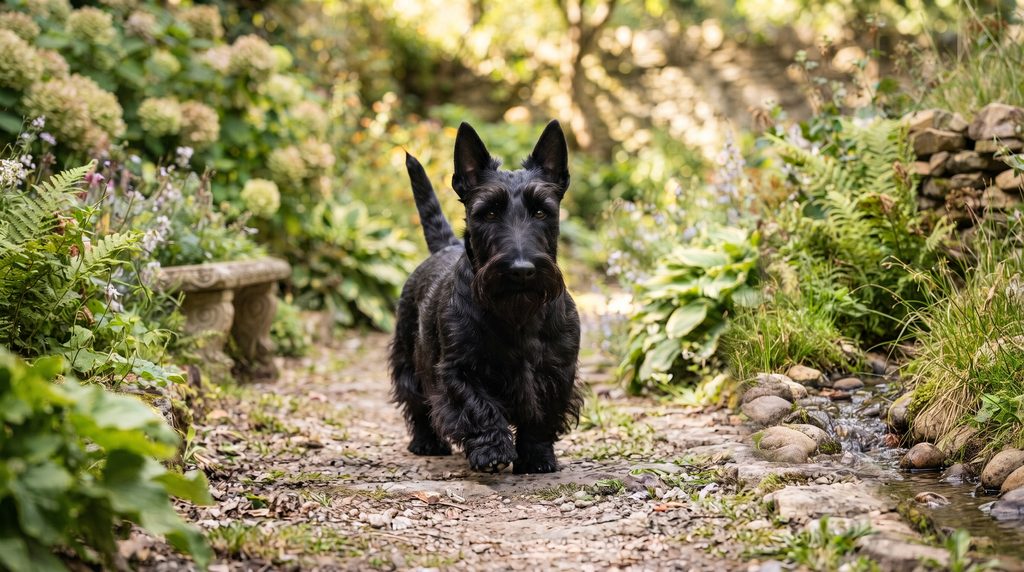
The Scottish Terrier is a compact, confident and independent breed known for its distinctive beard, upright ears and bold personality. Originally developed for hunting vermin in Scotland, it is alert, loyal and determined. Regular exercise, patient training and consistent coat care help this dignified Terrier thrive.
Sealyham Terrier

The Sealyham Terrier is a sturdy, confident and affectionate breed originally developed in Wales for hunting small quarry. It is alert, determined and typically more composed than many Terriers, while still retaining plenty of character. Regular exercise, patient training and consistent coat care help this distinctive Terrier thrive.
Skye Terrier
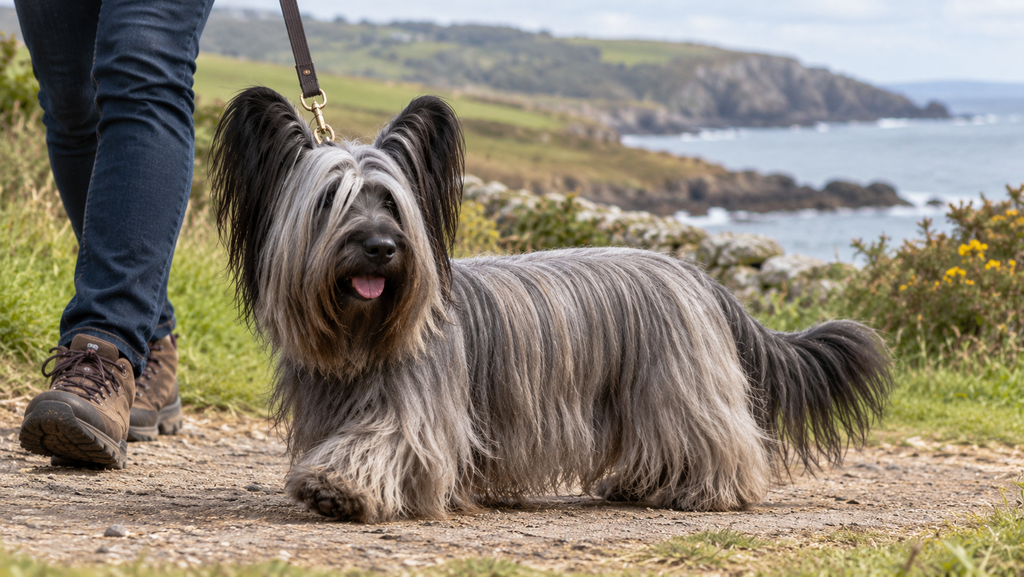
The Skye Terrier is a long, low and distinctive Scottish breed known for its flowing coat and dignified nature. Originally developed for hunting quarry among rocky terrain, it is loyal, confident and often reserved with strangers. Regular exercise, patient training and consistent coat care help this devoted Terrier thrive.
Smooth Fox Terrier
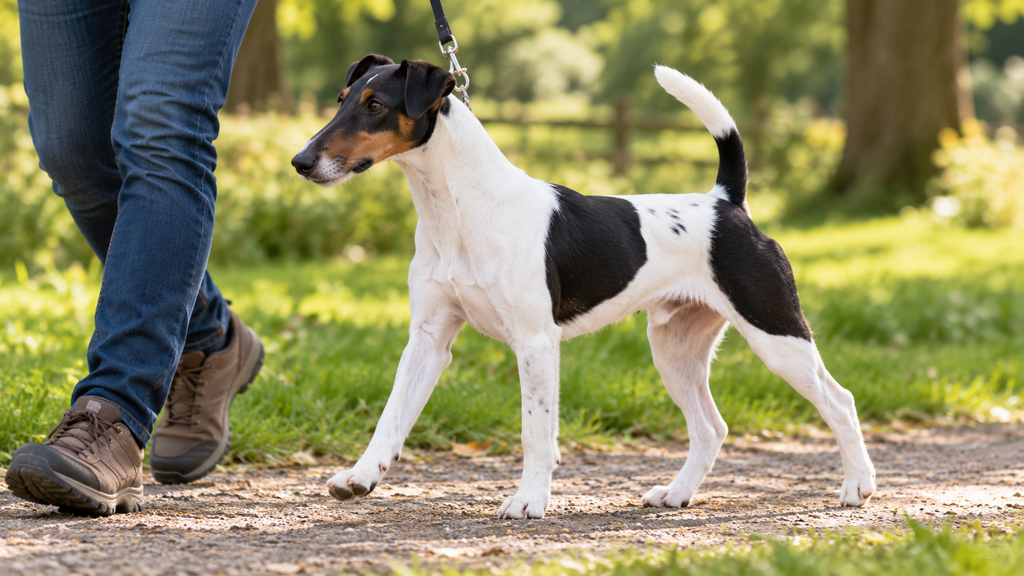
The Smooth Fox Terrier is a lively, athletic and confident breed originally developed for fox hunting. It is alert, intelligent and full of energy, with a strong prey drive and curious nature. Regular exercise, consistent training and secure boundaries help this spirited Terrier thrive.
Wheaten Terrier
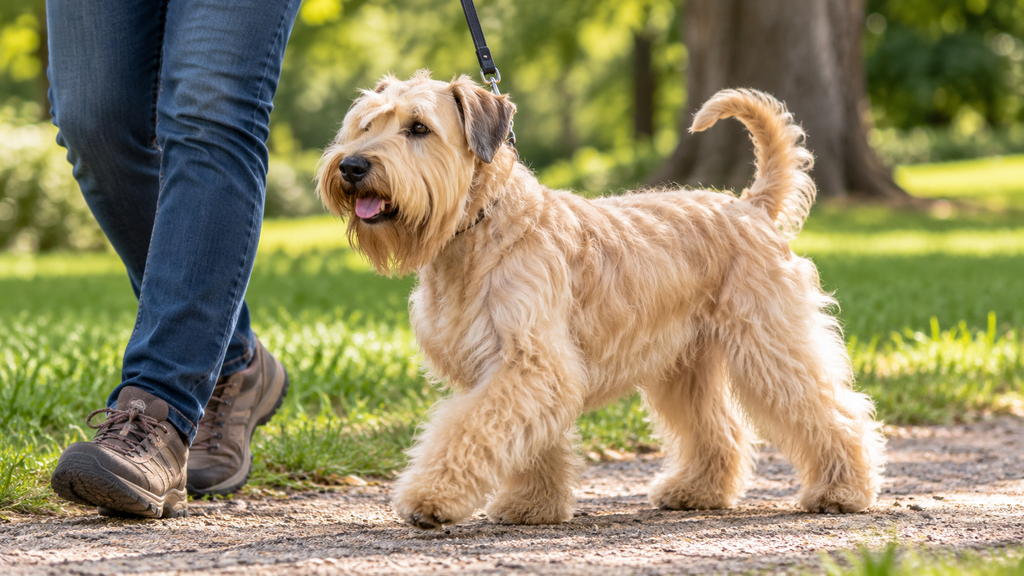
The Soft Coated Wheaten Terrier is a cheerful, energetic Irish breed known for its soft, flowing wheaten coat. Originally developed as a versatile farm dog, it is affectionate, alert and highly people-oriented. Regular exercise, positive training and consistent coat care help this friendly Terrier thrive.
Staffordshire Bull Terrier
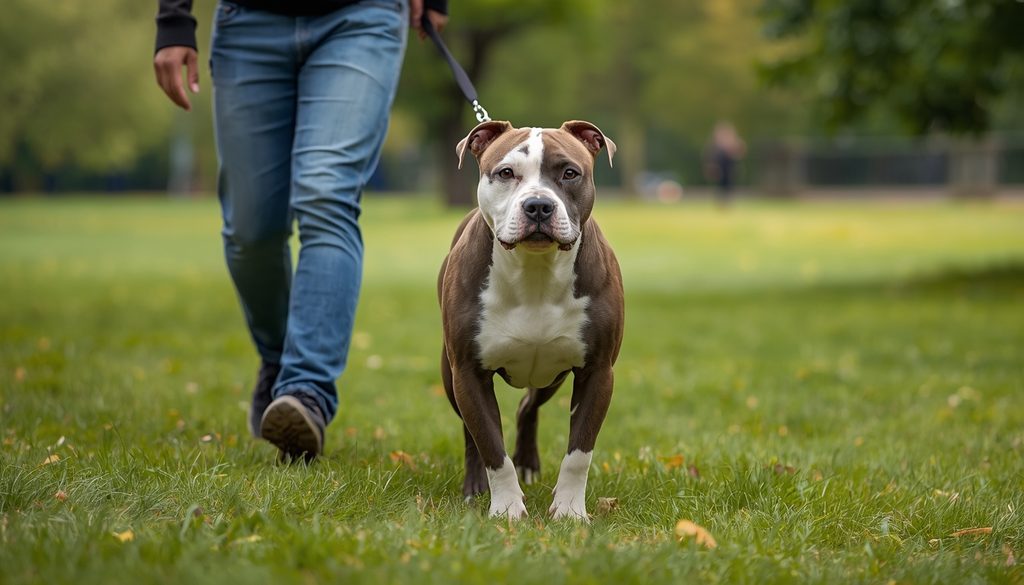
The Staffordshire Bull Terrier is a strong, affectionate and energetic breed known for its muscular build and people-oriented nature. It is confident, loyal and playful, with plenty of enthusiasm for family life. Regular exercise, early socialization and consistent positive training help this capable Terrier thrive.
Teddy Roosevelt Terrier
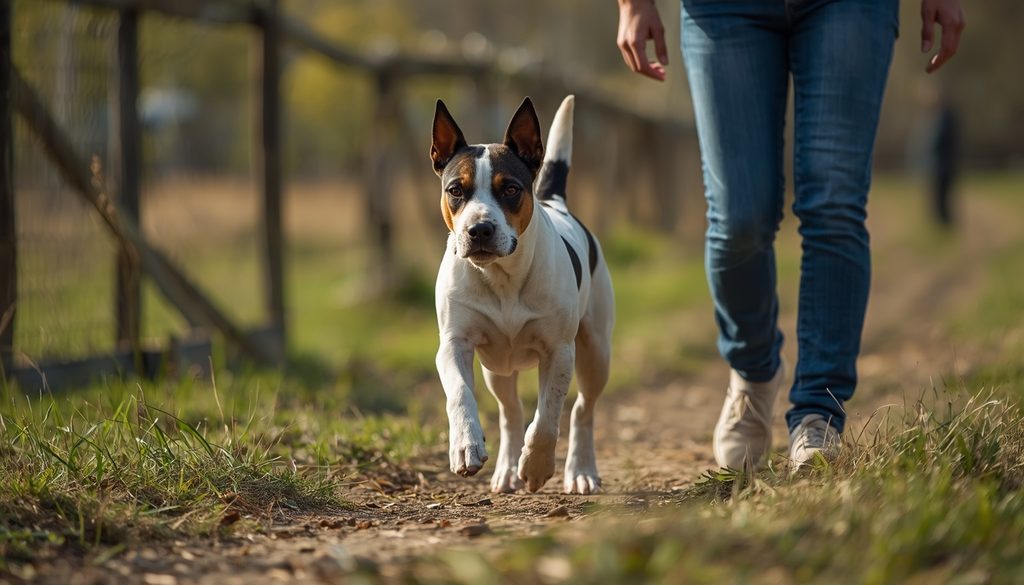
The Teddy Roosevelt Terrier is a sturdy, low-set American breed developed for farm work and vermin control. It is alert, affectionate and energetic, with a confident personality and strong hunting instinct. Regular exercise, positive training and plenty of family interaction help this capable Terrier thrive.
Welsh Terrier
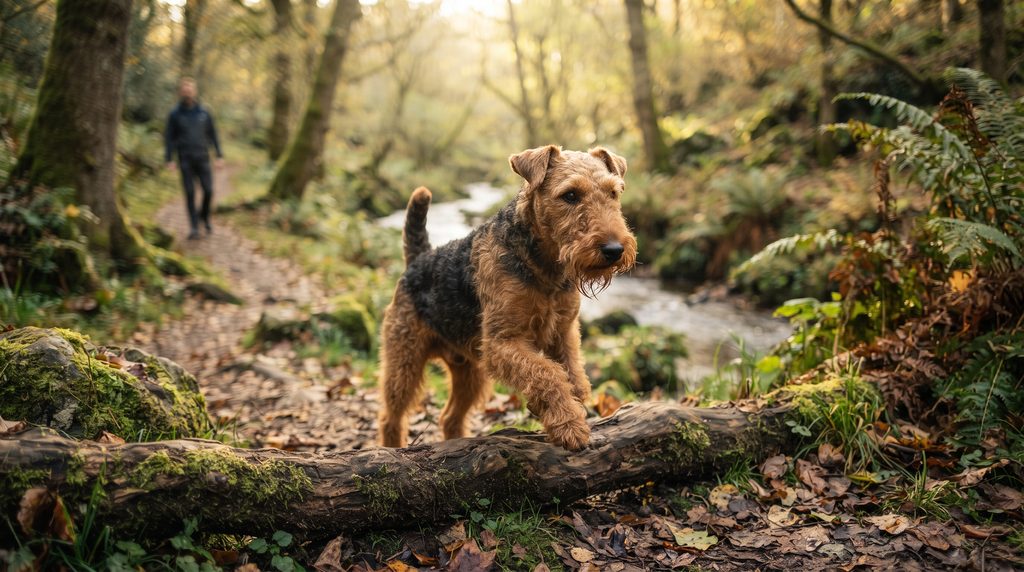
The Welsh Terrier is a compact, confident and energetic breed originally developed for hunting foxes, badgers and other quarry. It is alert, intelligent and spirited, with a strong working instinct and lively personality. Regular exercise, consistent training and routine coat care help this capable Terrier thrive.
Highland White Terrier
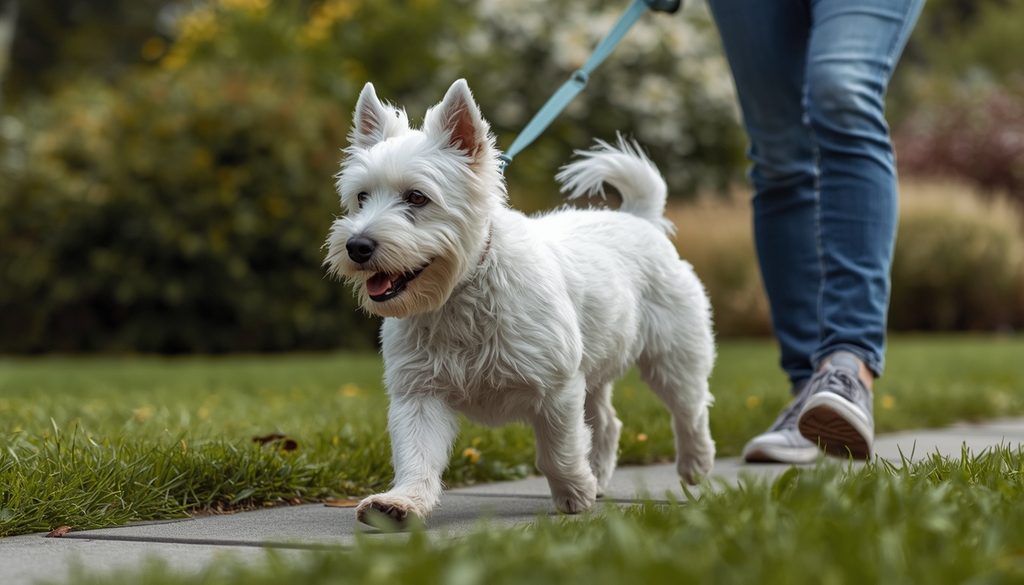
The West Highland White Terrier is a small, confident and lively Scottish breed known for its distinctive white coat. Originally developed for hunting vermin, it is alert, affectionate and full of character. Regular exercise, positive training and routine coat care help this cheerful Terrier thrive.
Wire Fox Terrier
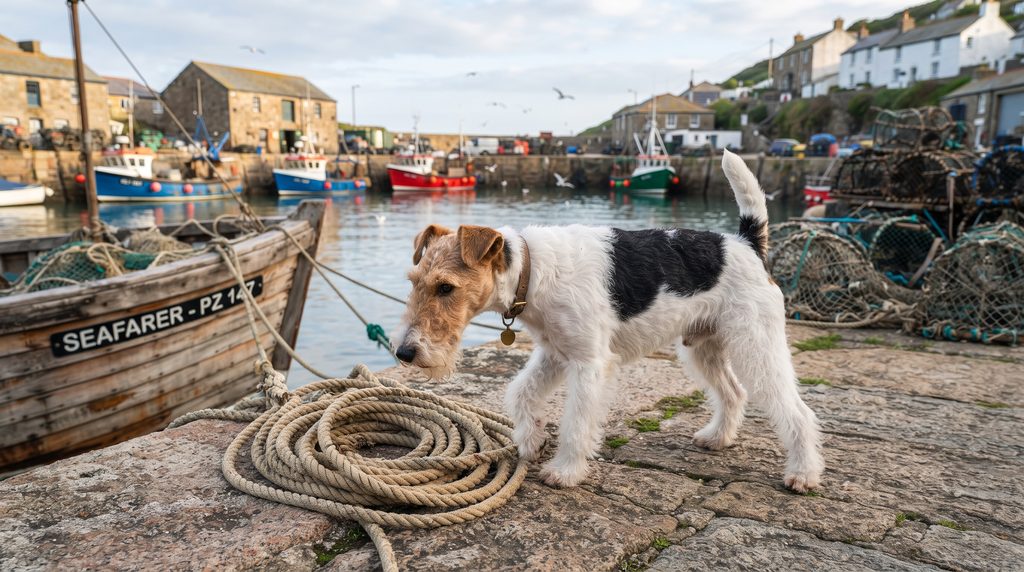
The Wire Fox Terrier is a lively, athletic and confident breed originally developed for fox hunting. It is intelligent, alert and full of energy, with a strong prey drive and bold personality. Regular exercise, consistent training and routine coat care help this spirited Terrier thrive.
The Teddy Roosevelt Terrier became the newest fully recognized member of the AKC Terrier Group in 2026, bringing the group to 32 recognized breeds. This is why some older Terrier breed lists may still show 31.
What Makes the Terrier Group Different?
Terriers have one of the most recognizable working backgrounds of any dog group. While individual breeds differ greatly in size, appearance and temperament, most were developed around a common requirement: they needed to be bold enough to pursue quarry, persistent enough to keep working when conditions became difficult and independent enough to make decisions without waiting constantly for direction from a handler. Those qualities still influence how many Terriers behave today.
Understanding what makes a dog a terrier begins with that original purpose. Many early Terriers were expected to locate, chase or dispatch rats, foxes and other vermin, often working around farms, estates, barns, rocky countryside or underground burrows. A dog that hesitated easily was of little practical use. Breeders therefore favored determination, quick reactions, physical toughness and an intense interest in movement and scent.
These traditional terrier qualities can appear in modern homes in surprisingly ordinary ways. A Terrier may become fascinated by something moving beneath a hedge, investigate every opening along a fence line or spend considerable time trying to reach a scent under a shed. Digging, chasing and rapid bursts of excitement are not simply examples of a dog being difficult; in many breeds they are modern expressions of behaviors deliberately encouraged for generations.
Independence is another of the defining terrier characteristics. Unlike breeds developed primarily to work in constant communication with a handler, many Terriers needed to continue working once they had entered cover or disappeared underground. This helps explain why a Terrier may understand a command perfectly well yet still appear to consider whether responding is more rewarding than continuing its current investigation. Good training therefore tends to work best when it is clear, positive, engaging and worth the dog’s attention.
Among the most noticeable characteristics of terriers are confidence and persistence. These dogs were often expected to confront quarry that could defend itself, sometimes in confined spaces where retreat was difficult. Even a relatively small Terrier can consequently display considerable self-assurance. That courage can make Terriers entertaining and resilient companions, although owners need to prevent confidence from becoming uncontrolled chasing, confrontational behavior or disregard for boundaries.
Typical terrier dog traits also include alertness, curiosity and enthusiasm. Many notice changes in their surroundings quickly and can be vocal when something attracts their attention. They often enjoy games involving searching, scent work, tugging, problem-solving and controlled chasing because these activities provide constructive outlets for behaviors closely connected with their working ancestry.
However, the Terrier Group should not be treated as though every breed has an identical personality. A Staffordshire Bull Terrier, Norfolk Terrier, Airedale Terrier and Cesky Terrier can differ substantially in size, sociability, exercise requirements and intensity. Selective breeding has also changed many breeds over time, particularly as they moved from working environments into family homes.
What continues to connect them is an underlying combination of courage, persistence and curiosity. Terriers tend to approach the world actively rather than passively. They want to investigate, participate and often make their own decisions. For owners who understand those instincts and provide appropriate structure and outlets, that distinctive character is one of the qualities that makes the Terrier Group so engaging.
Terrier Instincts Still Matter
A Terrier does not need to hunt for its working instincts to remain relevant. Chasing squirrels, digging beneath shrubs, investigating holes and reacting quickly to movement can all have roots in the jobs these dogs once performed. Providing appropriate outlets such as scent games, controlled tug, searching, enrichment toys and structured outdoor exploration can help channel those instincts into activities that are safer and easier to manage in a modern home.
Terrier Breeds and Their Original Jobs
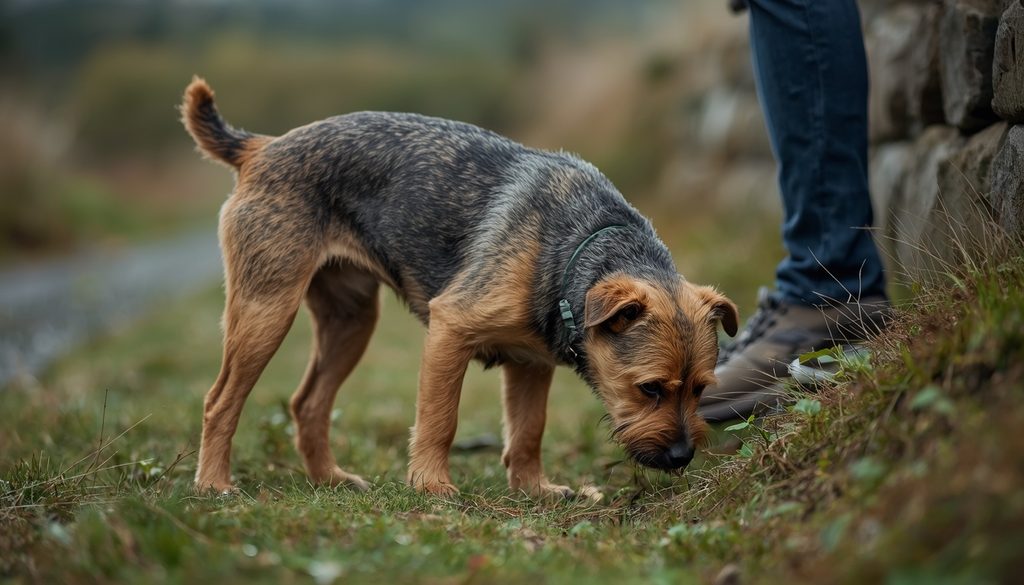
The history of Terriers is closely tied to practical work. Long before most became family companions, these dogs were valued for controlling vermin, protecting food stores, helping on farms and pursuing quarry through difficult terrain. Understanding what were terriers bred for helps explain many of the behaviors still seen across the group today, including digging, chasing, persistence and intense interest in scent and movement.
Many early Terriers were developed to pursue foxes, rats, badgers and other quarry that could hide underground, beneath buildings or among rocks and dense vegetation. This work favored dogs that were compact enough to enter confined spaces yet brave enough to continue when the quarry fought back. Breeders selected for determination, quick reflexes, strong jaws and enough independence to work beyond the handler’s immediate control.
Some of the best-known hunting terrier breeds were developed specifically for fox work. Fox Terriers, Russell Terriers, Lakeland Terriers and Border Terriers were expected to locate or pursue foxes through rough countryside, often working alongside packs of hounds. Their size, stamina and willingness to enter earths made them valuable additions to traditional hunts. These breeds needed enough speed to follow the action above ground while remaining small and agile enough to work below it.
Other Terriers became specialists in ratting and general vermin control. Rat Terriers, Manchester Terriers and several smaller British breeds were prized around farms, stables, warehouses and homes where rodents could damage food supplies and spread disease. Quick reactions and an intense response to sudden movement were valuable working traits, and those instincts remain evident in many modern Terriers when they notice squirrels, rodents or fast-moving toys.
Larger Terriers were sometimes developed for broader roles. The Airedale Terrier, for example, was used for hunting and later adapted to guarding, police and military duties. Irish Terriers also gained reputations as versatile working dogs capable of farm work, guarding and hunting. These larger breeds retained the bold temperament associated with Terriers while offering greater reach, stamina and physical power.
Regional conditions shaped individual breeds as well. Scottish Terriers, Cairn Terriers and West Highland White Terriers were developed to work in rugged Scottish terrain, where rocky ground demanded sturdy dogs able to squeeze through narrow spaces. The Glen of Imaal Terrier emerged in Ireland as a powerful, low-set worker, while the Australian Terrier was developed to cope with demanding farm conditions and vermin in Australia. Similar working needs produced different solutions depending on climate, terrain and available quarry.
Terriers were not necessarily bred for close, continuous obedience. Once a dog disappeared underground or into thick cover, it had to rely on its own judgment. That history helps explain why many modern Terriers can be intelligent and trainable while still appearing independent. They were bred to persist, investigate and make decisions, not simply wait for instructions.
Although few Terriers now perform these traditional jobs regularly, their working ancestry remains important. A dog that digs enthusiastically, chases small animals or becomes intensely focused on movement may be expressing behavior that once had a clear purpose. Recognizing that connection makes it easier to provide suitable outlets through training, scent work, searching games, controlled chasing activities and structured exercise.
Why Terrier Jobs Still Shape Behavior
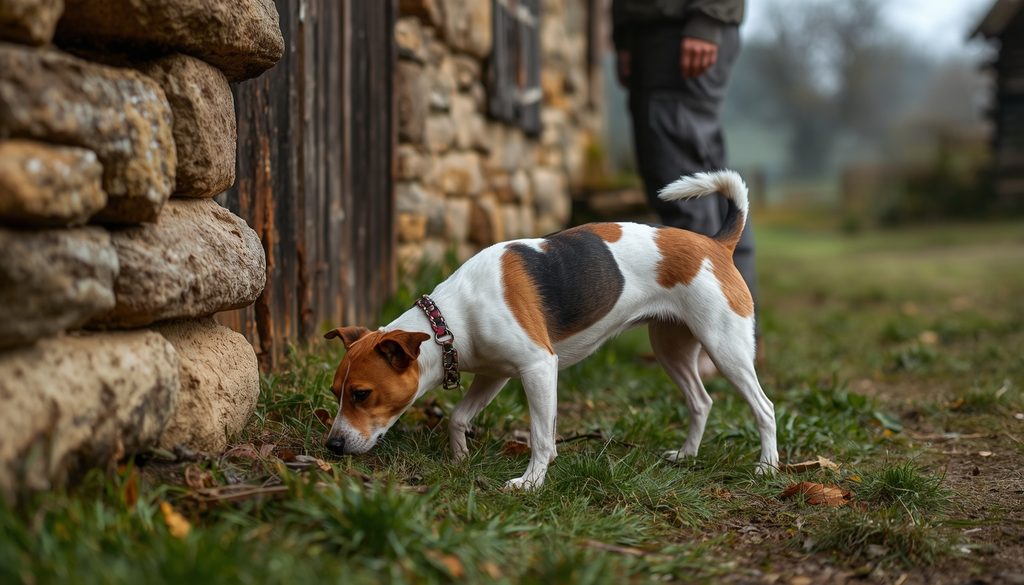
Terrier instincts were developed for practical reasons rather than appearance alone. Digging helped dogs reach underground quarry, persistence kept them working when conditions became difficult, and fast reactions were essential when controlling rats or other vermin. These behaviors can still appear generations later even in dogs that have never hunted. Modern owners can channel them through scent games, digging areas, food-search activities, tug games and other structured outlets that give the dog something purposeful to do.
Terrier Size, Appearance and Physical Characteristics
One of the most striking things about the Terrier Group is how little the dogs resemble one another at first glance. The terrier characteristics shared across the group are often easier to recognize in behavior than in appearance. Terriers can be short-legged or long-legged, lightly built or muscular, smooth-coated or wiry, compact or relatively tall. Their common heritage lies more in working purpose than in a single physical template.
Small Terriers include breeds such as the Norfolk Terrier, Norwich Terrier, Cairn Terrier and West Highland White Terrier. These dogs were often bred to enter tight spaces, move through rough ground and work close to the earth, so compact bodies and sturdy frames were highly practical. Their smaller size also allowed them to work around barns, stone walls and burrows where larger dogs would have been at a disadvantage.
Medium-sized Terriers make up much of the group and show considerable variation in body shape. The Border Terrier is relatively narrow and athletic, the Scottish Terrier is low and substantial, and the Staffordshire Bull Terrier is compact and muscular. Breeds such as the Irish Terrier and Kerry Blue Terrier are taller and more athletic, with enough leg length and stamina for demanding outdoor work.
At the larger end, the Airedale Terrier stands apart as the tallest member of the group. Its longer legs, strong frame and athletic build reflect a broader working history than that of many smaller earth-working Terriers. The American Staffordshire Terrier is also substantially built, with a powerful body and broad head that differ markedly from the finer outline of the Fox Terriers or Manchester Terrier.
People asking what do terrier dogs look like quickly discover that coat type is just as varied as body shape. Smooth-coated breeds such as the Bull Terrier, Rat Terrier and Manchester Terrier have short, close-fitting coats that require relatively little routine grooming. Others, including the Scottish Terrier, Welsh Terrier, Border Terrier and Wire Fox Terrier, carry harsher outer coats designed to offer protection in rough terrain.
The phrase wire haired terrier dogs is often used for breeds with these coarse, weather-resistant coats, although coat texture and grooming requirements still vary from breed to breed. Some traditionally require hand-stripping to preserve the correct texture, while others are commonly clipped in companion homes. The Soft Coated Wheaten Terrier differs again, with a softer, flowing coat, while the Bedlington Terrier has a crisp, curly coat and the American Hairless Terrier has little or no coat at all.
Head shape, ear carriage and overall outline also vary greatly. Bull Terriers are immediately recognizable for their distinctive egg-shaped heads, while Miniature Schnauzers are known for prominent eyebrows and beards. Skye Terriers have long, low bodies and flowing coats, and Dandie Dinmont Terriers combine a long body with a characteristic topknot. These physical differences reflect generations of selective breeding for different terrain, quarry and working roles.
Despite the variety, many Terriers share a purposeful, alert appearance. Their expressions often suggest curiosity and readiness, with bright eyes, confident posture and quick movement. Whether small, medium or large, Terrier structure was generally shaped by function first, helping explain why the group remains one of the most visually diverse in the dog world.
Terrier Shape Often Reflects Original Work
Physical differences between Terriers were rarely accidental. Short legs helped some breeds work underground, longer legs gave others speed and reach, and harsh coats protected dogs moving through brush, rocks and difficult terrain. Even distinctive features such as strong jaws, narrow chests or compact bodies often developed because they were useful in a particular working environment. Looking at a Terrier’s structure can therefore provide useful clues about the job its ancestors were originally expected to perform.

Terrier Temperament and Personality
The terrier temperament is often described as bold, lively and self-assured, but that only captures part of the picture. Terriers were developed to work with persistence and initiative, often in situations where they could not rely on constant direction from a handler. That background helped create dogs that are confident, curious and mentally active, with a strong tendency to investigate whatever is happening around them.
A typical terrier personality often combines affection with independence. Many Terriers form close bonds with their families and enjoy being involved in everyday life, but they are not always naturally compliant. Some will happily follow instructions when the task is interesting, then become noticeably less cooperative when something more exciting appears. This does not necessarily mean the dog is stubborn. In many cases, it reflects a breed history that rewarded independent thinking and persistence.
Common terrier traits include alertness, courage, quick reactions and enthusiasm. These dogs often notice movement, unfamiliar sounds and changes in their surroundings rapidly. Some are naturally vocal, especially when they believe something deserves attention, while others are quieter. Many are also playful well into adulthood, with a mischievous streak that can make them entertaining companions.
Prey drive varies considerably between breeds, but it remains an important part of Terrier behavior. A dog that ignores another household dog may still react instantly to a squirrel, rabbit or rodent. Smaller Terriers in particular may retain very strong chase instincts because controlling vermin was central to their original role. Early management and careful introductions are therefore important in homes with smaller pets.
Sociability also differs widely. Breeds such as the Soft Coated Wheaten Terrier are often known for being outgoing and people-oriented, while others may be more reserved or selective. Staffordshire Bull Terriers are typically strongly people-focused, whereas some traditional working Terriers can be more independent. Individual temperament, early socialization and life experience all influence how a dog behaves around unfamiliar people and other animals.
Energy levels can be equally variable. Some Terriers are constantly looking for activity, while others are more moderate once their exercise needs have been met. What many share is a need for mental engagement. A Terrier that is physically exercised but mentally bored may invent its own entertainment, which can include digging, barking, chewing or trying to escape an insecure yard.
Confidence is another recurring feature. Many Terriers do not seem particularly aware of their own size, and a small dog may approach new situations with the assurance of a much larger breed. That confidence can be appealing, but owners should prevent it from developing into uncontrolled confrontational behavior. Calm socialization and sensible boundaries are especially useful during puppyhood and adolescence.
The terrier dog traits that make these breeds so distinctive are usually most enjoyable when owners understand where they come from. Terriers tend to thrive in homes that appreciate their energy, humor and independence rather than expecting them to behave like highly compliant working breeds. With suitable exercise, consistent training and enough mental stimulation, they can be affectionate, entertaining and deeply loyal companions.
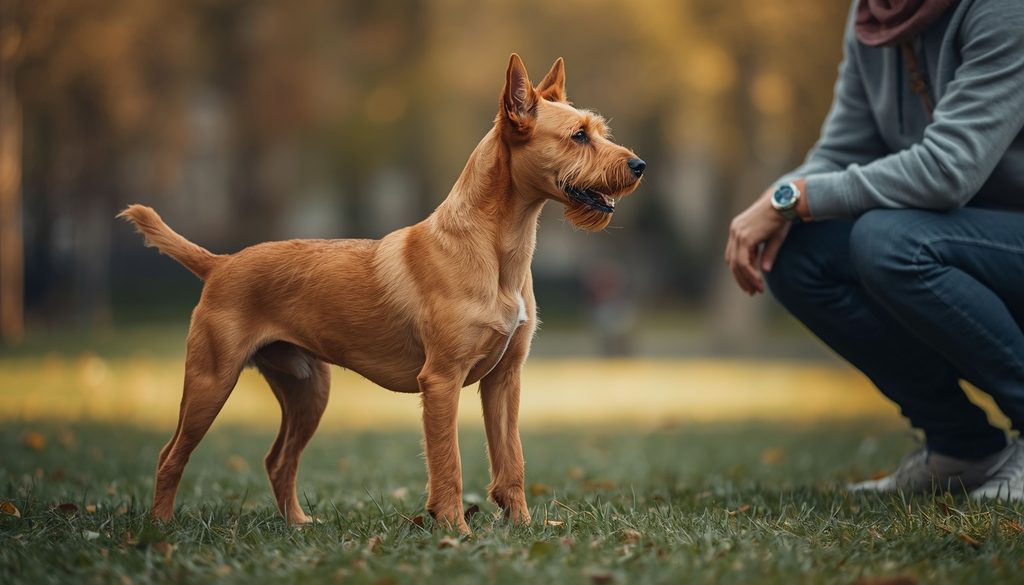
Terriers as Family Dogs
Many people asking are terriers good dogs are really asking whether these lively, independent breeds can fit comfortably into everyday family life. In many cases, they can. Terriers are often affectionate, entertaining and deeply attached to their households, but they usually do best with families that understand their energy, confidence and strong working instincts.
Some Terriers are highly people-oriented and enjoy being at the center of family activity. Staffordshire Bull Terriers, Soft Coated Wheaten Terriers and Miniature Schnauzers, for example, are often happiest when closely involved with their owners. Smaller breeds such as Cairn, Norfolk and Norwich Terriers can also make engaging household companions, particularly when their exercise and mental stimulation needs are met.
Family suitability varies considerably between individual breeds. Some Terriers are naturally outgoing, while others can be more independent or reserved. Airedale Terriers and Irish Terriers may suit active families that enjoy walking, training and outdoor activities, while smaller Terriers can fit well into more compact homes provided they still receive enough exercise and enrichment.
Terriers are often playful and can develop strong bonds with children, but supervision matters. Their enthusiasm, quick reactions and sometimes rough play style can be overwhelming for very young children, especially in stronger or more energetic breeds. Children should also learn to respect the dog’s space, avoid disturbing it while eating or resting, and interact calmly rather than encouraging frantic chasing games.
Prey drive is another consideration. A Terrier may be affectionate with every person in the household yet remain intensely interested in squirrels, rabbits, rodents or other small animals. Families with small pets should therefore research the individual breed carefully rather than assuming all Terriers will behave the same way. Early socialization can help, but instinct cannot always be trained away completely.
Barking and alert behavior can also affect family life. Many Terriers are quick to notice visitors, outdoor movement or unusual sounds. This makes them lively watchdogs, but without clear boundaries some can become unnecessarily vocal. Consistent training from an early age helps teach the difference between useful alerting and constant barking.
Terriers generally benefit from homes where they have something to do. Walks, scent games, short training sessions, tug, food puzzles and supervised outdoor exploration can all help channel their energy. Without enough stimulation, some may turn to digging, chewing, barking or other self-directed entertainment.
Families considering a Terrier should look beyond size and appearance and focus on the individual breed’s activity level, sociability and prey drive. A well-matched Terrier can be affectionate, funny, energetic and intensely loyal. These dogs often bring a great deal of personality into the home, but they are usually happiest with owners who enjoy an active, involved relationship rather than expecting a quiet, low-maintenance companion.
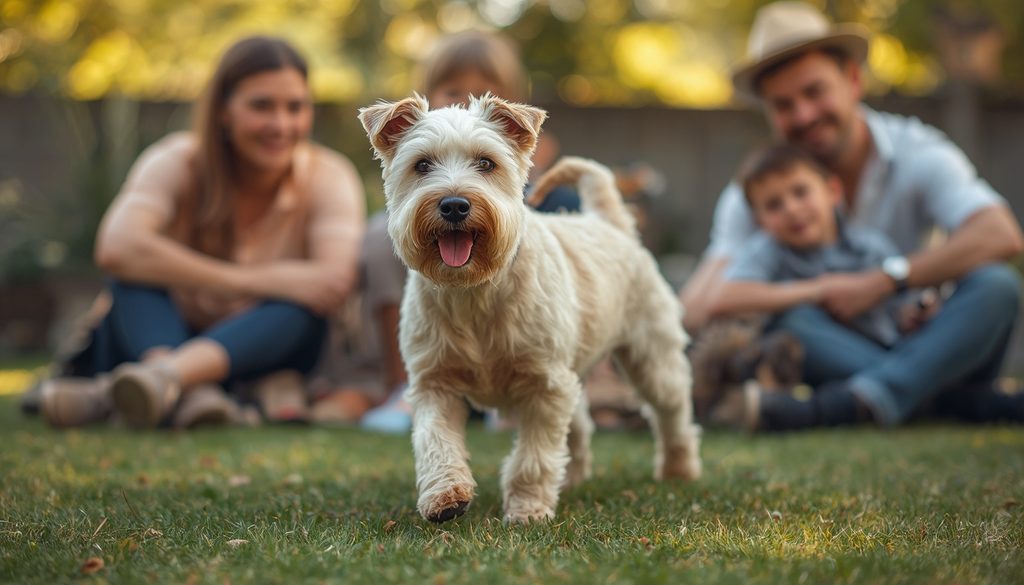
Family Life Works Best With Clear Expectations
Terriers can make excellent family companions, but their size should not be mistaken for low energy or easygoing behavior. Many need more exercise, training and mental stimulation than their compact appearance suggests. Families should also consider prey drive, barking tendencies and how comfortably the breed usually interacts with children and other pets. Matching the dog’s natural temperament with the household’s routine is often more important than simply choosing a Terrier based on appearance.
Exercise and Activity Needs
Terriers are often far more energetic than their size suggests. Many were bred to spend long periods moving across farms, following scent, searching rough ground or pursuing quarry, so regular physical activity remains an important part of keeping them settled and manageable. Exercise requirements vary between breeds, but most Terriers benefit from considerably more than a quick walk around the block.
Larger, athletic breeds such as the Airedale Terrier, Irish Terrier and Kerry Blue Terrier generally need substantial daily activity. Long walks, hiking, structured play and opportunities to explore can all help satisfy their stamina and curiosity. Smaller breeds such as the Cairn Terrier, Border Terrier and Russell Terrier may cover less ground simply because of their size, but they can be every bit as energetic and often retain intense working drive.
The key is to look beyond physical exercise alone. Many Terriers also need activities that engage their brains and natural instincts. Scent games, food searches, hide-and-seek, short training sessions and controlled tug can often tire a Terrier more effectively than simply adding another repetitive walk. These dogs were bred to investigate and solve problems, so mental activity should form part of their daily routine.
Off-leash exercise requires particular care. A Terrier with strong prey drive may appear reliable until a squirrel, rabbit or other fast-moving animal suddenly crosses its path. Once the chase instinct is triggered, even a well-trained dog may become intensely focused. Secure fenced areas and long training lines can provide freedom while reducing the risk of a dog disappearing after wildlife.
Digging can also become part of outdoor activity. Rather than trying to eliminate the behavior completely, some owners find it easier to provide a designated digging area filled with loose soil or sand. Toys or treats can be hidden there occasionally to encourage the dog to use the approved location. This gives the Terrier an appropriate outlet for an instinct that may otherwise be redirected toward flower beds or lawns.
Exercise needs also change with age. Terrier puppies should not be pushed through excessive repetitive exercise while their bodies are still developing. Short walks, play, training and exploration are generally more appropriate than prolonged forced activity. Adult dogs usually tolerate more demanding routines, while seniors may need shorter sessions without losing the mental stimulation they have always enjoyed.
Weather and coat type matter too. Dark-coated or heavily coated Terriers can become uncomfortable during hot weather, while hairless breeds such as the American Hairless Terrier may require protection from strong sun or cold conditions. Exercise schedules should therefore be adjusted according to the individual dog rather than following a rigid daily distance.
A well-exercised Terrier is not necessarily an exhausted Terrier. The goal is to provide enough physical movement and mental engagement for the dog to settle comfortably afterward. When exercise matches the breed’s natural energy and working instincts, Terriers are usually easier to train, less likely to create their own entertainment and better able to relax as part of everyday family life.
Mental Exercise Counts Too
A long walk is useful, but many Terriers also need opportunities to think. Searching for hidden food, following scent trails, learning short tricks and working through puzzle toys can provide the kind of mental challenge these persistent dogs often enjoy. Mixing physical exercise with problem-solving usually works better than relying on distance alone. A Terrier that has had something interesting to investigate and accomplish is often far more ready to settle afterward than one that has simply walked the same route every day.
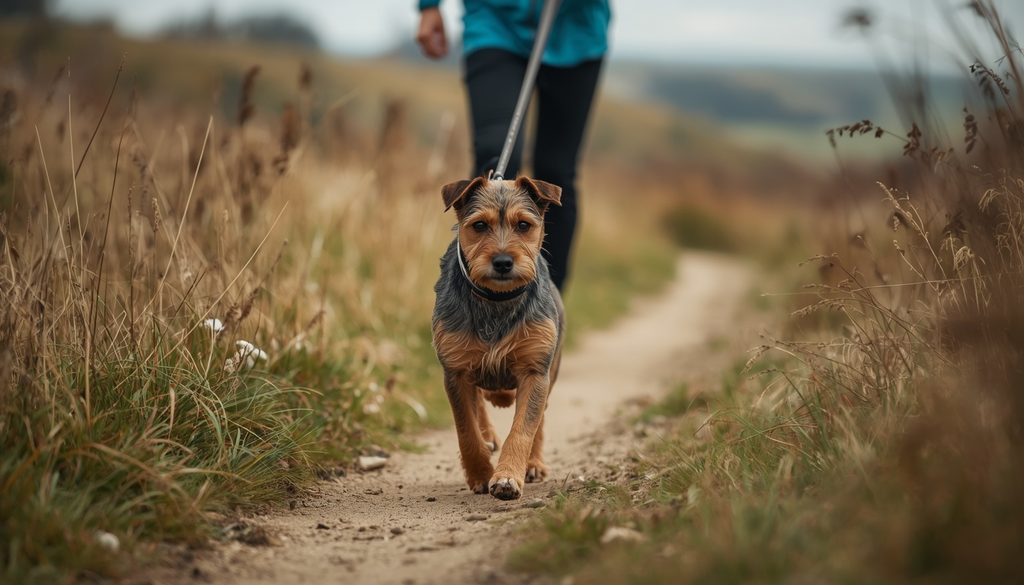
Training a Terrier
Training a Terrier can be extremely rewarding, but these dogs often require a slightly different approach from breeds developed primarily to follow close direction from a handler. Terriers are intelligent and capable learners, yet many were bred to make independent decisions while hunting or controlling vermin. That combination of intelligence and self-reliance means they may understand exactly what is being asked while still deciding whether something else nearby is more interesting.
Positive reinforcement generally works particularly well. Food rewards, toys, praise and access to enjoyable activities can all help make training worthwhile from the dog’s point of view. Harsh corrections are rarely productive with a confident Terrier and can create frustration or conflict without improving reliability. Clear expectations and consistent boundaries are more effective than trying to overpower an independent dog.
Short, varied sessions are usually preferable to long periods of repetitive practice. Many Terriers learn quickly but become bored when asked to repeat the same exercise again and again. Five minutes of focused recall, leash work or impulse-control practice can be more useful than a lengthy session during which the dog gradually loses interest. Ending while the Terrier is still engaged also helps maintain enthusiasm for the next session.
Recall deserves particular attention. Strong prey drive can make even a well-trained Terrier suddenly interested in a rabbit, squirrel or other fast-moving animal. Recall should therefore be practiced gradually in increasingly distracting environments, initially using a long training line where necessary. Owners should avoid assuming that reliable recall in the backyard automatically means the dog can safely be trusted around wildlife.
Leash manners can present another challenge. A curious Terrier may want to investigate every scent, hedge, hole and moving object encountered during a walk. Rewarding the dog for checking back with the handler and walking on a loose lead can gradually create better habits without eliminating the opportunity to explore. Allowing structured sniffing time can actually make walks more satisfying and reduce constant pulling toward every interesting scent.
Impulse-control exercises are particularly useful. Waiting briefly at doors, settling on a mat, leaving food when asked and pausing before chasing a toy can all teach a Terrier that self-control leads to rewarding outcomes. These simple everyday exercises are often more practical than formal obedience alone because they directly improve behavior around the home.
Terriers also respond well when training incorporates activities that resemble work. Searching for hidden treats, scent games, retrieving toys, controlled tug and simple problem-solving tasks can turn learning into something meaningful. Some breeds may also enjoy organized dog sports such as agility, scent work, rally or earthdog-style activities where appropriate.
Socialization should begin early and continue beyond puppyhood. Terriers can be confident dogs, but confidence does not automatically mean they will be comfortable with every unfamiliar person, dog or environment. Calm exposure to different situations helps teach appropriate responses without overwhelming the dog.
Successful Terrier training is less about demanding unquestioning obedience and more about building cooperation. Owners who make themselves relevant, rewarding and consistent usually achieve far more than those who rely on repetition or confrontation. A Terrier may always retain some independent judgment, but with thoughtful training that independence can become one of the breed group’s most enjoyable qualities rather than a daily source of frustration.
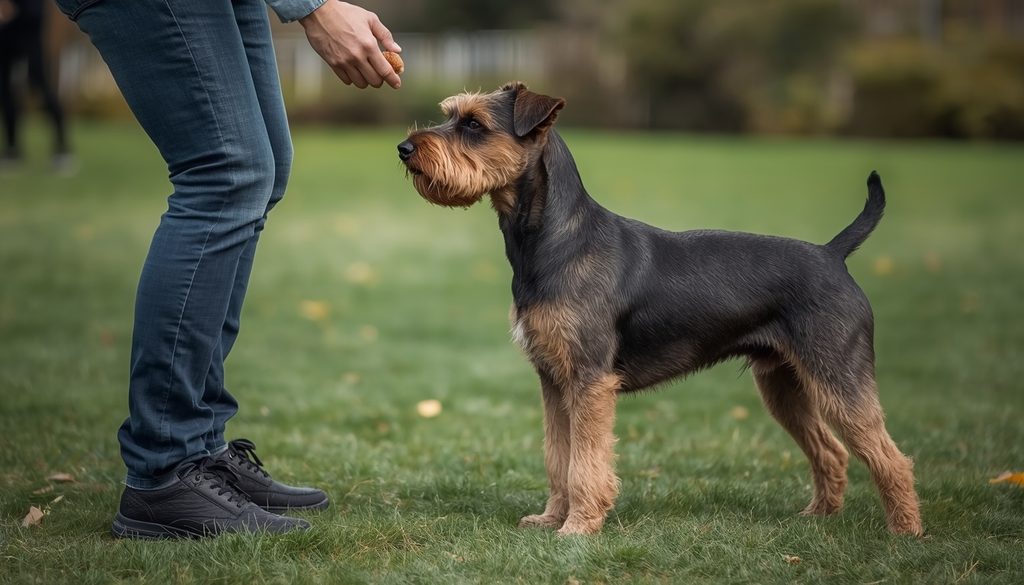
Make Training Worth the Terrier’s Attention
Terriers often learn quickly, but they also notice everything happening around them. Training is usually most successful when rewards genuinely matter to the individual dog and sessions remain short enough to hold its attention. Mixing obedience with scent work, toys, searching and controlled play can make learning feel purposeful rather than repetitive. Consistency remains important, but owners generally achieve better results by creating cooperation than by trying to suppress the independence Terriers were bred to possess.
Barking, Digging and Independent Behavior
Terriers were bred to notice movement, investigate unfamiliar sounds and pursue quarry into places where people could not easily follow. Those instincts can make them wonderfully alert companions, but they can also produce behaviors such as barking, digging, chasing and independent decision-making. None of these behaviors is inevitable in every Terrier, yet they occur often enough across the group that prospective owners should understand what they may be managing.
Barking varies considerably between breeds. Some Terriers are naturally more vocal and quick to announce visitors, wildlife or unusual activity outside the home, while others are relatively restrained. Smaller breeds in particular may develop persistent alert barking if every sound at a window or fence is allowed to become an event. Teaching a calm response early is usually easier than trying to reverse a well-established barking habit later.
Owners can help by rewarding quiet behavior rather than repeatedly shouting over the dog. Closing visual access to busy sidewalks, using background sound and giving the Terrier something constructive to do can also reduce unnecessary alerting. Barking is often most difficult when boredom, frustration or excess energy are part of the problem, so adequate exercise and mental stimulation remain important.
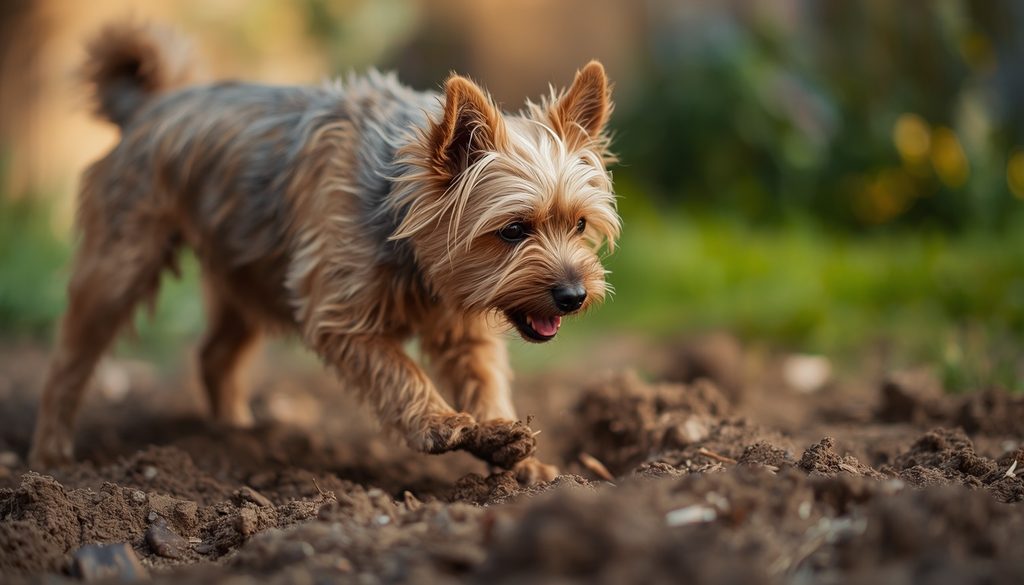
Digging is another deeply rooted Terrier behavior. Many breeds were developed specifically to follow quarry underground or work around burrows, rocks and farm structures. A Terrier enthusiastically excavating beneath a shrub may therefore be displaying an instinct that was deliberately encouraged for generations. Completely eliminating that urge can be difficult, particularly in breeds with strong earth-working backgrounds.
Providing an approved digging area can be an effective compromise. A section of loose soil or a sandbox can be made more interesting by occasionally hiding toys or treats beneath the surface. The dog can then be redirected there whenever it begins excavating somewhere unsuitable. Secure fencing remains essential because a determined Terrier may also dig along boundaries if it discovers an interesting scent on the other side.
Independence is often misunderstood as disobedience. Many Terriers were expected to continue working once they were out of sight of their handlers, so the ability to make decisions independently was valuable. Modern dogs may still display that quality by becoming intensely focused on a scent, refusing to abandon an interesting investigation or appearing to weigh up whether responding to a cue is worthwhile.
This is one reason management matters just as much as training. Reliable fencing, long lines in distracting environments and carefully practiced recall provide protection when instinct temporarily becomes stronger than obedience. Owners should avoid repeatedly giving commands they cannot enforce, because a Terrier can quickly learn that some cues are optional.
The goal is not to remove the qualities that make Terriers distinctive. Alertness, persistence and independence are part of their appeal. Successful ownership usually comes from channeling those traits rather than fighting them. A Terrier given clear boundaries, rewarding training and appropriate outlets for digging, searching and exploring is far more likely to become an entertaining companion than a constant source of frustration.
Coats, Grooming, Shedding and Allergies
Terrier coats vary almost as much as Terrier body types. Some breeds have short, smooth coats that need little more than occasional brushing, while others have dense wire coats, soft flowing hair, curly coats or almost no coat at all. Because of that variation, grooming requirements across the Terrier Group range from very simple to quite demanding.
Smooth-coated Terriers such as the Bull Terrier, American Staffordshire Terrier and Rat Terrier are generally straightforward to maintain. Their short coats usually need only regular brushing to remove loose hair and keep the skin and coat in good condition. These breeds still shed, even if the loose hair is less obvious than it is on longer-coated dogs.
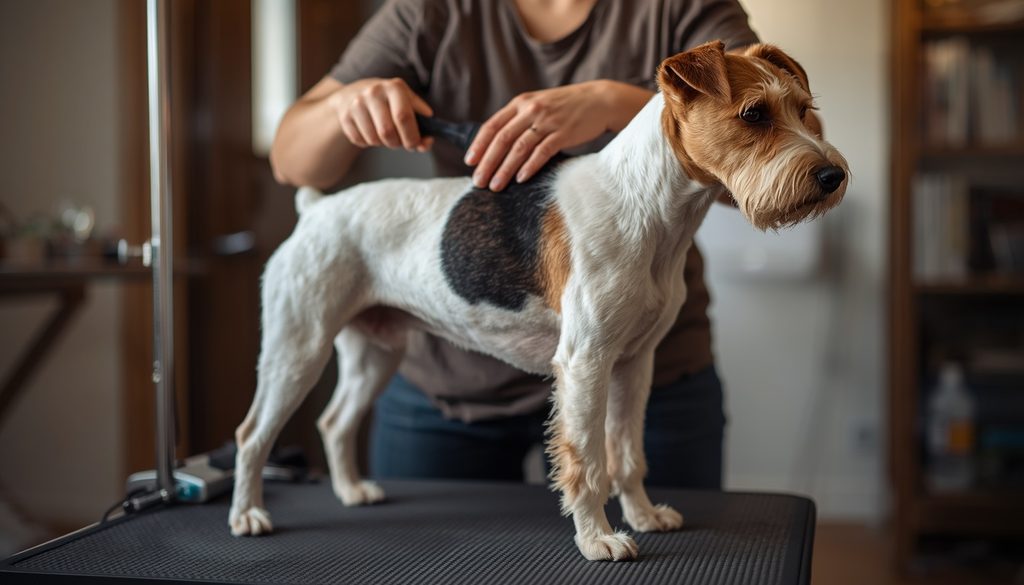
Wire-coated Terriers require more specialized care. Breeds such as the Wire Fox Terrier, Welsh Terrier, Border Terrier and Scottish Terrier have harsh outer coats traditionally maintained by hand-stripping. This removes dead coat while preserving the characteristic texture and color. Many companion dogs are clipped instead because it is quicker and easier, although repeated clipping can gradually soften the coat and change its appearance.
Some breeds need considerably more routine grooming. The Soft Coated Wheaten Terrier has a soft, silky coat that can mat if it is not brushed and combed regularly. The Bedlington Terrier also requires consistent coat maintenance and periodic trimming to preserve its distinctive outline. Kerry Blue Terriers need regular brushing and professional grooming, while the long-coated Skye Terrier benefits from frequent attention to prevent tangles and debris from accumulating.
The American Hairless Terrier sits at the opposite end of the spectrum. With little or no hair to brush, coat maintenance is minimal, but skin care becomes more important. Hairless dogs may need protection from strong sunlight, cold temperatures and skin irritation, so reduced grooming does not necessarily mean no maintenance.
Shedding also varies widely. Some Terriers shed moderately throughout the year, while wire-coated and continuously growing coats may release relatively little loose hair around the home when properly maintained. Lower shedding can be attractive to owners who dislike dog hair on furniture and clothing, but it does not mean a breed is completely maintenance-free.
Claims that particular Terriers are hypoallergenic should also be treated carefully. Allergic reactions are generally triggered by proteins found in dander, saliva and other secretions rather than hair alone. A dog that sheds less may distribute fewer allergens around a home, but no Terrier breed can be guaranteed not to trigger an allergic reaction. People with significant dog allergies should spend time around the individual breed, and ideally individual dogs, before making a decision.
Routine grooming also provides an opportunity to check the dog’s overall condition. Ears, paws, nails, teeth and skin can all be inspected regularly, which makes it easier to notice irritation, lumps, parasites or other changes early. Terriers that spend time digging, exploring rough vegetation or moving through scrub may need especially careful paw and coat checks after outdoor activity.
The best grooming routine depends heavily on coat type rather than the Terrier label itself. A short-coated Bull Terrier and a hand-stripped Wire Fox Terrier may belong to the same group, but their maintenance needs are very different. Owners who understand the coat before choosing a breed are less likely to be surprised by the amount of brushing, trimming or professional grooming required.
Terrier Coats Need Different Kinds of Care
Grooming requirements can vary dramatically between Terrier breeds. Smooth coats may need only occasional brushing, while wire coats often benefit from hand-stripping or regular professional trimming. Softer coats such as those of the Wheaten and Kerry Blue need more frequent brushing to prevent tangles and matting. Before choosing a Terrier, it is worth considering not only how much the dog sheds, but also how much time and professional grooming its coat may require.
Choosing the Right Terrier Breed
Choosing between the many types of terrier dogs means looking beyond appearance and thinking carefully about how the breed’s natural behavior will fit everyday life. Terriers share a common working heritage, but the differences between individual breeds can be substantial. Size, exercise needs, prey drive, grooming, sociability and independence all vary enough that one Terrier may suit a household extremely well while another could be a poor match.
Start with activity level. Some Terriers are intensely energetic and need substantial daily exercise, training and mental stimulation, while others are more moderate once their basic needs are met. Russell Terriers, Parson Russell Terriers and Irish Terriers often suit active owners who enjoy regular outdoor activity, while breeds such as the Cesky Terrier may be somewhat easier to accommodate in a quieter routine. Small size should never be assumed to mean low energy.
Prey drive is another major consideration. Many Terriers were developed specifically to pursue vermin or other quarry, and some retain very strong instincts around small animals. Homes with rabbits, rodents, poultry or other small pets may therefore need to be especially cautious. Even within a single breed, individuals can vary, but owners should choose with the breed’s original purpose in mind rather than relying on training alone to override instinct.
Coat care can also make a significant difference to day-to-day ownership. Smooth-coated breeds generally require relatively simple maintenance, while wire-coated Terriers may need clipping or hand-stripping. Soft Coated Wheaten Terriers, Kerry Blue Terriers and Bedlington Terriers require more regular brushing and professional grooming. Owners who prefer minimal coat maintenance may therefore be happier with a short-coated breed.
Temperament matters just as much as size or grooming. Some Terriers are highly sociable and eager to be involved with family life, while others are more independent or reserved. Certain breeds tend to be easier for first-time owners, while others may suit people who already have experience managing strong prey drive, assertiveness or a highly independent personality.
Household environment should also be considered. Apartment living can work with some Terriers if exercise and barking are managed well, but highly vocal or very energetic breeds may be harder to accommodate in close quarters. Secure fencing is especially important for dogs inclined to dig, chase or follow scent. Families with children should also consider the breed’s play style, tolerance and physical strength rather than assuming all small Terriers are automatically suitable.
The kinds of terriers available today range from compact companions to powerful, athletic working dogs, so there is no single “typical” Terrier household. A good match depends on how much exercise, training, grooming and supervision an owner is realistically prepared to provide.
The most suitable Terrier is usually the one whose natural instincts align most closely with the household’s routine. Choosing based on temperament, energy and working background rather than looks alone gives both dog and owner a much better chance of enjoying life together.
Match the Terrier to Your Lifestyle
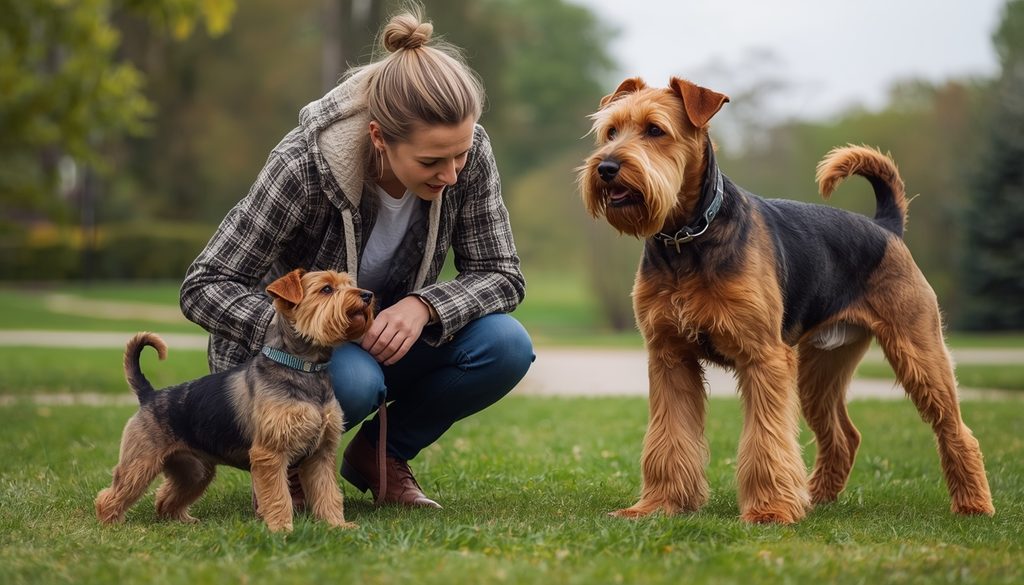
Terrier size can be useful when narrowing your options, but temperament and working drive usually matter more. Consider how much daily exercise, grooming, training and mental stimulation you genuinely want to provide, as well as whether your household includes children or smaller pets. A Terrier whose natural behavior fits your routine is generally far easier to live with than one chosen primarily for appearance.
Final Thoughts
Terriers are one of the most varied and characterful groups in the dog world. From the tiny Norfolk Terrier to the much larger Airedale, these breeds differ enormously in size, appearance, coat and working style, yet many retain the confidence, persistence and curiosity that developed through generations of practical work.
Some of the popular terrier breeds, including the Staffordshire Bull Terrier, Miniature Schnauzer, West Highland White Terrier and Bull Terrier, are widely recognized as family companions. Others are encountered far less often. Rare terrier breeds such as the Dandie Dinmont Terrier, Cesky Terrier and Glen of Imaal Terrier preserve distinctive histories and physical characteristics that add considerably to the diversity of the group.
That variety is why choosing a terrier dog breed should never be based on appearance alone. A compact Terrier may have substantial exercise needs and strong prey drive, while a larger breed may be calmer around the home once properly exercised. Grooming can range from occasional brushing to regular professional trimming or hand-stripping, and personalities can vary from highly sociable and playful to more independent and reserved.
There is no single type of terrier dogs that represents the whole group. Some were specialists in underground quarry, others controlled rodents around farms and buildings, and larger Terriers sometimes performed broader hunting, guarding or service roles. Those different histories continue to influence behavior today, particularly when it comes to chasing, digging, alertness and independent decision-making.
Among the many type of terrier dogs found across the group, no single breed represents the whole Terrier tradition. Some were specialists in underground quarry, others controlled rodents around farms and buildings, and larger Terriers sometimes performed broader hunting, guarding or service roles. Those different histories continue to influence behavior today, particularly when it comes to chasing, digging, alertness and independent decision-making.
For the right owner, a Terrier can be an enormously rewarding companion. Their intelligence, humor and confidence give them a presence that often seems much larger than their physical size. They tend to do particularly well with people who appreciate an active dog, enjoy training and are prepared to provide constructive outlets for natural instincts rather than trying to eliminate them completely.
With thoughtful breed selection, consistent boundaries, regular exercise and plenty of opportunities to investigate the world, Terriers can adapt exceptionally well to modern family life. They may not always choose the easiest route or the most obedient response, but that independence is part of what has made the Terrier Group distinctive for generations.

Explore More Dog Breeds
Want to compare Terriers with other breed groups? Visit our Dog Breeds hub to explore Sporting, Working, Hound, Herding, Toy, Non-Sporting and other recognized breed groups, along with detailed individual breed guides covering temperament, exercise, grooming, health and everyday ownership.
Learn More About the Terrier Group
For official breed standards, recognized Terrier breeds and further information about the group, visit the American Kennel Club Terrier Group. The AKC provides breed histories, standards and recognition information for the Terrier breeds currently included in the group.