

West Highland White Terrier
The West Highland White Terrier is a small, confident, and charming Scottish dog with a lively personality, distinctive white coat, and unmistakable terrier determination. Affectionately known as the Westie, this spirited breed combines intelligence, courage, and an engaging sense of humor with a remarkably independent nature. Originally developed to hunt vermin across the rugged Scottish Highlands, the West Highland White Terrier retains its natural curiosity, alertness, and enthusiasm for adventure. With its bright dark eyes, pointed ears, compact muscular body, and affectionate personality, the Westie makes a wonderful companion for owners who appreciate an energetic little dog with plenty of character.

Despite its compact size, the West Highland White Terrier is a surprisingly sturdy and athletic dog. Its strong legs, muscular body, and confident carriage reflect generations of practical work in Scotland’s challenging countryside. Originally valued for pursuing rodents and other small quarry, the breed developed considerable persistence and an instinctive fascination with unfamiliar scents and movement. These characteristics remain evident in modern Westies, which often approach walks, games, and everyday household activities with remarkable enthusiasm. Although their small dimensions make them relatively easy to accommodate, they should never be mistaken for delicate or inactive lapdogs.
One of the breed’s greatest attractions is its engaging personality. West Highland White Terriers are typically cheerful, curious, affectionate, and remarkably self-assured, often displaying an entertaining combination of independence and devotion to their families. Many enjoy being involved in household routines, enthusiastically greeting visitors, investigating new surroundings, and participating in interactive games. However, their intelligence and natural determination can occasionally produce stubborn behavior, persistent barking, or an irresistible desire to investigate something their owners would prefer they ignored. Patient training, consistent expectations, and appropriate mental stimulation help channel these instincts into more manageable habits.
The West Highland White Terrier’s appearance is equally distinctive. Its compact, well-balanced body, dark expressive eyes, small upright ears, and bright white coat create a striking silhouette that is instantly recognizable. Beneath the carefully maintained exterior lies a protective double coat, consisting of a harsh outer layer and a softer undercoat. Although West Highland White Terriers generally produce relatively little visible household hair, maintaining their appearance requires regular brushing and professional grooming. Owners should understand the differences between traditional hand-stripping and clipping, particularly because these techniques can affect the coat’s texture and long-term appearance.
Exercise is another important consideration. While West Highland White Terriers do not require the extensive physical activity associated with larger working breeds, they remain energetic terriers that benefit from daily walks, engaging games, and opportunities to explore. Their natural curiosity makes scent-based activities particularly rewarding, while their intelligence allows them to enjoy learning tricks and participating in suitable canine sports. Secure outdoor environments are especially important because a West Highland White Terrier may become intensely interested in pursuing wildlife or investigating an unfamiliar opening. Regular exercise should be balanced with opportunities to rest and develop calm household behavior.
Within family life, the West Highland White Terrier can be an affectionate and entertaining companion, particularly when children understand how to interact respectfully with dogs. Its playful nature may suit active households, although adult supervision remains essential around younger children. Relationships with other dogs and household pets depend on individual temperament, early social experiences, and appropriate introductions. Some Westies coexist happily with other animals, while others retain a strong desire to chase smaller creatures. Understanding these differences helps families create safe, comfortable arrangements rather than assuming that every small terrier will behave like a naturally easygoing companion breed.
Health and long-term care also deserve careful attention. Although many West Highland White Terriers enjoy healthy, active lives, the breed has recognized vulnerabilities, including skin allergies, certain orthopedic conditions, and inherited disorders. Its distinctive white coat can sometimes conceal skin irritation, making regular grooming and careful observation particularly valuable. Responsible breeders use appropriate health screening to reduce avoidable risks, while owners should maintain preventive veterinary care, suitable nutrition, healthy body condition, and regular dental hygiene. Understanding the breed’s potential medical needs is an important part of planning for a long and rewarding relationship.
For prospective owners, choosing a West Highland White Terrier involves looking beyond its appealing appearance and considering whether its personality genuinely suits their lifestyle. This is a small dog with substantial character, capable of providing tremendous affection, humor, and companionship while retaining the independence of a traditional working terrier. Families willing to invest in consistent training, regular grooming, appropriate exercise, and meaningful interaction may find the West Highland White Terrier an exceptionally rewarding addition to their home. Understanding its history, temperament, care requirements, and health considerations provides the foundation for a happy partnership with one of Scotland’s most recognizable and engaging little dogs.

Table of Contents
West Highland White Terrier Fast Facts
Breed Group: Terrier
Origin: Scotland, United Kingdom
Height: 11 inches (males); 10 inches (females)
Weight: 15–20 pounds
Life Expectancy: 13–15 years
Size: Small
Coat: White, harsh outer coat with a soft undercoat
Coat Care: Regular brushing and periodic hand-stripping or clipping
Shedding: Low to moderate
Exercise Needs: Moderate to high; daily walks, play, and mental stimulation
Temperament: Confident, cheerful, alert, affectionate, and independent
Primary Role: Vermin control, hunting, and companionship
West Highland White Terrier Star Ratings
Apartment Friendly: ★★★★☆
Family Friendly: ★★★★☆
Good With Children: ★★★★☆
Good With Other Dogs: ★★★☆☆
First-Time Owner Friendly: ★★★☆☆
Easy Grooming: ★★☆☆☆
Affectionate: ★★★★☆
Easy to Train: ★★★☆☆
Low Shedding: ★★★★☆
Adaptable: ★★★★☆
High Exercise Needs: ★★★★☆
Tolerates Being Alone: ★★☆☆☆
West Highland White Terrier History and Origins
The West Highland White Terrier has a fascinating history rooted in the rugged landscapes of western Scotland, where small, courageous working dogs were essential companions to farmers, landowners, and hunters. Long before the West Highland White Terrier became famous for its bright white coat and engaging personality, its ancestors were valued for their ability to pursue vermin through rocky ground, dense vegetation, and underground passages. These demanding working conditions shaped a compact, muscular terrier with considerable determination, quick reactions, and an independent nature. Although the modern West Highland White Terrier is best known as a companion and show dog, its distinctive appearance and spirited character remain closely connected to the practical requirements of its Scottish origins.
The breed belongs to a wider family of traditional Scottish terriers that developed over several centuries. Early working terriers were not divided into the precisely defined breeds recognized today. Instead, dogs were generally selected for their hunting ability, resilience, size, and suitability for particular landscapes. The ancestors of the West Highland White Terrier shared important characteristics with the dogs that eventually became the Cairn Terrier and Scottish Terrier. These early populations were closely related, and differences in coat color, body proportions, and appearance became more clearly established only as selective breeding developed.
Western Scotland provided particularly challenging conditions for small hunting dogs. The countryside featured rocky hillsides, heather-covered moorland, stone walls, and difficult underground terrain where foxes and other animals could find shelter. Farmers also needed effective protection against rats and other vermin around agricultural buildings and stored supplies. A useful terrier had to be small enough to investigate restricted spaces while possessing the strength, agility, and determination required to work confidently in difficult surroundings. These practical demands contributed directly to the Westie’s sturdy construction, powerful jaws, relatively short legs, and remarkable willingness to investigate unfamiliar scents.
The development of the modern West Highland White Terrier breed is especially associated with the Malcolm family of Poltalloch, an estate in Argyllshire, Scotland. The family maintained working terriers over several generations, selecting dogs capable of performing effectively in the demanding local landscape. Colonel Edward Donald Malcolm, who became particularly influential during the nineteenth century, is widely credited with helping establish the distinctive white strain that eventually developed into the modern West Highland White Terrier. However, the breed did not emerge from the efforts of one individual alone. Other Scottish breeders also maintained light-colored working terriers, and their breeding programs contributed to the wider development of the type.
One of the best-known stories in the breed’s history concerns Colonel Malcolm and an unfortunate hunting accident. According to the traditional account, a reddish-colored terrier was mistakenly shot after being confused with a fox or other quarry. The incident supposedly convinced Malcolm that white dogs would be easier to identify against the darker colors of the Scottish countryside. Although this story is frequently repeated in breed histories, its precise details are difficult to verify independently. It is therefore best understood as a traditional explanation rather than an unquestionable historical fact. Nevertheless, the practical advantage of a highly visible white coat is well established in accounts of the breed’s development.
The decision to favor white terriers was particularly significant because darker and earth-colored coats were common among early Scottish working dogs. In some terrier populations, white puppies were historically considered less desirable and were not always retained for breeding. The Malcolm family and other enthusiasts took a different approach, deliberately developing a strain with a consistently white coat while preserving the physical resilience and hunting ability expected of a working terrier. Over successive generations, this combination helped establish the appearance that would become the defining characteristic of the West Highland White Terrier.
The breed’s early development was closely connected to the Cairn Terrier. Both emerged from related Scottish working-terrier populations, and the distinction between them was initially less formal than it is today. As breeders increasingly selected for consistent characteristics, the white-coated dogs gradually developed a more recognizable identity. The modern West Highland White Terrier became associated with a compact body, comparatively short back, strong upright tail carriage, and distinctive white coat. The Cairn Terrier continued to develop as a separate breed with a broader range of accepted coat colors and somewhat different physical characteristics. Although the two breeds retain similarities in temperament and working heritage, they are now independently recognized.
Before the West Highland White Terrier acquired its familiar modern name, several alternative names were used. Dogs associated with the Malcolm family were known as Poltalloch Terriers, reflecting the estate where the white strain was developed. Another important name was Roseneath Terrier, referring to white terriers associated with the Duke of Argyll’s Roseneath estate in Scotland. These regional names reflected different breeding traditions rather than completely unrelated breeds. As organized exhibitions and pedigree registration became more influential, the need for a consistent breed identity became increasingly important.
The late nineteenth and early twentieth centuries marked a major turning point. Dog shows were becoming increasingly popular throughout Britain, creating opportunities for enthusiasts to establish formal breed standards and develop recognizable breeding populations. In 1905, a specialist club was established and a standard adopted for the emerging white terrier breed. The Kennel Club recognized the West Highland White Terrier in 1907, helping establish its official identity and distinguish it from closely related Scottish terriers. That same year, the breed appeared at Crufts, introducing its distinctive appearance to a wider audience of dog enthusiasts.
Recognition in North America followed shortly afterward. The American Kennel Club registered the breed in 1908, initially under the name Roseneath Terrier. The official American name was changed to West Highland White Terrier in May 1909, bringing it into line with the identity established in Britain. The West Highland White Terrier Club of America was subsequently founded in 1910, providing an important organization for enthusiasts dedicated to maintaining the breed’s characteristics, promoting responsible breeding, and supporting its continued development. These milestones helped transform a regional Scottish working terrier into an internationally recognized pedigree breed.
As the twentieth century progressed, the West Highland White Terrier became increasingly popular as a household companion. Its distinctive white coat, cheerful expression, manageable size, and confident personality appealed to people far beyond the hunting community. The breed’s appearance was also well suited to the growing world of organized dog shows, where careful grooming emphasized its characteristic rounded head, erect ears, strong body, and alert expression. Breeders increasingly focused on producing dogs that met established standards while retaining the temperament and physical soundness associated with traditional terrier work.
The West Highland White Terrier also achieved widespread recognition through popular culture and advertising. Its striking white appearance created an especially memorable contrast when pictured alongside darker Scottish Terriers, and the pairing became familiar in certain commercial imagery. The Westie later appeared in advertising campaigns for household products and pet food, helping introduce the breed to audiences who might never have attended a dog show. Although this visibility strengthened its popularity, commercial portrayals often emphasized the breed’s charming appearance rather than the energetic working instincts that remained beneath its carefully maintained coat.
Despite the transition from hunting dog to family companion, many traditional characteristics survived. Modern Westies continue to display a fascination with interesting scents, considerable persistence, alert responses to unfamiliar activity, and an enthusiasm for investigating the world around them. Their instinct to pursue small moving animals reflects the behavior that once made them valuable around farms and rural estates. Likewise, their willingness to dig, explore narrow spaces, and make independent decisions is directly connected to the responsibilities of their working ancestors. Understanding this heritage helps explain why consistent training and secure surroundings remain particularly important.
The West Highland White Terrier’s characteristic body construction also reflects its origins. Its relatively short, strong legs provide stability, while its muscular frame and deep chest support active movement across uneven terrain. The breed’s naturally upright tail is another traditional feature, contributing to its distinctive outline and historical working identity. Its harsh outer coat provides protection against vegetation and weather, while the softer undercoat helps provide insulation. Although the modern show coat is often carefully shaped, the underlying coat structure developed for practical outdoor work rather than purely decorative purposes.
Today, the West Highland White Terrier is recognized internationally as an affectionate, confident, and entertaining companion. It participates in dog shows, obedience activities, scent work, and other pursuits that allow its intelligence and enthusiasm to flourish. While most Westies no longer perform the hunting work for which their ancestors were developed, they remain unmistakably terriers in temperament and behavior. Their independence, courage, and eagerness to explore are enduring reminders of the demanding Scottish environment that shaped the breed.
Ultimately, the history of the West Highland White Terrier illustrates how practical working ability, regional breeding traditions, and deliberate selection can combine to create a distinctive modern breed. From the rocky hillsides of Argyllshire to family homes throughout the world, the West Highland White Terrier has retained much of the confidence, resilience, and determination that made its ancestors valuable hunting companions. Its bright white coat may be the feature that first attracts attention, but the remarkable working heritage behind that appearance provides a deeper understanding of this spirited and much-loved Scottish terrier.
Why the West Highland White Terrier’s White Coat Became So Important
The West Highland White Terrier’s distinctive coat was developed for practical reasons rather than appearance alone. Early Scottish working terriers frequently had darker coats that blended into heather, rocks, and surrounding vegetation. White terriers were easier for hunters to identify, particularly when dogs emerged from cover during the pursuit of foxes and other quarry. Colonel Edward Donald Malcolm of Poltalloch is closely associated with establishing a reliably white strain, although other Scottish breeders contributed to the breed’s development. The familiar story of a terrier accidentally mistaken for quarry remains part of Westie folklore, but its exact details are uncertain. Today, the white coat remains the breed’s defining visual characteristic.

West Highland White Terrier Appearance and Size
The West Highland White Terrier is one of the most instantly recognizable small dog breeds, combining a distinctive white coat, compact muscular construction, expressive dark eyes, and an unmistakably confident appearance. Although its carefully groomed head and charming expression may suggest a delicate companion dog, the Westie is a sturdy working terrier developed for demanding conditions in the Scottish Highlands. Its physical characteristics reflect generations of practical hunting work, requiring strength, balance, agility, and the ability to move through rocky terrain. Beneath its attractive coat lies a remarkably substantial little dog whose proportions should emphasize sound construction rather than exaggerated cuteness.
The typical West Highland White Terrier size is approximately 11 inches at the shoulder for males and 10 inches for females, according to the American Kennel Club breed standard. Adult weight generally falls between 15 and 20 pounds, although healthy individuals can vary slightly depending on their sex, frame, and muscle development. These measurements place the West Highland White Terrier firmly within the small-breed category, but its substantial bone structure and confident carriage often make it appear more robust than similarly sized companion dogs. Height is measured at the withers, the highest point of the shoulders, rather than at the top of the head or ears.
A well-proportioned Westie should appear compact, strong, and balanced, with a body that is slightly shorter from the withers to the base of the tail than its height at the shoulder. The back is short and level, while the chest is deep enough to accommodate well-developed lungs and a strong heart. The ribs extend well backward, providing substance without creating an excessively broad or heavy appearance. This short-coupled construction contributes to the breed’s characteristic sturdy outline. A Westie should never look excessively elongated, disproportionately low to the ground, or so lightly built that it appears fragile.
The legs are relatively short but strong, with substantial bone and well-developed muscles. Straight forelegs support the body, while powerful hindquarters provide the drive necessary for running, climbing, and navigating uneven ground. The feet are compact, rounded, and well padded, helping the dog maintain stability on different surfaces. Its movement should appear free, purposeful, and surprisingly energetic for such a small animal. When viewed from the side, a healthy West Highland White Terrier moves with comfortable reach and propulsion rather than exaggerated stepping or stiffness. These physical qualities remain important even in dogs kept exclusively as household companions.
The Westie’s head contributes enormously to its recognizable expression. The skull is relatively broad and slightly domed, while the muzzle is strong and somewhat shorter than that of several other terrier breeds. The head should remain proportionate to the body rather than appearing oversized or artificially spherical. Careful grooming creates the familiar rounded outline, with longer facial furnishings framing the eyes and muzzle. However, the underlying skull structure should not be confused with the shape created by the hair. Excessively elaborate trimming can sometimes make a perfectly normal Westie appear much more heavily headed than it actually is.
The eyes are dark, moderately sized, and almond-shaped, creating the alert, intelligent expression associated with the breed. Dark pigmentation around the eye rims enhances their appearance against the surrounding white coat. The nose should be black and relatively prominent, providing another characteristic contrast. Small, pointed ears stand naturally erect, with their tips directed upward rather than folding forward like those of many other terriers. Their placement and movement help communicate curiosity and attention. A West Highland White Terrier listening to an unfamiliar sound may appear particularly expressive as its ears shift subtly and its head tilts toward the source.
The West Highland White Terrier tail is another defining feature. Traditionally described as carrot-shaped, it is relatively short, strong at the base, and tapered toward the tip. The tail is carried confidently upright without curling over the back, contributing to the breed’s alert appearance. Its natural carriage is closely associated with the Westie’s working heritage and characteristic self-assurance. A healthy tail should be proportionate to the dog’s body rather than appearing excessively long, thin, or heavily feathered. The breed is traditionally presented with a natural, undocked tail, which forms an important part of its recognizable silhouette.
Perhaps the most striking characteristic is the West Highland White Terrier’s brilliant white double coat. The outer layer consists of harsh, straight, weather-resistant hair that provides protection against rough vegetation and challenging weather. Beneath it lies a shorter, softer undercoat that contributes insulation. A correctly maintained coat should feel relatively firm rather than silky, woolly, or excessively fluffy. The traditional breed presentation keeps the body coat neatly shaped while preserving the characteristic fuller furnishings around the head, chest, and legs. This creates an attractive outline without concealing the sturdy working construction underneath.
The distinction between natural coat structure and grooming style is especially important. A professionally hand-stripped Westie often displays a crisp, clearly defined silhouette, while a clipped companion dog may develop a softer coat with a more rounded overall appearance. Neither grooming method changes the dog’s underlying anatomy, although longer furnishings can make the body appear broader or the legs shorter. Owners comparing photographs should therefore recognize that two healthy West Highland White Terriers may look surprisingly different simply because of their grooming routines. Maintaining a comfortable, manageable coat is more important for everyday welfare than achieving an elaborate exhibition finish.
Coat color is another area where prospective owners occasionally encounter misleading descriptions. A search for a black West Highland White Terrier may produce photographs of other terrier breeds, incorrectly labeled dogs, or misleading advertisements. However, the recognized West Highland White Terrier is white, and black is not an accepted alternative coat color. The breed’s dark nose, eye rims, and other pigmentation create attractive contrast without changing the white appearance of its coat. Some individuals may show slight wheaten tipping in their harsh outer hairs, which should not be confused with a genuinely colored coat. Dark-coated Scottish Terriers and certain Cairn Terriers are separate breeds.
Similarly, there is no officially recognized teacup or miniature variety of the West Highland White Terrier. Although individual dogs may be somewhat smaller than average, unusually tiny Westies should not automatically be regarded as belonging to a special variety. Advertisements emphasizing extreme miniaturization can distract from more important considerations, including sound skeletal development, appropriate body condition, and responsible breeding. Deliberately selecting dogs for exceptionally small size may introduce unnecessary health and welfare concerns. Prospective owners should focus on healthy, well-proportioned individuals rather than unconventional marketing descriptions that lack recognition within established breed standards.
A West Highland White Terrier full grown generally possesses a noticeably more substantial and muscular appearance than a young puppy. West Highland White Terrier puppies begin life with softer coats, shorter facial furnishings, and comparatively rounded juvenile proportions. Their ears may take time to develop their characteristic upright carriage, while their bodies gradually acquire stronger muscle definition and a more balanced outline. Many approach their adult height during their first year, although physical maturity and muscle development can continue beyond that point. Growth rates vary, making regular veterinary monitoring more useful than expecting every puppy to reach particular measurements at exactly the same age.
Weight management is particularly important because the dense white coat can conceal changes in body condition. A Westie that appears pleasantly rounded may actually be carrying excess fat, particularly around the ribs and waist. Owners should assess body condition by gently feeling the rib cage and observing the dog’s outline when the coat is appropriately maintained. Excess weight can place unnecessary strain on the joints and reduce mobility, while insufficient muscle condition may affect stamina and physical resilience. Maintaining appropriate nutrition and regular exercise helps preserve the compact, athletic construction that distinguishes the breed from more sedentary small companion dogs.
The West Highland White Terrier is also occasionally confused with other small white breeds, particularly when grooming styles create similar facial outlines. The Maltese has a substantially different silky coat and finer construction, while the Bichon Frise possesses a softer, curlier coat and different body proportions. The West Highland White Terrier should retain the unmistakable appearance of a sturdy, short-backed terrier with pointed ears, a harsh double coat, and an upright tail. These distinctions are useful when assessing breed identification in photographs, particularly because grooming can sometimes obscure the natural differences between unrelated breeds.
Overall, the West Highland White Terrier’s appearance combines practical working strength with an exceptionally appealing expression. Its white coat, dark eyes, pointed ears, compact body, and confident posture create a distinctive silhouette, but the breed’s true character lies beneath its grooming. Correct proportions, strong legs, sound movement, and appropriate muscle development remain essential to its health and physical abilities. Understanding these characteristics helps prospective owners recognize a typical Westie, avoid misleading claims about unusual sizes or colors, and appreciate the remarkable combination of strength, balance, and personality that makes this small Scottish terrier so distinctive.
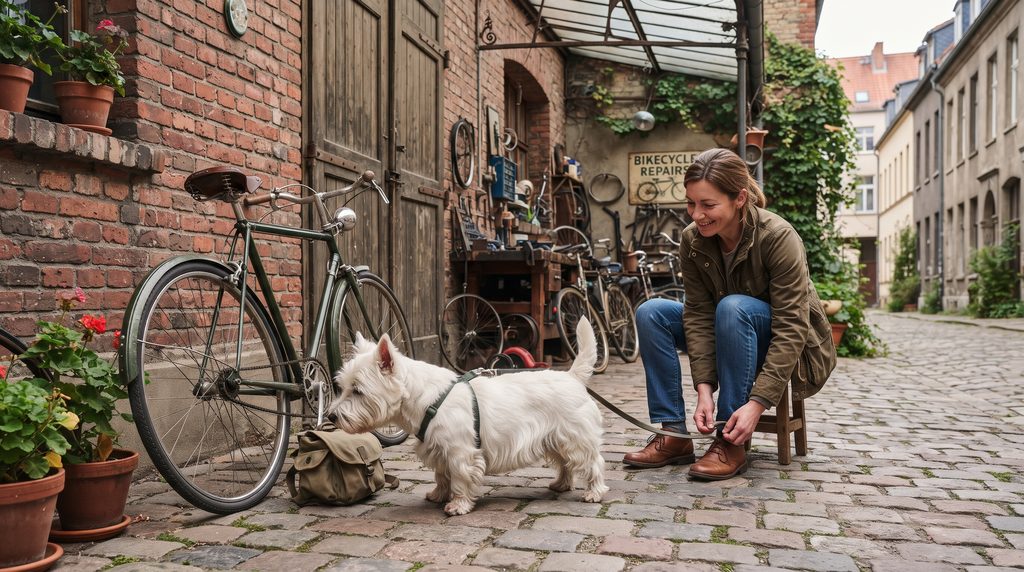
Why West Highland White Terriers Often Look Bigger Than They Are
A West Highland White Terrier’s dense coat and rounded facial furnishings can make its head and body appear considerably larger than their actual measurements suggest. The breed’s sturdy chest, upright ears, confident posture, and substantial bone structure also contribute to this impression. When selecting harnesses, coats, travel carriers, or dog beds, rely on accurate measurements rather than appearance alone. Measure the chest circumference, back length, and neck size, and check the manufacturer’s fitting instructions. Grooming can also change how a Westie’s proportions appear, particularly when longer hair covers the legs or enlarges the facial outline. Underneath its characteristic white coat, a correctly proportioned Westie remains a compact, athletic working terrier.
West Highland White Terrier Temperament and Personality
The West Highland White Terrier possesses a wonderfully distinctive personality, combining confidence, intelligence, affection, and an unmistakable sense of independence. Although small in stature, this spirited Scottish terrier approaches everyday life with remarkable enthusiasm and self-assurance. Its expressive face, alert ears, and lively movements reflect generations of breeding for challenging working responsibilities. The typical West Highland White Terrier temperament is cheerful, courageous, curious, and friendly, although individual dogs vary in their sociability and sensitivity. For owners who appreciate an engaging companion with genuine character, the West Highland White Terrier can be exceptionally rewarding. However, its natural determination and independent thinking require understanding, patience, and appropriate guidance.
Confidence is one of the breed’s most recognizable characteristics. Westies rarely behave as though their small size should limit their activities or interests. Many approach unfamiliar surroundings with enthusiasm, investigating new objects, sounds, and scents without hesitation. This self-assurance can make them entertaining companions, particularly during outings where their curiosity becomes immediately apparent. Nevertheless, confidence should not be confused with aggression or an inability to experience fear. A well-adjusted West Highland White Terrier should be alert and courageous while remaining approachable and socially appropriate. Excessive timidity or persistent hostility toward unfamiliar people is not desirable breed temperament.
The West Highland White Terrier personality is often described as cheerful and mischievous, and these qualities are readily apparent in everyday interactions. Many Westies enjoy discovering unexpected ways to entertain themselves, whether investigating an unfamiliar shopping bag, retrieving a favorite toy, or enthusiastically participating in a household activity. They can be remarkably expressive dogs, using body language, vocalizations, and animated movements to communicate their interests. Their playful behavior frequently continues well into adulthood, giving them an appealingly youthful character. However, this enthusiasm also means that an underoccupied Westie may invent activities its owner finds considerably less entertaining.
Intelligence plays a central role in the breed’s character. Westies are observant, quick to recognize familiar routines, and capable of learning a wide range of behaviors. Many rapidly discover which cupboard contains treats, when their owner usually prepares for a walk, or which household member is most likely to initiate a game. Their problem-solving abilities can make training enjoyable, but intelligence does not necessarily translate into unquestioning obedience. A West Highland White Terrier may understand a familiar instruction while remaining deeply interested in something else. Successful owners recognize that maintaining attention often requires creativity, appropriate rewards, and an understanding of the dog’s motivation.
Independence is another defining characteristic, closely connected to the breed’s historical responsibilities. Working terriers were expected to investigate underground spaces and make decisions without constant human direction. Modern West Highland White Terriers retain much of this self-reliant temperament. They may confidently explore a new environment, persistently investigate an interesting scent, or decide that a particular activity deserves more attention than their owner’s instructions. This behavior is sometimes labeled stubbornness, but it often reflects strong motivation and an inherited willingness to act independently. Training based on cooperation and positive reinforcement is generally more productive than attempting to overcome this determination through confrontation.
Despite their independent nature, Westies can be deeply affectionate family companions. Many form strong attachments to their owners and enjoy participating in ordinary household routines. They may follow family members between rooms, enthusiastically greet familiar people, or settle nearby during quieter evenings. Some individuals actively seek cuddles and physical affection, while others prefer companionship without prolonged handling. Their attachment is often expressed through cheerful involvement rather than constant dependence. Owners should respect these individual preferences, allowing affection to develop naturally instead of assuming that every West Highland White Terrier enjoys being picked up, hugged, or held for extended periods.
Playfulness contributes considerably to the breed’s appeal. Westies frequently enjoy retrieving toys, investigating hidden objects, learning tricks, and participating in short, energetic games. Their confident personalities can make them surprisingly enthusiastic participants in activities that involve problem-solving or controlled physical challenges. However, excitement can escalate quickly, particularly when games encourage chasing, jumping, or repeated tugging. Establishing appropriate boundaries helps maintain enjoyable interactions. Teaching a dog to release a toy, pause during play, and settle afterward encourages self-control without diminishing its enthusiasm. The objective is to preserve the Westie’s spirited nature while developing manageable everyday behavior.
The breed’s natural hunting instincts remain an important part of its temperament. West Highland White Terriers were developed to pursue vermin, and many retain a strong interest in squirrels, rodents, birds, and other rapidly moving animals. Their reactions can be exceptionally quick when an unexpected movement captures their attention. A West Highland White Terrier that appears relaxed during a walk may suddenly become intensely focused on something disappearing into nearby vegetation. This prey drive is not evidence of poor character, but it requires practical management. Secure fencing, appropriate leash control, and suitable enrichment activities are particularly important for preventing dangerous pursuits.
Westies are also naturally alert dogs. Their awareness of changes in the environment can make them effective little watchdogs, often announcing unfamiliar visitors, unexpected sounds, or activity outside the home. Some individuals are considerably more vocal than others, but owners should anticipate a breed that notices and responds to its surroundings. Excessive barking can develop when excitement, frustration, or repeated environmental triggers are poorly managed. Encouraging calm observation, rewarding quiet behavior, and providing appropriate mental stimulation can help. The aim is not to eliminate natural alertness but to prevent unnecessary vocal responses from becoming established household habits.
Social confidence is another important aspect of the breed. Many well-socialized West Highland White Terriers are friendly toward visitors and enjoy meeting unfamiliar people, although individual reactions differ. Some enthusiastically approach almost everyone, while others prefer a little time to assess new situations. Their boldness can occasionally lead to overly energetic greetings or persistent attempts to attract attention. Appropriate early experiences help puppies develop confidence without encouraging impulsive behavior. A socially mature Westie should be able to observe unfamiliar people calmly, accept ordinary household activity, and interact comfortably without needing to investigate every visitor immediately.
Relationships with other dogs are influenced by temperament, early experiences, and individual preferences. Many Westies coexist happily with compatible canine companions and enjoy playful interaction. However, their confidence and determination can occasionally make them assertive, especially when another dog behaves intrusively or valuable resources are involved. Their relatively small size does not necessarily make them cautious around much larger animals. Owners should therefore supervise introductions carefully and recognize when excitement is becoming excessive. A West Highland White Terrier does not need to enjoy every unfamiliar dog to be well adjusted; calm, comfortable coexistence is often a more realistic and valuable goal.
Sensitivity is sometimes overlooked because the breed appears so self-assured. A confident Westie may nevertheless become uncomfortable with rough handling, unpredictable punishment, or overwhelming situations. Harsh corrections can damage trust and may encourage defensive responses rather than reliable cooperation. Reward-based training, predictable expectations, and respectful handling help create a more secure relationship. Owners should learn to recognize subtle signs of stress, including turning away, freezing, lip licking, or attempts to leave an interaction. A dog’s willingness to persist during an activity should not be mistaken for an unlimited tolerance of discomfort.
The West Highland White Terrier’s temperament also changes as it matures. Puppies are naturally inquisitive, playful, and impulsive, frequently exploring unfamiliar objects with little awareness of potential consequences. Adolescence may bring greater confidence, stronger environmental interests, and occasional testing of established household routines. With appropriate training and consistent management, many mature Westies develop improved self-control while retaining their characteristic enthusiasm. However, individual differences remain substantial. Some adults are comparatively relaxed companions, while others continue seeking constant activity and stimulation. Owners should respond to their dog’s actual behavior rather than assuming that maturity will automatically resolve every difficulty.
A particularly rewarding characteristic of the breed is its ability to combine energetic activity with affectionate companionship. A West Highland White Terrier may spend part of the morning enthusiastically investigating a woodland trail, then settle comfortably near its family for a quiet afternoon. This balance is not automatic, particularly in excitable youngsters, but it can develop through appropriate exercise, predictable routines, and opportunities to practice relaxation. Mental stimulation is especially valuable because the breed’s intelligence encourages active engagement with its surroundings. Short scent games, interactive toys, and varied learning activities can satisfy curiosity without relying entirely on strenuous physical exercise.
Ultimately, the West Highland White Terrier is best understood as a confident, affectionate, independent working terrier with a remarkably engaging personality. Its courage, intelligence, curiosity, and playful determination are fundamental characteristics rather than undesirable habits to be eliminated. The most successful owners appreciate these qualities while providing consistent boundaries, appropriate enrichment, and opportunities for cooperation. For people who enjoy a small dog with a big personality, the Westie offers companionship that is lively, entertaining, and full of individuality. With patient guidance and thoughtful socialization, its spirited nature can develop into a delightful balance of confidence, affection, and everyday good manners.
Confidence Without Pushiness
A confident West Highland White Terrier should be curious and comfortable investigating its surroundings without intimidating other dogs or persistently demanding attention. Owners can encourage this balance by rewarding calm greetings, allowing the dog to disengage from unfamiliar situations, and avoiding games that repeatedly encourage uncontrolled excitement. Confidence should also include the ability to recover from surprises rather than reacting aggressively to everything unfamiliar. During puppyhood, carefully managed experiences with different people, environments, and well-mannered dogs help establish these skills. As the Westie matures, continue rewarding polite interactions and relaxed observation. The aim is a self-assured companion that retains its lively personality while remaining comfortable and manageable in everyday situations.
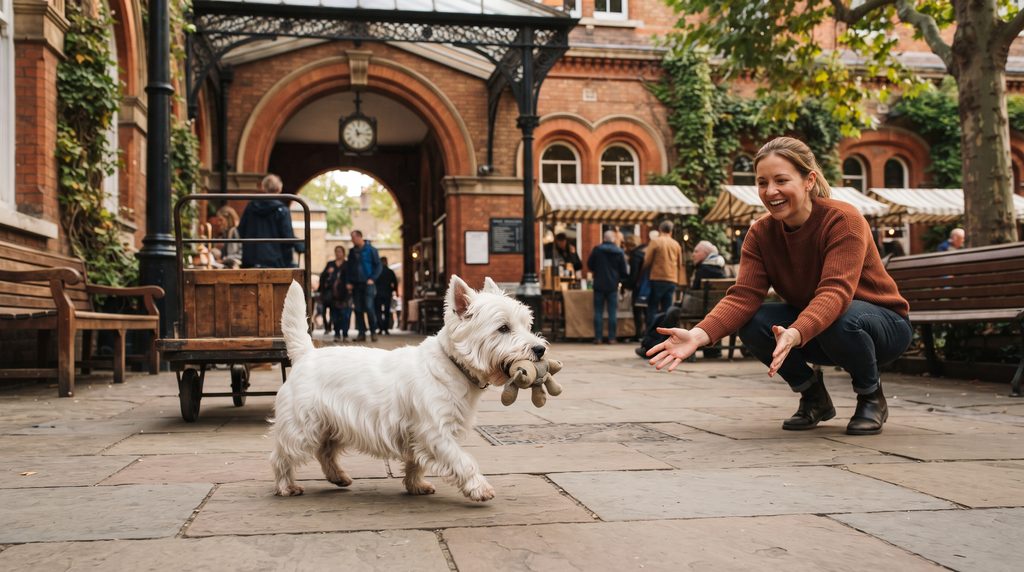
Living With a West Highland White Terrier
Living with a West Highland White Terrier is an engaging experience that combines affectionate companionship with the lively independence of a traditional Scottish working dog. Although its compact dimensions make it relatively easy to accommodate, the West Highland White Terrier should never be mistaken for an undemanding household ornament. This intelligent, inquisitive terrier enjoys participating in family activities, investigating its surroundings, and discovering new opportunities for entertainment. Its cheerful personality can bring considerable humor and affection into everyday life, but successful ownership requires consistent routines, sensible household management, and an appreciation of the instincts that continue to influence its behavior.
One of the Westie’s greatest advantages is its ability to adapt to different living environments. A suburban home, rural cottage, or well-managed apartment can all provide suitable accommodation when the dog’s physical and emotional needs are met. A large property is not essential, although access to a secure outdoor area can make daily routines more convenient. What matters most is providing regular exercise, companionship, mental stimulation, and opportunities for relaxation. The breed’s relatively small size makes indoor living practical, but owners should remember that its energy, alertness, and curiosity remain those of an active terrier.
Apartment living requires particular attention to noise and environmental distractions. West Highland White Terriers are naturally observant and often respond quickly to unfamiliar sounds, movement outside windows, or activity in shared corridors. A dog that repeatedly watches people passing a doorway may become increasingly excited and vocal. Providing a comfortable resting area away from constant stimulation can help prevent unnecessary disturbance. Owners should also establish predictable walking and toileting routines, especially when outdoor access involves elevators, stairs, or communal areas. With suitable training and consistent management, many Westies become pleasant urban companions.
West Highland White Terrier barking is an important consideration for prospective owners because the breed possesses a naturally alert, vocal temperament. Many Westies bark to announce visitors, respond to unfamiliar noises, or express excitement during play. Some also develop repetitive barking when bored, frustrated, or seeking attention. Owners should identify the underlying reason rather than treating every vocal response as deliberate disobedience. Rewarding calm behavior, limiting unnecessary visual triggers, and teaching a reliable quiet cue can help establish appropriate habits. Excessive barking is easier to address before it becomes a firmly established routine.
A secure household environment is particularly important because West Highland White Terriers retain strong hunting instincts. Their curiosity about wildlife, unfamiliar scents, and possible escape routes can lead them into situations that owners have not anticipated. Garden fencing should be sturdy, with gates that close reliably and no gaps beneath boundaries. Some individuals are enthusiastic diggers, making regular inspection of fence lines especially worthwhile. Owners should also consider how quickly a determined terrier might slip through an open front door. Teaching a reliable waiting behavior at entrances provides additional protection, although physical management remains essential.
Inside the home, the Westie’s inquisitive nature makes thoughtful organization valuable. Shoes, cleaning products, children’s toys, electrical cords, and unsecured food should be kept beyond reach. Many West Highland White Terriers enjoy investigating bags, baskets, cupboards, and other objects that contain interesting smells. Their intelligence means that seemingly minor opportunities can quickly become established habits if they repeatedly produce entertainment. Providing appropriate chew toys, enrichment activities, and a designated resting area helps direct this curiosity toward acceptable pursuits. The objective is not to create an excessively restricted environment but to make sensible behavior easier for the dog.
Daily routines play an important role in maintaining a settled household companion. Westies often benefit from reasonably predictable times for meals, walks, training, play, and rest. Their enthusiasm for activity can make them remarkably attentive to familiar schedules, sometimes appearing at the door before their owner has even collected a leash. However, excessive dependence on rigid timing can encourage demanding behavior. A flexible but consistent routine helps the dog understand household expectations without assuming that every familiar sound signals immediate excitement. Calm transitions between activities are particularly useful for energetic individuals.
Teaching a West Highland White Terrier to relax indoors is just as important as providing exercise. Some young dogs remain constantly alert, following family members between rooms and responding enthusiastically to every movement. Without guidance, this behavior can develop into persistent attention-seeking or difficulty settling when household members are occupied. A comfortable bed, designated relaxation area, and appropriate chew items provide useful foundations. Owners can reward the dog for choosing to rest quietly and gradually introduce periods when little is happening. Learning that ordinary household life includes peaceful downtime helps preserve the Westie’s enthusiasm without allowing it to dominate every moment.
Companionship is another important aspect of living with this breed. Although Westies are independent thinkers, many develop strong attachments to their families and prefer being included in everyday activities. They may enthusiastically supervise domestic chores, follow an owner into the kitchen, or settle nearby while someone works or reads. Individual dogs vary in how much physical affection they seek. Some enjoy frequent cuddles, while others prefer simply remaining close to familiar people. Respecting these preferences encourages a comfortable relationship in which the dog feels secure without being continually handled or disturbed.
Time spent alone deserves careful consideration. Some mature Westies manage reasonable periods of solitude comfortably when gradually accustomed to separation and provided with suitable routines. Others may become distressed, especially when left suddenly or for longer than they can tolerate. Persistent barking, destructive behavior, pacing, or attempts to escape may indicate separation-related difficulties rather than simple boredom. Owners should introduce alone time progressively, beginning with manageable absences and observing the dog’s responses. Puppies require considerably more frequent attention and opportunities for toileting. A household where everyone is absent for extended periods must make realistic arrangements for the dog’s care.
House-training is generally straightforward when owners establish consistent expectations, although individual progress varies. West Highland White Terrier puppies benefit from frequent outdoor opportunities after waking, eating, playing, and resting. Rewarding successful toileting immediately helps establish the desired routine. Indoor accidents should be cleaned thoroughly without punishment, as harsh reactions can create anxiety without improving understanding. Adult rescue dogs may occasionally require a period of adjustment when introduced to unfamiliar environments or schedules. Even previously reliable dogs can experience temporary difficulties during major household changes. Patience, supervision, and predictable access to suitable toileting areas provide the strongest foundation.
Visitors can introduce additional excitement into the household. A Westie may enthusiastically announce an arrival, rush toward the entrance, or investigate unfamiliar bags and clothing. Although many individuals are friendly, exuberant greetings can become overwhelming when visitors are elderly, uncomfortable around dogs, or accompanied by young children. Teaching the terrier to move toward a designated resting place when the doorbell sounds can help. Owners may also use a secure indoor gate during particularly busy occasions. Calm introductions encourage confidence without allowing the dog’s enthusiasm to dictate every social interaction.
The breed’s distinctive white coat also influences everyday household management. After outdoor adventures, the beard, paws, and leg furnishings may collect moisture, soil, grass seeds, and other debris. Keeping a towel near the entrance and establishing a brief cleaning routine can help maintain the home while protecting the dog’s skin and coat. Owners should inspect paws carefully after countryside walks, particularly when vegetation is dense or the ground is rough. Regular grooming remains necessary even when the coat appears reasonably tidy. Its white color may make dirt more obvious, but cleanliness should be balanced against the risk of unnecessary bathing and skin irritation.
Skin health deserves particular consideration because West Highland White Terriers are predisposed to allergic skin disease and other dermatological problems. Their dense coats can conceal redness, irritation, or small areas of inflammation, while repeated scratching or licking may indicate discomfort. Owners should become familiar with the dog’s normal skin condition during brushing and routine handling. Persistent itching, recurrent ear problems, or changes in coat quality should prompt veterinary assessment rather than repeated experimentation with shampoos or home remedies. Selecting gentle household cleaning products and following appropriate parasite-prevention recommendations can also support sensible everyday care.
Travel can be enjoyable for Westies when introduced gradually and managed appropriately. Their compact size makes them convenient companions on car journeys, visits to friends, and vacations in suitable accommodations. However, their curiosity and alertness may initially make unfamiliar environments exciting or distracting. A properly secured travel crate or suitable tested restraint helps improve vehicle safety. Owners should also bring familiar bedding, water, food, and appropriate walking equipment. In unfamiliar locations, secure leash control remains important because the dog’s hunting instincts may be triggered by wildlife or new scents. Gradual exposure builds confidence without overwhelming the dog.
Households should also establish consistent expectations around food, furniture, and attention. Westies are observant dogs that quickly recognize which family members are most likely to share snacks, initiate play, or overlook established rules. A terrier allowed to beg at the table or demand attention from one person may struggle to understand why another household member discourages the same behavior. Agreeing on a few simple rules and reinforcing them consistently helps prevent confusion. Positive reinforcement is particularly valuable because it encourages cooperation without creating unnecessary conflict with an intelligent, independent dog.
The West Highland White Terrier’s needs also change throughout life. Puppies require frequent supervision, social learning, appropriate rest, and gradual introduction to household routines. Adolescents may become more adventurous as their confidence develops, occasionally challenging previously reliable boundaries. Mature adults often settle into familiar patterns while retaining considerable enthusiasm for activity. Senior Westies may appreciate shorter walks, supportive bedding, improved traction on slippery floors, and adjustments to grooming routines. Owners should periodically reassess their dog’s comfort and abilities rather than assuming that the arrangements established during puppyhood will remain suitable indefinitely.
Ultimately, living with a West Highland White Terrier is about balancing lively independence with comfortable domestic routines. This breed offers affection, humor, intelligence, and engaging companionship, but it also requires secure surroundings, appropriate enrichment, consistent training, and attentive care. Owners who appreciate the Westie’s natural curiosity while encouraging calm, cooperative behavior are more likely to enjoy a harmonious relationship. For households prepared to provide these foundations, the West Highland White Terrier can become a wonderfully entertaining and devoted companion whose distinctive personality brings warmth and character to everyday family life.
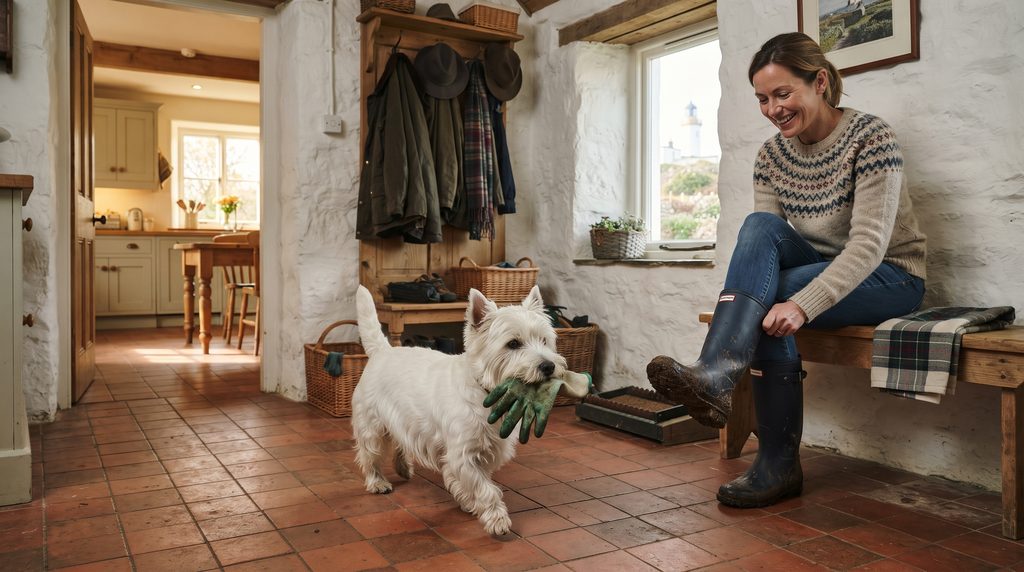
West Highland White Terrier and Children
The West Highland White Terrier can be a delightful companion for children, combining an affectionate personality, considerable enthusiasm for games, and a sturdy little body that reflects its working ancestry. Many Westies enjoy participating in family activities and form close relationships with younger household members, particularly when interactions are respectful and well supervised. However, the breed’s confidence and independence should not be mistaken for unlimited patience. A West Highland White Terrier may happily chase a toy or investigate a child’s latest game while disliking rough handling, excessive excitement, or unwanted physical attention. Successful family relationships depend on understanding the individual dog’s temperament, teaching children appropriate boundaries, and ensuring that adults remain responsible for safety.
Families with school-age children are often particularly well suited to the breed. The West Highland White Terrier Club of America suggests that children around 10 years and older can make especially enjoyable playmates when they understand how to respect and care for a dog. At this age, many children can follow instructions, recognize basic canine body language, and participate in structured activities without constantly overwhelming the animal. Westies often appreciate this combination of companionship and engaging interaction. Their playful determination can make retrieving games, simple training exercises, and supervised outdoor adventures particularly entertaining for both dog and child.
The breed’s relatively sturdy construction is another advantage in family life. Unlike particularly delicate toy breeds, West Highland White Terriers possess substantial bone, muscular bodies, and a confident physical presence. Nevertheless, weighing approximately 15–20 pounds does not make them immune to accidental injury. A child who falls onto a resting dog, attempts to carry it incorrectly, or encourages repeated jumping from furniture can still cause harm. Their compact size may also encourage younger children to treat them like cuddly toys rather than independent animals. Families should emphasize that a Westie is a living companion with its own preferences, physical limitations, and need for personal space.
Households with toddlers and preschool-age children require more careful management. Very young children often move unpredictably, make sudden noises, and explore unfamiliar objects through grabbing or touching. A Westie may become excited by running feet, squealing voices, or toys moving rapidly across the floor. Even a generally affectionate dog can feel uncomfortable when hugged tightly, cornered, or disturbed while sleeping. Adults should supervise every interaction closely and intervene before either the dog or child becomes overwhelmed. Physical separation through suitable gates or separate rooms can be particularly useful when active supervision is not possible.
Teaching children how to approach a West Highland White Terrier is one of the most valuable foundations for a successful relationship. Children should learn to allow the dog to approach voluntarily rather than pursuing it around the house. Gentle stroking along the shoulders or side is generally preferable to grabbing the face, pulling the ears, or repeatedly touching the tail. They should also understand that a dog moving away is communicating a preference that deserves respect. A Westie that has retreated to its bed, crate, or another quiet area should be left undisturbed. These simple rules help prevent misunderstandings while encouraging children to develop empathy and responsible attitudes toward animals.
Recognizing canine body language is equally important. Although Westies are often expressive and confident, they may communicate discomfort through subtle signals before showing more obvious reactions. Turning the head away, freezing, licking the lips, moving away, or becoming unusually stiff can indicate that an interaction is becoming stressful. Growling should be treated as a warning that the dog needs space rather than punished as deliberate misbehavior. Suppressing warning signals without addressing the cause may increase the risk of a sudden defensive reaction. Adults should teach children to pause and move away whenever the terrier appears uncomfortable, while taking responsibility for managing the situation themselves.
The Westie’s playful temperament creates wonderful opportunities for positive interaction. Many enjoy searching for hidden toys, retrieving suitable objects, learning tricks, and participating in gentle games that engage their natural curiosity. Children can help organize simple scent searches by placing a favorite toy in an obvious location and encouraging the dog to find it. As the West Highland White Terrier becomes familiar with the activity, hiding places can gradually become more challenging. These games provide mental stimulation while allowing children to participate without encouraging rough physical contact. The emphasis should remain on cooperation, enjoyment, and appropriate levels of excitement.
Games involving chasing and roughhousing require particular caution. West Highland White Terriers retain strong hunting instincts, and rapidly moving objects or people may trigger enthusiastic pursuit. A child running across the garden while shouting can unintentionally encourage the dog to chase, jump, or grab at loose clothing. Repeatedly encouraging these behaviors may establish habits that become difficult to manage. Structured retrieving, controlled tug games with appropriate toys, and reward-based training are generally better choices. Adults should interrupt play before excitement becomes excessive and ensure that both the child and dog have opportunities to rest.
Introducing a Westie puppy into a family with children requires patience and careful supervision. Puppies naturally investigate the world with their mouths, and playful nipping at fingers, socks, or moving feet is common during early development. Their sharp puppy teeth can be uncomfortable, particularly for younger children who may react by squealing or pulling away suddenly. Adults should redirect inappropriate mouthing toward suitable toys and prevent situations where an excited puppy repeatedly rehearses unwanted behavior. Young West Highland White Terriers also need considerable sleep, and children should understand that a puppy is not available for continuous entertainment throughout the day.
Early socialization can help a Westie develop positive associations with children, provided experiences are carefully managed. Puppies benefit from meeting calm, respectful young people who understand how to offer treats, interact gently, and allow the dog to approach at its own pace. The objective is not to expose the puppy to as much excitement as possible, but to establish predictable, comfortable experiences. A puppy that learns children are associated with pleasant activities and respectful handling is more likely to feel confident around them as it matures. Nevertheless, early familiarity does not guarantee that every adult West Highland White Terrier will tolerate every form of interaction.
Adopting an adult West Highland White Terrier presents different considerations. Some rescue dogs have lived happily with children and may settle comfortably into a family environment. Others have limited experience with young people or may have previously encountered frightening or inappropriate handling. Prospective adopters should discuss the dog’s known history and observed responses with the rescue organization. Carefully managed introductions can provide useful information, although behavior during a single meeting cannot predict every future reaction. An adult Westie that is comfortable with older children may not necessarily enjoy the unpredictable behavior of toddlers, making individual assessment essential.
Family gatherings deserve additional planning because the West Highland White Terrier’s enthusiasm can increase considerably in busy environments. Birthday parties, sleepovers, and visits involving several unfamiliar children may create sustained noise, movement, and excitement. The West Highland White Terrier Club of America specifically cautions against assuming the breed will be comfortable in households where large groups of neighborhood children regularly gather to play. Even a friendly dog can become overwhelmed when several children approach at once. Providing a quiet room or secure resting area during particularly busy occasions allows the terrier to relax without needing to participate in every activity.
Food, toys, and resting places should also be managed thoughtfully. Children must understand that a Westie eating a meal, chewing a valued object, or sleeping should not be disturbed. Attempting to remove food or toys directly from the dog’s mouth can create unnecessary conflict, particularly when the dog is already excited. Adults can teach appropriate exchange games using rewards, while maintaining separate feeding arrangements where necessary. A child should never be expected to resolve resource guarding independently. If the terrier repeatedly becomes tense around food, possessions, or handling, professional behavioral guidance is preferable to confrontation or punishment.
Children can participate meaningfully in training when activities are matched to their age and abilities. Older children may enjoy practicing simple cues such as sit, wait, come, or touch, with an adult helping to maintain appropriate expectations. West Highland White Terriers frequently respond enthusiastically when training feels like a short, interesting game. Using small rewards and celebrating successful cooperation can make these activities enjoyable for everyone involved. However, their independent personalities mean that children should not be expected to manage challenging behaviors alone. Recall around wildlife, leash control near traffic, and interactions with unfamiliar dogs remain adult responsibilities.
Involving children in everyday care can also strengthen their understanding of responsible ownership. They may help prepare enrichment toys, measure food under supervision, refill water bowls, or participate in gentle brushing when the dog is comfortable. The West Highland White Terrier’s white double coat provides opportunities to teach careful grooming, particularly because the beard and leg furnishings can collect debris after outdoor activities. However, more demanding grooming procedures, nail trimming, veterinary decisions, and administration of medications should remain the responsibility of adults. Children can learn valuable habits through participation without being placed in charge of the dog’s welfare.
The relationship between a Westie and children may develop considerably as both mature. A young puppy and a small child may initially require constant management, while an established adult terrier and a responsible teenager may enjoy a remarkably cooperative partnership. Shared walks, scent games, trick training, and outdoor adventures can provide rewarding experiences that extend beyond ordinary companionship. The dog’s preferences may also change with age. Senior West Highland White Terriers experiencing arthritis, reduced hearing, or other discomfort may become less tolerant of vigorous handling or noisy play. Families should adapt expectations to the dog’s changing physical and emotional needs.
Ultimately, the West Highland White Terrier can be an affectionate, entertaining, and deeply rewarding family companion when children understand how to interact respectfully and adults provide consistent supervision. Its playful enthusiasm, intelligence, courage, and sturdy construction are considerable strengths, particularly in active households with school-age children. However, successful relationships depend on more than the breed’s generally cheerful reputation. Individual temperament, early experiences, appropriate boundaries, and thoughtful management all influence how comfortably a Westie fits into family life. For families prepared to provide these foundations, this spirited little terrier can become a treasured companion whose humor, affection, and enthusiasm contribute to many memorable childhood experiences.
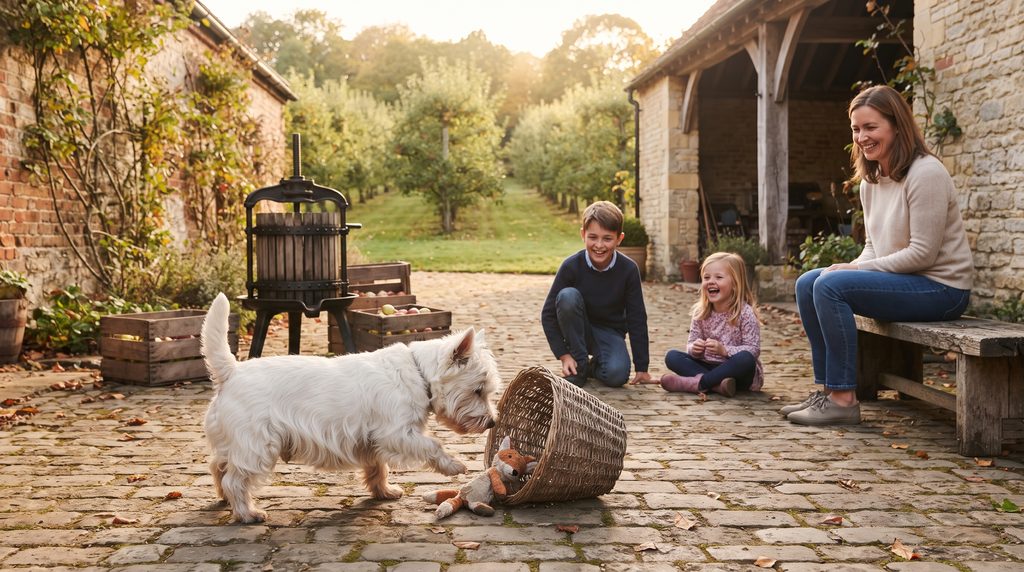
Five Rules for Children Living With a West Highland White Terrier
Teach children five simple rules: let the Westie approach voluntarily, never pull its ears or tail, leave it undisturbed while eating or sleeping, use appropriate toys rather than hands during games, and stop interacting whenever it moves away or appears uncomfortable. Adults should demonstrate these behaviors consistently and supervise every interaction involving younger children. A quiet resting area provides an important safeguard, particularly during parties or busy family gatherings. Older children can enjoy supervised training and scent games, but they should never become the dog’s primary caretaker. Respectful boundaries help preserve the West Highland White Terrier’s confidence while creating a safer, more enjoyable relationship for the entire family.
West Highland White Terrier With Other Dogs and Pets
The West Highland White Terrier can be a sociable and entertaining companion for other animals, but its relationships are strongly influenced by individual temperament, early experiences, and the hunting instincts inherited from its Scottish working ancestors. Many West Highland White Terriers develop close friendships with compatible dogs and can live comfortably in carefully managed multi-pet households. However, their confidence, independence, and natural determination mean they should not automatically be expected to welcome every unfamiliar animal. Understanding the difference between sociability and instinctive behavior is particularly important for families considering a Westie alongside existing pets.
When interacting with other dogs, Westies frequently display remarkable confidence despite their modest size. Some enthusiastically approach familiar canine companions, enjoy energetic games, and appear completely unconcerned by differences in height or strength. Others are more selective, preferring dogs with compatible temperaments and predictable behavior. Their self-assurance can be appealing, but it occasionally creates difficulties when a small terrier challenges a considerably larger animal. Owners should recognize that boldness does not necessarily indicate aggression, although confident behavior must be managed appropriately to prevent disagreements.
Early socialization helps establish positive relationships with other dogs. West Highland White Terrier puppies benefit from carefully managed experiences involving calm, well-mannered dogs of different breeds, sizes, and ages. Suitable puppy classes can provide valuable opportunities to practice canine communication, learn appropriate play behavior, and become comfortable around unfamiliar animals. However, socialization should never involve forcing a puppy into overwhelming interactions. Watching another dog calmly from a comfortable distance can be just as valuable as direct play. The objective is to develop a confident, socially competent terrier rather than one that feels compelled to greet every dog it encounters.
As Westies mature, their social preferences may become more clearly defined. A puppy that enjoys nearly every canine interaction may become more selective during adolescence or adulthood. Some individuals dislike rough play, persistent attention, or unfamiliar dogs approaching too closely. Others remain enthusiastic participants in organized playgroups throughout their lives. These differences are not necessarily evidence of inadequate socialization. Adult dogs often develop individual preferences, and owners should respect them rather than insisting that every encounter must become a friendship. Comfortable coexistence is frequently a more appropriate goal than constant interaction.
Introducing a West Highland White Terrier to an existing household dog requires patience and thoughtful planning. Initial meetings are generally best arranged in a quiet, neutral environment where neither animal feels pressured to defend its territory. Parallel walking allows both dogs to become familiar with each other’s presence while maintaining a comfortable distance. If their body language remains relaxed, owners can gradually permit closer interaction. Direct face-to-face greetings should not be rushed, particularly when one dog appears tense, overly excited, or uncertain. Short, successful introductions usually provide a better foundation than prolonged encounters that become overwhelming.
Once the dogs enter the same household, sensible management remains essential. Each should have access to its own comfortable resting area, food, water, and appropriate toys. Feeding separately can prevent unnecessary competition, particularly during the early adjustment period. Valuable chew items may also require individual spaces until the dogs have demonstrated consistently comfortable behavior around one another. Owners should avoid assuming that dogs must share everything to establish a harmonious relationship. Providing choice and sufficient personal space can reduce tension while allowing friendships to develop naturally.
Resource guarding deserves particular attention in multi-dog homes. Although this behavior is not unique to the West Highland White Terrier, a determined terrier may become persistent when defending food, toys, resting places, or human attention. Warning signs include stiff posture, prolonged staring, freezing, blocking access, and growling when another animal approaches. These signals should be taken seriously rather than punished or ignored. Removing competition, supervising valuable resources, and teaching appropriate exchange behaviors can help prevent conflicts. Persistent guarding or escalating aggression warrants guidance from a qualified reward-based behavior professional.
Differences in size and play style can also influence compatibility. A Westie may enjoy playing with a much larger dog, but accidental injuries can occur when vigorous games involve excessive physical contact. Similarly, two highly energetic terriers may encourage increasingly intense chasing or wrestling without recognizing when a break is needed. Healthy play generally includes relaxed movement, brief pauses, and opportunities for both dogs to initiate or end the interaction. If one repeatedly attempts to escape, becomes unusually still, or is continually pursued, owners should calmly interrupt the activity and provide an opportunity to rest.
Relationships with cats require a different assessment because the West Highland White Terrier retains a strong instinct to pursue smaller moving animals. Some West Highland White Terriers live peacefully with cats, particularly when introduced carefully at an early age. Others remain intensely interested in chasing them, even after considerable training. Previous familiarity can improve the likelihood of successful coexistence, but it cannot guarantee safety. Owners should evaluate the individual dog’s reactions rather than relying on general breed descriptions. A Westie that appears indifferent to a stationary cat may respond very differently when that cat suddenly runs across the room.
Introducing a Westie to a household cat should proceed gradually, beginning with opportunities to become familiar with each other’s scent before carefully controlled visual contact. The cat must have secure escape routes, elevated resting places, and access to rooms the dog cannot enter. Baby gates and other physical barriers can support introductions while preventing unwanted pursuit. Owners should reward the West Highland White Terrier for remaining calm, responding to familiar cues, and voluntarily disengaging from the cat. Chasing should never be encouraged, even when it appears playful, because repeated pursuit can increase excitement and undermine the cat’s sense of security.
Small mammals present considerably greater challenges. Rabbits, guinea pigs, hamsters, mice, and similar animals closely resemble the types of quarry that West Highland White Terriers were originally developed to hunt. Their movements, sounds, and scents may trigger intense investigation or an immediate pursuit response. Even a gentle, affectionate Westie can react instinctively when a small animal suddenly moves. For this reason, vulnerable pets should remain in secure accommodation within areas inaccessible to the dog. Direct contact is generally best avoided, and ordinary supervision should not be considered a substitute for reliable physical separation.
Birds and backyard poultry also require careful management. A Westie may become fascinated by fluttering wings, scratching movements, or unfamiliar animal sounds. Pet birds should remain in secure enclosures within appropriately separated areas, while chickens and other outdoor animals need fencing that prevents the terrier from entering their space. Owners should inspect boundaries regularly because some West Highland White Terriers are persistent diggers and may investigate gaps beneath fences. Training can improve responsiveness, but it should never be the only safeguard where instinctive chasing could result in injury.
Public dog parks deserve individual assessment rather than automatic acceptance. Some well-socialized Westies enjoy playing with suitable companions in carefully supervised environments. Others become overstimulated by crowded spaces, unfamiliar dogs, and unpredictable interactions. Their confidence can occasionally lead them to approach animals that would prefer to be left alone. Smaller arranged playgroups, parallel walks, or meetings with familiar dogs may provide more manageable social experiences. A West Highland White Terrier does not need to attend off-leash parks to enjoy a satisfying social life, particularly if quieter alternatives better suit its temperament.
Training plays an important supporting role in maintaining appropriate relationships with other animals. A reliable recall, cheerful leave-it cue, loose-leash walking skills, and the ability to redirect attention are especially valuable. Owners can reward their Westie for calmly observing other dogs, choosing to disengage, or returning attention when requested. However, these behaviors should be practiced gradually in environments where success is achievable. Strong prey drive can override learned responses when a small animal suddenly appears, making leashes, barriers, and secure fencing essential precautions even for well-trained individuals.
Adding a second dog to a household should involve an honest assessment of the resident West Highland White Terrier’s personality. A dog that enjoys familiar canine companions may welcome another suitable individual, while one displaying persistent reactivity or resource guarding may require additional preparation. Breed, sex, age, energy level, and play style can all influence compatibility, although none provides a reliable guarantee of success. Prospective owners should consider introductions carefully and seek professional guidance when there are established behavioral concerns. A successful multi-dog household depends on the particular animals involved rather than the assumption that two dogs will naturally become friends.
Adopting an adult Westie into a multi-pet household requires similar care. Rescue organizations may have valuable information about the dog’s previous living arrangements and observed behavior around other animals. A West Highland White Terrier that has lived comfortably with another dog may be a promising candidate, but this does not guarantee compatibility with every prospective companion. Where available, carefully managed introductions can help assess responses before placement. Households containing cats or small mammals should be particularly cautious when the dog’s history is incomplete. The safest decision is based on documented behavior, realistic management arrangements, and the welfare of every animal involved.
Ultimately, the West Highland White Terrier can enjoy rewarding relationships with compatible dogs and, in some circumstances, household cats. Its confident personality and playful nature can make it an engaging canine companion, provided introductions are thoughtful and individual preferences are respected. However, its hunting heritage creates substantial risks for smaller animals, making physical separation particularly important. Successful multi-pet households rely on appropriate socialization, secure surroundings, sensible supervision, and realistic expectations. For owners prepared to provide these foundations, the Westie can share its home comfortably with suitable animal companions while retaining the independent, spirited character that makes the breed so appealing.
Introducing a West Highland White Terrier to Another Dog
Begin introductions in a quiet, neutral location with both dogs walking on relaxed leashes several feet apart. Allow them to observe and investigate their surroundings without forcing direct contact. Gradually reduce the distance only when both remain comfortable, and keep initial encounters brief. Once indoors, provide separate feeding areas, resting places, and valuable chew items to prevent unnecessary competition. Watch for stiff posture, prolonged staring, or one dog repeatedly attempting to avoid the other. Calmly create distance whenever tension develops. Some Westies become close friends with compatible dogs, while others prefer peaceful coexistence. Respecting individual preferences is more important than encouraging constant play.

West Highland White Terrier Exercise and Activity Needs
The West Highland White Terrier is a surprisingly energetic little dog whose exercise requirements reflect its origins as a determined Scottish working terrier. Although its compact size makes it suitable for many living environments, the Westie possesses considerable stamina, curiosity, and enthusiasm for physical activity. Its ancestors were expected to investigate rough terrain, pursue vermin, and work independently in difficult countryside conditions. These instincts remain evident in modern West Highland White Terriers, which often approach walks, games, and outdoor adventures with remarkable determination. Regular exercise is therefore essential for maintaining physical fitness, supporting emotional well-being, and providing appropriate outlets for the breed’s natural intelligence and hunting instincts.
For many healthy adult Westies, approximately 45–60 minutes of daily physical activity provides a useful starting point, with some individuals requiring more or less depending on their age, fitness, and temperament. The PDSA recommends around an hour of daily exercise, ideally divided between walks and supported by opportunities for play and exploration. However, owners should avoid treating any suggested duration as an inflexible requirement. A leisurely walk involving extensive sniffing may provide more satisfying stimulation than a longer outing focused exclusively on covering distance. The most appropriate routine is one that leaves the dog comfortably exercised, mentally engaged, and able to settle afterward.
Walking forms the foundation of everyday exercise for most West Highland White Terriers. Their inquisitive personalities make unfamiliar environments particularly rewarding, whether exploring a woodland trail, investigating a quiet neighborhood, or following interesting scents along a coastal path. West Highland White Terriers often enjoy stopping to examine vegetation, investigate changes in the environment, and observe surrounding activity. Allowing time for appropriate sniffing enriches these outings because scent exploration engages the dog’s natural investigative abilities. Owners who continually hurry their Westie forward may overlook one of the simplest ways to make ordinary walks more satisfying.
Despite their enthusiasm for outdoor adventures, Westies should generally remain on a leash outside securely enclosed areas. Their historical role as vermin hunters means that squirrels, rabbits, rodents, and other moving animals can trigger powerful chasing instincts. A dog that responds reliably to familiar instructions indoors may become intensely focused when wildlife suddenly appears. Recall training remains valuable, but it cannot guarantee that every terrier will disengage from an unexpected pursuit. A properly fitted harness and comfortable leash provide practical control, while a long training line can allow additional freedom to investigate suitable open spaces under supervision.
Secure off-leash exercise can also be beneficial when appropriate facilities are available. Many Westies enjoy running freely, chasing toys, and investigating unfamiliar objects within a safely enclosed garden or private exercise field. However, the boundaries must be genuinely secure because some individuals are enthusiastic diggers and surprisingly persistent escape artists. Owners should inspect fences for gaps, loose panels, and areas where excavation could create an opening. A West Highland White Terrier should never be allowed to explore an unsecured environment simply because its small size makes it appear easy to retrieve. Safe freedom depends on reliable containment and attentive supervision.
Interactive games provide another valuable outlet for the breed’s physical energy. Many Westies enthusiastically retrieve suitable toys, participate in controlled tug games, and enjoy short bursts of playful running. Their sturdy construction allows them to move confidently, but activities should remain appropriate to their size and physical condition. Repeatedly encouraging extreme jumping, sudden high-speed turns, or frantic chasing can place unnecessary strain on developing or aging joints. Soft, stable surfaces are generally preferable for energetic play, particularly when compared with slippery household flooring or rough pavement. Brief pauses also help prevent excitement from becoming overwhelming.
Scent-based activities are especially well suited to the West Highland White Terrier because they engage instincts developed through generations of working use. Owners can hide small treats, familiar toys, or scented objects around a secure garden and encourage the dog to locate them. Beginning with obvious hiding places allows the West Highland White Terrier to understand the activity before progressing to more challenging searches. Indoor scent games are equally useful when outdoor conditions are unsuitable. These activities encourage concentration, persistence, and independent problem-solving without requiring prolonged strenuous movement. They also offer an enjoyable opportunity for owners to interact with their dogs.
The breed’s natural enthusiasm for digging can be accommodated through carefully managed enrichment. Some Westies find excavating soil particularly rewarding, especially when interesting smells or hidden objects attract their attention. Rather than expecting every dog to abandon this instinct, owners may provide a designated digging area filled with suitable loose material. Hiding a favorite toy beneath a shallow layer of clean sand can transform the activity into an enjoyable searching game. The area should be positioned away from fences, poisonous plants, underground utilities, and hazardous objects. Supervision remains important, particularly with dogs that attempt to investigate or consume unfamiliar materials.
Organized canine sports provide additional opportunities for Westies that enjoy structured challenges. The West Highland White Terrier Club of America recognizes the breed’s versatility across activities including agility, rally, obedience, scent work, tracking, Earthdog, and Barn Hunt. These pursuits engage different combinations of physical ability, concentration, and inherited instinct. Agility can encourage coordination and responsive movement, while scent work rewards careful investigation. Earthdog activities are especially connected to the breed’s historical purpose, using controlled underground tunnel exercises to assess traditional terrier abilities. Participation does not need to involve competition; many owners simply enjoy learning new skills with their dogs.
Introducing these activities gradually helps prevent injuries and frustration. A West Highland White Terrier that has never practiced agility should begin with simple groundwork, low obstacles, and exercises that encourage balance and confidence. High jumps, demanding obstacle sequences, and repetitive strenuous movements are inappropriate for dogs that lack sufficient conditioning. Similarly, a terrier beginning scent work may need assistance understanding the task before being expected to complete complicated searches. Short, successful sessions are generally more productive than prolonged exercises that leave the dog physically tired or mentally frustrated. Owners should select activities according to individual ability rather than assuming every Westie will enjoy the same challenges.
Westie puppies require a different approach because their bones, joints, muscles, and coordination are still developing. Young puppies are naturally playful and may appear capable of almost unlimited activity, but enthusiasm should not be mistaken for physical maturity. Several short periods of supervised exploration, gentle play, and age-appropriate training are generally preferable to prolonged forced exercise. Owners should avoid repetitive high-impact jumping, running alongside bicycles, and strenuous activities that place unnecessary demands on growing bodies. Rest is especially important, as overtired puppies may become increasingly excitable rather than settling naturally. Veterinary advice can help establish suitable activity levels as development progresses.
Adolescent West Highland White Terriers often become increasingly adventurous as their confidence and physical abilities develop. During this stage, owners may notice greater interest in wildlife, more persistent pulling toward unfamiliar scents, or increased enthusiasm for chasing games. Training should therefore continue alongside physical exercise, particularly when introducing more distracting environments. Rewarding loose-leash walking, voluntary attention, and appropriate responses to familiar cues helps maintain communication during exciting outings. Adolescents may also benefit from more varied enrichment activities that challenge their problem-solving abilities. However, their exercise should still be appropriate to their developing bodies and individual fitness.
Maintaining a healthy body condition is another important reason to provide regular exercise. Westies are compact dogs with a sturdy frame, but their dense white coats can conceal gradual weight gain. Excess body fat places unnecessary pressure on joints and may reduce stamina, particularly as dogs become older. Daily movement supports muscle strength and general fitness, although exercise alone cannot compensate for excessive calorie intake. Owners should combine appropriate activity with measured feeding and regular body-condition assessment. A healthy West Highland White Terrier should move comfortably, maintain good muscle tone, and recover normally after ordinary physical exertion.
Weather conditions influence how exercise should be managed. Although the Westie’s protective double coat developed for challenging Scottish conditions, it does not make the breed immune to overheating, cold stress, or discomfort. During hot weather, walks should be scheduled for cooler periods, with ready access to fresh water and shade. Hot pavement can injure paw pads, while sustained exertion in humid conditions may increase the risk of heat-related illness. In wet or muddy environments, the breed’s facial and leg furnishings may collect debris, making careful cleaning and inspection worthwhile afterward. Persistent scratching or skin irritation should be investigated, especially given the West Highland White Terrier’s predisposition to allergic skin disease.
Exercise may also require adjustment when health problems develop. Westies can experience orthopedic conditions, respiratory disorders, and other medical concerns that affect stamina or movement. An individual displaying persistent limping, unusual fatigue, repeated coughing, breathing difficulties, or reluctance to exercise should receive veterinary assessment rather than being encouraged to continue. This is particularly important because some West Highland White Terriers retain their determination even when physically uncomfortable. An appropriate exercise plan should support health rather than demand activity beyond the dog’s capabilities. Veterinary guidance is especially valuable when managing chronic conditions or returning to activity after illness.
Senior West Highland White Terriers often remain enthusiastic about walks and exploration, although their physical requirements may gradually change. Older dogs may benefit from shorter, more frequent outings that preserve mobility without causing excessive fatigue. Gentle scent games, comfortable walking surfaces, and simple training activities can provide valuable stimulation throughout later life. Owners should observe changes in gait, recovery, and enthusiasm, particularly when arthritis or other age-related concerns develop. A senior Westie that moves more slowly may still thoroughly enjoy investigating interesting smells and accompanying familiar people on relaxed adventures.
Mental stimulation deserves as much attention as physical exercise. An intelligent Westie may complete a substantial walk and still search for entertainment if its natural curiosity has not been satisfied. Food puzzles, searching games, interactive toys, and short reward-based training sessions provide useful opportunities for engagement. However, owners should avoid creating a routine in which the dog expects constant excitement. Teaching calm behavior, providing comfortable resting areas, and allowing uninterrupted sleep are equally important components of a balanced lifestyle. A satisfied West Highland White Terrier should be capable of enjoying activity and relaxing comfortably when the household becomes quiet.
Ultimately, the West Highland White Terrier thrives when exercise combines regular physical movement with interesting opportunities to explore, investigate, and learn. Its relatively small size does not eliminate the need for daily activity, while its working ancestry makes scent games and structured challenges particularly rewarding. Owners who provide varied walks, safe opportunities for play, appropriate mental enrichment, and sufficient rest are more likely to enjoy a healthy, contented companion. By adapting activities to the dog’s age, fitness, health, and individual preferences, families can help their Westie maintain the energy, confidence, and adventurous spirit that make this remarkable little Scottish terrier so appealing.
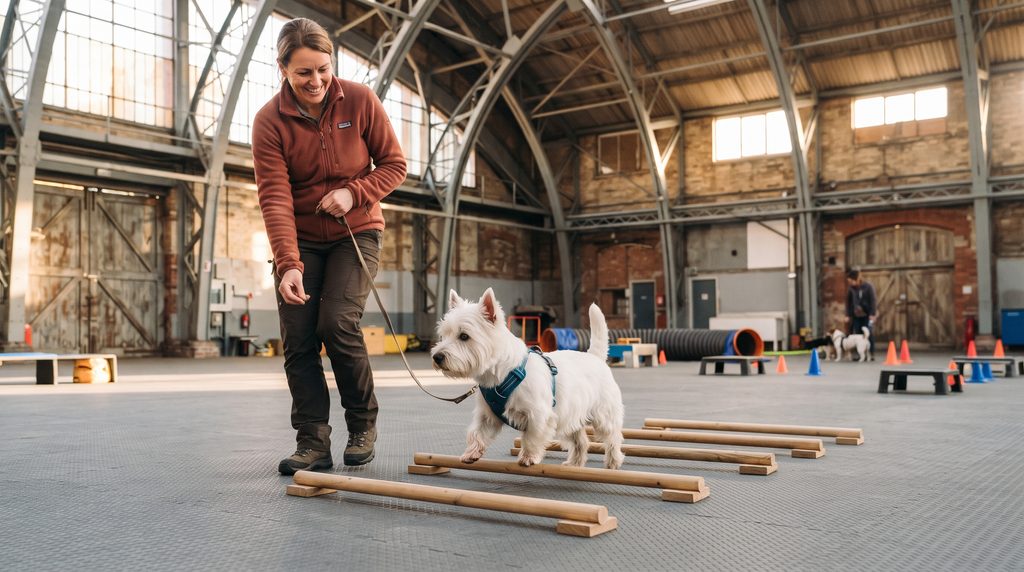
A Balanced Daily Exercise Routine for a Westie
A healthy adult West Highland White Terrier may enjoy a morning walk of approximately 25–30 minutes, followed by another outing of similar duration later in the day. Allow plenty of opportunities for sniffing and investigating familiar surroundings rather than focusing entirely on distance. Short scent searches, interactive games, and reward-based training can provide additional mental stimulation. Secure fencing and appropriate leash management remain essential because the breed’s hunting instincts can encourage sudden pursuit of wildlife. Adjust activity according to your dog’s age, health, fitness, and weather conditions. The goal is a comfortably exercised, mentally satisfied Westie that can settle peacefully at home.
Training a West Highland White Terrier
Training a West Highland White Terrier requires patience, consistency, creativity, and an understanding of the breed’s independent working heritage. Westies are intelligent, confident dogs that often learn new behaviors quickly, but their enthusiasm for investigating the world can make maintaining attention challenging. Originally developed to pursue vermin through rocky terrain and confined underground spaces, these determined little terriers were expected to make decisions without constant human direction. That independence remains an important part of their modern personality. Successful training therefore involves establishing a cooperative relationship in which responding to an owner’s guidance becomes rewarding, enjoyable, and worthwhile.
Positive reinforcement is particularly effective with West Highland White Terriers because they respond enthusiastically to interesting rewards and engaging activities. Small food treats, favorite toys, cheerful praise, and opportunities to explore can all encourage desirable behavior. A consistent reward marker, such as a clicker or brief verbal signal, helps the dog understand exactly which action earned reinforcement. Harsh corrections, intimidation, and confrontational handling are unnecessary and may undermine trust or encourage defensive responses. Rather than attempting to suppress the Westie’s natural determination, owners should use thoughtful training to channel it toward appropriate activities. A confident terrier that enjoys learning is considerably easier to work with than one that approaches training with uncertainty or frustration.
Short, varied sessions generally produce better results than lengthy, repetitive exercises. Many Westies quickly understand familiar tasks but lose interest when asked to repeat the same behavior without an obvious purpose. Several sessions lasting approximately five minutes can be particularly useful, especially during puppyhood. Initial training should introduce simple behaviors such as responding to a name, sitting, lying down, coming when called, and waiting briefly. Once these skills are reliable in quiet surroundings, owners can gradually introduce distractions. A West Highland White Terrier that responds beautifully in the kitchen may initially struggle to concentrate in a park filled with interesting scents and movement.
Recall training deserves particular attention because of the breed’s strong hunting instincts. A Westie may enthusiastically return to its owner in ordinary circumstances yet become intensely focused when a squirrel, rabbit, or bird suddenly appears. Training should begin in a secure environment where responding to the recall cue consistently produces something rewarding. Owners can encourage the dog to approach, celebrate its return, and sometimes release it to resume exploring. This teaches that coming back does not always mean the end of an enjoyable activity. Gradually increasing distance and distraction allows the behavior to develop without placing the dog in unnecessary danger.
A lightweight training line attached to a properly fitted harness can provide additional freedom during recall practice. This arrangement allows the West Highland White Terrier to investigate its surroundings while remaining safely connected to its owner. However, training lines must be handled carefully to prevent entanglement or sudden impacts. Even with extensive training, many Westies should remain leashed outside securely enclosed areas. Their instinctive responses to wildlife can be exceptionally rapid, and reliable behavior in one environment does not guarantee the same response everywhere. Secure containment is a sensible precaution rather than evidence that training has failed.
Loose-leash walking is another valuable skill for this curious breed. Westies frequently approach walks as opportunities to investigate every interesting smell, movement, and unfamiliar object. Their determination can result in persistent pulling, particularly when something exciting appears just beyond reach. Training should reward the dog for remaining near its owner, maintaining a relaxed leash, and voluntarily checking in. Changing direction, using appropriately timed rewards, and allowing designated opportunities for sniffing can make walks more cooperative. A comfortable harness provides practical control while helping avoid unnecessary pressure on the neck.
Impulse-control exercises are particularly useful because West Highland White Terriers often react quickly to exciting situations. Teaching a brief wait before passing through a doorway, remaining calm while food is prepared, or leaving an interesting object when requested can improve everyday safety. These behaviors should be introduced gradually, with expectations matched to the dog’s current abilities. A hand-target exercise, in which the Westie touches its nose to an offered palm, provides an especially practical way to redirect attention. Owners can use this simple behavior to encourage movement away from distractions, guide the dog into position, or support cooperative handling without unnecessary physical restraint.
Barking is another behavior that benefits from early guidance. Westies are naturally alert and may enthusiastically announce visitors, unfamiliar sounds, passing dogs, or wildlife outside the home. Some individuals also bark when frustrated, bored, or seeking attention. Effective management begins with understanding the cause rather than simply attempting to silence the dog. Owners can reward quiet observation, teach the terrier to move toward a designated resting area, and reduce unnecessary exposure to triggers. A quiet cue can become useful when introduced under manageable conditions. Persistent barking caused by fear or anxiety may require a more individualized approach.
Digging presents a different challenge because it is closely connected to the West Highland White Terrier’s original working purpose. Some individuals enthusiastically investigate garden beds, loose soil, or areas where small animals have been active. Simply reprimanding a determined terrier may do little to change behavior that is naturally rewarding. A more practical approach involves preventing access to unsuitable areas while providing an acceptable outlet, such as a designated digging box or supervised searching game. Owners can hide toys in suitable loose material and reward the dog for investigating the approved location. This allows natural instincts to be expressed without continually damaging the garden.
Training should begin during puppyhood, when young Westies are learning how their new household operates. Early priorities include toilet training, comfortable confinement, responding to a name, gentle handling, and appropriate interactions with people. Puppies should receive frequent opportunities to toilet outdoors, particularly after sleeping, eating, and playing. Successful toileting should be rewarded immediately, while accidents should be cleaned without punishment. A properly introduced crate or puppy pen can provide a secure resting area and assist with supervision, but confinement should never replace companionship, suitable exercise, or regular toileting opportunities.
Socialization is equally important, particularly because a confident West Highland White Terrier may become overly assertive without suitable early experiences. Puppies should encounter different people, everyday sounds, surfaces, environments, and well-mannered dogs in controlled, positive circumstances. The aim is not to encourage enthusiastic interaction with everything they encounter, but to help them remain comfortable and responsive around unfamiliar situations. Calmly watching another dog pass can be a valuable achievement. Owners should respect individual comfort levels and avoid forcing puppies into overwhelming encounters. Positive early experiences provide a foundation for confidence without encouraging unnecessary excitement or intrusive behavior.
Adolescence may introduce additional challenges as independence and environmental curiosity become more pronounced. A previously attentive puppy may begin pulling toward interesting scents, responding less reliably to familiar cues, or becoming increasingly interested in other animals. This period requires consistency rather than stronger punishment. Returning temporarily to simpler exercises, increasing the value of rewards, and managing distracting environments can help preserve progress. Owners should also avoid allowing unwanted behaviors to become repeatedly rewarding. A West Highland White Terrier that successfully escapes through an unsecured gate or chases wildlife may become increasingly motivated to repeat the experience.
Teaching relaxation is an important but sometimes overlooked part of training. Westies can become highly skilled at attracting attention, especially when barking, carrying away household objects, or demanding games produces an immediate reaction. Encouraging quiet behavior on a comfortable mat, rewarding voluntary settling, and providing appropriate chew items can help establish more balanced routines. A reliable place cue is particularly useful during meals, visits from guests, or periods when household members need to concentrate. Learning to relax does not diminish the West Highland White Terrier’s lively character; it gives the dog an additional skill that makes family life more comfortable.
Cooperative grooming training deserves special attention because of the breed’s distinctive double coat and predisposition to certain skin problems. Westies should become comfortable with having their paws examined, ears inspected, coats brushed, and facial furnishings handled. These experiences are best introduced gradually using short, rewarding sessions. Teaching the dog to stand calmly on a secure surface or voluntarily rest its chin in an owner’s hand can make routine care considerably easier. Owners should avoid forcing prolonged handling when the dog becomes uncomfortable. If itching, inflamed skin, or painful ears make grooming difficult, veterinary assessment is more appropriate than attempting to overcome resistance through restraint.
Food rewards are valuable during training, but portions should be considered carefully. West Highland White Terriers can gain excess weight when frequent treats are added to ordinary meals without adjusting daily intake. Using very small rewards, reserving a portion of the dog’s regular food for training, and occasionally reinforcing behavior with toys or access to enjoyable activities can help. Some individuals respond especially enthusiastically when a reward involves being permitted to investigate an interesting scent. Understanding what motivates a particular Westie often makes training more effective than relying on the same reward in every situation.
Training an adult rescue Westie may require a different approach depending on its previous experiences. Some adopted dogs already understand household routines and familiar cues, while others have received inconsistent training or have developed behaviors that helped them cope with earlier environments. Establishing predictable routines, introducing manageable expectations, and building trust should take priority over demanding immediate obedience. Dogs displaying persistent fear, aggression, separation distress, or severe reactivity may benefit from assistance from a qualified reward-based trainer or veterinary behavior professional. Individual assessment is particularly important when a dog’s history is incomplete.
West Highland White Terriers can also excel in more advanced activities once basic cooperation is established. Rally, obedience, trick training, agility foundations, and scent work provide opportunities to challenge their intelligence and reinforce communication. Their natural persistence can be particularly rewarding during searching exercises, while their compact athletic construction suits appropriately designed obstacle activities. Participation does not need to involve competition. Many owners simply enjoy teaching new skills, developing better responsiveness, and discovering how capable their little terrier can be. The most successful training activities usually combine variety, movement, problem-solving, and clear opportunities for reward.
Ultimately, training a West Highland White Terrier involves developing cooperation without attempting to eliminate the independence that makes the breed so distinctive. These intelligent, affectionate, determined dogs are capable of learning excellent household manners, but their enthusiasm for exploration requires consistent practice and sensible management. Owners who use positive reinforcement, establish clear expectations, and provide engaging learning opportunities are more likely to achieve lasting results. With patience, creativity, and an appreciation of its working-terrier instincts, the Westie can become a responsive, confident, and wonderfully entertaining companion whose spirited personality remains very much intact.
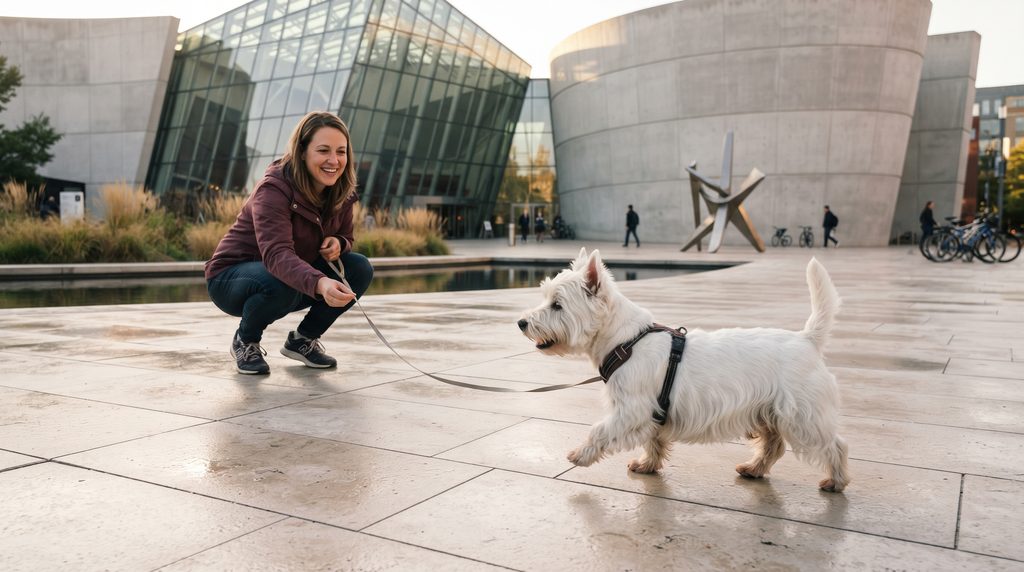
West Highland White Terrier Grooming and Coat Care
Grooming is an essential part of caring for a West Highland White Terrier, and the breed’s beautiful white coat requires considerably more attention than its relatively tidy appearance might suggest. Beneath the familiar rounded head, expressive dark eyes, and neatly shaped body lies a dense double coat developed to protect a working terrier against rough vegetation and challenging Scottish weather. Maintaining this coat involves regular brushing, appropriate trimming, and careful attention to skin health. Although West Highland White Terriers are generally considered relatively low-shedding dogs, their coats are not maintenance-free. Understanding the different grooming methods helps owners preserve comfort, cleanliness, and the breed’s distinctive appearance throughout life.
The Westie’s coat consists of two distinct layers. The outer coat contains harsh, straight white hairs that provide protection against moisture, dirt, and environmental exposure. Beneath this lies a shorter, softer undercoat that contributes insulation. A correctly maintained coat should feel firm and somewhat coarse rather than silky, woolly, or excessively fluffy. The traditional West Highland White Terrier appearance emphasizes a compact body with a carefully shaped head and slightly longer furnishings around the chest and legs. However, grooming should always preserve the dog’s natural proportions rather than creating an exaggerated ornamental appearance.
Regular brushing forms the foundation of effective West Highland White Terrier grooming. Ideally, owners should check and maintain the coat daily, although thorough brushing several times each week is particularly important. A suitable pin or slicker brush can help separate the hair and remove loose material, while a metal comb allows owners to identify tangles concealed beneath the surface. The beard, chest, underarms, belly, and leg furnishings deserve particular attention because these areas can collect debris and develop knots. Brushing should remain gentle, systematic, and comfortable for the dog.
Hand-stripping is the traditional method used to preserve the Westie’s characteristic harsh outer coat. This technique involves removing mature, dead hairs that are ready to release rather than simply shortening them with clippers. When performed correctly on a suitable coat, hand-stripping helps encourage the development of fresh, properly textured hair. It also maintains the crisp appearance associated with the breed standard. However, the process requires experience and appropriate judgment. Removing immature hairs, working over irritated skin, or using excessive force can cause discomfort. Owners interested in traditional coat maintenance should seek guidance from an experienced terrier groomer.
Some professional groomers use a technique known as rolling the coat. Rather than removing large sections of mature hair during a single appointment, rolling involves taking smaller amounts at regular intervals to maintain a consistent appearance. This approach is particularly valuable for dogs participating in conformation shows, where coat texture and presentation are important. The frequency of maintenance depends on coat development, individual hair growth, and exhibition schedules. Pet West Highland White Terriers generally do not require the same intensive preparation, although owners who appreciate the traditional harsh texture may choose regular hand-stripping.
Clipping provides a practical alternative for many household companions. Electric clippers shorten the existing hair without removing mature strands from their follicles, making the process quicker and usually easier to arrange than specialist hand-stripping. However, repeated clipping can gradually soften the coat and sometimes produce a more wavy or fluffy appearance. This does not automatically make clipping unsuitable for companion dogs. A comfortable, regularly maintained clipped coat is preferable to a neglected coat that has become tangled or uncomfortable. The choice should reflect the individual dog’s coat condition, health, lifestyle, and grooming tolerance.
The familiar West Highland White Terrier haircut is designed to emphasize the breed’s sturdy body and distinctive rounded head. The back and sides are generally maintained at a shorter length, while the face is carefully shaped to create the recognizable Westie expression. The legs retain sufficient hair to produce a balanced outline without appearing disproportionately heavy. Owners should discuss their preferred finish with a professional groomer, particularly because photographs of heavily sculpted show dogs may create unrealistic expectations. A practical companion trim can preserve the breed’s character while making everyday coat maintenance considerably easier.
Learning how to groom a West Highland White Terrier at home involves more than brushing the visible surface of its coat. Owners should carefully part the hair, check for knots near the skin, and inspect areas where friction encourages tangling. The longer furnishings around the legs and underarms require particular attention. Regular handling also provides opportunities to identify lumps, scratches, parasites, or changes in skin condition. A suitable grooming routine should be comfortable for both dog and owner, with short sessions introduced gradually rather than expecting an inexperienced West Highland White Terrier to tolerate extensive handling immediately.
The Westie’s white beard is especially prone to becoming untidy during ordinary activities. Food particles, water, soil, and outdoor debris may collect around the muzzle, particularly in dogs that enthusiastically investigate their surroundings. Gently wiping the beard after meals and drying it when necessary helps maintain cleanliness. Persistent brown or reddish discoloration around the mouth may reflect staining from saliva and moisture, although irritation or infection should be considered when other symptoms are present. Owners should avoid harsh whitening chemicals or human cosmetic products, as these may irritate sensitive skin.
Bathing requires a balanced approach. Although the white coat may show dirt readily, frequent washing is not always necessary or beneficial. The West Highland White Terrier’s harsh outer hair can release dry dirt surprisingly effectively when brushed appropriately. Bathing should therefore reflect the dog’s activities, coat condition, and veterinary needs rather than following an unnecessarily rigid schedule. A gentle dog-specific shampoo is generally suitable for healthy skin, followed by thorough rinsing and careful drying. Some Westies with diagnosed skin disorders require medicated products or more frequent therapeutic bathing, but these routines should follow veterinary advice.
Skin health is particularly important because West Highland White Terriers have a recognized predisposition to allergic skin disease. Persistent scratching, paw licking, recurrent ear irritation, redness, unpleasant odor, or hair thinning may indicate an underlying dermatological problem. The dense coat can conceal inflammation, making regular inspection valuable. Owners should avoid assuming that every itchy Westie simply needs a different shampoo or more frequent bathing. Allergies, parasites, bacterial infections, yeast overgrowth, and other conditions can produce similar symptoms. Veterinary assessment helps identify the cause and establish appropriate treatment before discomfort becomes persistent.
Professional grooming appointments are an important consideration for prospective owners. The American Kennel Club suggests that many companion West Highland White Terriers benefit from professional grooming approximately every four to six weeks, although individual schedules vary. Dogs receiving regular hand-stripping or coat rolling may require different arrangements. Owners should ask potential groomers about their experience with Westies, their approach to skin-sensitive dogs, and whether traditional hand-stripping is available. Not every salon provides specialist terrier grooming. Discussing these matters beforehand helps establish a realistic schedule that suits the dog’s coat and the household’s resources.
Nail care should remain part of the routine. Although West Highland White Terriers are active dogs, everyday walking does not necessarily wear their nails sufficiently. Overgrown nails can affect paw placement, reduce traction, and make movement uncomfortable. Regular inspection and trimming help preserve healthy feet. The hair around the paws should also be checked for grass seeds, small stones, and other debris after outdoor adventures. Particular attention is worthwhile following walks through long grass or rough vegetation. Persistent paw licking, swelling, or limping should prompt investigation rather than simply trimming away surrounding hair.
Ear and dental care are equally important. The Westie’s small erect ears should be inspected for redness, unusual discharge, excessive wax, or unpleasant odor. Healthy ears do not require aggressive cleaning, and cotton swabs should never be inserted deeply into the ear canal. Dental hygiene benefits from regular toothbrushing using dog-safe toothpaste, together with veterinary examinations. Smaller breeds can develop significant periodontal disease, making early establishment of comfortable oral-care routines particularly valuable. Professional grooming can complement these checks, but it does not replace veterinary assessment when abnormalities are detected.
West Highland White Terrier puppies should be introduced to grooming from an early age. Gentle brushing, touching the paws, examining the ears, and briefly handling the muzzle help young dogs become comfortable with procedures they will experience throughout life. Sessions should remain short and rewarding, using praise and small treats to encourage cooperation. A secure nonslip surface helps prevent accidents, while elevated grooming tables require constant supervision. Owners should never leave a Westie unattended on a table, even when a grooming loop is present. Positive early experiences can make professional appointments and routine home care significantly easier.
A Westie whose coat has been allowed to become overgrown may look very different from the familiar carefully maintained breed presentation. Longer hair can obscure the eyes, conceal the body’s compact proportions, and develop uncomfortable tangles around the legs and underarms. Dirt and moisture may also remain trapped close to the skin. An overgrown coat is not automatically unhealthy, but persistent neglect can create hygiene and welfare problems. Severely matted hair should be addressed by an experienced professional rather than forcibly pulled apart at home, particularly when the skin beneath it may already be inflamed.
Senior West Highland White Terriers sometimes require adjustments to their grooming routines. Arthritis, reduced stamina, sensitive skin, and other age-related conditions can make prolonged standing or repeated leg manipulation uncomfortable. Shorter appointments, supportive surfaces, and additional rest breaks may improve the experience. Dogs with chronic dermatological problems may also need an individualized coat-maintenance plan. The traditional appearance should never take priority over physical comfort. A gently maintained clipped coat may be more appropriate than extensive hand-stripping for an older dog with significant medical concerns.
Ultimately, successful West Highland White Terrier grooming depends on consistent home care, an appropriate choice between hand-stripping and clipping, and careful attention to the health of the skin beneath the coat. The breed’s striking white appearance is closely connected to its working heritage, but maintaining it should never become an uncomfortable or unnecessarily demanding experience for the dog. Owners who establish regular brushing routines, seek knowledgeable professional assistance, and respond promptly to skin concerns can preserve the West Highland White Terrier’s distinctive appearance while supporting comfort, cleanliness, and long-term well-being.
Hand-Stripping or Clipping Your West Highland White Terrier?
Hand-stripping removes mature hairs and helps maintain the West Highland White Terrier’s traditional harsh coat texture. It is particularly important for dogs shown in conformation competitions, but it requires specialist skill and regular maintenance. Clipping is a practical alternative for many companion Westies, although the coat may gradually become softer and less weather-resistant. Neither method eliminates the need for brushing, cleaning facial furnishings, or monitoring the skin. Dogs with allergies, inflammation, or other medical concerns may require adjustments to their grooming routine. Before choosing a method, discuss your dog’s coat condition, comfort, and lifestyle with a professional experienced in grooming West Highland White Terriers.
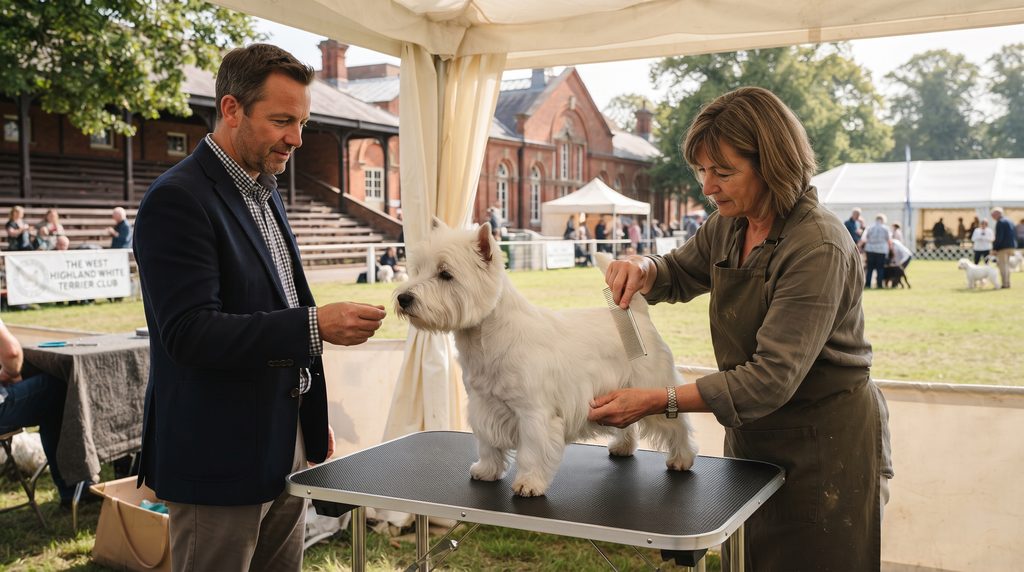
West Highland White Terrier Shedding
The West Highland White Terrier is generally considered a low-shedding breed, making it attractive to people who prefer relatively little loose dog hair on their furniture, clothing, and carpets. However, the Westie’s distinctive white coat requires more maintenance than its modest shedding might suggest. Unlike many dogs that release substantial amounts of hair during seasonal coat changes, the West Highland White Terrier retains much of its mature outer coat until it is removed through appropriate grooming. Understanding West Highland White Terrier shedding helps owners distinguish normal coat renewal from excessive hair loss, establish an effective maintenance routine, and develop realistic expectations about cleanliness and allergies.
The Westie possesses a dense double coat consisting of a harsh, straight outer layer and a shorter, softer undercoat. These layers originally provided protection against the difficult weather and rough vegetation encountered by working terriers in Scotland. The outer hairs are relatively firm and do not fall away as readily as the softer hair of many other breeds. Consequently, a properly maintained Westie may leave remarkably little visible hair around the home. Nevertheless, the coat continues growing and renewing itself, meaning regular attention is necessary even when shedding is barely noticeable.
Does a West Highland White Terrier shed? Yes, although the amount is usually modest compared with heavier-shedding breeds. Small quantities of white hair may appear on dark clothing, bedding, upholstery, or grooming tools. Owners may notice loose hairs after their West Highland White Terrier has been resting on a favorite blanket or rubbing against furniture. However, large accumulations of hair are not typical of a healthy, appropriately groomed Westie. Individual differences occur, and coat condition, grooming methods, age, and general health can influence how much loose hair becomes visible.
Seasonal coat changes are generally less dramatic than those experienced by breeds such as Golden Retrievers, German Shepherds, or Siberian Huskies. Although environmental conditions and normal hair-growth cycles can influence coat renewal, Westies are not usually associated with the substantial seasonal shedding commonly described as blowing the coat. Some individuals may release slightly more hair at certain times, particularly during brushing or professional grooming. Others maintain a relatively consistent pattern throughout the year. Owners should become familiar with their own dog’s normal coat behavior rather than expecting every Westie to follow an identical schedule.
Traditional hand-stripping plays an important role in maintaining the West Highland White Terrier’s distinctive coat. This technique removes mature outer hairs that are ready to release, allowing newer growth to develop while preserving the characteristic harsh texture. When performed correctly, hand-stripping helps maintain a crisp, weather-resistant coat and reduces the accumulation of old hair. Some experienced groomers use regular coat rolling, removing smaller amounts of mature hair at intervals to maintain a consistent appearance. However, inappropriate stripping techniques can cause discomfort or skin irritation, making professional guidance particularly important.
Clipping produces a different result because the hair is shortened rather than removed from its follicles. Many companion Westies are maintained with clipped coats because this approach is practical, widely available, and often less expensive than specialist hand-stripping. Repeated clipping may gradually soften the coat or produce a slightly different texture. However, clipping does not stop natural hair renewal or guarantee that the dog will never shed. Owners should continue brushing and combing regularly, regardless of the grooming method chosen. A neatly clipped West Highland White Terrier can still have an attractive, comfortable coat without maintaining the precise texture required for exhibition.
Regular brushing helps remove loose hair before it collects around the home. It also separates the coat, removes outdoor debris, and prevents tangles from developing in the longer furnishings. The beard, chest, belly, underarms, and legs deserve particular attention because these areas can become knotted even when the shorter body coat looks tidy. A suitable brush followed by a metal comb allows owners to check that the hair remains comfortable close to the skin. Grooming should be gentle and systematic, with additional attention after walks through vegetation or rough outdoor environments.
One important distinction is that low shedding does not mean low grooming requirements. In fact, the Westie’s tendency to retain mature outer hairs is one reason regular coat maintenance is so important. A dog that rarely leaves hair on the sofa may still develop an overgrown coat, tangled furnishings, or uncomfortable accumulations of dead hair when grooming is neglected. Owners attracted to the breed because of its relatively tidy household shedding should understand the time and expense associated with brushing and professional appointments. Less loose hair around the home is a benefit, but it does not eliminate coat-care responsibilities.
The Westie’s white coat can make occasional shedding particularly noticeable on dark fabrics. A few strands on navy trousers, black upholstery, or darker bedding may stand out more clearly than an equivalent amount of darker-colored dog hair. Washable blankets, removable furniture covers, and regular vacuuming can help maintain a tidy household. A reusable lint brush is useful for removing occasional stray hairs from clothing or cushions. However, extensive daily cleaning is generally unnecessary for a healthy West Highland White Terrier whose coat is maintained appropriately.
Is a West Highland White Terrier hypoallergenic? No dog breed can be guaranteed to be hypoallergenic, even when it sheds relatively little. Dog allergies are usually triggered by proteins found in dander, saliva, urine, and other biological materials rather than visible hair alone. These allergens can spread around the home independently of shedding. A person may therefore experience allergic symptoms around a West Highland White Terrier despite finding very few loose hairs on furniture or clothing. The breed’s low-shedding reputation should never be interpreted as proof that it is safe for everyone with dog allergies.
Individual allergic reactions vary considerably. Some people may tolerate a particular Westie better than another dog, while others experience significant symptoms despite the limited amount of visible hair. Spending time around individual dogs may provide useful information about personal reactions, but a brief meeting cannot reliably predict the effects of prolonged household exposure. Regular cleaning, washing bedding, appropriate ventilation, and limiting access to bedrooms may reduce some environmental allergens. However, these measures cannot guarantee an allergy-free home. Anyone with significant dog allergies or asthma should seek medical guidance before choosing a West Highland White Terrier.
Skin health is especially important when evaluating unusual shedding because West Highland White Terriers have a recognized predisposition to allergic skin disease. Persistent itching, repeated paw licking, redness, ear inflammation, and hair thinning may indicate an underlying dermatological problem. These symptoms should not be dismissed as ordinary coat renewal. Allergies, parasites, bacterial infections, yeast overgrowth, and other conditions can contribute to abnormal hair loss. The dense white coat may conceal irritated areas, making regular skin inspection valuable. Veterinary assessment is important whenever shedding changes noticeably or occurs alongside discomfort.
Owners should distinguish between normal loose hair and abnormal hair loss. Finding a few white hairs on a blanket is generally unremarkable, while bald patches, widespread thinning, broken hairs, scaly skin, or persistent scratching deserve attention. Changes affecting only particular areas may be associated with licking, rubbing, or localized irritation. More widespread coat changes can occur with several medical conditions, including hormonal disorders. Identifying the cause requires examination rather than assumptions based on appearance alone. Prompt treatment can improve comfort and reduce the risk of persistent skin problems.
Puppies may display somewhat different shedding patterns as their coats develop. Young Westies generally have softer, less clearly defined hair than mature adults, and the characteristic harsh outer coat becomes more apparent with growth and appropriate grooming. During this transition, owners may notice changes in texture, density, and the amount of loose hair removed during brushing. Establishing gentle grooming routines early helps puppies become comfortable with handling while allowing owners to monitor coat development. Professional advice can help determine when more specialized maintenance should begin.
Aging can also influence coat condition. Some senior Westies develop changes in hair texture, growth rate, or density, while others maintain a remarkably consistent coat well into later life. Reduced activity, medical conditions, and changes in grooming tolerance may affect how the coat is maintained. Older dogs with arthritis or sensitive skin may benefit from shorter sessions and gentler handling. However, sudden or pronounced coat changes should not automatically be attributed to age. Veterinary assessment is appropriate when hair loss occurs alongside weight changes, unusual thirst, lethargy, or other concerning symptoms.
Nutrition and general health also contribute to maintaining a healthy coat. A complete and balanced diet supplies the protein, essential fatty acids, vitamins, and minerals required for normal skin and hair growth. However, there is no reason to assume that every Westie needs additional coat supplements or a specialized diet to control shedding. Excessive supplementation can be unnecessary or potentially harmful, particularly when products are introduced without veterinary guidance. Dietary changes should be considered when there is an established medical or nutritional reason rather than simply because the coat feels naturally coarse.
Ultimately, the West Highland White Terrier is best described as a low-shedding breed with relatively demanding coat-maintenance requirements. Its distinctive double coat offers practical advantages for owners who prefer limited household hair, but appropriate grooming remains essential. Regular brushing, suitable hand-stripping or clipping, attention to skin health, and sensible household cleaning form the foundation of effective shedding management. For owners who understand these responsibilities, the Westie offers the benefits of a comparatively tidy coat while retaining the distinctive texture, appearance, and working-terrier character that make the breed so recognizable.

When Loose Hair Signals a Skin Problem
Westies normally shed relatively little, so an unexpected increase in hair loss deserves attention, especially when accompanied by itching, redness, or repeated paw licking. The breed is predisposed to allergic skin disease, and inflammation may lead to thinning hair, bald patches, or secondary infections. Check beneath the coat regularly, including the belly, underarms, paws, and areas around the ears. Avoid repeatedly changing shampoos or diets without identifying the cause. Persistent symptoms should be assessed by a veterinarian, who can investigate allergies, parasites, infections, and other possible conditions. Early diagnosis is more useful than trying to conceal hair loss through additional grooming.
West Highland White Terrier Feeding and Nutrition
Providing appropriate nutrition is essential for maintaining the West Highland White Terrier’s sturdy physique, energetic personality, healthy skin, and long-term well-being. Although the Westie is a small breed, its enthusiasm for walking, exploring, and playing means that its dietary requirements must reflect its individual activity level rather than body size alone. The breed is also predisposed to certain skin conditions, making thoughtful food selection particularly important when medical concerns arise. However, not every Westie needs a specialized diet, and ordinary nutritional requirements should not be confused with the management of diagnosed allergies. A balanced feeding routine, appropriate portions, and regular monitoring of body condition provide the strongest foundation for lifelong health.
Choosing suitable West Highland White Terrier food begins with identifying a complete and balanced diet appropriate for the dog’s life stage. Puppies, healthy adults, and senior dogs have different nutritional requirements, particularly during periods of growth or changing activity. In the United States, an AAFCO nutritional adequacy statement helps owners determine whether a commercial food is formulated to meet recognized nutritional requirements. Products intended for adult maintenance may not provide the correct nutritional balance for growing puppies. Owners should also consider the manufacturer’s nutritional expertise, quality-control procedures, and feeding research rather than relying entirely on attractive packaging or claims about individual ingredients.
The best dog food for a West Highland White Terrier is therefore not necessarily the most expensive product or one advertised specifically for the breed. A suitable diet should provide adequate protein, essential fats, vitamins, minerals, and other nutrients in the correct proportions. Protein supports muscle maintenance and normal tissue repair, while dietary fats supply energy and essential fatty acids important for skin and coat function. Carbohydrates can contribute digestible energy and useful fiber. However, unusually high protein levels, exotic ingredients, or fashionable formulations do not automatically make a diet superior. Nutritional suitability depends on the individual dog’s requirements and the quality of the complete formulation.
Portion control deserves particular attention because Westies can gain excess weight when food intake exceeds their energy requirements. A typical adult weighs approximately 15–20 pounds, but two similarly sized dogs may require different calorie allowances. An active Westie regularly participating in long walks and canine sports may need more food than a relatively sedentary companion. Age, neuter status, metabolism, and existing medical conditions also influence energy requirements. Feeding guides printed on packaging provide a useful starting point, but owners should adjust portions according to the dog’s weight, body condition, and veterinary recommendations rather than treating the suggested quantity as an unchangeable rule.
Assessing body condition can be slightly challenging because the Westie’s dense white coat conceals its natural outline. A dog that looks pleasantly rounded may be carrying more body fat than expected. Owners should be able to feel the ribs beneath a light covering of tissue and identify a waist when looking down at the dog’s body. A gentle abdominal tuck should also be evident when viewed from the side. Regular weighing helps identify gradual changes before they become significant. Maintaining a lean body condition reduces unnecessary strain on joints and supports the mobility that makes this breed such an enthusiastic companion.
Accurate food measurement is one of the simplest ways to maintain consistent portions. Measuring dry food using a kitchen scale is generally more reliable than estimating quantities with a scoop or cup, particularly when different products have different kibble sizes and calorie densities. Owners should check the food’s calorie content whenever changing brands or formulas because identical-looking portions may provide substantially different amounts of energy. Keeping a record of daily food intake can be useful when managing weight or investigating unexpected changes. All treats, training rewards, dental chews, and additional food should be included in the dog’s overall calorie allowance.
Most healthy adult Westies do well with two measured meals each day, although individual feeding routines may vary. Dividing the daily allowance between morning and evening meals provides predictable opportunities to monitor appetite and maintain comfortable feeding habits. Some Westies consume their meals enthusiastically and finish almost immediately, while others prefer a slower approach. Dogs that regularly gulp food may benefit from a suitable slow-feeder bowl or food puzzle. Feeding arrangements should remain calm and free from unnecessary competition, particularly in multi-dog households where excitement around food can occasionally create tension.
Puppies require special consideration because growth places substantial demands on their developing bodies. A complete and balanced West Highland White Terrier puppy food should provide appropriate energy, protein, calcium, phosphorus, and other nutrients for healthy skeletal and muscular development. Young puppies generally benefit from several smaller meals throughout the day, with feeding frequency gradually decreasing as they mature. Owners should follow veterinary advice and the manufacturer’s life-stage guidance rather than attempting to accelerate growth through excessive portions. Adding unnecessary calcium or vitamin supplements to a properly balanced puppy diet may disrupt the intended nutritional balance.
Transitioning from puppy food to an adult maintenance diet should reflect physical development and individual needs rather than a rigid birthday. Many small-breed dogs approach maturity around their first year, although growth rates and body composition vary. A veterinarian can help determine when the Westie is ready for an adult formulation. Dietary changes should generally be introduced gradually over approximately seven to ten days, allowing the digestive system to adjust. Dogs with sensitive digestion may require a longer transition. Persistent vomiting, diarrhea, or appetite loss should prompt veterinary assessment rather than repeated experimentation with different commercial foods.
Skin health is a particularly important nutritional consideration for this breed. West Highland White Terriers have a recognized predisposition to allergic skin disease, which may cause itching, paw licking, recurrent ear inflammation, and other uncomfortable symptoms. However, these signs do not automatically indicate a food allergy. Environmental allergens, parasites, infections, and other conditions can produce similar problems. Owners should avoid assuming that a Westie with itchy skin needs grain-free food, a different protein source, or an expensive specialized formula. Identifying the underlying cause is more important than repeatedly changing foods without a diagnosis.
When a veterinarian suspects an adverse food reaction, a carefully controlled elimination diet may be recommended. This typically involves feeding a prescribed hydrolyzed-protein diet or an appropriately selected novel-protein formulation for a defined period, commonly around eight to twelve weeks for skin-related symptoms. During the trial, unauthorized treats, flavored medications, table scraps, and other foods can interfere with interpretation. A subsequent dietary challenge may be needed to confirm whether food contributed to the symptoms. Commercial products marketed as limited-ingredient or hypoallergenic are not automatically suitable for diagnostic elimination trials, particularly when ingredient contamination or incomplete formulation information is possible.
Some Westies may require therapeutic nutrition for medical conditions unrelated to allergies. Certain liver disorders, gastrointestinal problems, or other diagnosed diseases can make specialized veterinary diets appropriate. These formulations are designed for particular clinical circumstances and should not be selected simply because a product claims to support sensitive digestion or general wellness. Equally, there is no established requirement for every Westie to consume a low-fat, grain-free, or unusually high-protein diet. Owners should discuss persistent digestive symptoms, unexplained weight loss, or abnormal laboratory findings with their veterinarian before making substantial nutritional changes.
Treats are especially useful when training this intelligent and independent breed. Westies often respond enthusiastically to small food rewards, particularly during recall practice, cooperative grooming, and activities involving environmental distractions. However, frequent training sessions can introduce a surprising number of additional calories. As a general guideline, treats and other foods that are not nutritionally complete should provide no more than approximately 10% of daily calorie intake. Owners can use tiny rewards or reserve part of the dog’s measured meal allowance for training. Nonfood rewards, including favorite toys and opportunities to investigate interesting scents, may also be effective.
Mealtimes can provide valuable mental enrichment. Many Westies enjoy using their noses to locate food, making snuffle mats, suitable puzzle feeders, and supervised searching games particularly rewarding. A portion of the dog’s ordinary meal can be distributed through several safe hiding places rather than presented entirely in a conventional bowl. These activities encourage concentration and independent problem-solving while providing an appropriate outlet for natural investigative behavior. Food-based enrichment should remain part of the measured daily allowance, not an additional meal. Equipment must also be selected carefully, particularly for determined chewers that may attempt to dismantle unsuitable toys.
Fresh drinking water should always be available. Water requirements vary with diet, exercise, temperature, and individual health. A Westie participating in energetic outdoor activities may need additional drinking opportunities, especially during warm weather. Dogs eating primarily dry food generally obtain less moisture from their meals than those consuming wet formulations, making reliable access to drinking water particularly important. Owners should clean bowls regularly and carry water during extended outings. Unusually increased thirst, changes in urination, or persistent refusal to drink can indicate medical problems and warrant veterinary attention.
Dental health also influences feeding choices, particularly as Westies grow older. Smaller dogs can develop periodontal disease, and discomfort may cause changes in chewing behavior or appetite. Dry kibble alone does not replace regular toothbrushing and professional dental assessments. Appropriately selected dental products may contribute to oral hygiene, but their calories must be included in the daily allowance. Owners should avoid particularly hard chews that could fracture teeth and supervise dogs using edible or recreational chewing products. Persistent bad breath, gum inflammation, or difficulty eating should be investigated rather than managed simply by changing food texture.
Senior Westies may require adjustments as physical activity, muscle condition, and medical needs change. Some older dogs need fewer calories because their daily exercise decreases, while others require careful nutritional support to maintain lean muscle. Age alone does not mean every dog requires a specially marketed senior diet. The most appropriate food depends on body condition, appetite, dental health, and any diagnosed medical conditions. Older Westies with chronic illnesses may benefit from individualized veterinary nutrition plans. Regular weighing and monitoring are particularly useful because gradual changes in appetite or body condition can provide early indications of developing health concerns.
Homemade and raw diets require careful consideration. Preparing meals at home may appeal to owners who want control over ingredients, but recipes assembled without specialist guidance can lack essential nutrients or provide them in inappropriate proportions. Any homemade diet intended for long-term feeding should be formulated by a board-certified veterinary nutritionist or appropriately qualified equivalent. Raw meat diets can also expose dogs and household members to harmful bacteria and other pathogens. There is no established nutritional requirement for Westies to consume raw food simply because their ancestors were working terriers. Complete nutritional balance and food safety are more important than feeding trends.
Food safety extends beyond the dog’s regular meals. Chocolate, grapes, raisins, onions, garlic, xylitol-containing products, and several other common household foods can be dangerous to dogs. Fatty table scraps may contribute to digestive upset, while cooked bones can splinter and cause serious injuries. Food packaging and storage containers should remain securely closed, particularly because curious Westies may investigate unattended bags or kitchen cupboards. Families should also establish consistent rules about sharing food, as repeated treats from different household members can undermine portion control and encourage demanding behavior.
Ultimately, successful West Highland White Terrier nutrition involves choosing a complete and balanced diet, measuring food accurately, maintaining healthy body condition, and adjusting feeding practices throughout life. The breed’s energetic personality creates opportunities for enjoyable food-based enrichment, while its predisposition to skin disease makes accurate veterinary diagnosis particularly important when dietary concerns arise. Owners should avoid unnecessary supplements, fashionable feeding restrictions, and assumptions that every Westie requires a specialized formula. With thoughtful nutrition, appropriate veterinary guidance, and consistent monitoring, this spirited Scottish terrier can maintain the muscular condition, healthy coat, and enthusiasm for activity that define the breed.
Does an Itchy Westie Need a Special Diet?
Not necessarily. West Highland White Terriers are predisposed to allergic skin disease, but persistent itching does not automatically mean food is responsible. Environmental allergens, parasites, bacterial infections, and other conditions can cause similar symptoms. If your Westie develops recurrent paw licking, ear irritation, redness, or uncomfortable scratching, arrange a veterinary assessment before changing foods repeatedly. When a food allergy is suspected, your veterinarian may recommend a controlled elimination diet using an appropriate therapeutic formulation. During this process, even small amounts of unauthorized treats can affect the results. Accurate diagnosis helps avoid unnecessary dietary restrictions while ensuring that genuine food-related problems receive appropriate treatment.
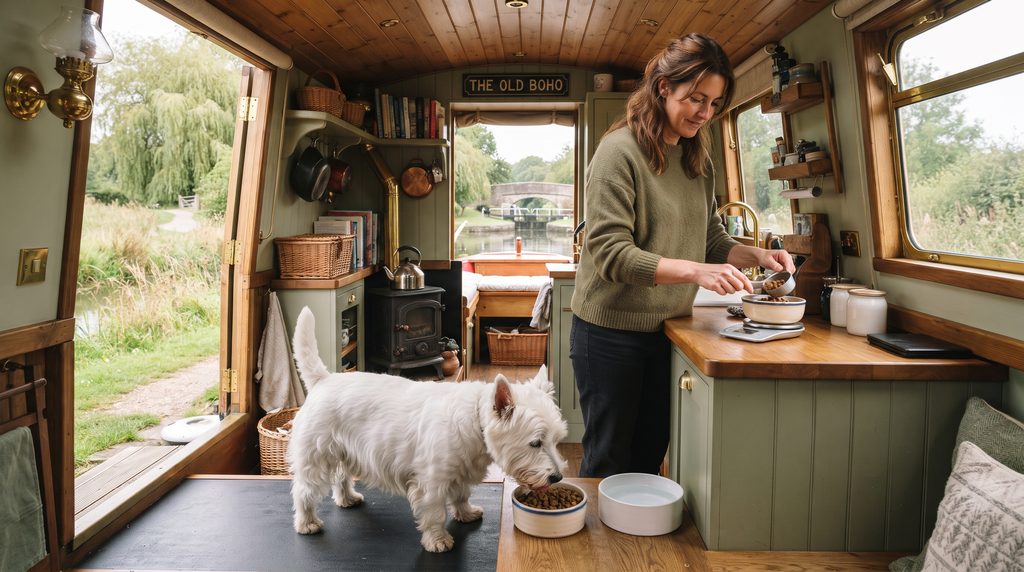
West Highland White Terrier Health and Common Health Problems
The West Highland White Terrier is generally a sturdy, long-lived breed, with many individuals enjoying active and fulfilling lives well into their teenage years. However, its reputation for resilience should not lead owners to overlook certain medical conditions that occur more frequently in Westies than in some other breeds. Skin allergies, ear disease, orthopedic disorders, eye problems, and particular inherited conditions all deserve attention. The breed also has a recognized association with a serious respiratory disorder known as Westie lung disease. Understanding West Highland White Terrier health problems helps prospective owners make informed decisions, recognize early warning signs, and establish appropriate preventive care throughout their dog’s life.
Skin disease is one of the most important health considerations in the breed. Westies are particularly associated with canine atopic dermatitis, a chronic inflammatory condition commonly linked to environmental allergens. Affected dogs may develop persistent itching, redness, repeated paw licking, rubbing around the face, or recurrent irritation involving the ears and skin folds. Symptoms sometimes begin during young adulthood, although their timing and severity vary considerably. Some individuals experience relatively mild seasonal discomfort, while others require ongoing treatment to control inflammation and prevent secondary infections. The Westie’s dense white coat can conceal early skin changes, making regular observation particularly valuable.
Atopic dermatitis should not automatically be confused with food allergy. Environmental triggers such as pollen, dust mites, and other allergens are common considerations, while food-related reactions represent a separate diagnostic possibility. Fleas, mites, bacterial infections, and yeast overgrowth can also produce similar symptoms. Consequently, repeated changes of food or shampoo may delay appropriate treatment when the underlying cause remains unidentified. Veterinary investigation generally involves assessing the dog’s history, examining affected areas, and excluding other conditions that can cause itching. Treatment may include targeted anti-itch medications, skin-care products, infection control, and other measures selected according to the individual’s needs.
Ear problems are another significant concern because allergic inflammation and the development of secondary infections can affect the external ear canals. Owners may notice repeated head shaking, scratching around the ears, unpleasant odor, redness, or unusual discharge. Some dogs become uncomfortable when their ears are touched, while others display only subtle changes in behavior. Ear disease can become persistent or recurrent when the underlying cause is not adequately controlled. Cleaning excessively or introducing unsuitable products may worsen irritation. A veterinarian can examine the ear canal, identify possible infection, and recommend treatment appropriate to the condition rather than relying on repeated home cleaning.
One of the most distinctive and serious conditions associated with the breed is canine idiopathic pulmonary fibrosis, commonly called Westie lung disease. This progressive respiratory disorder involves abnormal scarring of lung tissue, reducing the lungs’ ability to function normally. It is particularly associated with middle-aged and older West Highland White Terriers. The underlying cause remains incompletely understood, although genetic susceptibility is suspected. Not every Westie will develop pulmonary fibrosis, and the condition should not be confused with ordinary respiratory infections or minor age-related changes. Nevertheless, its recognized association with the breed makes awareness especially important.
Early signs of pulmonary fibrosis may include a persistent dry cough, reduced exercise tolerance, unusually rapid breathing, or increased effort during ordinary activity. An affected Westie may begin slowing down on familiar walks or require more frequent pauses despite appearing bright and interested in its surroundings. As the disease progresses, breathing difficulties can become more pronounced. Veterinary investigation may involve a thorough respiratory examination, chest radiographs, assessment of oxygenation, and sometimes advanced imaging such as computed tomography. There is currently no established cure, although supportive treatment may help manage symptoms and maintain comfort. Labored breathing, collapse, or bluish gums require emergency veterinary attention.
Craniomandibular osteopathy, commonly abbreviated CMO, is another important breed-associated condition. Sometimes called lion jaw, this developmental bone disorder affects growing dogs and can cause abnormal bone proliferation around the lower jaw and nearby structures. It is particularly relevant during puppyhood, generally appearing before skeletal maturity. Affected puppies may experience pain when opening their mouths, difficulty chewing, reduced appetite, fever, or swelling around the jaw. Diagnosis typically involves veterinary examination and radiographic imaging. Some cases improve as skeletal growth concludes, but severe disease can cause considerable discomfort and require intensive supportive care. Responsible breeding and appropriate health screening are important considerations because inherited susceptibility has been recognized in terrier populations.
Orthopedic problems also deserve attention. Patellar luxation occurs when the kneecap moves outside its normal position, potentially causing intermittent skipping, hopping, or persistent lameness. Mild cases may require monitoring and supportive management, while more severe instability can contribute to pain, joint damage, and the need for surgical correction. Westies are compact and athletic, but their enthusiasm for jumping and abrupt changes of direction can place additional demands on their joints. Maintaining an appropriate body condition helps reduce unnecessary strain. Any persistent limping, reluctance to climb stairs, or unusual change in gait should prompt veterinary assessment.
Legg-Calvé-Perthes disease is another recognized orthopedic concern, particularly in smaller breeds. This condition involves deterioration of the femoral head, the rounded upper portion of the thighbone that forms part of the hip joint. It generally develops in young dogs and can cause progressive hind-limb pain, limping, muscle loss, or reluctance to bear weight normally. Veterinary diagnosis usually involves orthopedic examination and imaging. Treatment depends on severity and may involve surgical management followed by rehabilitation. Although relatively uncommon, the condition is important because early recognition can help prevent prolonged pain and support a better functional outcome.
Hip dysplasia can also occur in West Highland White Terriers, despite its stronger association with many larger breeds. The condition involves abnormal development or fit of the hip joint and may contribute to instability, discomfort, and eventual arthritis. Some affected dogs display obvious lameness, while others show subtler signs such as difficulty rising, reduced willingness to jump, or changes in activity. Veterinary examination and appropriate imaging help determine whether hip disease is present. Maintaining healthy body weight, providing suitable exercise, and following individualized treatment recommendations can support mobility. Breeding dogs should receive the orthopedic evaluations recommended by the national breed club.
Eye health is another important area of awareness. Westies can experience keratoconjunctivitis sicca, commonly known as dry eye, in which insufficient tear production leaves the eye surface inadequately lubricated. Symptoms may include redness, persistent discharge, squinting, irritation, or a dull-looking cornea. Without appropriate treatment, chronic dryness can damage the eye and threaten vision. Veterinarians can assess tear production using a simple diagnostic test and recommend treatment to improve comfort and protect the ocular surface. Owners should not assume persistent discharge is merely ordinary staining around the breed’s white facial furnishings.
Other eye conditions reported in the breed include cataracts and inherited or developmental abnormalities. Cataracts can interfere with vision as the lens becomes cloudy, although severity and progression vary between individuals. Certain abnormalities may be identifiable during specialist ophthalmic examinations before obvious symptoms become apparent to owners. A Westie that begins hesitating in dim light, bumping into objects, squinting, or showing sudden changes in eye appearance should receive veterinary attention. Painful or rapidly developing eye problems require prompt assessment because delayed treatment can sometimes result in permanent damage.
Dental disease is an important everyday health concern that should not be overshadowed by rarer inherited disorders. Research involving West Highland White Terriers under primary veterinary care in the United Kingdom identified periodontal disease among the most frequently recorded conditions. Plaque accumulation, gum inflammation, and progressive periodontal damage can cause significant discomfort even when a dog continues eating normally. Bad breath, visible tartar, inflamed gums, dropping food, or reluctance to chew may indicate developing problems. Regular toothbrushing using dog-safe toothpaste, professional examinations, and appropriate dental treatment help maintain oral health and reduce avoidable pain.
Digestive disorders can also affect Westies. Some individuals experience chronic gastrointestinal inflammation, including inflammatory bowel disease or other chronic enteropathies, which may cause recurring diarrhea, vomiting, weight loss, or appetite changes. However, these symptoms are not specific to one diagnosis. Dietary intolerance, parasites, infections, pancreatic disorders, and numerous other conditions can produce similar signs. Persistent digestive problems should therefore be investigated rather than managed through repeated changes of commercial food. Veterinary assessment may involve laboratory testing, fecal examination, imaging, dietary trials, or other investigations according to the individual dog’s history and clinical presentation.
Less common conditions reported within the breed include Addison’s disease, certain liver disorders, neurological diseases, and inherited blood or metabolic abnormalities. Addison’s disease develops when the adrenal glands produce insufficient amounts of essential hormones, potentially causing intermittent weakness, vomiting, diarrhea, or more severe illness. Some inherited disorders are rare but important because they can produce serious consequences in affected puppies. Their inclusion in breed health resources does not establish that every Westie is at substantial risk. Understanding the difference between common clinical problems and uncommon inherited conditions helps owners remain appropriately informed without assuming that every listed disorder is likely to occur.
Weight management is another important aspect of long-term health. Westies possess compact, sturdy bodies, and their dense coats can conceal gradual increases in body fat. Excess weight contributes to joint strain, reduces physical endurance, and may complicate the management of existing medical conditions. Owners should assess body condition regularly rather than relying exclusively on appearance. A healthy Westie should have ribs that can be felt beneath a light covering of tissue and a recognizable waist when viewed from above. Appropriate nutrition, measured portions, and regular exercise support muscular condition and help preserve mobility throughout adulthood.
Routine veterinary examinations are especially valuable because several important health problems may develop gradually. Skin inflammation, dental disease, mild orthopedic discomfort, and early respiratory changes can be difficult to recognize when a naturally enthusiastic Westie continues behaving normally. Annual wellness examinations provide opportunities to assess overall health, while senior dogs may benefit from appointments approximately every six months. Depending on age and medical history, veterinarians may recommend bloodwork, urinalysis, dental assessment, imaging, or other investigations. Such testing should reflect individual clinical needs rather than being performed indiscriminately.
Owners can contribute significantly to early detection by becoming familiar with their Westie’s ordinary behavior and physical condition. Changes in walking speed, persistent coughing, repeated scratching, unusual thirst, appetite changes, or declining willingness to participate in familiar activities deserve attention. The breed’s confident temperament may occasionally conceal discomfort because some individuals continue playing or exploring despite developing medical problems. Keeping a brief record of unusual symptoms can help veterinarians assess changes over time. Photographs of skin irritation or short videos of abnormal movement or breathing may also provide useful information during consultations.
Preventive care should include appropriate vaccinations, parasite control, dental hygiene, grooming, balanced nutrition, and regular veterinary monitoring. Skin-sensitive Westies may benefit from individualized dermatological care, while dogs with orthopedic concerns sometimes require adjustments to exercise and household arrangements. Owners should avoid introducing supplements, prescription medications, or specialized diets without a clear medical reason. Responsible breeders also play an important role by evaluating breeding stock, maintaining accurate health records, and making informed decisions about inherited conditions. The next section examines the recommended screening procedures and genetic considerations in greater detail.
Ultimately, understanding West Highland White Terrier health issues is about recognizing the breed’s particular vulnerabilities while appreciating that many individuals remain healthy and active for years. Allergic skin disease, ear problems, dental conditions, orthopedic disorders, eye disease, and pulmonary fibrosis deserve informed attention, but their presence in a breed health guide does not mean every dog will develop them. With appropriate preventive care, responsible breeding, prompt veterinary assessment, and thoughtful management of diagnosed conditions, owners can give their Westies the best possible opportunity to enjoy comfortable, active, and rewarding lives.
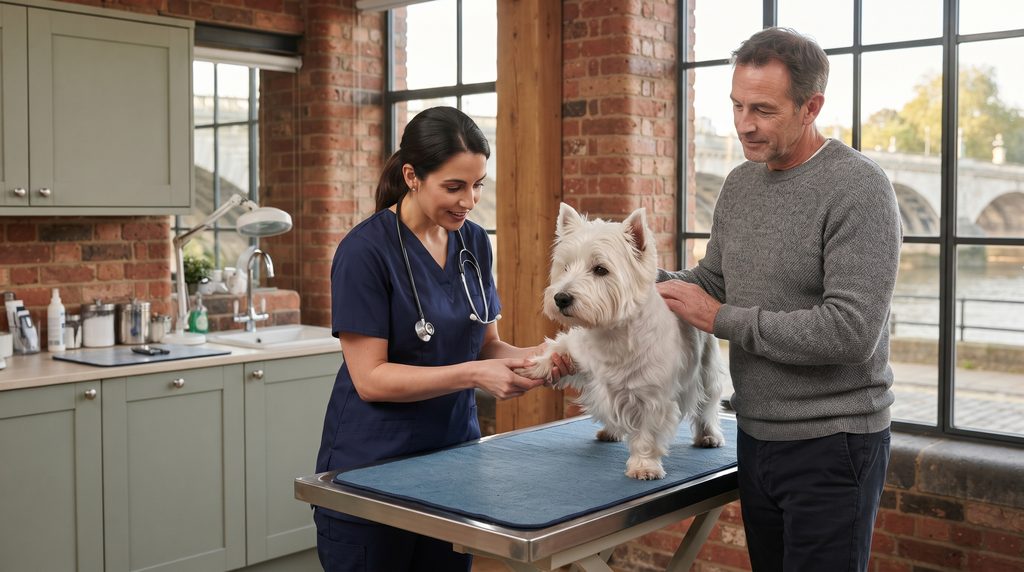
West Highland White Terrier Health Screening and Inherited Conditions
Responsible health screening is an important part of protecting the long-term health of the West Highland White Terrier, particularly because some inherited conditions can remain hidden in apparently healthy breeding dogs. Although Westies are generally sturdy and long-lived, their breeding populations carry recognized risks involving the hips, kneecaps, eyes, and certain inherited skeletal disorders. Understanding these conditions allows breeders to make informed decisions and helps prospective owners evaluate the quality of a breeding program. Appropriate screening cannot guarantee that every puppy will remain healthy throughout life, but it provides a valuable opportunity to reduce avoidable risks and improve transparency about genetic health.
The West Highland White Terrier Club of America works with the Orthopedic Foundation for Animals through the Canine Health Information Center, commonly known as CHIC, to establish recommended screening procedures for breeding dogs. The current American requirements include hip evaluation, patellar evaluation, an ophthalmologist examination, and DNA testing for craniomandibular osteopathy. These four assessments represent the principal breed-specific screening priorities identified by the parent club. However, they are not an exhaustive list of every condition that may affect a Westie. Additional investigations may be appropriate when particular health concerns have occurred within a family line.
Hip evaluation is an important part of the screening program because Westies can develop hip dysplasia despite their relatively small size. This developmental condition affects the structure and stability of the hip joint and may contribute to discomfort, abnormal movement, or arthritis. Formal screening typically involves appropriately positioned radiographs submitted for assessment through the OFA. The resulting evaluation provides information about the dog’s hip structure rather than simply recording whether it appears to walk normally. Some dogs with joint abnormalities remain energetic and show few obvious symptoms, making formal examination more informative than casual observation.
Patellar screening assesses the stability of the kneecaps and helps identify patellar luxation. This condition occurs when a kneecap moves outside its normal groove, potentially interfering with comfortable movement. Mildly affected dogs may occasionally skip or hop on a hind leg, while others display few visible signs during ordinary activity. A veterinarian evaluates the joints through physical examination, and formal OFA screening can document the findings. Under the American parent club’s recommendations, dogs should be at least one year old when receiving the official patellar evaluation. Prospective owners should request recorded results rather than relying on statements that the parents have never experienced lameness.
Eye screening is another important priority because inherited and developmental eye conditions can affect West Highland White Terriers. The recommended examination is performed by a board-certified veterinary ophthalmologist who can assess the eyes for abnormalities that may not be apparent during an ordinary wellness appointment. These examinations can identify certain conditions before substantial vision loss or obvious discomfort develops. The parent club recommends annual ophthalmic screening until at least eight years of age for breeding dogs. Because eye health can change over time, an examination completed several years earlier may not provide the same reassurance as appropriately maintained screening records.
A specialist eye examination differs from a routine observation of the dog’s appearance. The ophthalmologist may use pupil-dilating drops and dedicated instruments to assess structures within the eye. Depending on the examination, findings may involve the lens, retina, or other ocular structures. Results are recorded through the relevant eye-certification system and can be submitted to the OFA. However, a satisfactory eye examination does not guarantee that a dog will never develop cataracts, dry eye, or another ophthalmic problem. Clinical screening provides valuable information at the time of examination, while ongoing observation remains important throughout life.
Craniomandibular osteopathy, commonly abbreviated CMO, is one of the most significant inherited conditions associated with Westies. Sometimes called lion jaw or Westie jaw, this disorder causes abnormal bone development affecting the skull and lower jaw in growing dogs. Affected puppies may experience painful chewing, difficulty opening the mouth, swelling, reduced appetite, or intermittent fever. Symptoms generally develop during the first year of life. Although some cases improve as skeletal growth concludes, the condition can cause substantial discomfort and occasionally serious complications. Its importance to breeding programs lies in the availability of a genetic test capable of identifying a known disease-associated variant.
Research has identified a variant involving the SLC37A2 gene associated with craniomandibular osteopathy in West Highland White Terriers, Cairn Terriers, and Scottish Terriers. The condition was historically considered to follow a recessive inheritance pattern, but subsequent molecular research has demonstrated a more complicated relationship. The identified variant is now described as having an autosomal dominant pattern with incomplete penetrance. This means a dog carrying one copy may have an increased risk of developing the condition, although many remain clinically unaffected. Dogs carrying two copies generally face greater risk, but genetic results do not predict clinical severity with certainty.
This distinction is important when interpreting CMO test results. A dog carrying a disease-associated variant should not automatically be assumed to have an active skeletal disorder. Equally, the absence of obvious symptoms does not establish that the dog lacks the variant. Responsible breeders use genetic results to make informed mating decisions and reduce the likelihood of producing puppies at risk of disease. Decisions should also consider the available scientific evidence, family history, and preservation of genetic diversity. Genetic testing is most useful when results are understood rather than interpreted through oversimplified descriptions of dogs as healthy or unhealthy.
Additional DNA tests are available for other inherited disorders associated with the breed. These include globoid cell leukodystrophy, sometimes called Krabbe disease, and pyruvate kinase deficiency. Globoid cell leukodystrophy is a serious inherited neurological disorder involving abnormal breakdown of important components of the nervous system. Pyruvate kinase deficiency affects red blood cell metabolism and can contribute to chronic hemolytic anemia. The American Kennel Club also identifies von Willebrand disease type I among additional genetic tests associated with Westies. However, the availability of these tests does not mean every disorder is common or that every breeding program requires an identical testing panel.
Commercial genetic-testing services can examine numerous inherited disease markers using a cheek-swab or blood sample. These panels may provide useful information, but their value depends on the relevance and scientific reliability of the individual tests. Some identify well-established disease-associated variants, while others assess conditions with limited evidence in a particular breed. A large panel containing hundreds of tests is not automatically more informative than a smaller collection of carefully selected, breed-relevant examinations. Breeders should be able to explain which results matter for Westies and how those findings influence their breeding decisions.
Understanding what genetic tests cannot establish is equally important. A satisfactory CMO result does not demonstrate freedom from hip dysplasia, patellar luxation, allergic skin disease, or pulmonary fibrosis. Similarly, a dog with normal hip and eye evaluations may still carry variants associated with unrelated inherited conditions. Each test addresses a particular clinical or genetic question, and no single certificate provides a complete assessment of lifelong health. Responsible breeding therefore involves combining appropriate screening with veterinary care, pedigree research, and observation of related dogs over time.
Westie lung disease, or canine idiopathic pulmonary fibrosis, illustrates the limitations of current screening. This progressive respiratory disorder has a recognized association with the breed, particularly in middle-aged and older dogs. Although inherited susceptibility may contribute to its development, there is no established routine DNA screening test that reliably identifies which healthy Westie puppies will develop the disease later in life. Breeders can monitor respiratory health, record diagnoses within their lines, and consider family history when making decisions. However, they should not claim that a puppy is genetically clear of pulmonary fibrosis simply because its parents have undergone standard CHIC testing.
Allergic skin disease presents another challenge because it is influenced by complex biological and environmental factors. Westies have a recognized predisposition to atopic dermatitis, but there is no straightforward genetic test that can guarantee an individual dog will remain free from allergies. Family history can provide useful information, particularly when several related dogs have experienced significant dermatological problems. Nevertheless, environmental exposure and individual immune responses also influence disease development. Responsible breeders should discuss known skin concerns openly and avoid presenting ordinary DNA panel results as proof that a puppy will never develop itching, ear infections, or other allergic symptoms.
Health screening should extend beyond the immediate breeding pair. Information about grandparents, siblings, previous litters, and other relatives can reveal patterns that may not be apparent when examining two individual dogs. Some disorders emerge only after breeding age, meaning a young dog may have satisfactory screening results before a related animal develops a significant medical problem. Maintaining contact with puppy owners and documenting diagnoses across generations helps breeders recognize emerging risks. This information can become particularly valuable when investigating disorders for which no reliable genetic test is currently available.
Independent verification is an important part of evaluating breeding records. The OFA maintains searchable health information that can help prospective owners examine reported screening results. A CHIC number indicates that a dog has completed the required breed-specific examinations and that the results have been made publicly available. It does not mean that every result was normal or that the dog has been certified free from all inherited disease. Owners should therefore review the individual findings rather than treating the presence of a CHIC number as an unconditional guarantee of health.
Prospective puppy owners should request the registered names of both parents and copies of their relevant health evaluations. These should include hip and patellar results, ophthalmologist examinations, and CMO genetic-testing records. Where possible, documentation should be independently verifiable and clearly identify the individual dog tested. Owners can also ask whether additional DNA testing has been performed and whether any significant health problems have occurred in related animals. A responsible breeder should welcome reasonable questions, explain the findings clearly, and acknowledge the limitations of screening rather than promising that inherited disease is impossible.
It is also important to distinguish routine puppy veterinary care from formal breeding health screening. A puppy may have received vaccinations, parasite treatment, microchipping, and a general veterinary examination without its parents having undergone appropriate inherited-condition testing. These procedures are valuable, but they serve different purposes. A routine examination assesses the puppy’s current health, while breeding evaluations aim to identify particular risks that may influence future generations. Buyers should consider both sets of information when assessing the overall quality of a breeding program.
Rescue and adoption introduce different considerations because a Westie’s family history may be incomplete or unavailable. An adopted dog can still enjoy excellent health, but owners may need to rely more heavily on clinical examination, available medical records, and ongoing veterinary observation. Genetic testing may occasionally be useful when a specific inherited concern is suspected, although broad screening is not automatically necessary for every healthy rescue dog. The absence of pedigree information should not be interpreted as evidence that an individual will develop disease. Appropriate care should remain guided by the dog’s actual health and clinical findings.
Ultimately, responsible West Highland White Terrier health screening combines appropriate orthopedic assessments, specialist eye examinations, meaningful genetic testing, and careful consideration of family history. These measures help breeders reduce avoidable inherited risks while providing prospective owners with more transparent information. However, no breeding program can promise perfect health, and several important conditions affecting Westies cannot currently be predicted through routine DNA testing. By understanding both the value and limitations of screening, owners can make informed decisions and support breeding practices that prioritize the long-term health, soundness, and welfare of this distinctive Scottish terrier.
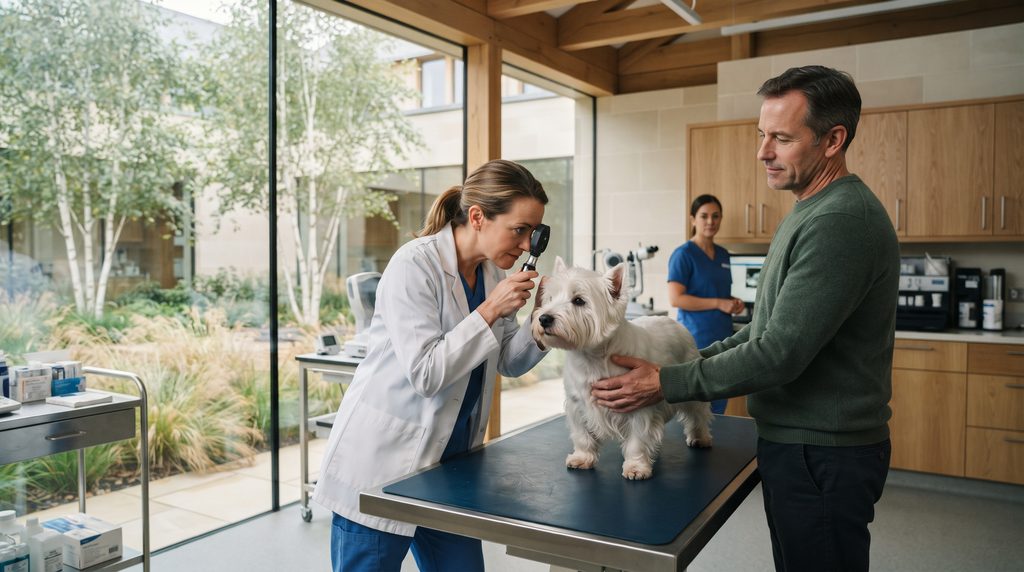
Four Health Tests to Request From a Westie Breeder
The West Highland White Terrier’s American CHIC screening recommendations cover four important areas: hip evaluation, patellar evaluation, specialist ophthalmic examination, and DNA testing for craniomandibular osteopathy. Ask for documented results for both parents and check whether the information is available through the Orthopedic Foundation for Animals. Eye screening should be maintained regularly, and additional genetic tests may be appropriate according to family history. Remember that a CHIC number confirms completion and public reporting of the required tests, not necessarily normal results. Responsible breeders should explain each finding, discuss relevant health concerns among related dogs, and demonstrate how screening information influences their breeding decisions.
West Highland White Terrier Lifespan and Aging
The West Highland White Terrier is a relatively long-lived breed, with many individuals remaining active, inquisitive, and affectionate well into their teenage years. Its compact, sturdy construction and enthusiastic personality often allow it to enjoy a remarkably fulfilling later life when supported by appropriate care. However, aging brings changes that owners should recognize and accommodate rather than dismiss as inevitable. Joint discomfort, dental disease, reduced sensory awareness, respiratory problems, and other medical conditions can influence an older Westie’s comfort and independence. Understanding the breed’s typical longevity and changing needs helps families provide thoughtful care throughout every stage of life.
The typical West Highland White Terrier life span is approximately 13–15 years, although individual dogs may live for shorter or considerably longer periods. Research offers a useful perspective on these estimates. A 2019 Royal Veterinary College VetCompass study reported a median longevity of 13.4 years among Westies whose deaths were recorded in its study population. A larger UK study published in 2024 also estimated the breed’s median life expectancy at approximately 13.4 years. These findings support the Westie’s reputation for relatively good longevity, but population statistics should never be interpreted as a prediction for an individual dog.
When considering West Highland White Terrier life expectancy, it is important to distinguish between an average or median figure and the actual experience of a particular animal. Median longevity represents the point at which half of the recorded dogs lived longer and half lived shorter lives. It does not establish a fixed biological limit. Some Westies experience serious illness at relatively young ages, while others remain comfortable and engaged beyond 15 years. Genetics, disease, preventive veterinary care, body condition, environmental safety, and individual circumstances all influence health and survival. No feeding program, supplement, or lifestyle practice can guarantee a particular lifespan.
The transition into senior life is gradual rather than occurring on a precise birthday. Many Westies begin benefiting from additional age-related monitoring around eight to ten years old, although some remain exceptionally energetic beyond this stage. Changes may initially be subtle. A dog might hesitate briefly before jumping onto furniture, sleep more deeply after a walk, or take longer to recover from an energetic outing. These adjustments do not necessarily indicate serious illness, but they provide useful information about changing physical requirements. Owners should observe their Westie’s individual development rather than assuming all dogs age at the same rate.
Regular veterinary examinations become increasingly important as the breed grows older. The American Animal Hospital Association recommends that senior dogs receive veterinary assessments approximately every six months, even when they appear healthy. More frequent appointments create opportunities to identify developing problems before they cause substantial discomfort. Examinations may include assessment of body condition, joints, mobility, eyes, ears, teeth, skin, heart, and lungs. Bloodwork, urinalysis, and other investigations can be considered according to the dog’s age, clinical history, and examination findings. This preventive approach is particularly valuable because naturally determined terriers may continue behaving enthusiastically despite physical discomfort.
Mobility deserves careful attention throughout the Westie’s later years. Although the breed is compact and muscular, older individuals can develop osteoarthritis or experience discomfort associated with previous orthopedic conditions. Early signs may include reluctance to climb stairs, difficulty rising from rest, reduced interest in jumping, or changes in walking speed. Some dogs become less tolerant of being lifted or having their legs handled. These behaviors should not automatically be attributed to normal aging. Veterinary assessment can identify painful conditions and guide appropriate treatment, which may involve medication, rehabilitation, weight management, and adjustments to exercise.
Maintaining regular physical activity remains important even when a senior Westie begins moving more slowly. Gentle walks help preserve muscle strength, joint mobility, and emotional well-being. However, an older dog may benefit from several shorter outings rather than one demanding adventure. Allowing time for sniffing, exploring, and observing familiar surroundings can make these walks especially rewarding. Owners should monitor the dog’s comfort during activity and afterward, particularly when temperatures are unusually high or the ground is uneven. Persistent limping, excessive fatigue, or reluctance to move indicates that the exercise routine may require adjustment and veterinary review.
Respiratory health is a particularly important consideration in aging Westies because of the breed’s association with canine idiopathic pulmonary fibrosis, sometimes called Westie lung disease. This progressive condition involves abnormal scarring of lung tissue and is more commonly recognized in middle-aged and older dogs. Affected individuals may develop a persistent cough, reduced exercise tolerance, unusually rapid breathing, or increased respiratory effort. These symptoms should never be dismissed simply because the dog is getting older. Veterinary investigation can help distinguish pulmonary fibrosis from heart disease, infections, and other respiratory problems. Labored breathing or bluish gums requires immediate emergency care.
Dental care also becomes increasingly significant with advancing age. Published veterinary research has identified periodontal disease among the most frequently recorded health problems in West Highland White Terriers. Older dogs may accumulate tartar, develop painful gum inflammation, or experience tooth loss when dental disease progresses. Some continue eating despite substantial discomfort, making reduced appetite an unreliable early warning sign. Regular toothbrushing, veterinary oral examinations, and professional dental treatment when indicated can help preserve comfort. Owners should watch for persistent bad breath, drooling, difficulty chewing, or changes in food preferences, particularly when these develop unexpectedly.
Changes in eyesight and hearing can influence an older Westie’s confidence and behavior. Cataracts, other eye conditions, and age-related sensory changes may make unfamiliar environments more challenging. A dog with declining vision might hesitate on stairs, become uncertain in dim lighting, or react differently when approached unexpectedly. Reduced hearing can affect responses to familiar cues and make the dog appear unusually independent. Owners should avoid assuming that these changes represent disobedience or confusion. Veterinary assessment is important because some sensory problems are treatable, while others can be managed through adjustments to the home and communication methods.
The Westie’s distinctive white coat may remain attractive throughout old age, but grooming requirements often change. Senior dogs sometimes become less comfortable standing for prolonged periods, particularly when arthritis affects the hips, knees, or spine. Their skin may also become more sensitive, and preexisting allergic conditions can continue requiring attention. Shorter grooming appointments, secure nonslip surfaces, and gentle handling can improve comfort. A practical clipped coat may be preferable for an elderly Westie that finds extensive hand-stripping stressful. Maintaining skin health and preventing uncomfortable tangles should take priority over achieving an elaborate appearance.
Nutrition requires periodic reassessment as activity levels and body composition change. Some senior Westies need fewer calories because they are exercising less, while others may lose muscle despite maintaining a stable weight. Maintaining lean body condition is particularly important when joint disease or respiratory problems affect mobility. Owners should measure meals carefully, monitor weight, and discuss unexpected changes with their veterinarian. Age alone does not mean every Westie needs a specially marketed senior food. The most appropriate diet depends on individual health, appetite, dental condition, and any diagnosed medical problems. Unnecessary supplements should not replace veterinary assessment or a properly balanced diet.
Behavioral changes can sometimes indicate canine cognitive dysfunction, a condition associated with aging in which memory, awareness, and familiar routines may become affected. Possible signs include unusual nighttime restlessness, disorientation in familiar rooms, changes in social interactions, or previously reliable house-training becoming inconsistent. However, similar symptoms can result from pain, sensory impairment, urinary problems, and other medical conditions. A veterinarian should investigate these possibilities before attributing changes to cognitive decline. Predictable routines, gentle enrichment, comfortable sleeping arrangements, and appropriate medical management can help support affected dogs.
Mental stimulation remains valuable throughout the Westie’s senior years. The breed’s natural curiosity does not necessarily disappear when physical activity becomes less demanding. Gentle scent-searching games, familiar trick exercises, and simple food puzzles allow older dogs to remain engaged without requiring vigorous movement. Owners should adapt the difficulty of activities to their dog’s comfort and cognitive abilities. A senior Westie may enjoy locating a favorite toy beneath a loosely folded towel or investigating familiar scents during a relaxed walk. These modest activities can provide meaningful enjoyment while preserving confidence and participation in family life.
The home environment can also be adjusted to support comfortable aging. Slippery flooring may become difficult for a dog with reduced muscle strength or joint discomfort, making nonslip rugs particularly helpful. Ramps or shallow steps can reduce the need for repeated jumping onto furniture or into vehicles. Supportive bedding provides a comfortable resting surface, while easily accessible water bowls and predictable furniture arrangements help dogs with limited mobility or sensory changes. In colder weather, a warm sleeping area may improve comfort for older individuals. These simple adaptations can preserve independence without requiring major changes to household routines.
House-training difficulties deserve careful attention when they develop in previously reliable adult dogs. Increased urination, accidents during the night, or difficulty reaching the garden may reflect medical concerns rather than a loss of training. Kidney disease, urinary tract problems, hormonal disorders, cognitive changes, and impaired mobility can all contribute. Owners should respond calmly and arrange veterinary assessment rather than reprimanding the dog. More frequent outdoor opportunities, convenient access to toileting areas, and washable bedding may provide temporary support while the cause is investigated. An older Westie should never be expected to endure discomfort simply to maintain a familiar household schedule.
Monitoring quality of life becomes increasingly important when chronic medical conditions develop. Owners should consider whether their Westie remains comfortable, enjoys familiar activities, maintains an adequate appetite, sleeps peacefully, and can move without persistent distress. The dog’s interest in companionship, exploration, and ordinary household routines may provide useful information about emotional well-being. However, a naturally cheerful terrier may still experience significant pain or respiratory discomfort, making veterinary evaluation essential. Keeping a simple diary of good and difficult days can help families identify patterns and discuss treatment effectiveness objectively.
When a Westie develops a serious progressive illness, palliative and hospice care may become appropriate. These approaches focus on maintaining comfort, managing symptoms, and supporting the dog’s welfare when a cure is unavailable or treatment options are limited. Owners should discuss realistic expectations, medication, nursing care, and signs of deteriorating quality of life with their veterinarian. Decisions about end-of-life care are deeply individual, but they should prioritize the dog’s comfort rather than the desire to reach a particular age. Compassionate planning can help families avoid unnecessary suffering while preserving meaningful time together.
Ultimately, aging does not mean that a West Highland White Terrier must lose the spirited personality that defines the breed. Many older Westies continue enjoying leisurely walks, familiar games, affectionate companionship, and opportunities to investigate the world around them. Their needs may gradually shift toward gentler exercise, additional veterinary monitoring, accessible surroundings, and more individualized care. By recognizing subtle changes, responding promptly to medical concerns, and adapting routines with sensitivity, owners can help their Westies enjoy later life with dignity, comfort, and enthusiasm. The most meaningful measure of a long life is not simply the number of years lived, but the quality of the experiences shared throughout them.
Supporting Your Westie Through the Senior Years
As your Westie approaches its senior years, schedule veterinary examinations approximately every six months and pay attention to subtle changes in movement, breathing, appetite, and behavior. Provide shorter walks when necessary, but continue allowing time for sniffing and gentle exploration. Nonslip flooring, supportive bedding, and easier access to favorite resting places can improve comfort. Maintain regular dental care and adjust grooming sessions if prolonged standing becomes difficult. Persistent coughing deserves particular attention because Westies are predisposed to pulmonary fibrosis. Do not assume that slowing down, nighttime restlessness, or house-training accidents are unavoidable consequences of aging. Early veterinary assessment can identify treatable problems and support a better quality of life.

Cost of Owning a West Highland White Terrier
The West Highland White Terrier may be a small dog, but its long-term ownership costs should not be underestimated. Although its compact size generally makes feeding and some everyday supplies less expensive than those required for larger breeds, the Westie has particular grooming and healthcare needs that can substantially influence the household budget. Its distinctive double coat requires regular professional attention, while its predisposition to allergic skin disease and certain inherited conditions makes financial planning especially important. Prospective owners should consider the full commitment of caring for a Westie throughout its potentially 13–15-year lifespan, rather than focusing exclusively on the expenses involved in bringing a puppy or rescue dog home.
For a general American household budget, allowing approximately $1,500–$4,000 or more annually for routine care, professional grooming, and possible insurance provides a useful illustrative planning range. This is not a published Westie-specific average or a guaranteed estimate. Actual expenditure can fall outside this range depending on location, veterinary fees, grooming arrangements, food choices, insurance coverage, and the dog’s medical needs. The American Kennel Club has previously reported average annual dog-ownership expenditure of approximately $2,500, while more recent veterinary and insurance data demonstrate that costs vary substantially. Owners should obtain local estimates before committing to long-term care.
Initial expenses depend on whether the Westie comes from a responsible breeder or a rescue organization. Reputable breeders invest in appropriate health testing, veterinary care, socialization, and the responsible raising of puppies. Their fees may reflect these commitments, although higher charges do not automatically establish better breeding practices. Rescue organizations generally charge an adoption fee that helps support their operations, and some include vaccinations, microchipping, and spaying or neutering in their placement arrangements. Prospective owners should evaluate health records, welfare standards, and the organization’s practices rather than making decisions solely on the initial amount requested.
Preparing the home creates additional one-time expenses. A secure crate or puppy pen, appropriately sized bed, feeding bowls, comfortable harness, leash, identification tag, grooming equipment, and suitable toys should be available before the dog arrives. Westies are inquisitive, determined terriers, so durable products and secure household arrangements are particularly worthwhile. A sturdy garden gate or repairs to existing fencing may also be necessary because some individuals dig or enthusiastically investigate possible escape routes. These preparations can represent a substantial initial outlay, but well-chosen equipment may remain useful for years.
Food is a predictable recurring expense, although the Westie’s small size generally makes portions more manageable than those required by larger dogs. A healthy adult weighing approximately 15–20 pounds usually consumes a relatively modest daily quantity of complete and balanced food, adjusted for calorie density, body condition, age, and activity. The total annual expense depends on the brand, formulation, and retailer. Premium packaging does not necessarily indicate superior nutritional quality, and most healthy Westies do not require specialized diets. Choosing food based on nutritional adequacy and veterinary guidance is generally more sensible than assuming that expensive or fashionable ingredients provide better results.
Treats, chews, and enrichment supplies should also be included in routine planning. Westies frequently respond well to food rewards during training, particularly when practicing recall, cooperative grooming, and other behaviors requiring sustained attention. Small rewards can be purchased separately or reserved from the dog’s daily food allowance. Durable toys, puzzle feeders, and scent-searching materials provide useful opportunities for mental stimulation without requiring elaborate or expensive equipment. Rotating a small collection of suitable toys can often maintain interest more effectively than repeatedly purchasing new products. Everyday enrichment need not become a significant financial burden when approached thoughtfully.
Professional grooming is one of the breed’s most distinctive recurring costs. The American Kennel Club recommends that many companion Westies visit a groomer approximately every four to six weeks, depending on coat condition and maintenance preferences. That can mean roughly nine to thirteen appointments annually. As an illustrative U.S. planning allowance, a routine appointment might cost around $60–$120, although local charges can be higher and specialist work may differ considerably. Hand-stripping generally requires more expertise and time than an ordinary clipped companion trim. Owners should request quotations from experienced local groomers rather than assuming that the Westie’s small size will automatically make appointments inexpensive.
Home grooming equipment represents a smaller but important expense. A suitable brush, metal comb, gentle dog-specific shampoo, nail-care equipment, and basic coat-cleaning supplies help maintain comfort between professional appointments. These products usually last beyond a single grooming session, although replacement and occasional upgrades may be necessary. Learning to brush and comb the coat properly can reduce tangling and prevent avoidable grooming difficulties. However, home maintenance does not eliminate the need for professional trimming or specialist coat care when required. Owners should also remember that repeatedly bathing an otherwise healthy Westie is not necessarily beneficial, particularly when sensitive skin is a concern.
Routine veterinary care should be budgeted separately from emergency treatment. Annual wellness examinations, vaccinations appropriate to the dog’s circumstances, parasite prevention, and dental assessments form the foundation of preventive care. The American Veterinary Medical Association’s 2026 U.S. pet ownership data reported average veterinary spending of $595 annually per dog-owning household, but this figure should not be interpreted as the amount every individual Westie will require. Costs depend on local veterinary fees, the number of dogs in a household, age, medical history, and the services needed. Some years may involve little beyond preventive care, while others bring substantial additional expenses.
Dental treatment can become a significant expense, particularly because periodontal disease is a recognized concern in Westies. Regular home toothbrushing may help reduce plaque accumulation, but it does not guarantee that professional dental procedures will never be needed. Veterinary dental treatment can involve anesthesia, detailed examination, cleaning, radiographs, and occasionally extractions. Expenses vary considerably according to the dog’s condition and the complexity of treatment. Owners should regard dental care as a routine health responsibility rather than an optional cosmetic service. Delaying treatment because a dog continues eating normally can allow painful disease to progress.
Allergic skin disease represents a particularly important potential financial commitment. Westies are predisposed to atopic dermatitis, and affected individuals may require repeated veterinary consultations, diagnostic investigations, prescription medications, therapeutic shampoos, or specialist dermatology care. Recurrent ear infections and secondary skin infections can create additional treatment expenses. Some dogs respond well to relatively straightforward management, while others require sustained care throughout life. However, not every Westie develops significant allergies, and prospective owners should avoid assuming that chronic dermatological treatment is inevitable. The important consideration is whether the household could accommodate additional recurring expenses if a medical problem emerged.
Other breed-associated health conditions can lead to substantial, less predictable veterinary costs. Orthopedic problems such as patellar luxation or Legg-Calvé-Perthes disease may require imaging, specialist assessment, surgery, or rehabilitation. Eye conditions can involve repeated examinations and prescription treatment. Pulmonary fibrosis, also known as Westie lung disease, may require advanced respiratory investigations and ongoing supportive care. These conditions differ considerably in frequency and severity, and most owners will not encounter every potential problem. Nevertheless, responsible financial planning recognizes that a single serious diagnosis can exceed an ordinary annual care budget.
Pet insurance is one option for managing unexpected veterinary expenses. According to the North American Pet Health Insurance Association’s 2026 reporting, the average U.S. accident-and-illness premium for dogs was approximately $836 annually in 2025, or about $70 per month. This is an industry-wide average rather than a Westie-specific quotation. Individual premiums vary according to age, location, insurer, coverage limits, deductibles, and reimbursement arrangements. Some policies exclude preexisting conditions or apply particular terms to hereditary and chronic disorders. Owners should compare the actual policy wording carefully, especially where allergic skin disease or inherited conditions could become relevant.
Insurance should not be viewed as a guarantee that every veterinary bill will be reimbursed. Policies commonly involve deductibles, reimbursement percentages, annual limits, waiting periods, and exclusions. Routine wellness care may also fall outside standard accident-and-illness coverage. Owners who prefer not to purchase insurance may choose to establish a dedicated veterinary emergency fund instead. However, savings need to be sufficient to address potentially substantial treatment costs, and emergencies can arise before a fund has grown. Some households use both insurance and accessible savings to manage expenses not covered by their policies. The appropriate arrangement depends on individual finances and risk tolerance.
Training and socialization are additional expenses worth considering, particularly during puppyhood. Westies are intelligent but independent dogs that can benefit from well-run puppy classes, reward-based obedience instruction, and occasional specialist guidance. Their natural alertness and hunting instincts make recall, leash manners, and household settling particularly valuable skills. Group classes may provide an economical introduction, while individual appointments can be useful when specific behavioral difficulties arise. Professional support is not necessarily required throughout the dog’s life, but allocating funds for early education can help owners establish practical routines and address developing problems before they become more difficult to manage.
Travel arrangements can also influence the annual budget. Families who take frequent vacations may need to pay for professional boarding, pet sitting, or suitable accommodation that permits dogs. Westies often enjoy accompanying their owners, but transporting a dog safely may involve a secure travel crate, vehicle restraint, and additional equipment. Owners who work long hours may also require a reliable dog walker or daytime caregiver. These expenses are highly dependent on lifestyle and should not automatically be included in every household’s estimate. Nevertheless, they can become significant when a dog requires regular supervision or the family travels frequently.
As Westies grow older, medical expenditure may become less predictable. Senior dogs can develop arthritis, dental problems, chronic skin disease, respiratory disorders, and other conditions that require ongoing care. More frequent veterinary examinations, diagnostic testing, medication, and adjustments to the home may increase annual expenditure. Some older dogs require supportive bedding, ramps, or additional grooming assistance when mobility declines. Others remain remarkably healthy and active with relatively modest care needs. Financial planning should allow for increasing medical requirements without assuming that every senior Westie will inevitably become expensive to maintain.
Owners can control certain expenses without compromising welfare. Regular brushing helps prevent coat tangles, measured feeding supports healthy weight, and consistent dental hygiene may reduce avoidable oral problems. Early veterinary assessment can prevent some conditions from progressing unnecessarily, while appropriate training reduces the likelihood of certain behavioral difficulties. Buying durable equipment and avoiding unnecessary supplements or fashionable products can also help. However, postponing essential medical treatment, neglecting professional grooming, or choosing inadequate nutrition simply to reduce expenditure may result in greater costs and compromised welfare later.
It is useful to distinguish between expenses that are largely predictable and those that remain uncertain. Food, preventive medications, grooming appointments, registration, and ordinary supplies can usually be estimated in advance. Emergency surgery, specialist investigations, chronic disease treatment, and unexpected boarding arrangements are more difficult to forecast. A sensible household budget should account for both categories. Keeping a separate reserve for veterinary emergencies can help avoid difficult decisions during urgent situations, particularly when a medical problem requires immediate treatment.
Ultimately, the cost of owning a West Highland White Terrier reflects much more than its relatively small physical size. Regular professional grooming, routine veterinary care, appropriate nutrition, and the possibility of breed-associated medical problems all contribute to the long-term commitment. However, thoughtful planning, preventive care, and sensible purchasing decisions can make many ordinary expenses manageable. Prospective owners who consider the dog’s entire lifespan and establish realistic financial arrangements are better prepared to provide consistent, compassionate care. For families able to meet these responsibilities, the Westie’s affectionate personality, intelligence, and entertaining companionship can make the commitment deeply rewarding.
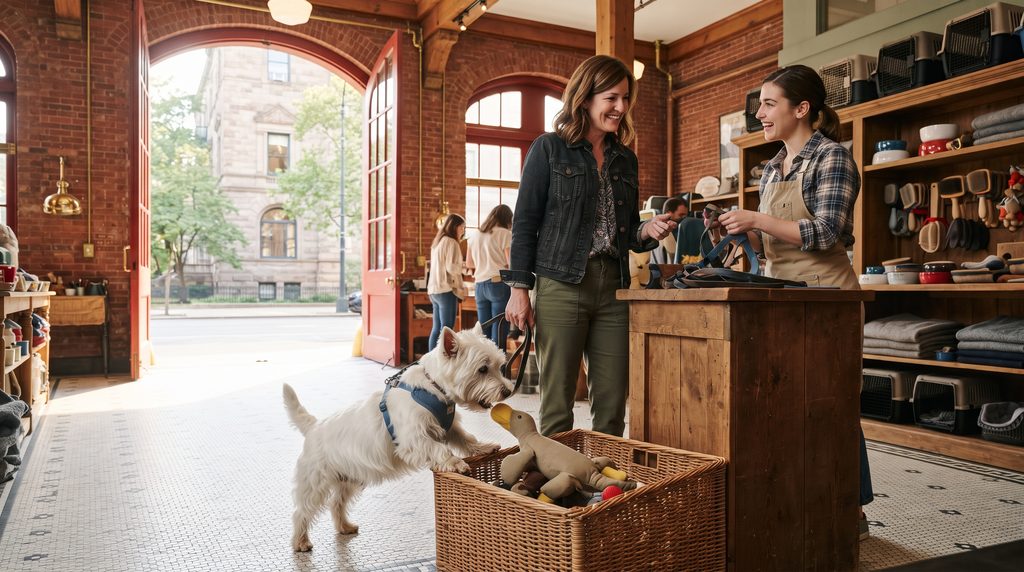
Budget for Grooming and Unexpected Veterinary Care
Two expenses deserve particular attention when planning for a West Highland White Terrier: professional coat maintenance and potential veterinary treatment. Many companion Westies require grooming approximately every four to six weeks, creating a predictable recurring expense. Medical costs are less predictable, especially if a dog develops chronic allergic skin disease or another condition requiring specialist care. Consider obtaining local grooming quotations and pet insurance estimates before bringing your Westie home. If choosing insurance, review deductibles, reimbursement limits, exclusions, and coverage for hereditary conditions. Alternatively, maintain an accessible emergency fund. Planning for these costs helps protect your dog’s welfare without relying on last-minute financial decisions.
Choosing a West Highland White Terrier Puppy or Rescue
Choosing a West Highland White Terrier is an exciting decision, but finding the right individual deserves considerably more thought than simply selecting an appealing white puppy or responding to an attractive photograph. The Westie is a confident, intelligent, independent working terrier whose personality and care requirements may not suit every household. Its distinctive coat requires regular grooming, its hunting instincts demand sensible management, and certain inherited health conditions make responsible breeding particularly important. Prospective owners should therefore consider temperament, health history, early experiences, and long-term compatibility before bringing a dog home. Whether choosing a carefully raised puppy or welcoming an adult rescue, the objective is to establish a lasting relationship built on realistic expectations and appropriate care.
Before contacting breeders or rescue organizations, families should honestly assess their circumstances. Westies generally enjoy companionship, regular walks, interesting activities, and involvement in everyday household life. Although relatively small, they are not necessarily quiet, passive, or content to spend every day indoors without meaningful stimulation. Their alertness can result in barking, while their natural curiosity and determination may encourage digging or chasing wildlife. Owners must also be prepared for regular professional grooming and the possibility of veterinary expenses associated with skin allergies or other health conditions. Understanding these responsibilities beforehand helps prevent disappointment and reduces the likelihood of a dog requiring rehoming later.
A responsible breeder should prioritize physical health, sound temperament, and the long-term welfare of the dogs they produce. Good breeding programs involve careful selection of suitable parents, appropriate veterinary care, thoughtful puppy raising, and a willingness to discuss potential health concerns openly. Breeders should understand the Westie’s distinctive working-terrier characteristics rather than presenting it simply as an adorable small companion. They should also be interested in the prospective owner’s lifestyle, experience, and expectations. Thoughtful questions about household arrangements, children, other pets, and available time are generally encouraging signs that a breeder takes responsible placement seriously.
The West Highland White Terrier Club of America provides breeder resources and guidance for people seeking responsibly raised puppies. However, appearing on a breed-club resource list should not be treated as an automatic guarantee of quality, health, or ethical practices. The club itself makes clear that it does not endorse or guarantee individual breeders or their puppies. Prospective owners should carry out their own assessment, request appropriate documentation, and establish direct communication. Breed-club contacts can provide a useful starting point, but independent verification and personal judgment remain essential.
Health screening is among the most important subjects to discuss with a breeder. The American breed club recommends hip evaluation, patellar examination, specialist ophthalmic screening, and DNA testing for craniomandibular osteopathy in breeding dogs. These assessments provide information about conditions that can affect Westies and help breeders make informed decisions. Prospective owners should ask for the registered names of both parents and request copies of their individual results. Where available, records can be checked through the Orthopedic Foundation for Animals. A CHIC number confirms that required screening has been completed and publicly reported, but it does not necessarily mean every result was normal.
Responsible breeders should also be willing to discuss health concerns that cannot currently be predicted through routine genetic testing. Westies are particularly associated with allergic skin disease and canine idiopathic pulmonary fibrosis, sometimes called Westie lung disease. Family history can provide useful information, although an absence of diagnosed cases does not guarantee that a puppy will remain unaffected. Ask whether close relatives have experienced significant skin problems, persistent respiratory illness, orthopedic disorders, or other recurring medical conditions. A breeder who acknowledges genuine uncertainties and explains how health information influences breeding decisions is preferable to one promising that inherited disease is impossible.
Observing the puppies and their environment provides additional information. Young Westies should be raised in clean, appropriately stimulating surroundings with opportunities for positive human interaction, rest, and age-appropriate exploration. Their mother should normally be available for prospective owners to see, allowing observation of her general condition and behavior, subject to reasonable welfare and biosecurity arrangements. Puppies should appear bright, curious, and comfortable in familiar surroundings. Their coats and skin should be reasonably healthy, with clean eyes and no obvious signs of persistent diarrhea, respiratory difficulty, or severe irritation. A veterinary examination remains essential because visual observation alone cannot establish good health.
Temperament is particularly important when selecting a Westie puppy. The breed is naturally confident and inquisitive, but individual puppies vary considerably. Some approach unfamiliar people enthusiastically, while others prefer to observe briefly before investigating. A suitable puppy should not be chosen solely because it is the most energetic or the first to climb into someone’s lap. Equally, a quieter individual is not automatically unsuitable. Prospective owners should consider how the puppy responds to ordinary handling, recovers from minor surprises, interacts with its littermates, and approaches new experiences. An experienced breeder can often provide valuable observations developed over several weeks.
The earliest stages of development are especially important because puppies are learning how to interact with people, other dogs, and their surroundings. Responsible breeders introduce suitable household sounds, different surfaces, gentle handling, and age-appropriate experiences without overwhelming their puppies. They should also allow sufficient time with the mother and littermates for important social learning. Puppies should not be placed before eight weeks of age, and some may benefit from remaining with their breeder longer. Owners should ask what socialization has already occurred and how they can continue providing positive experiences after the puppy arrives.
A healthy Westie puppy should have the recognizable foundations of the breed’s appearance, although its coat and proportions will continue developing. Young puppies often have softer coats, less pronounced adult furnishings, and ears that may not yet display the fully established mature appearance. Their bodies should be compact and sturdy without appearing excessively heavy or unusually delicate. There is no officially recognized teacup or miniature variety of the West Highland White Terrier. Claims that unusually tiny puppies represent a special, more desirable version of the breed should therefore be approached cautiously. Health and sound development matter far more than exaggerated smallness.
Documentation should be discussed before any commitment is finalized. A responsible breeder should provide an appropriate written agreement, identification and registration details where applicable, veterinary records, vaccination and parasite-treatment information, and clear feeding instructions. The agreement should explain the responsibilities of both parties and any relevant return or rehoming provisions. Owners should also understand whether registration or breeding restrictions apply. A reliable breeder typically remains interested in the puppy’s welfare after placement and is willing to provide guidance during the transition into its new home.
Warning signs include reluctance to provide health-testing records, unwillingness to discuss the puppies’ upbringing, pressure to make an immediate decision, or claims that the breed has no inherited health concerns. Particular caution is warranted when a seller offers numerous unrelated breeds, continually has puppies available without a clear explanation of breeding practices, or cannot provide appropriate veterinary documentation. Owners should also be wary of arrangements that prevent reasonable verification of where and how puppies are raised. Attractive photographs, polished websites, and confident assurances are not substitutes for documented health screening and transparent communication.
For families who prefer to welcome an established dog, West Highland White Terrier adoption can provide a deeply rewarding alternative. Breed-specific rescue organizations and general animal shelters sometimes care for Westies whose previous owners can no longer meet their needs. Reasons for rehoming vary and may include family circumstances, financial difficulties, changes in accommodation, illness, or behavioral challenges. A rescue dog’s presence in a shelter or foster home does not necessarily indicate that it has a difficult temperament. Many are affectionate, sociable companions whose circumstances have changed through no fault of their own.
Westie Rescue USA provides a national network connecting prospective adopters with independent rescue organizations and volunteers. Breed-specific rescue groups often have valuable experience recognizing typical Westie behavior and assessing compatibility with different households. Some dogs receive care in foster homes, where volunteers can observe ordinary routines, interactions with other animals, grooming tolerance, and responses to being left alone. This information may help prospective owners make more informed decisions. However, rescue organizations differ in their procedures, and the availability of individual dogs changes regularly. Families may need patience when seeking a Westie with particular characteristics.
Adult rescue Westies offer several potential advantages. Their physical size and coat type are already established, and aspects of their temperament may be easier to assess than those of a young puppy. Some have experience with household routines, leash walking, and living alongside other pets. Others may require additional training, veterinary treatment, or time to develop confidence in unfamiliar surroundings. Older Westies can be particularly rewarding companions for households seeking a dog with a more settled routine. However, an adult dog’s observed behavior in one environment may change after adoption as it becomes comfortable and forms new attachments.
Prospective adopters should ask detailed questions about the dog’s known history and current needs. Important subjects include veterinary diagnoses, medication, grooming requirements, reactions to children, compatibility with other animals, house-training, separation-related behavior, and responses to unfamiliar people. A Westie with chronic skin allergies or another medical condition may still be an excellent companion, provided the household understands the likely care requirements. Where medical records are incomplete, a post-adoption veterinary examination becomes especially valuable. Honest communication between the rescue organization and prospective owner helps establish realistic expectations.
Introductions should be calm and carefully managed. A Westie may appear lively and affectionate during an initial meeting, or it may need additional time to become comfortable with unfamiliar people. Prospective owners should allow the dog to approach voluntarily rather than attempting immediate cuddles or prolonged handling. When another household dog is involved, carefully supervised introductions in an appropriate environment can help assess compatibility. Families with cats or smaller pets should be particularly cautious because Westies retain strong hunting instincts. No single meeting can guarantee future behavior, but thoughtful observation can provide useful information.
The first weeks after bringing a Westie home should emphasize security, predictable routines, and patient relationship building. Puppies need regular opportunities for toileting, appropriate rest, positive social experiences, and gentle introduction to household expectations. Adult rescue dogs may need time to understand new surroundings and develop trust. Owners should avoid overwhelming a newcomer with numerous visitors, demanding training sessions, or constant activity. A comfortable resting area, familiar food where appropriate, and consistent daily routines can make the transition easier. Any dietary changes should be introduced gradually unless veterinary advice indicates otherwise.
A veterinary appointment soon after arrival provides an opportunity to review the dog’s general health and establish an ongoing preventive-care plan. For puppies, this includes checking vaccination records, discussing parasite prevention, assessing growth, and planning appropriate socialization. For adult rescues, the examination may focus on dental health, skin condition, mobility, medication, and any existing medical concerns. Westies are predisposed to particular skin and respiratory problems, making accurate baseline information valuable. Owners should also arrange suitable pet insurance or accessible emergency savings before unexpected medical expenses arise, bearing in mind that insurance policies may exclude preexisting conditions.
Ultimately, choosing a West Highland White Terrier puppy or rescue should be guided by health, temperament, responsible placement practices, and long-term compatibility rather than appearance alone. A carefully raised puppy offers the opportunity to guide development from an early age, while an adult rescue may provide the rewarding experience of welcoming an established companion into a new home. Both choices require patience, thoughtful preparation, and realistic expectations about the breed’s independent personality and care needs. Families who prioritize welfare, ask informed questions, and select a dog suited to their circumstances are more likely to enjoy a lasting, affectionate relationship with this spirited Scottish terrier.
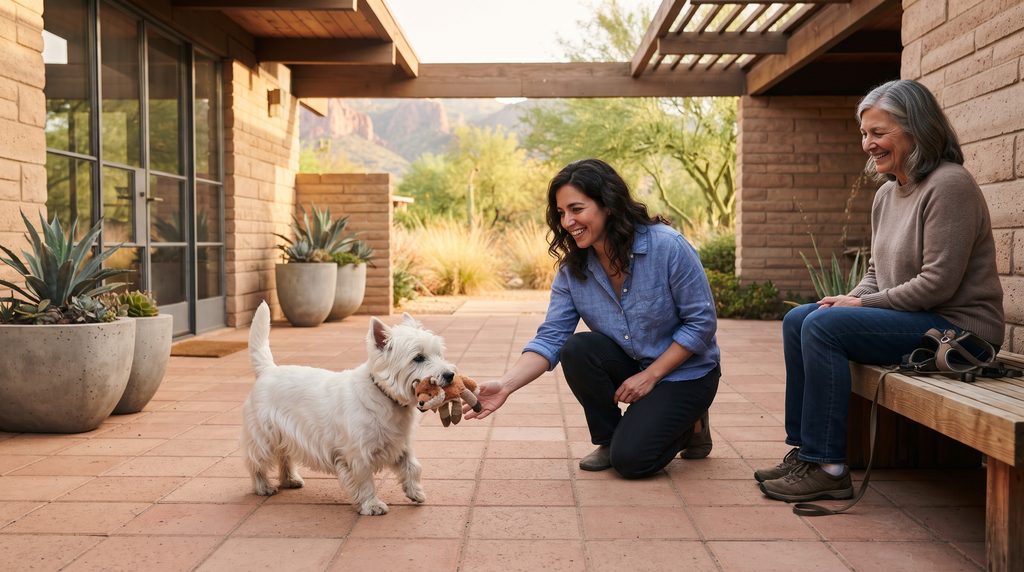
Is a West Highland White Terrier Right for You?
The West Highland White Terrier can be an exceptionally rewarding companion for people who appreciate an affectionate, intelligent, and confident dog with a genuine sense of individuality. Its compact size, cheerful expression, and distinctive white coat make it immediately appealing, but appearances reveal only part of the breed’s character. Beneath its charming exterior is a determined Scottish working terrier with strong opinions, considerable curiosity, and an instinctive enthusiasm for exploring the world. Choosing a Westie successfully means understanding these qualities and deciding whether they complement your household, daily routine, and expectations. For the right owner, this spirited little dog can provide years of affectionate companionship and endless entertainment.
One of the breed’s greatest attractions is its combination of manageable size and substantial personality. Westies are physically small enough to live comfortably in many apartments, townhouses, and suburban homes, yet they possess the confidence and enthusiasm of considerably larger dogs. They generally enjoy participating in family activities and rarely need elaborate encouragement to investigate a new environment. However, their independence means they are not always content to follow instructions simply because an owner has given them. People who enjoy an engaging companion with a touch of mischief may find this quality delightful, while those seeking unquestioning obedience may find it frustrating.
The ideal Westie owner appreciates the temperament of a genuine terrier. These dogs were developed to pursue vermin and make independent decisions in difficult working conditions. Modern Westies retain much of that determination, even when living as cherished family companions. Their confidence often appears in amusing everyday behaviors, such as investigating an unfamiliar object or persistently searching for a hidden toy. However, it can also emerge when a squirrel disappears beneath a fence or an interesting scent proves more compelling than a familiar command. Owners should find satisfaction in guiding these instincts rather than expecting them to disappear.
Regular activity is an important consideration. A healthy adult Westie typically benefits from around an hour of daily exercise, adjusted according to individual fitness, age, and health. This need not involve strenuous hiking or competitive canine sports. Comfortable neighborhood walks, interesting outdoor routes, and enjoyable play sessions can provide sufficient physical activity for many individuals. Nevertheless, a Westie generally needs more than occasional trips into the garden. Its natural curiosity benefits from opportunities to investigate new environments, encounter different scents, and participate in activities that encourage active thinking.
Mental stimulation is equally valuable because the breed possesses considerable intelligence and problem-solving ability. A Westie that receives regular walks but spends the remainder of the day without interesting activities may develop unwanted habits through boredom or frustration. Short training sessions, scent-searching games, interactive toys, and controlled opportunities to explore can provide appropriate enrichment. These activities do not necessarily require substantial financial investment or specialized facilities. They do, however, require an owner willing to participate. Someone who enjoys teaching tricks, creating simple searching games, and observing a dog’s natural behavior may find the Westie particularly satisfying.
Training expectations should also be realistic. Westies are capable of learning excellent household manners, but they often respond best when lessons are rewarding and varied. Their intelligence allows them to understand new tasks quickly, while their independence can make repetitive exercises less appealing. Owners must be prepared to practice recall, loose-leash walking, calm greetings, and appropriate household behavior consistently. Harsh training methods are unnecessary and may damage cooperation. People who enjoy patient, reward-based training are generally better matched to the breed than those who expect immediate obedience or become frustrated when a terrier follows its own interests.
The Westie’s alertness is another characteristic worth considering before ownership. Many individuals enthusiastically announce visitors, unfamiliar sounds, or activity beyond the garden fence. Although this can make them effective little watchdogs, persistent barking may become inconvenient in apartments or closely connected neighborhoods. Training and appropriate environmental management can improve the situation, but they cannot guarantee a completely silent dog. Prospective owners who are especially sensitive to noise, or whose living arrangements have strict restrictions, should consider this possibility carefully. A naturally observant terrier may never behave like a particularly quiet companion breed.
Families with children may find the Westie a wonderfully entertaining household companion. Its sturdy construction, playful nature, and enthusiasm for games can be particularly appealing to responsible school-age children. However, the breed does not automatically tolerate rough handling, unpredictable behavior, or constant physical attention. Young children must be supervised, and every Westie needs opportunities to withdraw from unwanted interaction. Households with energetic toddlers or frequent gatherings involving numerous young children may require especially careful management. Families prepared to teach respectful boundaries can often enjoy a rewarding relationship, while those expecting a dog to tolerate unrestricted handling may be better suited to another arrangement.
Compatibility with other pets deserves similar attention. Many Westies live happily with appropriate canine companions and can develop comfortable relationships with household cats. However, individual temperament and previous experiences influence the outcome, and careful introductions are important. The breed’s hunting instincts create more substantial concerns around rabbits, guinea pigs, hamsters, and other small mammals. Even an affectionate, well-trained Westie may react instinctively when a vulnerable animal moves suddenly. Families keeping such pets should be prepared to maintain reliable physical separation, or consider whether a breed with less pronounced prey drive would better suit their circumstances.
A secure home environment is particularly valuable. Westies can be enthusiastic diggers, persistent investigators, and surprisingly quick when an interesting opportunity appears. A properly enclosed garden offers a useful place for supervised activity, but access to a private yard is not essential when regular walks and enrichment are provided. Apartment owners can succeed with the breed if they establish suitable routines and manage barking and outdoor access carefully. The essential requirement is not the size of the property, but the ability to provide safe exercise, appropriate boundaries, and meaningful companionship.
Grooming is one of the clearest practical commitments associated with Westie ownership. The breed’s attractive white double coat sheds relatively little, but maintaining it requires regular brushing and professional attention. Many companion Westies benefit from grooming appointments approximately every four to six weeks, while traditional hand-stripping requires particular expertise. Owners must also keep the facial furnishings clean and monitor the skin beneath the coat. Someone attracted to the Westie’s tidy appearance should not assume that low shedding means minimal maintenance. The breed is better suited to households willing to establish a consistent grooming routine and accommodate its ongoing expense.
Allergy expectations should be considered carefully. Although Westies are sometimes promoted as suitable for people with dog allergies, no breed can be guaranteed hypoallergenic. Allergens originate from materials including saliva and dander, not simply from visible loose hair. Some individuals may experience fewer symptoms around a particular Westie, while others react significantly despite its relatively low-shedding coat. Prospective owners with allergies or asthma should seek appropriate medical advice rather than relying on breed reputation. Choosing a Westie solely because it is described as allergy-friendly could create difficulties for both the household and the dog.
Health and financial responsibilities are equally important. Westies can enjoy long, active lives, but they have recognized predispositions to allergic skin disease, certain orthopedic disorders, eye conditions, and pulmonary fibrosis. Not every individual develops these problems, yet responsible ownership involves understanding that veterinary expenses may become substantial if chronic treatment is required. Routine examinations, dental care, parasite prevention, nutritious food, grooming, and potential insurance premiums also contribute to ongoing costs. A household should be prepared to meet these needs throughout the dog’s life rather than assuming that a small dog will always be inexpensive.
Time spent at home is another practical consideration. Westies are independent thinkers, but many are also affectionate companions that enjoy being near familiar people. Some adults tolerate reasonable periods alone when accustomed to them gradually. Others struggle with prolonged isolation, especially when their daily routines provide limited companionship or stimulation. Households where everyone is absent for extended periods should consider whether reliable daytime care is available. A Westie should not be chosen on the assumption that independence makes it indifferent to human company. Its self-reliant temperament does not eliminate its social needs.
The breed may be particularly rewarding for active retirees, adults with flexible schedules, and families who enjoy including their dog in ordinary activities. A retired owner who enjoys regular walks, gentle training, and affectionate companionship may provide an excellent home without pursuing demanding outdoor adventures. Similarly, a busy family can succeed when adults organize consistent care and share responsibilities appropriately. The important qualities are patience, availability, and an appreciation of terrier behavior rather than belonging to a particular age group or household type.
Prospective first-time owners should not automatically rule out the Westie. Although its independent character presents challenges, many people successfully raise their first dog within this breed. Access to reputable training guidance, a willingness to learn, and realistic expectations can make a substantial difference. However, someone seeking an exceptionally compliant dog, minimal grooming, and little need for daily activity may find Westie ownership more demanding than anticipated. First-time owners should be prepared for the possibility of barking, digging, strong interest in wildlife, and occasional selective attention during training.
It can be helpful to imagine an ordinary week with a Westie before making a final decision. There will be morning walks when the weather is unpleasant, evenings when the dog wants to play despite a tiring day, and occasional grooming tasks that cannot be postponed indefinitely. There may be unexpected veterinary appointments, muddy paws, damaged toys, and moments when an interesting scent makes the simplest walk take considerably longer. Alongside these responsibilities are cheerful greetings, amusing discoveries, enthusiastic adventures, and quiet companionship. The right owner should find the overall relationship appealing, not merely the dog’s appearance.
Choosing between a puppy and an adult rescue may also influence suitability. Puppies require intensive supervision, early training, careful socialization, and considerable patience during their development. An adult Westie may offer a more established temperament and greater predictability regarding exercise and grooming needs, although individual dogs can require behavioral or medical support. Older rescued Westies can sometimes be an excellent match for households seeking a more settled companion. Whichever option is chosen, compatibility should be assessed individually rather than assuming that all members of the breed behave alike.
There is no requirement for a Westie owner to provide a perfect home, extensive countryside property, or an elaborate schedule of canine activities. A small but secure living space, regular walks, suitable enrichment, thoughtful grooming, and affectionate involvement can provide an excellent quality of life. More important than impressive facilities is a household that recognizes the dog’s needs and responds consistently. A Westie that receives appropriate care and realistic guidance can thrive in circumstances that might initially seem less spacious or adventurous than its working heritage suggests.
Ultimately, the West Highland White Terrier is an excellent choice for people who appreciate confidence, intelligence, affection, and the unmistakable spirit of a traditional terrier. Its greatest strengths—curiosity, determination, courage, and independence—are also the qualities that require thoughtful management. It is not the ideal companion for everyone, particularly those seeking a completely quiet, undemanding, or highly obedient dog. However, for owners prepared to provide training, regular activity, companionship, grooming, and responsible healthcare, the Westie offers an exceptionally engaging relationship. Small in stature but rich in character, this spirited Scottish terrier can become a cherished family companion whose loyalty, humor, and enthusiasm make everyday life considerably more enjoyable.
The Westie Ownership Reality Check
Before choosing a West Highland White Terrier, consider whether you can provide daily walks, interesting activities, consistent training, and regular companionship. Be prepared for alert barking, occasional digging, and strong interest in wildlife. Its attractive white coat also needs brushing and professional maintenance, even though shedding is relatively low. Families with young children must supervise interactions, while households with small mammals need secure separation. Budget for preventive veterinary care and the possibility of chronic skin problems or other medical conditions. If you enjoy an affectionate but independent dog and appreciate the character of a genuine working terrier, the Westie may be a wonderful match.
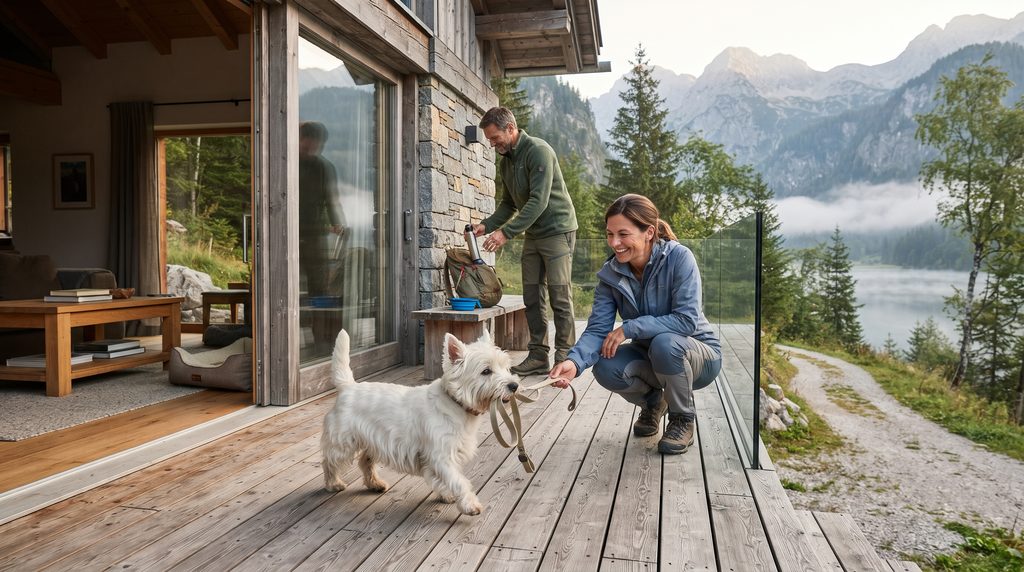
West Highland White Terrier Final Thoughts
The West Highland White Terrier is a remarkable example of how much personality, intelligence, and determination can exist within a small dog. Its cheerful expression and distinctive white coat have made it recognizable throughout the world, but its true appeal lies in the character beneath that familiar appearance. This is a courageous, inquisitive, affectionate terrier that approaches life with enthusiasm and considerable self-confidence. For owners who appreciate a companion with an independent mind and a lively sense of adventure, the Westie offers a relationship that can be both entertaining and deeply rewarding.
The breed’s Scottish working heritage remains central to understanding its behavior. Generations of terriers were developed to investigate difficult terrain, pursue vermin, and continue working without constant human direction. Modern Westies no longer need to perform those demanding tasks, but their natural curiosity, persistence, and willingness to make decisions remain readily apparent. These qualities explain much of the breed’s charm, as well as some of the challenges owners encounter. A Westie that investigates every interesting scent or enthusiastically pursues a favorite activity is expressing characteristics that have been valued for centuries.
What makes the Westie especially appealing is the contrast between its confidence and its capacity for affection. Many develop close relationships with their families while retaining an unmistakable sense of individuality. They may happily accompany an owner through the day’s activities, enthusiastically participate in games, and settle nearby when the household becomes quiet. Yet they are rarely content to exist solely as decorative companions. Their interest in the world around them gives everyday interactions a distinctive energy, encouraging owners to notice small details and find enjoyment in ordinary routines.
Living successfully with a Westie means recognizing that its independence is not something to overcome through force. Instead, it provides an opportunity to develop a cooperative relationship based on trust, consistency, and positive reinforcement. These dogs often respond beautifully when training is interesting, rewards are meaningful, and expectations are clear. Teaching practical household manners allows their natural confidence to flourish without creating unnecessary conflict. A well-trained Westie remains a genuine terrier, but one that understands how to participate comfortably in family life.
Regular activity is equally important to the breed’s well-being. A Westie does not require an elaborate sporting lifestyle, but it benefits from opportunities to walk, explore, play, and investigate its surroundings. Its enthusiasm for scent-based activities makes even simple searching games surprisingly rewarding. A familiar woodland path, a secure garden, or an interesting neighborhood walk can provide meaningful stimulation when owners allow time for investigation. These experiences satisfy instincts that ordinary physical exercise alone may not fully address.
The breed’s suitability for family life depends on thoughtful management and realistic expectations. Many Westies enjoy interacting with responsible children and compatible canine companions, particularly when introductions are positive and personal boundaries are respected. However, their confident personalities do not mean they will tolerate every interaction. They also retain hunting instincts that create genuine risks around smaller animals. Successful owners recognize these limitations and provide appropriate supervision, secure environments, and opportunities for their dogs to withdraw from unwanted attention.
Grooming is another part of Westie ownership that deserves appreciation rather than neglect. The breed’s beautiful white double coat is more than an attractive feature; it reflects the practical requirements of a traditional working terrier. Maintaining that coat requires consistent brushing and an appropriate professional grooming routine. Whether owners choose traditional hand-stripping or a practical companion trim, comfort and skin health should remain priorities. Regular handling also provides opportunities to recognize developing problems and strengthen the dog’s confidence during everyday care.
Health awareness is especially valuable because some conditions associated with the breed may require long-term management. Allergic skin disease, orthopedic concerns, eye problems, and pulmonary fibrosis deserve informed attention, although no individual Westie should be assumed to develop them simply because they appear in breed health guidance. Responsible breeding, appropriate health screening, regular veterinary examinations, and prompt investigation of unusual symptoms provide important safeguards. Owners should approach healthcare with sensible vigilance rather than unnecessary anxiety.
Nutrition, exercise, and body-condition management contribute substantially to a Westie’s everyday comfort. A balanced diet, carefully measured portions, regular movement, and appropriate dental care help support the dog’s active lifestyle. These foundations may appear straightforward, but their importance becomes increasingly apparent as a dog matures. Consistent preventive care can help preserve mobility and identify medical concerns before they become more difficult to manage. The most effective approach is usually a thoughtful routine maintained over time rather than a collection of expensive products or complicated treatments.
Choosing a puppy or rescue dog also requires a commitment extending far beyond the excitement of the initial meeting. Responsible breeders should provide meaningful health information and raise puppies with attention to their developing temperaments. Rescue organizations can offer valuable insight into an adult dog’s experiences and individual needs. In either case, the best choice is not necessarily the most energetic, attractive, or immediately affectionate dog. It is the individual whose temperament, health requirements, and circumstances offer a realistic match for the prospective household.
One of the great pleasures of living with a Westie is watching its personality develop over the years. A young puppy may be impulsive and endlessly inquisitive, while an adolescent becomes increasingly confident and adventurous. A mature adult often learns to balance activity with comfortable household routines without losing its playful character. In later life, a senior Westie may move more slowly but remain just as interested in familiar smells, cherished companions, and opportunities to explore. Each stage brings different responsibilities, along with distinctive rewards.
The breed’s relatively long lifespan makes this changing relationship particularly meaningful. Many Westies share more than a decade of family experiences, becoming familiar participants in daily routines and important companions through changing circumstances. Their care needs may evolve, especially as health and mobility change, but their individual character often remains recognizable throughout life. An older Westie investigating an interesting scent with quiet determination can display the same unmistakable spirit once seen in an enthusiastic puppy.
Ultimately, the West Highland White Terrier is not simply a small white dog with an appealing expression. It is a spirited Scottish terrier whose courage, intelligence, curiosity, and affectionate nature have secured its place as a cherished companion. Its independent personality requires patience, its coat demands regular attention, and its natural instincts deserve understanding. Yet these responsibilities are inseparable from the qualities that make the breed so engaging. For people prepared to embrace the complete Westie—not merely its charming appearance—the rewards can be extraordinary: years of companionship, countless entertaining moments, and a loyal little dog whose personality is far larger than its physical stature.

Explore More Terrier Breeds
Discover more members of the Terrier Group, from energetic working breeds to affectionate family companions. Explore their distinctive personalities, histories, exercise requirements, grooming needs, and health considerations to understand what makes each terrier unique.
Official West Highland White Terrier Information
Explore the American Kennel Club’s official West Highland White Terrier profile for authoritative information about the breed’s history, temperament, physical characteristics, grooming requirements, and recognized standards. It is a useful companion resource for prospective and current Westie owners.