

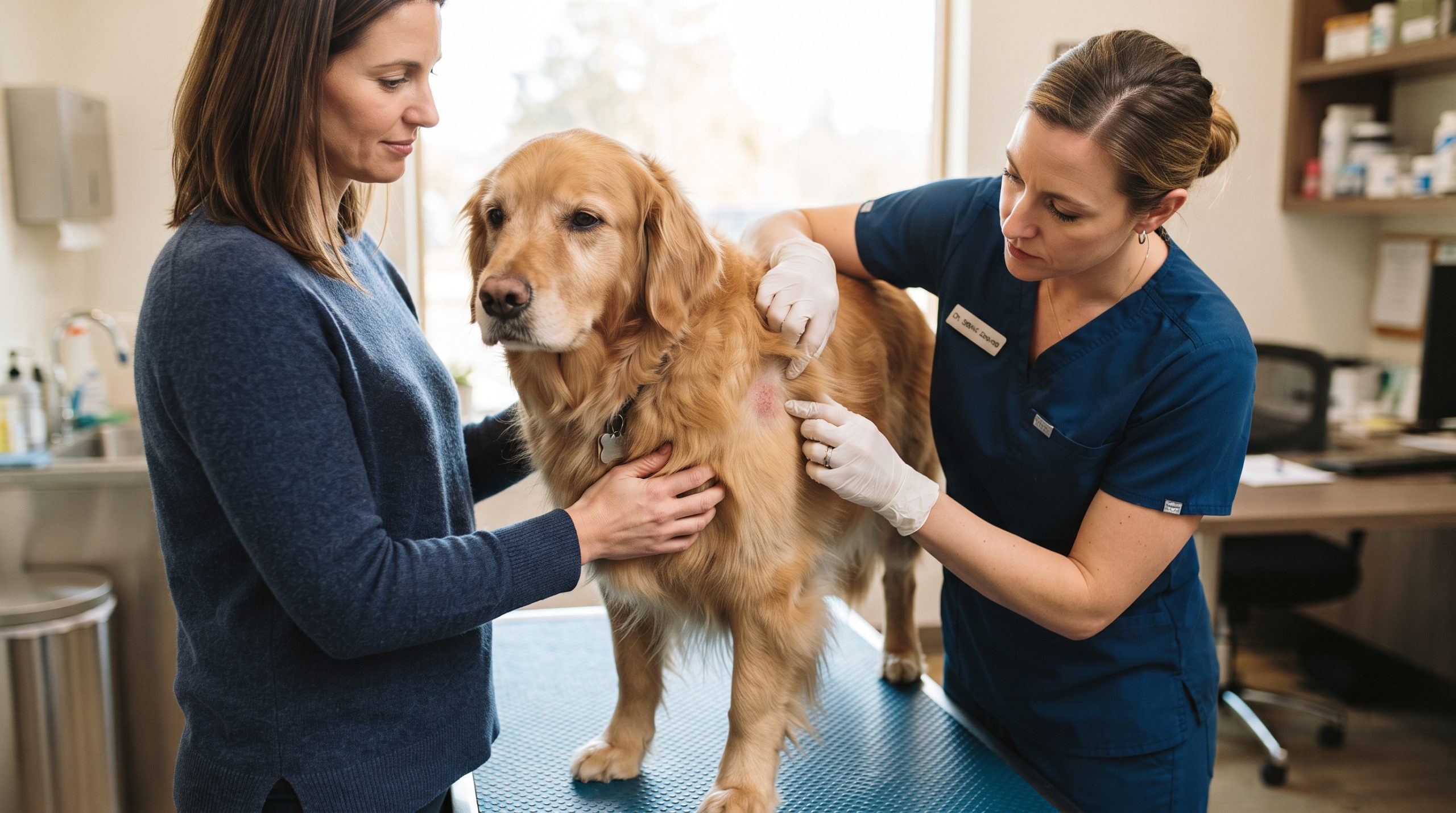
A small patch of irritated skin on your dog might not seem particularly concerning at first. Perhaps you’ve noticed your dog repeatedly licking one leg, scratching behind an ear, or chewing at an area beneath its thick coat. But when that seemingly minor irritation develops into a red, moist, painful sore, you could be dealing with a hot spot.
So, what is a hot spot on a dog, and why can it become such a problem so quickly?
A hot spot is an area of intensely inflamed skin, medically known as acute moist dermatitis or pyotraumatic dermatitis. It typically develops when a dog repeatedly scratches, licks, or chews an itchy area, damaging the skin and creating conditions in which bacteria can multiply. What begins as mild irritation can develop into a much larger, uncomfortable lesion within hours.
Hot spots often look red, wet, and raw, sometimes accompanied by hair loss, swelling, discharge, or an unpleasant odor. The surrounding fur may become matted or sticky, making the affected skin difficult to see. Some dogs are so uncomfortable that they continue scratching or licking even when the area has become painful.
Although hot spots can affect dogs of any breed, they are particularly common in dogs with thick or dense coats, including Golden Retrievers, Labrador Retrievers, German Shepherd Dogs, and Newfoundlands. Warm weather, humidity, swimming, allergies, parasites, and underlying skin problems can all contribute to their development.
One of the most important things to understand is that a hot spot is often a symptom of another problem. Treating the visible sore may provide relief, but identifying what triggered the itching is essential to reducing the likelihood of another outbreak.
The good news is that most uncomplicated hot spots respond well to appropriate treatment, particularly when addressed early. However, because these lesions can spread rapidly and may resemble other skin conditions, veterinary assessment is recommended when a hot spot is suspected.
In this guide, we’ll explain how to recognize hot spots, what causes them, how veterinarians treat them, which home-care measures are appropriate, and what you can do to help protect your dog’s skin from future irritation.

Table of Contents
What Does a Hot Spot Look Like on a Dog?
Recognizing a hot spot early can make a significant difference in how quickly your dog receives treatment and relief. Although these skin lesions can vary in size and severity, they usually have a distinctive combination of redness, moisture, inflammation, and discomfort.
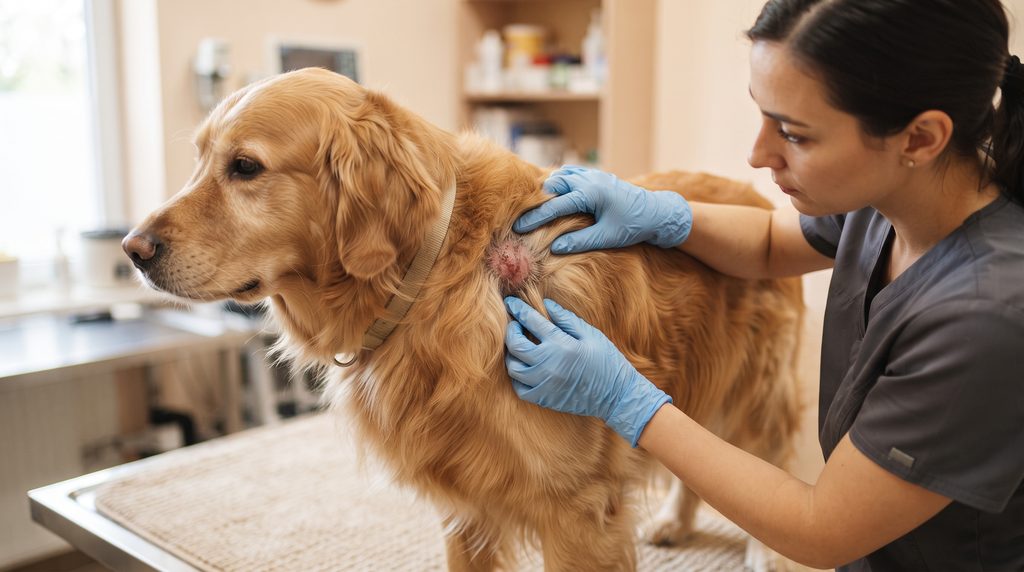
If you’re wondering what does a hot spot look like on a dog, imagine a patch of skin that appears unusually red, raw, and damp, often surrounded by fur that has become sticky, flattened, or matted. The area may look as though the outer layer of skin has been rubbed away, even though your dog hasn’t suffered an obvious injury.
In the earliest stages, a hot spot may be difficult to identify. You might notice a small red patch, slightly damp fur, or an area your dog keeps licking. As the irritation progresses, the skin can become increasingly inflamed, and the surrounding coat may begin to thin or fall out.
Unlike a dry patch of flaky skin, an active hot spot often has a moist or weeping appearance. Some lesions produce a clear or yellowish discharge, while others develop crusting around their edges as the surface begins to dry.
The affected skin may also feel warmer than the surrounding area because of inflammation. However, warmth alone is not enough to identify a hot spot, and owners should avoid repeatedly touching painful lesions to check their temperature.
One of the most recognizable signs is the speed at which the affected area can change. A patch that appeared relatively small in the morning may become noticeably larger by the evening, particularly if the dog continues scratching or licking.
Behavioral changes can provide important clues. Dogs with hot spots often focus intensely on a particular part of their body, repeatedly chewing, licking, scratching, or rubbing against furniture. Some become restless or resist being touched near the affected area.
Hot spots frequently develop in places where dogs can easily scratch or lick, including the neck, cheeks, hips, thighs, and areas around the ears. In thick-coated breeds, an extensive lesion may remain hidden beneath the surrounding fur until the hair becomes wet or matted.
Common visible and behavioral signs include:
- A clearly defined area of red, inflamed skin.
- Moist, sticky, or weeping skin beneath the coat.
- Localized hair loss or matted fur.
- Persistent scratching, licking, or chewing.
- Tenderness, swelling, or discomfort when touched.
- Crusting, discharge, or an unpleasant odor in some cases.
- Rapid enlargement of the irritated area.
However, not every red or irritated skin lesion is a hot spot. Bacterial skin infections, fungal infections, allergic reactions, parasites, burns, wounds, and other dermatological conditions can sometimes produce similar symptoms.
For example, ringworm may cause circular areas of hair loss and scaling, while certain bacterial infections can produce pustules, crusting, or multiple irritated patches. These conditions require different treatment approaches, making accurate diagnosis important.
A veterinarian can examine the lesion, assess whether infection or another skin condition is present, and investigate the underlying cause. Additional tests, such as skin cytology, may be recommended when the appearance is unusual or the problem keeps returning.
Photographing a suspicious patch when you first notice it can also be useful. A dated image provides a simple way to document whether the redness or affected area is spreading before your veterinary appointment.
The key warning sign is a rapidly developing, painful, moist skin lesion, especially when accompanied by persistent licking or scratching. If you notice these changes, arrange veterinary care promptly rather than waiting for the area to heal without treatment.
Checking Beneath Thick or Matted Fur
Hot spots can be surprisingly difficult to detect in long-haired and double-coated dogs because dense fur may conceal inflamed skin. The neck, areas behind the ears, and hips deserve particular attention. If your dog repeatedly scratches, licks, or chews one location, gently part the surrounding coat to check for redness, moisture, or irritation. Avoid pulling at matted fur, rubbing painful skin, or using household scissors near a suspected lesion. The skin may be extremely sensitive, and accidental cuts can worsen the problem. A veterinarian can safely clip the surrounding hair, examine the affected area, and recommend appropriate treatment before the irritation becomes more severe.
What Causes Hot Spots on Dogs?
Hot spots rarely develop without an underlying trigger. Although the visible problem is an area of inflamed, damaged skin, the process usually begins with something that makes a dog uncomfortable enough to scratch, lick, rub, or chew repeatedly. Understanding what starts this cycle is essential because treating the sore alone may not prevent it from returning.
The most common explanation for what causes hot spots on dogs is a combination of itching, skin damage, inflammation, and bacterial overgrowth. An initial irritation encourages the dog to scratch or lick the affected area. This damages the skin’s protective barrier, creating conditions in which bacteria normally present on the skin can multiply. As inflammation increases, the affected area becomes itchier or more painful, encouraging further scratching and licking.
This repeating cycle helps explain why a relatively small irritation can develop into a large, uncomfortable hot spot in a surprisingly short period.
Allergies are among the most important underlying causes. Dogs with environmental allergies may react to pollen, grasses, dust mites, or other substances, leading to persistent itching and inflamed skin. Some dogs also experience adverse reactions to ingredients in their diet, although food allergies are less common than environmental allergies as a cause of allergic skin disease.
An allergic dog may repeatedly lick its paws, scratch around the ears, or chew at its flanks and thighs. Eventually, one particularly irritated area can develop into a hot spot. Dogs with recurring lesions may require veterinary investigation to identify and manage an underlying allergic condition.
Fleas are another major trigger, particularly in dogs with flea allergy dermatitis. These dogs can experience intense itching following exposure to flea saliva, and even a small number of bites may cause a significant reaction. Hot spots associated with flea irritation commonly develop around the lower back, rump, and base of the tail.
Other parasites, including certain mites, can also cause substantial skin irritation. When parasites are suspected, appropriate veterinary testing and treatment are important rather than relying on visual inspection alone.
Moisture can contribute to hot spot development, especially in dogs with thick or dense coats. After swimming, bathing, or prolonged exposure to rain, water may remain trapped close to the skin. This can encourage irritation and create an environment favorable to bacterial overgrowth, particularly when the dog is already scratching or licking the area.
Golden Retrievers, Newfoundlands, German Shepherd Dogs, and other heavily coated breeds may be particularly susceptible when moisture and skin irritation occur together. However, moisture alone does not automatically cause a hot spot, and dogs with short coats can develop them too.
Ear infections are another frequently overlooked cause. A dog experiencing an itchy or painful ear may repeatedly scratch the side of its head or neck. This trauma can produce a hot spot on the cheek, below the ear, or along the surrounding neck. In these cases, treating the visible skin lesion without addressing the ear problem may allow the condition to recur.
Localized discomfort can trigger similar behavior. An insect bite, minor wound, skin irritation beneath a collar, or painful area may encourage persistent licking and chewing. Occasionally, dogs with orthopedic discomfort repeatedly lick a particular location, contributing to skin damage.
Poor coat condition and matting can also make problems more likely. Tightly matted fur may trap moisture and debris against the skin, restrict airflow, and make it difficult for owners to notice developing irritation. However, regular grooming does not guarantee that hot spots will never occur, particularly in dogs with allergies or other underlying medical problems.
Seasonal conditions can influence when hot spots appear. Warm, humid weather may increase exposure to environmental allergens, fleas, swimming, and persistent coat moisture. Consequently, some dogs experience more frequent outbreaks during summer, although hot spots can develop at any time of year.
Stress, boredom, and repetitive licking may contribute to skin damage in some dogs, but these explanations should not be assumed until medical causes of itching or discomfort have been considered. Persistent licking often indicates an underlying dermatological or painful condition rather than simply an unwanted behavior.
When a dog develops repeated hot spots, a veterinarian may investigate allergies, fleas, infections, ear disease, and other potential triggers. Depending on the history and examination, this may involve skin cytology, parasite testing, an ear examination, or a more detailed dermatological assessment.
The important distinction is that a hot spot is often the result of an underlying problem rather than the original problem itself. Identifying and managing that cause gives your dog the best chance of recovering comfortably and avoiding repeated episodes.

Why Hot Spots Often Keep Coming Back
A hot spot may heal successfully while the original cause of itching remains unresolved. Dogs with environmental allergies, flea sensitivity, recurring ear infections, or persistent skin irritation can develop new lesions unless those conditions are properly managed. If your dog experiences repeated hot spots, record where they appear, how frequently they occur, and whether episodes follow swimming, seasonal changes, grooming, or increased scratching. These details can help your veterinarian recognize patterns and recommend suitable preventive care. Repeated outbreaks should prompt investigation rather than simply treating each new sore as an isolated skin problem.
Where Do Hot Spots Commonly Develop on Dogs?
Hot spots can appear almost anywhere on a dog’s body, but certain locations are affected more frequently than others. The position of a lesion often provides useful clues about what triggered the irritation, particularly when a dog has been repeatedly scratching, licking, or chewing a specific area.
Although hot spots share similar characteristics regardless of their location, the underlying causes can vary considerably. An irritated patch beneath the ear may be associated with an ear infection, while a lesion near the base of the tail may suggest flea-related itching. Recognizing these patterns can help owners provide useful information during a veterinary examination.
The head and neck are common locations for hot spots, particularly around the cheeks, beneath the ears, and along the sides of the neck. Dogs experiencing ear infections, environmental allergies, or other sources of facial itching may repeatedly scratch these areas with their hind paws.
Hot spots beneath the ears can be particularly uncomfortable because the dog may continue scratching whenever the ear becomes irritated. Long, pendulous ears and dense surrounding fur can also make developing lesions difficult to notice until the coat becomes wet or matted.
If your dog develops a hot spot near an ear, pay attention to other symptoms such as head shaking, ear odor, discharge, or sensitivity when the ear is touched. These signs may indicate an underlying ear problem that requires treatment alongside the skin lesion.
The hips, rump, and lower back are other frequently affected areas. Lesions in these locations may be associated with flea allergy dermatitis, especially when itching is concentrated near the base of the tail. Dogs with significant flea sensitivity may develop intense irritation even when fleas are not readily visible during a routine coat inspection.
Hot spots around the hips can also develop when dogs repeatedly chew at an itchy area or when moisture and irritation become trapped beneath thick fur. In long-coated breeds, the surrounding hair may conceal the affected skin, allowing the lesion to enlarge before it is discovered.
The thighs and upper legs are also susceptible, particularly where dogs can easily reach the skin with their mouths. Persistent chewing or licking can damage the surface of the skin, creating a localized area of inflammation.
When a lesion develops repeatedly in the same location, a veterinarian may consider whether an underlying source of discomfort is encouraging the dog to focus on that area. Skin allergies are common contributors, but localized pain, wounds, and other conditions may also warrant investigation.
The chest, abdomen, and areas beneath the collar can develop irritation as well. Friction, trapped moisture, allergies, and repeated licking may contribute to skin problems in these regions. A collar that rubs against already irritated skin can worsen discomfort, although collar friction alone does not necessarily mean a dog has developed a hot spot.
Areas with skin folds or dense overlapping fur may require particular attention. Moisture and debris can accumulate in these locations, making irritation more difficult to identify. However, skin-fold dermatitis and other infections can resemble hot spots, so an accurate diagnosis remains important.
Paws and lower legs deserve special consideration. Dogs with allergies frequently lick or chew their feet, sometimes producing redness, damp fur, and significant inflammation. These symptoms may resemble a hot spot, but persistent paw irritation can also result from interdigital infections, foreign bodies, allergic pododermatitis, or other conditions requiring different treatment.
For this reason, owners should avoid assuming that every red or moist patch between the toes is an ordinary hot spot.
Some dogs develop more than one irritated area at the same time, particularly when widespread itching is present. Multiple lesions may indicate an underlying allergic or parasitic condition, making veterinary assessment especially important.
The location of a hot spot can also influence how easily it heals. Areas that a dog can constantly lick or scratch may be difficult to protect without an appropriately fitted Elizabethan collar or another veterinarian-recommended barrier. Lesions beneath collars or harnesses may require temporary adjustments to prevent further rubbing.
Owners can help their veterinarian by noting exactly where the irritation appeared, whether the dog was scratching before the lesion became visible, and whether similar problems have occurred previously. These observations may reveal patterns that help identify the original trigger.
The most important point is that a hot spot’s location can offer clues, but it cannot establish the underlying cause on its own. A lesion near the tail does not automatically confirm flea allergy, just as an irritated neck does not necessarily indicate an ear infection.
Careful examination and appropriate treatment are necessary to address both the visible skin damage and whatever caused the dog to become uncomfortable in the first place.
What the Location of a Hot Spot May Reveal
The position of a hot spot can provide useful clues about an underlying problem. Lesions near the ears may accompany ear infections, while irritation around the rump and tail base can be associated with flea allergy dermatitis. Repeated licking of the paws or legs may suggest allergies, localized discomfort, or another skin condition. These patterns are not reliable diagnoses on their own, however. If your dog develops recurring sores in the same location, photograph the affected area and record any related scratching, head shaking, or chewing. Sharing these observations with your veterinarian can help guide an appropriate examination and treatment plan.
How to Treat Hot Spots on Dogs
Hot spots can be extremely uncomfortable, but most respond well to prompt, appropriate treatment. The main goals are to relieve inflammation, clean the damaged skin, prevent further licking or scratching, and identify whatever caused the irritation in the first place. Because these lesions can spread rapidly and sometimes develop deeper infections, early veterinary attention is usually the safest approach.
Understanding how to treat hot spots on dogs begins with recognizing that the visible sore is only part of the problem. The irritated skin needs an opportunity to recover, but that recovery can be delayed if a dog continues scratching, chewing, or licking the affected area. Effective treatment therefore addresses both the damaged skin and the behavior driven by itching or pain.
A veterinarian will usually begin by examining the affected area and assessing the severity of the inflammation. The surrounding coat may need to be clipped to expose the entire lesion, particularly in long-haired or double-coated breeds. This allows the veterinarian to evaluate the skin properly, remove trapped moisture and debris, and make topical treatment more effective.
Clipping can be uncomfortable when a hot spot is particularly painful. Some dogs may require additional pain relief or mild sedation so the area can be examined and cleaned safely. Owners should avoid attempting to cut away matted fur with household scissors, as inflamed skin can be easily injured.
Once the lesion is exposed, the veterinarian may gently clean the skin using an appropriate antiseptic solution, such as a veterinary chlorhexidine preparation. Cleaning helps remove discharge, debris, and surface bacteria while allowing the damaged skin to recover. The choice of product and cleaning frequency depend on the lesion’s condition, so owners should follow the instructions provided rather than experimenting with household disinfectants.
Medication may be necessary to reduce itching and inflammation. Depending on the dog’s health, the severity of the lesion, and its underlying cause, a veterinarian may prescribe a topical anti-inflammatory preparation or a short course of oral medication. Reducing discomfort is particularly important because persistent itching can encourage further self-trauma.
Antibiotics are sometimes required, especially when a deeper bacterial infection is present. However, not every uncomplicated hot spot needs oral antibiotics. Many superficial lesions can be managed with appropriate cleaning and topical treatment, while more extensive infections may require additional medication. A veterinarian will determine the most suitable approach based on the examination and, when appropriate, skin testing.
Preventing further licking and scratching is another essential part of treatment. An Elizabethan collar, often called a recovery cone, may be recommended to stop the dog from reaching the affected skin. Some dogs benefit from a carefully fitted protective garment, although covering a moist lesion can trap moisture or cause friction, so protective clothing should only be used when appropriate for the location and veterinary treatment plan.
Dogs may initially dislike wearing a recovery cone, but allowing uninterrupted healing is often more important than avoiding temporary inconvenience. The collar should fit securely, permit comfortable breathing and drinking, and prevent the dog from reaching the sore.
Treatment also involves investigating the original cause. If fleas triggered the irritation, appropriate parasite prevention will be necessary. When an ear infection is responsible, treating the ear disease is just as important as caring for the surrounding skin. Dogs with environmental allergies may need a longer-term management plan to reduce recurring itching.
Keeping the affected area clean and appropriately dry can support healing. Owners should avoid bathing the entire dog unless their veterinarian recommends it, especially when the lesion is actively inflamed. Swimming, muddy play, and activities that repeatedly wet or contaminate the affected skin may need to be temporarily restricted.
It is equally important to avoid applying inappropriate household remedies. Alcohol, hydrogen peroxide, essential oils, and harsh antiseptics can irritate damaged skin. Human medications and creams may also be unsuitable for dogs, particularly if swallowed during licking. Even products advertised as natural or soothing are not automatically safe for open or inflamed skin.
Once treatment begins, owners should monitor the lesion for changes in redness, moisture, swelling, discharge, and discomfort. The dog should gradually become less interested in scratching or licking the area as the inflammation settles. If the lesion continues expanding, becomes increasingly painful, develops a strong odor, or fails to improve, veterinary reassessment is necessary.
The length of treatment varies depending on how extensive the lesion is, whether infection is present, and how successfully the underlying trigger can be controlled. Some uncomplicated hot spots begin improving within a few days, while more serious infections require longer treatment and follow-up care.
The most successful treatment addresses the skin damage, relieves the dog’s discomfort, and interrupts the licking-and-scratching cycle. Treating the visible sore without investigating the underlying cause may provide temporary relief but leave the dog vulnerable to another outbreak.

Can You Treat a Dog’s Hot Spot at Home?
Discovering an irritated, painful patch of skin on your dog can be worrying, particularly when the area seems to have appeared almost overnight. While some small, newly developing hot spots can be managed with appropriate home care, others require veterinary treatment to prevent infection and further skin damage. Knowing the difference is important because these lesions can worsen remarkably quickly.
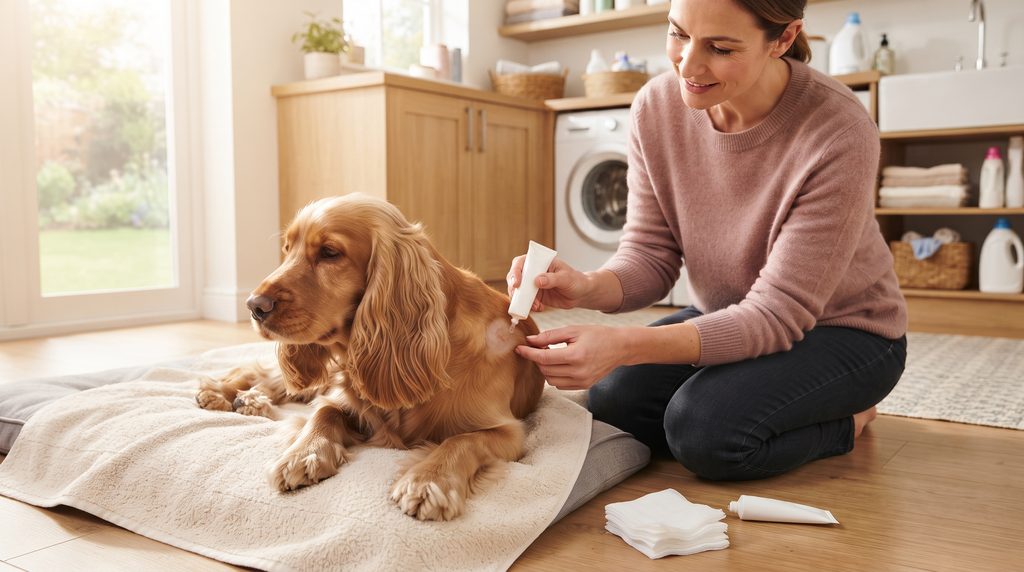
Dog hot spot treatment at home should focus on protecting the affected skin, preventing further irritation, and monitoring your dog’s comfort. Home care is most appropriate when the irritation is very recent, limited in size, and not accompanied by significant pain, swelling, discharge, or other signs of infection. If you’re unsure whether the lesion is a hot spot, contacting your veterinarian is the safest starting point.
One of the most helpful immediate measures is preventing your dog from licking, chewing, or scratching the irritated area. Dogs naturally attempt to soothe uncomfortable skin by licking it, but repeated contact can damage the surface further and introduce additional moisture. A properly fitted Elizabethan collar, commonly called a recovery cone, can interrupt this cycle while the skin begins to recover.
Choose a collar that actually prevents your dog from reaching the affected location. Inflatable collars and soft alternatives may be comfortable, but they do not always prevent access to lesions on the legs, hips, or lower body. Your dog should still be able to breathe, rest, eat, and drink comfortably while wearing the protective device.
Gentle cleaning may also be appropriate for a small, uncomplicated lesion. If your veterinarian has recommended a particular cleanser, follow the product instructions carefully. For initial gentle cleaning, sterile saline may be suitable for removing superficial debris without introducing harsh chemicals. Avoid scrubbing, repeatedly soaking the skin, or applying pressure to a painful area.
Veterinary-approved antiseptic products may be recommended in some situations, but not every formulation is suitable for open or irritated skin. Concentration, ingredients, and application frequency all matter. A product intended for cleaning healthy skin may not be appropriate for an inflamed lesion, so check with your veterinarian before introducing anything unfamiliar.
Keeping the surrounding coat clean and appropriately dry can support recovery. Moisture trapped beneath thick fur may worsen irritation, especially in dogs with dense double coats. However, owners should not attempt to shave painful skin with unsuitable grooming equipment or cut matted hair using household scissors. Inflamed skin can be fragile, and accidental injuries may make the problem considerably worse.
Avoid covering a moist hot spot with a tight bandage or heavy clothing unless specifically instructed by your veterinarian. Although covering an irritated area might seem protective, trapped moisture and friction can interfere with healing. A recovery cone is often a more practical way to stop licking without restricting airflow around the lesion.
Another important consideration is what not to apply. Hydrogen peroxide, rubbing alcohol, essential oils, concentrated antiseptics, and strongly fragranced products can irritate damaged skin. Human pain-relief creams, antibiotic ointments, and steroid preparations should not be used without veterinary advice, particularly because dogs may ingest them while grooming.
Homemade remedies involving vinegar, baking soda, or undiluted oils are also best avoided. Even when described as natural treatments, these substances can cause stinging, irritation, or additional damage to already inflamed skin.
Owners should also resist the temptation to pick at crusting or remove developing scabs. As the lesion begins healing, the skin needs time to rebuild its protective barrier. Disturbing the surface can reopen sensitive areas and delay recovery.
Monitoring your dog closely is essential. Take a clear photograph when the irritation is first discovered, ideally with a familiar object nearby to provide a sense of scale without touching the sore. Check the area regularly for changes in size, redness, moisture, swelling, and discharge.
Your dog’s behavior matters just as much as the appearance of the skin. Continued frantic scratching, difficulty resting, or sensitivity when approached can indicate that the irritation is more uncomfortable than it initially appears.
A small lesion that is becoming drier, less inflamed, and less irritating may be responding to supportive care. However, a hot spot that enlarges, develops an unpleasant odor, produces pus, becomes increasingly painful, or fails to improve promptly should be examined by a veterinarian.
Finally, consider what triggered the problem. Fleas, allergies, ear infections, and other sources of itching can continue affecting your dog even when the visible lesion begins improving. Repeated episodes deserve veterinary investigation rather than ongoing attempts to manage each new sore independently.
Home care can support recovery, but it should never delay necessary veterinary treatment. The priority is to protect your dog’s skin, minimize discomfort, and seek professional advice whenever the condition is extensive, worsening, unusually painful, or uncertain.

What to Keep in a Dog Skin-Care Kit
A small collection of basic supplies can make it easier to respond when your dog develops a minor skin irritation. Consider keeping sterile saline, clean gauze pads, a properly fitted recovery cone, and your veterinarian’s contact information readily available. A clean towel and a phone for documenting changes can also help. Avoid stocking up on medicated creams, antiseptics, or human remedies without veterinary guidance, as inappropriate products may irritate damaged skin. Keep supplies clean and check expiration dates regularly. If a lesion is painful, spreading, or producing discharge, arrange professional assessment rather than relying on first-aid supplies alone.
When Should You See a Veterinarian for a Dog Hot Spot?
Hot spots can develop quickly, and knowing when to seek veterinary attention is an important part of protecting your dog’s health. Although some mild, uncomplicated skin irritations may respond to appropriate home care, more extensive or painful lesions often require professional treatment. Waiting too long can allow inflammation to worsen, increase the risk of infection, and prolong your dog’s discomfort.
One of the clearest reasons to contact your veterinarian is a hot spot that is growing rapidly. A small irritated patch can become considerably larger within hours, especially when a dog continues licking, scratching, or chewing the affected area. If the redness is spreading or the surrounding skin is becoming increasingly inflamed, arrange a veterinary examination promptly.
When to see a vet for a dog hot spot also depends on the appearance of the lesion. Skin that is noticeably swollen, extremely red, producing pus, or developing an unpleasant odor may indicate a secondary bacterial infection. While superficial inflammation is common with hot spots, deeper infections require a different treatment approach and may need prescription medication.
Significant pain is another important warning sign. Dogs with uncomfortable hot spots may become restless, repeatedly change sleeping positions, or resist being touched near the affected area. Some dogs whimper, pull away, or react defensively when their owner attempts to examine the skin. These responses suggest that the lesion may be too painful for safe home treatment.
Hot spots located around the eyes, ears, or other sensitive areas deserve particular attention. An irritated patch beneath the ear may be associated with an ear infection, while inflammation close to the eye can involve delicate surrounding tissues. Owners should not apply medicated creams or cleaning solutions near these areas without veterinary guidance.
The size of the affected area also matters. A very small, recently developed lesion is different from a large patch of raw, moist skin extending across the neck, hip, or thigh. Extensive lesions can be difficult to clean and protect at home, particularly when thick or matted fur conceals the full extent of the damage.
Dogs with several irritated patches should also be examined. Multiple lesions may suggest widespread itching, an underlying allergic condition, parasites, or another dermatological problem. Treating each patch individually without addressing the original cause may lead to repeated outbreaks.
Changes in your dog’s general health are particularly important. A dog with a typical localized hot spot may remain bright, active, and interested in food despite the skin discomfort. However, lethargy, loss of appetite, fever, or unusual weakness accompanying a skin lesion should prompt urgent veterinary assessment.
Severe illness, collapse, difficulty breathing, or marked weakness requires emergency veterinary care rather than routine home monitoring. These signs are not typical features of an uncomplicated hot spot and may indicate a more serious medical problem.
Puppies, elderly dogs, and dogs with conditions affecting their immune system may require additional caution. Their ability to tolerate infection or recover from skin damage can differ from that of an otherwise healthy adult dog. Owners should contact their veterinarian early rather than assuming that a concerning lesion will resolve without assistance.
Another reason to arrange an appointment is uncertainty about the diagnosis. Not every red, moist, or hairless patch is a hot spot. Fungal infections, other bacterial skin diseases, allergic reactions, burns, wounds, and certain parasites can produce similar-looking lesions. Applying the wrong treatment may delay recovery or aggravate the underlying condition.
Recurring hot spots also justify veterinary investigation, even when individual episodes appear relatively mild. A dog that repeatedly develops lesions behind the ears, around the tail base, or over the hips may have an ongoing source of itching or discomfort. Allergies, flea sensitivity, ear disease, and other health problems should be considered.
If your dog has already received treatment, follow the veterinarian’s instructions regarding medication, cleaning, and follow-up appointments. Contact the clinic if the lesion continues expanding, develops new discharge, becomes more painful, or fails to improve as expected. Do not stop prescribed medication or introduce additional products without professional advice.
Preparing for the appointment can make the examination more useful. Note when the irritation first appeared, whether its size has changed, and how frequently your dog has been scratching or licking. Recent swimming, grooming, flea exposure, ear problems, or seasonal itching may also provide important clues.
Photographs taken over several hours can help document changes, especially when thick fur makes the affected area difficult to assess. Bring a list of any shampoos, creams, medications, or home remedies already used so the veterinarian can consider possible irritation or interactions.
During the examination, your veterinarian may clip surrounding fur, clean the lesion, examine the skin for evidence of infection, and recommend medication to relieve discomfort. Additional investigations may be needed if the lesion is unusual, recurrent, or associated with other symptoms.
The safest approach is to seek veterinary advice early when a suspected hot spot is painful, spreading, infected-looking, or difficult to identify. Prompt assessment can relieve discomfort, reduce complications, and help uncover the underlying problem before another lesion develops.
When a Hot Spot Needs Prompt Veterinary Attention
Contact your veterinarian promptly if a hot spot spreads rapidly, becomes increasingly painful, develops swelling, or produces pus or an unpleasant odor. Lesions near the eyes or ears, extensive areas of damaged skin, and repeated outbreaks also deserve assessment. If your dog becomes unusually tired, refuses food, or appears feverish, seek urgent veterinary advice rather than relying on home treatment. Collapse, breathing difficulties, or severe weakness require emergency care. While arranging an appointment, prevent further licking with an appropriately fitted recovery cone and avoid applying unapproved medications. Early intervention can reduce discomfort and prevent complications.
How Long Do Dog Hot Spots Take to Heal?
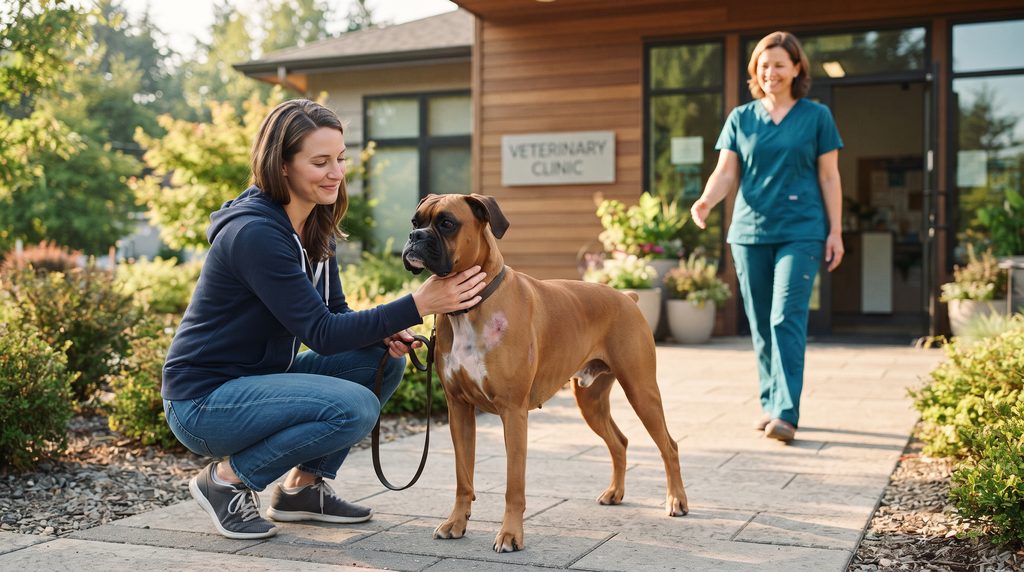
Once treatment begins, one of the first things owners want to know is how quickly their dog’s irritated skin will recover. Hot spots can develop alarmingly fast, but the encouraging news is that uncomplicated lesions often respond well to appropriate care. Many dogs become noticeably more comfortable within the first few days, particularly when the underlying itching is controlled and further licking is prevented.
If you’re wondering how long do dog hot spots take to heal, many uncomplicated lesions improve substantially within three to seven days of starting effective treatment. Some resolve within that period, while others need approximately one to two weeks for the skin to recover more fully. Extensive lesions, deeper infections, and persistent underlying conditions can considerably extend the healing process.
The first 24 to 48 hours after treatment are particularly important. Once the affected area has been cleaned, appropriate medication has been started, and the dog can no longer lick or scratch the lesion, the inflammation should begin settling. The skin may still appear red or sensitive, but the dog may show early signs of relief through reduced scratching and improved comfort.
During this initial period, the treated area can sometimes look more noticeable than it did before veterinary care. If the surrounding coat has been clipped, the full extent of the irritated skin becomes visible. This does not necessarily mean the condition has worsened. However, increasing redness, swelling, discharge, or pain after treatment should be discussed with your veterinarian.
Over the following several days, a healing hot spot generally becomes less moist and inflamed. Weeping discharge should diminish, and the surface may begin drying or developing a thin crust. Your dog should also become less interested in scratching or chewing the affected area.
By approximately three to seven days, many uncomplicated hot spots show substantial improvement. Some may be nearly resolved, while others still have a small area of healing skin. The recovery rate depends on the original severity of the lesion, whether infection was present, and how effectively the underlying trigger has been managed.
A particularly important distinction is the difference between improving appearance and complete healing. A hot spot may look considerably better before the skin has fully restored its protective barrier. Removing a recovery cone too early or allowing the dog to resume licking can damage the recovering surface and restart the irritation cycle.
During the second week, the remaining redness and sensitivity should continue to diminish in uncomplicated cases. The skin may look pale pink where the coat was clipped, and some temporary dryness or mild surface changes may remain. Owners should follow their veterinarian’s treatment instructions rather than assuming medication can be stopped as soon as the lesion looks better.
Hair regrowth is another separate part of recovery. Even after the skin has healed, a clipped or hairless patch may remain visible for several weeks. Dogs with short coats may regain an even appearance relatively quickly, while thick-coated breeds can take longer to restore the surrounding fur.
The time required for coat regrowth depends on breed, coat type, age, overall health, and the normal hair-growth cycle. In some double-coated dogs, the trimmed area may remain noticeable well after the skin itself has recovered.
More severe hot spots can follow a different timeline. Lesions involving deeper bacterial infection, extensive skin damage, or repeated self-trauma may need several weeks of treatment. These cases sometimes require additional medication, follow-up examinations, or adjustments to the original treatment plan.
Underlying allergies can also interfere with recovery. If a dog continues experiencing intense itching from environmental allergens or flea sensitivity, it may repeatedly attempt to scratch other areas even when the original hot spot is improving. Long-term management of the underlying condition is therefore essential.
Owners can monitor progress by photographing the affected area under similar lighting conditions every day or two. Look for reduced redness, less moisture, decreasing swelling, and an overall improvement in comfort. Photographs can also help your veterinarian assess changes if the lesion is not responding as expected.
Avoid scrubbing the healing skin, removing crusts, or applying additional products in an attempt to accelerate recovery. Healthy tissue needs time to rebuild, and unnecessary handling can delay the process. Continue any prescribed cleaning or medication schedule as directed.
Your dog’s behavior offers another useful indication of improvement. A recovering dog should gradually return to normal sleeping, eating, walking, and playing habits without repeatedly focusing on the affected area. Persistent restlessness or renewed licking may suggest that irritation is continuing.
If the hot spot remains wet, expands, becomes increasingly painful, develops an unpleasant odor, or shows no meaningful improvement within the timeframe advised by your veterinarian, arrange a reassessment. New lesions appearing elsewhere should also be investigated, especially when your dog has a history of recurring skin problems.
Most uncomplicated hot spots heal relatively quickly with appropriate treatment, but skin recovery and coat regrowth happen at different rates. Protecting the affected area until healing is complete, following veterinary instructions, and addressing the original cause are the most reliable ways to support a comfortable recovery.

Signs Your Dog’s Hot Spot Is Healing
A healing hot spot should gradually become less red, moist, and tender. Your dog may stop scratching frequently, sleep more comfortably, and show less interest in licking the affected area. Some mild crusting or pink skin can remain while the surface recovers. Hair regrowth generally takes longer than healing of the skin, particularly in dogs with thick or double coats. Continue prescribed treatment and protective measures until your veterinarian advises otherwise. If the lesion becomes wetter, more swollen, increasingly painful, or develops an unpleasant odor, arrange a reassessment rather than waiting for spontaneous improvement.
Are Hot Spots on Dogs Contagious?
Discovering a red, moist skin lesion on your dog can raise concerns about the safety of other pets in your household. If you have several dogs, share your home with cats, or have young children who regularly cuddle the family dog, it’s understandable to wonder whether the irritation could spread through everyday contact.
The reassuring answer is that are hot spots on dogs contagious is a question with a generally straightforward answer: hot spots themselves are not contagious. An ordinary hot spot develops when irritation, scratching, licking, or chewing damages the skin, allowing inflammation and bacterial overgrowth to occur. It is not a disease that normally passes directly from one dog to another.
Unlike infectious conditions that spread through contact with an affected animal, a typical hot spot develops through a combination of local skin damage and an underlying trigger. Bacteria commonly found on canine skin may multiply within the damaged area, contributing to the inflammation and discharge. However, this process does not mean another dog will develop a hot spot simply because the animals share a home.
For example, a Golden Retriever recovering from a hot spot can generally continue living alongside a healthy Labrador Retriever without the household needing to be divided. Sharing the same room, resting nearby, or walking together does not ordinarily transmit the condition.
However, the underlying reason a hot spot developed can sometimes involve a contagious parasite or another problem affecting multiple animals. This distinction is important, especially when more than one pet begins scratching or develops unusual skin symptoms.
Fleas are a common example. Flea allergy dermatitis can cause intense itching, particularly in dogs that are sensitive to flea saliva. Scratching and chewing may then trigger a hot spot. Although the hot spot itself cannot spread between dogs, fleas can move between animals and infest the surrounding environment.
If fleas are responsible, every susceptible pet in the household may need an appropriate parasite prevention plan. Treating only the dog with the visible lesion may leave the underlying problem unresolved.
Certain mites can also spread between animals. Sarcoptic mange, caused by Sarcoptes mites, is highly contagious among dogs and can cause temporary itchy skin reactions in people. Intense scratching associated with mange may contribute to secondary skin damage that resembles or accompanies a hot spot.
When a dog experiences severe itching, widespread hair loss, crusting, or irritation affecting several areas, veterinary investigation is important. These symptoms should not automatically be attributed to an ordinary hot spot.
Ringworm is another condition worth distinguishing from hot spots. Despite its name, ringworm is a fungal infection rather than a parasite. It can spread between animals and humans, either through direct contact or contaminated objects such as bedding and grooming tools.
Ringworm may produce circular areas of hair loss, scaling, crusting, or inflammation. However, its appearance varies, and some infections do not produce the familiar circular pattern. Because certain fungal and bacterial skin conditions can resemble hot spots, an accurate diagnosis is essential before deciding whether additional precautions are necessary.
For people, an uncomplicated canine hot spot is not considered a contagious condition. Family members do not develop hot spots simply by touching or living with an affected dog.
Nevertheless, an open, irritated skin lesion should be handled with sensible hygiene precautions. Damaged skin can contain bacteria, and direct contact with wound discharge is best avoided. Wash your hands after cleaning or applying treatment, and prevent children from touching the affected area.
Extra care is appropriate for anyone with open cuts, compromised immunity, or an increased susceptibility to infection. These precautions are about preventing contact with contaminated material rather than suggesting that ordinary hot spots are readily transmitted to people.
Other pets should also be discouraged from licking or investigating the sore. Even friendly grooming behavior can introduce moisture, disturb healing skin, and increase the recovering dog’s discomfort. Supervise close interactions and provide a quiet resting place when necessary.
Regular household cleaning can help maintain a comfortable recovery environment. Wash soiled bedding, clean grooming equipment after use, and follow any specific veterinary instructions concerning skin treatments. Intensive disinfection or isolating the affected dog is not normally necessary for a confirmed, uncomplicated hot spot.
If several household pets begin scratching at approximately the same time, investigate possible shared exposures rather than assuming one dog’s hot spot has spread. Fleas, contagious mites, or other environmental factors may be involved.
Similarly, if a person develops an unexplained itchy rash after contact with an animal showing skin symptoms, seek appropriate medical advice and inform your veterinarian. Conditions such as ringworm and certain mite infestations require different precautions from ordinary hot spots.
The essential distinction is between the hot spot itself and the condition that triggered it. A typical hot spot is not contagious, but some underlying causes and look-alike skin diseases can affect other pets or people. Confirming the diagnosis, protecting the healing skin, and addressing any shared health risks will help keep the entire household comfortable.

How to Prevent Hot Spots on Dogs
Preventing hot spots involves more than keeping your dog’s coat clean. Because these painful skin lesions often develop as a result of itching, moisture, allergies, parasites, or other underlying problems, effective prevention means reducing the factors that encourage repeated licking and scratching. A consistent approach to skin care can make a substantial difference, particularly for dogs that have experienced hot spots before.
Understanding how to prevent hot spots on dogs begins with identifying what originally caused the irritation. A dog that develops hot spots after swimming may benefit from more thorough drying, while one with recurring lesions around the rump may need improved flea control or investigation of an allergic condition. Prevention works best when it addresses your dog’s individual risk factors rather than relying on a single grooming product.
Regular brushing is one of the simplest ways to support healthy skin, especially in long-haired and double-coated breeds. Removing loose hair, tangles, and developing mats allows air to circulate more freely through the coat and makes it easier to notice unusual skin changes.
Golden Retrievers, Newfoundlands, German Shepherd Dogs, and other thick-coated breeds can develop considerable matting in areas where friction and moisture accumulate. Behind the ears, beneath collars, around the hindquarters, and along the chest are particularly useful places to inspect during grooming.
However, brushing should always be gentle. Pulling at tight mats or using inappropriate grooming tools can irritate sensitive skin. When matting is extensive, professional grooming is generally safer than attempting to remove it with household scissors.
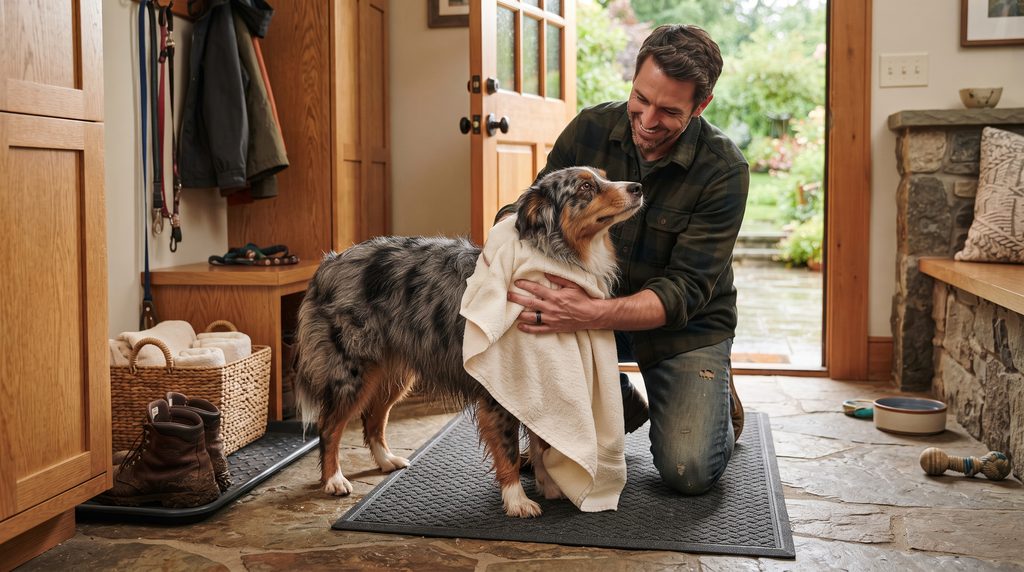
Proper drying after swimming, bathing, or heavy rain is another important preventive measure. Water can remain trapped close to the skin beneath a dense coat, particularly when the outer fur appears dry but the undercoat is still damp.
After water activities, gently towel-dry your dog and check moisture-prone areas, including behind the ears, beneath the neck, and around the hips. Dogs with especially thick coats may benefit from carefully controlled, cool or low-temperature airflow to dry the undercoat. Avoid directing hot air at the skin or using equipment that causes discomfort.
Bathing can help remove dirt and environmental allergens, but more frequent washing is not necessarily better. Excessive bathing or harsh shampoos may irritate the skin and disrupt its natural protective barrier. Choose a suitable dog shampoo and follow your veterinarian’s recommendations if your dog has allergies or a history of skin disease.
Effective parasite prevention is equally important. Fleas can trigger intense itching, particularly in dogs with flea allergy dermatitis. Even limited flea exposure may cause enough discomfort for a sensitive dog to scratch or chew its skin repeatedly.
Use a veterinarian-recommended flea prevention program appropriate for your dog’s age, weight, health, and environment. When fleas are already present, household pets and the surrounding environment may also require attention to interrupt the parasite life cycle.
Dogs with environmental allergies often need more individualized care. Seasonal itching, paw licking, recurring ear irritation, or repeated hot spots may indicate allergic skin disease. Veterinary management can involve controlling inflammation, treating secondary infections, and reducing exposure to identified allergens where practical.
Avoid repeatedly changing your dog’s diet or introducing supplements in the hope of preventing hot spots. Dietary changes are useful when a genuine food-related condition has been identified, but most recurring skin irritation requires a more systematic investigation.
Ear care also deserves attention, especially in dogs with long, floppy ears or a history of ear infections. An uncomfortable ear can lead to persistent scratching around the head and neck, sometimes resulting in a hot spot beneath the ear.
Check for redness, unusual discharge, unpleasant odor, or repeated head shaking. Clean the ears only as recommended for your dog, and arrange veterinary assessment if signs of infection develop. Excessive or inappropriate ear cleaning can create additional irritation.
Regular skin checks help identify problems before they become severe. During brushing or routine handling, gently part the coat to examine areas your dog frequently scratches or licks. Look for redness, damp patches, hair loss, unusual odors, or developing tenderness.
Pay particular attention during warm, humid weather and after activities that leave the coat wet. Dogs with a previous history of hot spots may benefit from more frequent checks during seasons when their skin problems typically worsen.
Keeping nails appropriately trimmed can reduce accidental skin damage from scratching, although nail care cannot prevent the underlying itch. Comfortable collars and harnesses are also important because repeated friction against already irritated skin may contribute to discomfort.
Exercise and mental enrichment can help dogs that engage in repetitive licking associated with boredom or stress. However, persistent licking should never automatically be treated as a behavioral problem. Allergies, parasites, infections, and localized pain should be considered first.
For dogs experiencing repeated outbreaks, keeping a simple record can be surprisingly useful. Note the date, affected location, recent swimming or bathing, seasonal conditions, and any accompanying symptoms. Over time, these observations may reveal patterns that help your veterinarian identify the underlying cause.
The goal is not to eliminate every possible source of skin irritation, but to recognize problems early and reduce the conditions that allow them to develop into painful lesions. With appropriate parasite protection, consistent coat care, thorough drying, and veterinary management of underlying conditions, many dogs can experience fewer hot spots and healthier skin throughout the year.
A Simple Routine for Hot Spot Prevention
Build regular skin checks into activities your dog already enjoys, such as brushing, drying, or quiet evening attention. Inspect beneath the ears, around the neck, over the hips, and near the tail for developing irritation. After swimming or bathing, check that the undercoat has dried thoroughly, especially in thick-coated breeds. Maintain veterinarian-recommended parasite prevention and watch for recurring scratching, paw licking, or head shaking. If your dog has allergies, follow the established management plan rather than relying on additional bathing alone. Clean grooming equipment and avoid pulling at painful mats or tangles. Record repeated outbreaks so you can identify seasonal or activity-related patterns. Seek veterinary advice when itching persists or skin irritation returns.
Frequently Asked Questions About Dog Hot Spots
Hot spots can raise plenty of questions, especially when your dog develops one for the first time. Even after understanding the causes and treatment options, owners often wonder whether ordinary activities are safe, how to manage bathing, and why some dogs experience repeated episodes. The following answers address several practical concerns that can arise during treatment and recovery.
Can a Dog’s Hot Spot Go Away Without Treatment?
A very minor irritation may sometimes settle if the underlying trigger disappears and the dog stops scratching or licking. However, an established hot spot can become increasingly inflamed and painful, sometimes within hours. Because bacterial overgrowth and continued self-trauma can complicate recovery, waiting for a suspected hot spot to disappear is not a reliable approach.
If your dog develops a moist, painful, or expanding lesion, contact your veterinarian. Early intervention is generally simpler and more comfortable than treating an extensive area of damaged skin.
Can You Bathe a Dog That Has a Hot Spot?
Bathing depends on the condition of the skin and your veterinarian’s treatment plan. A bath may sometimes be recommended using a specific medicated shampoo, but bathing an actively inflamed lesion with ordinary grooming products can increase irritation.
Excess moisture may also interfere with recovery, particularly in thick-coated dogs.
Unless advised otherwise, avoid unnecessary bathing until the affected area has improved. When bathing is permitted, use the recommended products, handle the irritated skin gently, and ensure the surrounding coat is dried appropriately.
Can Food Allergies Cause Hot Spots on Dogs?
Food allergies can contribute to itching and skin inflammation, which may lead to scratching, licking, and occasionally hot spot development. However, environmental allergies and flea-related irritation are generally more common contributors to allergic skin problems in dogs.
A dog with a suspected food allergy may also experience recurring ear infections, paw licking, or persistent skin irritation.
Food allergies cannot be reliably diagnosed simply by changing foods for a few days. Veterinarians typically investigate them through a carefully controlled elimination diet when the history and examination suggest that food may be involved.
Can Dogs Develop Hot Spots During Winter?
Yes. Although hot spots are often associated with warm weather and humidity, they can develop during any season.
Winter outbreaks may be related to allergies, ear infections, parasites, persistent licking, or moisture trapped beneath a thick coat after rain or bathing. Indoor heating and seasonal changes may also affect skin comfort, although dry skin alone does not establish a hot spot diagnosis.
Dogs with recurring winter irritation should be examined for underlying causes rather than assuming the problem is simply seasonal dryness.
Do Short-Haired Dogs Get Hot Spots?
Absolutely. Thick-coated breeds may be more susceptible under certain conditions, but dogs with short, smooth coats can develop hot spots too.
Labrador Retrievers, Boxers, Beagles, Whippets, and many other breeds can experience skin irritation severe enough to trigger repeated licking or scratching.
Coat length influences how easily moisture becomes trapped and how readily owners notice changes, but it does not determine whether a dog can develop a hot spot.
Can a Dog Go for Walks While a Hot Spot Is Healing?
Many dogs can continue enjoying gentle walks while recovering, provided they feel comfortable and their veterinarian has not recommended activity restrictions.
Avoid activities that could contaminate or irritate the lesion, such as swimming, rolling in mud, or vigorous play that causes repeated rubbing. Check that collars and harnesses do not press against the affected skin.
A short, relaxed walk may provide useful mental stimulation without interfering with recovery. Adjust exercise if your dog is uncomfortable or receiving treatment that requires additional precautions.
Will a Dog’s Fur Grow Back After a Hot Spot?
In most uncomplicated cases, the fur grows back once the skin has healed. However, the coat may take considerably longer to recover than the skin itself.
Hair regrowth varies with breed, age, coat type, and the dog’s normal hair-growth cycle. Dogs with dense double coats may retain a visible clipped patch for several weeks or longer.
Severe skin damage or scarring can occasionally affect normal regrowth. If the area remains abnormal or hair does not return as expected, discuss it with your veterinarian.
Can Hot Spots Return After They Have Healed?
Yes. A dog can develop another hot spot even after the original lesion has healed completely.
Recurring episodes often indicate that the underlying source of itching or irritation has not been adequately controlled. Flea sensitivity, environmental allergies, recurring ear disease, and other skin conditions can all contribute.
Rather than repeatedly treating each new lesion as an isolated problem, work with your veterinarian to identify patterns and develop an appropriate long-term management plan.
Ultimately, most questions about hot spots come back to three priorities: protecting the irritated skin, addressing the underlying trigger, and recognizing when veterinary treatment is necessary. With those measures in place, owners can support recovery while reducing the likelihood of further outbreaks.

Returning to Normal Activities After a Hot Spot
As your dog’s skin recovers, everyday activities can usually resume gradually according to comfort and veterinary instructions. Gentle walks and quiet indoor play may be suitable before swimming, vigorous exercise, or activities that expose healing skin to dirt and moisture. Check that collars and harnesses do not rub against the affected area, particularly when the lesion is near the neck or shoulders. Continue prescribed medication and protective measures for as long as directed, even when the skin looks substantially better. If scratching returns or a new irritated patch appears, contact your veterinarian before the problem becomes more extensive.
What is a Hot Spot on a Dog – Final Thoughts
Discovering a hot spot on your dog can be unsettling, particularly when a small area of irritation develops into a painful, inflamed sore within a matter of hours. Fortunately, most uncomplicated hot spots respond well to appropriate treatment, and understanding what causes them can help owners recognize problems before they become more serious.
The most important thing to remember is that a hot spot is often the result of an underlying source of itching or discomfort. Allergies, fleas, ear infections, trapped moisture, and repeated scratching can all contribute to skin damage. Addressing the visible lesion is essential, but identifying what triggered the irritation provides a better opportunity to prevent future outbreaks.
Early recognition can make a significant difference. Unusual licking, persistent scratching, damp or matted fur, and localized redness are all reasons to take a closer look at your dog’s skin. When a lesion becomes moist, painful, swollen, or begins spreading, prompt veterinary attention can help relieve discomfort and prevent complications.
Treatment often involves carefully cleaning the affected skin, controlling inflammation, preventing further licking, and managing any underlying medical condition. While sensible home care can support recovery, harsh household remedies and unsuitable medications may make irritated skin worse.
For dogs prone to recurring hot spots, everyday preventive measures are particularly valuable. Regular grooming, thorough drying after swimming or bathing, effective parasite prevention, and early management of allergies can all contribute to healthier skin. Checking beneath thick fur and paying attention to changes in scratching behavior may help identify irritation before it becomes extensive.
Recovery also requires patience. The skin may improve within days, but complete healing and coat regrowth can take longer. Following your veterinarian’s instructions and protecting the affected area until recovery is complete helps reduce the likelihood of renewed irritation.
Ultimately, maintaining healthy skin is an ongoing part of caring for your dog. You cannot prevent every episode of itching or irritation, but knowing what to watch for allows you to respond confidently and appropriately.
With early recognition, suitable veterinary treatment, and consistent preventive care, most dogs can recover comfortably from hot spots and return to enjoying their normal activities.

Explore More Dog Health Advice
Understanding your dog’s skin is just one part of maintaining their overall health and well-being. From allergies and parasites to preventive veterinary care, recognizing potential problems early can make a meaningful difference to your dog’s comfort. Our comprehensive CanineBase Dog Health Guide explores common health concerns, warning signs, routine care, and practical ways to support your companion throughout every life stage. Discover helpful information to make informed decisions about keeping your dog healthy, comfortable, and happy.
Trusted Veterinary Guidance on Hot Spots
For additional information about canine hot spots, explore the guidance published by the Cornell University College of Veterinary Medicine. Its veterinary experts explain common triggers, the importance of preventing continued licking and scratching, and practical approaches to skin care and prevention. This resource also highlights situations where professional veterinary treatment becomes necessary. Reliable veterinary information can help owners better understand their dog’s symptoms while supporting informed conversations with their own veterinarian. Persistent or worsening skin problems always deserve assessment.
