

What Counts as Proof of Dog Ownership?
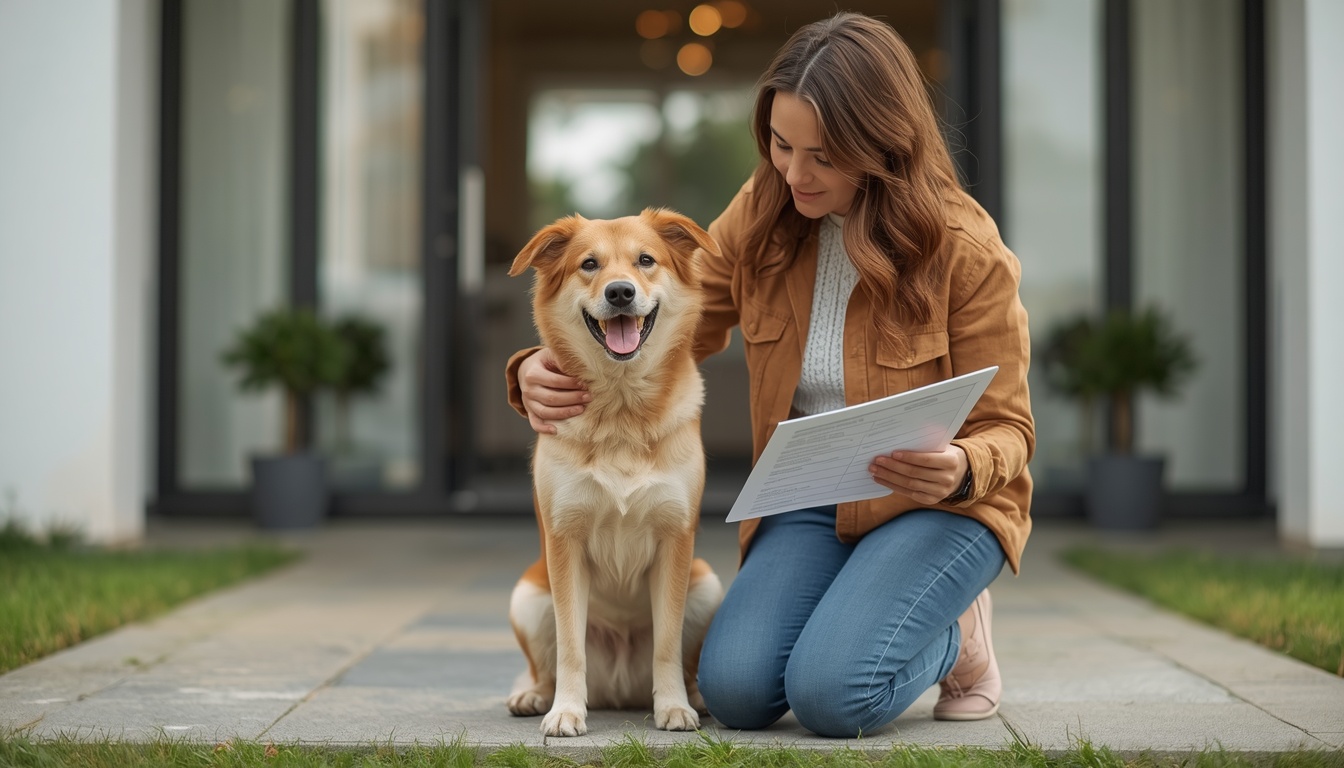
There is usually no single universal document that proves dog ownership in every situation. Instead, ownership is often established by looking at several records together and asking which person can show the clearest, most consistent history of acquiring, registering, caring for, and making decisions for the dog.
The strongest evidence often starts with the original acquisition documents. If you bought the dog from a breeder, a bill of sale, purchase agreement, receipt, or signed contract can be extremely useful. If the dog came from a shelter or rescue, the adoption agreement may be one of the clearest records showing when ownership transferred to you.
Microchip registration can also be important because it links a unique identification number to contact details in a registry. However, a microchip record should not be treated as the only proof of ownership. Contact details can be outdated, entered incorrectly, or left unchanged after a dog has been rehomed. The strongest position is when the microchip information matches your other records.
Veterinary records can provide further evidence. A long history of appointments in your name can show that you have consistently arranged treatment, authorized procedures, paid bills, and taken responsibility for the dog’s health. These records can be especially helpful when they stretch back over several years.
Local registration or licensing records may also help. Depending on where you live, councils, municipalities, or local authorities may require dogs to be registered. These records can support your claim because they create an official history linking you with the dog.
Other useful documents can include pet insurance policies, boarding and daycare records, training enrolments, grooming invoices, pedigree or breed registration papers, and receipts for significant dog-related expenses. None of these may be decisive on their own, but together they can strengthen the overall evidence.
Dated photographs and videos can also be useful, particularly if they show the dog living with you consistently over time. A collection of images spanning months or years is far more persuasive than a few recent photographs taken after a dispute has already begun.
Witnesses may sometimes matter too. Neighbours, trainers, veterinarians, family members, or other people who have regularly seen you caring for the dog may be able to confirm the history of the relationship if ownership is challenged.
The key point is that how to prove ownership of a dog is usually about building a consistent evidence trail. When considering how to prove ownership of a dog, the more independent records that point to the same person, the stronger the overall case tends to be.
That is why keeping paperwork from the beginning is so important. It is much easier to preserve records as you go than to reconstruct several years of ownership after a disagreement, theft, or relationship breakdown.
Table of Contents
Is a Microchip Proof of Dog Ownership?
A microchip is one of the most useful pieces of evidence linking a dog to a person, but it is not always conclusive proof of legal ownership by itself. The chip provides a permanent identification number that can be matched to registration details in a database, which makes it extremely valuable for identifying lost or stolen dogs and showing who has been recorded as the responsible contact.
The strength of microchip evidence depends partly on how accurate and current the registration information is. If the chip is registered in your name, with your current address, phone number, and email, and those details match your veterinary, licensing, and purchase records, it can form a very strong part of an ownership evidence trail. Problems are more likely when the chip was implanted years ago and the registration was never updated after a move, change of phone number, sale, adoption, or informal transfer.
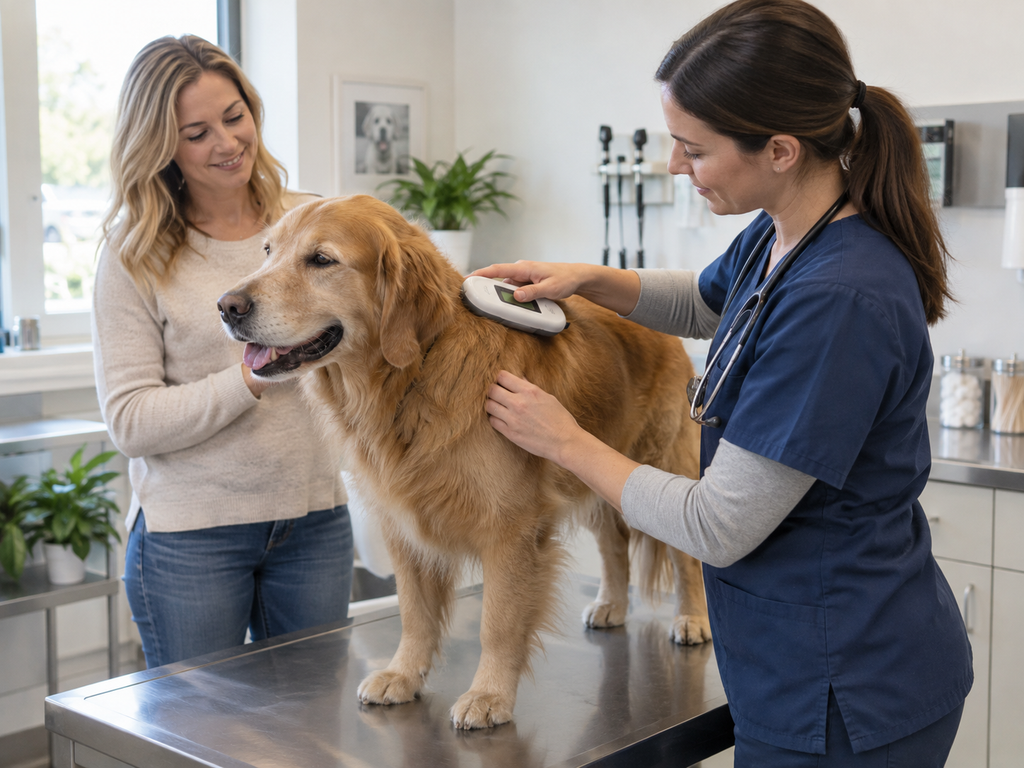
A microchip does not physically store your name, address, or ownership documents. Instead, it carries a unique number that points to information held by a registry. When a veterinarian, shelter, rescue organization, or local authority scans the dog, they can use that number to identify the relevant database record and contact the person listed there. This is why keeping the registry information current is so important.
Problems arise when the registration has never been updated. A dog may have been sold, adopted, given to a family member, or rehomed informally while the chip remains registered to a previous owner. In that situation, the microchip record may show who was once responsible for the dog rather than who currently owns it. This can create confusion if the dog is lost, stolen, surrendered, or caught up in an ownership dispute.
That is why a microchip should ideally be supported by other documentation. A purchase contract, adoption agreement, signed transfer form, veterinary records, local registration, pet insurance, and receipts can all help establish whether ownership was actually transferred. When several records all match the same person, the overall evidence becomes much stronger.
The microchip is especially valuable in lost or stolen dog cases because it provides a permanent identifier that does not rely on a collar remaining attached. Collars and tags can be removed or lost, but the chip remains under the skin. If the dog is scanned and the registry details match your other records, that can help demonstrate a clear connection between you and the animal.
Owners should therefore update microchip records whenever their contact details change or whenever ownership of the dog is transferred. If someone gives you a dog permanently, it is sensible to obtain written confirmation of the transfer and update the chip registration at the same time. A simple written agreement can prevent uncertainty later and is much stronger than relying entirely on a verbal understanding.
It is also worth keeping the microchip number somewhere accessible in your own records. If a dog disappears, being able to provide the number quickly to shelters, authorities, or veterinary clinics can make identification easier. Some owners keep it with the dog’s vaccination certificates, insurance documents, and adoption or purchase paperwork.
So if you are researching how to prove ownership of a dog, think of the microchip as an important part of the evidence rather than the entire answer. It is strongest when the registration is current and supported by documents showing how the dog came into your care, how long you have been responsible for it, and whether any ownership transfer was properly recorded.
A Microchip Is Important, but Not the Whole Story
A registered microchip provides a permanent identification number linked to contact details, making it extremely useful when a dog is lost, stolen, or ownership is questioned. However, the chip should be viewed as one part of a wider evidence trail rather than automatic proof by itself. Registration details can become outdated if a dog is sold, gifted, or rehomed without the database being updated. For the strongest position, make sure the microchip is registered in your current name and contact details, then support it with purchase or adoption paperwork, veterinary records, local registration, insurance documents, and any written transfer records. When all of those records match, ownership is much easier to demonstrate.
Do Veterinary Records Prove Dog Ownership?
Veterinary records can be very useful when you need to show a long-term history of caring for a dog, but they are usually strongest as supporting evidence rather than as the only proof of ownership. A vet file may show who booked appointments, authorized treatment, paid bills, arranged vaccinations, and made decisions about the dog’s health over a period of months or years. That can be especially persuasive when the records are consistent and match other documents such as microchip registration, adoption paperwork, or local registration.
The value of veterinary records comes from continuity. A single appointment in your name may not prove very much, but a series of visits stretching back over several years can help demonstrate that you have been the person responsible for the dog’s everyday care. Routine vaccinations, dental procedures, surgery, prescription records, health checks, and ongoing treatment can all contribute to that history.
Payment records can strengthen the picture further. If invoices consistently show that you paid for the dog’s veterinary care, that helps demonstrate financial responsibility. It is not necessarily decisive by itself, because someone can pay a bill for a dog they do not legally own, but combined with other evidence it can support a broader ownership claim.
Veterinary records can also become important if ownership is disputed after a relationship breakdown, informal rehoming arrangement, or family disagreement. In those situations, the question may become who has actually been responsible for the dog over time. A vet history showing one person repeatedly making appointments, authorizing treatment, and paying for care can help establish a practical pattern of responsibility.
There are limits, however. A veterinary clinic may list one person as the account holder simply because that person originally opened the file. That does not automatically mean the clinic has made a legal determination about who owns the animal. Similarly, another family member may regularly take the dog to appointments even though ownership is shared or belongs to someone else.
That is why veterinary records are most effective when they fit the rest of the evidence. If the vet records, microchip registration, adoption contract, council licence, insurance documents, and dated photographs all point to the same person, the overall case is much stronger than relying on a single record alone.
It is also worth keeping copies of important veterinary documents rather than assuming the clinic will always be able to produce them immediately. If you move, change veterinarians, or the practice changes ownership, having your own copies can make it easier to reconstruct the dog’s history later.
If you are trying to work out how to prove ownership of a dog, veterinary records are therefore an important part of the evidence trail. Understanding how to prove ownership of a dog means looking at care, responsibility, and continuity alongside documents that show how the dog was originally acquired and how ownership has been recorded elsewhere.
Vet Records Show a History of Care
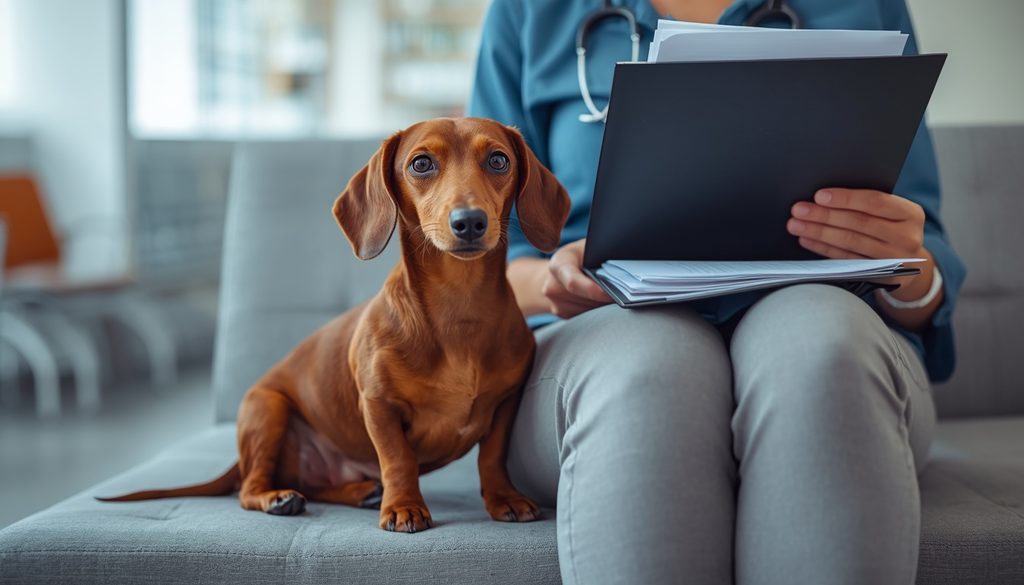
Veterinary records can help demonstrate who has consistently arranged treatment, authorized procedures and paid for a dog’s healthcare over time. A long history of appointments in the same person’s name is more useful than a single visit, especially when it matches microchip, registration and acquisition records. Vet records do not always settle legal ownership by themselves, but they can provide strong supporting evidence of responsibility and ongoing care. Keeping your own copies of important veterinary paperwork can make it much easier to establish that history if ownership is ever questioned.
Does a Bill of Sale or Adoption Agreement Prove Dog Ownership?
A bill of sale, breeder contract, or adoption agreement can be some of the strongest evidence of dog ownership, because these documents usually record how the dog came into your possession in the first place. They can show the date of transfer, the identity of the dog, the person or organization transferring the animal, and the person receiving it.
For dogs purchased from a breeder or private seller, a written bill of sale is particularly useful. Ideally, it should include details such as the dog’s name, breed, sex, date of birth if known, microchip number, purchase price, date of sale, and the names of both parties. The more specific the document is, the easier it is to connect that paperwork to the individual dog later.
Adoption agreements from shelters and rescue organizations can serve a similar purpose. These documents often identify the adopter and the dog, record the date of adoption, and set out any conditions attached to the adoption. Because they are created at the point the dog changes hands, they can provide a strong record of when responsibility for the animal transferred.
However, ownership documents should still be considered alongside everything that happened afterward. A dog may later be sold, gifted, surrendered, or transferred to another family member. If that change is not documented properly, an older bill of sale may show who originally acquired the dog but not necessarily who owns the dog today.
This is why written transfer records are so important whenever a dog changes hands. Even a straightforward signed document confirming that one person is permanently transferring the dog to another can help prevent confusion later. Ideally, the microchip, local registration, veterinary records, insurance, and other records should be updated at the same time so the ownership trail remains consistent.
Informal arrangements can be much harder to prove. If someone says, “You can keep the dog,” but nothing is written down and the microchip remains in the original owner’s name, disputes can become complicated. Messages, emails, payment records, and witness statements may then become important in showing what the parties actually intended.
It is also sensible to keep the original documents rather than relying only on photographs or screenshots. Digital copies are valuable backups, but having the signed original can be useful if the authenticity of the transfer is ever questioned.
For registered pedigree dogs, breed registry documents may provide additional evidence, although those records should still be updated when ownership changes. They are strongest when they match the purchase contract and the dog’s microchip details.
So when considering how to prove ownership of a dog, the paperwork showing how you originally obtained the dog is often one of the best places to start. A clear purchase, adoption, or transfer record can establish the beginning of your ownership history, while updated records help show that the relationship continued afterward.
The strongest position is therefore a clean chain of documentation: evidence showing how you acquired the dog, records showing you cared for it, and written proof of any later transfer.
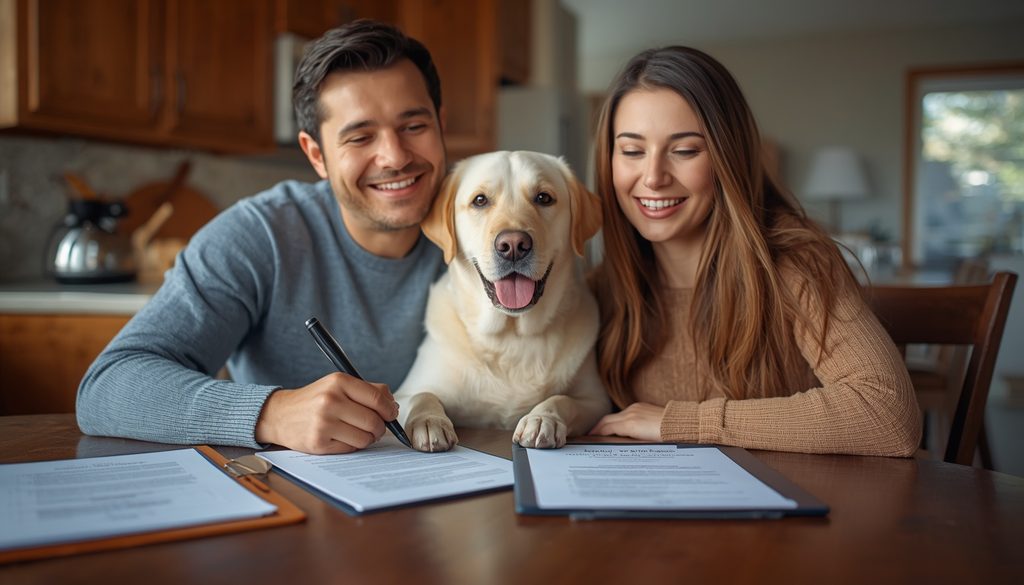
Keep the Original Transfer Paperwork
A bill of sale, breeder contract or shelter adoption agreement can be powerful evidence because it records how the dog originally came into your care. Ideally, the document should clearly identify the dog and both parties involved in the transfer. If the dog is later sold, gifted or rehomed, create a new written transfer record and update the microchip and other registrations at the same time. A clear chain of paperwork is much stronger than relying on verbal agreements or trying to reconstruct ownership years later.
Can Council Registration or a Dog License Help Prove Ownership?
Local registration records can be another useful part of proving that a dog belongs to you, especially when the dog has been registered in your name consistently over a long period. Depending on where you live, this may take the form of council registration, a municipal dog licence, a local authority registration certificate, or another official record linking you with the dog.
The main value of these records is that they are created by a government or local authority rather than by a private business. They may show your name and address, the dog’s identifying details, registration number, breed, sex, color, and sometimes the microchip number. When those details match your other records, they help create a stronger and more consistent ownership history.
However, local registration is usually best treated as supporting evidence rather than as the only proof of ownership. A person may register a dog without having purchased it, and records can sometimes remain unchanged after a dog is rehomed or transferred. That means a council or licence record is most persuasive when it fits with the rest of the evidence, such as adoption paperwork, purchase records, veterinary records, and microchip registration.
Keeping registration details current is therefore important. If you move house, change your contact details, or take permanent ownership of a dog from someone else, update the local authority record promptly where required. If the registration remains in a previous owner’s name, it can create confusion later, particularly if the dog is lost, impounded, or involved in a dispute.
Registration records can be especially useful when a dog is picked up by an animal control officer or taken to a shelter. If the licence or registration details match the microchip and other records, authorities have a clearer basis for identifying the person responsible for the dog and contacting them quickly.
Receipts for registration fees can also help. Although a payment receipt alone is not normally enough to establish ownership, it can show a continuing pattern of responsibility over several years. Renewals in the same person’s name can be especially useful when they align with veterinary, insurance, and microchip records from the same period.
For owners who move between cities, states, or countries, it is sensible to keep copies of old registration documents even after the dog is registered somewhere new. Those older records can help demonstrate a continuous history rather than leaving gaps that may later be difficult to explain.
If you are trying to understand how to prove ownership of a dog, official local registration can therefore play an important role. It is particularly useful because it adds an independent administrative record to your evidence trail.
The strongest position is when your purchase or adoption documents, microchip, veterinary file, local registration, and other records all tell the same story: that you acquired the dog, registered it, cared for it, and remained responsible for it over time.
Official Registration Strengthens the Record
Council registration or a local dog licence can add useful official evidence to an ownership claim, particularly when the dog has been registered in the same person’s name over several years. These records may include identifying details such as breed, sex, address, registration number and microchip information. They are usually strongest when they match other documents rather than standing alone. Keep registration details current after moving or taking ownership of a dog, and retain older certificates where possible so you can show a continuous history of responsibility.
Can Photos, Receipts, and Everyday Records Help Prove Dog Ownership?
Photos, receipts, and everyday care records can all help support a dog ownership claim, especially when they show a consistent history over time. On their own, they may not be as strong as an adoption agreement, bill of sale, or official registration record, but together they can help fill in the story of who has actually been responsible for the dog.
Dated photographs are particularly useful when they show the dog living with you over a long period. A few recent images may not prove much, but a collection spanning months or years can demonstrate an established relationship. Photos taken at home, on walks, during holidays, at veterinary visits, or during different life stages can help show that the dog has consistently been part of your household.
Receipts can also be valuable. Veterinary bills, grooming invoices, boarding fees, training payments, food purchases, insurance premiums, and major equipment expenses can all help show that you have been financially responsible for the dog. Again, one receipt will rarely settle an ownership dispute by itself, but a pattern of spending over time can strengthen the overall evidence.
Pet insurance records can be especially useful because they often connect the policyholder with a specific dog over an extended period. If the policy includes the dog’s name, breed, age, microchip number, or other identifying details, it can add another layer to the ownership history.
Training records may help too. Enrolment forms, class certificates, behavior consultations, or invoices from a trainer can show that you were the person arranging and paying for the dog’s care and development. Boarding and daycare records can similarly demonstrate who regularly dropped off, collected, and paid for the dog’s services.
Digital records can be just as valuable as paper ones. Emails, online invoices, appointment confirmations, microchip updates, pet insurance statements, and messages relating to adoption or transfer can all help create a timeline. Cloud storage and email accounts can sometimes preserve evidence long after paper receipts have been lost.
Social media can also provide supporting context. A long history of posts showing the dog living with you may help demonstrate continuity, especially when timestamps are visible. However, social media should not be treated as the only proof because photographs can be shared, reposted, or taken by people who do not own the dog.
The strongest evidence usually comes from combining these informal records with more formal documents. If your photos, receipts, vet records, microchip registration, and local registration all line up over the same period, the ownership picture becomes much clearer.
So if you are trying to work out how to prove ownership of a dog, do not overlook the ordinary records created through everyday care. Small pieces of evidence can become powerful when they form a consistent timeline showing that the dog has lived with you and that you have been responsible for its needs.
What Happens if Two People Claim Ownership of the Same Dog?
When two people both claim ownership of the same dog, the dispute can become complicated very quickly. There is rarely one document that automatically settles the matter in every location. Instead, the outcome may depend on the evidence each person can produce, the local laws that apply, and the history of how the dog was acquired, registered, cared for, and transferred.
The strongest cases usually rely on a consistent chain of records. A purchase contract, adoption agreement, or signed transfer document can be especially important because it may show who originally obtained the dog and whether ownership later changed. Microchip registration, veterinary records, local registration, insurance policies, and payment records can then help show who has actually been responsible for the dog over time.
Problems often arise when records point in different directions. For example, the microchip may still be registered to one person while veterinary records and everyday care have been handled by another. A dog may have originally been purchased by one partner but then lived primarily with the other after a relationship ended. In family disputes, one person may have paid the purchase price while another handled most of the feeding, training, veterinary care, and day-to-day responsibility.
In those situations, the question becomes much broader than simply whose name appears on one database. A long history of consistent care can become highly relevant, particularly when supported by dated photographs, receipts, messages, insurance records, and witness statements. Written communications can also matter if they show that one person agreed to give or transfer the dog to another.
Informal arrangements create some of the hardest disputes. If a dog was handed over without a written agreement, one person may believe the dog was permanently gifted while the other claims it was only a temporary arrangement. Messages, emails, bank transfers, and other records may then be used to help show what both parties intended at the time.
If the disagreement cannot be resolved privately, legal advice may be necessary. The way companion animals are treated in ownership disputes varies by jurisdiction, and different courts or authorities may consider different factors. Some locations still approach pets largely as property, while others increasingly recognize welfare and caregiving considerations in certain family-law contexts.
It is also important not to take matters into your own hands. Trying to remove a dog from another person’s property, withholding an animal in defiance of an agreement, or escalating a dispute physically can make the situation worse. If ownership is genuinely contested, keeping records and obtaining proper legal advice is usually much safer.
This is why how to prove ownership of a dog becomes especially important before a dispute ever happens. Clear written transfer records, updated microchip information, consistent veterinary and registration documents, and retained payment records can prevent uncertainty later.
The best protection is therefore a clean paper trail. If ownership changes, document it. If contact details change, update them. If the dog is shared between family members or partners, it can also be sensible to clarify in writing who is considered the legal owner and who is responsible for major decisions.
Conflicting Records Can Complicate Ownership
Dog ownership disputes are often hardest when different records point to different people. One person may hold the original purchase paperwork while another appears on veterinary, insurance, or microchip records. Informal gifts and relationship breakdowns can make the situation even more difficult if nothing was documented at the time. The strongest position usually comes from a consistent chain of evidence showing acquisition, registration, payment, everyday care, and any later transfer. If a dispute cannot be resolved privately, local legal advice may be needed because the rules and factors considered can vary significantly by jurisdiction.
What If the Dog’s Microchip Is in Someone Else’s Name?
If a dog’s microchip is still registered to someone else, it can create confusion, but it does not automatically mean that person is the current legal owner. Microchip records are important identification evidence, yet they can become outdated when a dog is sold, gifted, adopted, or rehomed without the registry being updated.
The first step is to work out why the chip details are different from your current ownership records. In some cases, the explanation is simple: a previous owner forgot to complete the transfer. In others, the dog may have changed homes informally, with no written paperwork at all. The more clearly you can show how the dog came into your care, the easier it will be to correct the record.
Documents such as a purchase agreement, adoption contract, signed transfer form, veterinary records, local registration, insurance documents, and payment receipts can all help establish the current ownership history. If these records consistently show that the dog has been in your care for a substantial period, they can support your position even if the microchip database has not yet been updated.
The safest approach is to update the microchip registration as soon as ownership changes. Depending on the registry and jurisdiction, the process may require the previous owner to approve the transfer or may ask for supporting documentation showing that the dog was legally transferred. If the previous owner is cooperative, completing that change promptly can prevent major problems later.
Difficulties can arise if the previous owner refuses to authorize the transfer or cannot be contacted. In that situation, keep copies of all supporting records and contact the relevant microchip registry directly to ask what documentation they require. Some registries have procedures for disputed or incomplete transfers, although the exact process varies.
This issue becomes especially important if the dog goes missing. A shelter or veterinary clinic that scans the microchip may initially contact the person listed on the registry. If those details are outdated, recovery can be delayed or complicated. That is why relying on an old chip record is risky even when your everyday ownership is otherwise clear.
It is also wise to make sure your other records match. If the dog is registered locally, insured in your name, treated by your veterinarian, and supported by adoption or purchase paperwork, those records can strengthen the overall picture and make the ownership history easier to explain.
If there is an active dispute and the previous owner claims the dog should be returned, the situation may become a legal matter rather than a simple registry update. At that point, local legal advice may be appropriate because the significance of microchip records varies by jurisdiction.
So when thinking about how to prove ownership of a dog, remember that a microchip in another person’s name is a problem that should be fixed, but it is not necessarily the end of the story. The strongest position comes from showing a clear, consistent chain of transfer and care, then updating the registry so the chip finally matches the rest of the evidence.
Update the Chip as Soon as Ownership Changes
A microchip that is still registered to a previous owner can cause confusion, especially if the dog is lost or ownership is later disputed. The chip record should be updated as soon as the dog is sold, adopted, gifted, or permanently rehomed. If the registry details are outdated, keep supporting documents such as purchase or adoption paperwork, veterinary records, local registration, insurance documents, and any written transfer agreement. If the previous owner cannot be contacted or refuses to cooperate, contact the microchip registry directly and ask what evidence they require to update the record.
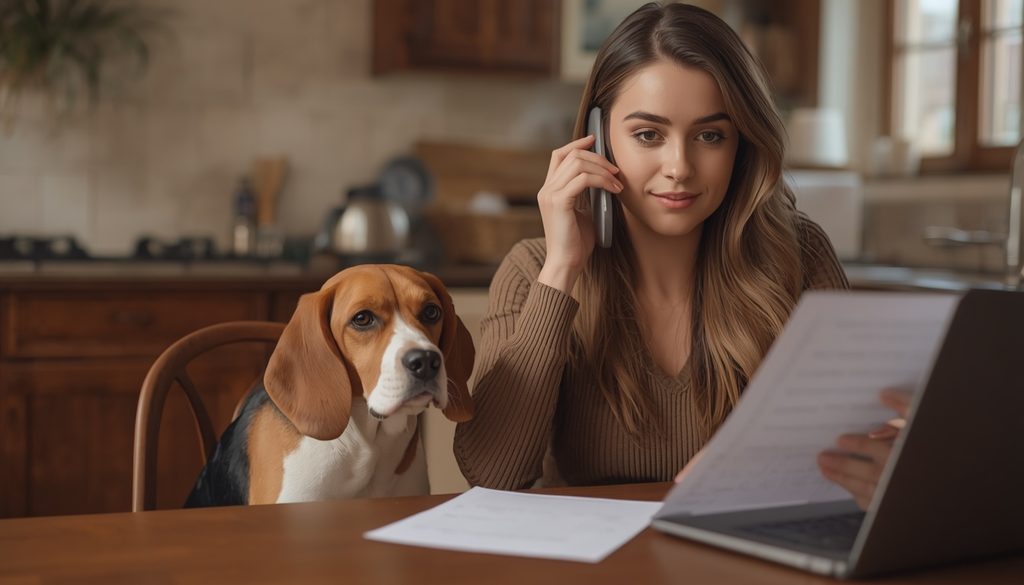
How Do You Prove Ownership if a Dog Is Lost or Stolen?
If a dog is lost or stolen, proving ownership quickly can become extremely important. The strongest evidence usually comes from records that identify the individual dog and connect that dog clearly to you, particularly a current microchip registration supported by veterinary records, purchase or adoption paperwork, local registration, and recent photographs.
A microchip is often the first line of identification because shelters, veterinary clinics, and animal control authorities can scan the dog and retrieve the registration details. If the chip is registered in your current name and the contact information is accurate, that can help reunite you with the dog much faster. This is one of the main reasons microchip details should be checked periodically rather than only when the dog is first chipped.
Photographs can also be extremely useful. Keep clear images that show distinguishing features such as coat markings, scars, unusual coloring, ear shape, tail characteristics, or other identifying details. Photos that include you with the dog over a long period can strengthen the connection, while close-up images can help identify the individual animal if there is confusion.
Veterinary records can add another strong layer of evidence because they may include the dog’s name, breed, age, sex, weight history, medical procedures, vaccination records, and sometimes the microchip number. If the same identifying details appear across several years of treatment records, they can help establish continuity.
Purchase or adoption documents are also valuable because they may show how you originally acquired the dog. A breeder contract, shelter adoption agreement, or signed transfer form can help demonstrate the beginning of the ownership chain, especially when it matches later microchip and veterinary records.
If you believe the dog has been stolen rather than simply lost, keep a record of everything you do. Save copies of reports made to police or animal control, screenshots of missing-dog notices, messages from anyone claiming to have seen the dog, and correspondence with shelters, rescue groups, or veterinary clinics. A clear timeline can become important if the dog is later found in someone else’s possession.
It is also wise to avoid relying on social media alone. Online posts can help spread the word quickly, but they do not replace formal records. If another person claims the dog is theirs, the ability to produce matching documentation can be much more persuasive than simply showing that you have posted about the animal.
Collars and identification tags are useful, but they can be removed or lost. That is why permanent identification and documentary records matter so much in lost or stolen dog cases.
So if you are asking how to prove ownership of a dog after it disappears, the best approach is to be prepared before anything happens. Knowing how to prove ownership of a dog in advance means keeping the microchip current, retaining important records, storing clear photographs, and knowing where the dog’s identification number is recorded.
The more complete your evidence trail is, the easier it is to show that the dog belongs with you if it is found, recovered, or claimed by someone else.

Prepare Before a Dog Goes Missing
The best time to prepare proof of ownership is before a dog is ever lost or stolen. Keep the microchip registration current, save purchase or adoption documents, retain veterinary and local registration records, and take clear photographs showing distinctive features. If the dog disappears, keep copies of any police, animal control, shelter, or rescue reports and maintain a timeline of your efforts to locate the animal. Several matching records are much stronger than relying only on a collar tag, social media post, or one outdated document.
How Do You Transfer Ownership of a Dog Properly?
Transferring ownership of a dog should be documented clearly rather than handled only through a verbal agreement. Whether the dog is being sold, gifted, adopted privately, or permanently rehomed, the safest approach is to create a written record showing that ownership has changed from one person to another.
A transfer document does not need to be complicated. At a minimum, it should identify the dog clearly and name both the person transferring the dog and the person receiving it. Useful details can include the dog’s name, breed, sex, date of birth if known, color, microchip number, and the date the transfer takes effect.
If money is changing hands, the document can also record the sale price and confirm that payment has been made. If the dog is being gifted rather than sold, it is helpful to state that clearly so there is less room for disagreement later.
Both parties should ideally sign and date the transfer. Each person should keep a copy. A digital copy can also be stored securely in case the paper version is lost.
The microchip registration should be updated at the same time. Leaving the chip in the previous owner’s name can create confusion if the dog is lost, taken to a shelter, or involved in a later dispute. Depending on the registry, the transfer may require approval from the previous owner or supporting documentation.
Local registration or licensing records should also be updated where required. The same applies to veterinary records, pet insurance, breed registry records, boarding accounts, and any other services that identify the dog with a particular owner.
It is also wise to transfer any important health information. Vaccination records, medication details, veterinary history, allergies, chronic conditions, and recent test results should accompany the dog. This is important for the dog’s welfare as well as for creating a clear documentary trail.
If the dog came from a breeder, rescue, or shelter, check the original agreement before transferring ownership. Some contracts include conditions about rehoming or require the dog to be returned to the original organization rather than passed directly to another person.
Informal rehoming between friends or family members can be especially risky if nothing is written down. A person may later claim that the dog was only being looked after temporarily rather than permanently given away. A signed transfer statement removes much of that ambiguity.
If there is any uncertainty about whether the transfer is permanent, record the arrangement clearly before the dog changes homes. Temporary care, fostering, boarding, and permanent ownership are very different arrangements and should not be confused.
So if you are thinking about how to prove ownership of a dog, a properly documented transfer can be one of the most valuable records you have. It shows not only who previously owned the dog, but exactly when and how responsibility passed to the new owner.
The best transfer is therefore one that is written, signed, dated, and followed by updates to the microchip, registration, veterinary records, and other important accounts.
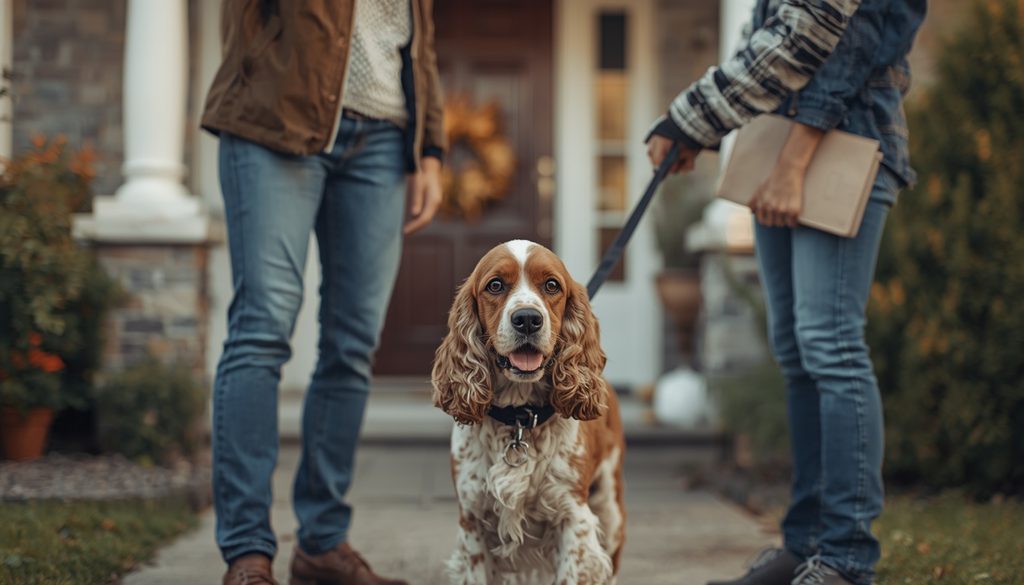
How to Prove Ownership of a Dog — Final Takeaway
If you need to know how to prove ownership of a dog, the strongest approach is to build a clear and consistent record rather than relying on one document.
Purchase or adoption paperwork can show how the dog originally came into your care. Microchip registration can link the dog’s permanent identification number to you. Veterinary records, local registration, insurance documents, receipts, photographs, and written transfer agreements can then help show that you have continued to be responsible for the dog over time.
The more those records agree with one another, the stronger the overall evidence becomes.
This is especially important if the dog is lost, stolen, rehomed, caught up in a relationship breakdown, or claimed by someone else. A current microchip on its own may not settle every dispute, just as one vet bill or photograph may not prove ownership by itself. A consistent paper trail is much harder to challenge.
If ownership changes, document the transfer in writing and update the microchip, registration, veterinary, insurance, and other records as soon as possible. If the dog remains in your care, keep important documents together and make digital backups.
The best time to organize proof of ownership is before you ever need it. A few minutes spent keeping records current can save enormous confusion later.
The Strongest Proof Is a Consistent Record
There is rarely one document that settles every dog ownership question. The strongest evidence usually comes from several records that all point to the same person, including purchase or adoption paperwork, microchip registration, veterinary records, local licensing, insurance documents, receipts, photographs and written transfer agreements. Keep these records current and store copies somewhere safe. If ownership ever becomes disputed, a clear history showing how you acquired the dog and how you have cared for it over time can be far more persuasive than trying to rely on one isolated document.
Explore More Dog Ownership Advice
Owning a dog involves much more than feeding, walking and training. From identification and everyday care to health, behavior and choosing the right breed, CanineBase has practical guides designed to help you manage life with your dog confidently. Visit our Dog Blog for more answers to common questions and useful dog ownership advice.
Learn More About Microchipping
Microchipping is one of the most useful permanent identification tools available to dog owners. For additional information about how microchips help identify lost companion animals and why registration details should be kept current, read the ASPCA’s information on pet microchips.