

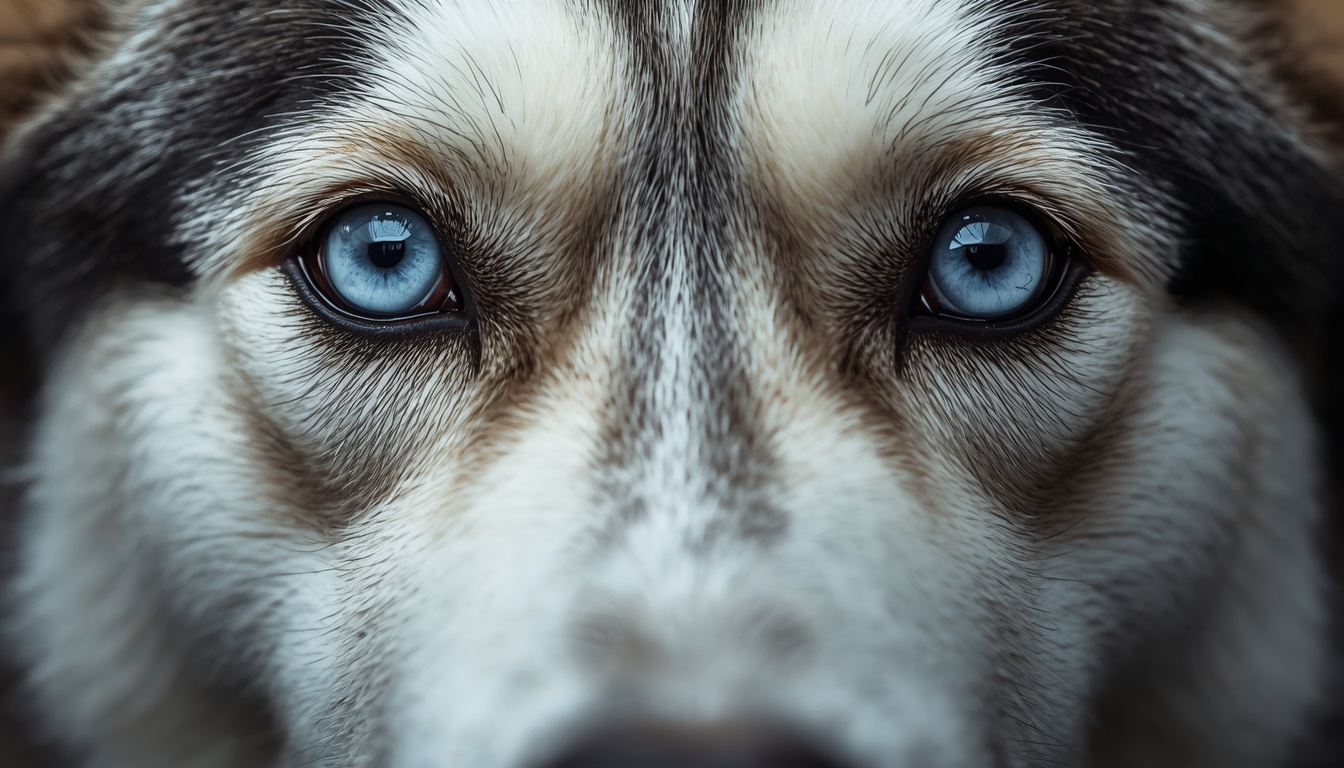
Dogs have lived alongside humans for thousands of years, but there is still an extraordinary amount to discover about them. From their ancient origins and remarkable senses to the ways they communicate, learn and form relationships with people, some of the most interesting facts about dogs reveal just how remarkable our canine companions really are. Their story stretches from wild ancestors to hundreds of breeds living and working beside us today — and understanding that journey can change the way we see the dogs sharing our homes. These are just some of the interesting facts about dogs that reveal how extraordinary the familiar animals sharing our homes really are.

Table of Contents
Where Do Dogs Come From?
To understand the remarkable story of the domestic dog, we first have to ask: where do dogs come from? Modern dogs belong to the species Canis lupus familiaris and share an ancient ancestry with wolves. Genetic evidence shows that dogs developed from an ancestral wolf population, although exactly when, where and how domestication began remains the subject of scientific research and debate.
The relationship probably developed gradually rather than beginning with people simply capturing wolves and turning them into pets. Less fearful wolves may have approached human camps to scavenge discarded food, gaining an advantage by living close to people. Humans, in turn, may have benefited from animals that could warn of danger, help locate prey or eventually assist with hunting and protection. Across many generations, this relationship began changing both the animals and the people living alongside them.
Estimates vary, but dogs were living alongside humans at least 15,000 years ago, and some genetic research suggests their relationship with us may stretch considerably further into the past. This makes the dog the earliest animal known to have been domesticated by humans — long before cattle, sheep or horses became part of everyday human life.
What followed was extraordinary. As people migrated across continents, dogs traveled with them. Different environments, human needs and eventually deliberate breeding helped produce animals suited to hunting, guarding, herding, hauling, retrieving and companionship. Over thousands of years, descendants of those ancient dogs developed into the astonishing variety of breeds and types we know today.
That means the Chihuahua curled up on a sofa, the Labrador retrieving a ball and the Siberian Husky pulling a sled all share a story reaching back thousands of years — to an ancient relationship between humans and the ancestors of the dogs that now share our lives.

Dogs Experience the World Very Differently From Us
One of the most interesting facts about dogs is just how different their experience of the world is from our own. Humans tend to rely heavily on sight, but for dogs, scent is an extraordinarily important source of information. When a dog stops to investigate a tree, lamppost or patch of grass, they are doing far more than simply smelling something interesting. Scents can provide clues about other animals that have passed through an area and how recently they were there, creating a rich picture of an environment that humans simply cannot perceive.
A dog’s nose contains vastly more scent-detecting receptors than a human nose, although the number varies between breeds and individuals. Their brains are also remarkably well equipped to process information carried by scent. Dogs can follow scent trails across considerable distances and distinguish particular odors from a complicated background of competing smells. Humans have learned to harness this ability in extraordinary ways. Specially trained dogs search for missing people, locate explosives and drugs, detect wildlife and assist in conservation work. Some are even trained to recognize particular biological scents associated with changes occurring within the human body.
Their hearing opens another world that largely exists beyond our awareness. Dogs can detect frequencies considerably higher than humans can hear, and many can pick up faint sounds from impressive distances. Their ears can also move to help locate the direction of a noise. This helps explain those strange moments when a dog suddenly raises its head, turns toward a doorway or stares into the distance while everyone else in the room wonders what on earth it has heard.
Dogs also see differently from us. Contrary to the old belief that dogs see only in black and white, they can see color, although their range is more limited than ours and is concentrated largely around blues and yellows. Many dogs are also particularly sensitive to movement and are well adapted to seeing in relatively low-light conditions. What may look like an ordinary evening backyard to us can therefore contain movement, sounds and scents that make it far more interesting to a dog.
These abilities are more than simply cool facts about dogs. They help us understand everyday canine behavior. The dog that spends several minutes investigating one spot during a walk isn’t necessarily being stubborn or wasting time. They may be gathering information from an invisible world of scent while simultaneously listening to sounds we cannot hear and noticing movements we might overlook. Understanding that difference gives us a glimpse into what life might actually be like from a dog’s point of view.

Dogs Are Constantly Communicating With Us
Dogs may not speak our language, but they are remarkably effective communicators. They use combinations of body posture, facial expression, movement, vocal sounds and even scent to communicate with other dogs and the people around them. A wagging tail, for example, doesn’t automatically mean a dog is happy. The height and speed of the wag, the position of the body, the ears, facial tension and the situation itself can completely change what that movement means. Learning to look at the whole dog rather than one signal can reveal an enormous amount about how they are feeling.
Over thousands of years of living alongside humans, dogs have also become extraordinarily attentive to us. They watch where we look, respond to gestures and learn to associate particular words, sounds and routines with what happens next. Many dogs quickly recognize the difference between someone reaching for a food bowl and someone picking up a leash, but their ability to read people can go considerably further. Research has shown that dogs can follow human pointing gestures, respond to our tone of voice and use information from our faces and bodies when deciding how to react to a situation.
Communication works in the other direction too. Dogs learn which behaviors successfully get our attention. They may bring a toy when they want interaction, wait beside a door when they want to go outside or repeatedly glance between a person and an object they cannot reach. Some dogs become remarkably skilled at adapting these signals to the humans they live with. What develops is almost a shared household language — a collection of looks, gestures, sounds and routines understood by both dog and owner.
Among the most interesting facts about dogs is that this relationship isn’t simply based on obedience. Dogs have spent thousands of years adapting to life alongside humans, while humans have become increasingly skilled at interpreting them. The result is an unusual relationship between two different species that can communicate, cooperate and form powerful social bonds without ever sharing a spoken language.
Good to Know
A wagging tail doesn’t always mean a happy dog. Tail position, speed, body posture, ears, facial expression and the situation itself all provide important context, so understanding canine communication means looking at the whole dog rather than relying on a single signal.

Dogs Are Remarkably Intelligent
Dogs are capable of far more than simply learning to sit, stay or come when called. They can learn through repetition, observation, association and experience, and many become remarkably good at solving everyday problems. A dog may work out how to open a partially closed door, remember where a favorite toy has been left or learn that a particular sequence of events means dinner, a walk or a trip in the car is about to happen. Much of what we call canine intelligence is therefore not about performing tricks, but about a dog’s ability to learn, remember, adapt and make decisions within the world around them.
Intelligence also varies enormously between individual dogs and between the tasks different breeds were developed to perform. Border Collies may excel at responding to complex directions and controlling livestock, while scent hounds can follow odor trails that would be impossible for humans to detect. Retrievers have been selectively bred to locate and return objects, livestock guardian breeds often need to make independent decisions, and terriers were developed for persistence and problem-solving while pursuing quarry. Judging all of these dogs by the same definition of intelligence can overlook the extraordinary abilities hidden within different breeds.
Some dogs have demonstrated an impressive ability to learn the names of large numbers of objects. They can distinguish one toy from another by spoken name and retrieve the requested item from a collection, suggesting that dogs can form surprisingly sophisticated associations between human words and particular objects. Dogs are also excellent learners of routines. They notice patterns in human behavior so well that many seem to know what is about to happen before their owners have consciously announced it.
One of the cool facts about dogs is that intelligence doesn’t always look like obedience. A dog that independently finds another way to solve a problem may actually be demonstrating excellent problem-solving ability, even if that solution wasn’t what its owner intended. Understanding canine intelligence means appreciating what a particular dog was developed to do, what motivates them and how they use their senses and experience to navigate the world.

Good to Know
A dog’s intelligence isn’t measured simply by how quickly they obey commands. Different breeds were developed for different kinds of work, so problem-solving, scent work, independence, memory and responsiveness to people can all represent different forms of canine intelligence.
No Two Dogs Are Quite the Same
One of the most remarkable things about dogs is the extraordinary variety found within a single species. A tiny Chihuahua and a towering Great Dane may look as though they belong to completely different branches of the animal kingdom, yet both are domestic dogs. Across the world, dogs vary enormously in size, body shape, coat type, color, energy level, temperament and natural ability. Much of that diversity developed because humans selectively bred dogs for particular purposes, creating generations of animals increasingly suited to the work people needed them to perform.
Those jobs were incredibly varied. Some dogs were bred to herd livestock across large areas of farmland, while others guarded homes, flocks or property. Scent hounds developed exceptional tracking abilities, retrievers worked alongside hunters, terriers pursued animals into confined spaces and powerful working dogs hauled loads or performed demanding physical tasks. In other parts of the world, dogs developed with far less deliberate human selection, adapting over generations to local climates, food availability, disease pressures and the demands of surviving alongside human communities. The enormous diversity we see in dogs today therefore reflects both purposeful breeding and thousands of years of adaptation.
Breed, however, never tells the whole story. Two Labrador Retrievers raised in the same household can have noticeably different personalities, preferences and responses to new situations. Genetics provide part of the foundation, but early experiences, socialization, training, environment, health and relationships also help shape the individual dog. Even puppies from the same litter can develop into adults with distinctly different personalities.
Perhaps one of the most interesting facts about dogs is that this incredible physical diversity hasn’t prevented them from retaining many behaviors shared across the species. From a tiny companion dog to a large livestock guardian, dogs still communicate through many of the same postures, expressions, scents and vocalizations. They may look dramatically different on the outside, but beneath that diversity lies a common canine heritage stretching back thousands of years.

Dogs and Humans Share an Extraordinary Bond
Few relationships between humans and another species are quite like the one we have developed with dogs. For thousands of years, dogs have lived beside us, traveled with us, worked alongside us and gradually become part of our homes and families. What may have begun as a mutually beneficial relationship between early humans and the ancestors of modern dogs eventually developed into something much deeper. Today, dogs can be companions, working partners, protectors and helpers, but for millions of people they are also valued members of the family.
Part of that bond comes from the remarkable way dogs respond to human social behavior. Dogs pay close attention to our faces, voices, gestures and routines, and many become extremely sensitive to changes in the people they know well. They may recognize when someone is preparing to leave the house, notice a change in tone during a conversation or seek contact when a familiar person behaves differently. Humans respond to dogs in equally powerful ways, learning to recognize individual expressions, sounds and behaviors until communication between dog and owner can become remarkably subtle.
Physical interaction can strengthen that relationship as well. Research into human-dog interaction has found that friendly contact, including gentle touch and mutual attention, can be associated with changes in hormones involved in social bonding. One frequently studied hormone is oxytocin, which also plays an important role in bonding between humans. The relationship is therefore not simply something owners imagine; interaction between people and dogs can produce measurable responses in both species.
Dogs have also transformed this ancient partnership into an astonishing range of modern roles. Guide dogs help people with visual impairments navigate everyday life, assistance dogs perform tasks for people with disabilities, detection dogs use their extraordinary noses in security and conservation work, and search-and-rescue dogs help locate people in situations humans may struggle to access. Alongside all of these remarkable working partnerships sits the ordinary family dog — waiting at the door, joining a walk or simply choosing to lie near the people they trust.
Among all the cool facts about dogs, perhaps the most extraordinary is that an ancient relationship between two very different species became one of the closest human-animal partnerships on Earth. We shaped dogs over thousands of years, but in many ways, living with dogs has shaped human lives too.
Good to Know
The human-dog bond isn’t based only on food and shelter. Dogs pay remarkable attention to human gestures, voices and routines, while people become equally skilled at recognizing the individual signals of dogs they know well.

Dogs Have Some Surprisingly Human-Like Abilities
Living so closely with people has given dogs plenty of opportunities to become experts in human behavior. Many dogs learn the names of familiar people, recognize frequently used words and distinguish between routines that may appear almost identical to an outsider. The sound of a particular cupboard opening may mean treats, a certain pair of shoes might predict a walk, and the appearance of a suitcase can be enough to tell an observant dog that something unusual is about to happen. Dogs are exceptionally good at noticing patterns, and they often learn far more about our daily lives than we deliberately teach them.
Dogs can also remember people and places over long periods. Memory in dogs does not necessarily operate in exactly the same way as human memory, but they can retain associations involving individuals, locations, smells, experiences and learned behaviors. A dog returning to a familiar place after a long absence may immediately investigate favorite areas, while the scent, voice or appearance of someone they have known previously can trigger an unmistakable response. Their powerful sense of smell may make these associations particularly strong because scent provides information humans often fail to notice.
Sleep provides another fascinating similarity. Dogs pass through different stages of sleep, including periods associated with rapid eye movement, or REM sleep. During deeper sleep, owners frequently notice paws twitching, ears moving, quiet vocalizations or movements resembling running. Scientists cannot ask a dog what they were experiencing when they wake, so we cannot know precisely what dogs dream about. However, the neurological similarities in mammalian sleep have led researchers to consider it likely that dogs experience dream-like mental activity.
Dogs can even show preferences that look remarkably individual. One may repeatedly choose the same sleeping place, toy or person, while another seeks completely different experiences. Some love water; others avoid it. One dog may enthusiastically greet every visitor while another prefers to observe from a comfortable distance. These differences remind us that dogs aren’t simply representatives of their breed — they are individuals with their own histories, preferences and personalities.
When people search for dogs facts, it is often these familiar but surprisingly complex abilities that make dogs so fascinating. We share our homes with animals that learn our routines, recognize individuals, remember experiences, sleep and possibly dream beside us — all while experiencing the same household through senses very different from our own. Among the most interesting facts about dogs is just how much they can learn simply by observing the people and routines around them.

Good to Know
Those twitching paws and tiny noises during sleep may accompany dream-like brain activity, but we can’t know exactly what a sleeping dog is experiencing. What we do know is that dogs experience different stages of sleep, including REM sleep.
Some Dog Facts Are Stranger Than You Might Think
After thousands of years living alongside us, dogs can still surprise us. Their noses are individually distinctive, with patterns of ridges and creases that differ between dogs. Puppies are born unable to see or hear properly and depend almost completely on their mother during their earliest days. As they develop, their senses, movement and ability to interact with the world change rapidly, beginning the transformation from a vulnerable newborn puppy into an independent young dog. These developmental changes are among the interesting facts about dogs that are easy to overlook once we only see them as fully grown companions.
Dogs also have physical adaptations that are easy to overlook. Unlike humans, they don’t cool themselves primarily by sweating across the surface of their bodies. Panting plays a major role in regulating body temperature, while dogs also have sweat glands associated with their paw pads. Their whiskers aren’t simply decorative hairs either. Specialized sensory hairs around the muzzle and face can detect touch and subtle changes in the immediate environment, providing another stream of information about the world around them.
Even something as ordinary as a dog’s ears can be remarkable. Depending on the individual dog and breed, numerous muscles help control ear movement, allowing dogs to change their ear position and orient them toward sounds. Combined with facial expression, posture and tail position, those movements also contribute to the rich body language dogs use when communicating. A person who learns to notice these small changes can begin seeing conversations between dogs that might otherwise pass completely unnoticed.
Then there is the extraordinary range of jobs dogs can learn to perform. Dogs have searched for survivors after disasters, detected wildlife for conservation projects, guided people who cannot see, helped manage livestock, located prohibited substances, assisted people with disabilities and worked alongside humans in countless other roles. The same species also includes dogs whose principal occupation is apparently finding the most comfortable spot on the sofa.
These are just a handful of the cool facts about dogs hidden within an animal many of us see every day. Perhaps that familiarity is what makes dogs so easy to underestimate. Behind the wagging tails, muddy paws and enthusiasm for dinner is an animal shaped by thousands of years of evolution, domestication and partnership with people — and there is still plenty left for us to learn.
Good to Know
Dogs don’t regulate body temperature in quite the same way humans do. Panting is particularly important for cooling, while sweat glands associated with their paw pads play a smaller role in temperature regulation.
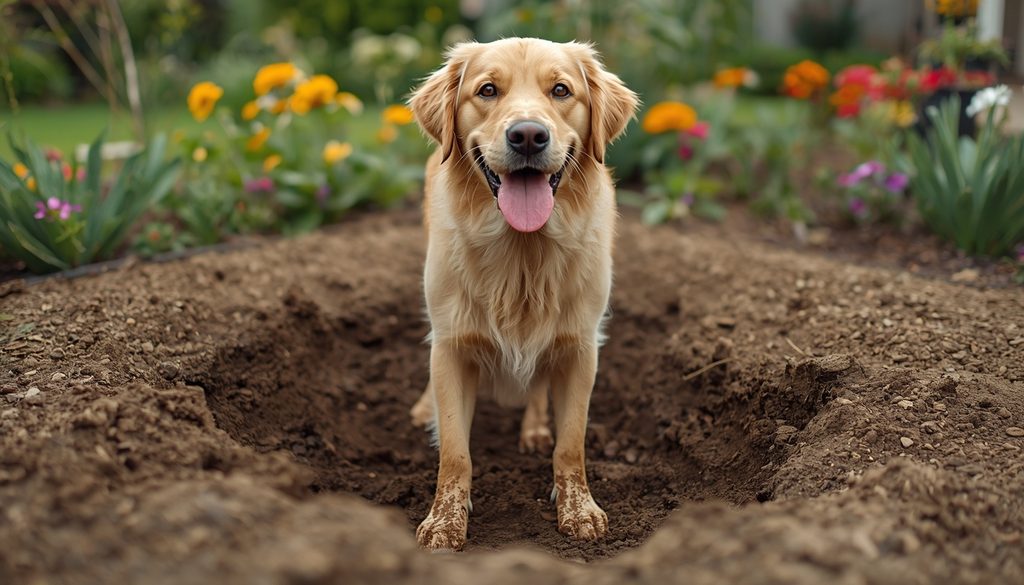
The Amazing Story of Dogs
The more we learn about dogs, the more remarkable their story becomes. From ancient wolf ancestors living near early human communities to the extraordinary variety of dogs sharing our homes today, their history has been intertwined with ours for thousands of years. Along the way, dogs developed remarkable abilities to communicate with people, interpret the world through powerful senses, solve problems, learn routines and form lasting social relationships.
Perhaps the most fascinating of all the interesting facts about dogs is that their story is still unfolding. Science continues to reveal more about canine genetics, intelligence, behavior, communication and the origins of domestication, while every dog remains an individual shaped by their own genetics, experiences, environment and relationships.
Understanding dogs more deeply doesn’t take away any of the magic of living with them — it adds to it. The familiar companion sleeping on the sofa, investigating every scent on a walk or waiting at the door has an extraordinary history behind them. The better we understand that history and the animal in front of us, the better equipped we are to give our dogs the healthy, rewarding and fulfilling lives they deserve.
The Science Behind Dog Domestication
Dogs were the first animals domesticated by humans, with their relationship with us stretching back thousands of years. Research into ancient canine genomes continues to reveal just how complex that history was. Read more about the genetic history and domestication of dogs in Nature Reviews Genetics.